AHIS Block 3 Key Artworks
 Studied by 0 people
 Call Kai
 Learn
Learn Practice Test
 Spaced Repetition
 Match
Match Flashcards
 Knowt Play
1/8

Earn XP
Description and Tags
Context and comparisons of key artworks from block 3 study guide
Name | Mastery | Learn | Test | Matching | Spaced |
|---|
No study sessions yet.
9 Terms

The Portraits of the Academicians of the Royal Academy Johan Zoffany, 1771-72
The women in the paintings are members of the academy but can not be in the room due to the nude model. women membership is limited to only a few spots. This is a painting of the members of the Royal Academy.
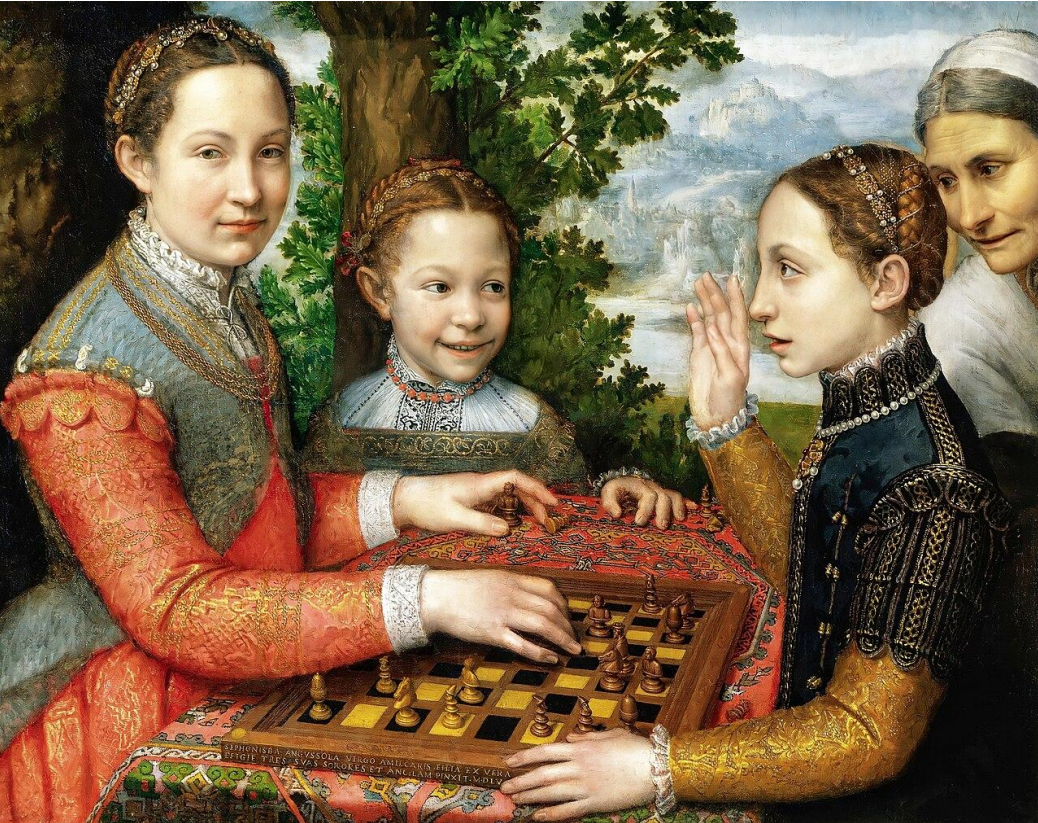
The Game of Chess Sofonisba Anguissola 1555
realistically depicts sisters. The clothing is unrealistic for what they would be wearing but is depicted with such detail to flex her skill. Realism with idealized exaggeration. Depicting women playing an intellectual game usually male dominated (chess) shows that women are smart and worth of study.
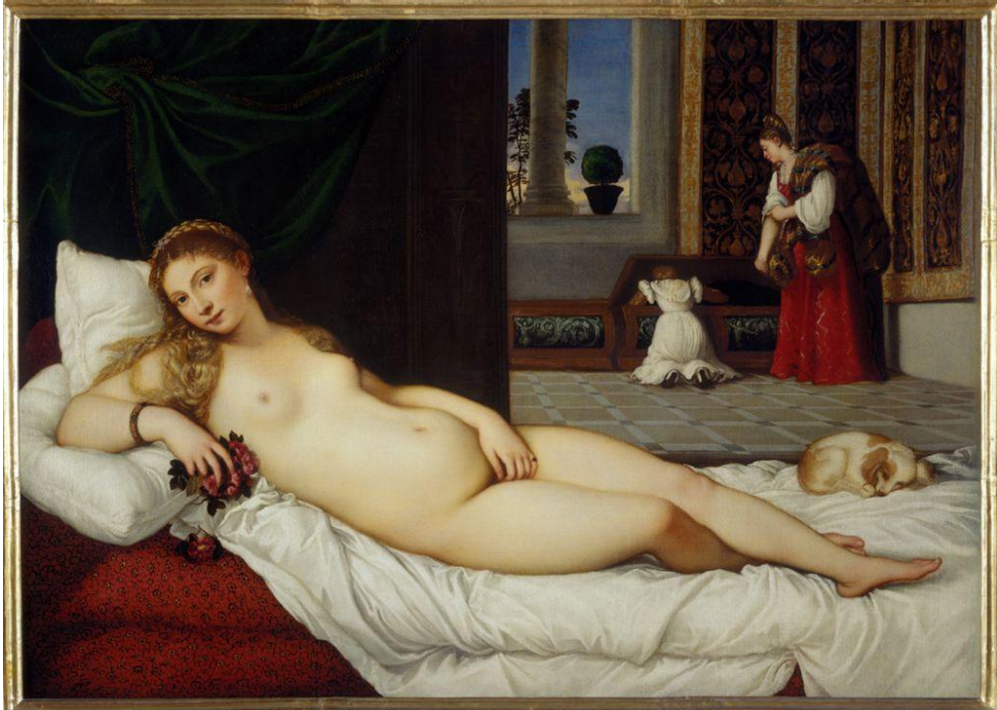
Venus of Urbino Titian 1538
Various sexual connotations attached. it possibly represents the consummation of marriage with a young bride seeing her husband and showing herself for the first time. Sleeping dogs represent purity and chaste. Flowers represent delicacy in sexuality. white sheets for purity. A nude but still modest, toes the line of modesty, composition makes your eye linger on her body through how its spans across the whole canvas.
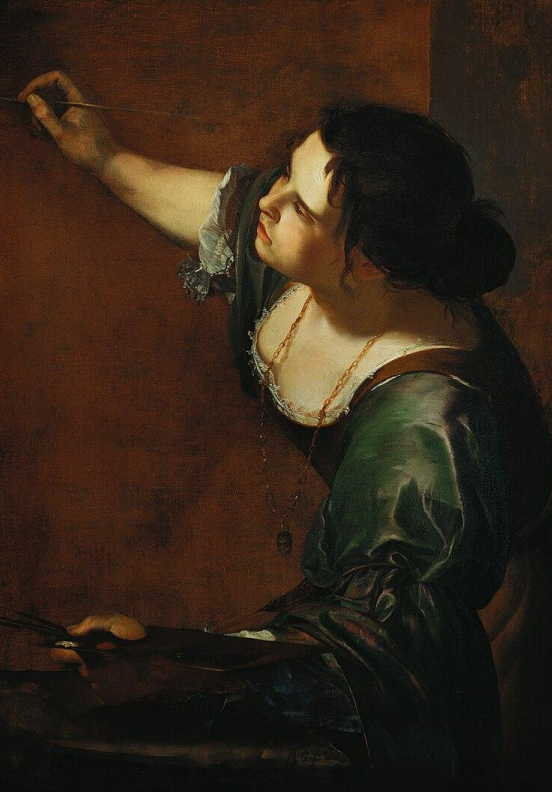
Self-Portrait as the Allegory of Painting Artemisia Gentileschi 1638-39
through self portrait, women express their individuality and their emotional and intellectual complexity. Artemisia depicts herself while validating her profession as an artist. It challenges patriarchal mythology about how paintings are created.
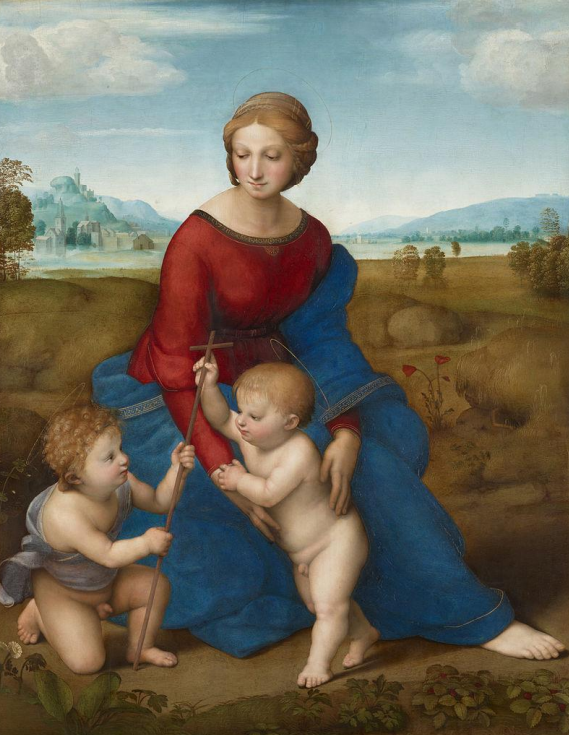
Madonna of the Meadow Raphael 1506
Depicts Mary as motherly and nurturing. Compared to Santa Trinita Maesta and Madonna in the Church she is the most human watching her children play. It is something common folk can relate to. She has a very faint halo, the piece is narrative and wispy.
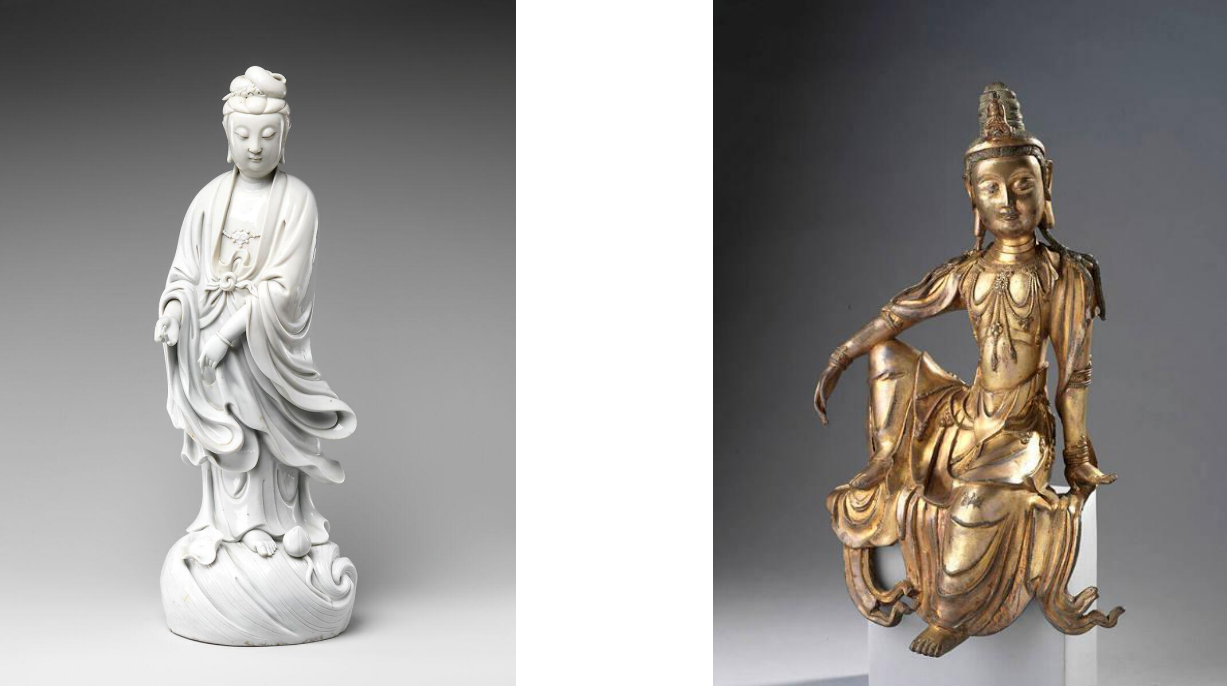
Guanyin in female and male form, 17th C Porcelain with ivory glaze and 14th-15th Century gilded bronze
The Bodhisattva Guanyin is a Buddha that is represented as moth male and female. The hair and clothes represent gender performance, there are also androgenous representations. This is an enlightened figure.

The Emperor of China’s Meal François Boucher 1742
here we see an example of chinoiserie. Flora and fauna do not match, there are turbans with rice patty hats and other mixed eastern cultural symbols. Figures have racialized eyes and white skin.
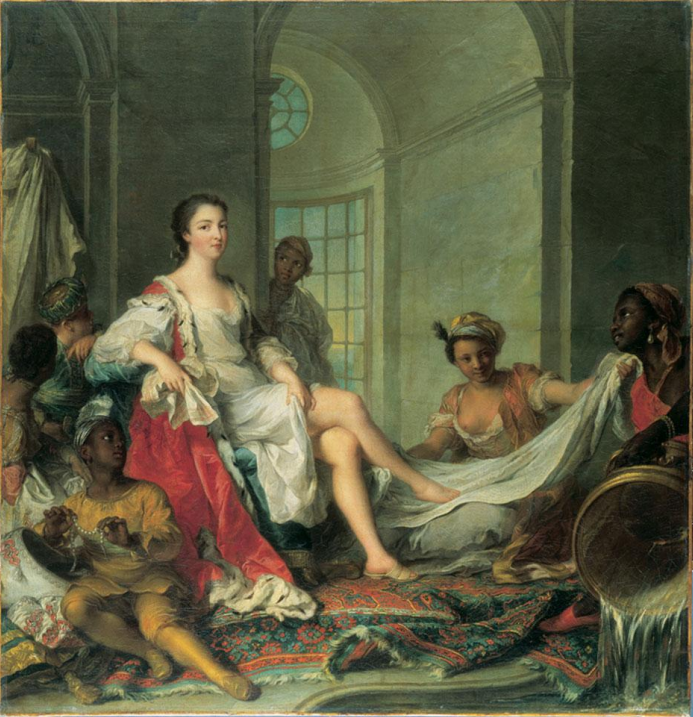
Mademoiselle de Clermont, Princess of the Blood, as a Sultana, Served by Some Slaves Jean-Marc Nattier 1733
Shows a woman in position of power in the haram scene. The white woman’s gaze commands dominance over the viewer and the black women in the scene. Shows how white women used their skin to maintain status and dominate over other women (of colour).
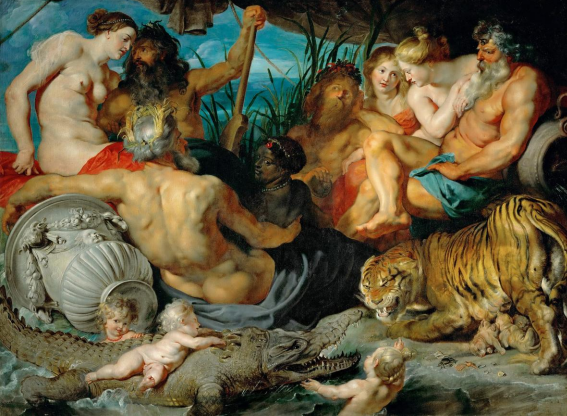
The Four Continents Peter Paul Rubens 1612-15
Everyone is interacting. Dark skinned woman is on the ground looking at us from below everyone else. Continents are women while the men represent major rivers. Asia is white and blonde. Shows racial hierarchy and Asia/Africa prominence of the time.