Lab 9: Brain and Special Senses
 Studied by 7 people
 Call with Kai
 Learn
Learn Practice Test
 Spaced Repetition
 Match
Match Flashcards
 Knowt Play
1/63

There's no tags or description
Looks like no tags are added yet.
Name | Mastery | Learn | Test | Matching | Spaced | Call with Kai |
|---|
No study sessions yet.
64 Terms
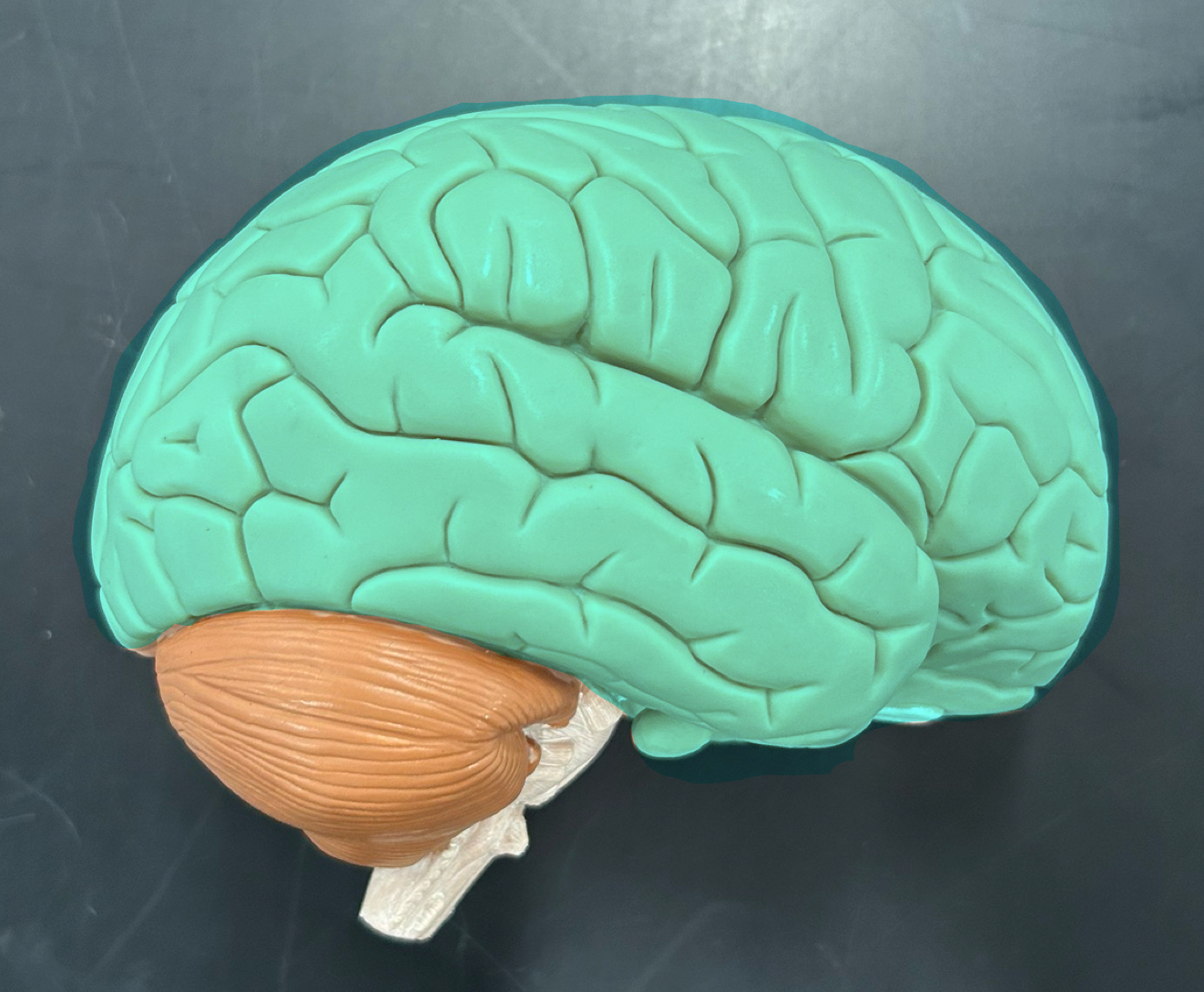
Cerebrum: Controls voluntary movements, sensory perception, reasoning, learning, emotions, and memory. It's the largest part of the brain.
*
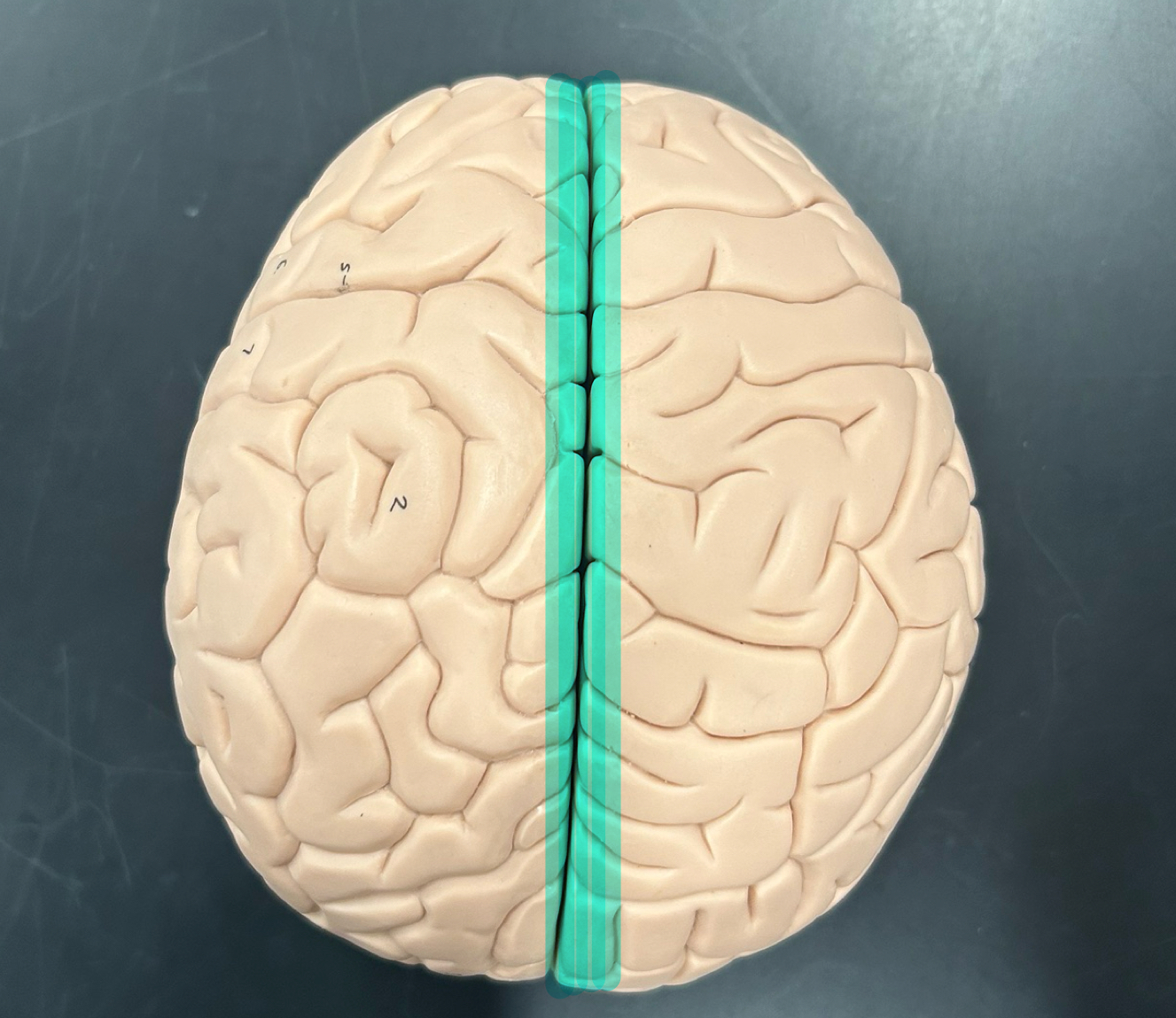
Longitudinal fissure
Central sulcus

Precentral gyrus
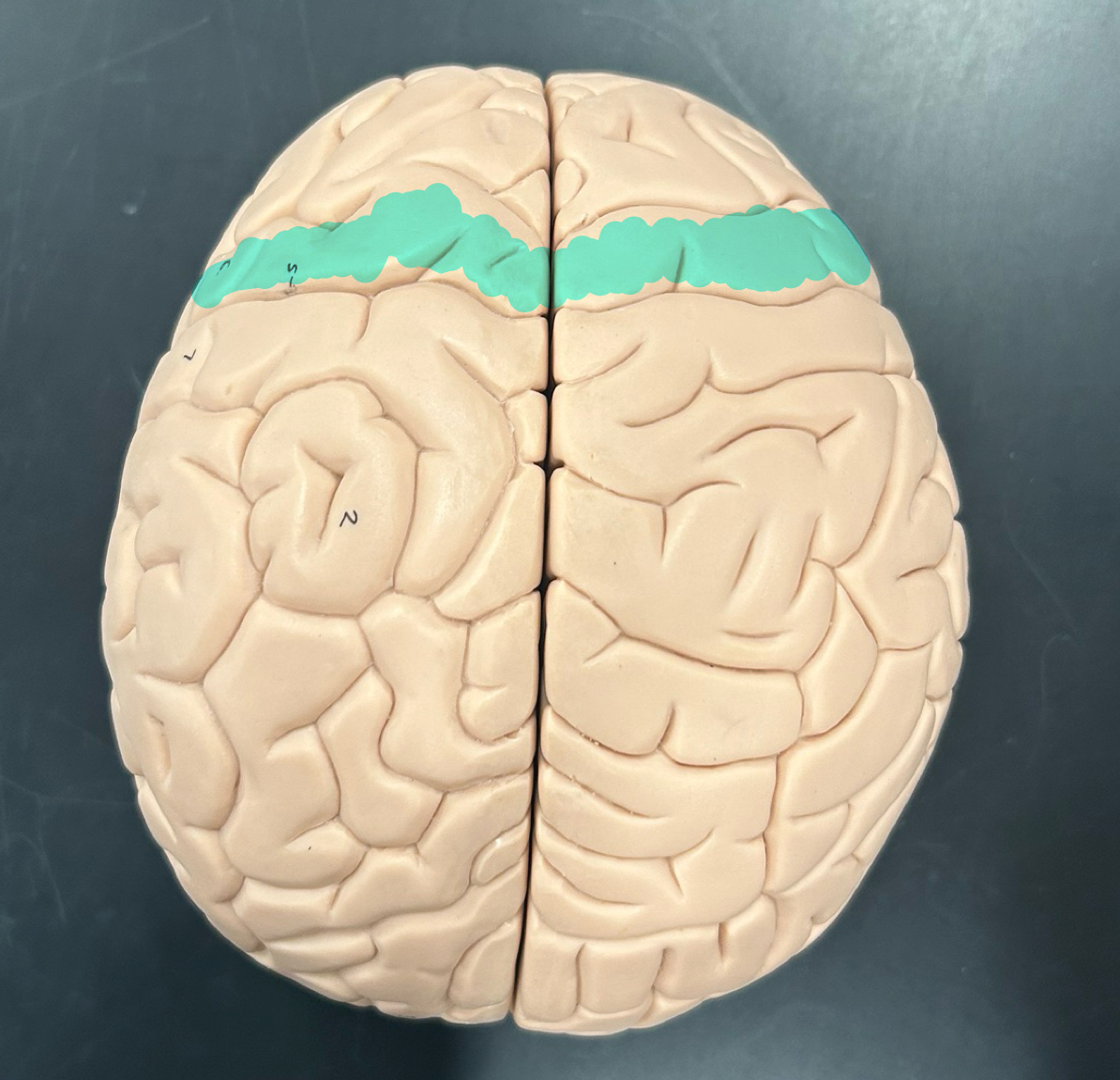
Postcentral gyrus
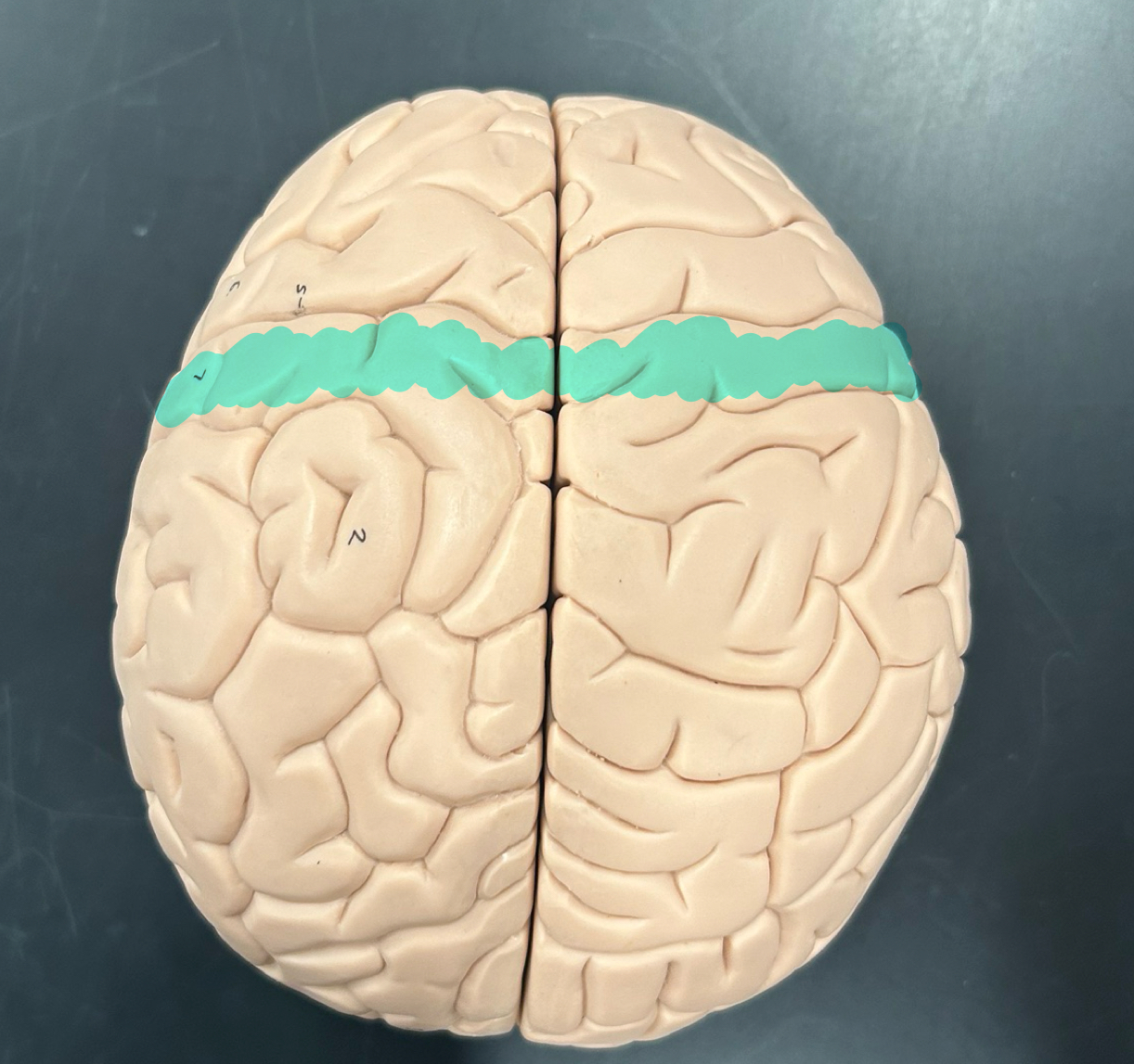
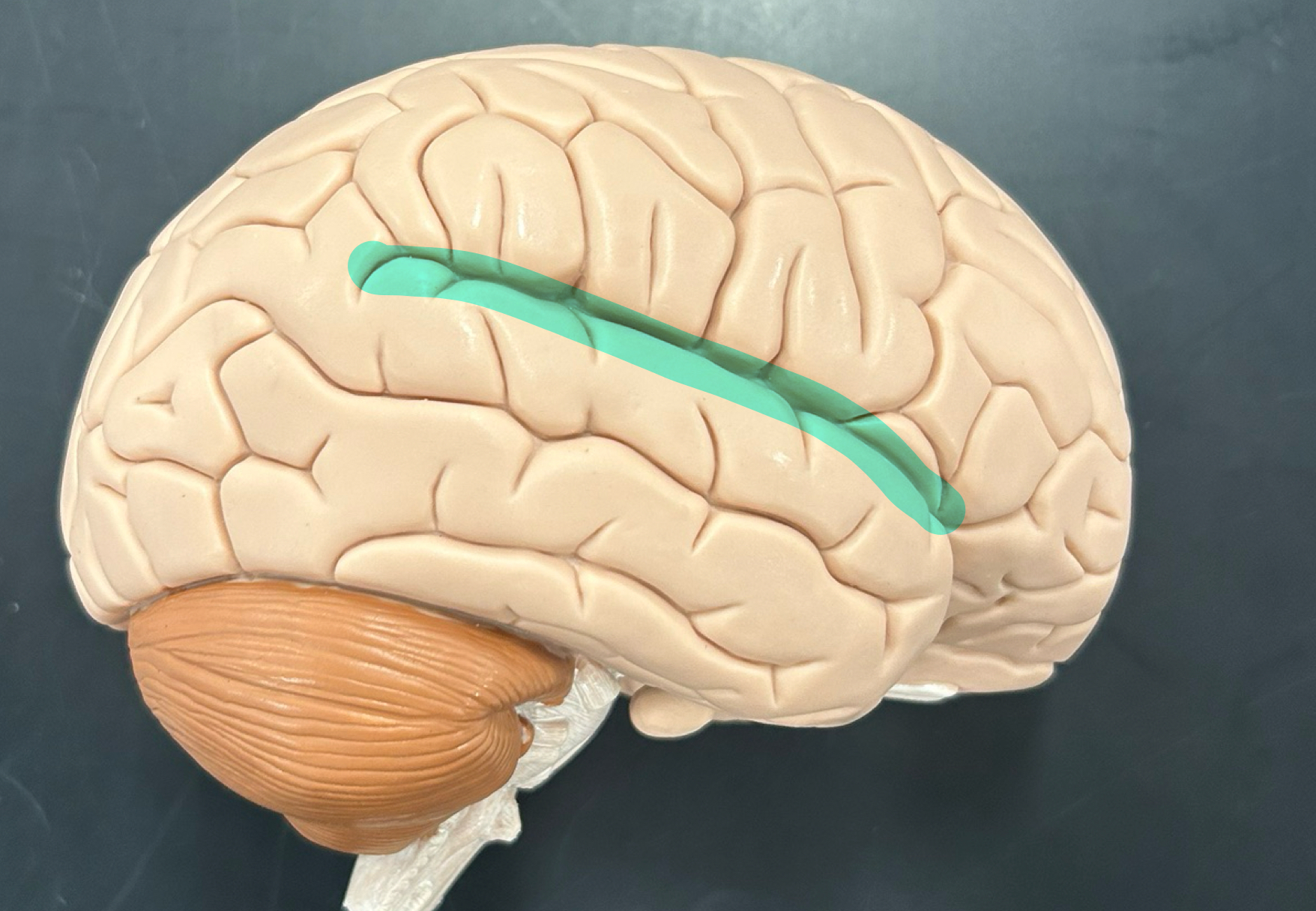
Lateral sulcus
Transverse cerebral fissure
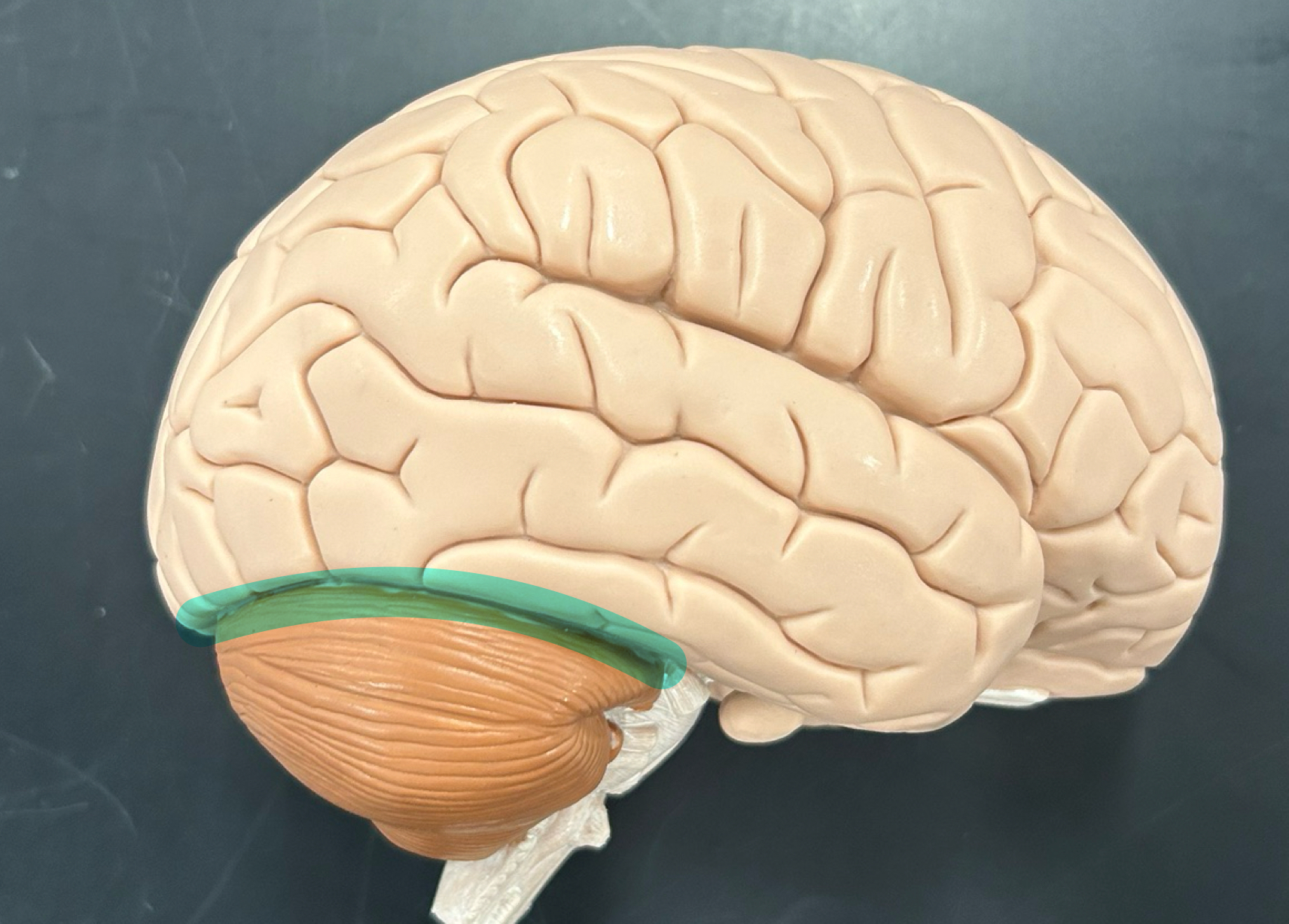
Cerebellum

Olfactory bulb: Processes smell information from the nose and sends it to the brain
*

olfactory tract

optic nerve

optic chiasma
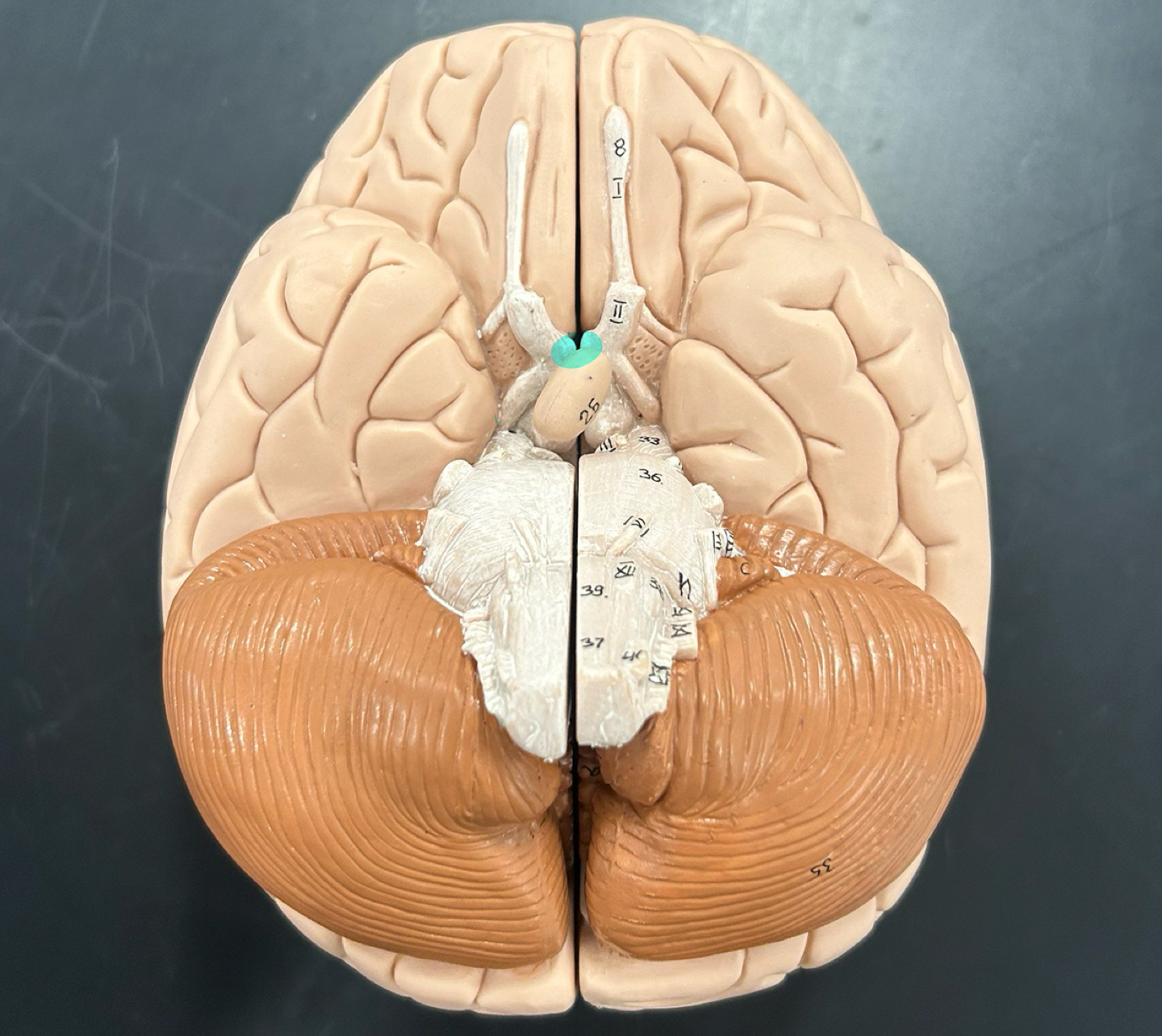
optic tract
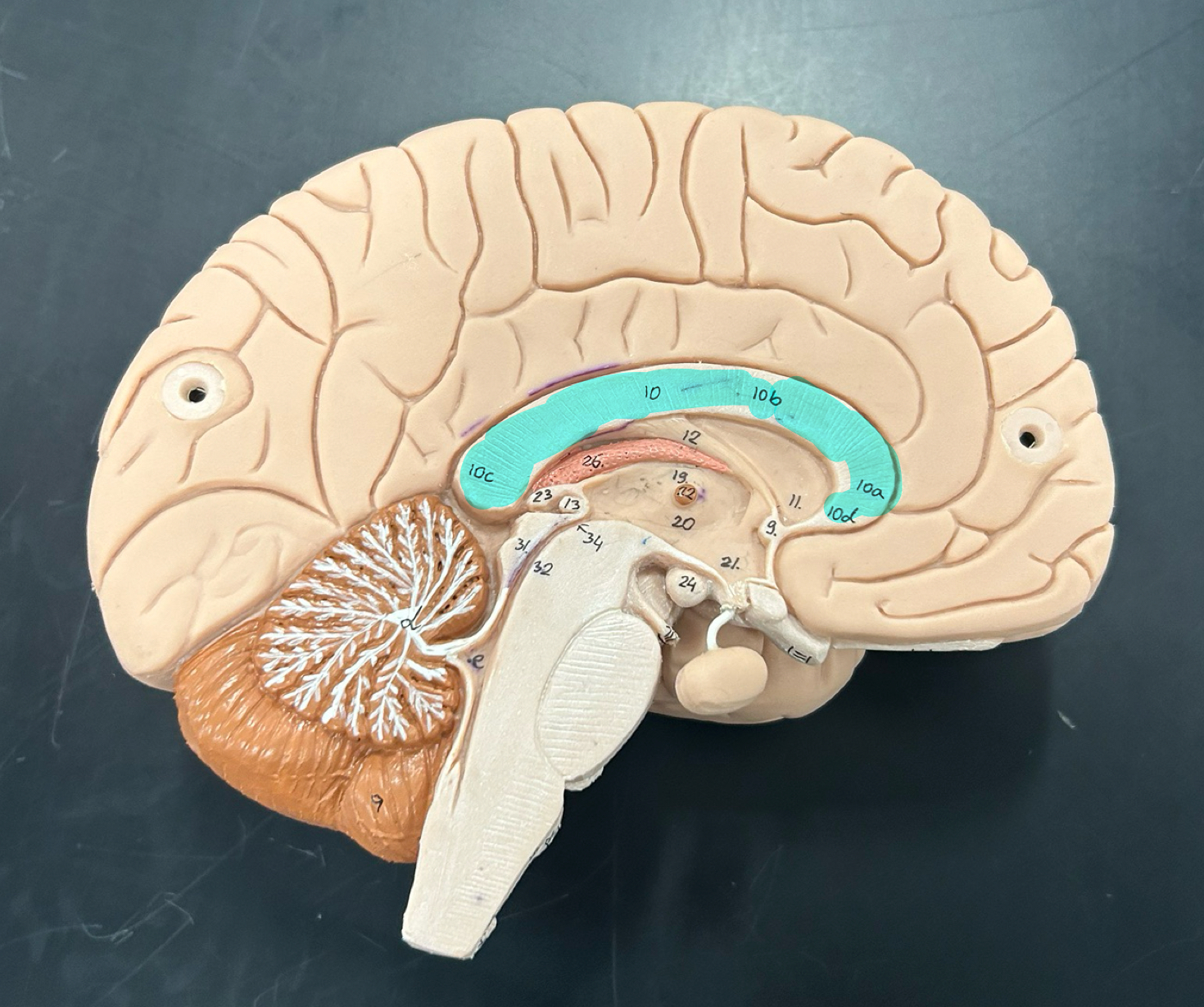
corpus callosum
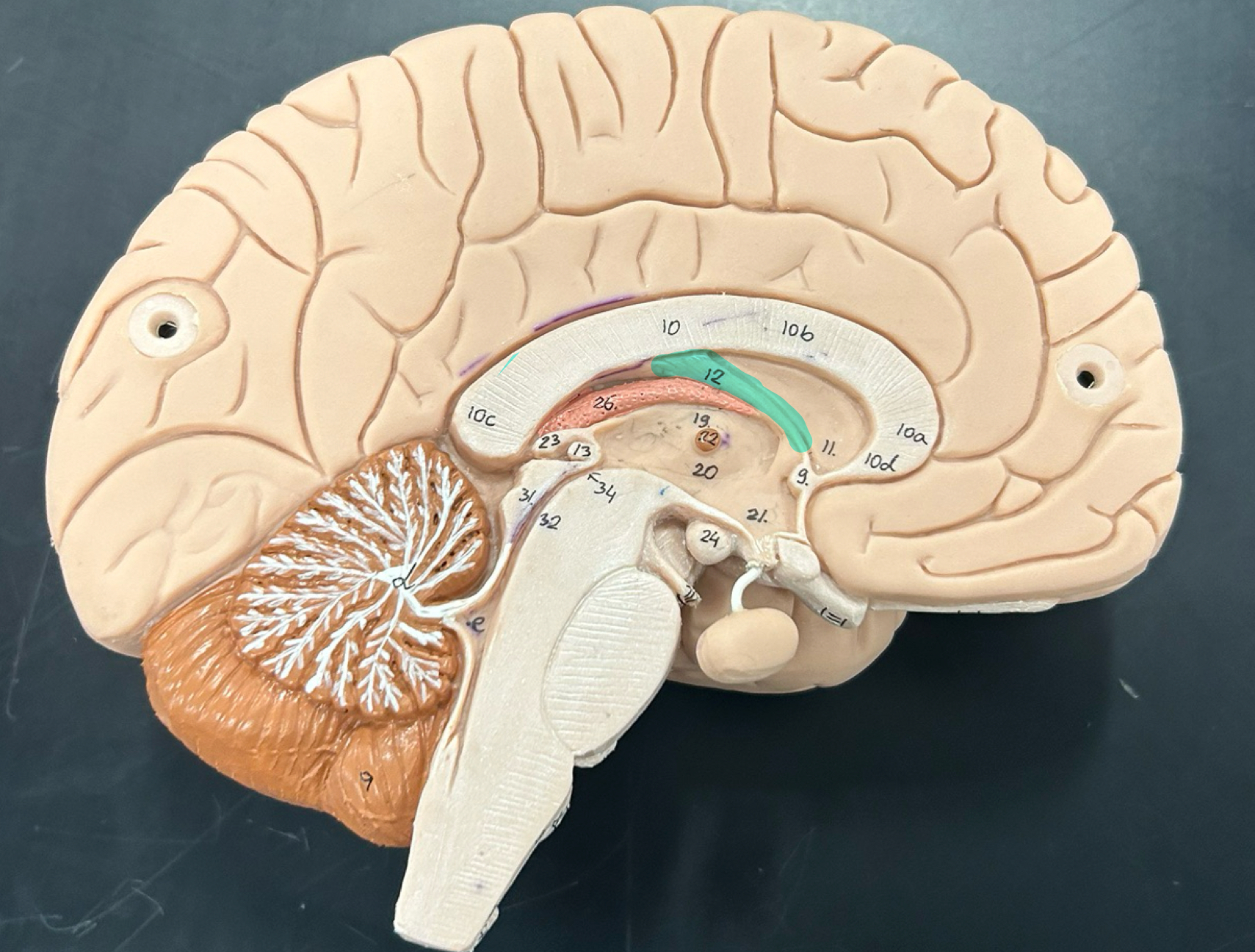
fornix
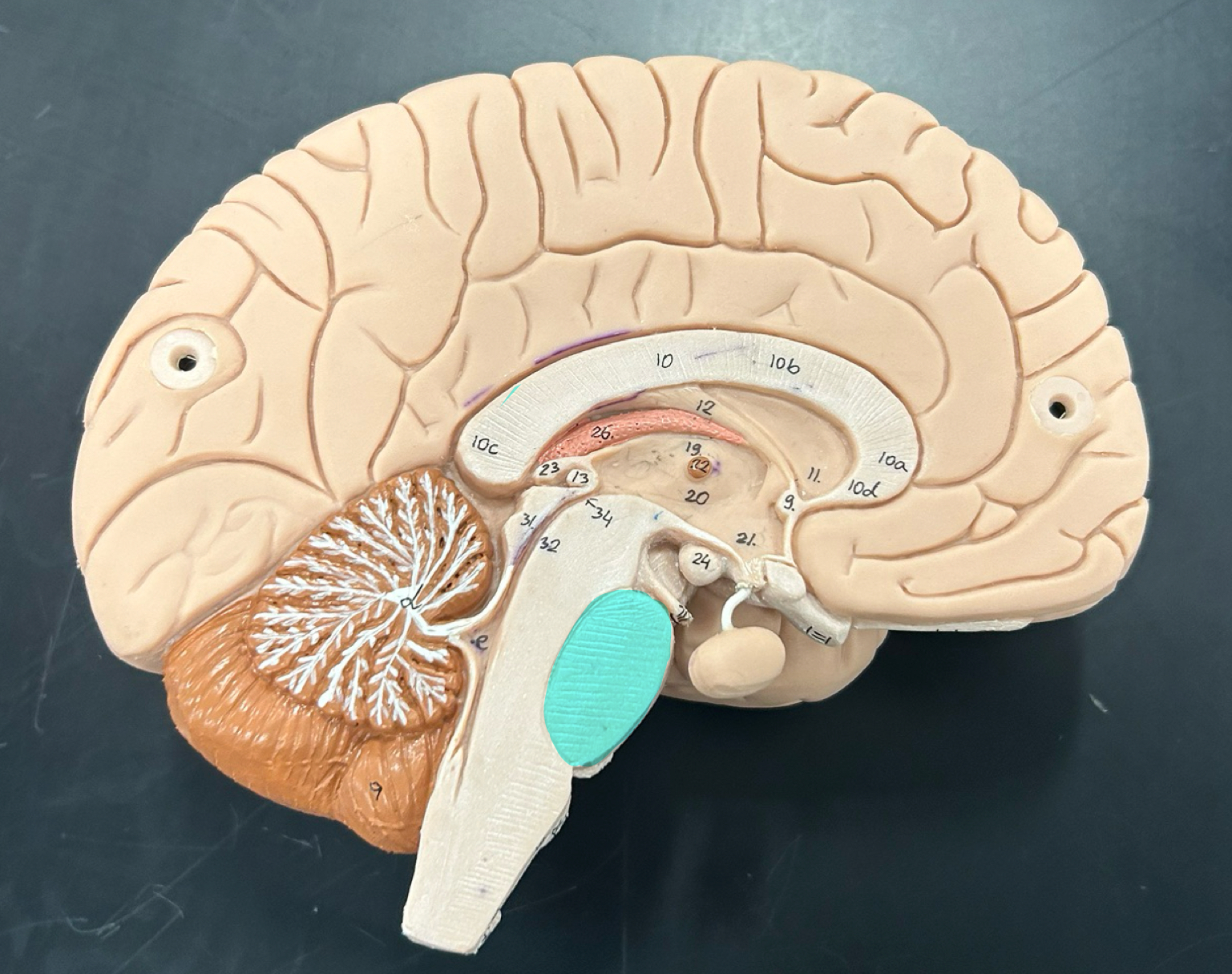
pons
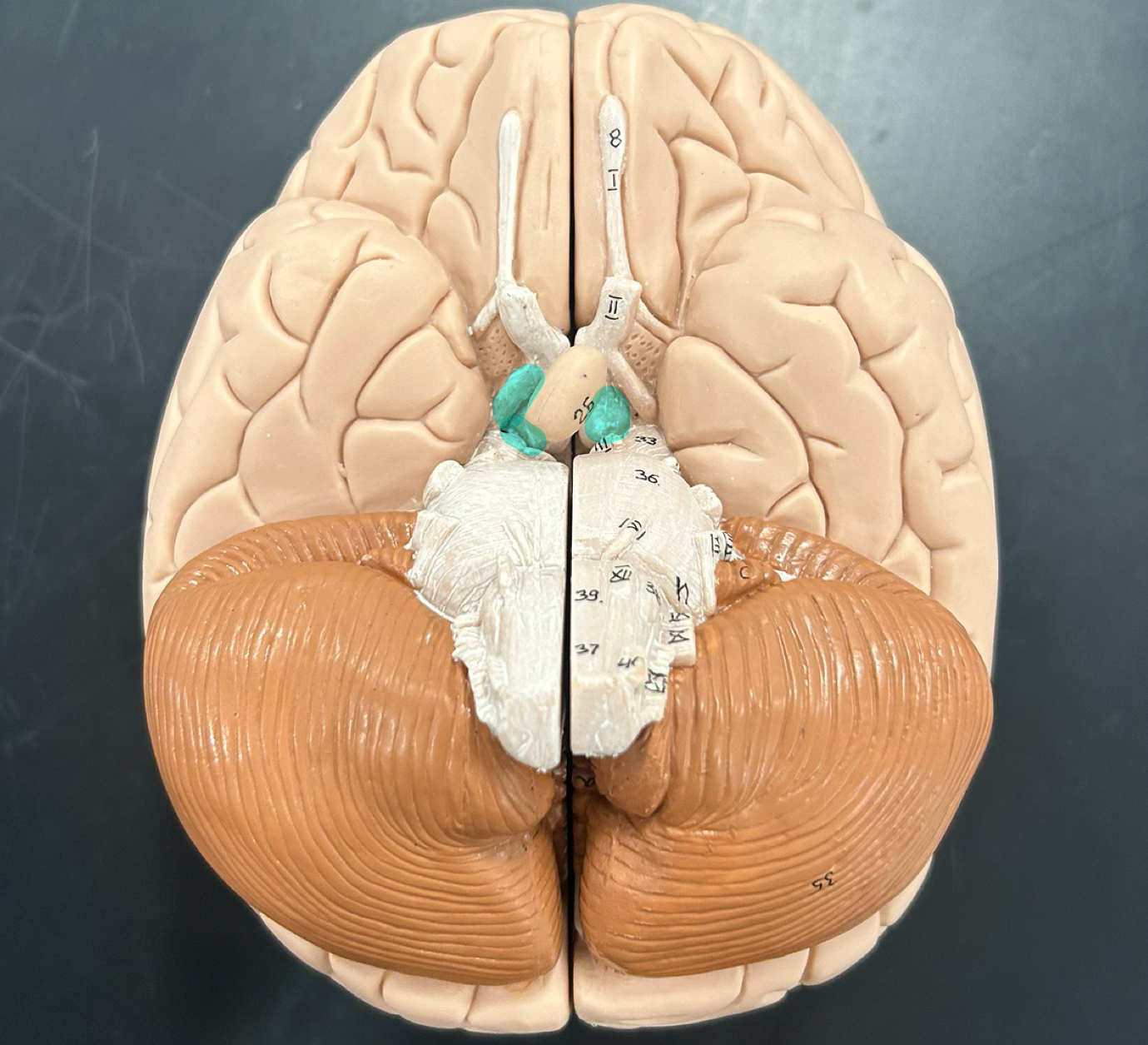
medulla oblongata: Controls vital functions like heart rate, breathing, and blood pressure. Also helps with reflexes like coughing and swallowing.
*
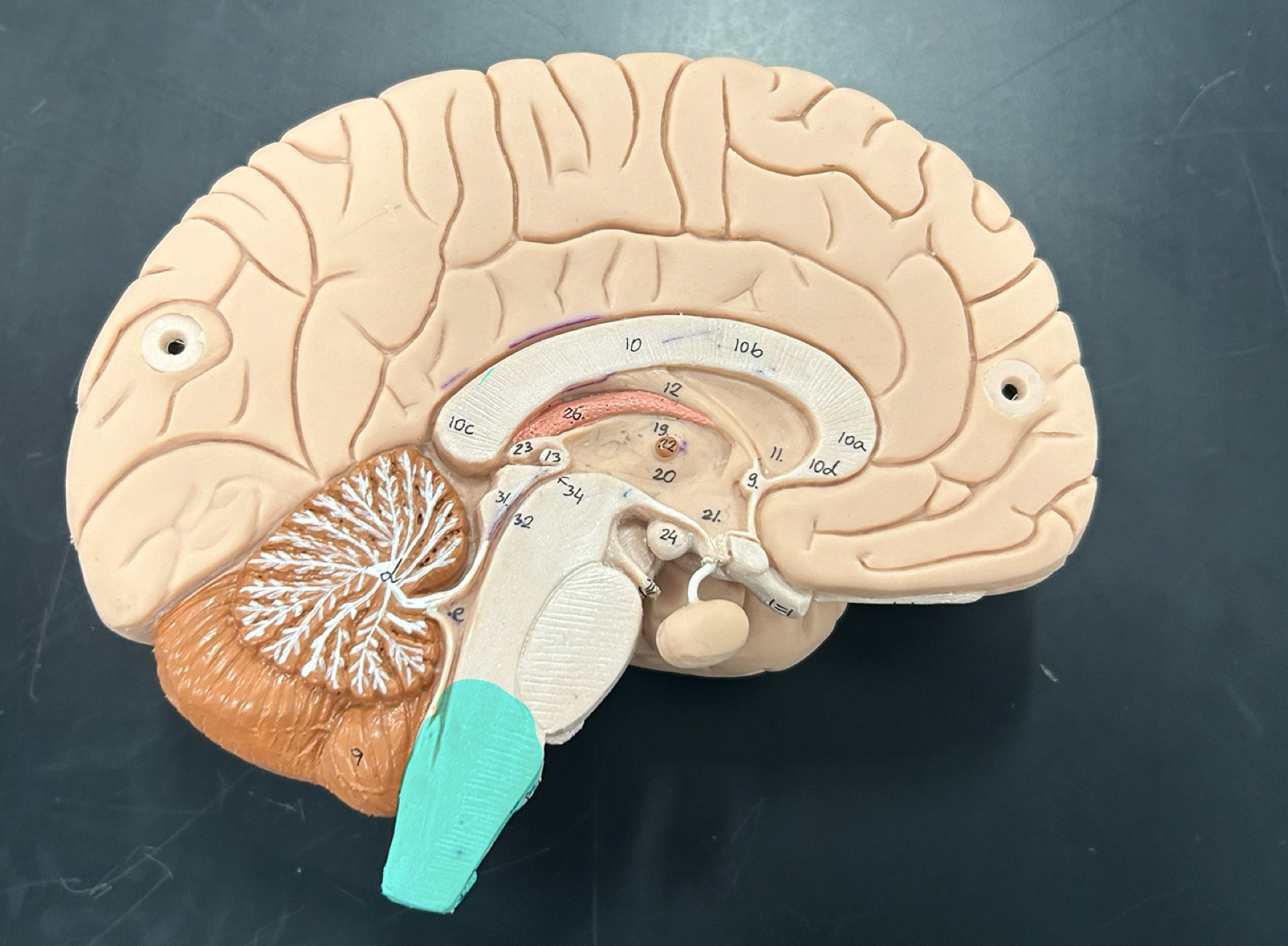
corpora quadrigemina
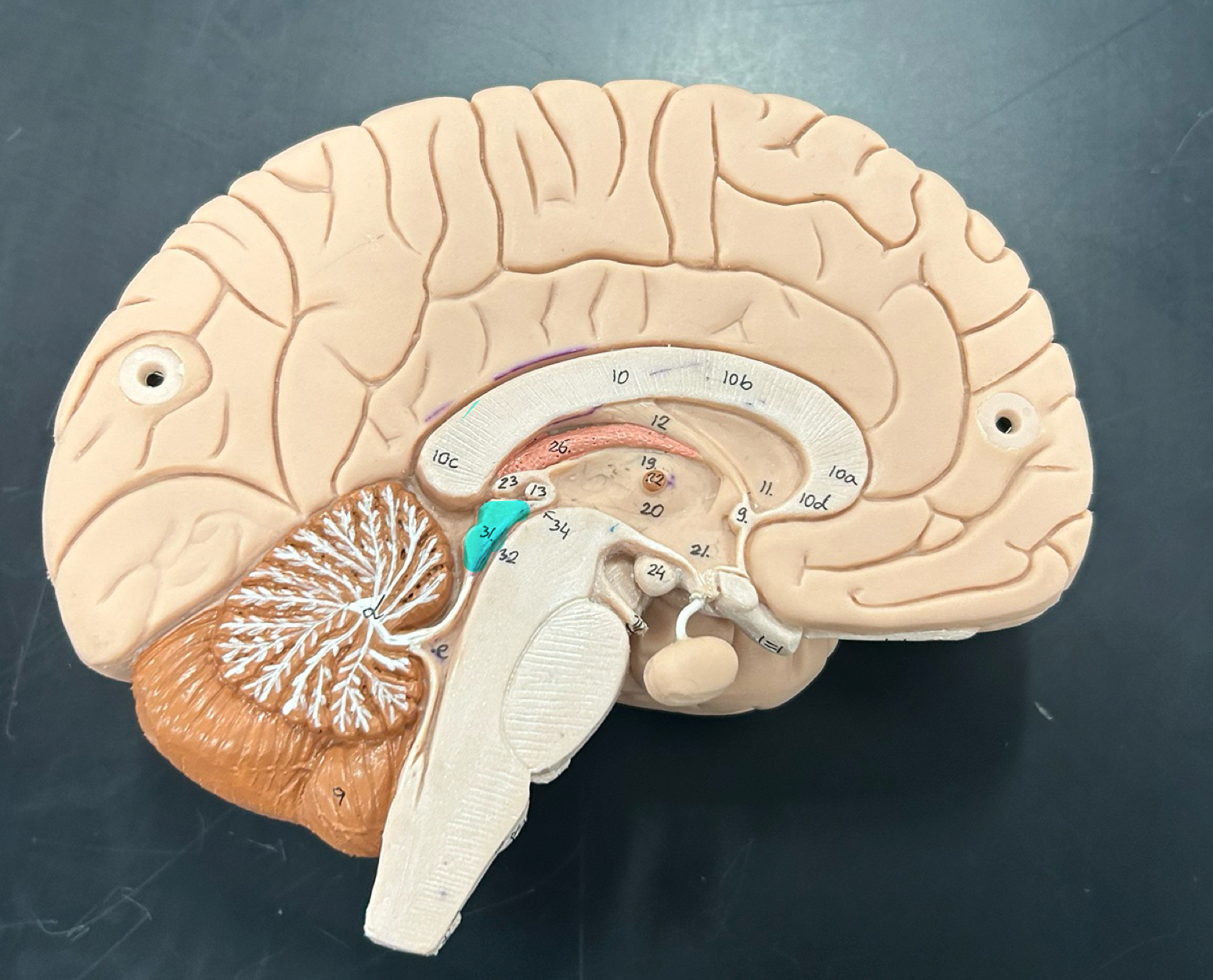
superior colliculi: Controls visual reflexes like tracking moving objects and coordinating eye movements
*
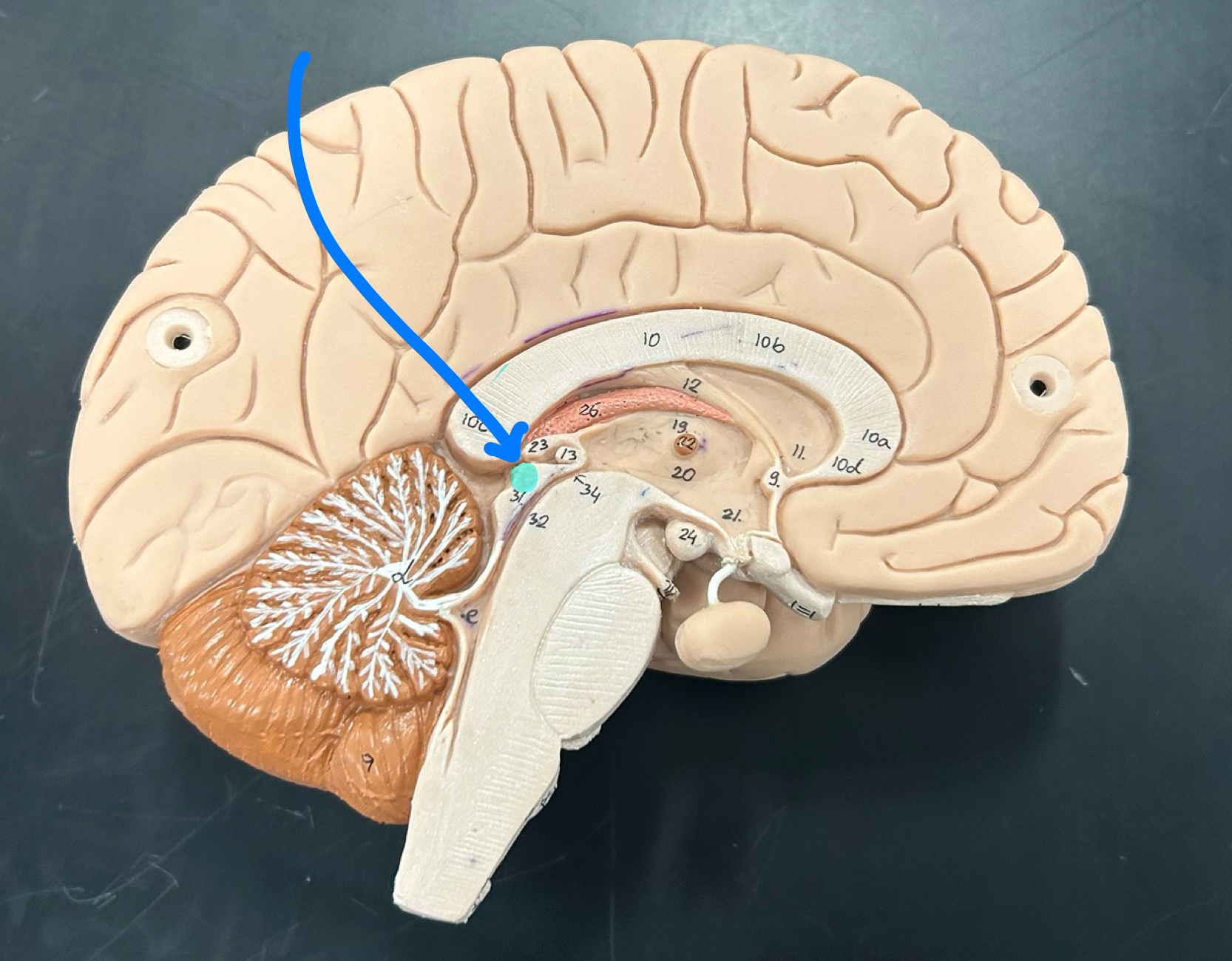
inferior colliculi: Processes auditory information and helps with reflexive responses to sound.
*
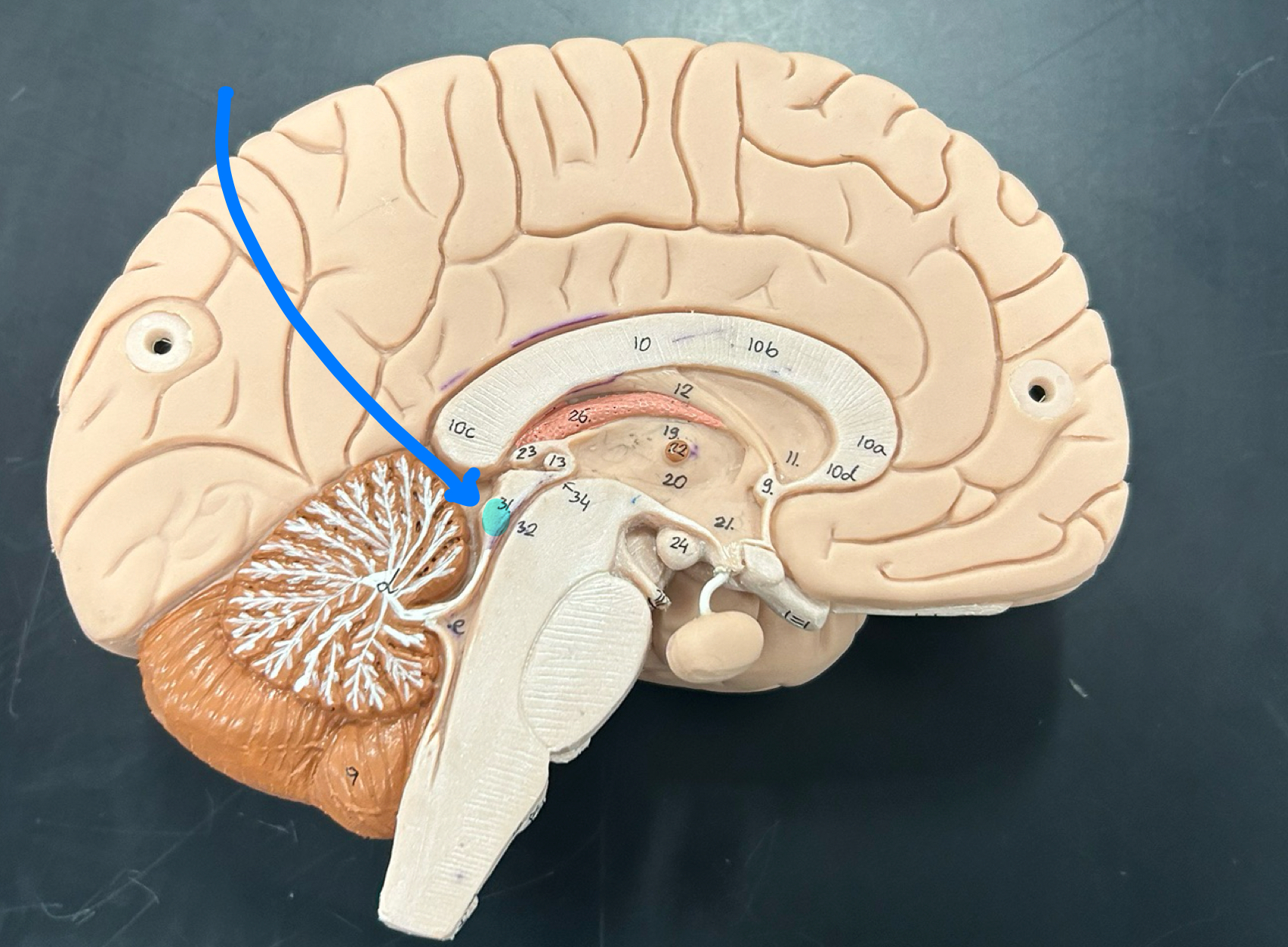
Mamillary body: Involved in memory processing, especially recollective memory; connects to the hippocampus
*

thalamus
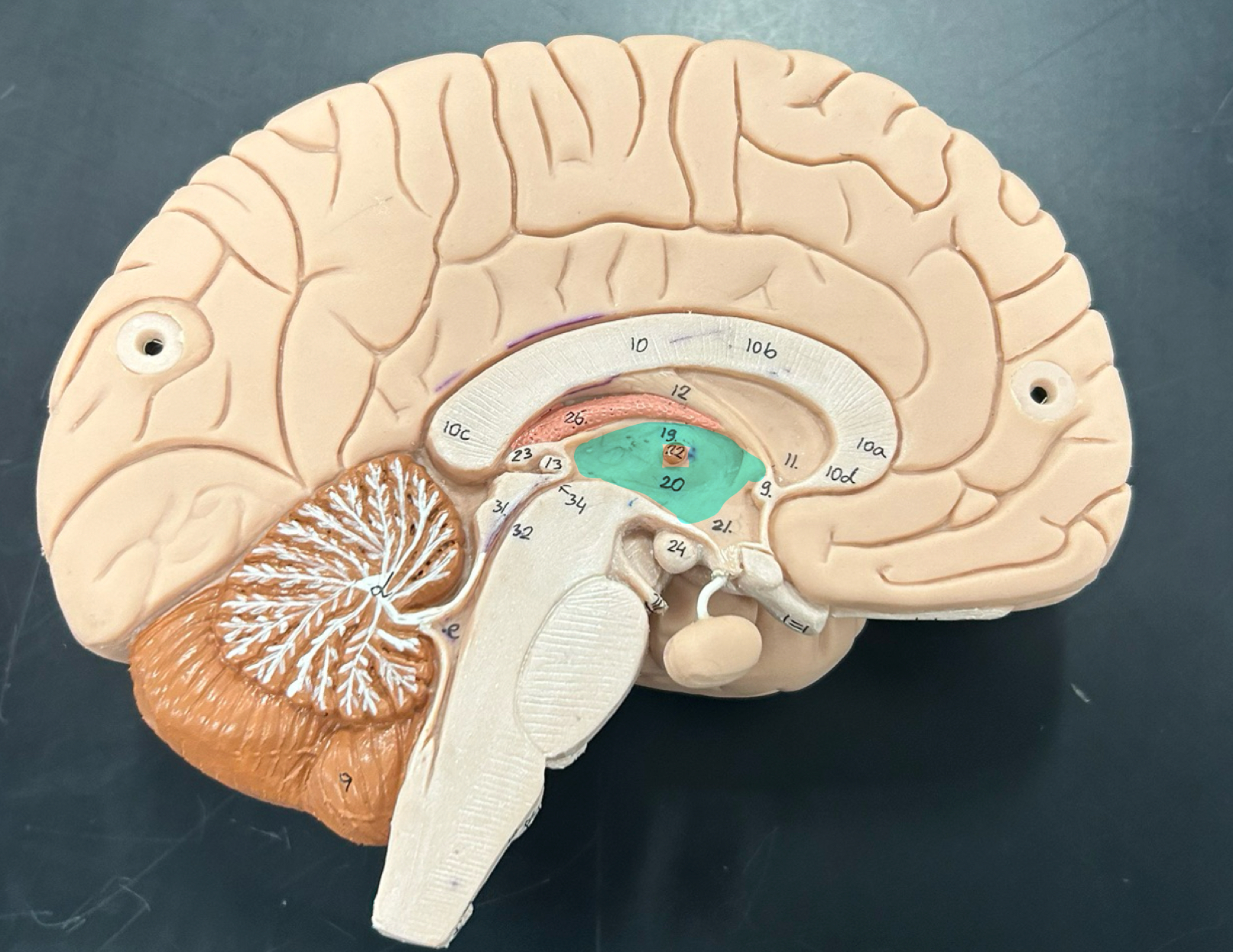
hypothalamus
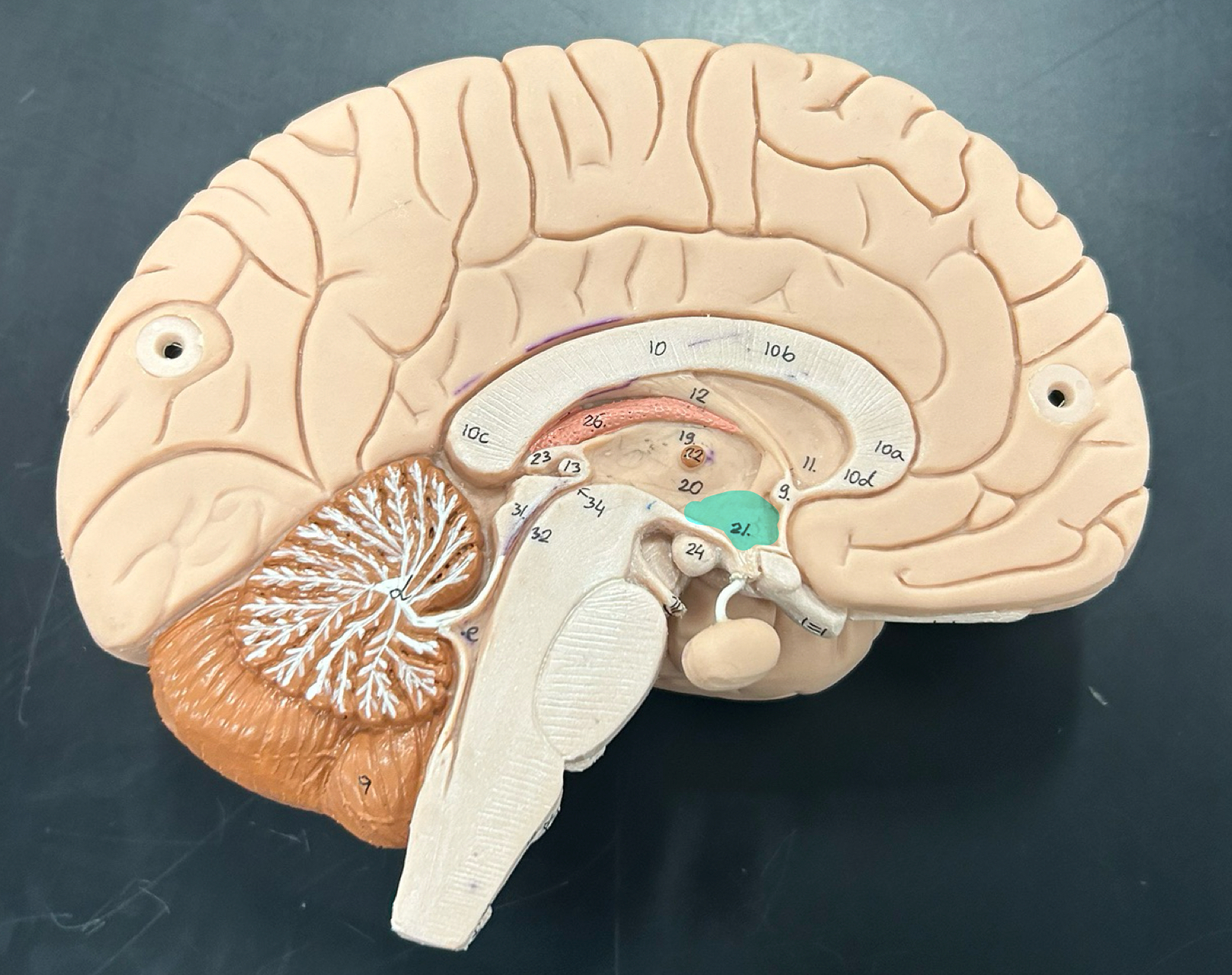
pineal gland: Secretes melatonin to regulate sleep-wake cycles (circadian rhythm)
*
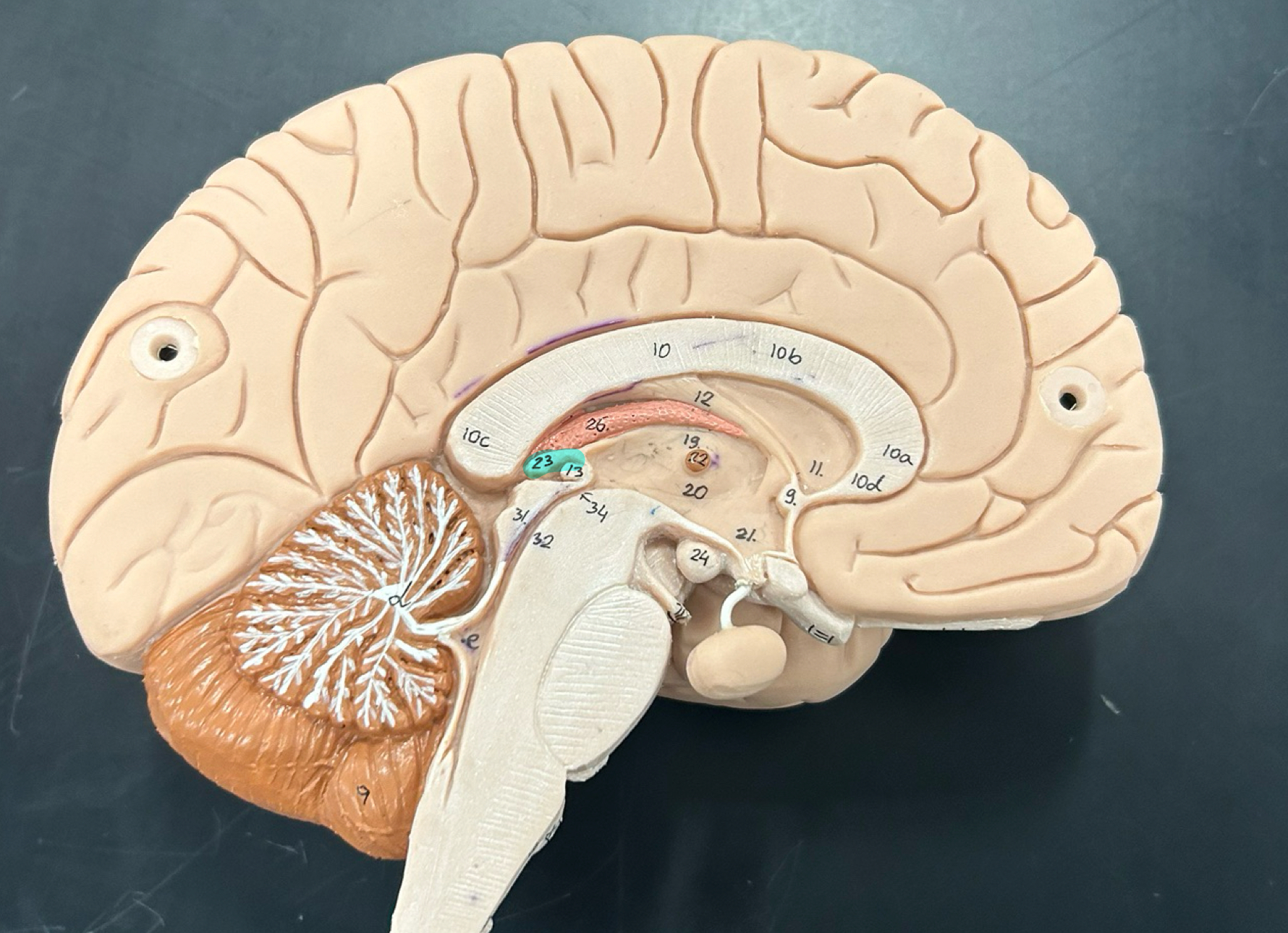
choroid plexus: Produces cerebrospinal fluid (CSF), which cushions the brain and spinal cord
*
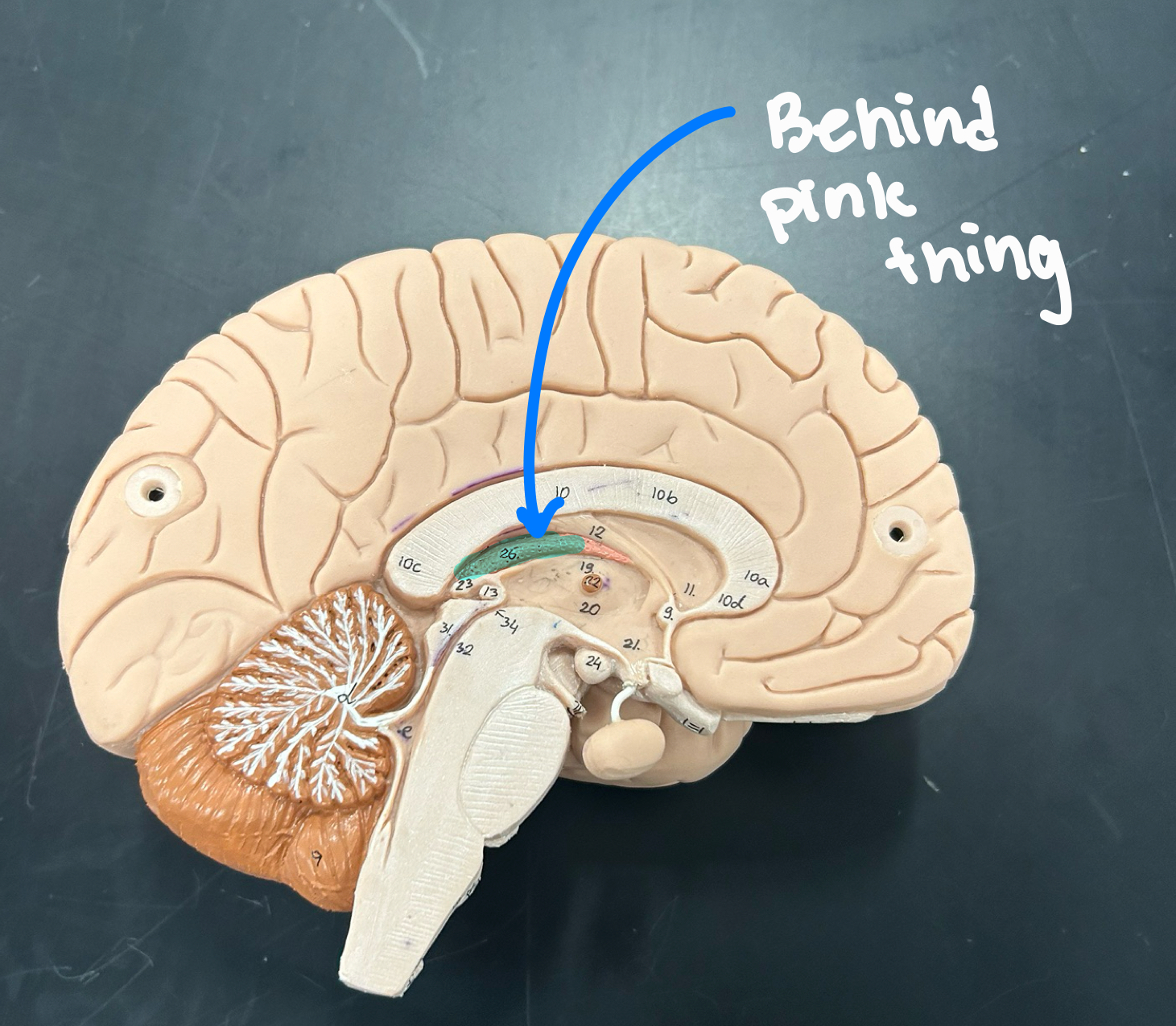
lateral ventricle
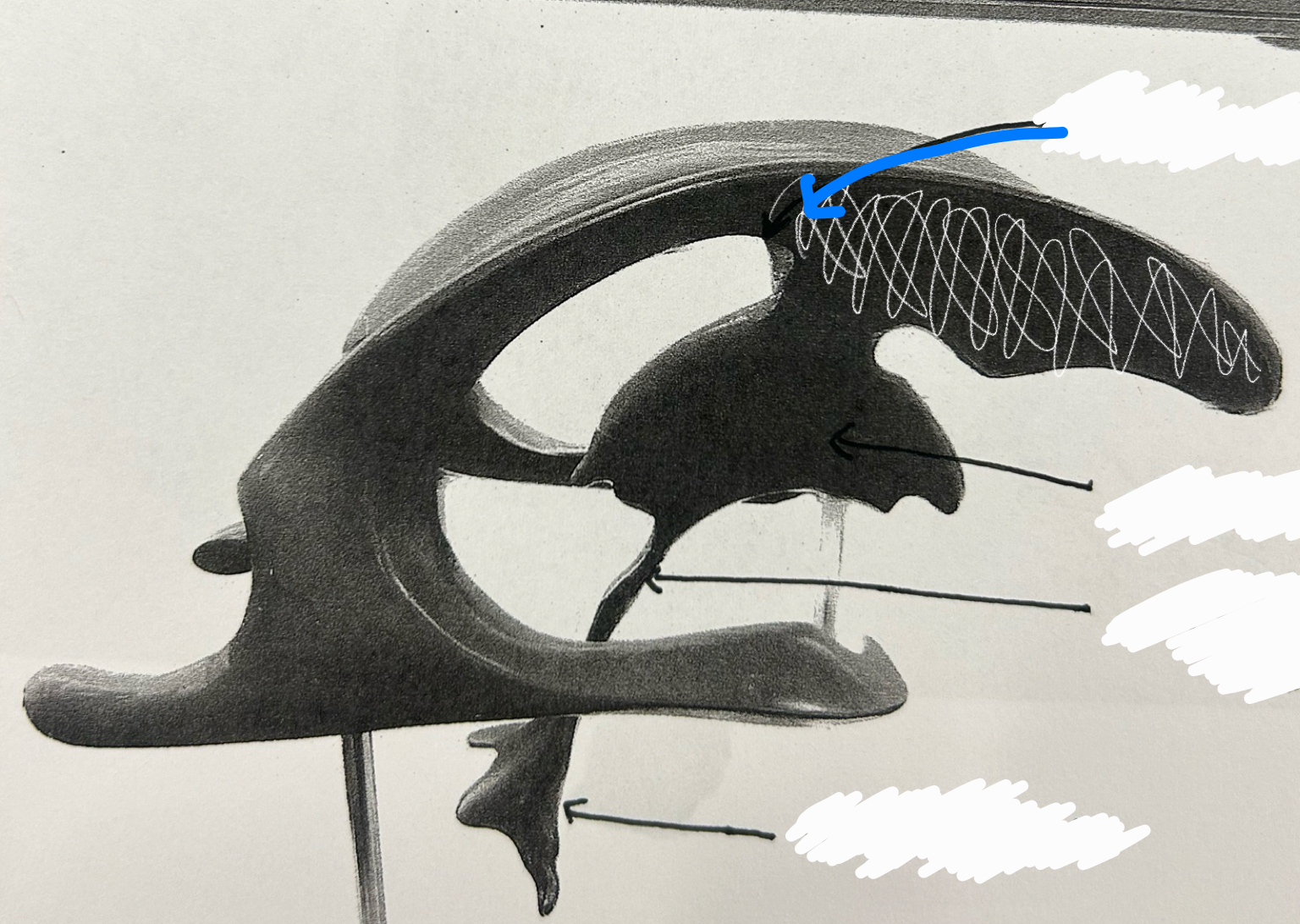
third ventricle
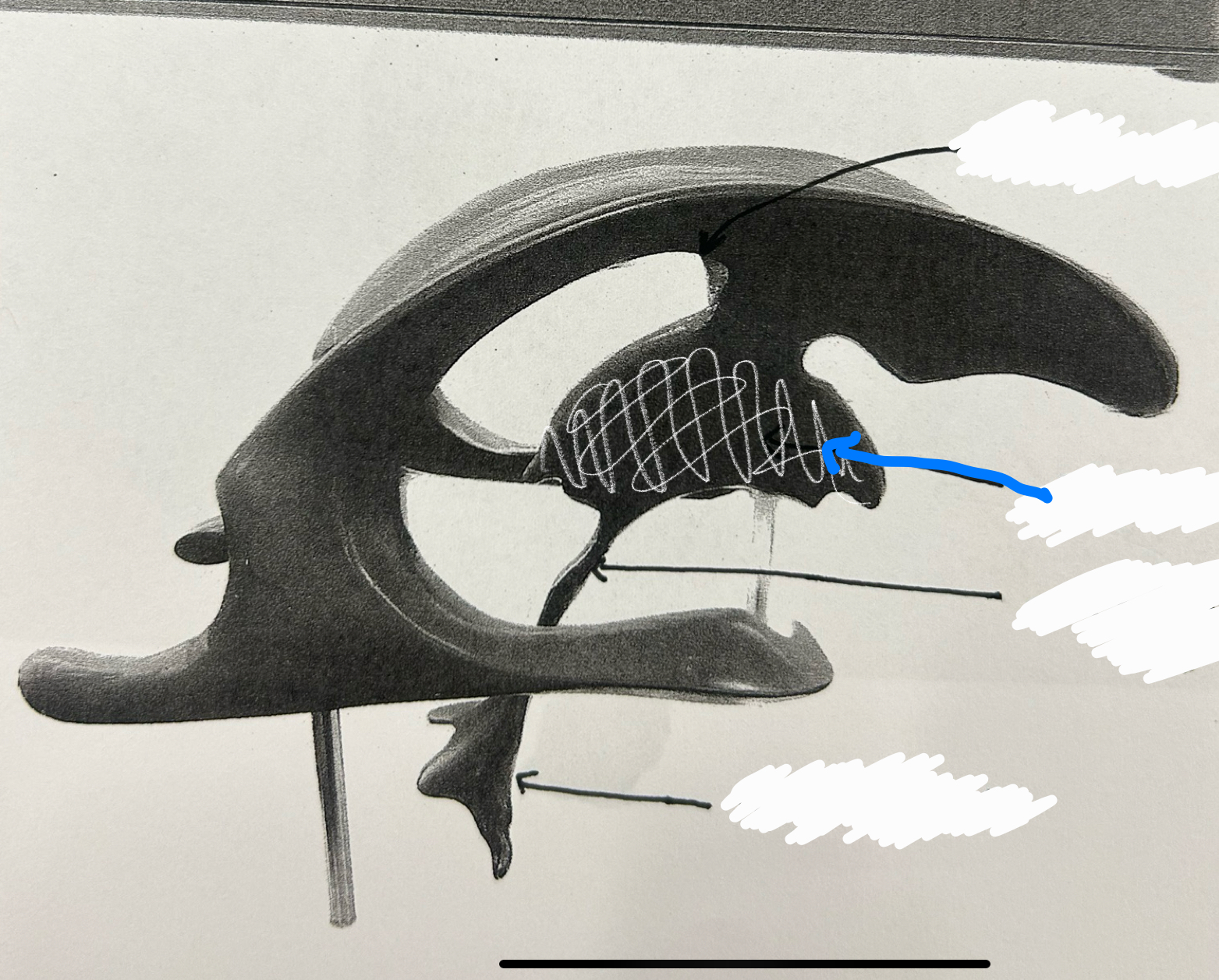
fourth ventricle
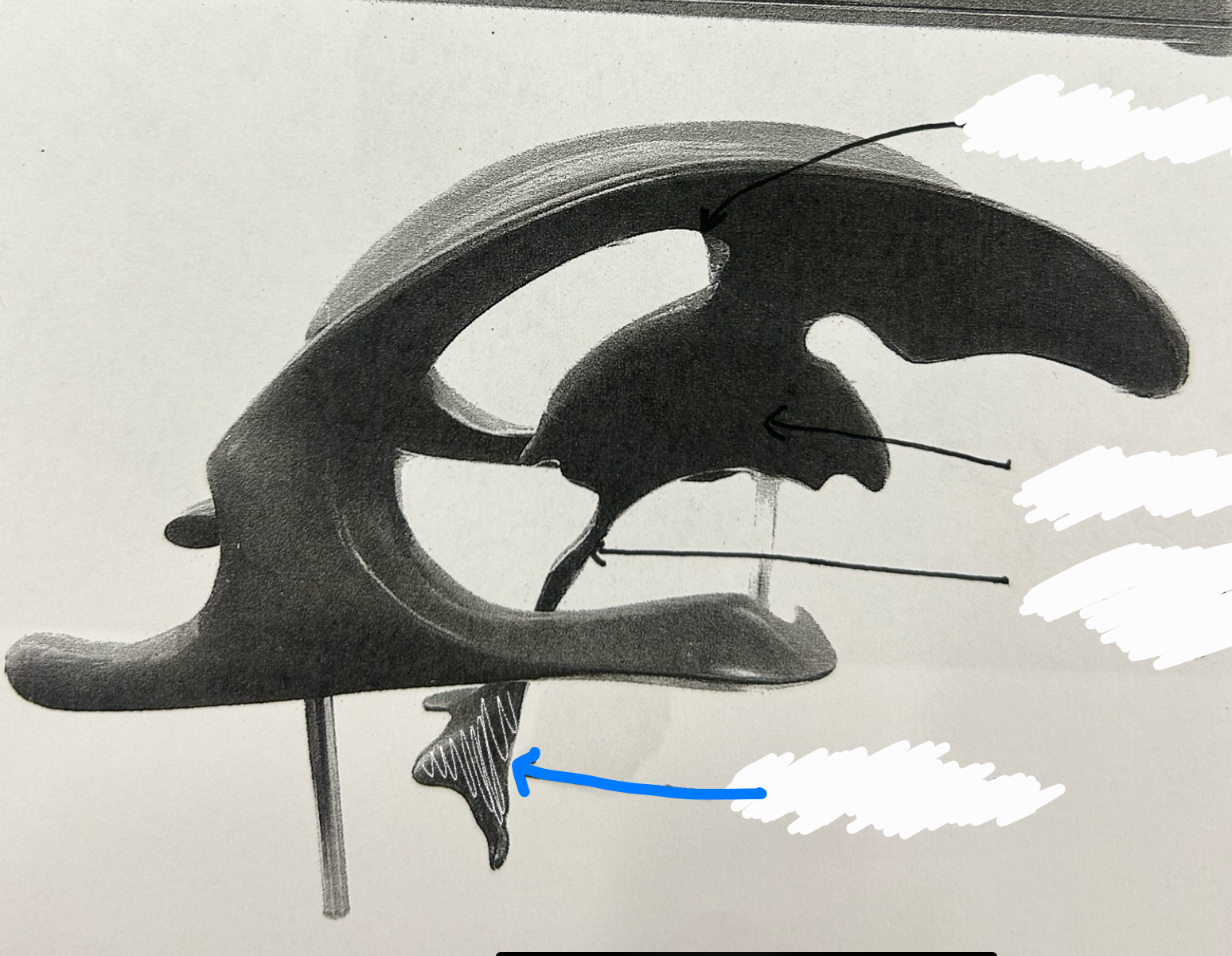
cerebral aqueduct
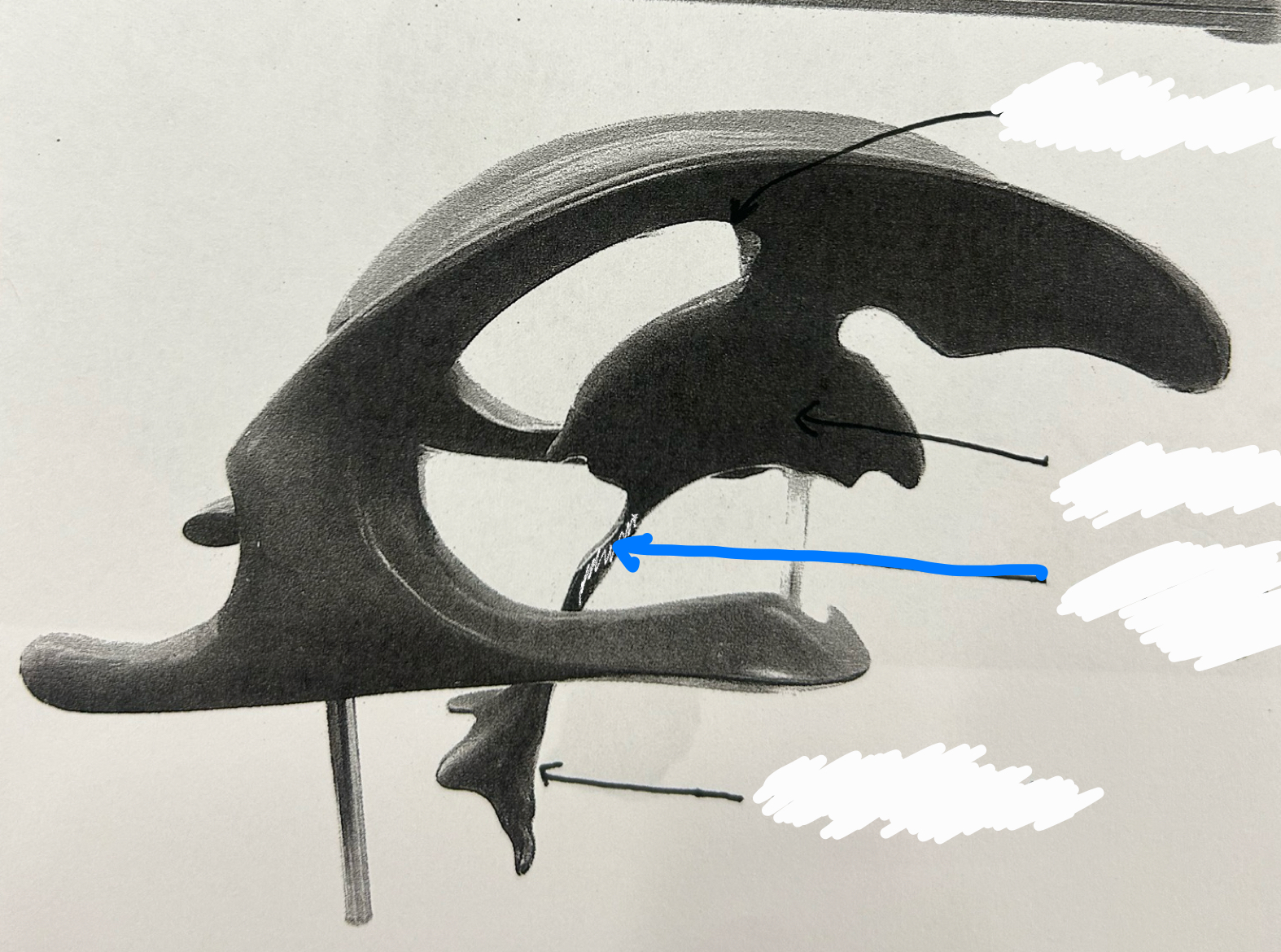
septum pellucidum
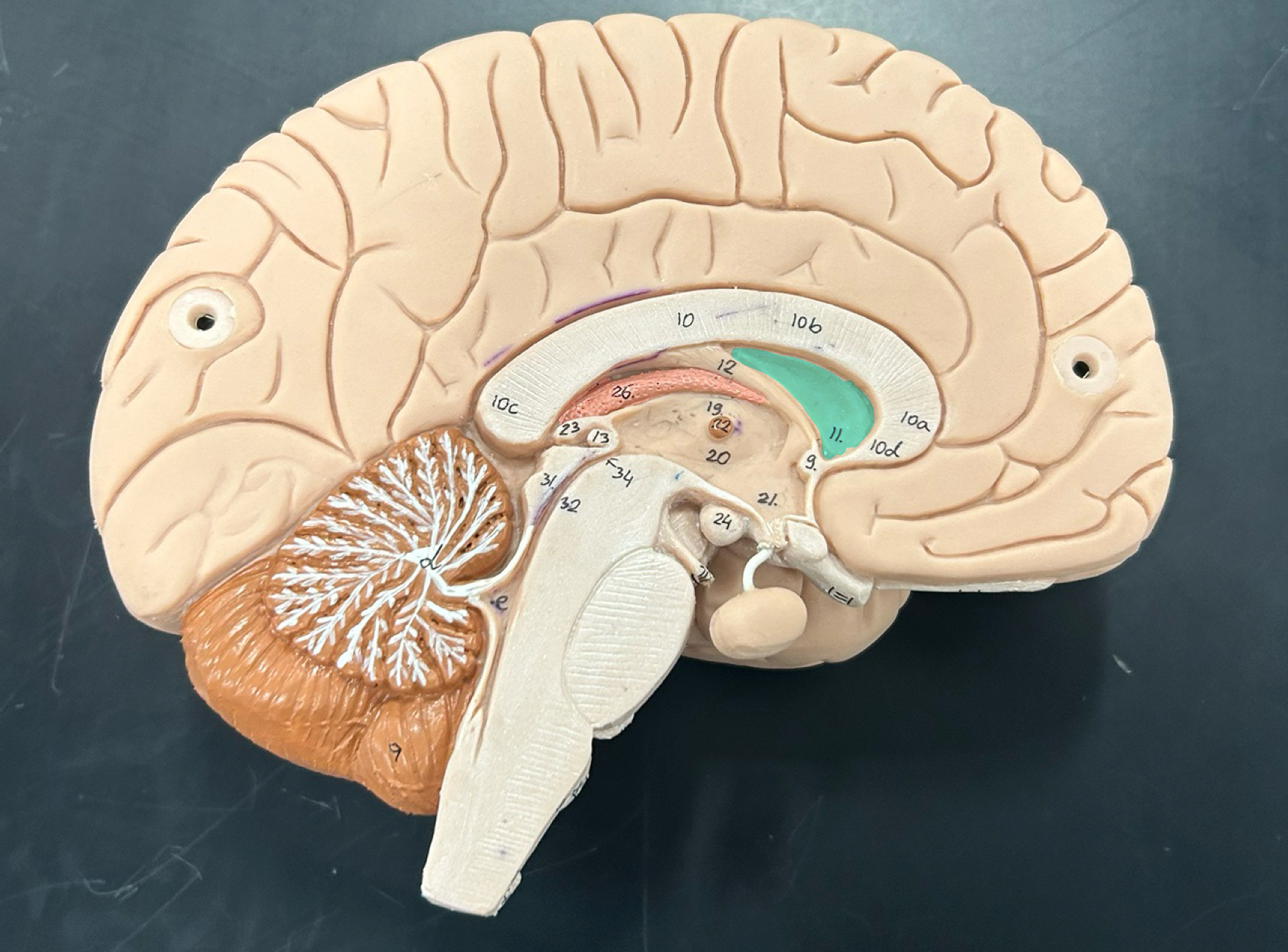
infundibulum

pituitary gland

optic nerve (CNII)
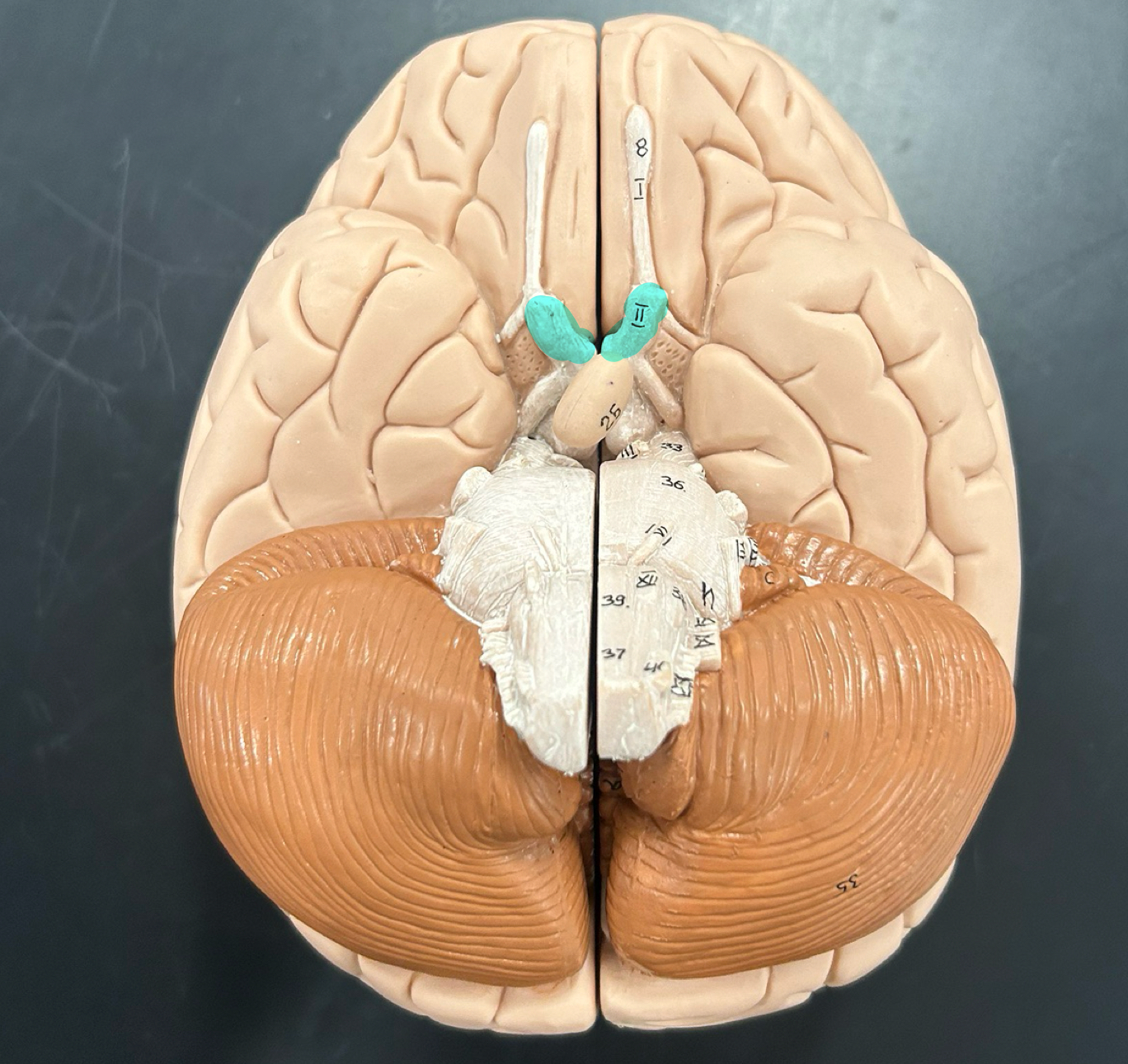
Ocularmotor nerve (CNV)
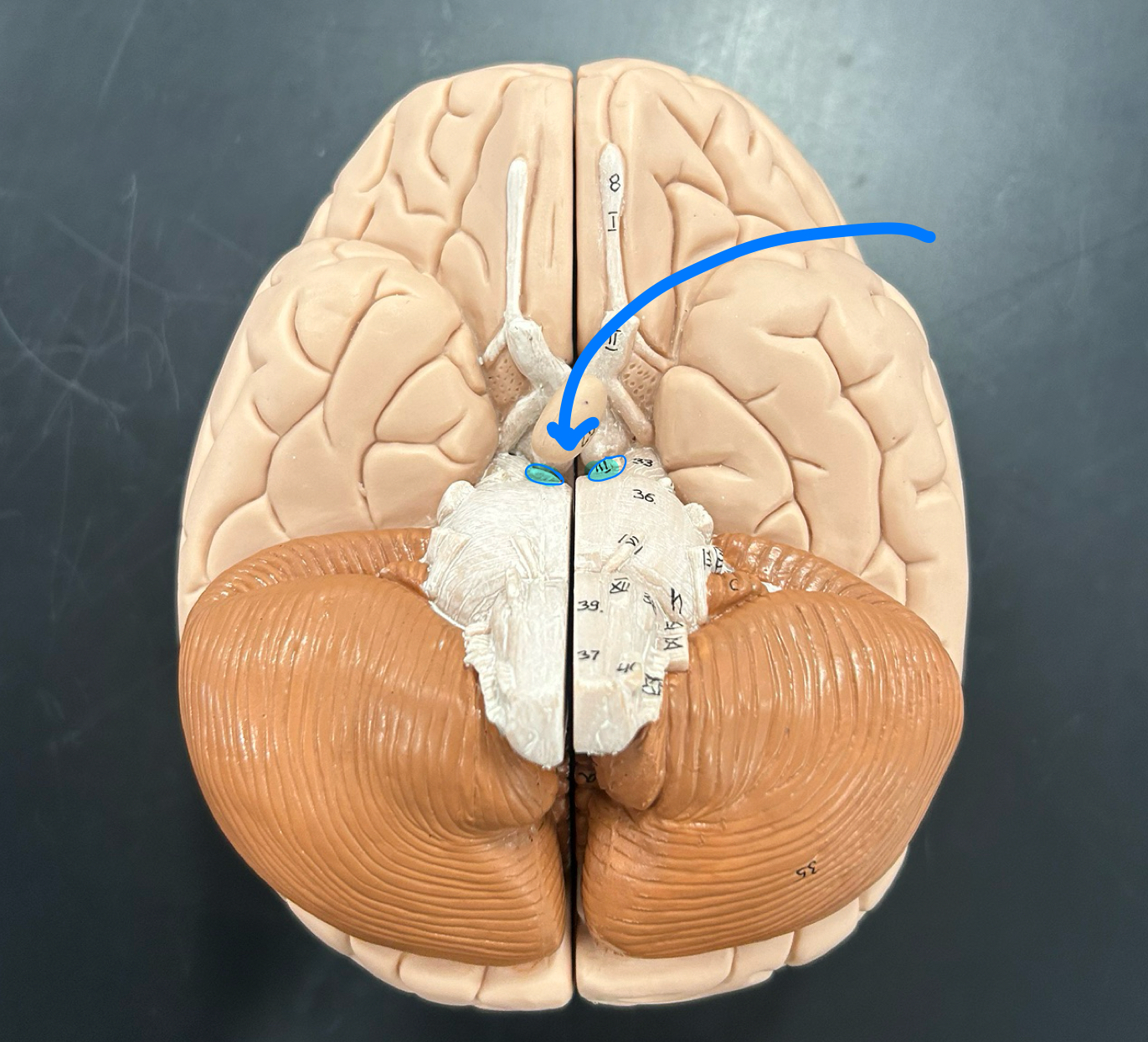
Trigeminal nerve (CN V)
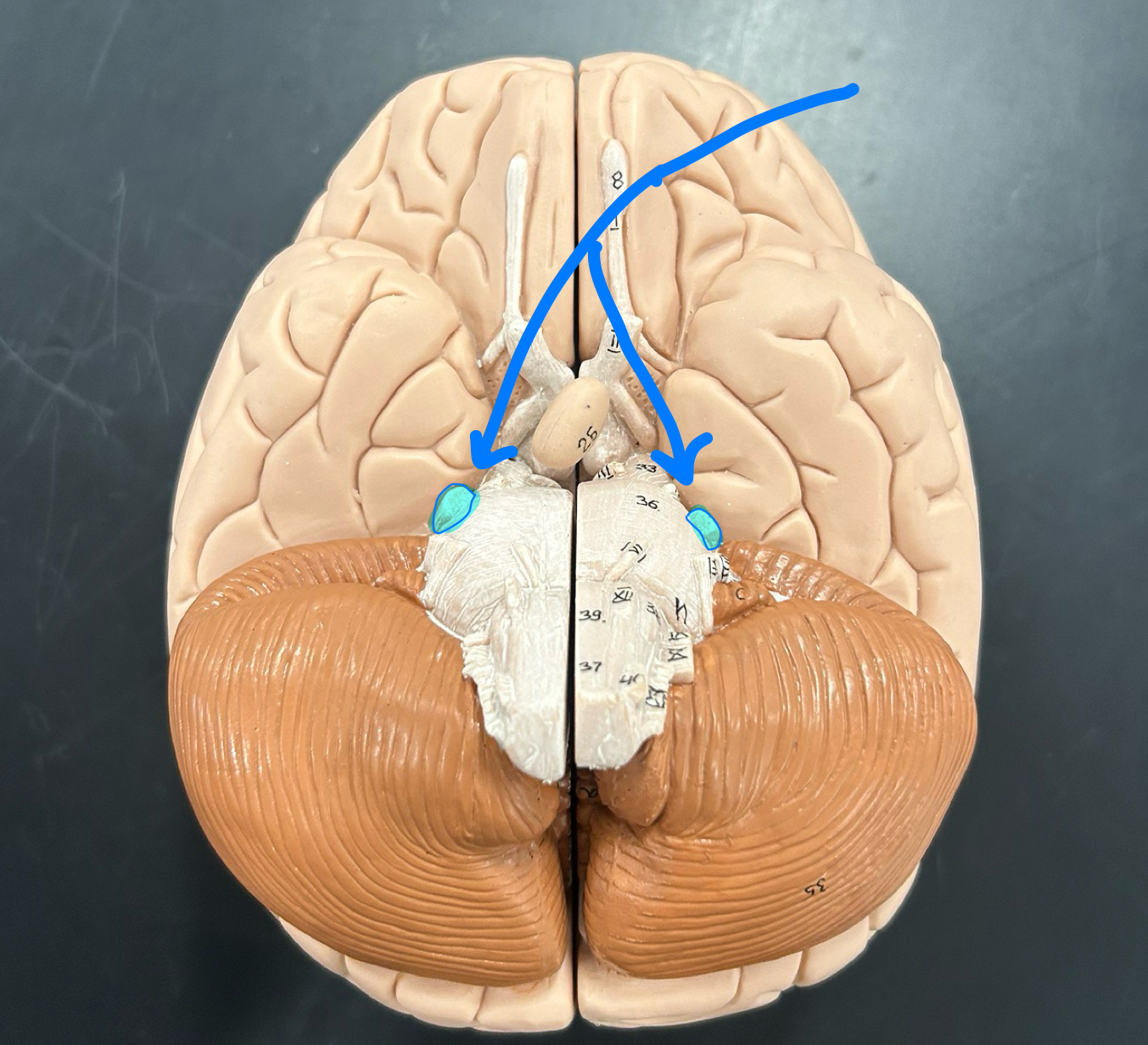
Sclera: Provides tough, protective outer layer of the eye and maintains its shape
*
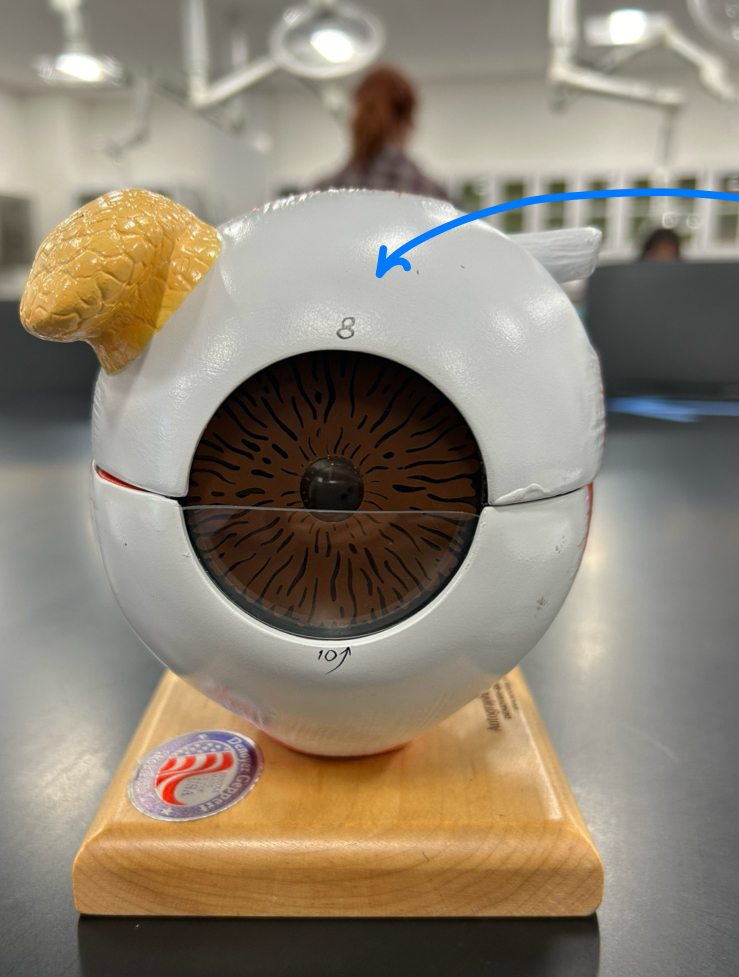
Cornea: Transparent front layer that helps focus light onto the retina for clear vision
*
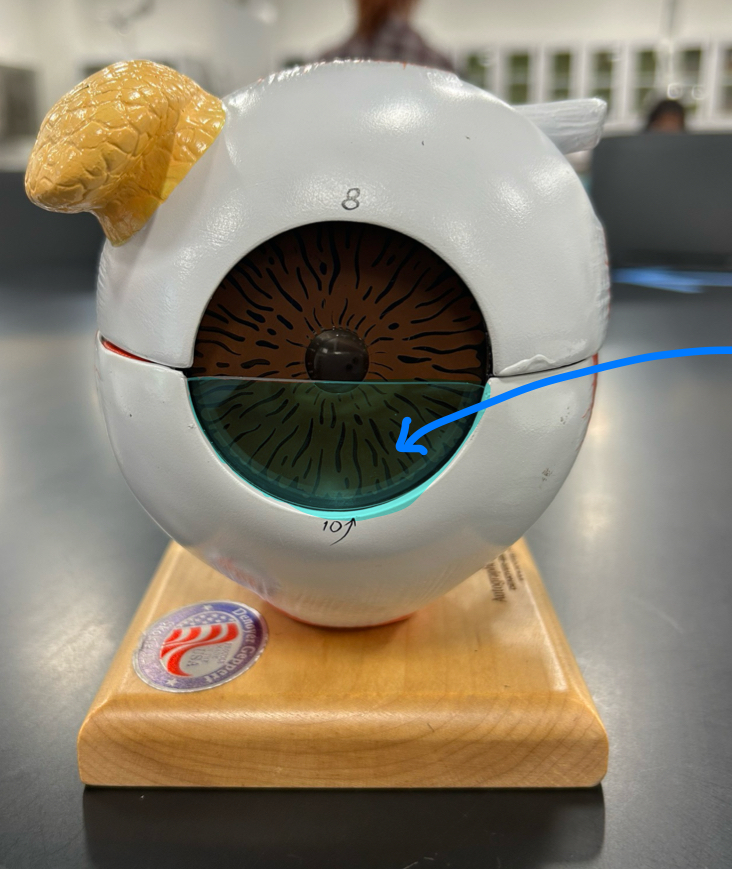
Choroid: Supplies blood and nutrients to the retina; contains pigment that absorbs excess light to prevent glare.
*
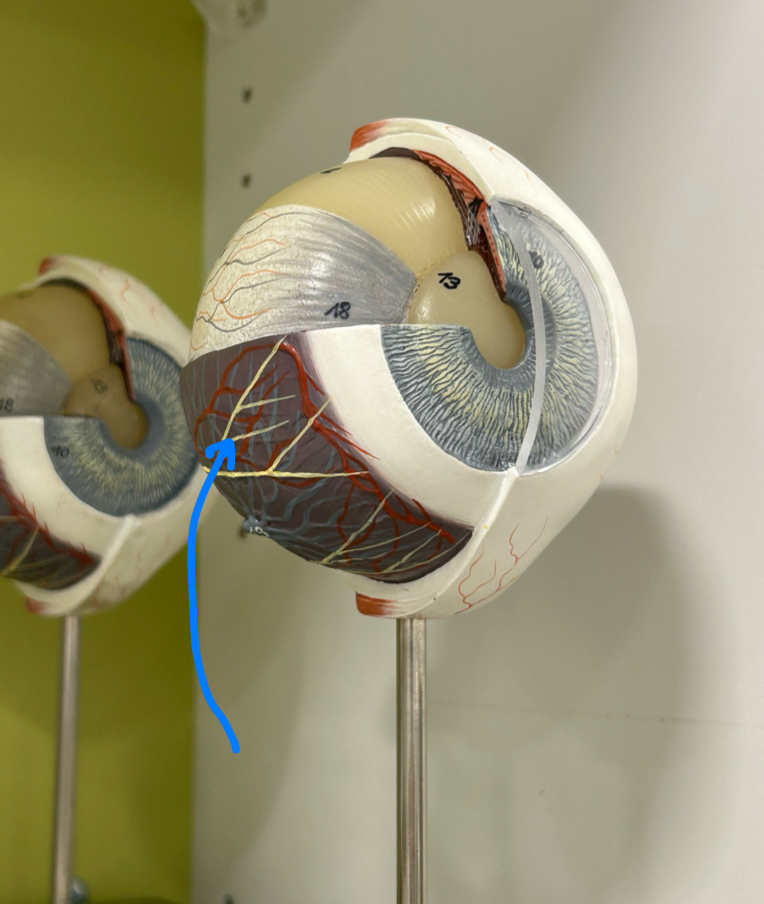
Retina: Contains photoreceptor cells that detect light and convert it into neural signals for vision
*

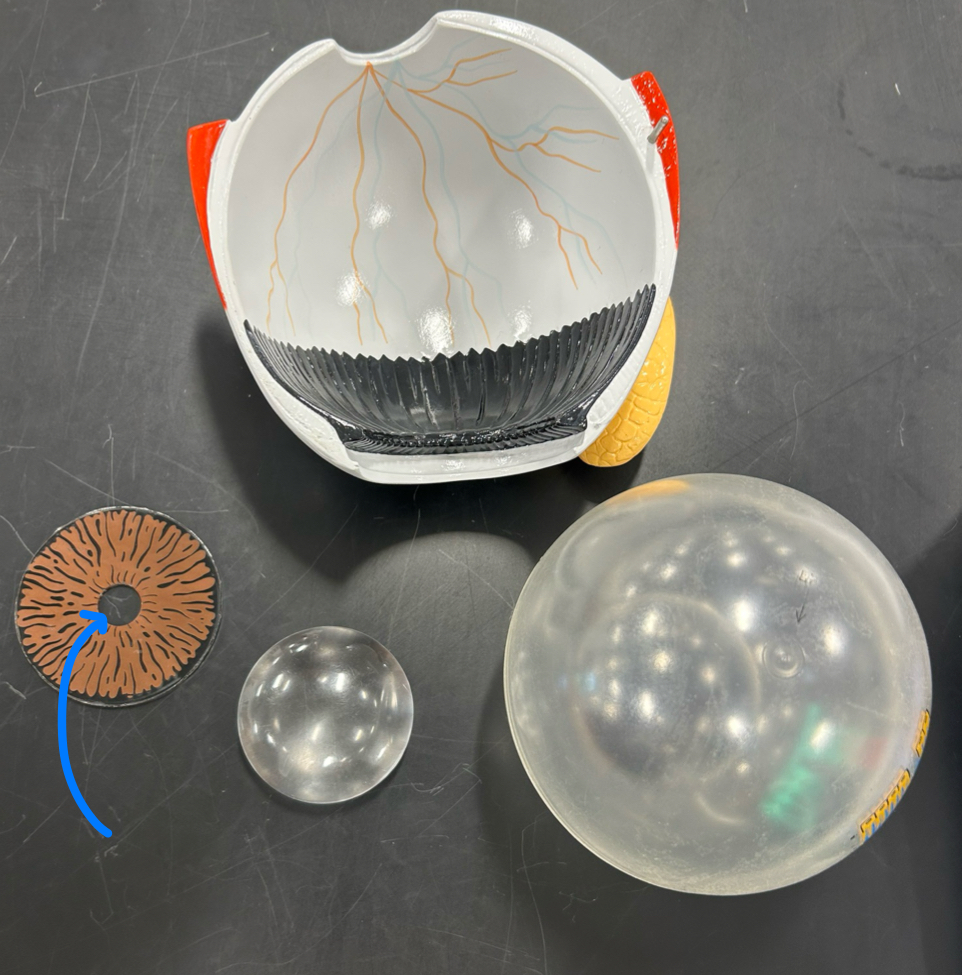
Iris

Pupil
Optic nerve
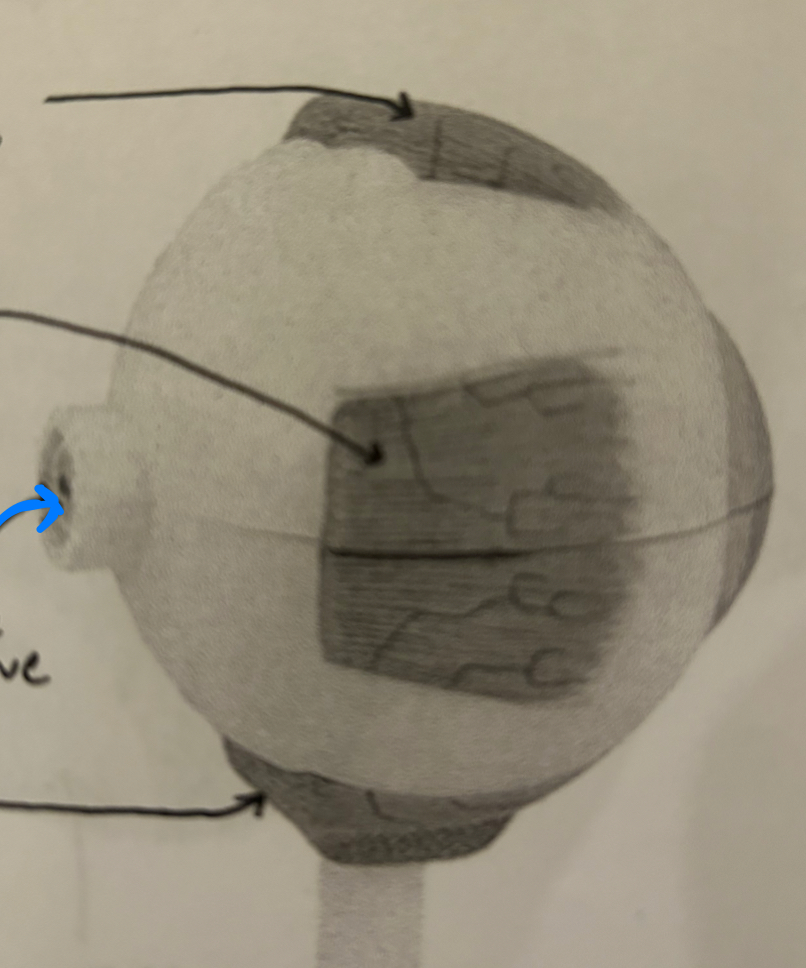
Fovea Centralis: Area of sharpest vision in the retina, packed with cones for detailed, color vision
*
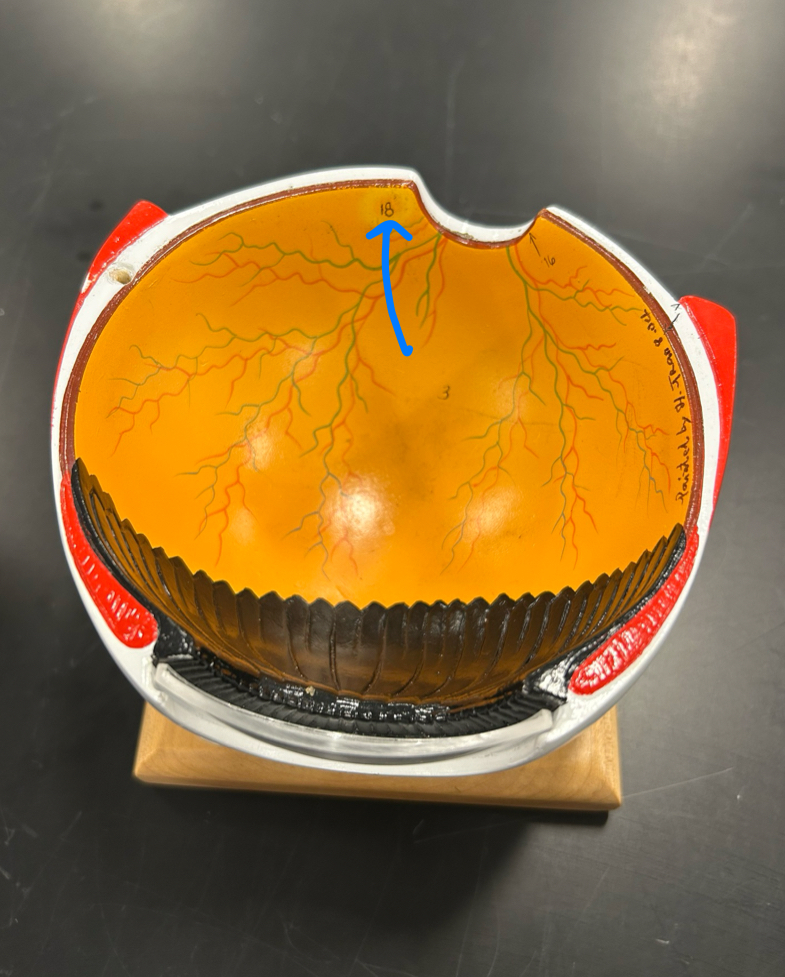
Ciliary body
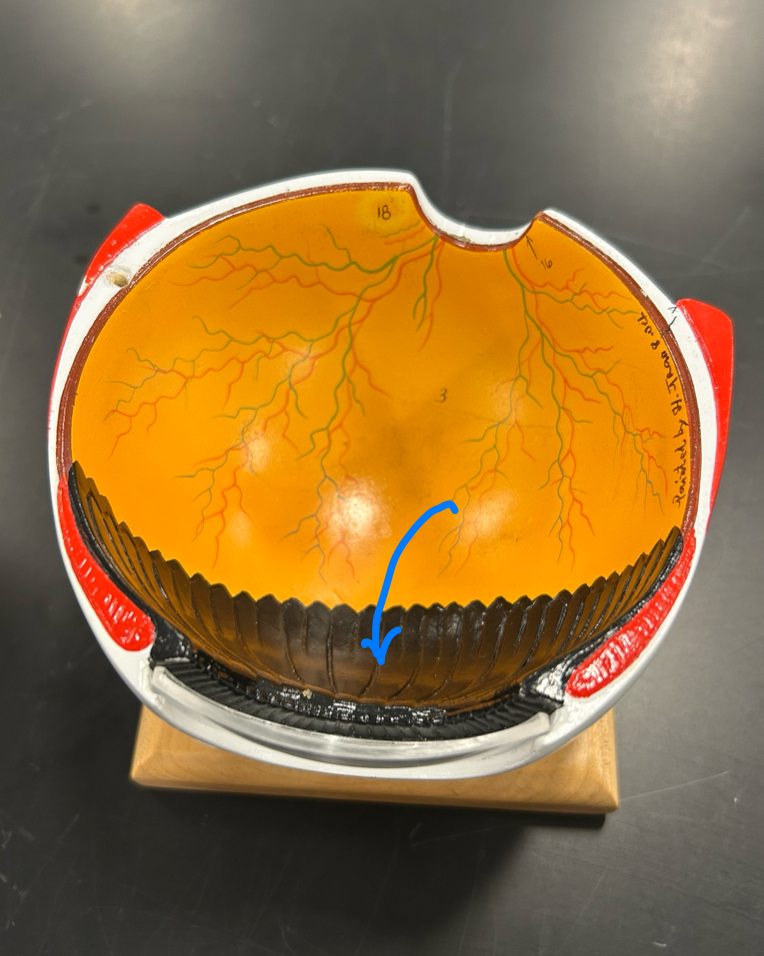
anterior segment
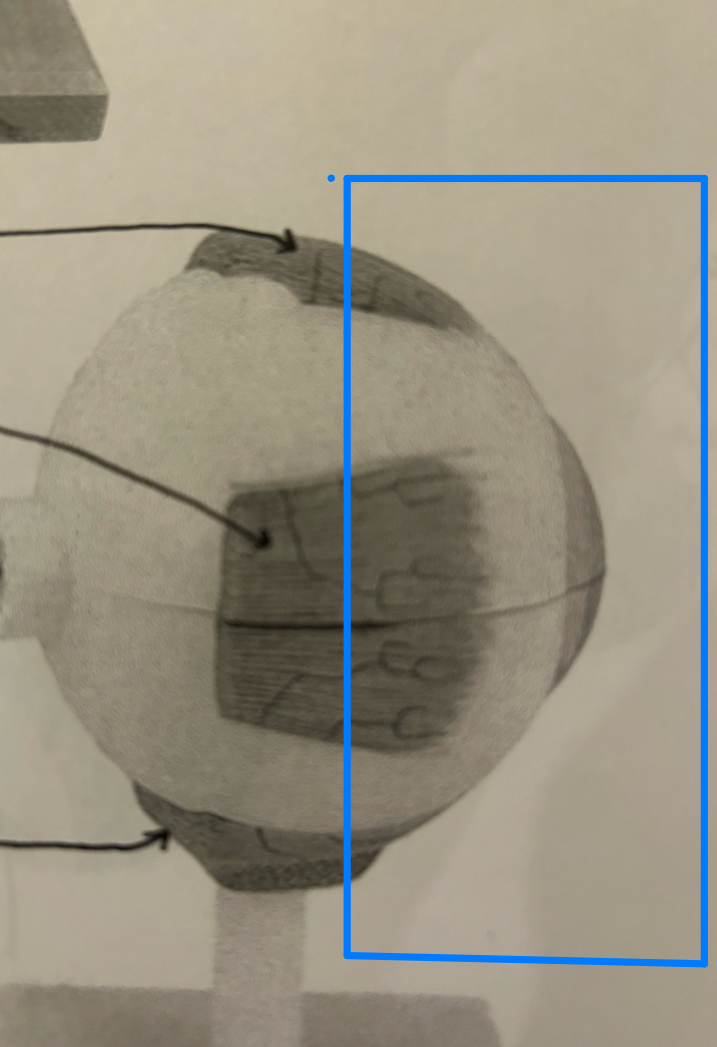
Posterior segment
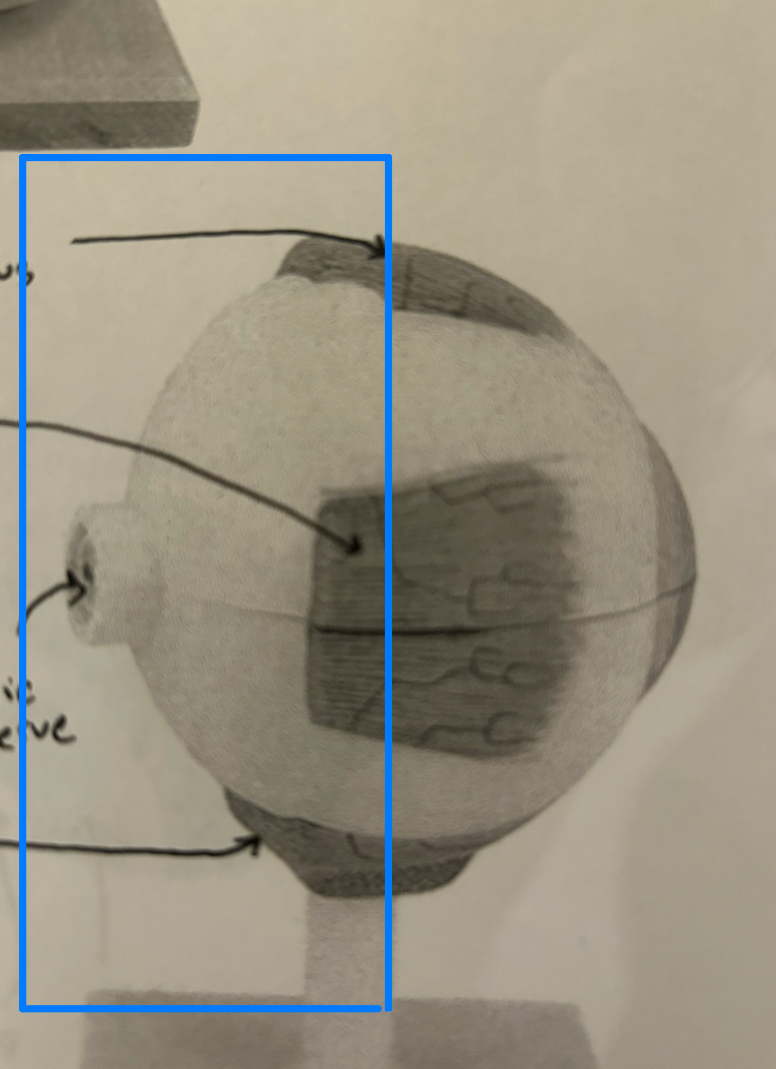
Lens: Focuses light rays onto the retina by changing shape to adjust for near or far vision
*
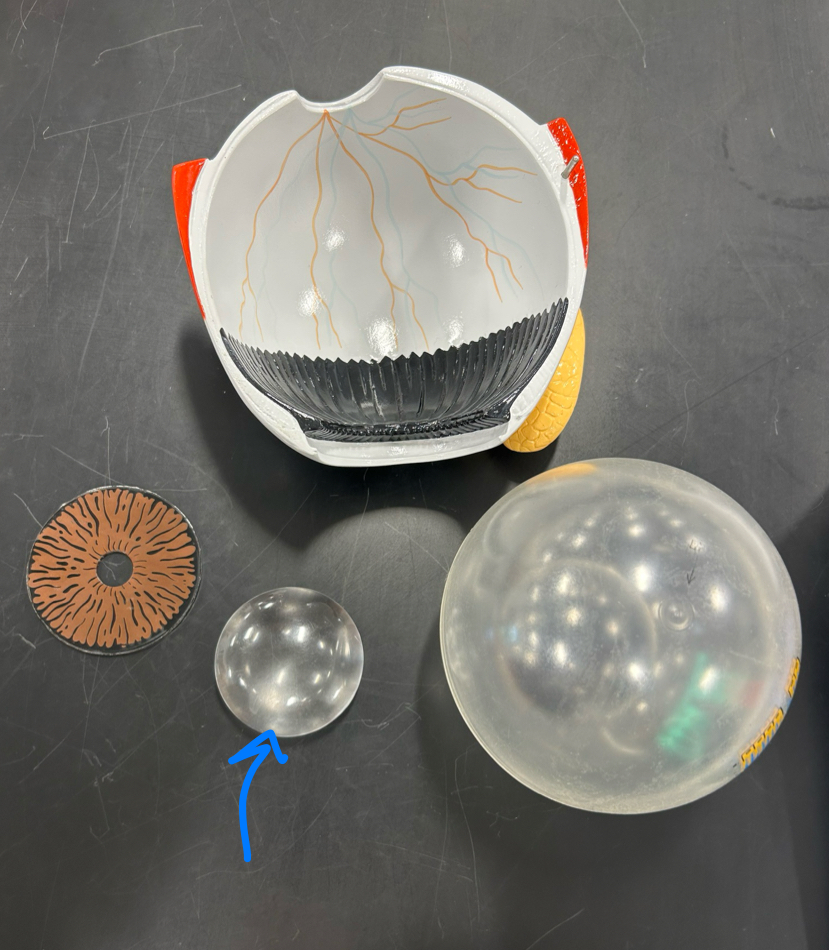
Lacrimal gland: Produces tears to lubricate and protect the surface of the eye
*
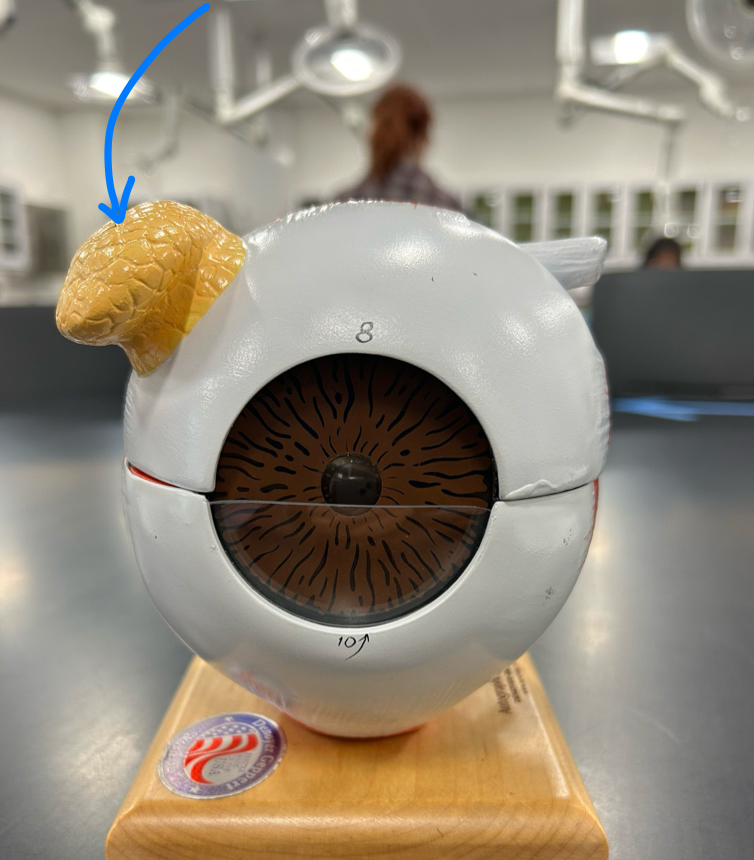
Lateral rectus
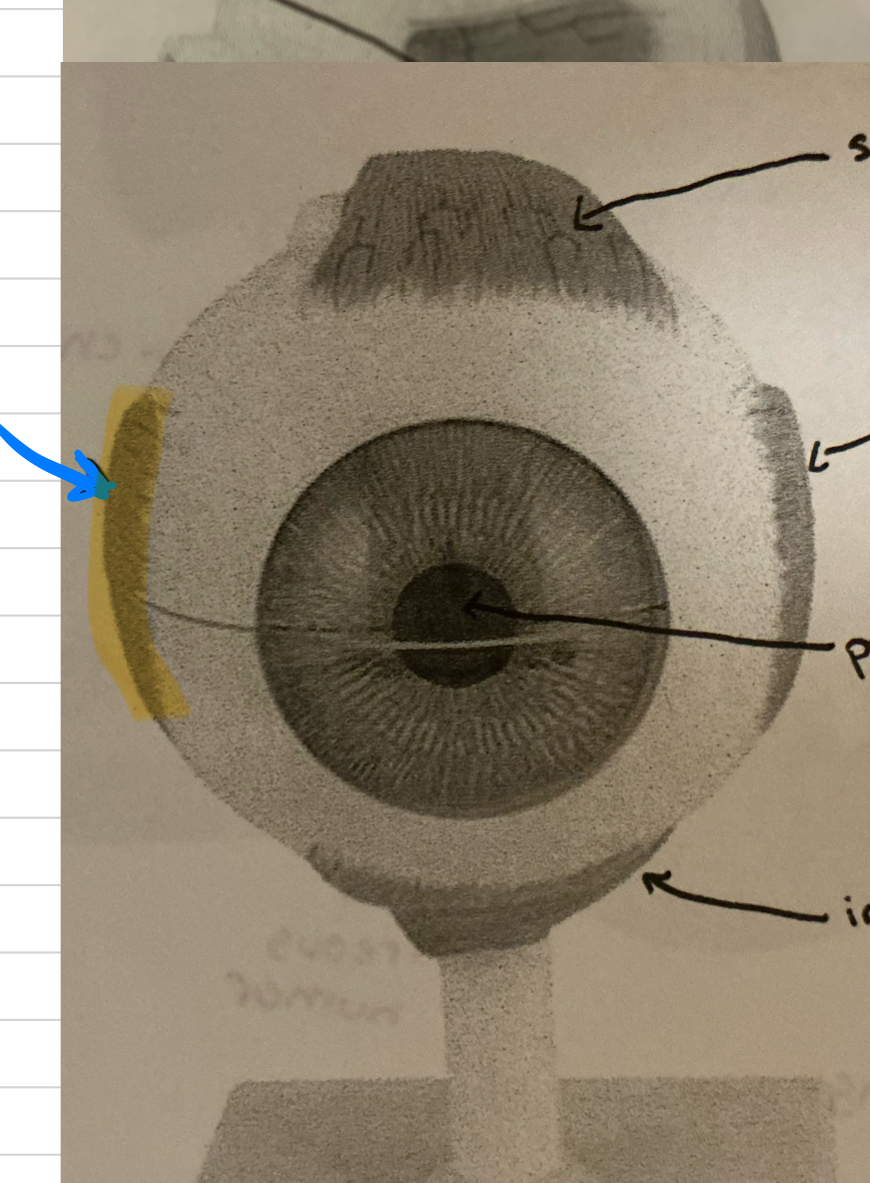
medial rectus
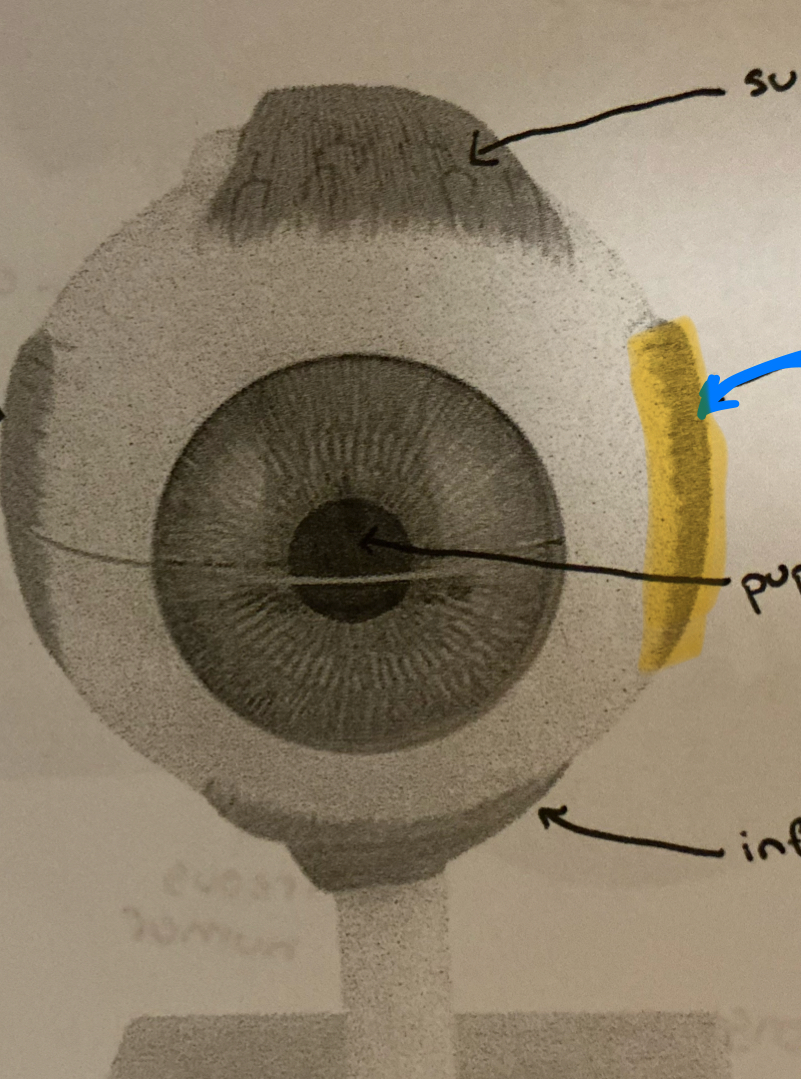
superior rectus
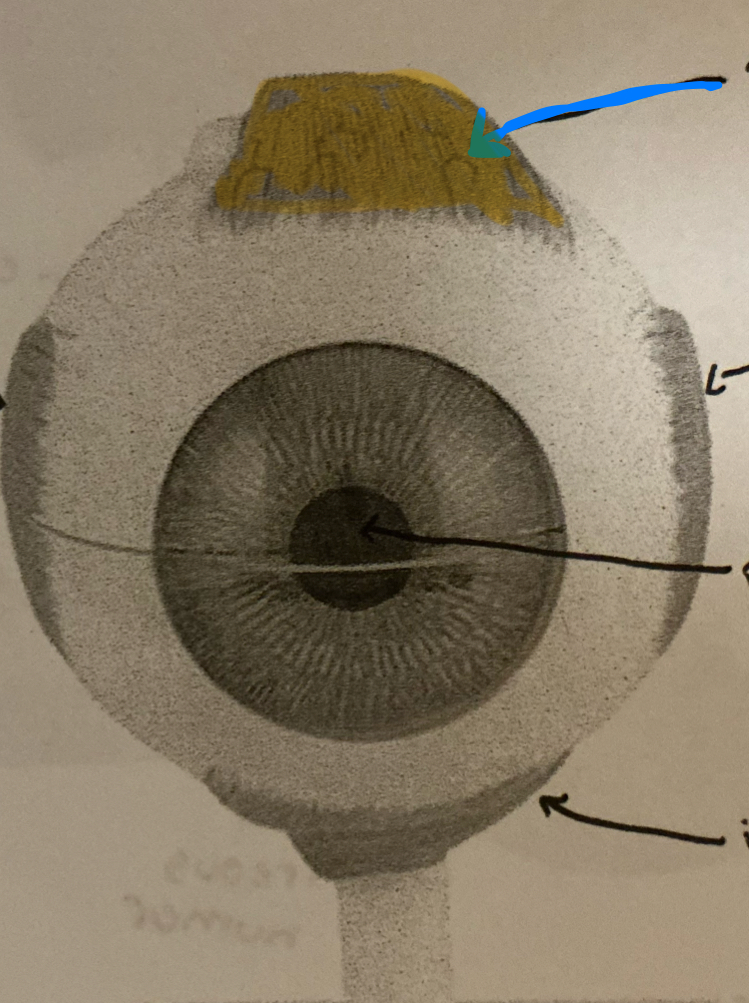
inferior rectus
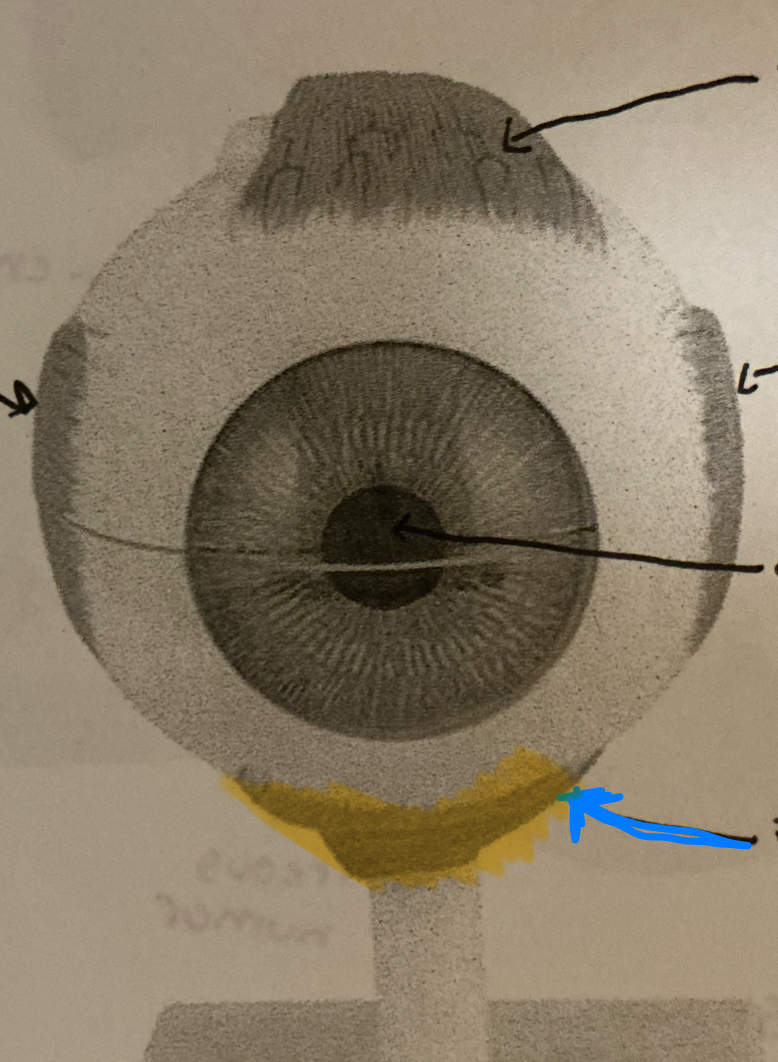
superior oblique
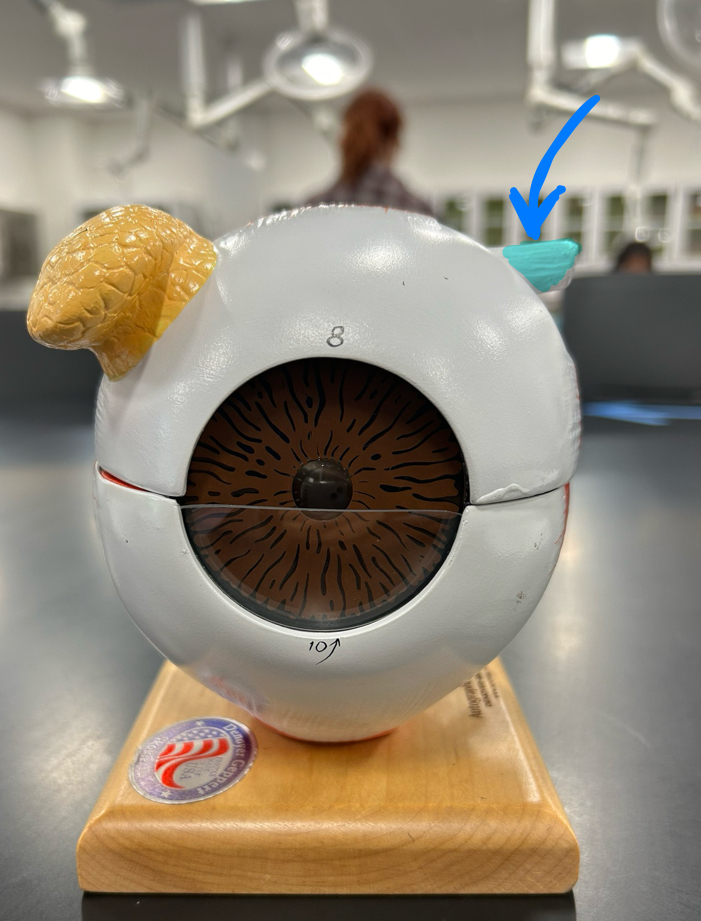
Auricle
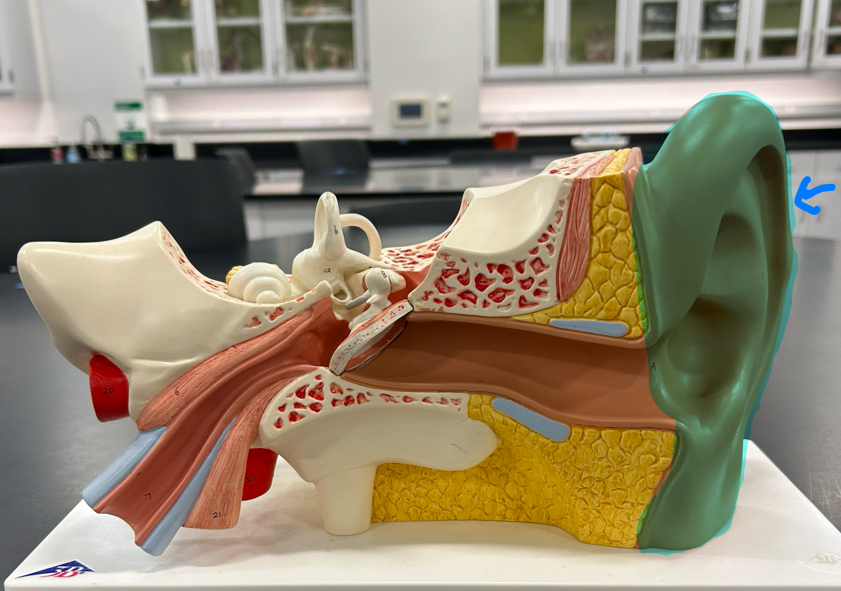
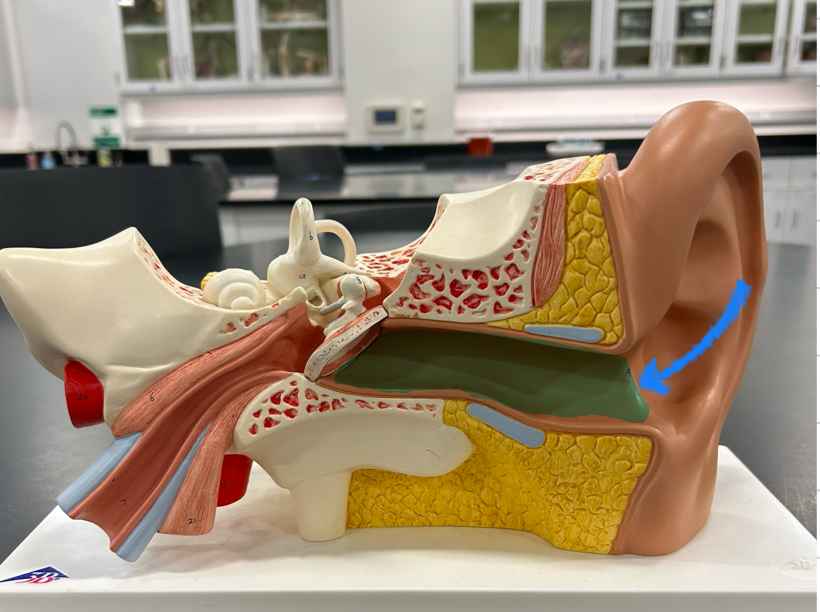
External acoustic meatus
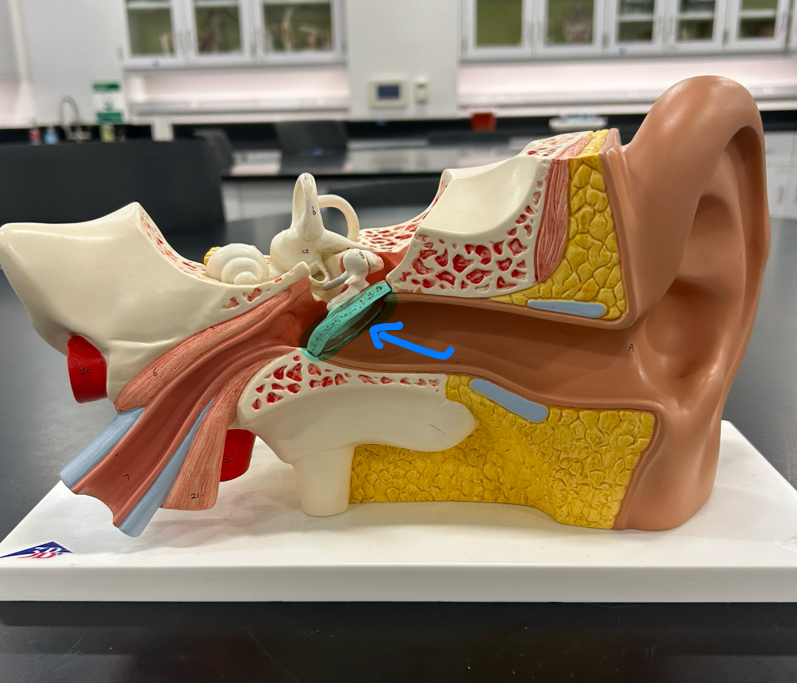
Tympanic membrane: Vibrates in response to sound waves and transmits these vibrations to the middle ear bones
*
Ossicles
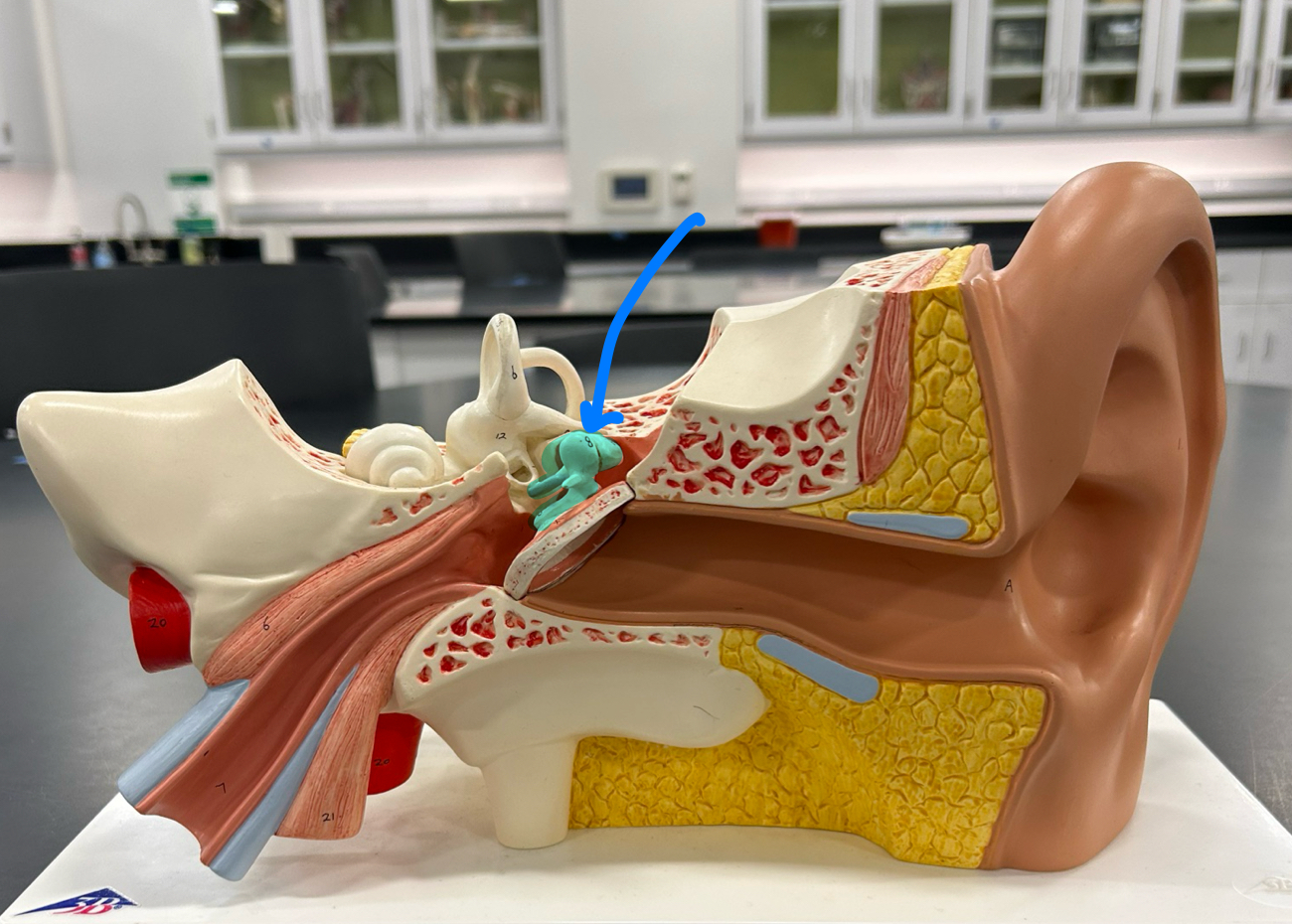
Malleus
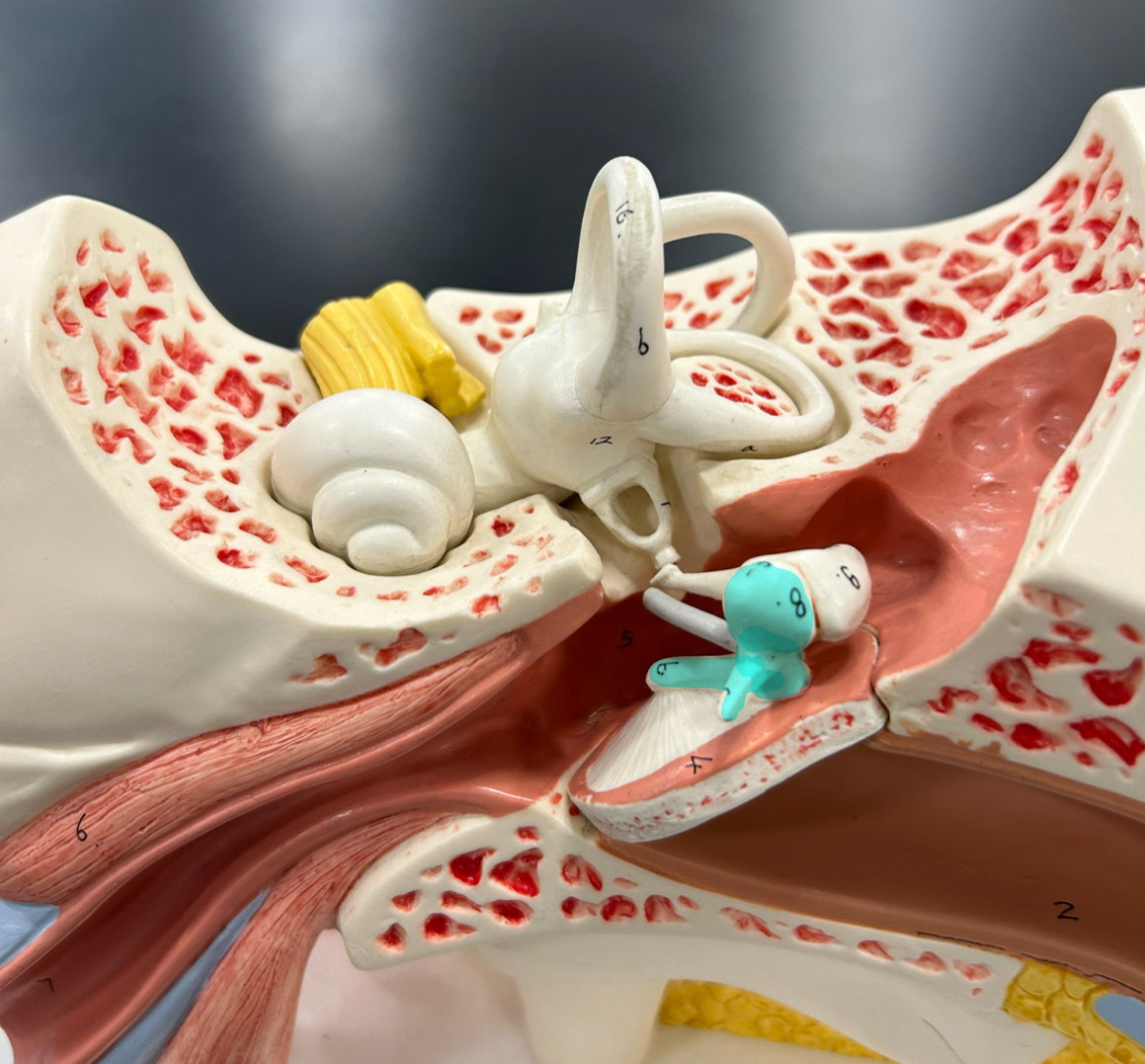
Incus
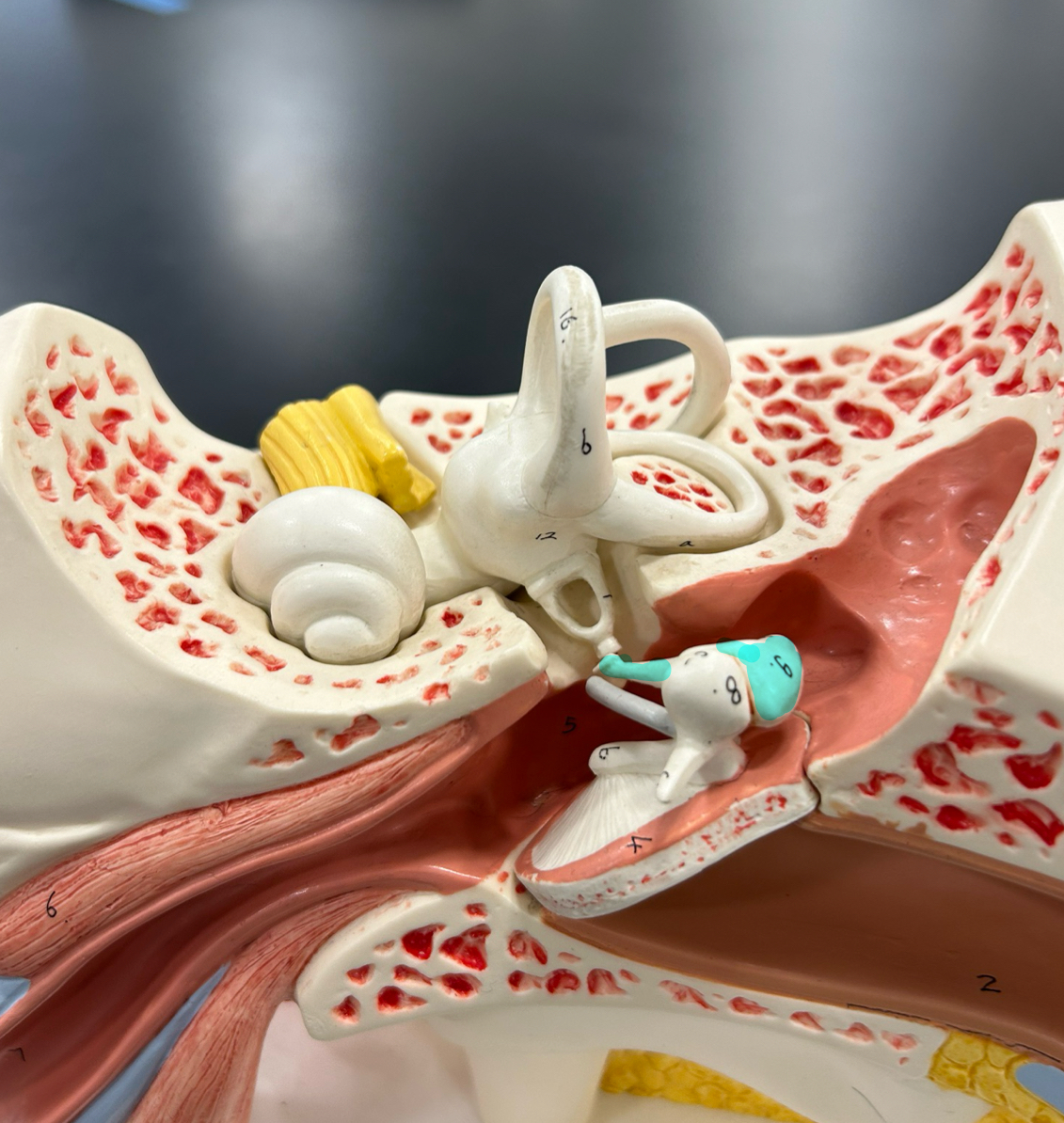
Stapes
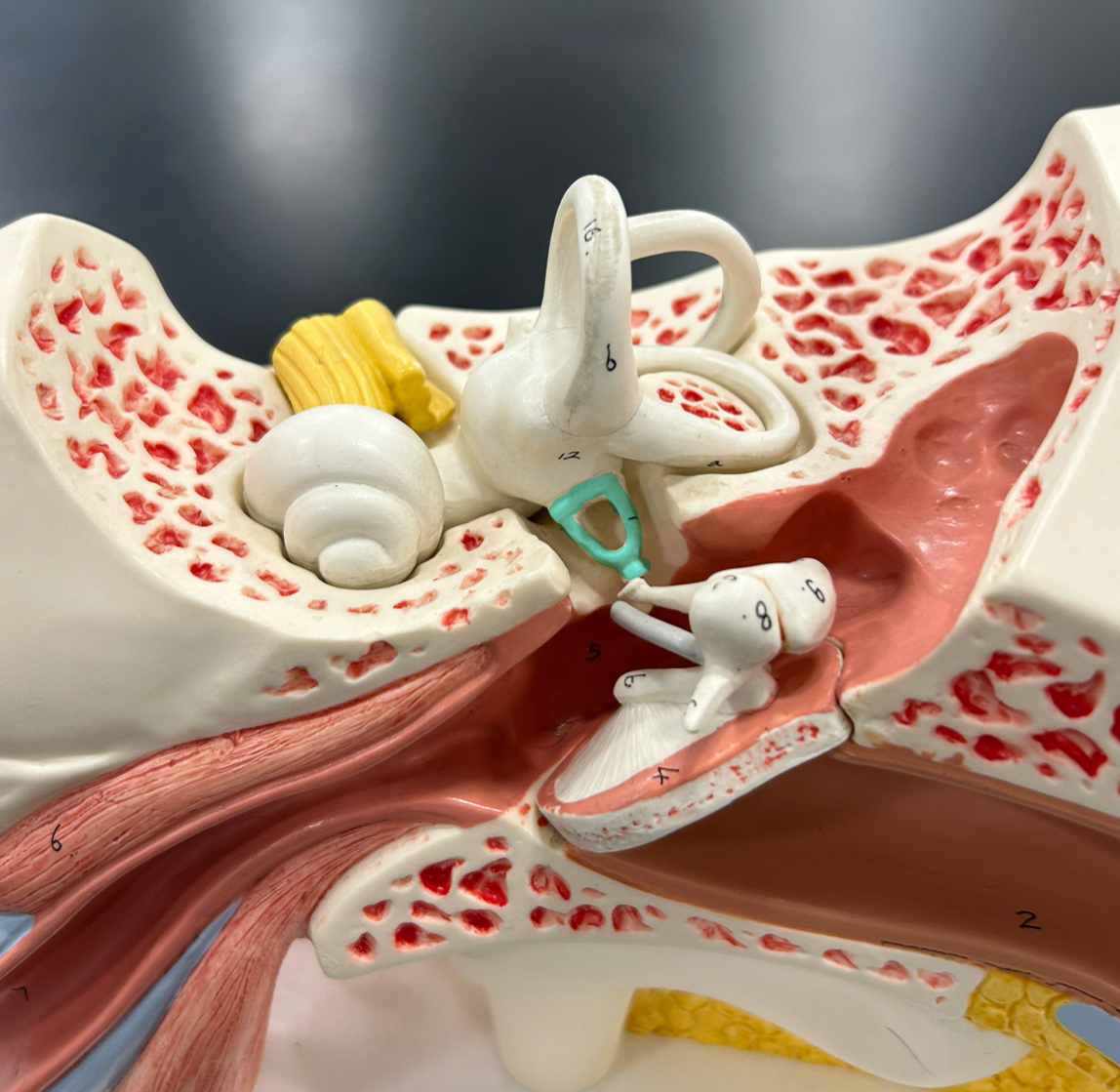
Auditory tube: Equalizes air pressure between the middle ear and the throat to maintain balance and proper hearing
*
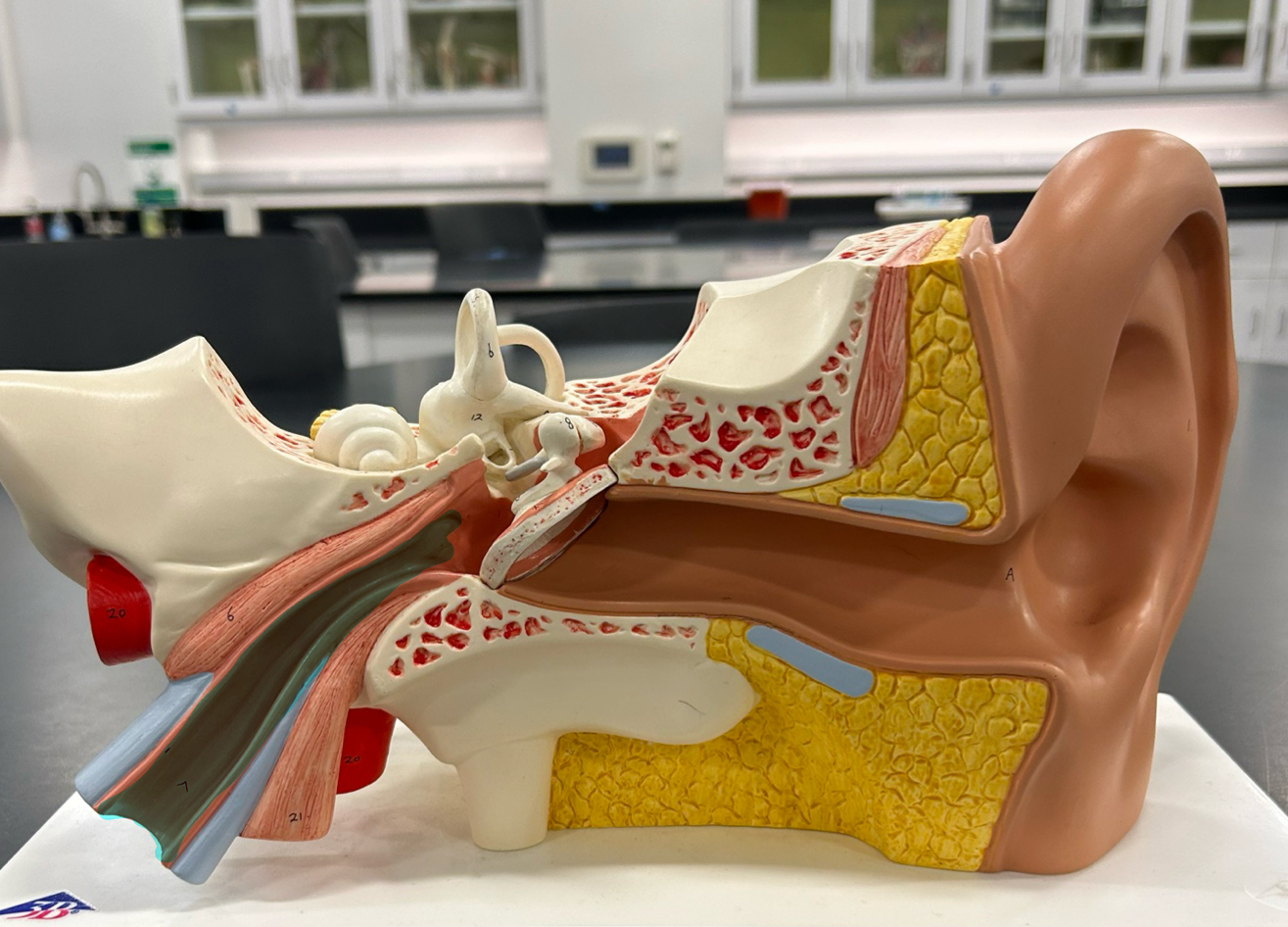
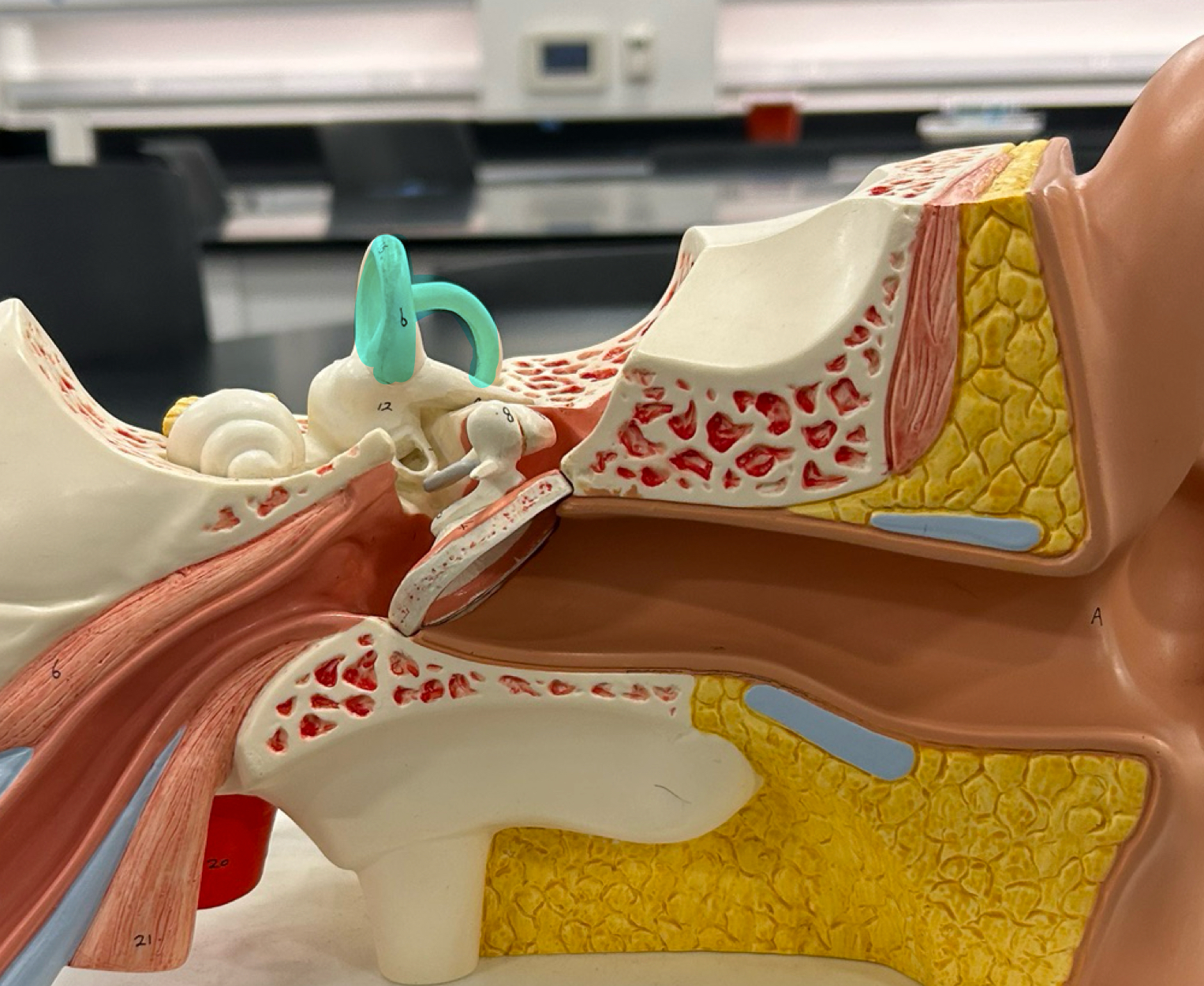
semicircular canals: Detect head rotation and help maintain balance and spatial orientation
*
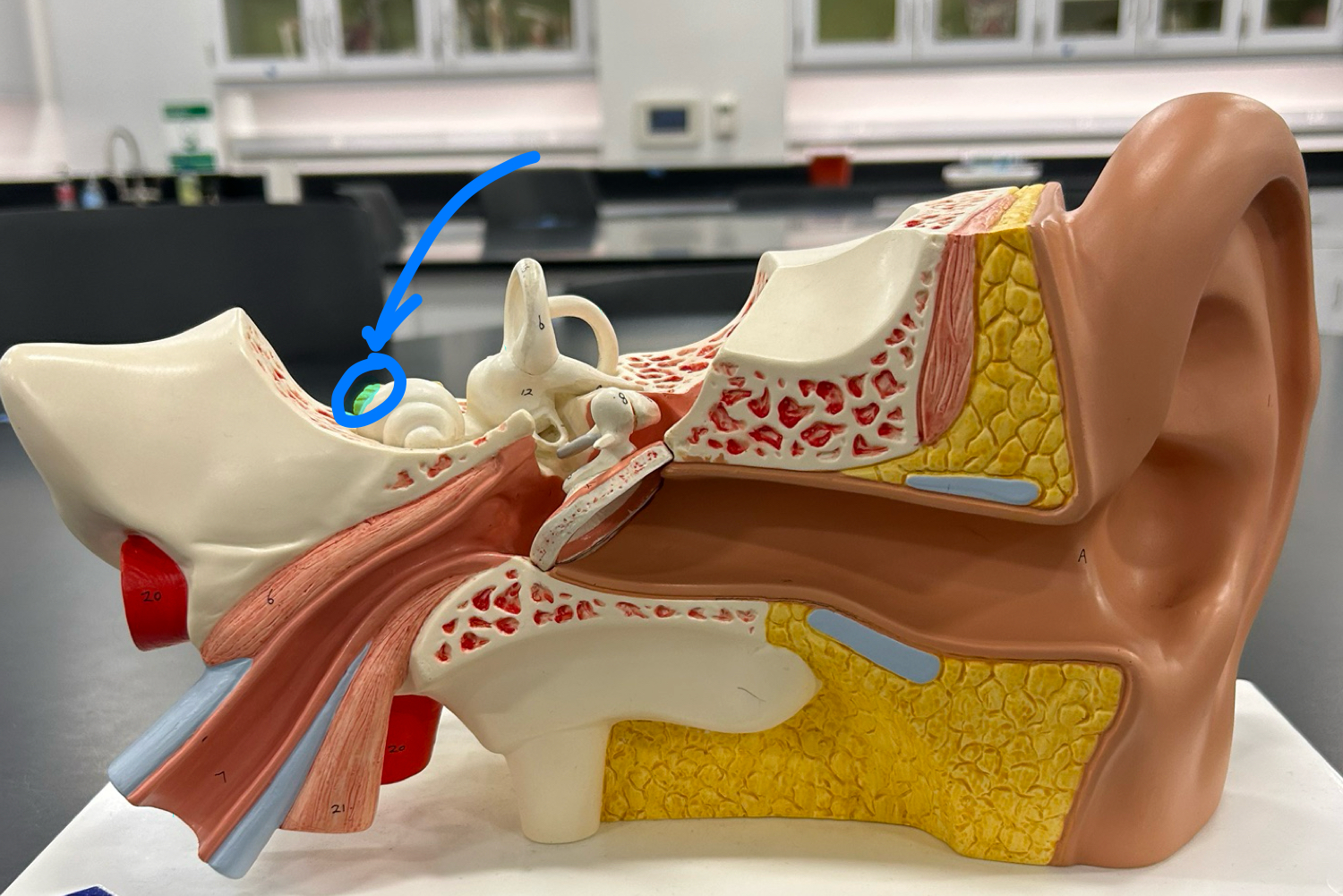
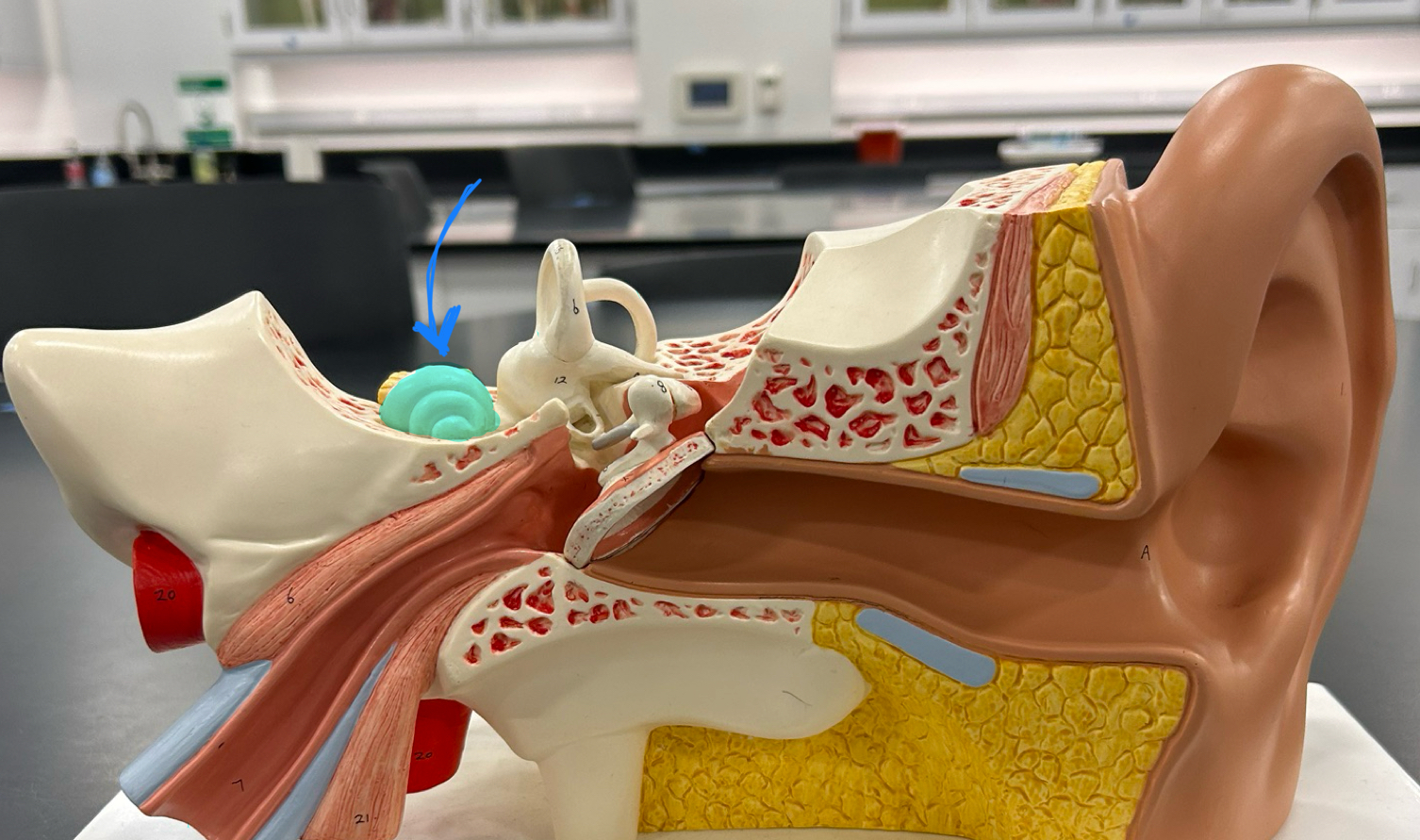
cochlea: Converts sound vibrations into nerve signals for hearing
*
Vestibulocochlear Nerve