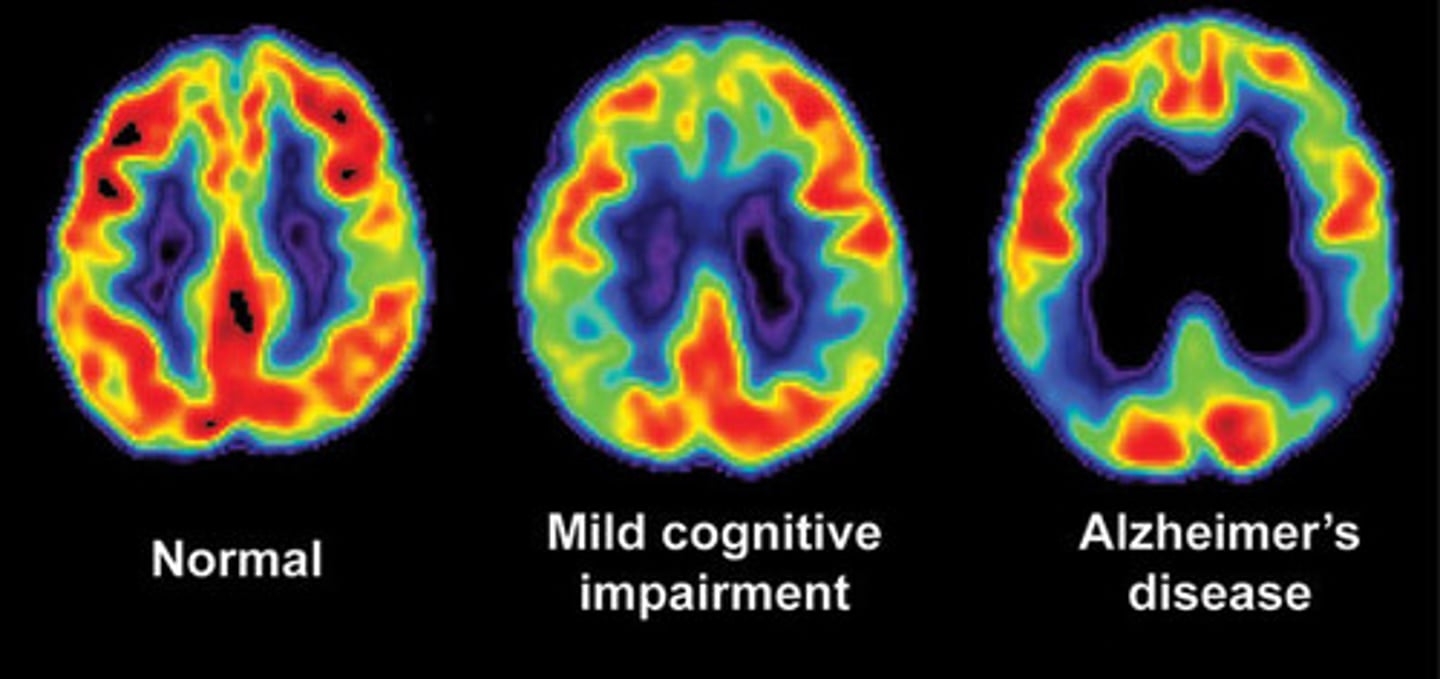
Lesson 1 - A First Look at Anatomy
 Call Kai
 Learn
Learn Practice Test
 Spaced Repetition
 Match
Match Flashcards
 Knowt Play
1/63

There's no tags or description
Looks like no tags are added yet.
Name | Mastery | Learn | Test | Matching | Spaced | Call with Kai | Chat |
|---|
No analytics yet
Send a link to your students to track their progress
64 Terms
Anatomy
The study of the structure of body parts and their relationships.
Physiology
The study of how body parts function.
Gross Anatomy
The study of structures visible to the naked eye.
Microscopic Anatomy
The study of structures too small to be seen without magnification.
Chemical Level
Atoms and molecules that form the building blocks of the body.
Molecule
A chemical structure consisting of two or more atoms.
Organelle
A specialized structure within a cell performing specific functions.
Cell
The basic structural and functional unit of life.
Tissue
A group of similar cells performing a common function.
Organ
A structure composed of multiple tissues working together.
Organ System
A group of organs coordinating to perform major functions.
Organism
A living being composed of multiple organ systems.
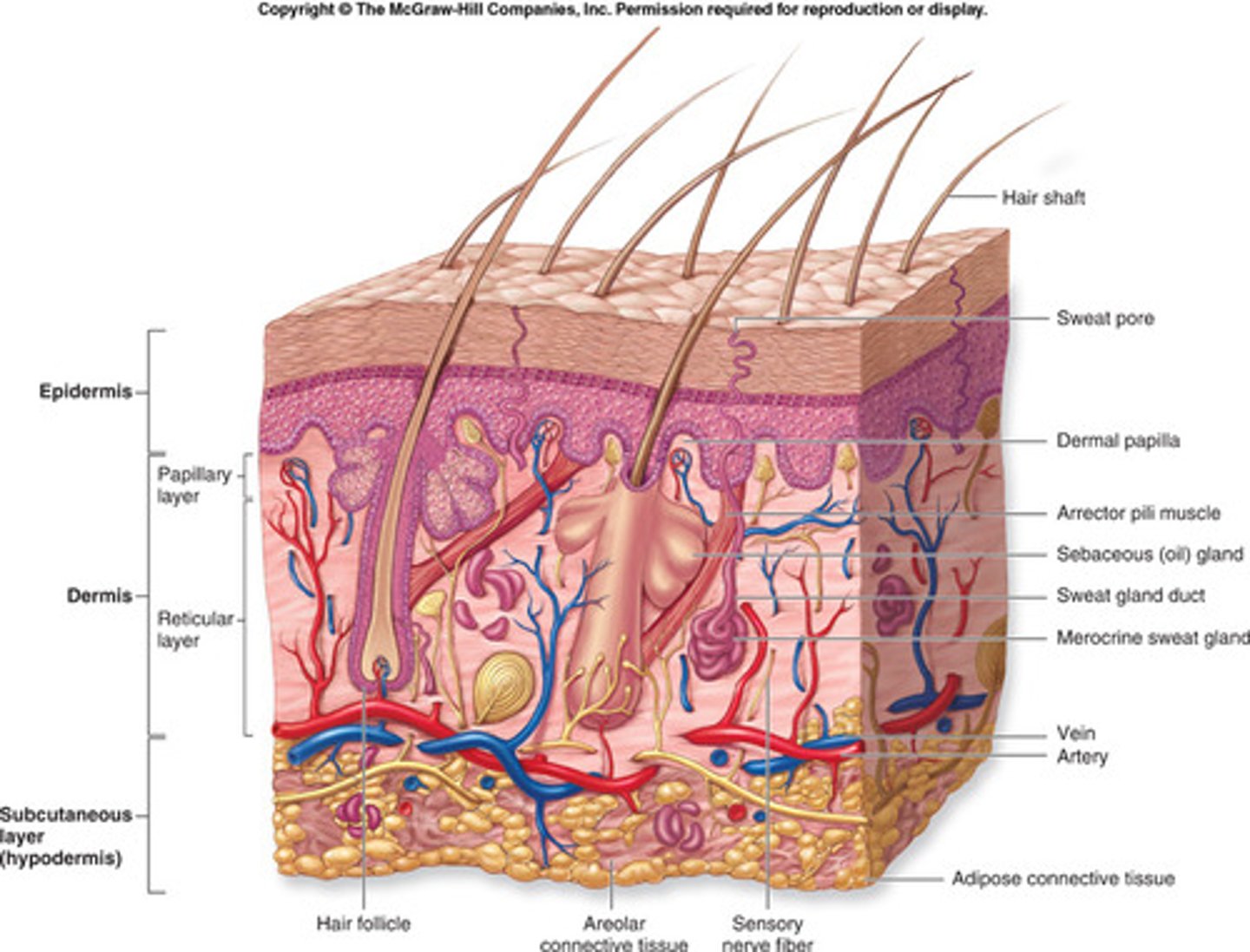
Integumentary System
Provides protection, regulates temperature, and prevents water loss.
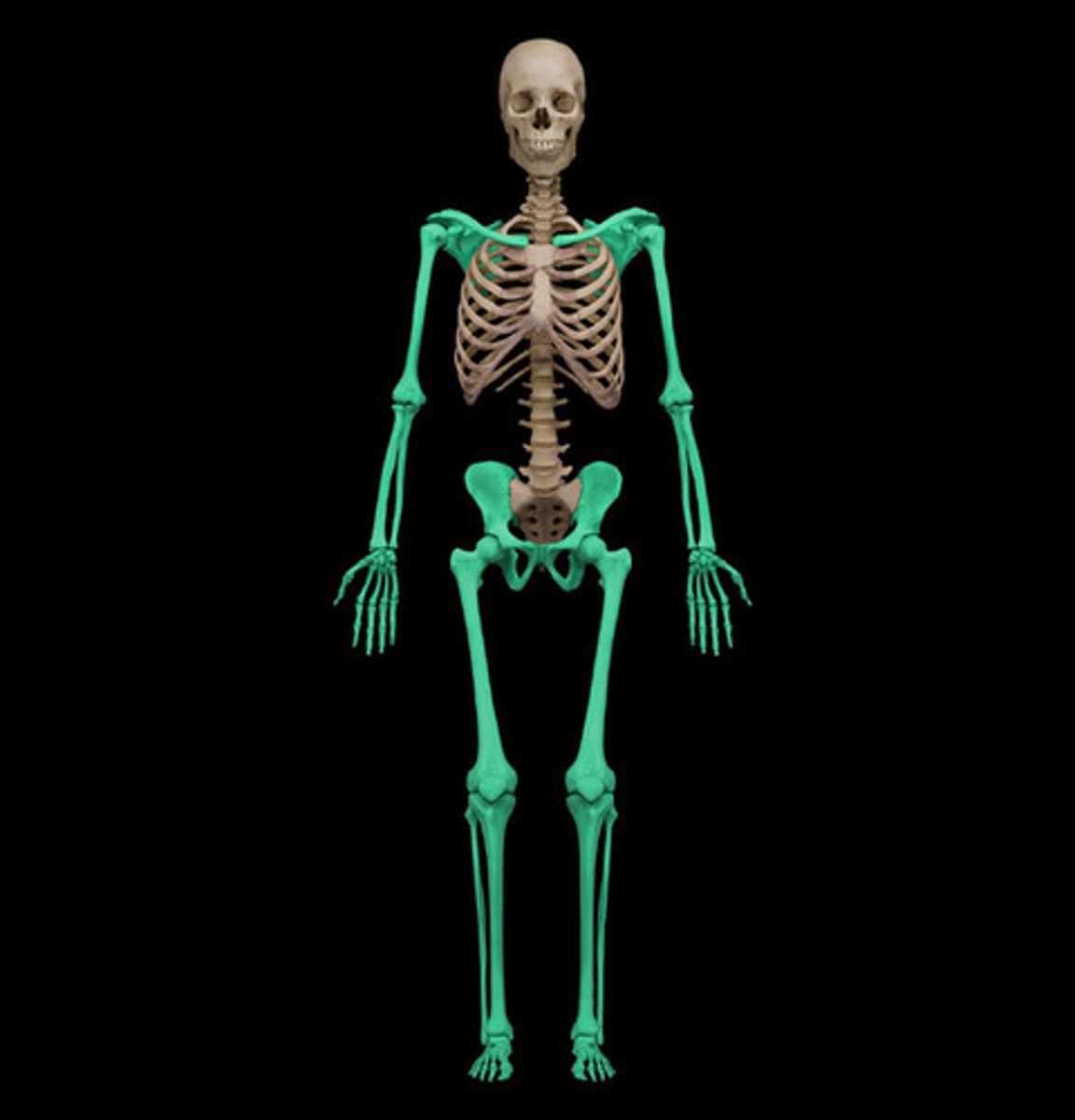
Skeletal System
Provides support, protection, and stores minerals.
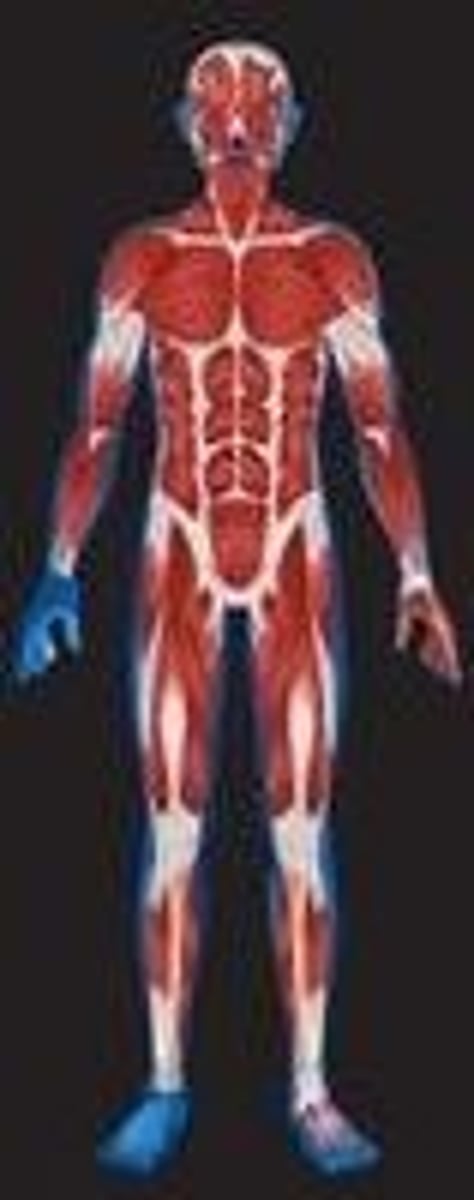
Muscular System
Produces movement and generates heat.
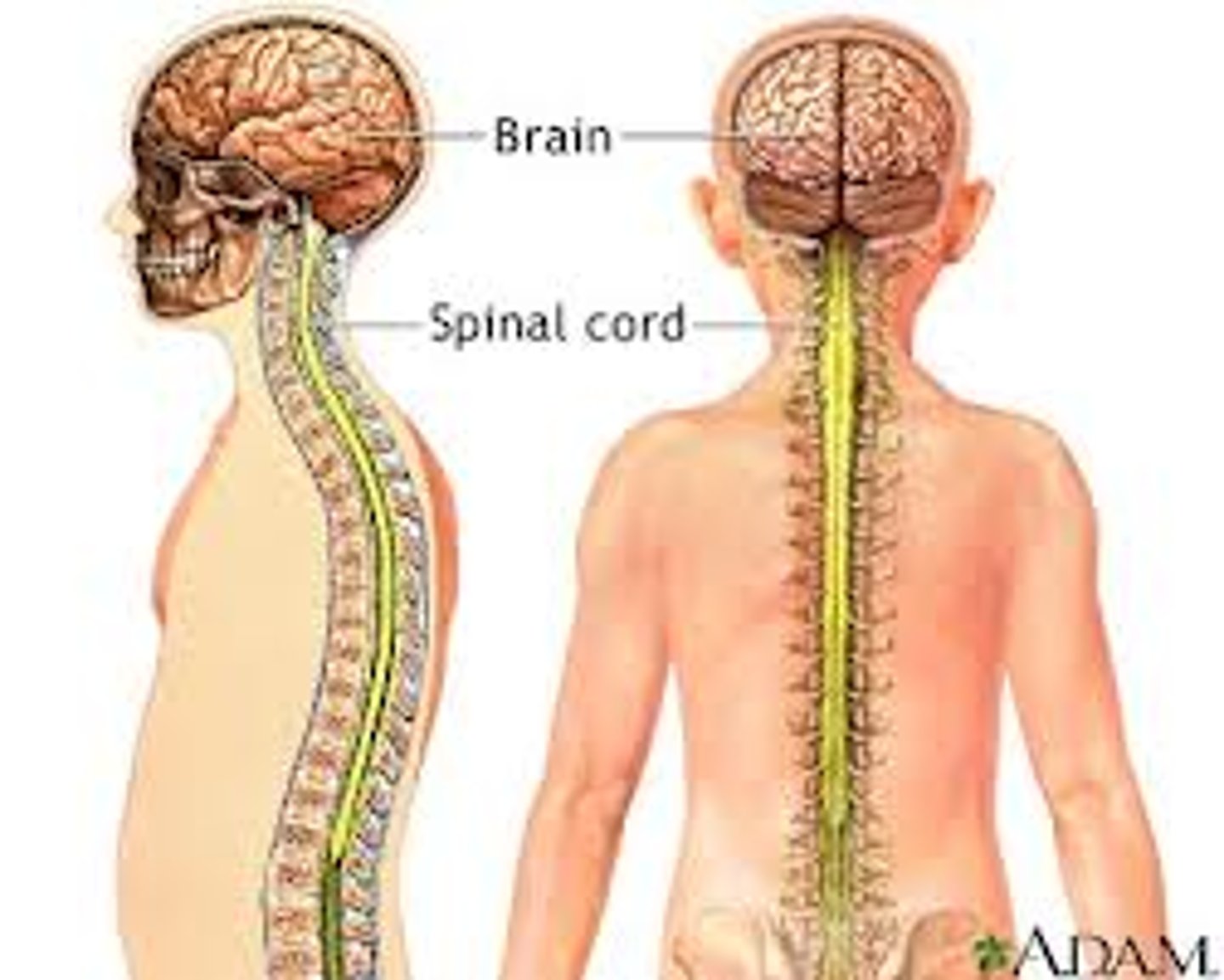
Nervous System
Controls body activities through electrical signals.
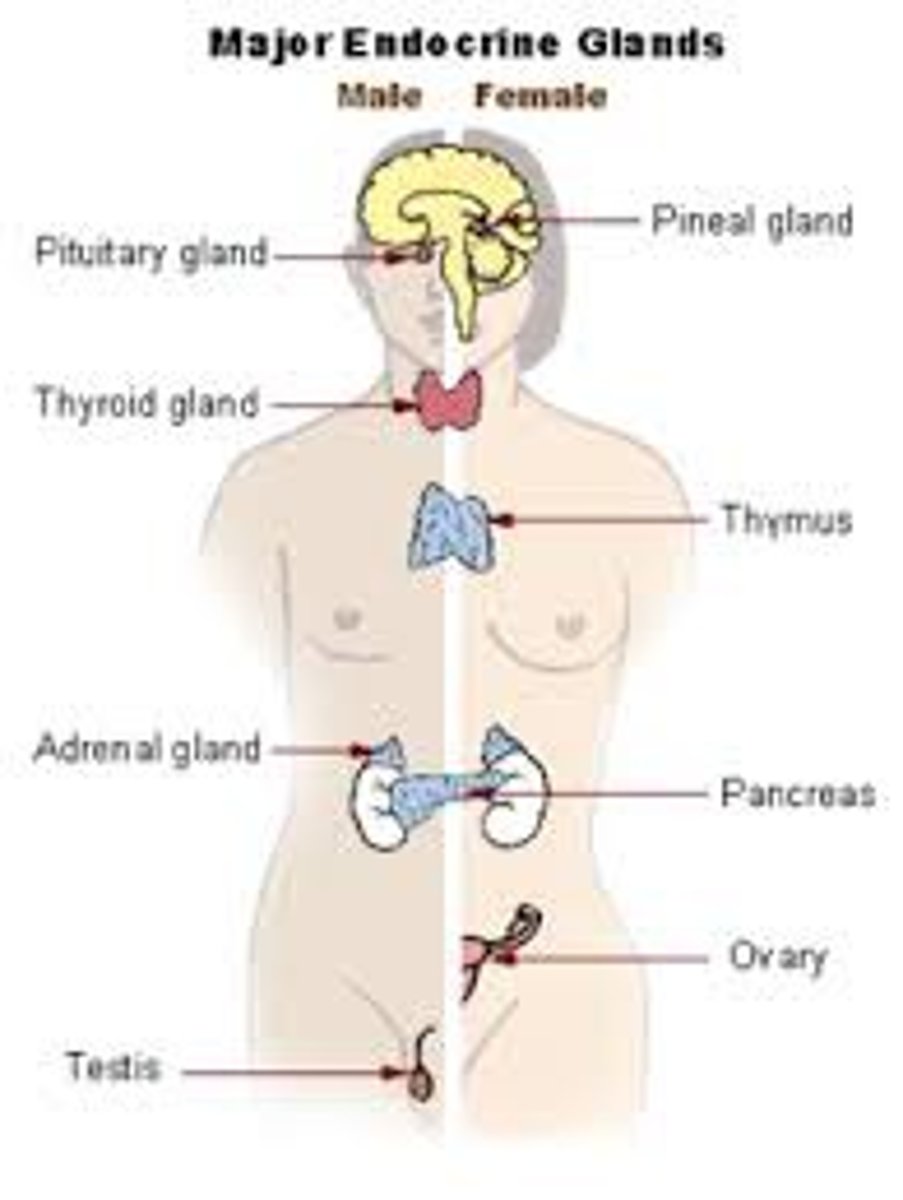
Endocrine System
Regulates processes through hormone secretion.
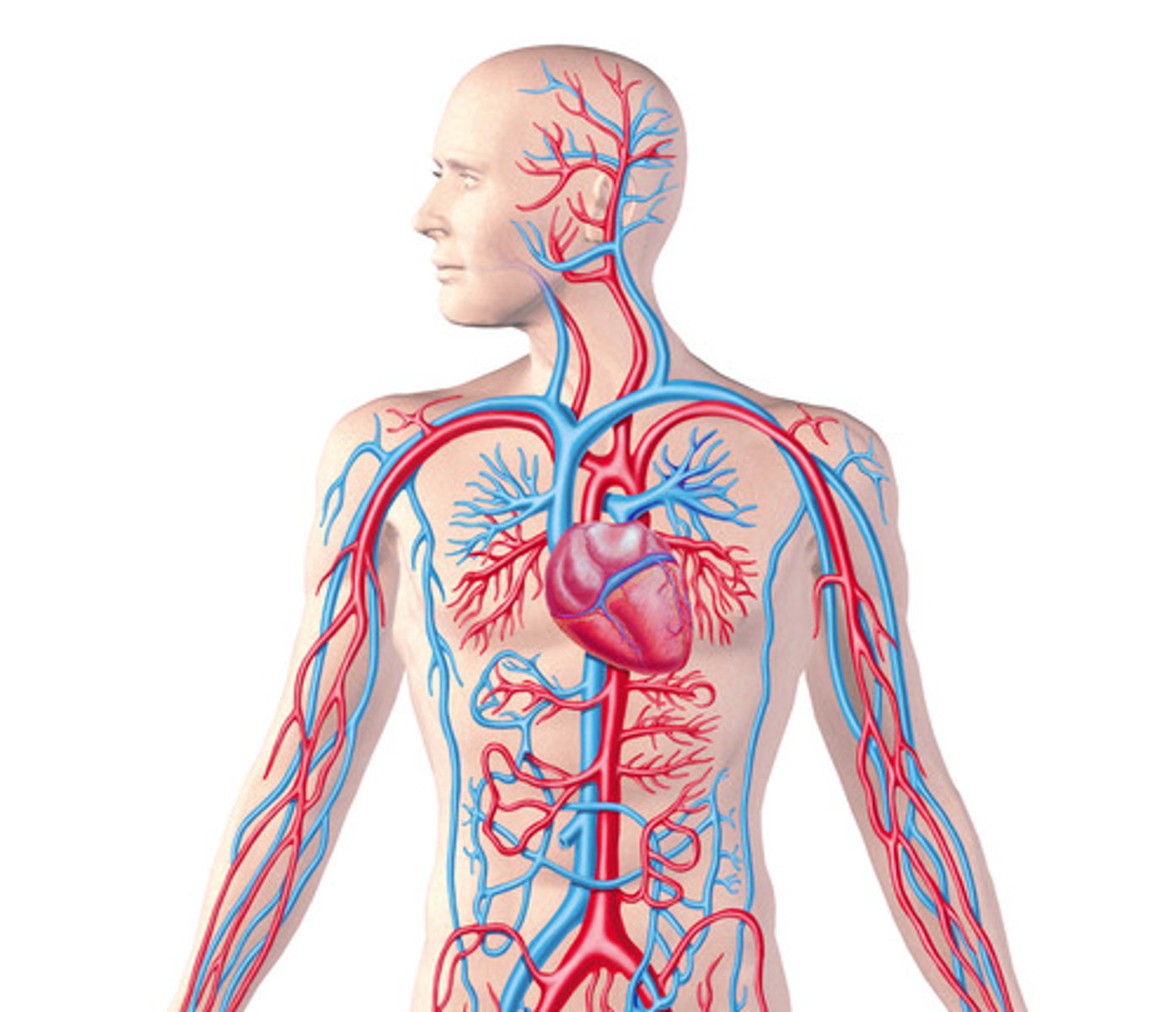
Cardiovascular System
Transports nutrients, gases, and wastes through blood.
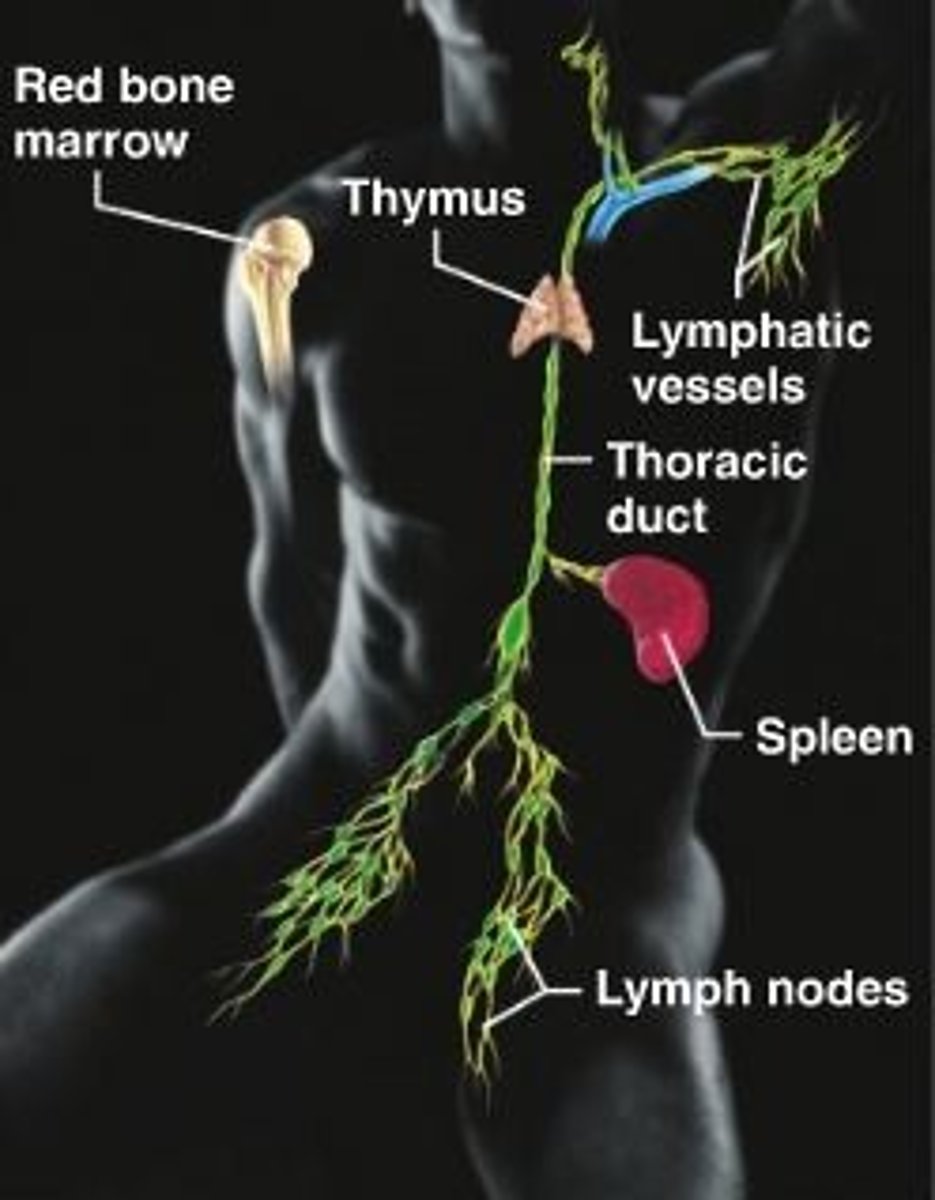
Lymphatic System
Transports lymph and participates in immune responses.
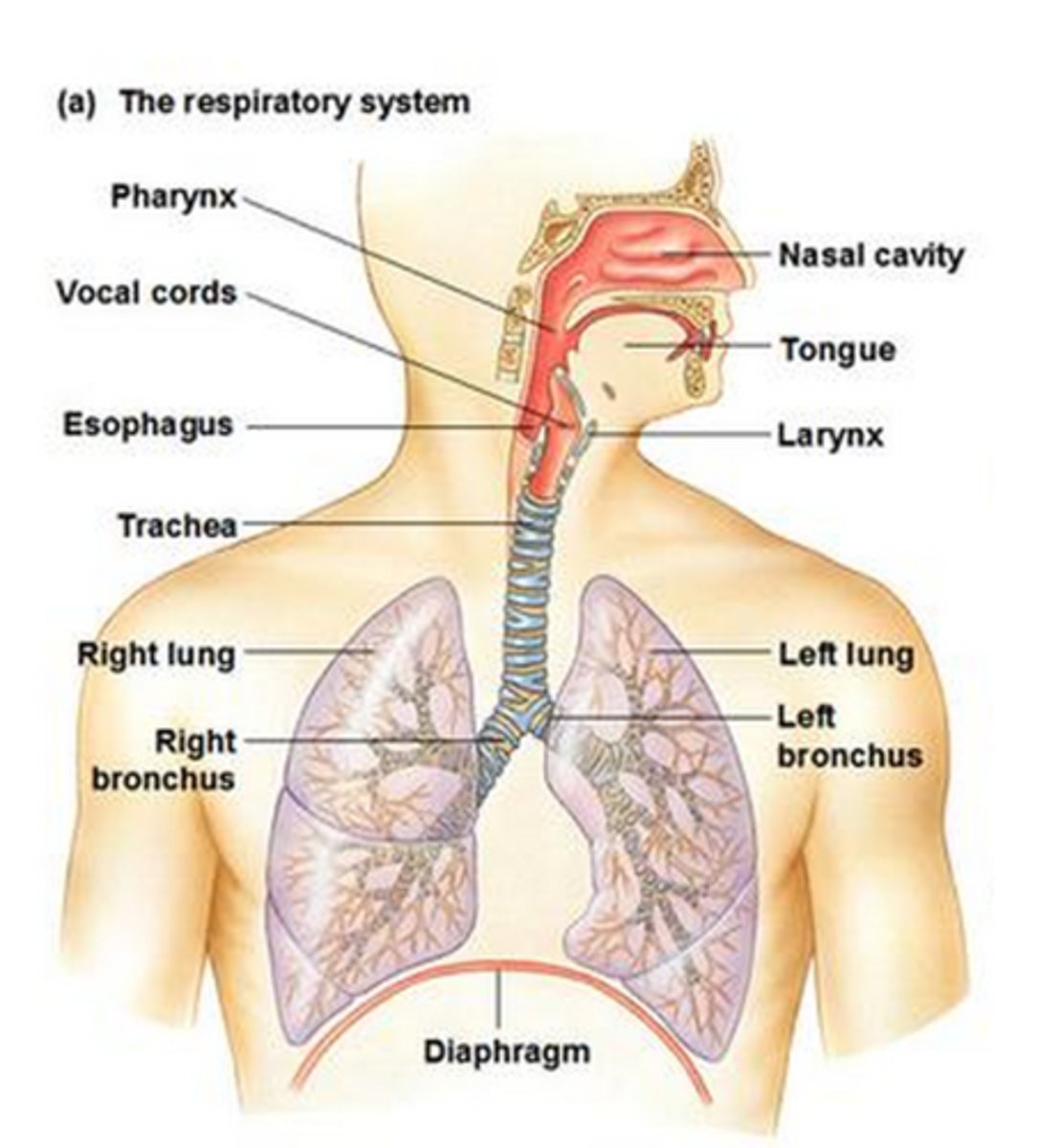
Respiratory System
Responsible for gas exchange between air and blood.
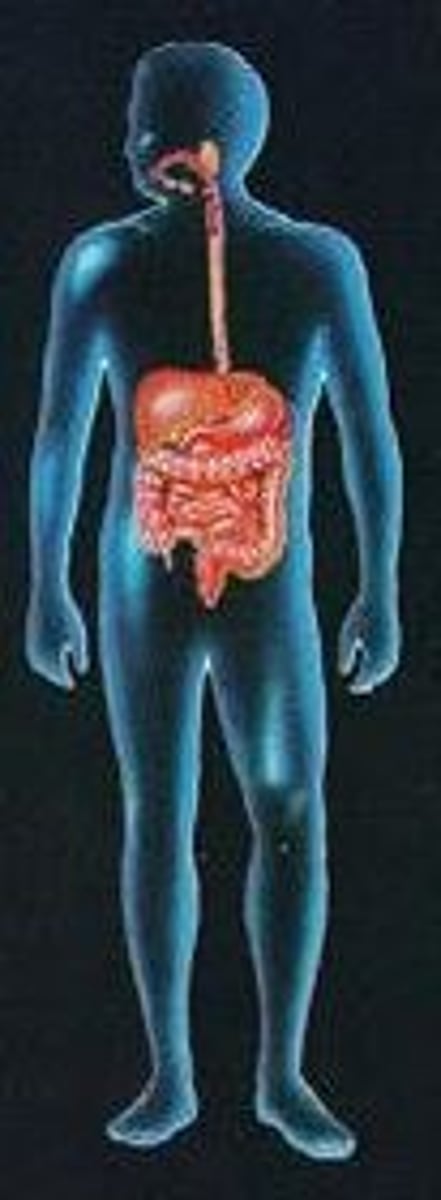
Digestive System
Breaks down food and absorbs nutrients.
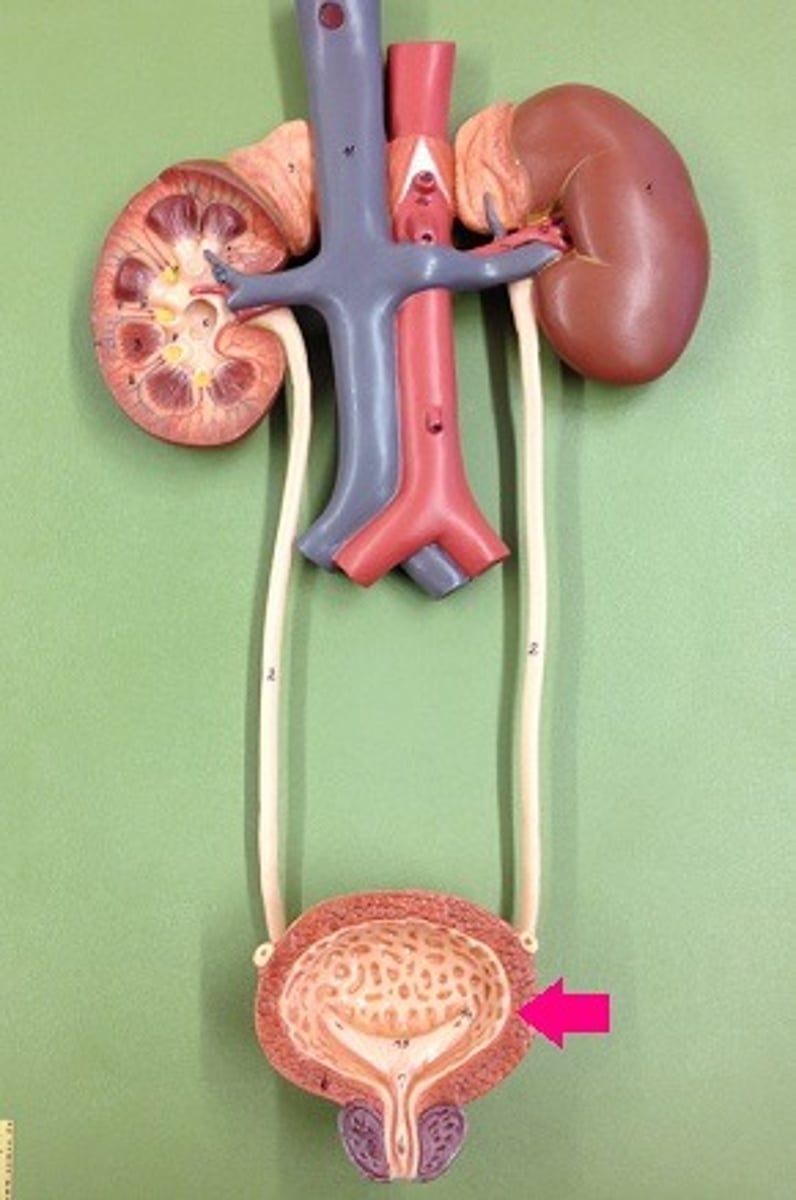
Urinary System
Removes waste products and regulates water balance.
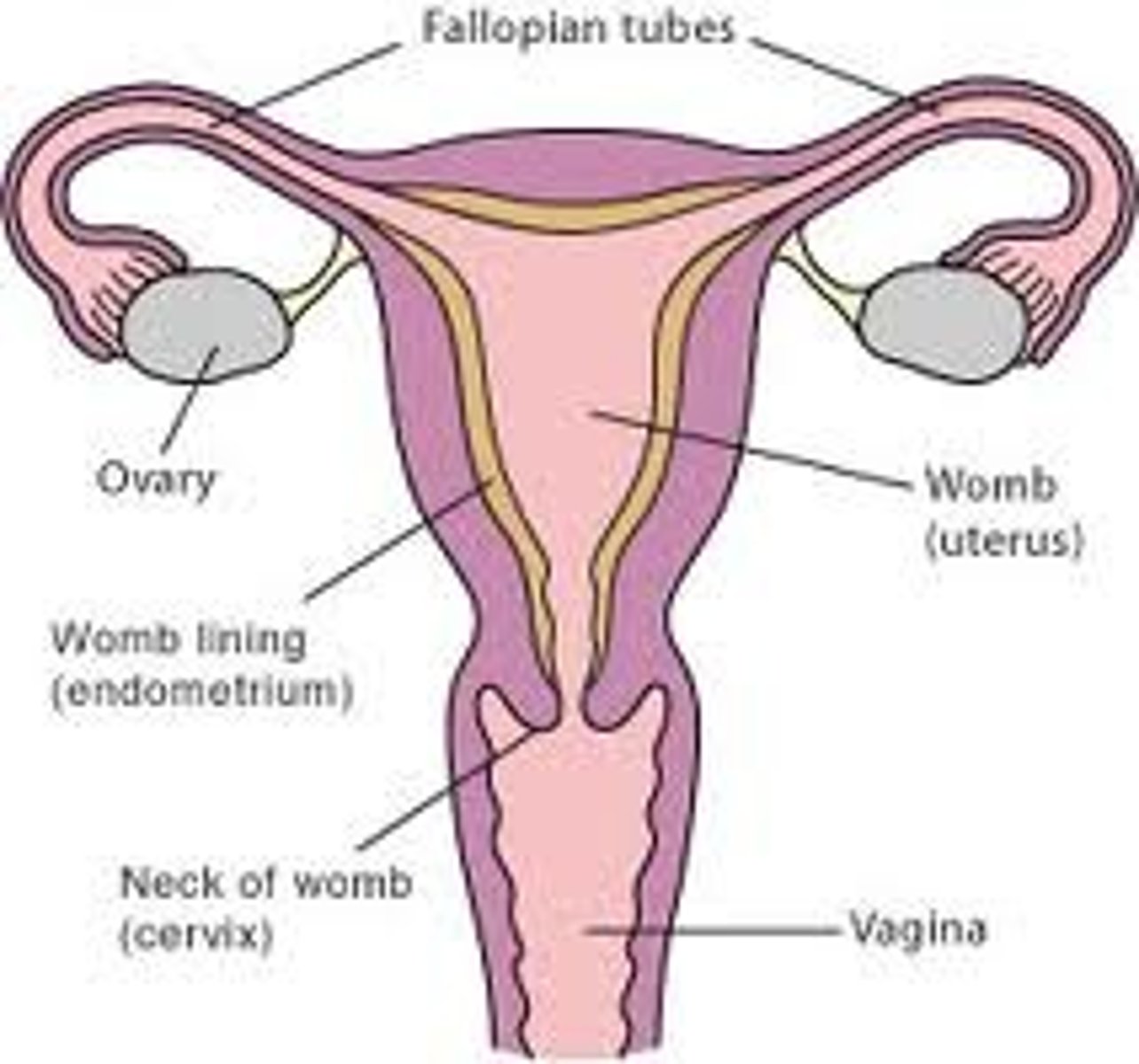
Reproductive System
Produces gametes and supports reproduction.
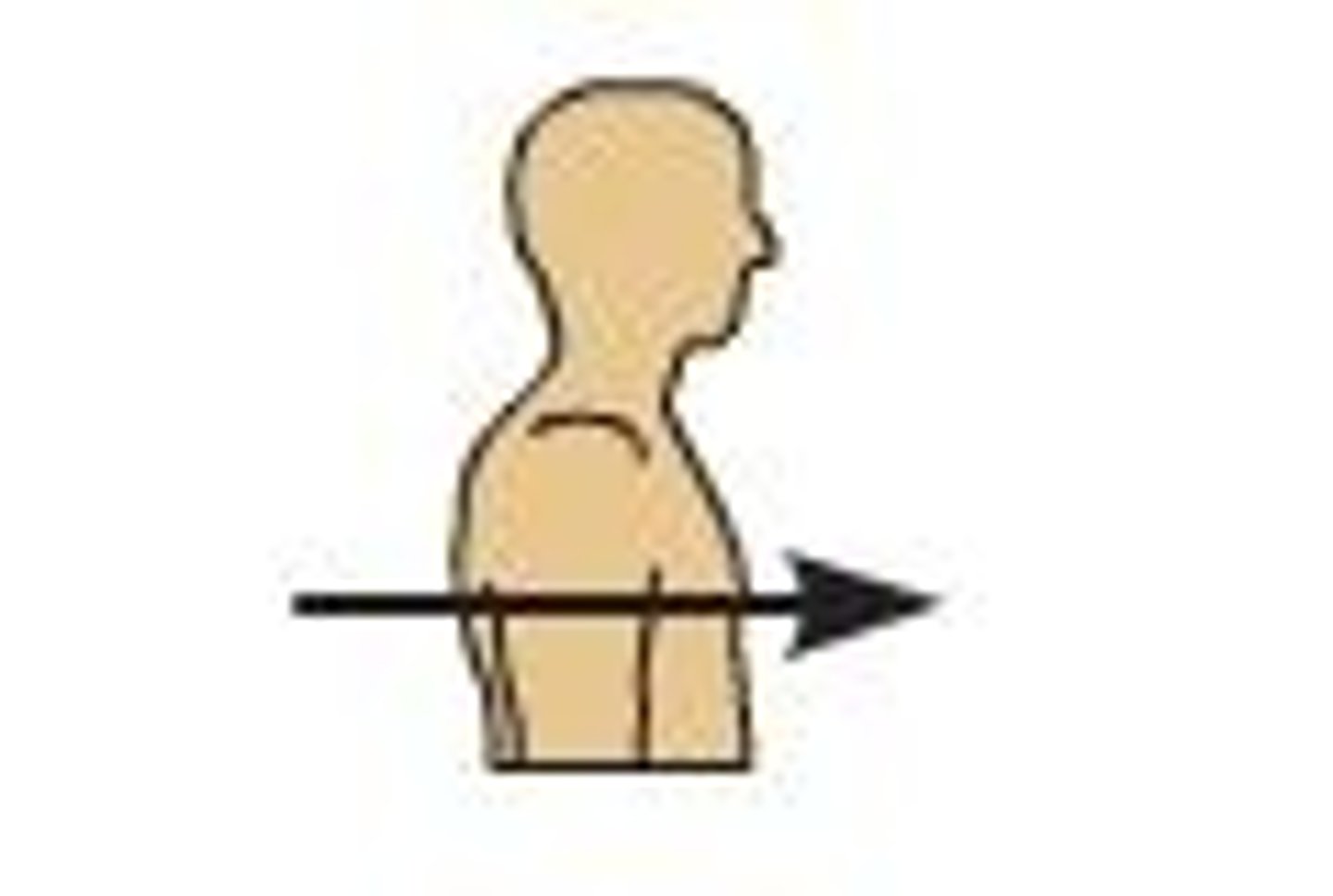
Anterior
Toward the front of the body.
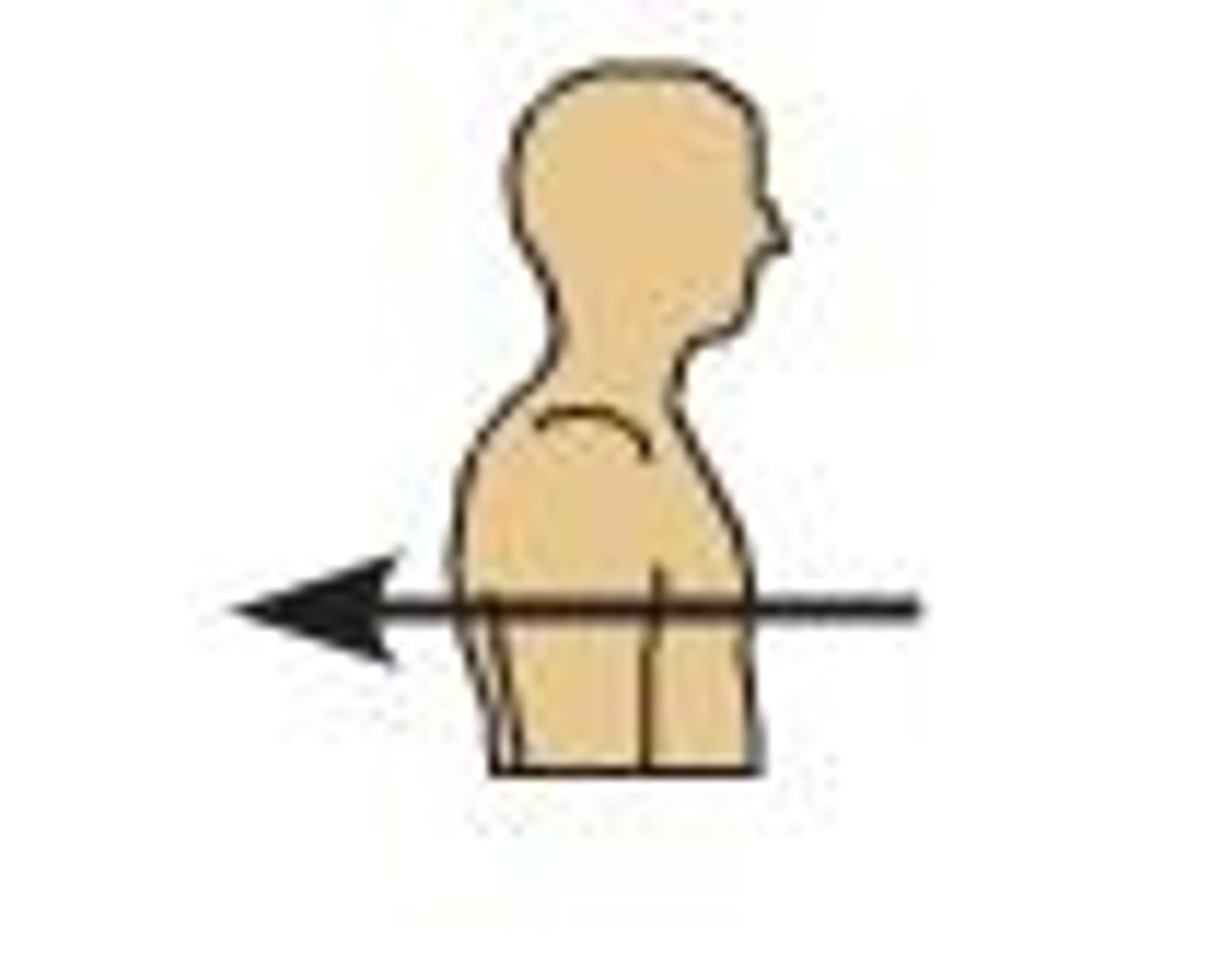
Posterior
Toward the back of the body.
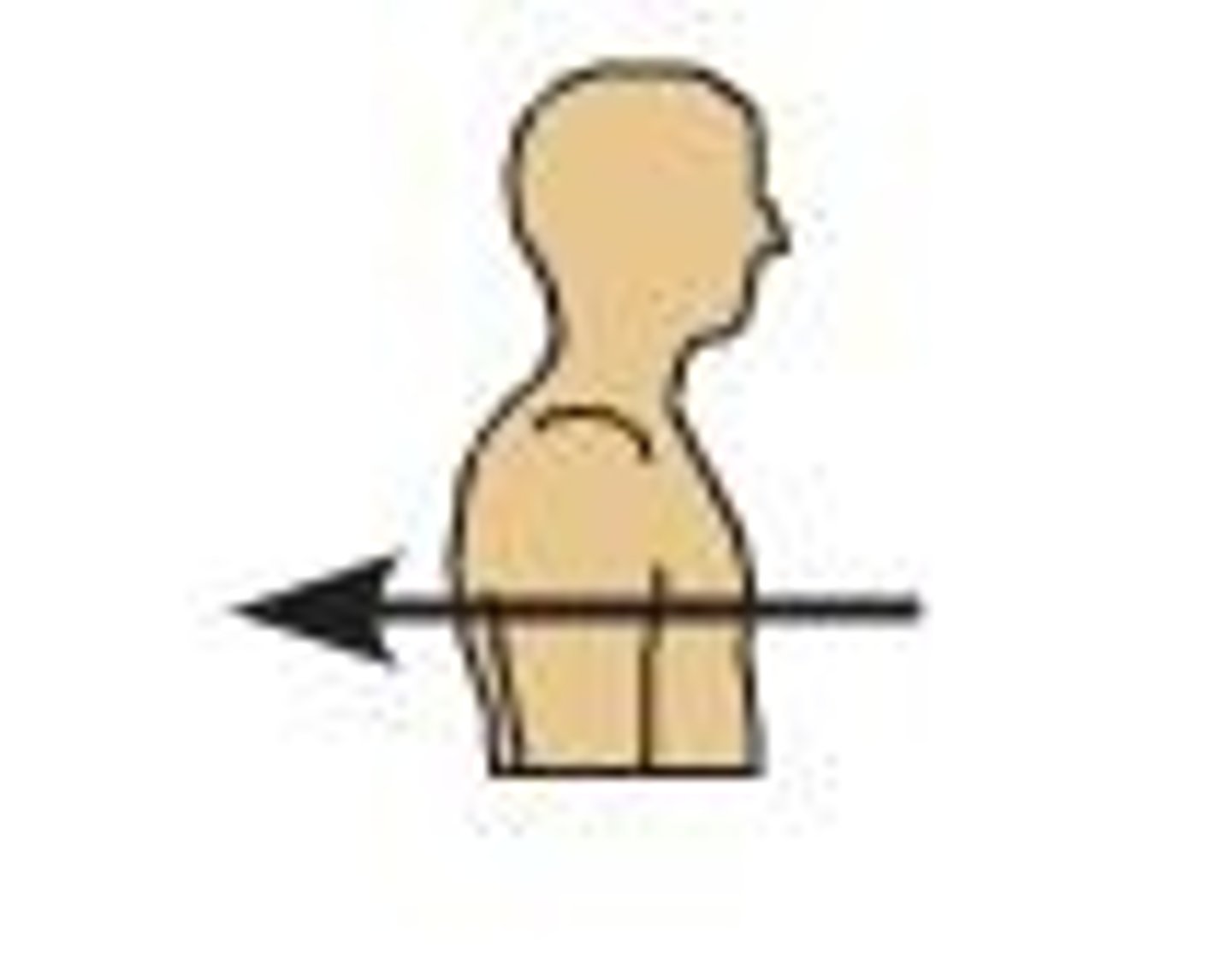
Dorsal
Toward the back side.
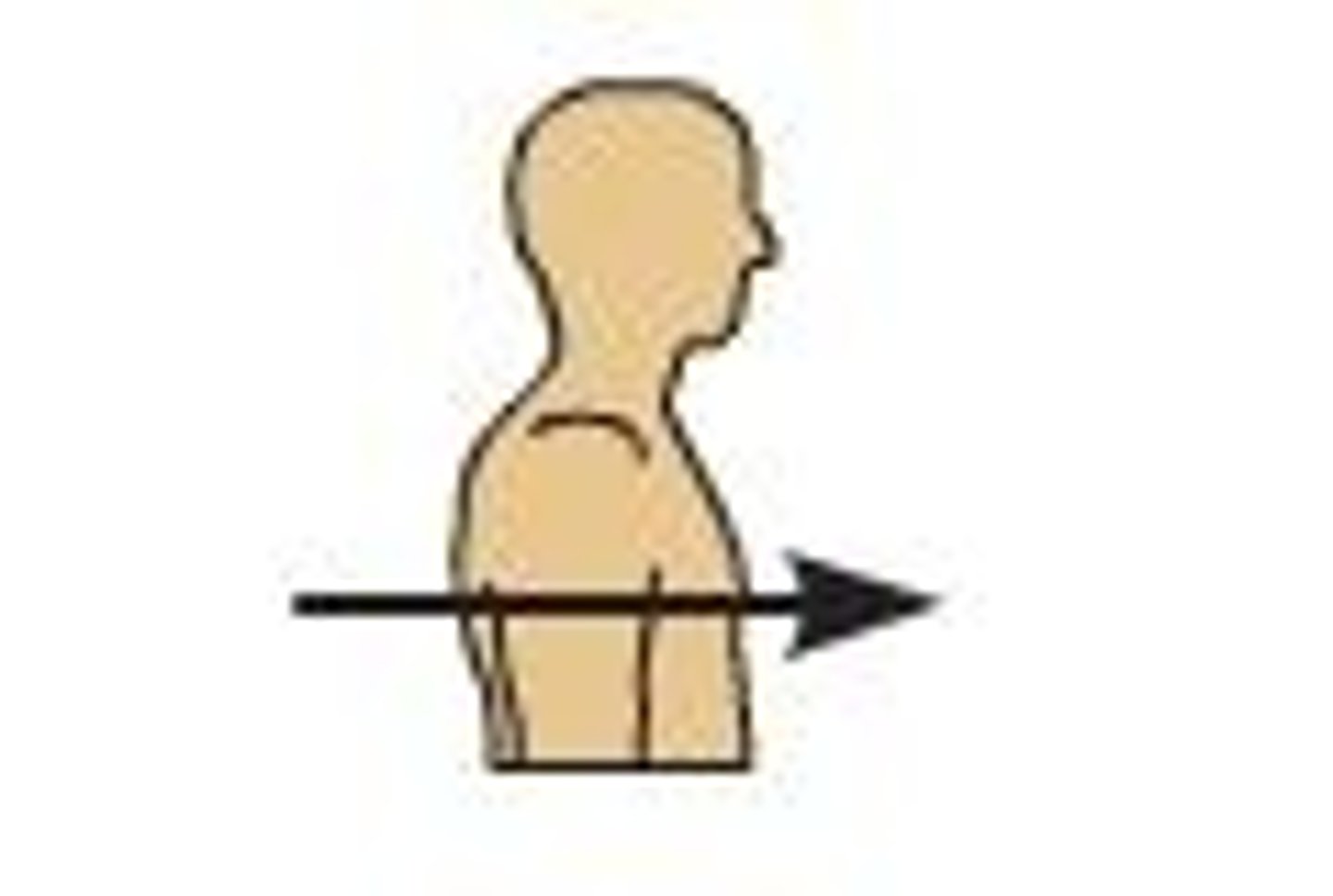
Ventral
Toward the belly side.
Superior
Above or toward the head.
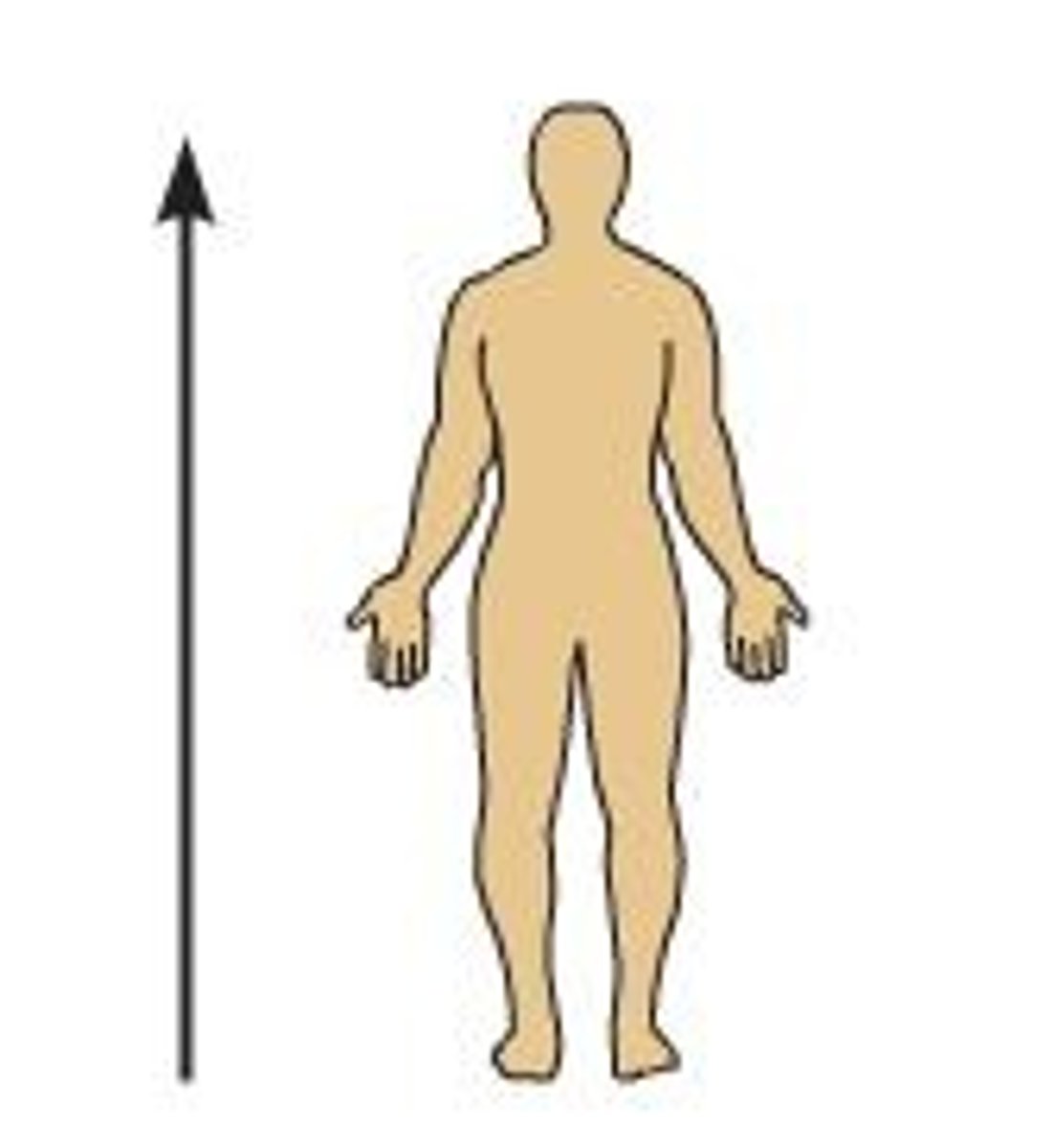
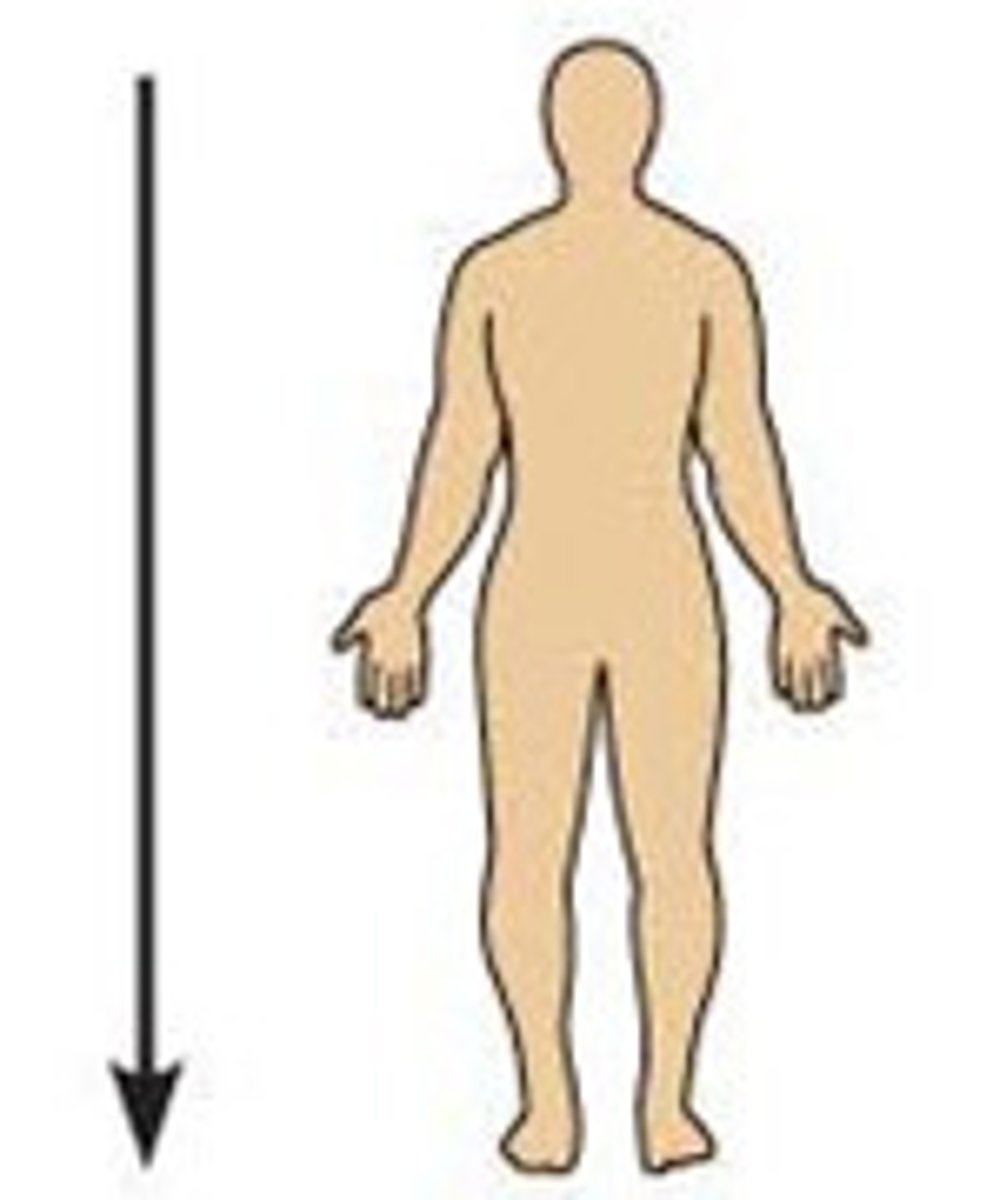
Inferior
Below or toward the feet.
Cranial (Rostral)
Toward the head.
Caudal
Toward the tail or lower end.
Medial
Toward the midline.
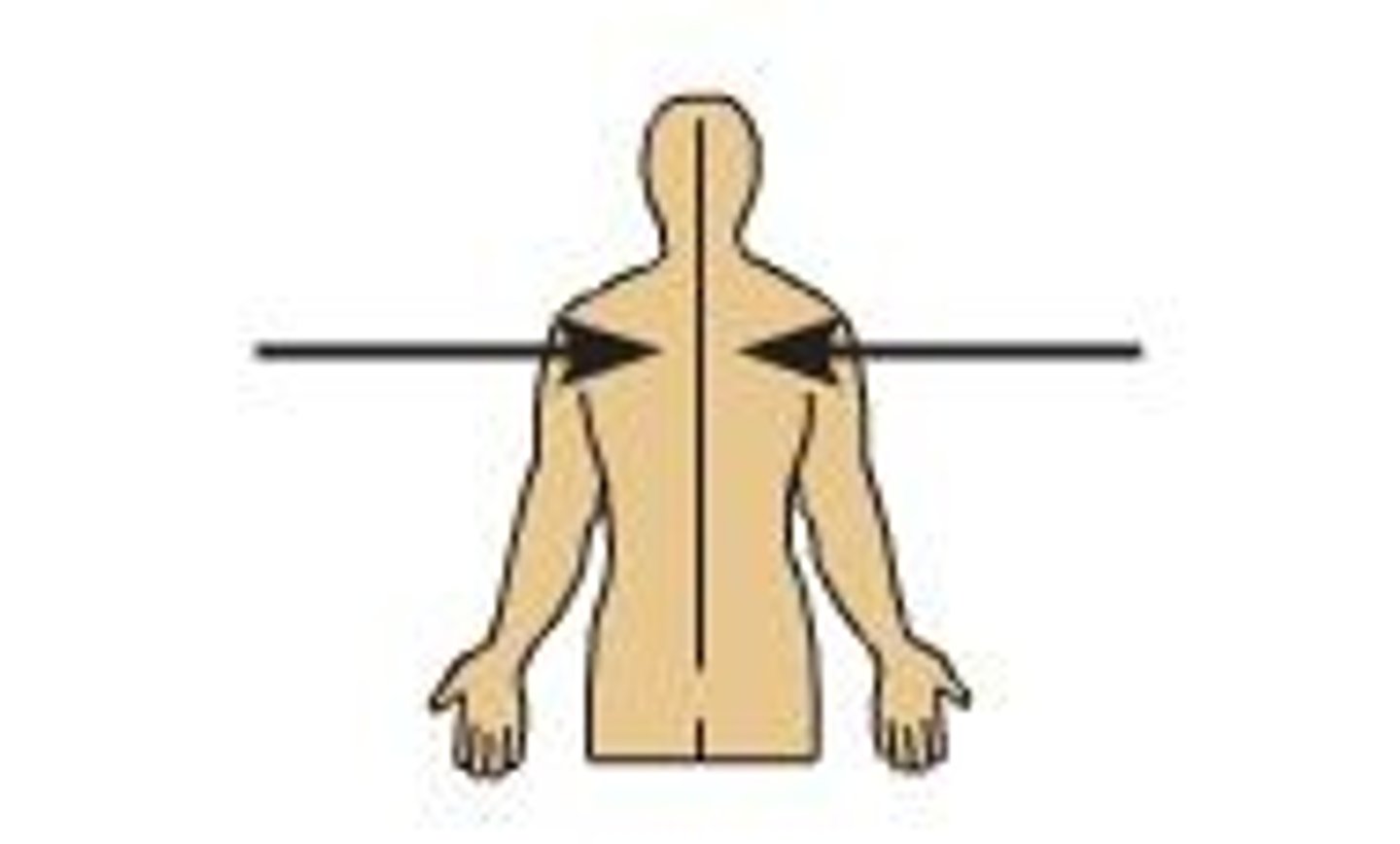
Lateral
Away from the midline.
Superficial
Toward the surface.
Deep
Away from the surface.
Proximal
Closer to the point of attachment.
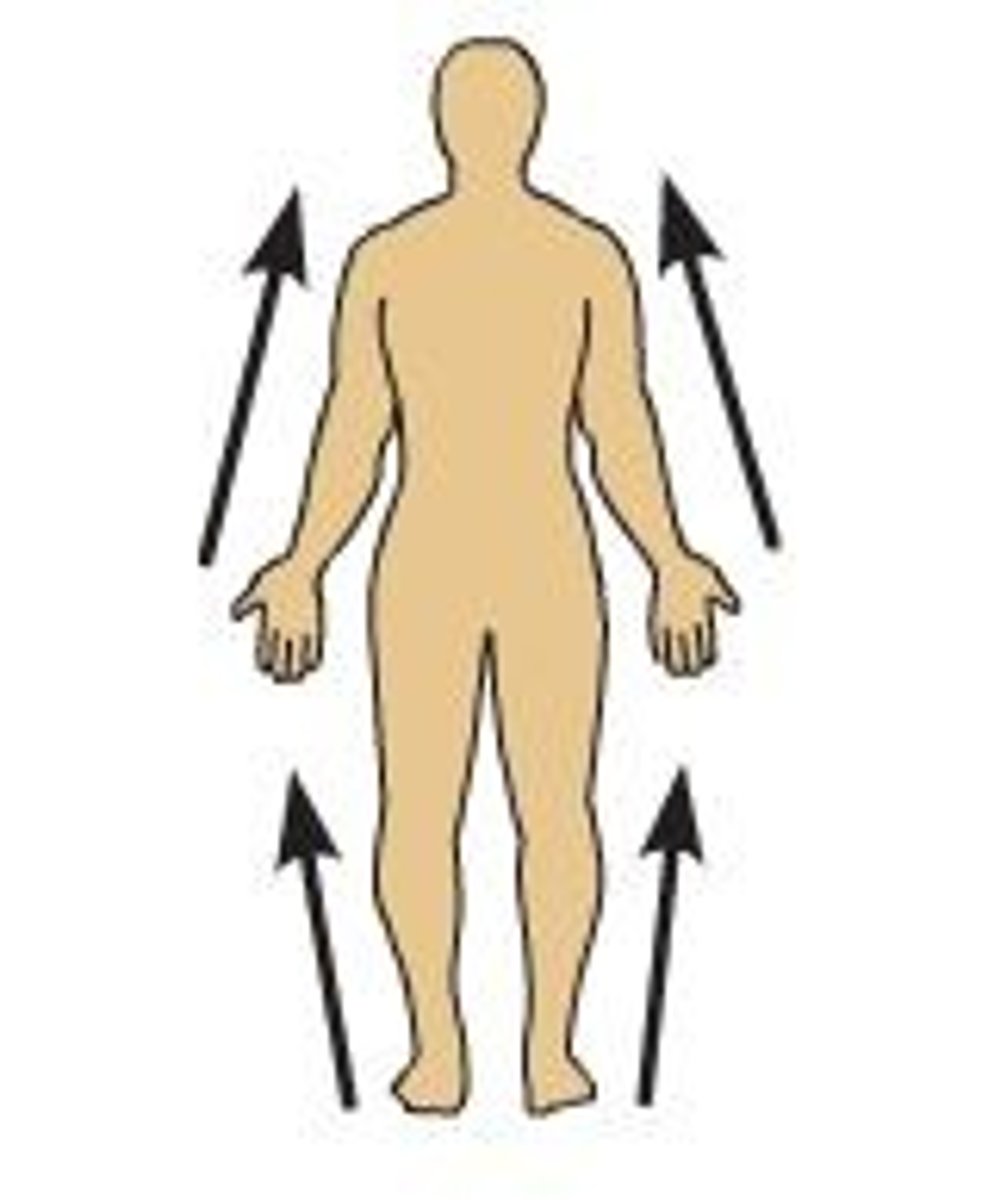
Distal
Farther from the point of attachment.
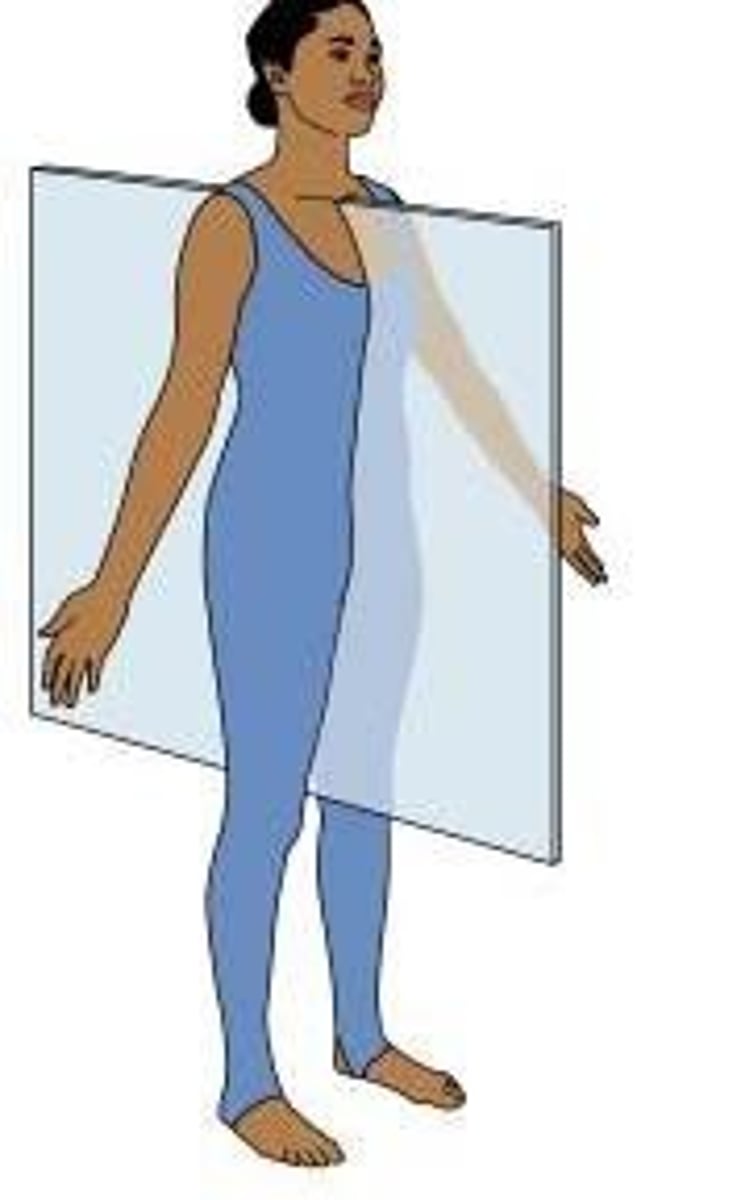
Sagittal Plane
Divides the body into left and right portions.
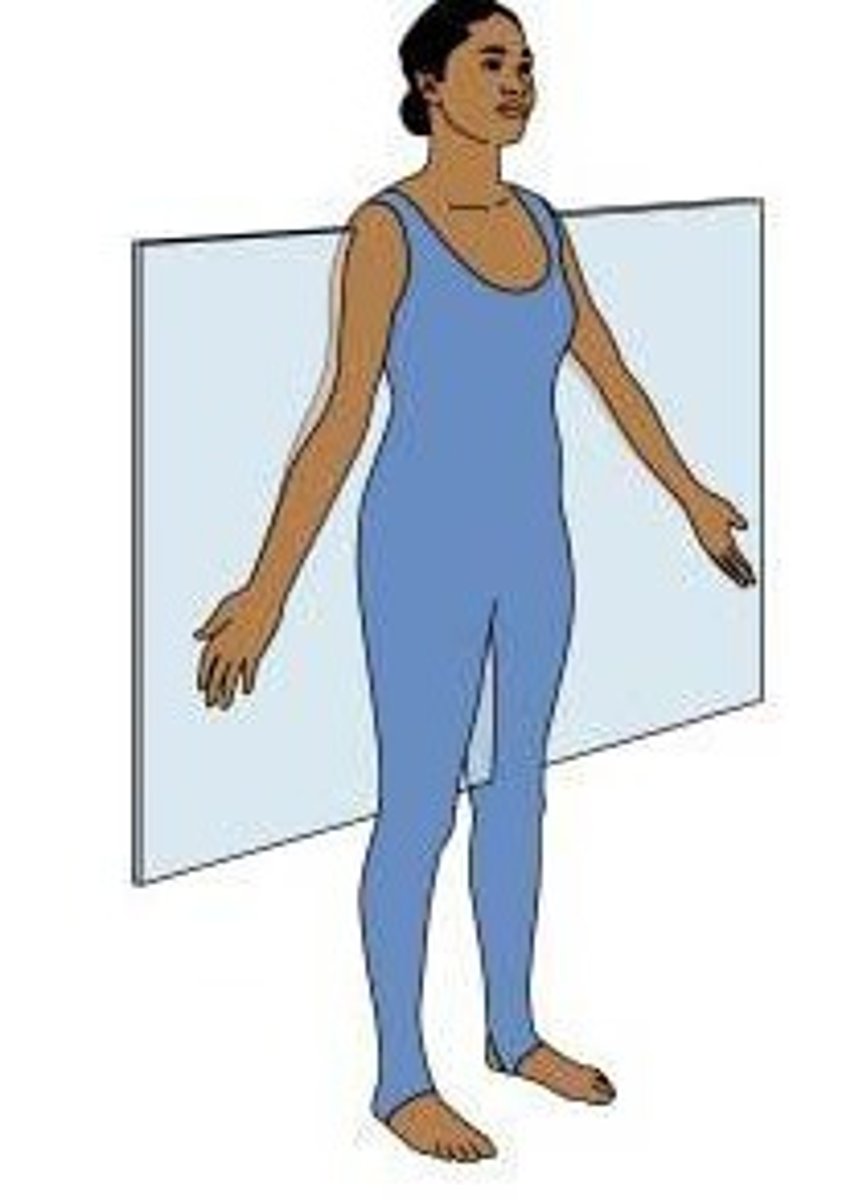
Coronal Plane
Divides the body into anterior and posterior portions.
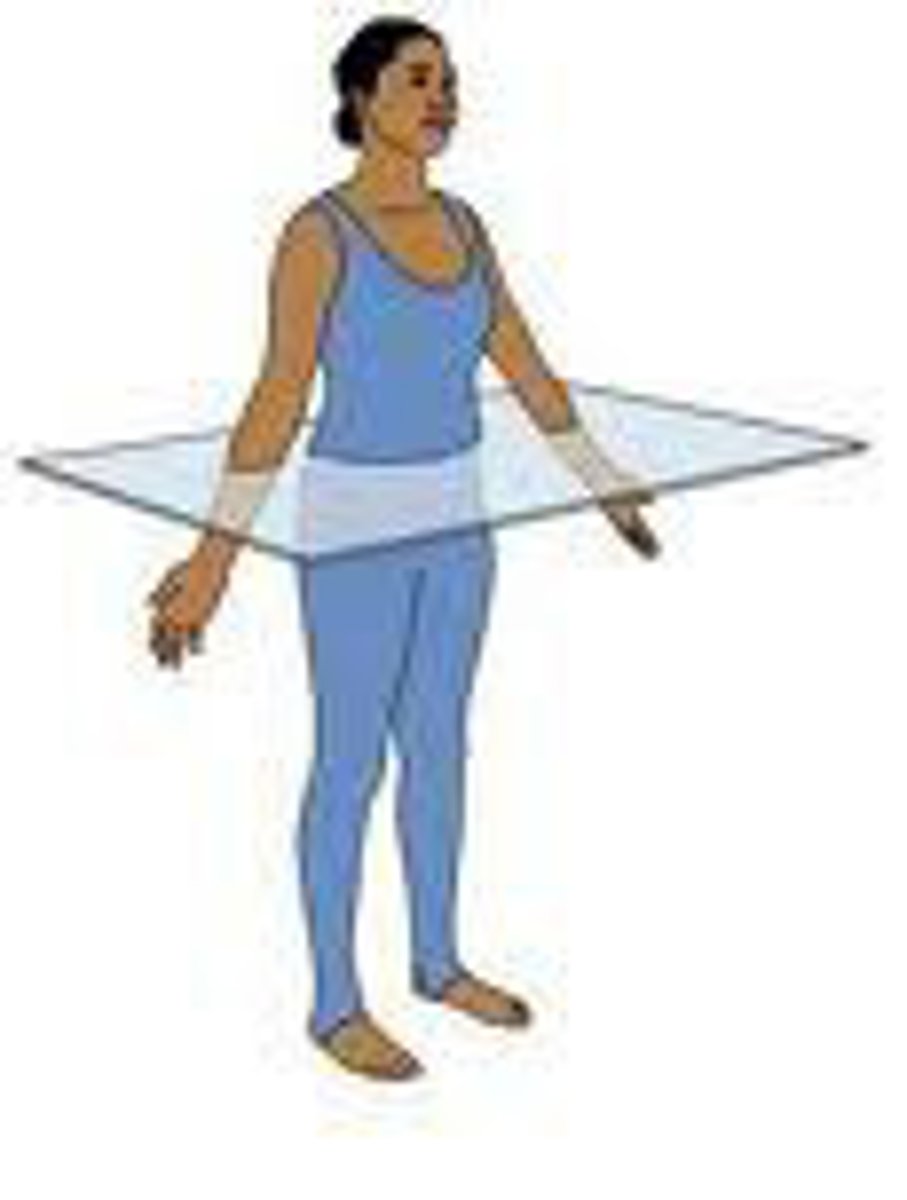
Transverse Plane
Divides the body into superior and inferior portions.
Oblique Plane
A cut made at an angle.
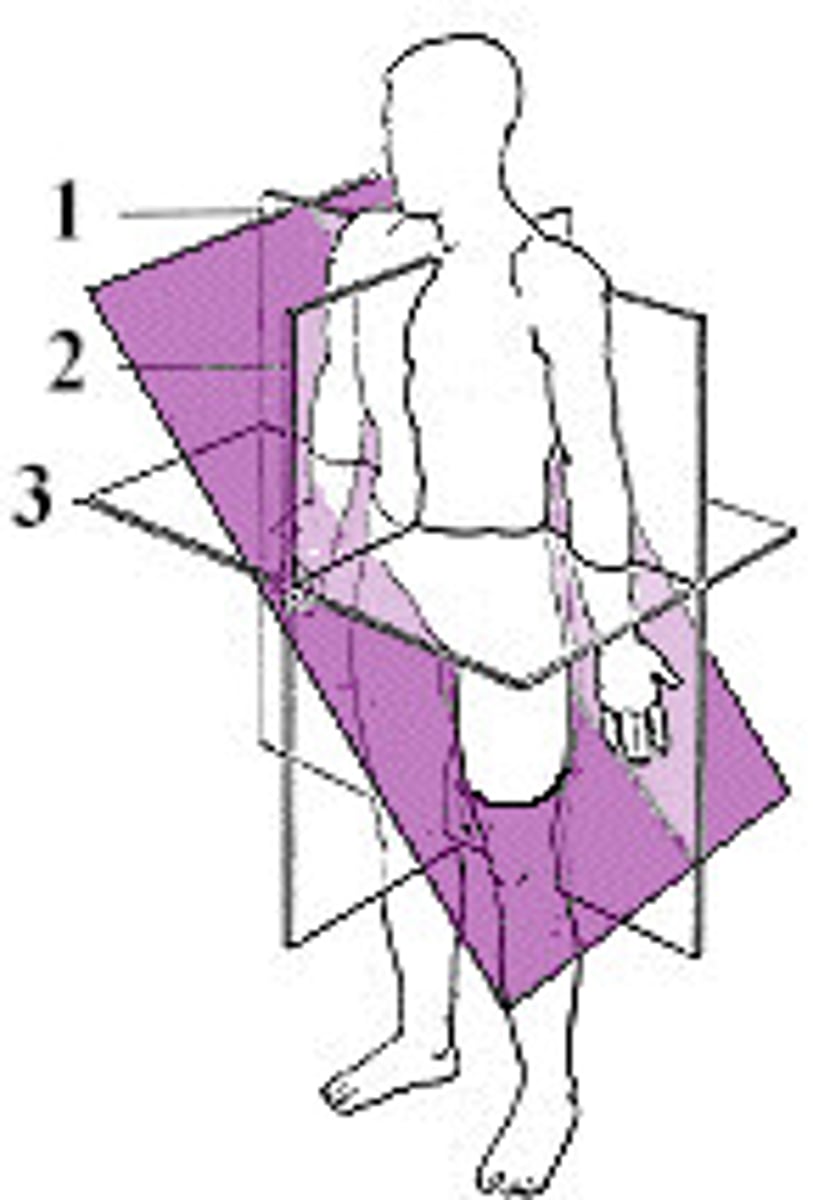
Ventral Cavity
Major cavity containing thoracic and abdominopelvic cavities.
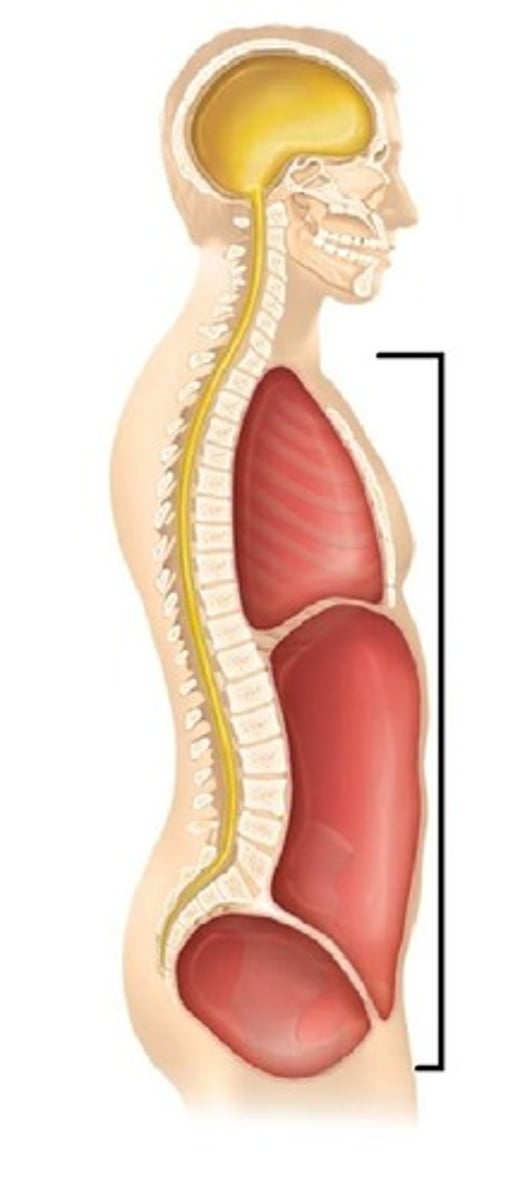
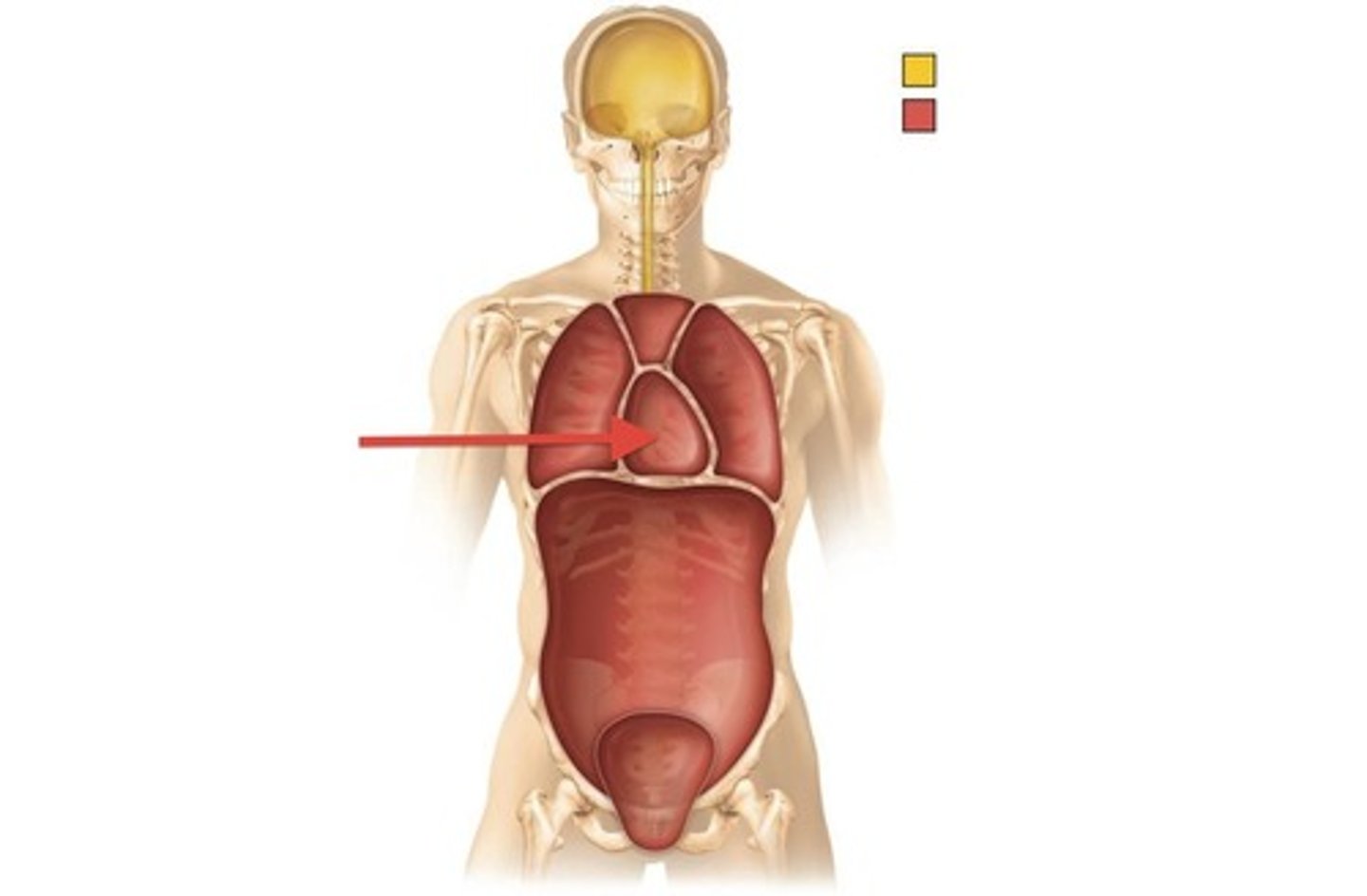
Thoracic Cavity
Contains lungs and heart.
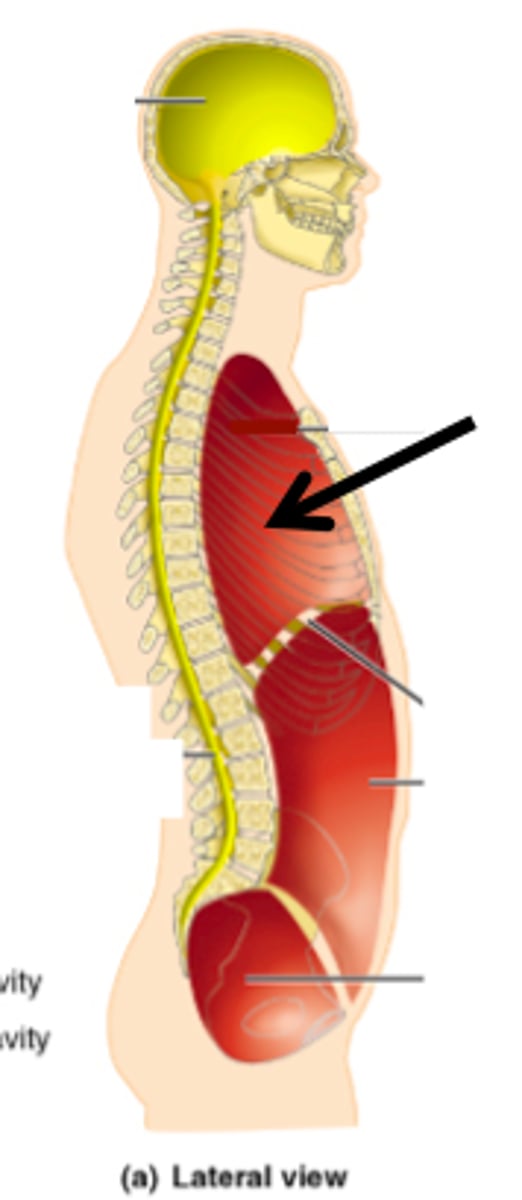
Pleural Cavity
Surrounds each lung.
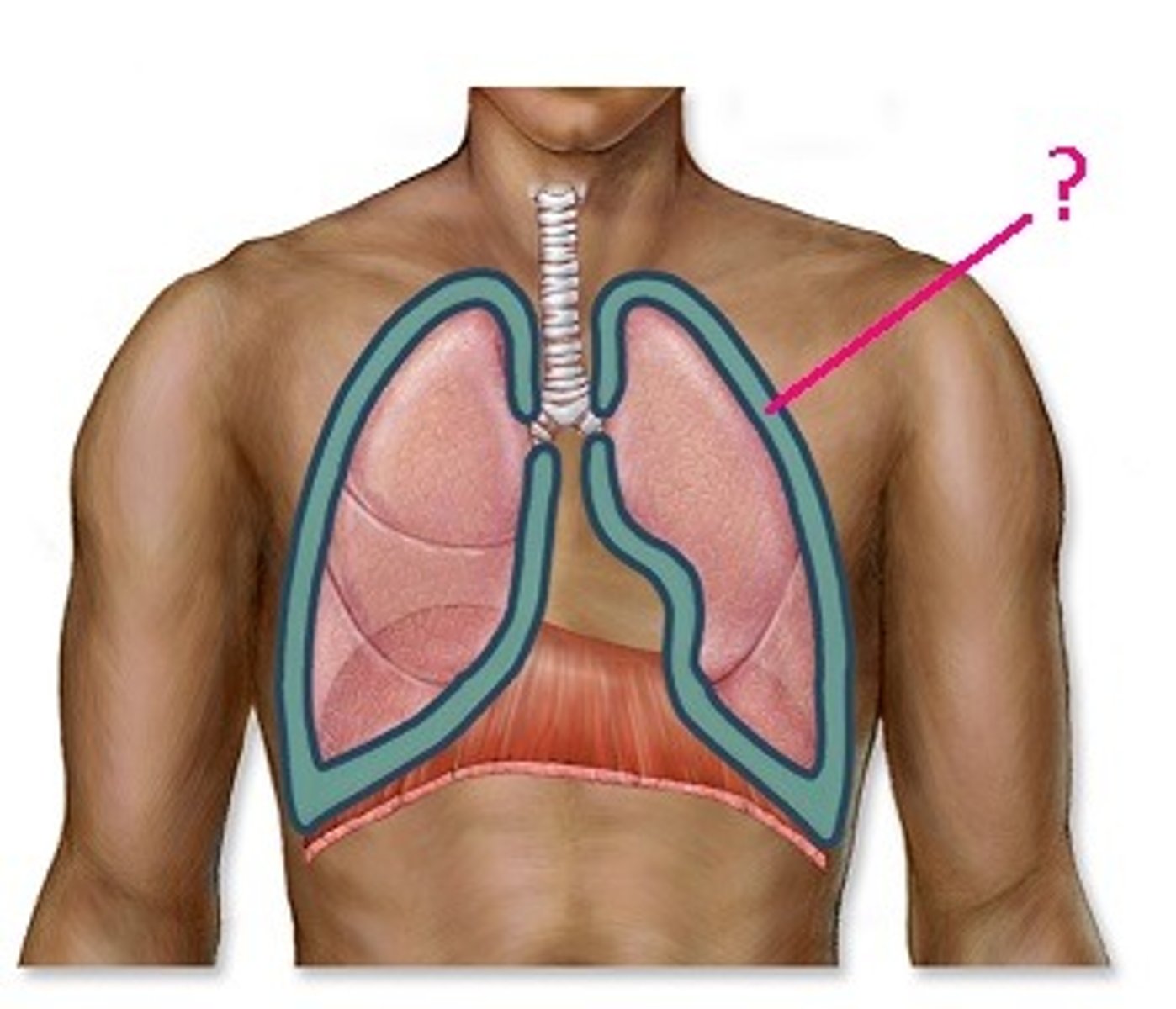
Pericardial Cavity
Surrounds the heart.
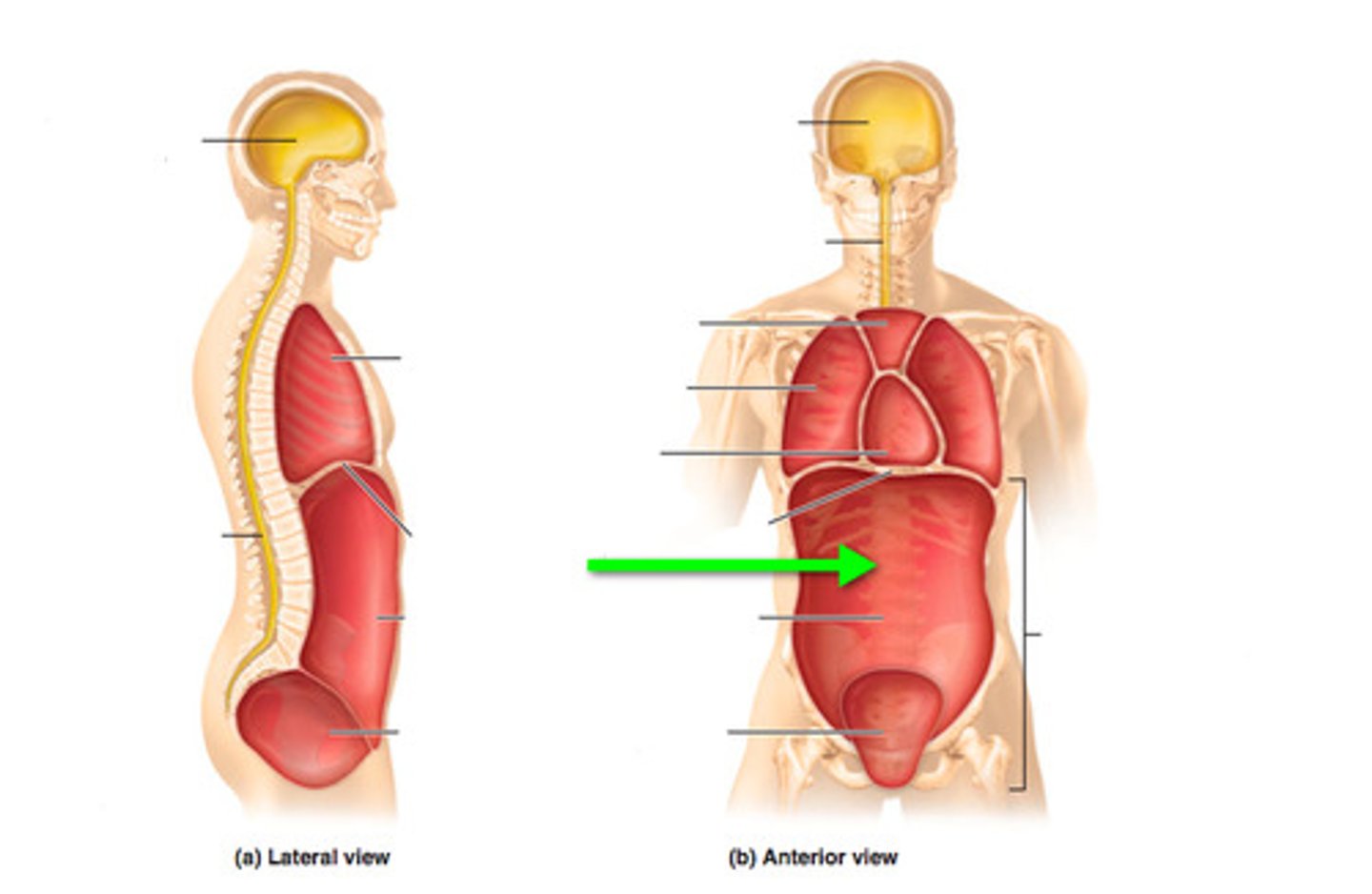
Abdominopelvic Cavity
Contains abdominal and pelvic organs.
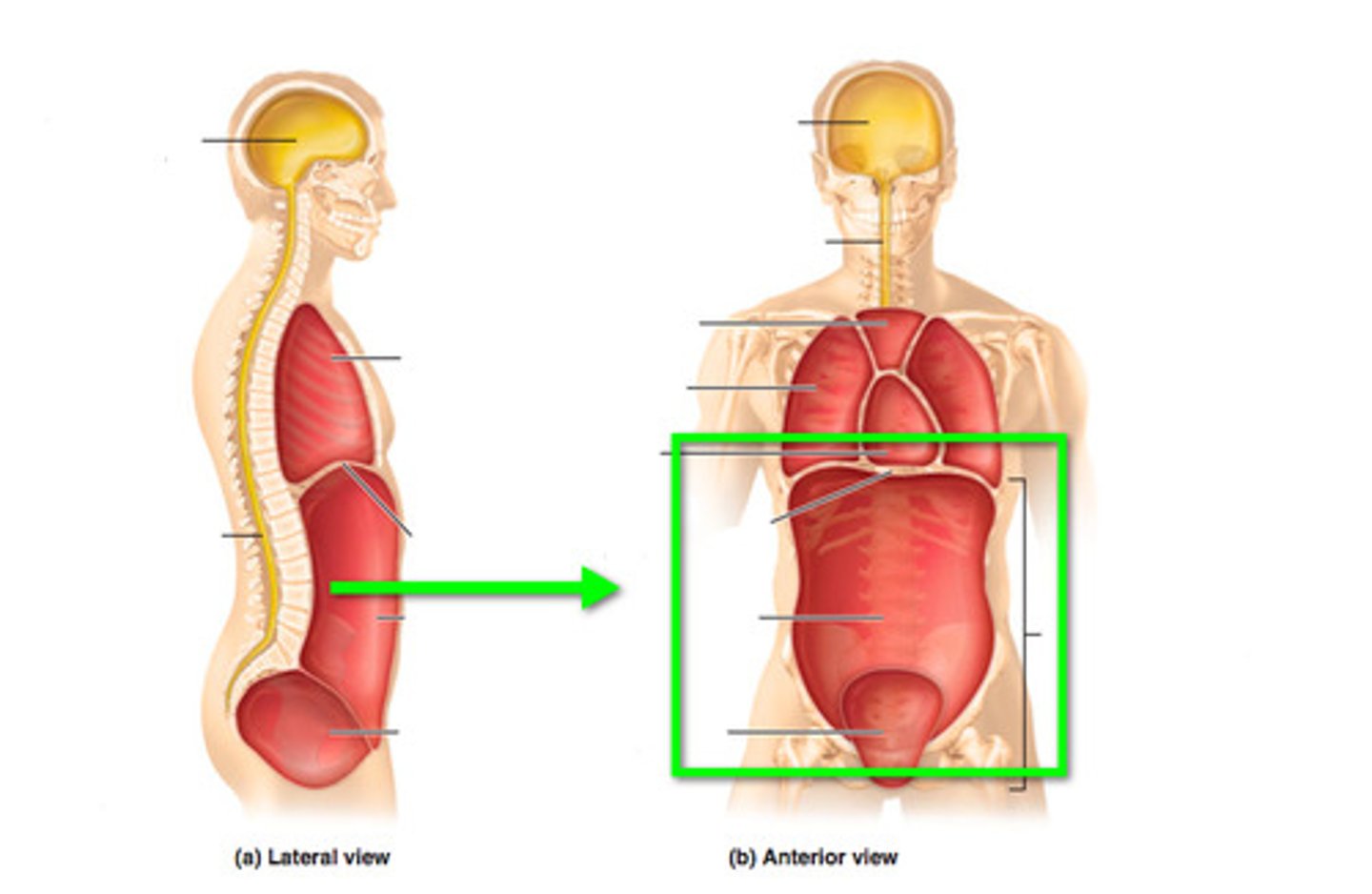
Abdominal Cavity
Contains digestive organs.
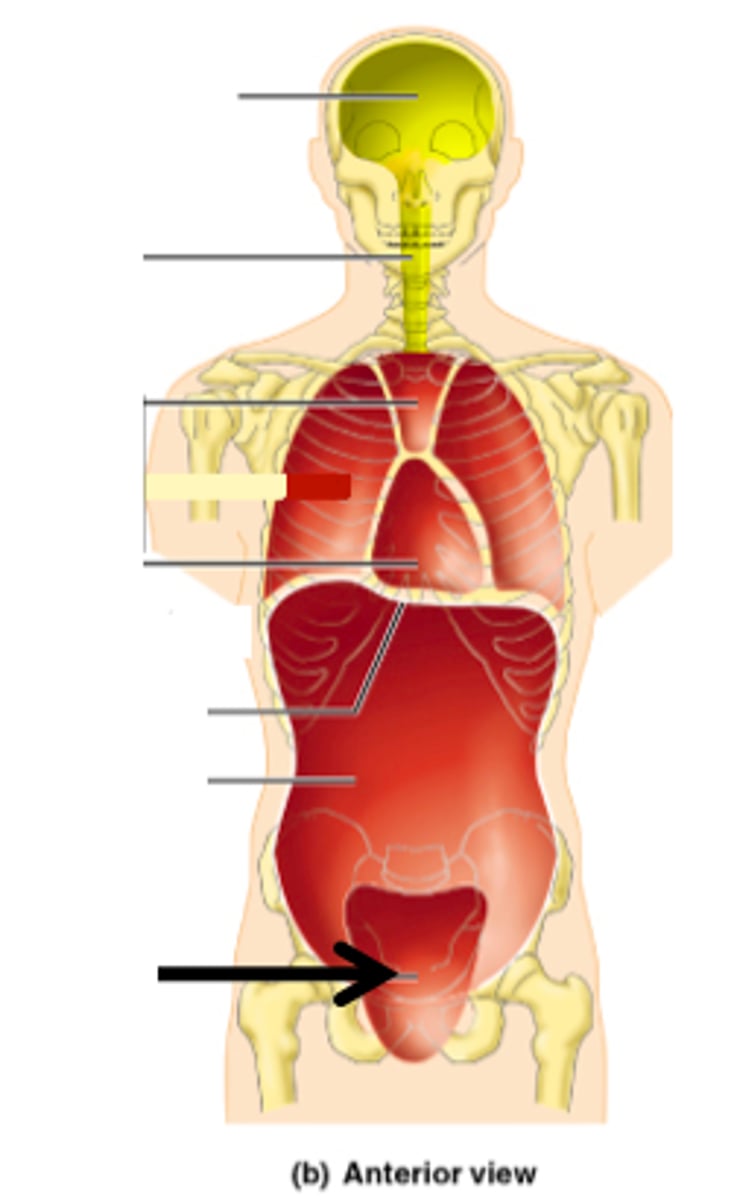
Pelvic Cavity
Contains reproductive and urinary organs.
Posterior Aspect
Includes cranial and vertebral cavities.
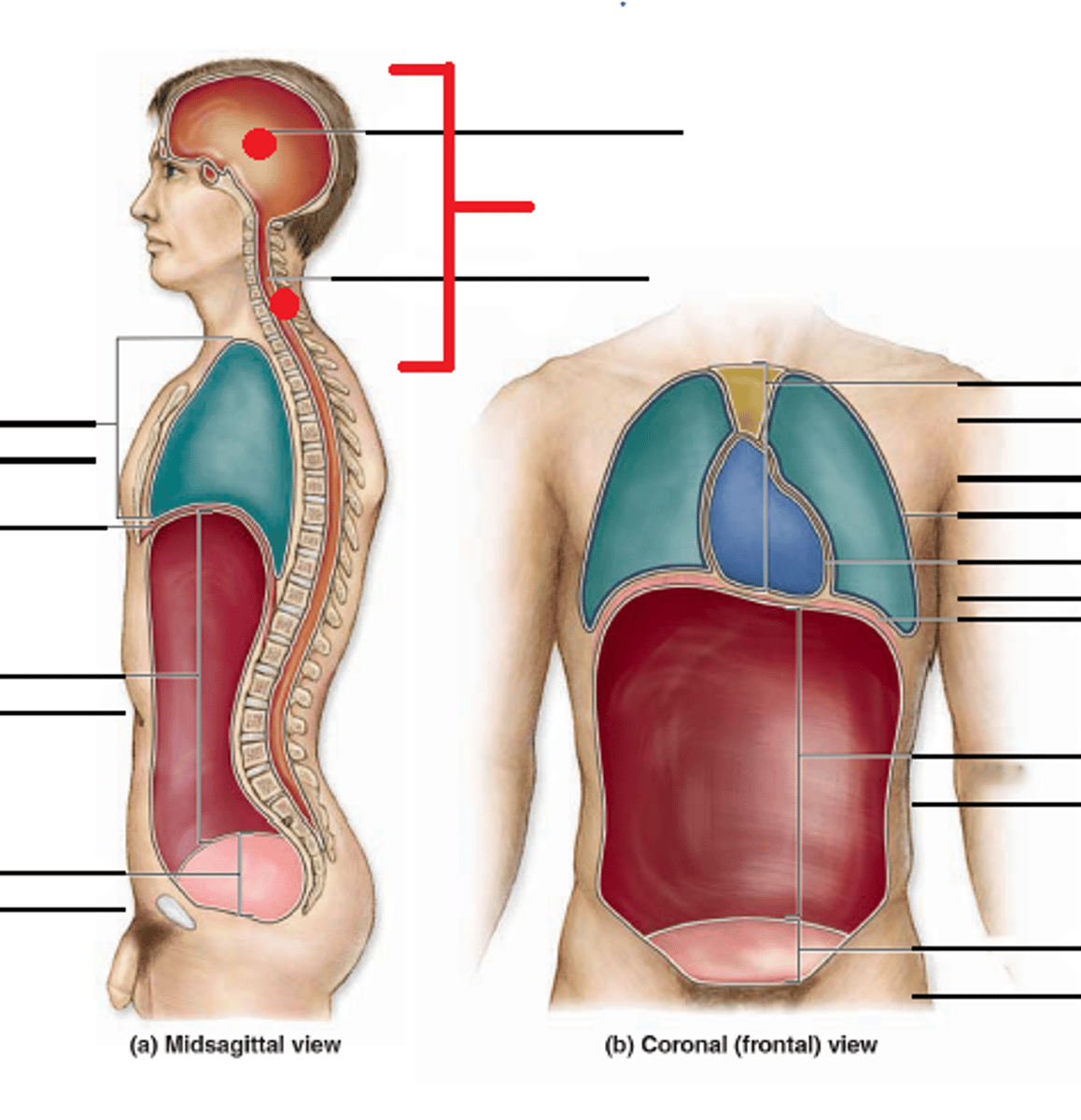
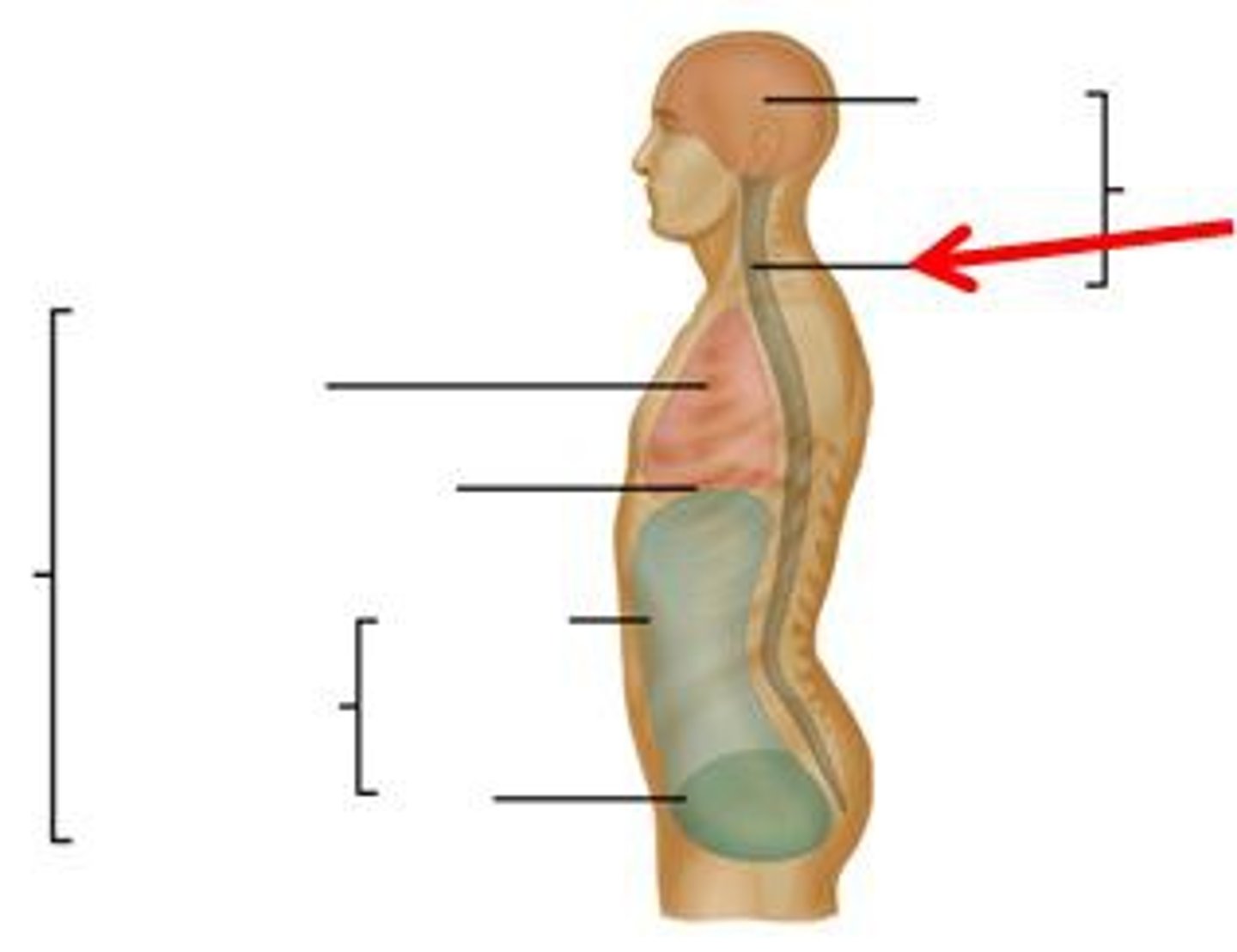
Cranial Cavity
Houses the brain.
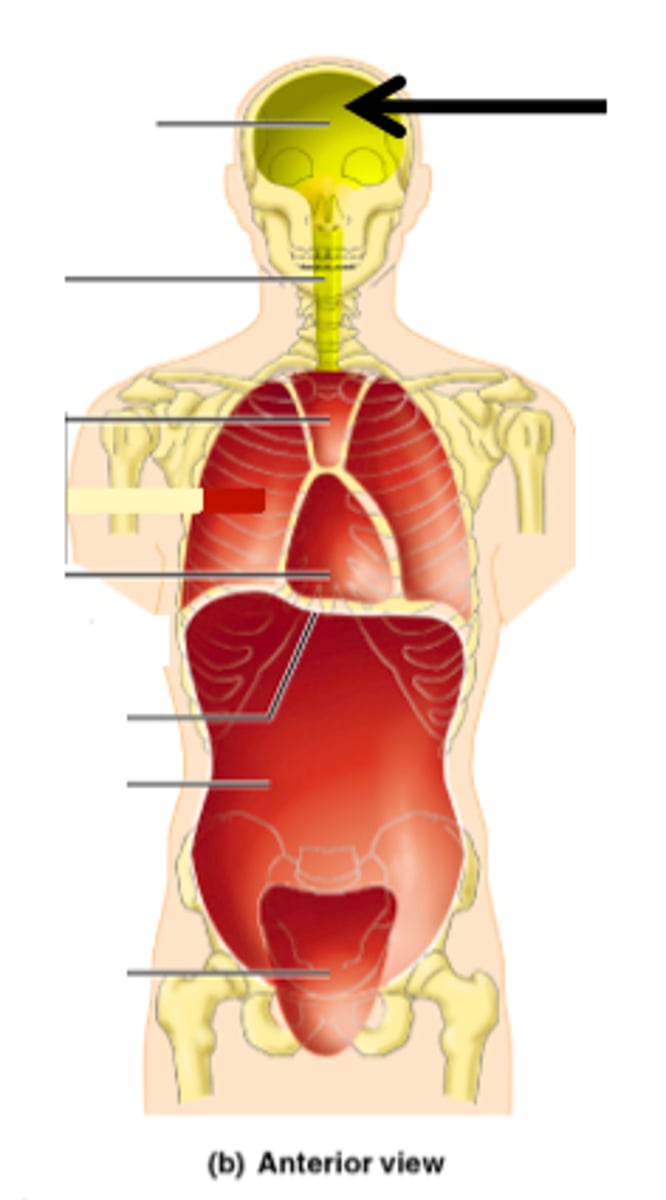
Vertebral Canal
Houses the spinal cord.
Right Upper Quadrant (RUQ)
Contains liver, gallbladder, and part of stomach.
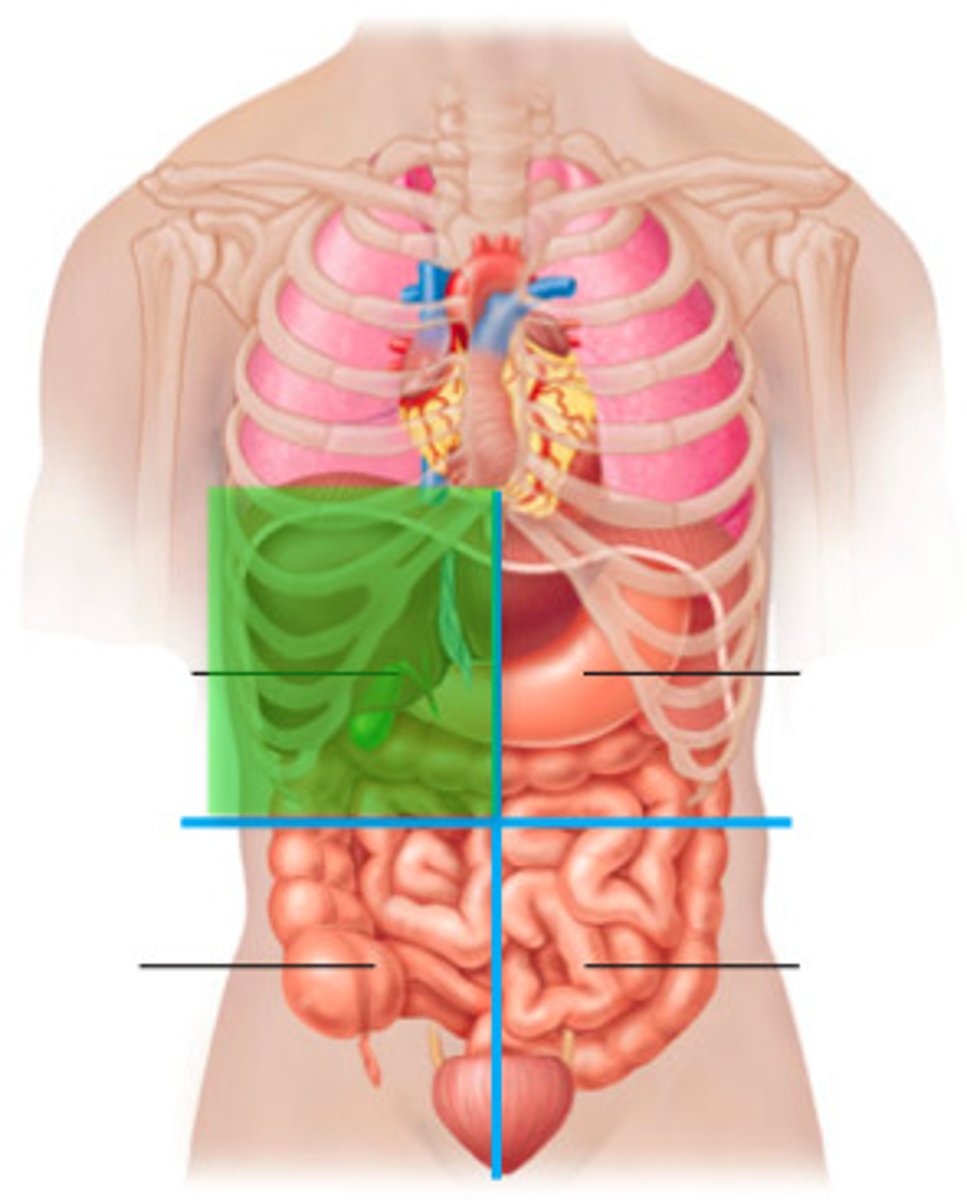
Left Upper Quadrant (LUQ)
Contains stomach, spleen, and part of liver.
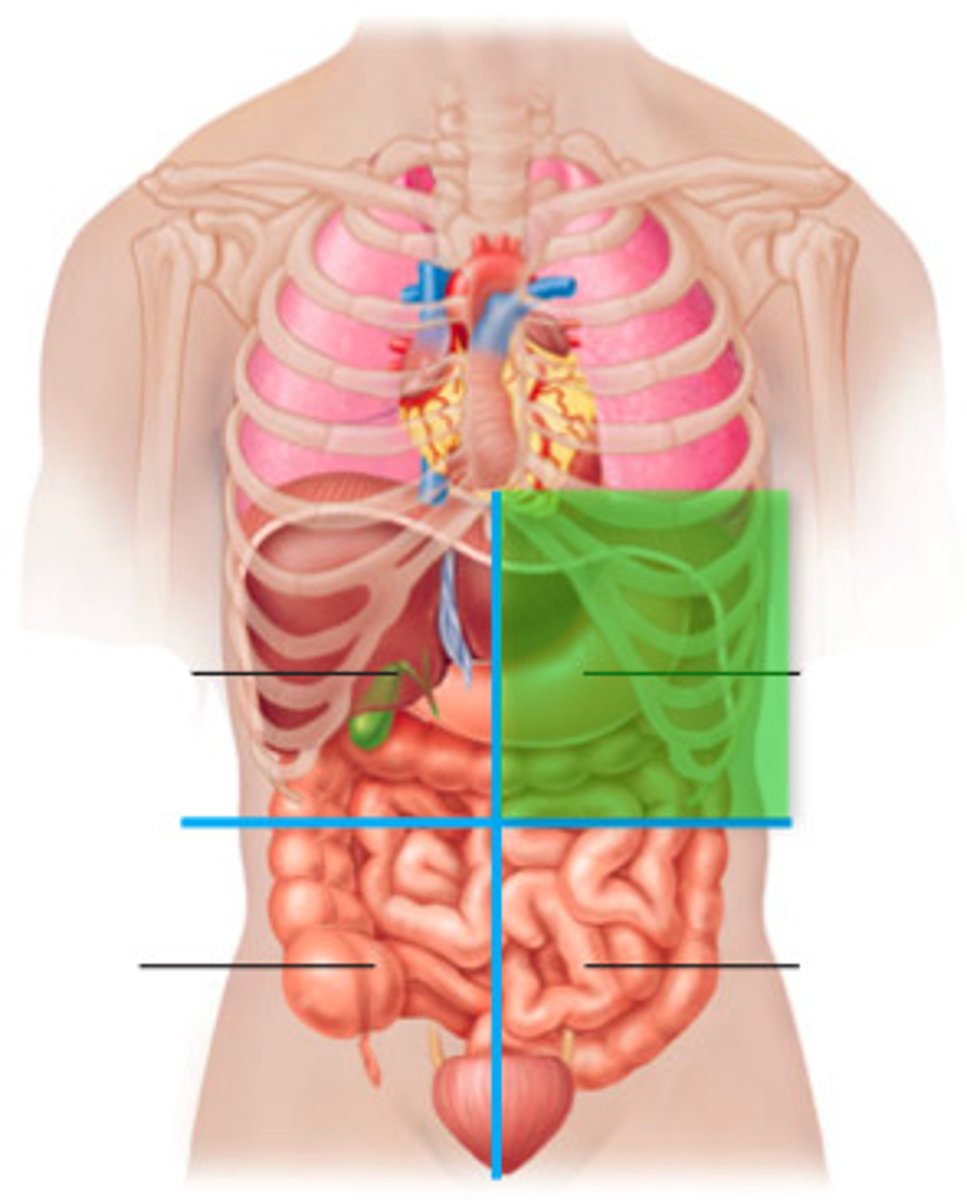
Right Lower Quadrant (RLQ)
Contains appendix and parts of intestines.
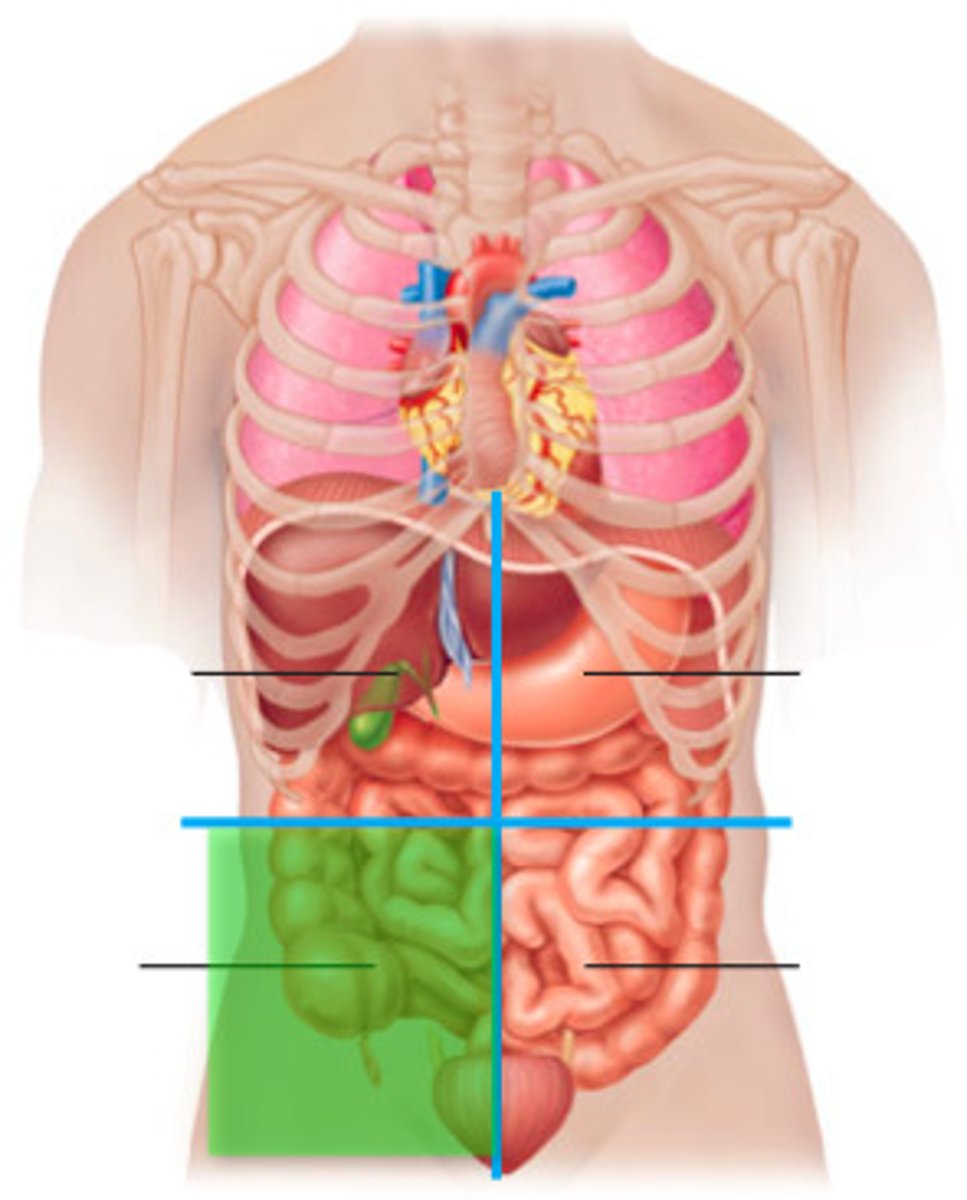
Left Lower Quadrant (LLQ)
Contains intestines and reproductive organs.
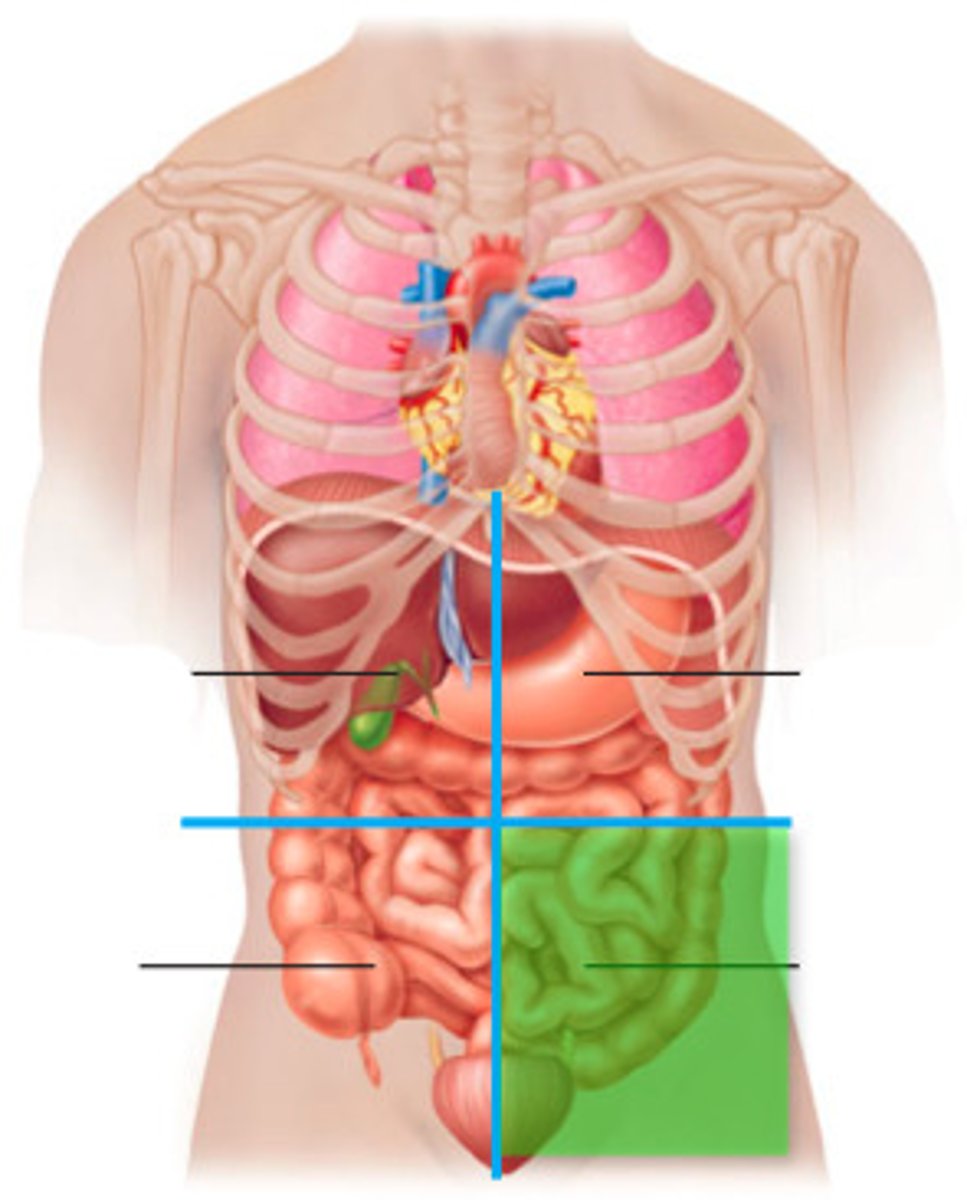
Pericardium
Serous membrane surrounding the heart.
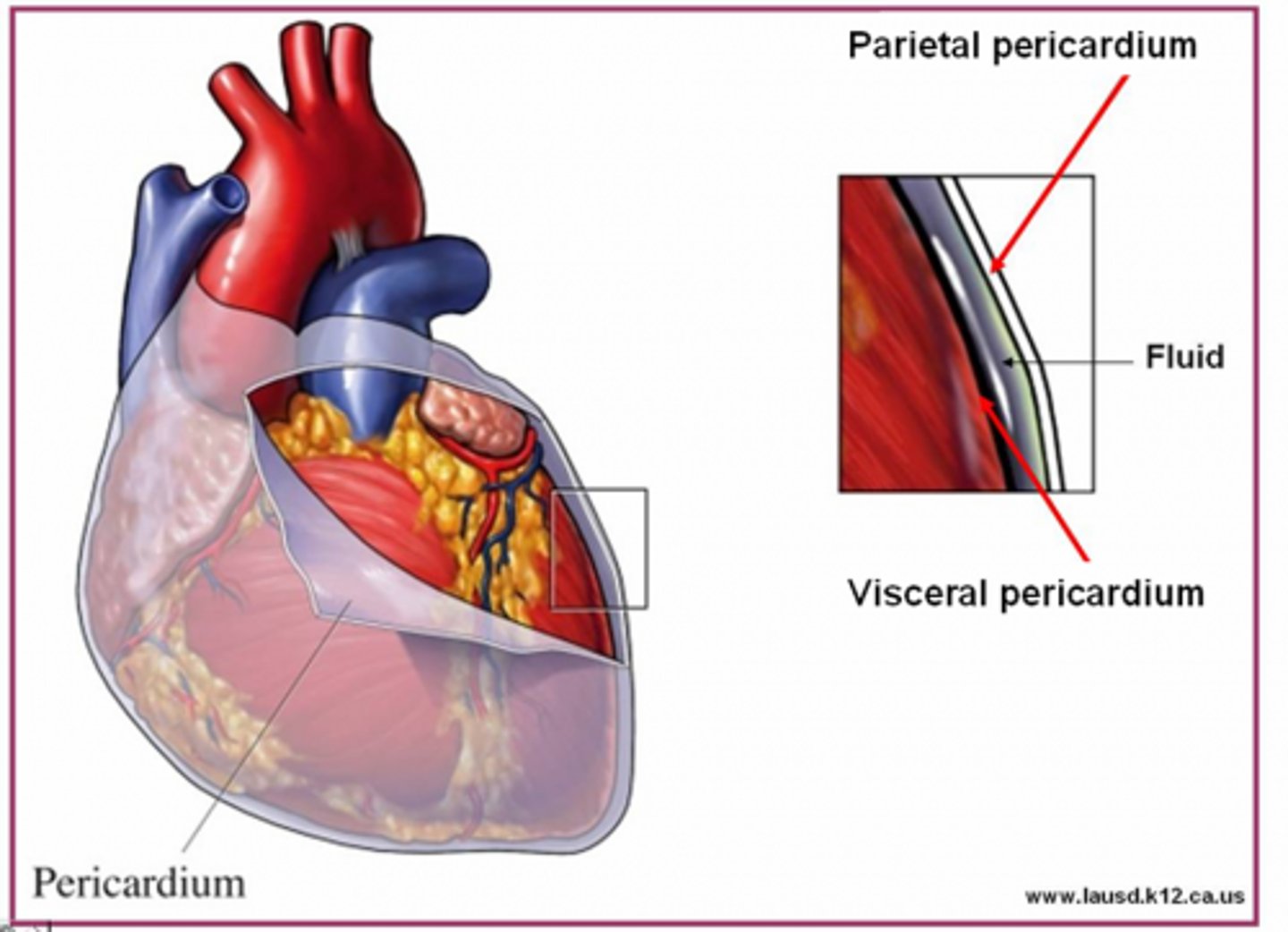
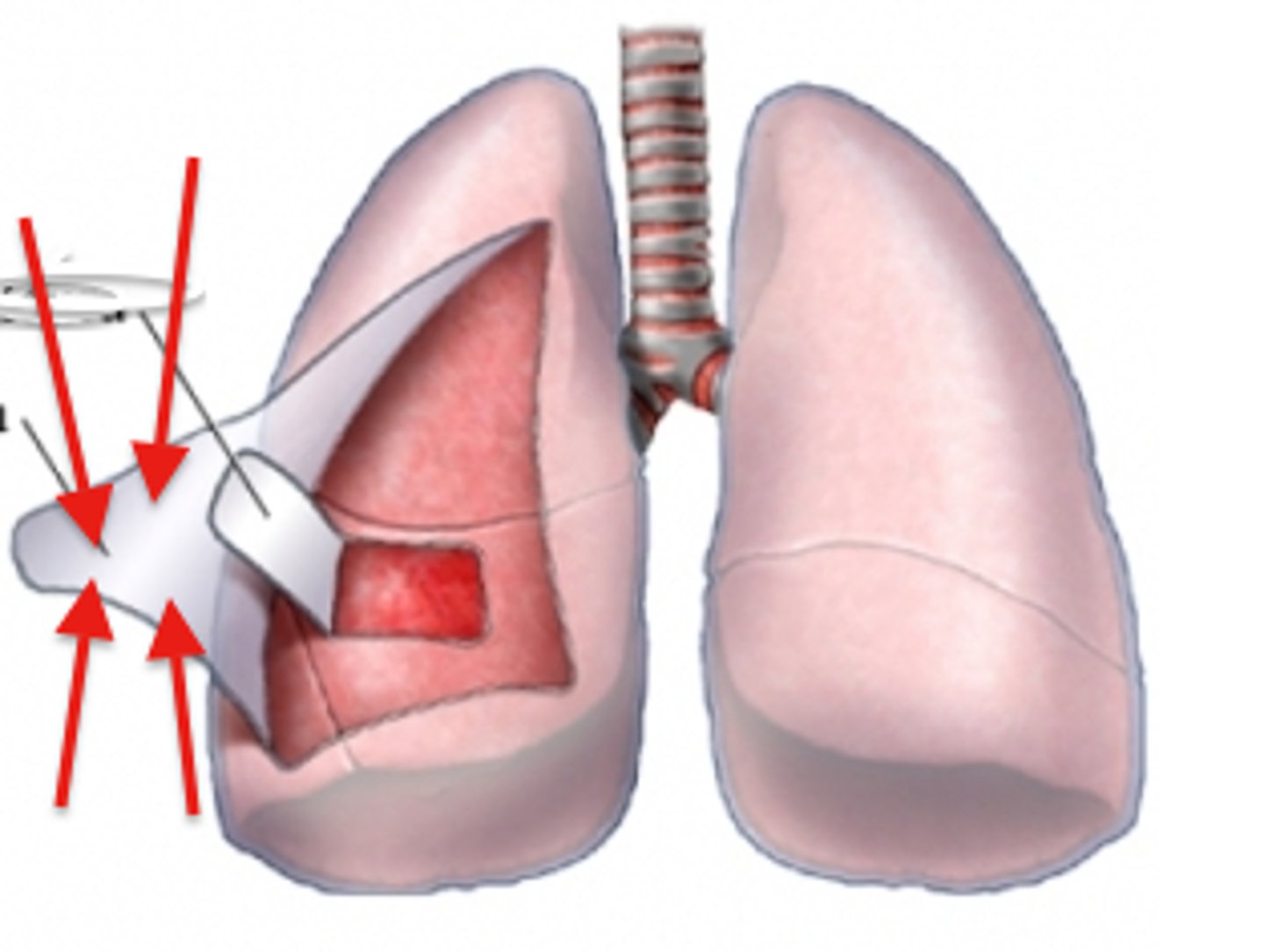
Pleura
Serous membrane surrounding the lungs.
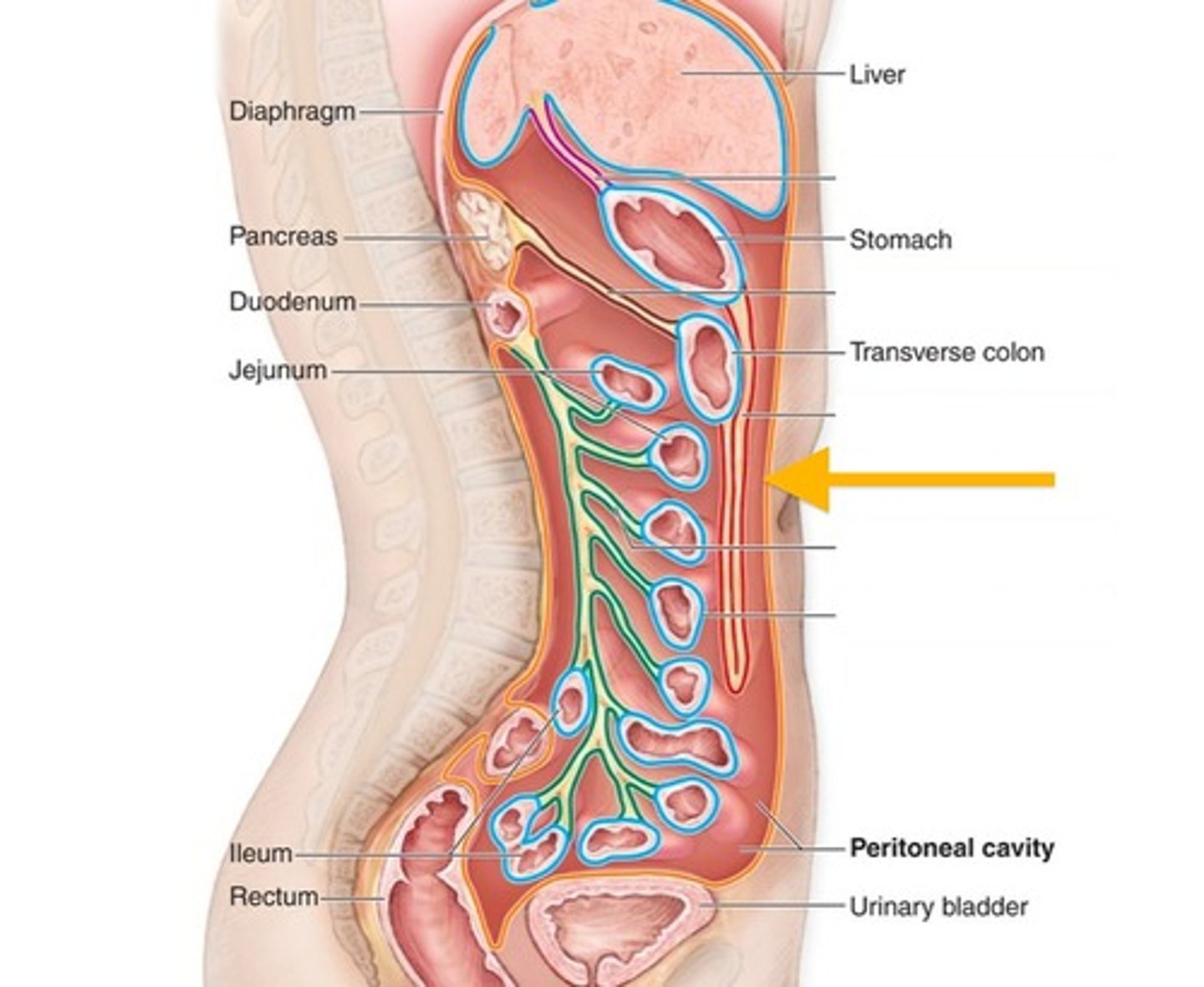
Peritoneum
Serous membrane lining the abdominopelvic cavity.
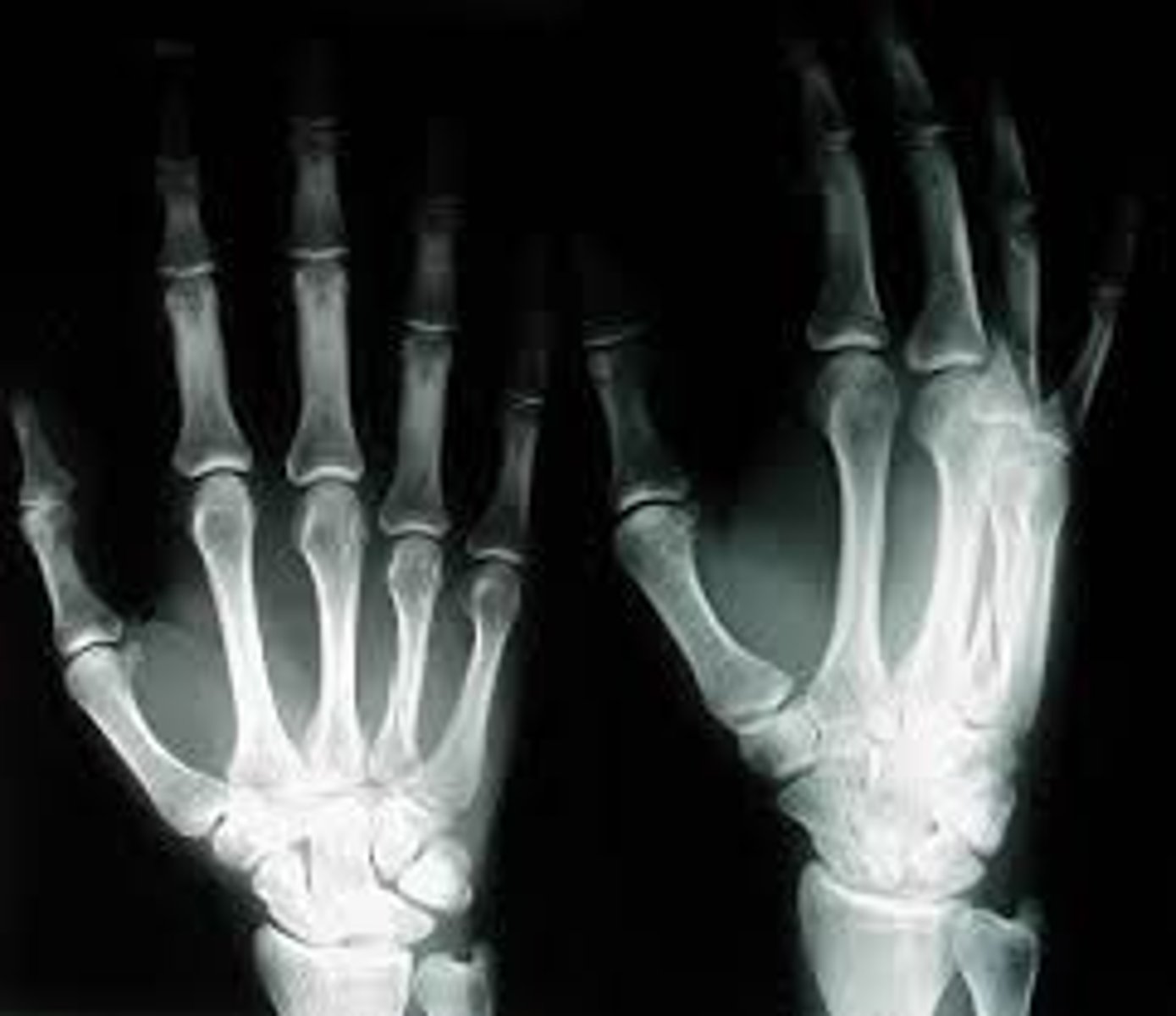
Radiography
Uses X-rays to view dense structures.
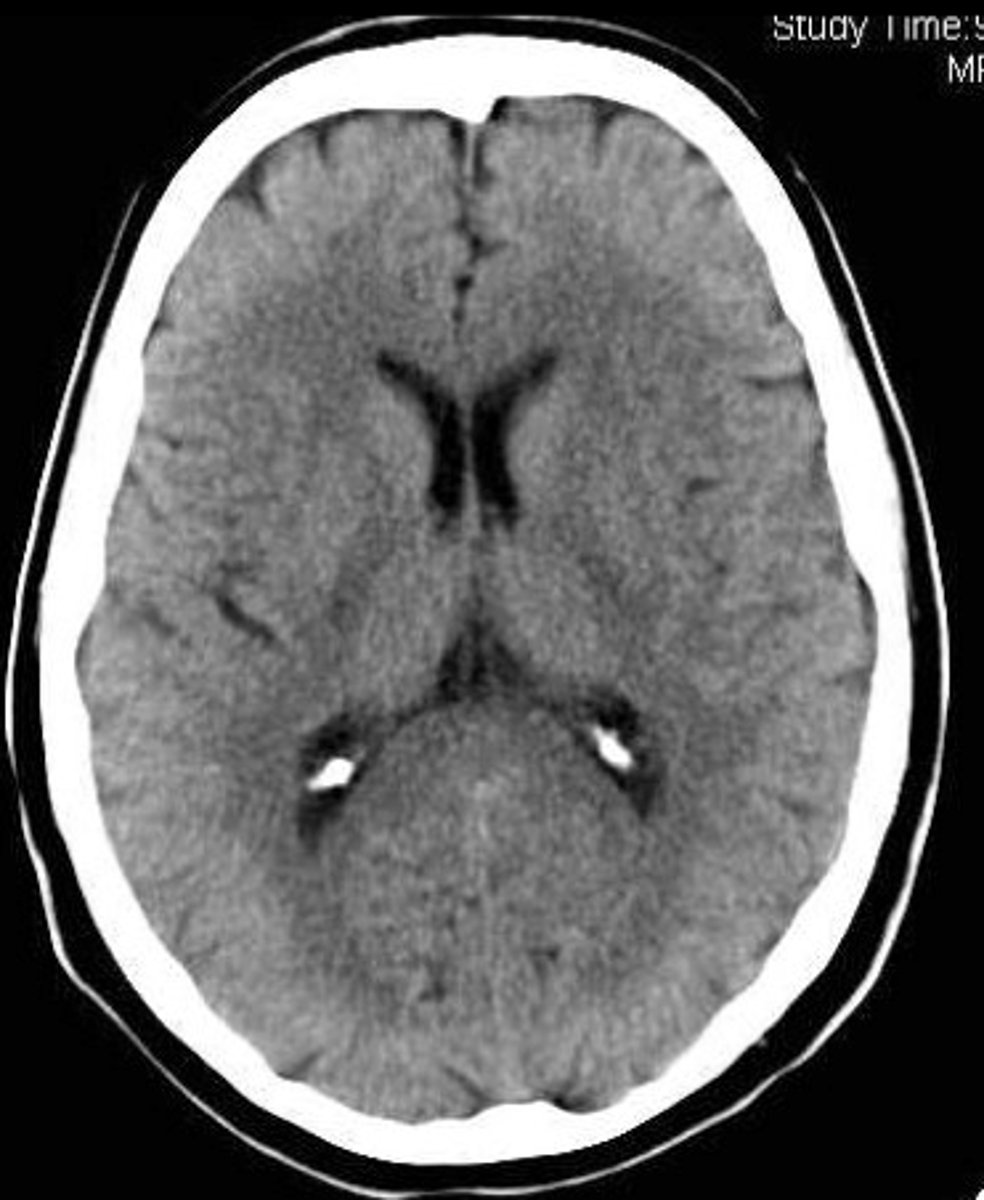
Computed Tomography (CT)
Produces cross-sectional images using X-rays.
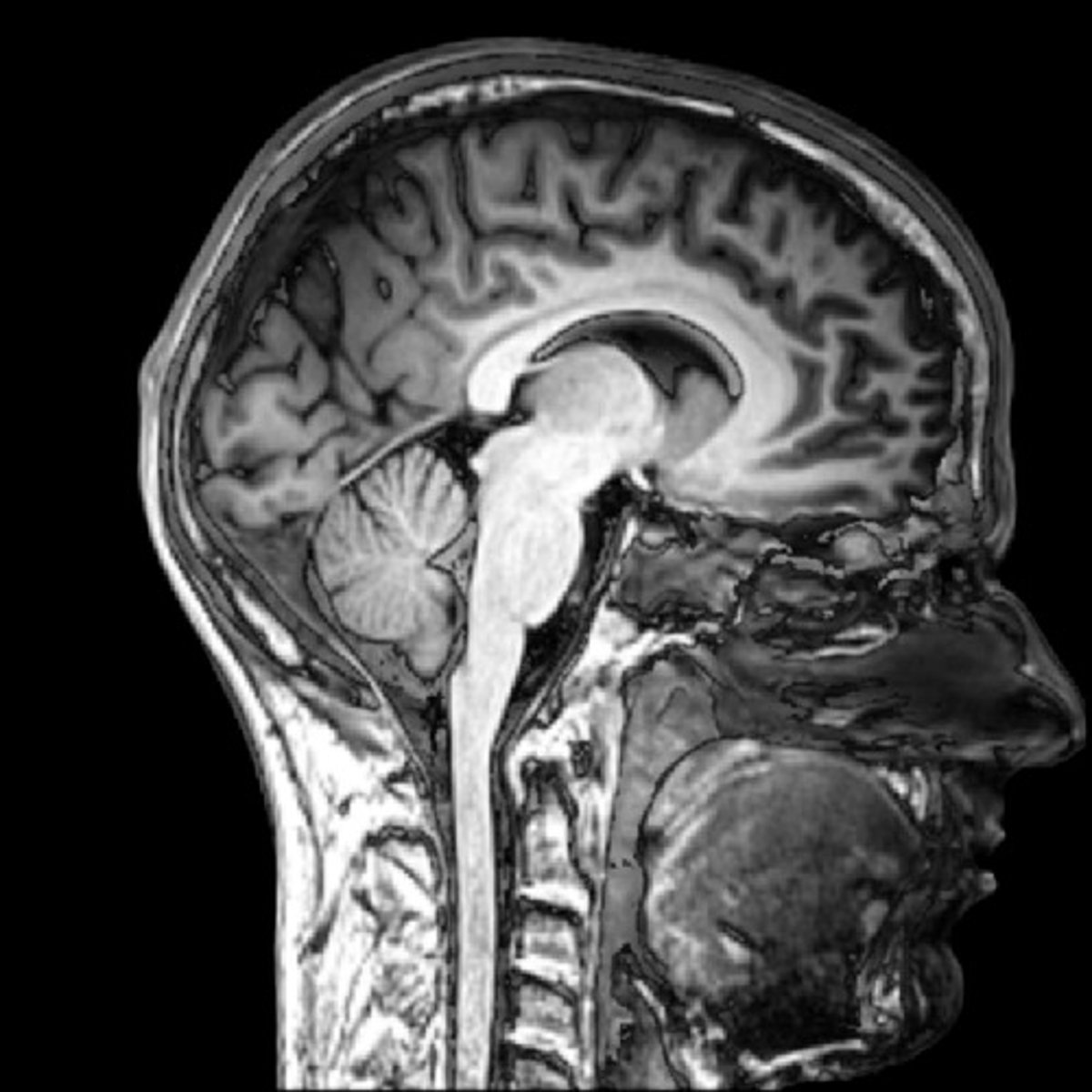
Magnetic Resonance Imaging (MRI)
Uses magnetic fields to produce detailed images.
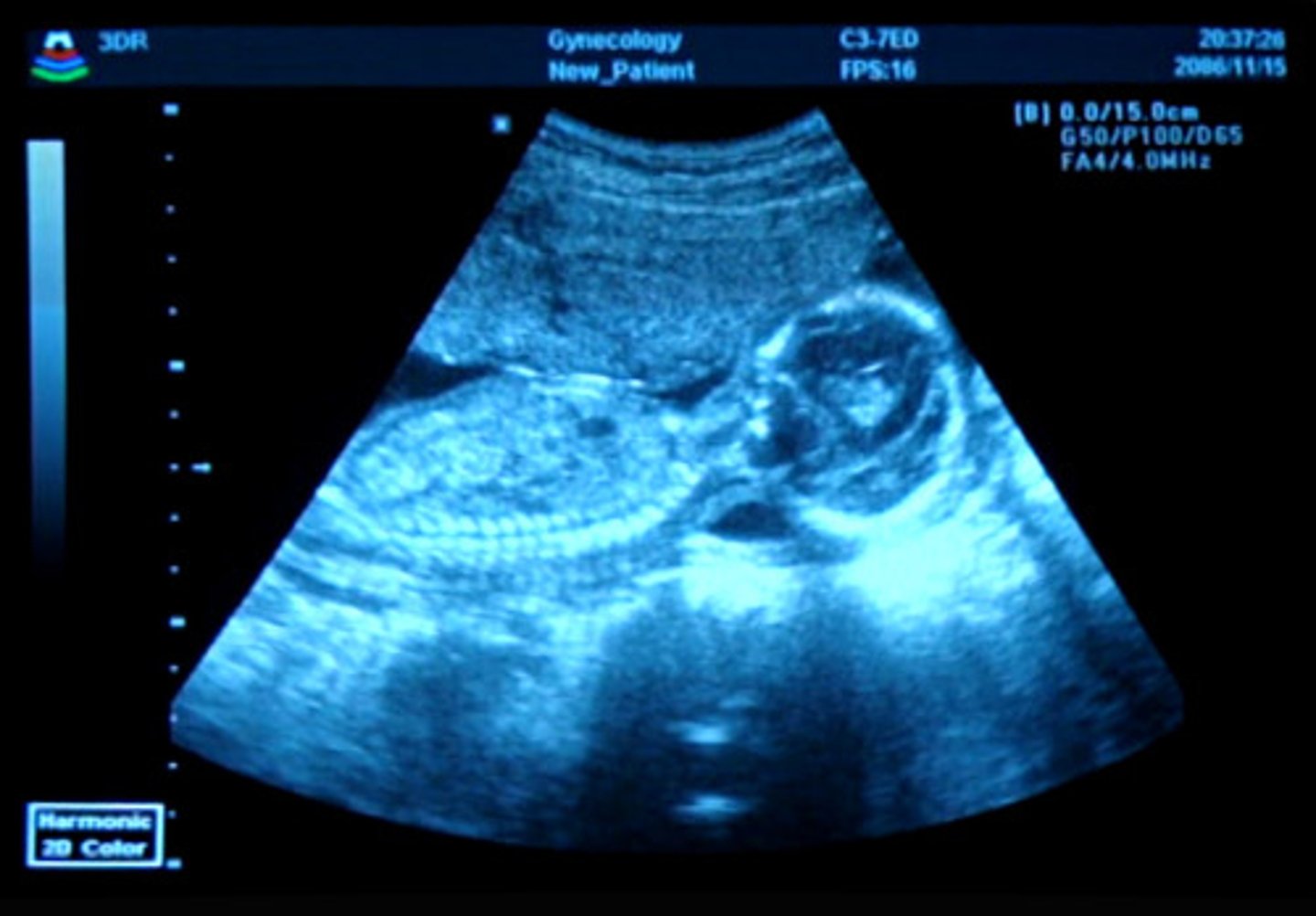
Sonography
Uses ultrasound waves to create images.
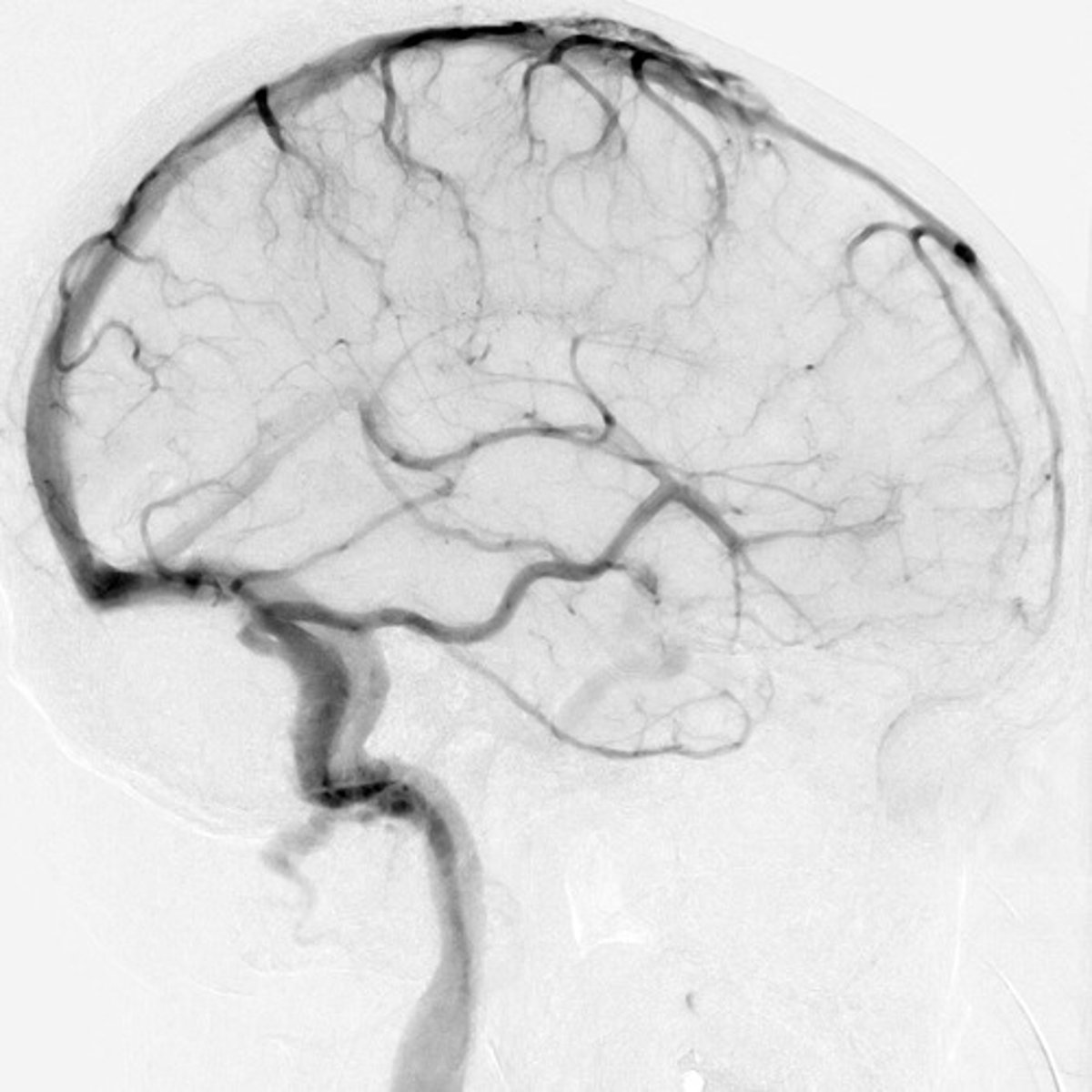
Angiography
Visualizes blood vessels using contrast dye.
Positron Emission Tomography (PET)
Shows metabolic activity using radioactive tracers.