marble
 Call Kai
 Learn
Learn Practice Test
 Spaced Repetition
 Match
Match Flashcards
 Knowt Play
1/22

There's no tags or description
Looks like no tags are added yet.
Name | Mastery | Learn | Test | Matching | Spaced | Call with Kai | Chat |
|---|
No analytics yet
Send a link to your students to track their progress
23 Terms
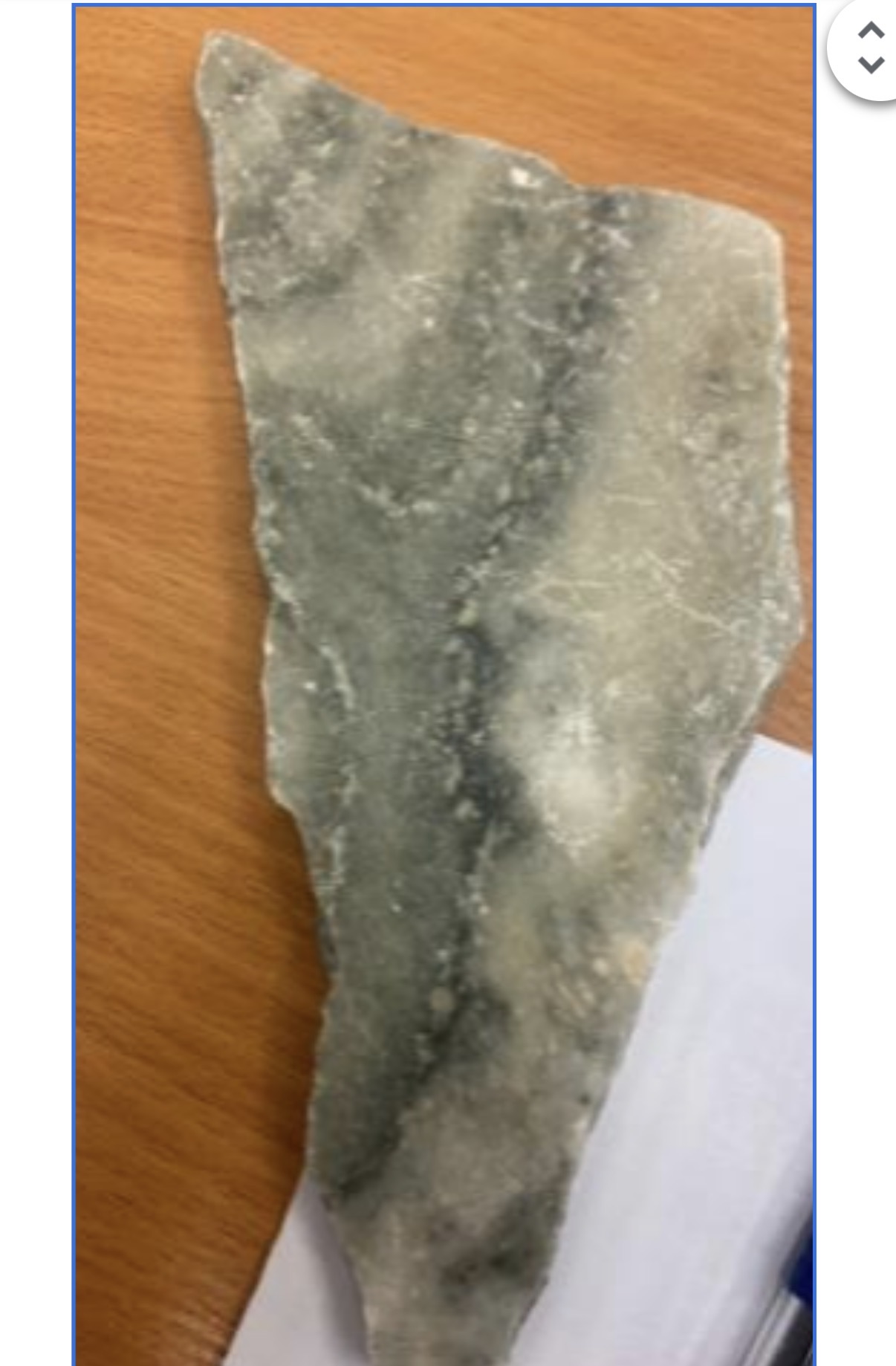
Cipollno Verde
Greece, Euboia: Karystos and Nea Styra
Can be greyish but rare
Locally: since Hellenistic
Rome: 2nd C. BCE
Distributes:Hadrian→Antonine period
Widespread quarries(140)
Mainly Columns, pavements
Hadrian's crocodile
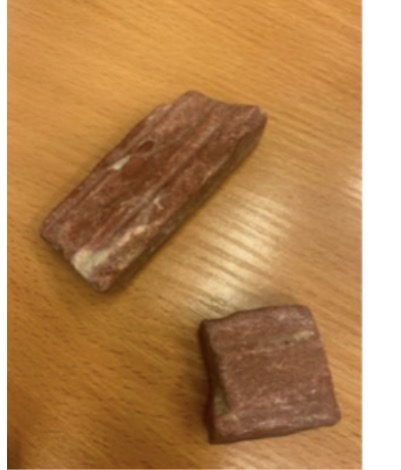
Rosso antico
South Peloponnese(1700 BCE)
Rome: 1st C, BCE- Severan period
Very fine grains
Widely exported
Very expensive
Small capitals, statuettes, inscriptions
Hadrian's Hippo
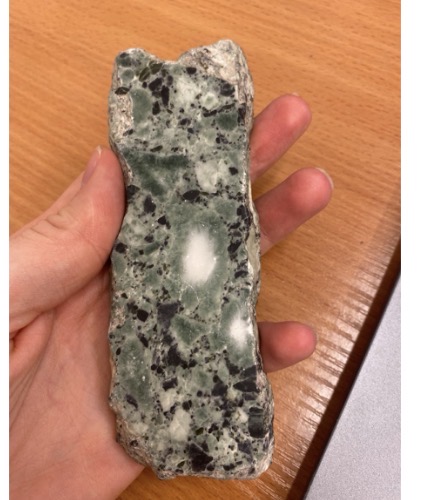
Verde antico
Thessaly
White clasts, metamorphic w/ green matrix
Liked by Hadrian(Early 2)
Heavily used in Byzantine period
Columns, slabs on ground, sarcophagi frames
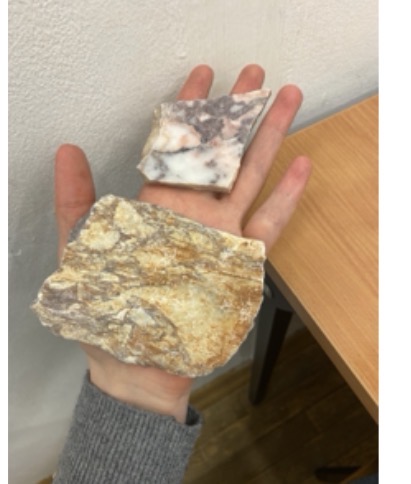
Marmor scyreticum
Greece, Skyros
Caesar→Late antiquity
Found mainly outside Rome
More limestone that marble
Opaque/multicolored, yellowish
Columns
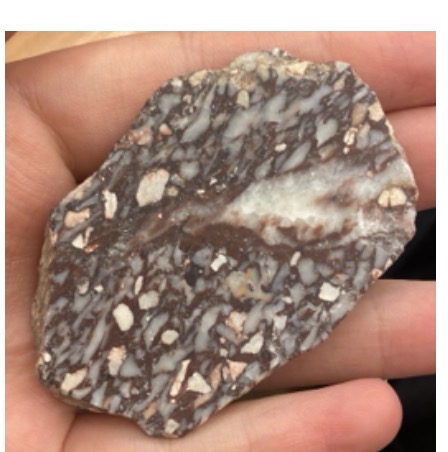
Semessanto
Caesar→Late antiquity?
Skyros
Villa septimus Bassus
Quarried in very small amounts
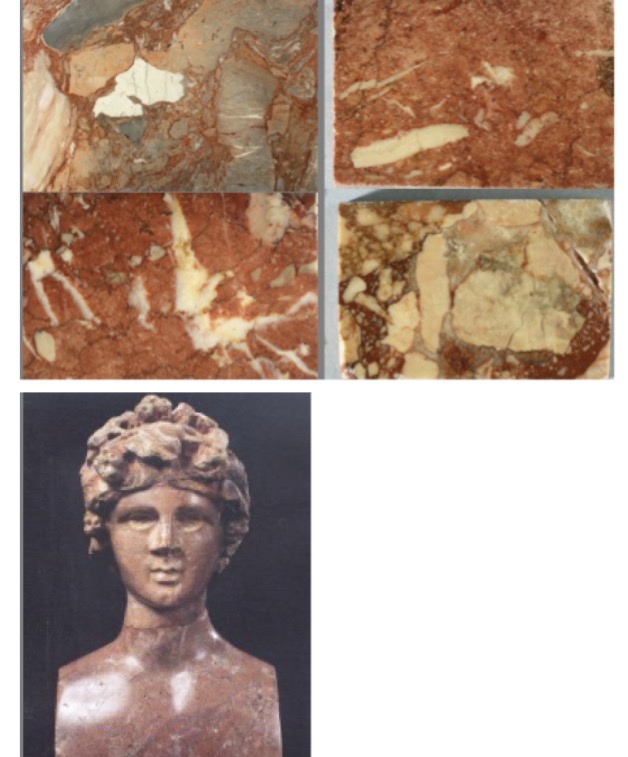
Portosanta
Chios island, Greece
Locally from Archaic
Rome: 2st, BCE
Very small grain size
Can have grey/black variety
columns(4 basilicas), mosaic pieces
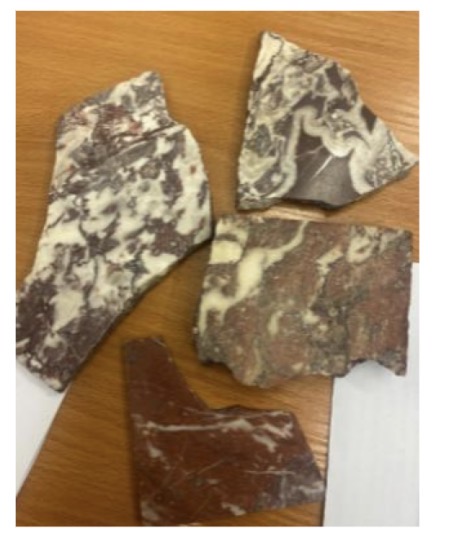
Fior di Pesci
Greece, central Euboea, Eritrea
Locally: Hellenistic
Rome: Augustan: Larger scale: Severan
Basic
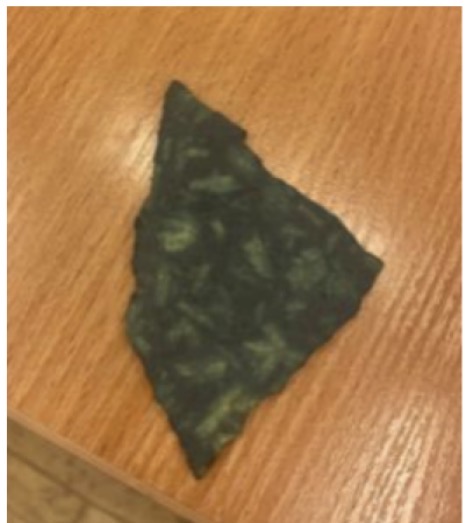
Porfido verde antico
Laconia, Greece close to sparta
Igneous rock
Small amounts because rare
Locally: Late hellenistic
Rome:1-3 CE
Small columns, wall panels, opus sectile floor
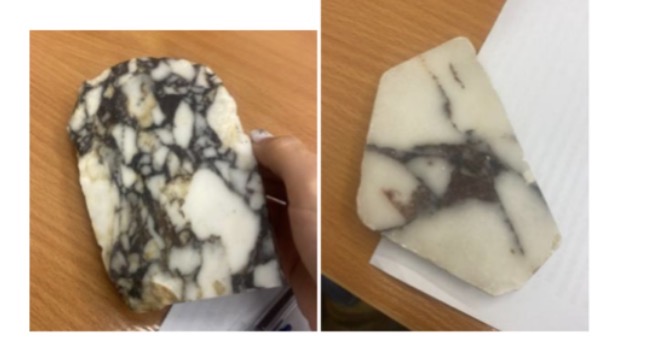
Pavonazzeto
Asia minor-Docimium.Synnada, Phrygia
Since Imperial period
Large imperial quarries
Highly prized and high quality
Pillars, statures, sarcophagi, imperial architecture
High quality, visually appealing
Not imperial so open market for elites
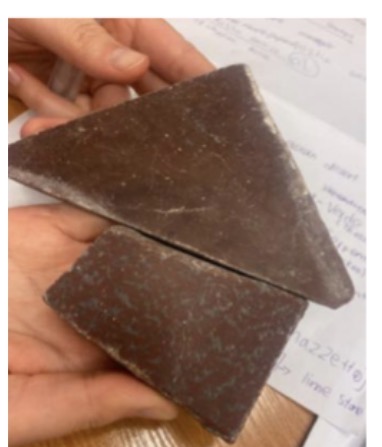
Cipollino rosso
Iasos-Asia Minor
Locally: Hellensitic
Rome/Province- 3rd, C CE, not a lot
Exploited(From Byzantine)
Because no more Rosso Antico
Columns, floors, walls, geometric slabs, statuettes?
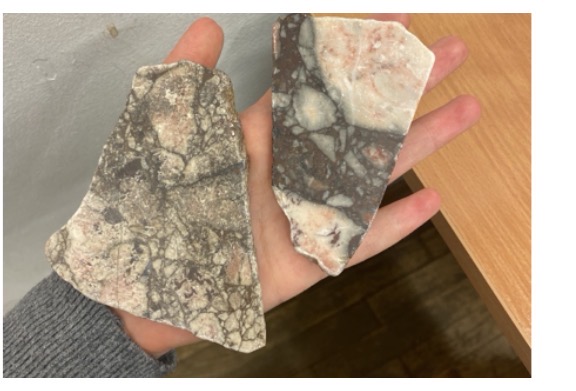
Marmor africano
Asia minor-Teos
From 1st Century BCE- Antonine period(no more) 2 CE
Limestone breccia
The Matrix has white lines. Cement can be dark black or green
74 BC, some Luccus guy brought it
Column, statues mosaic pieces
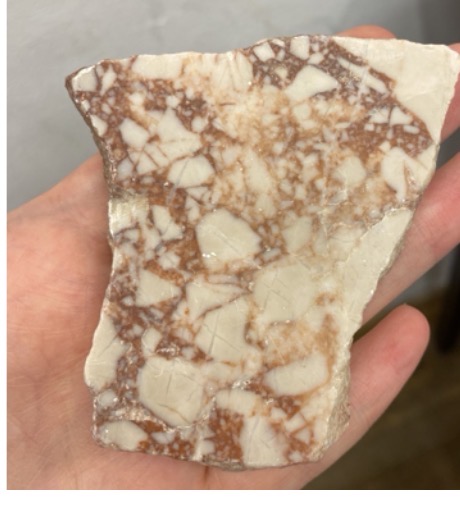
Breccia corallina
Asia Minor-Bithynia
Augustus→Late Antiquity/Byzantine
Minly: columns & veneers
30 columns in Hadrian baths
Large white clasts, orange cement
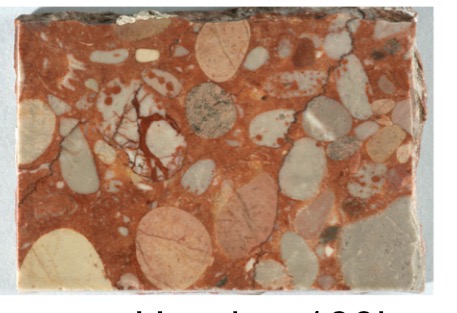
Breccia di hereke
Hereke, 100km east of Istanbul
Pinkish orange matrix with round clasts
Mainly Byzantine/Ottoman period
Theodosin times
Small columns, sarcophagi
Church of saint sophia, Constantinople
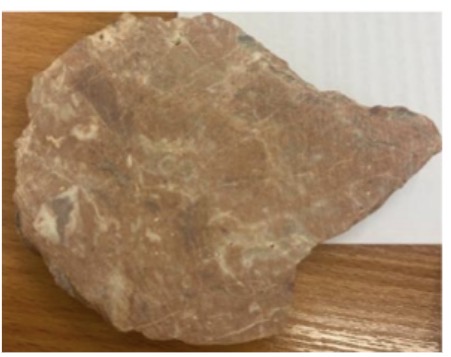
Triponticum
Tripolis, Bithynia(Turkey)
From Republic→Byzantium
Small veneers, columns, busts,
Lots of quartz
White marble with grey
Prokonesos
Marmara Island, turkey
From late republic
Wall and ground veneer
White with grey
durable-architecture
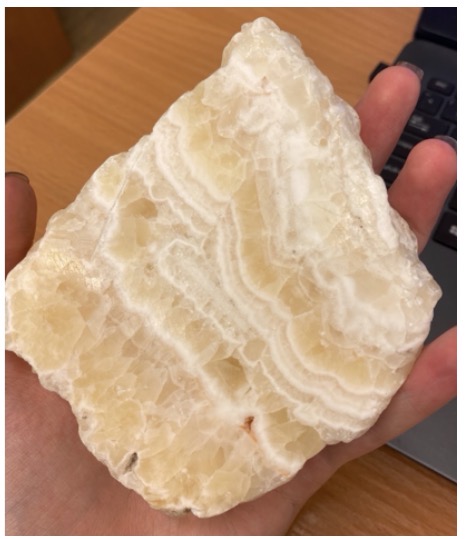
Alabastro Egiziano
East bank(Asyut, Beni Suef)
Locally:predyastic
Rome: 31 BCE, Actium
Pavement, wall veneer, imperial busts(base), small objects and vessels, tiles
Used by Etruscans and Phoenicians
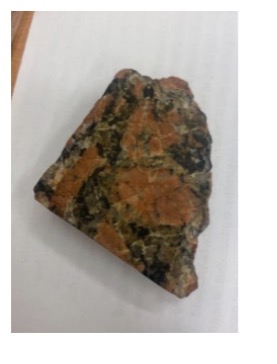
Granitto rosso di asuan
Egypt, Asuan
Locally: 3rd D
Rome/provinces: 1 AD
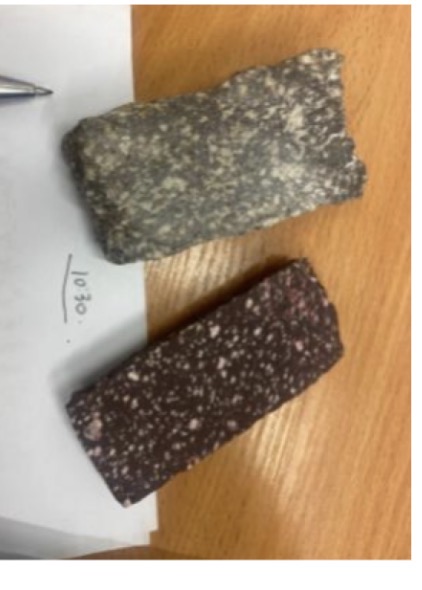
Porfido rosso antico
Eastern desert(Mons Porphyrites)
1-4AD(2-3 peak)
Late antiquity?
Monolithic columns, imperial statues(Caracalla, base), wall, floor panels, basins, altars, sarcophagi
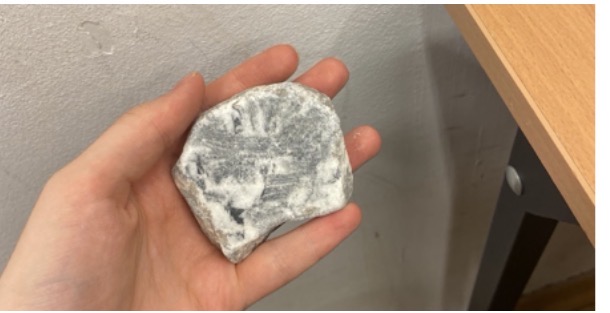
Grecco scrito
Algeria- Annaba
Locally: 1st C BCE
Rome: 1-4th C CE
Algeria→Small rain
Ephesos→Bigger(more exported)
Mainly wall/pavement veneer
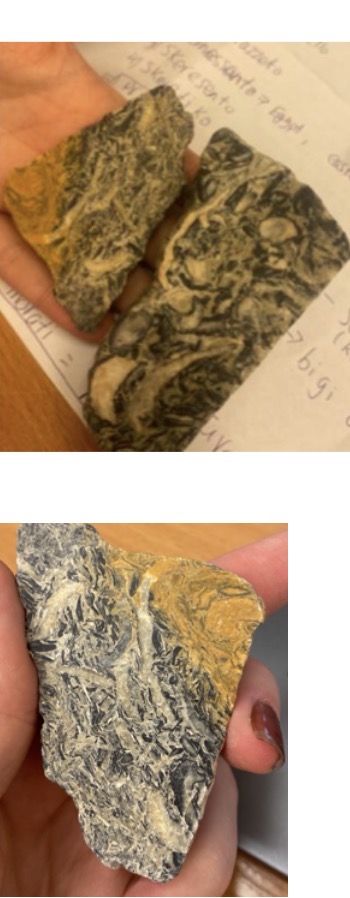
Lumachella Orinetale(d’eggito)
Tunisia: close to Thuburbo Majus
Late Republic→Flavian
Busts, columns
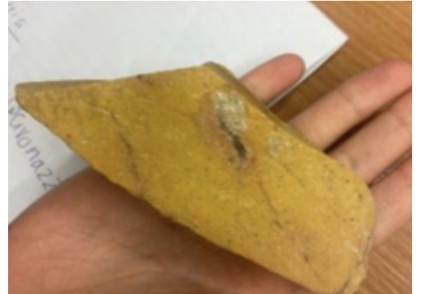
Giallo Antico
Tunisia/Numidia
Locally: late 2nd BCE
Rome: 2nd-3rd peaked
Until late antiquity
Floors, walls, mosaic, columns, busts, statues
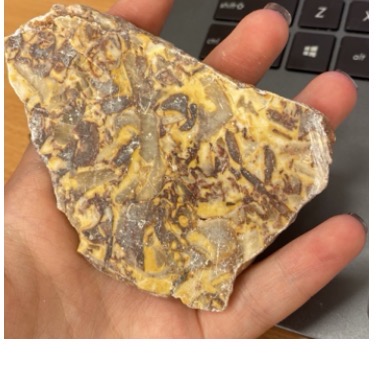
Bricatello di spagna
Near Tortosa Spain
Locally: 1st C, CE
Rome: Severan period
Lion, mosaic
White marble most used
Carrara marble
White marble
Columns
High quality
Busts
From 1s BCE
Apuan alps, North Tuscany
Fine grain, completely white