CHAPTER 3: SHAPING HUMAN BEHAVIOR: GENETICS AND EXPERIENCE
 Call Kai
 Learn
Learn Practice Test
 Spaced Repetition
 Match
Match Flashcards
 Knowt Play
1/26

There's no tags or description
Looks like no tags are added yet.
Name | Mastery | Learn | Test | Matching | Spaced | Call with Kai | Chat |
|---|
No analytics yet
Send a link to your students to track their progress
27 Terms
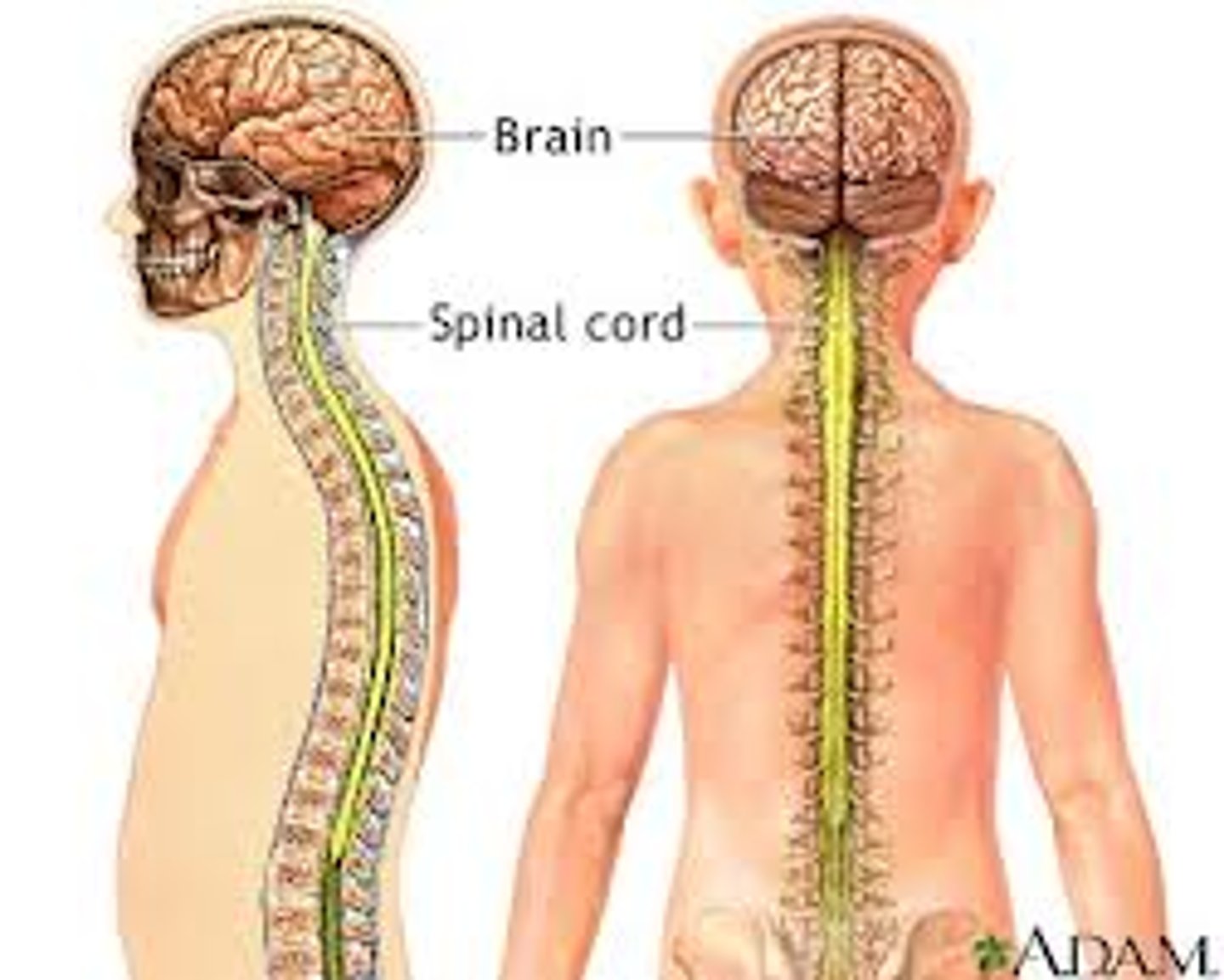
Central Nervous System (CNS)
- The division of the nervous system located within the skull and spine
- The central brain and spinal cord nerve structures enclosed by bone.
Example: The brain interpreting sensory input and sending motor output down the spinal cord.
Abnormal behavior
General causes:
- genes and family history
- life experiences and chronic stress
biological factors
brain injury, chemical imbalances
environment influences
society and culture
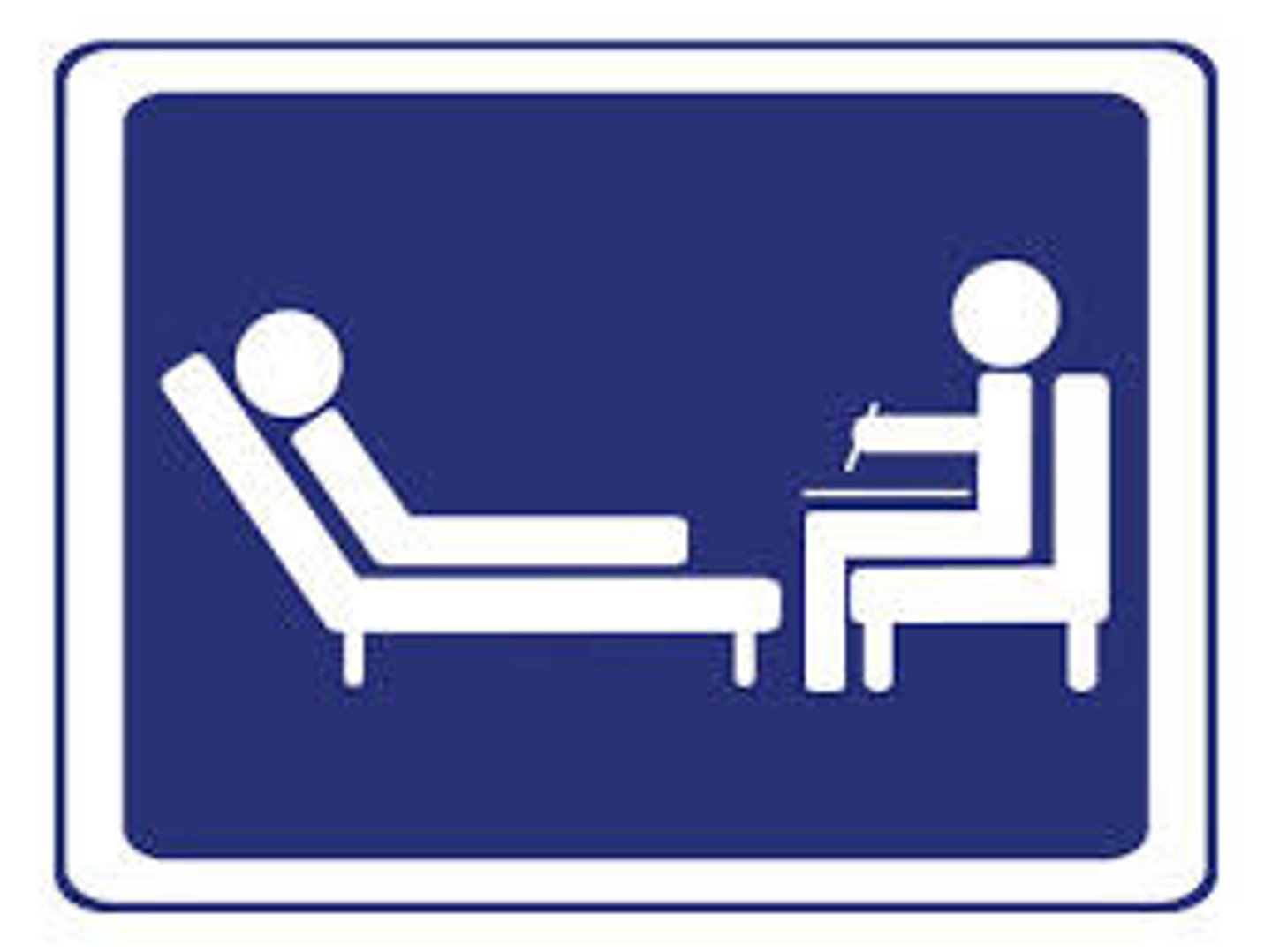
psychotherapy
given for a specific disorder
pharmacological treatment
medicines, hospitalization
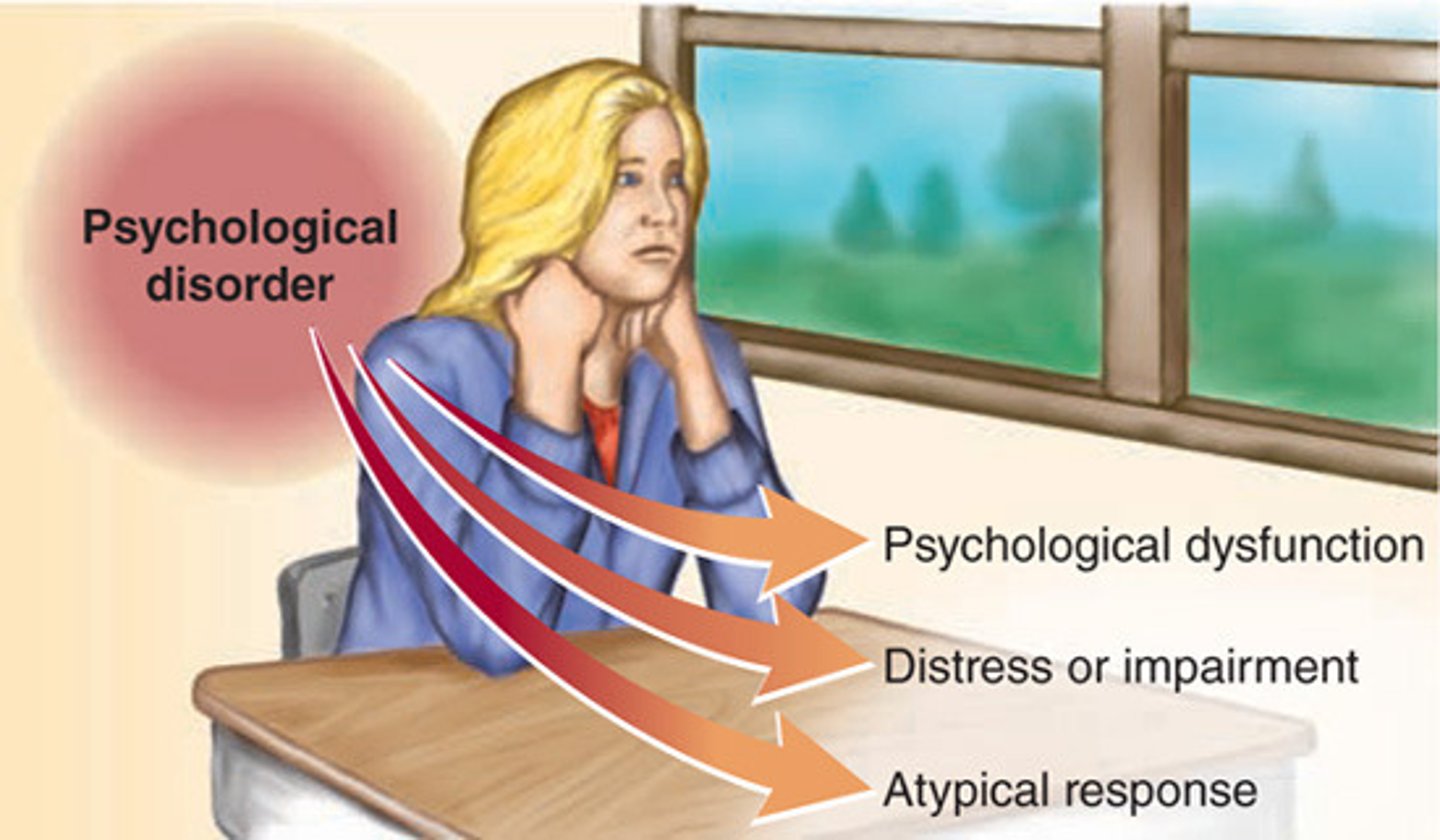
dsyfunction
breakdown in cognition, emotion, and/or behavior
abnormal
away from the norm
deviation
From the unwritten rules of the society, age and culture are also considered
danger
How behavior affects the well-being of the individual and/or social group; inappropriate and disruptive
distress
affects the subjective feelings of the individual rather than his or her behavior; anxious and depressed
genetics, environment, chemicals, and nutritional deficiencies
are a few factors that can result in over-or under-production of neurotransmitters
dsyfunction
deviation
danger
distress
(4) determining abnormality in behavior
serotonin
endorphins
gamma-aminobutyric acid (GABA)
dopamine
epinephrine
norepinephrine
(6) inhibitory neurotransmitters
serotonin
regulate mood, sleep patterns, sexuality, anxiety, appetite, and pain
Endorphins
- body's natural pain reliever; perception of pain
- reduces pain as well as causes feel-good feelings
Gamma-aminobutyric acid (GABA)
prevent problems like anxiety, irritability, concentration, sleep, seizures, and depression
dopamine
- sense of pleasure
- influences a person's motivation
- part of your reward system
epinephrine
- adrenaline: the body's fight-or-flight response
- it plays a role in metabolism, attention, and focus. panic and excitement
Norepinephrine
- increases alertness, arousal, and attention; maintains blood pressure during stress
- affects sleep-wake cycle, mood and memory
excitatory neurotransmitters
inhibitory neurotransmitters
modulatory neurotransmitters
3 Types of Neurotransmitters
genes
hormone levels
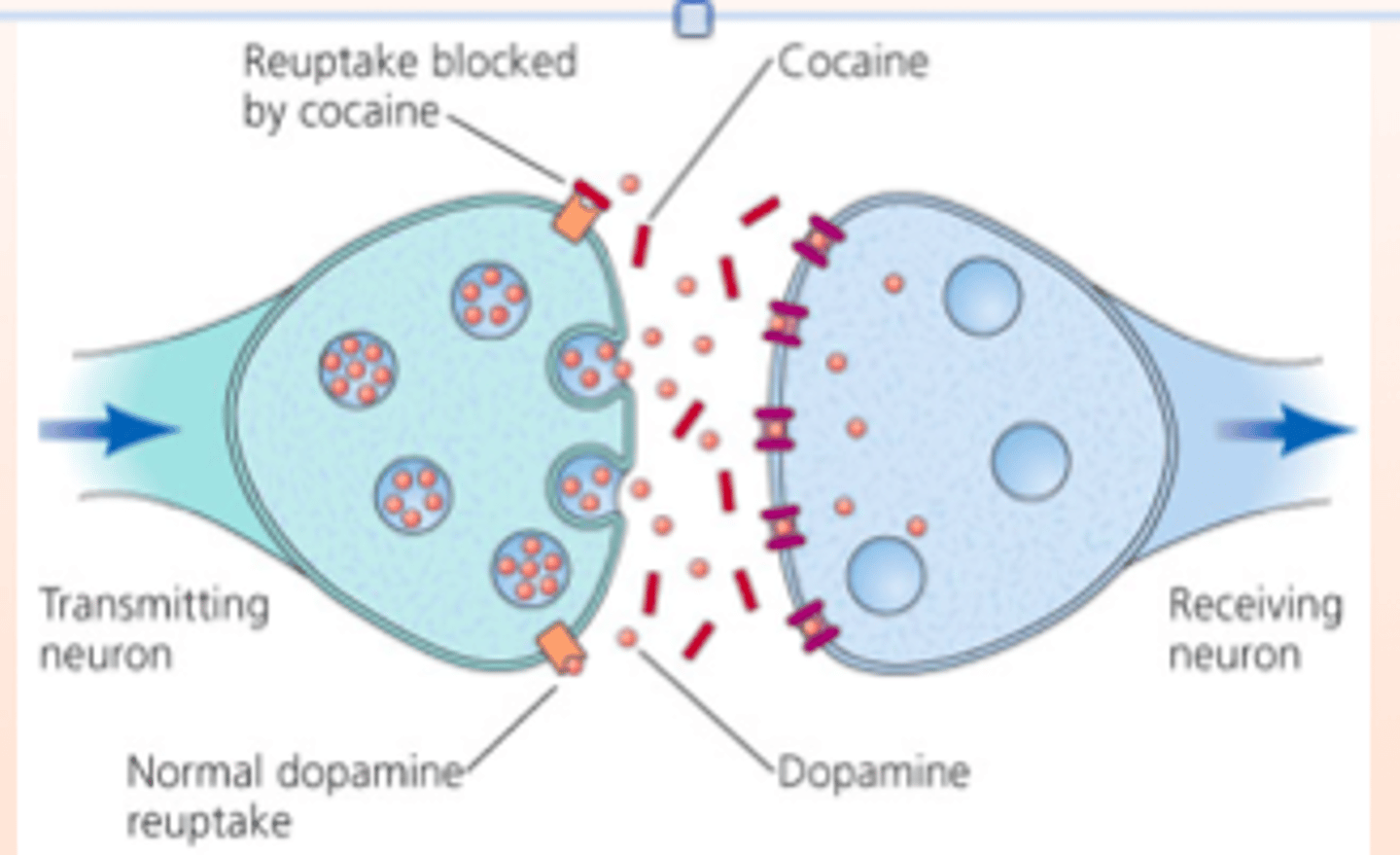
brain chemistry
neurotransmitters
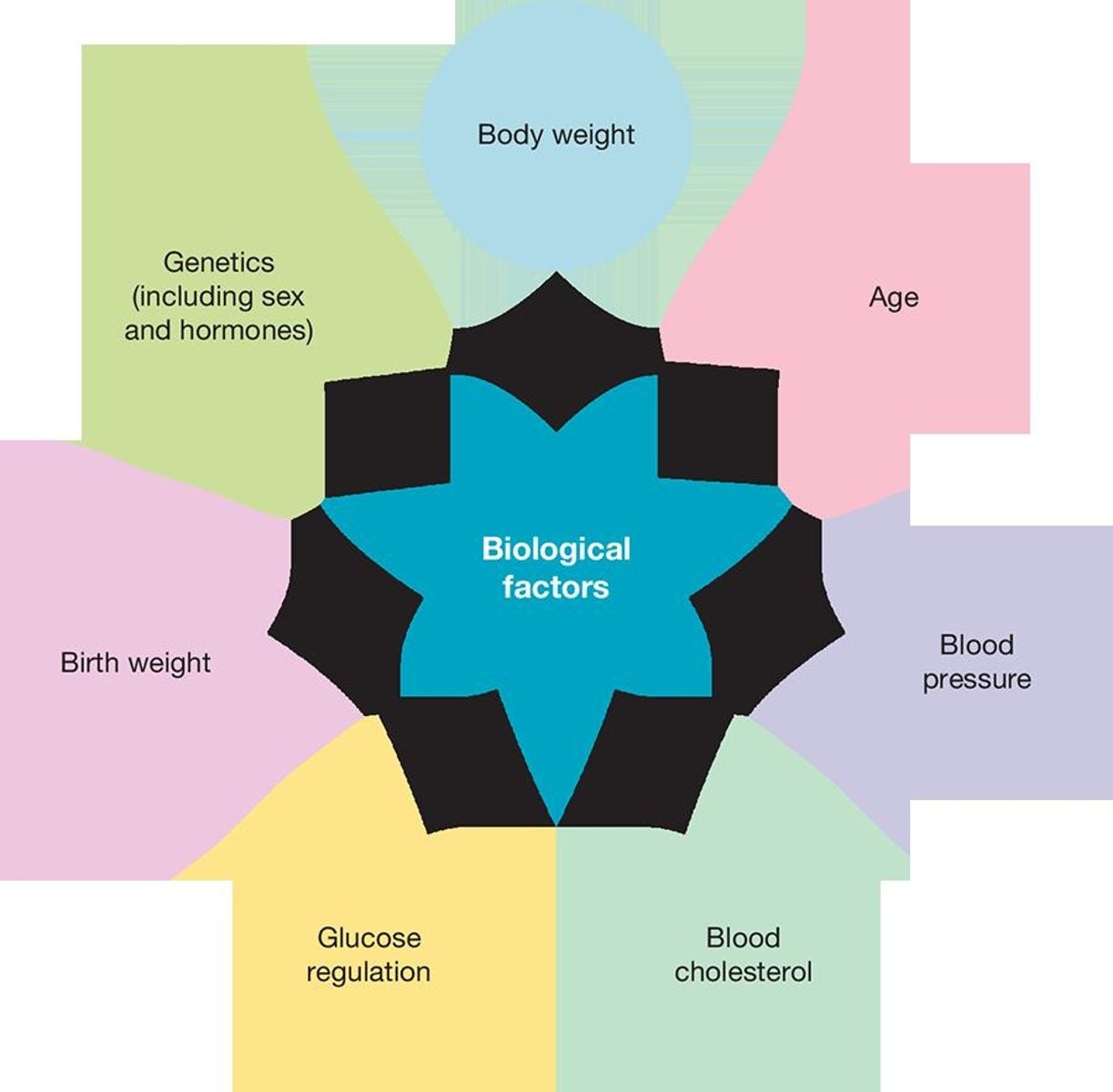
4 Biological factors that affect behavior
genes (inherited and altered)
- intellectual ability, personality, and risk for mental illness

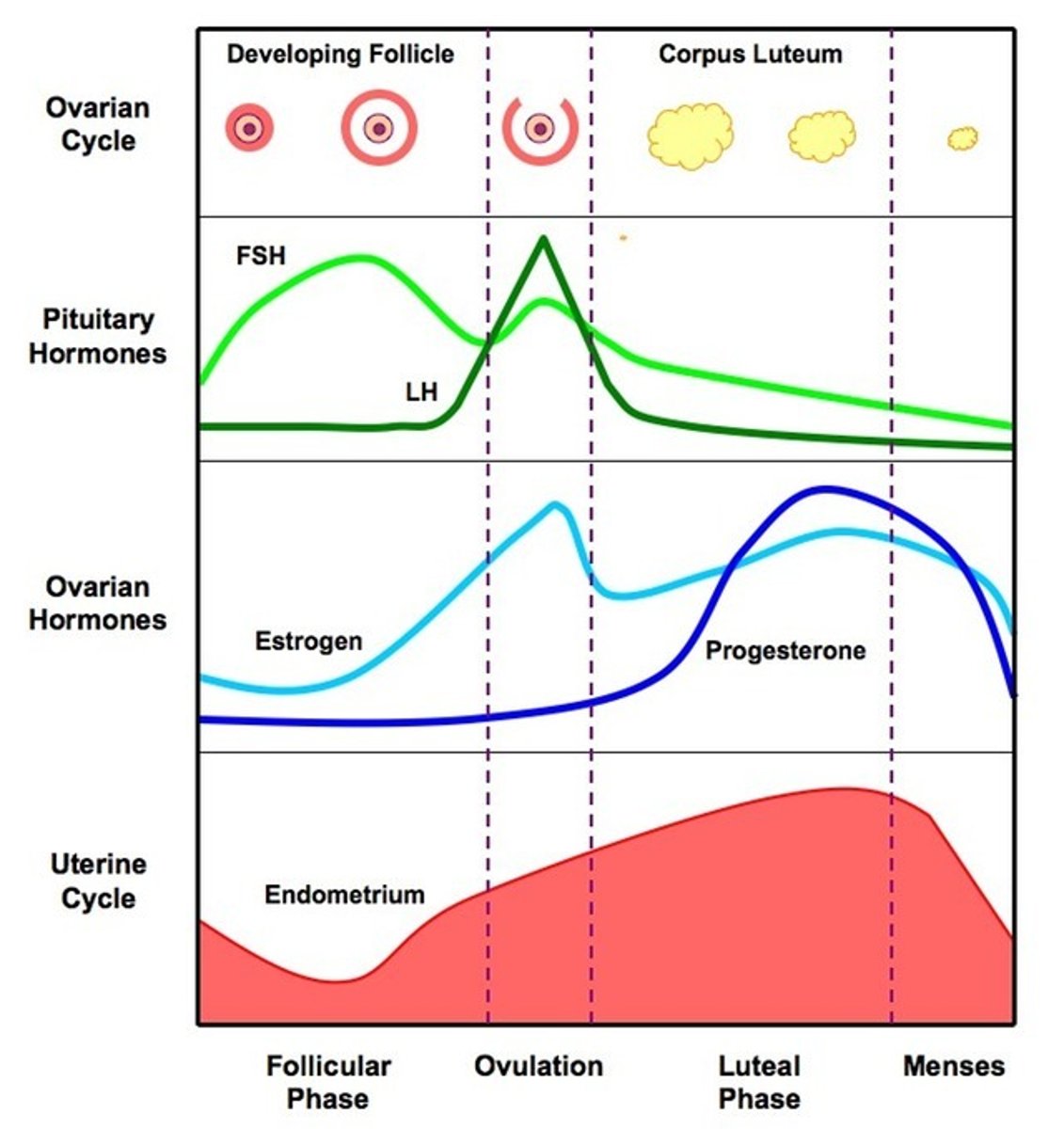
hormone levels
increasing the likelihood that specific behaviors occur in the presence of precise stimuli
brain chemistry
- release of chemicals that influence mood, emotions, and behavior
biological approach
Behavior or personality is influenced by biological factors such as genetics and biochemistry, and is influenced by these factors
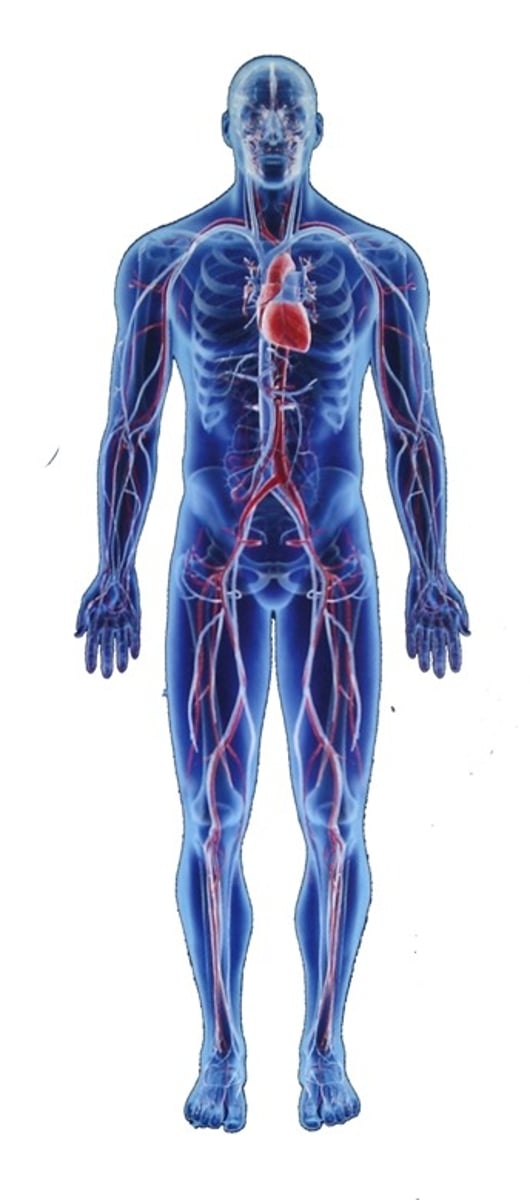
physiological psychology
relates behavior and psychological states to the activity of the brain, nervous system, and other organs