MCAT Chemical Processes: Ald, Ket, Phenols, Carboxylic Acids and Derivatives
 Call Kai
 Learn
Learn Practice Test
 Spaced Repetition
 Match
Match Flashcards
 Knowt Play
1/45

There's no tags or description
Looks like no tags are added yet.
Name | Mastery | Learn | Test | Matching | Spaced | Call with Kai | Chat |
|---|
No analytics yet
Send a link to your students to track their progress
46 Terms
alkyl
boiling point order
ketones
are aldehydes or ketones more stable?
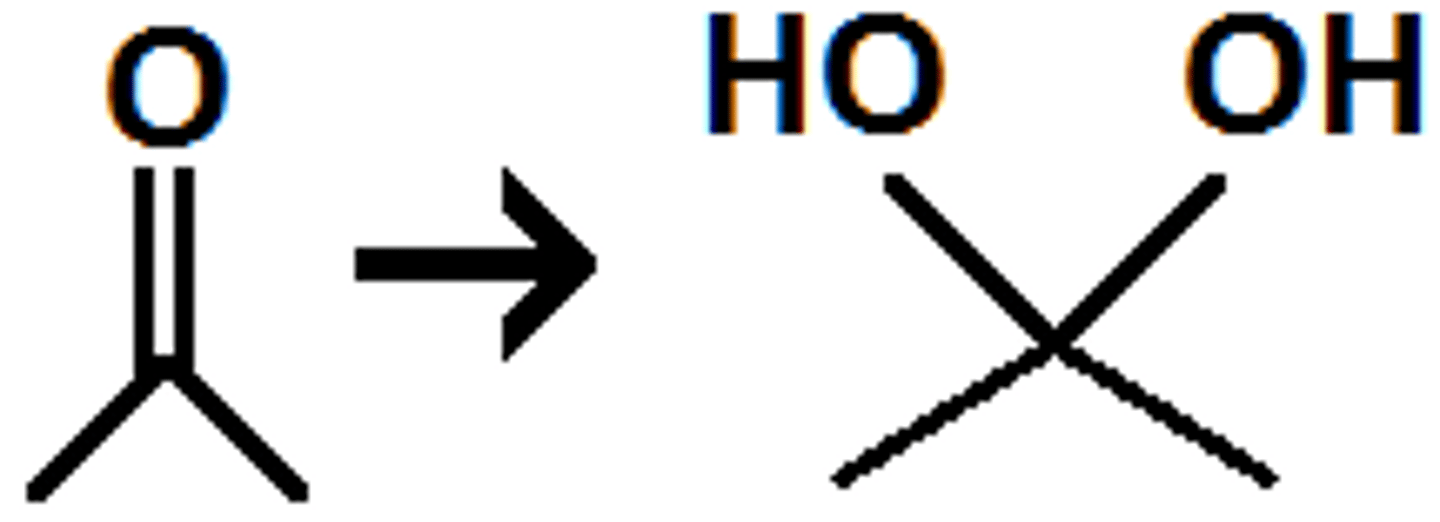
hydrate formation
When an aldehyde or ketone is treated with water, the carbonyl group can be converted into this
under basic conditions
acetal formation
In acidic conditions, an aldehyde or ketone will react with two molecules of alcohol to form a....
Common acids used for this purpose include para-toluenesulfonic acid(TsOH) and sulfuric acid(H2SO4) (2nd example in image)
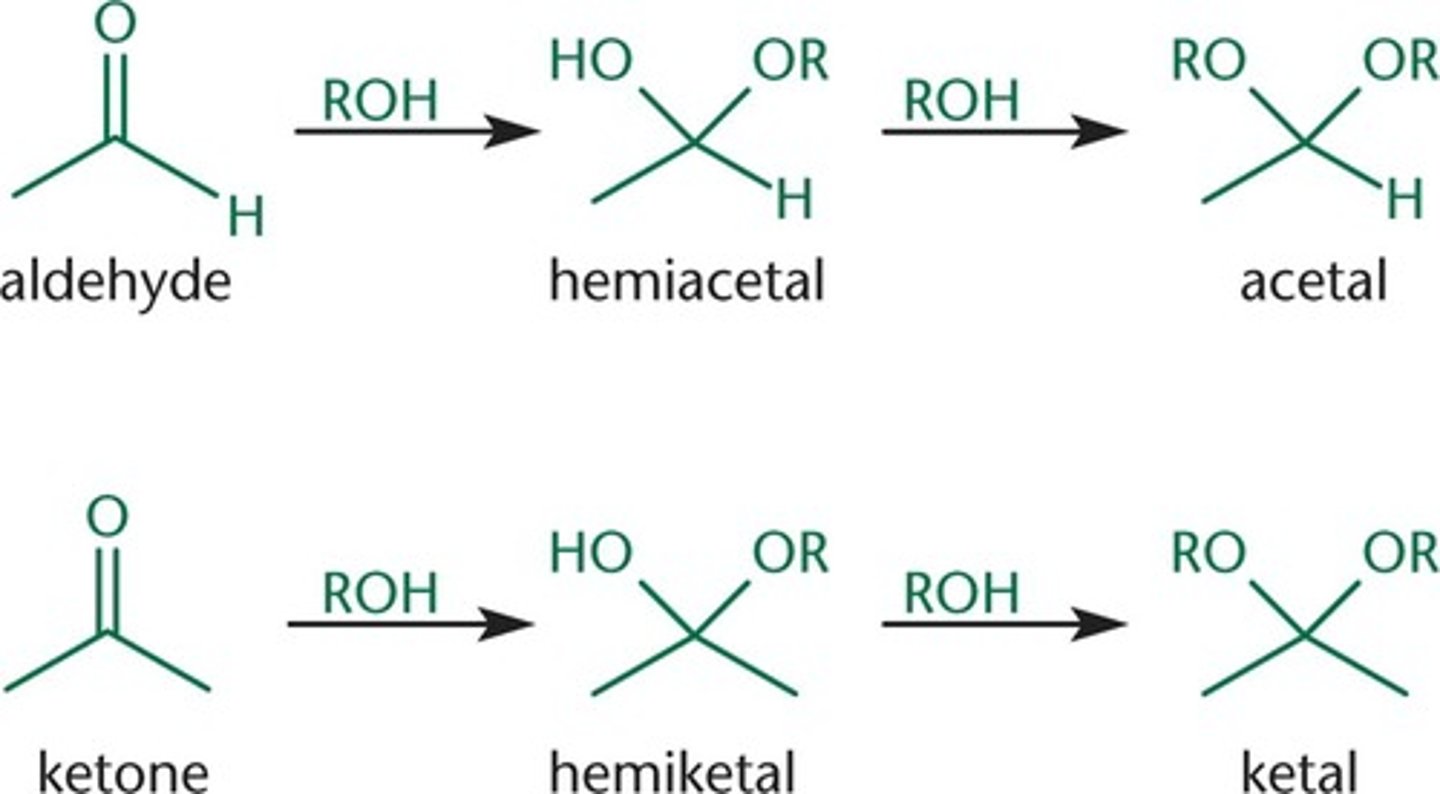
hemiacetal
final product in ald/ket + alcohol and alkoxide reaction (can only be treated one time)
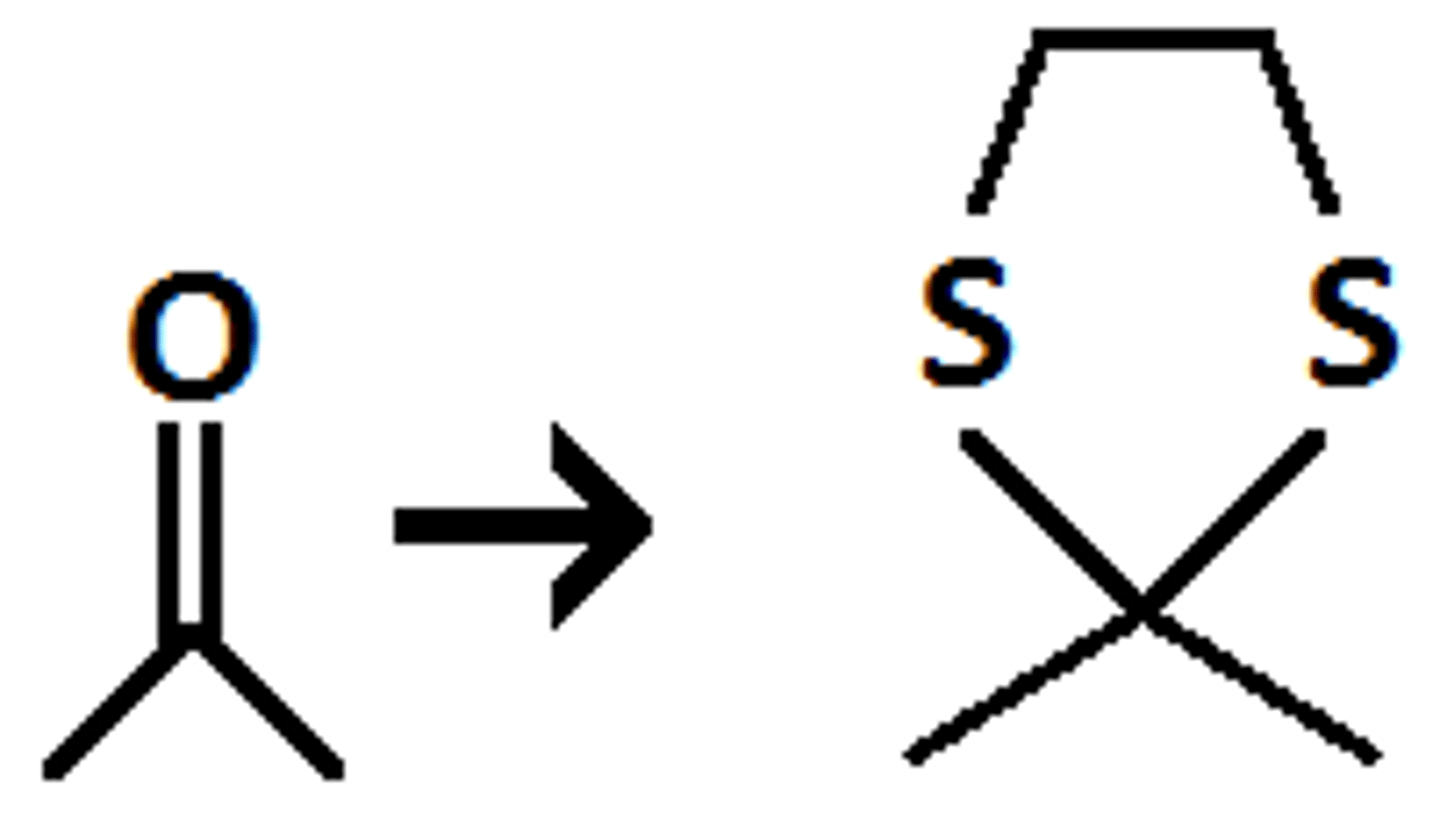
thioacetal
2 Sulfide linkages in place of aldehyde used for protection
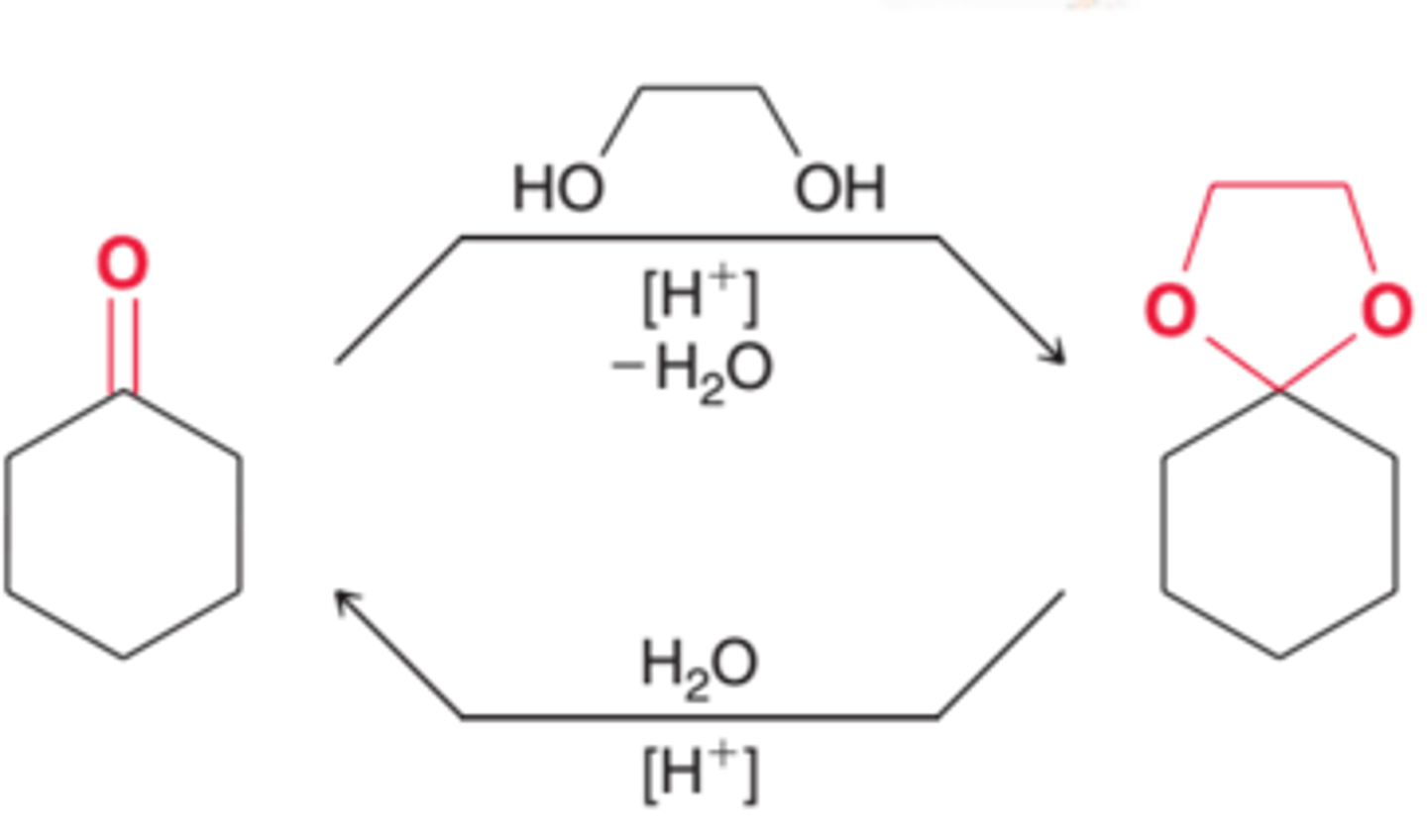
acetal protecting group
used when want to target reduction of carboxylic acid but also have a ketone/aldehyde attached
protects ket/ald while strong base reduces carboxylic acid
water then hydrolyzes this group
imine
A double bond between a carbon and a nitrogen
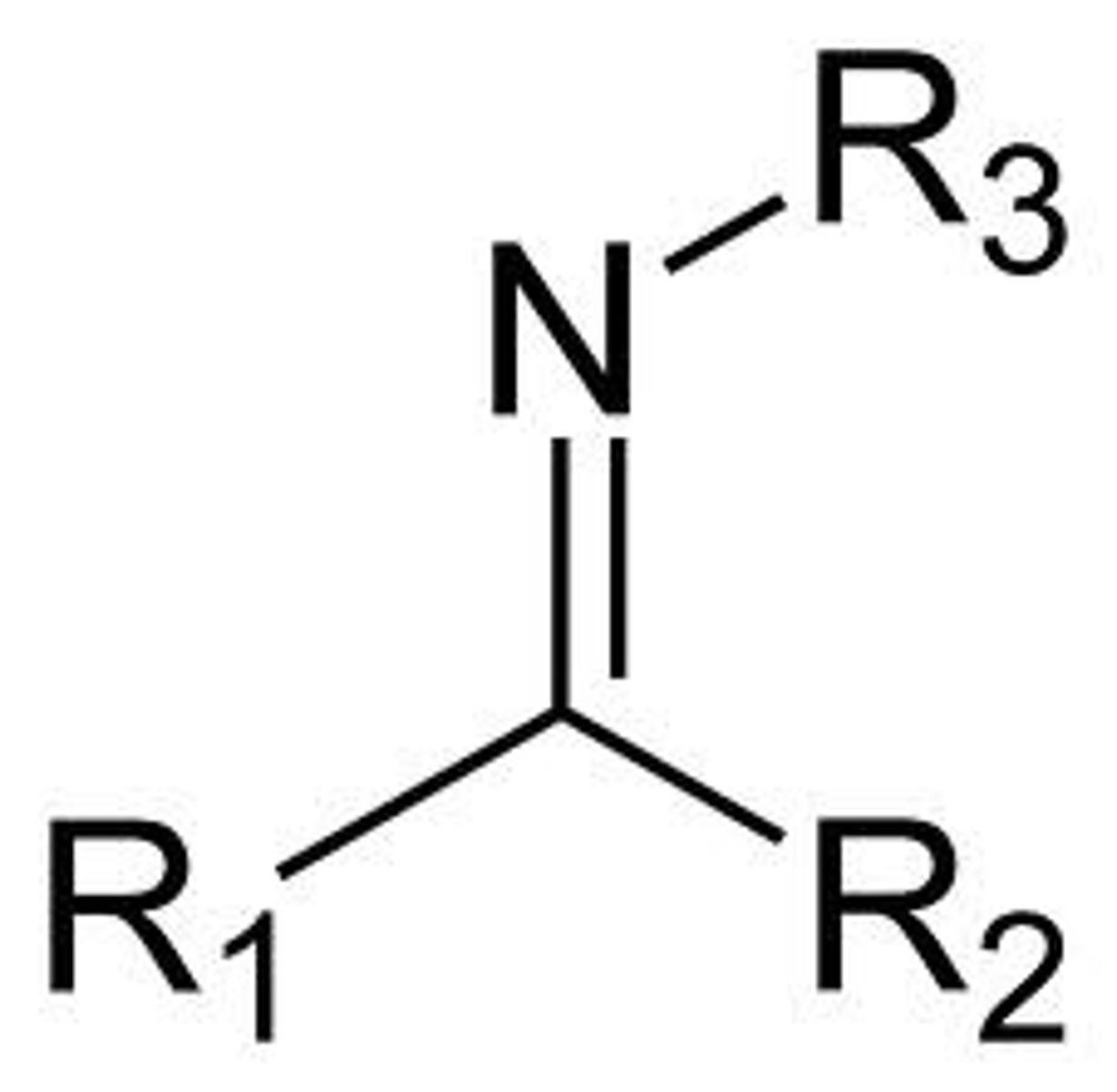
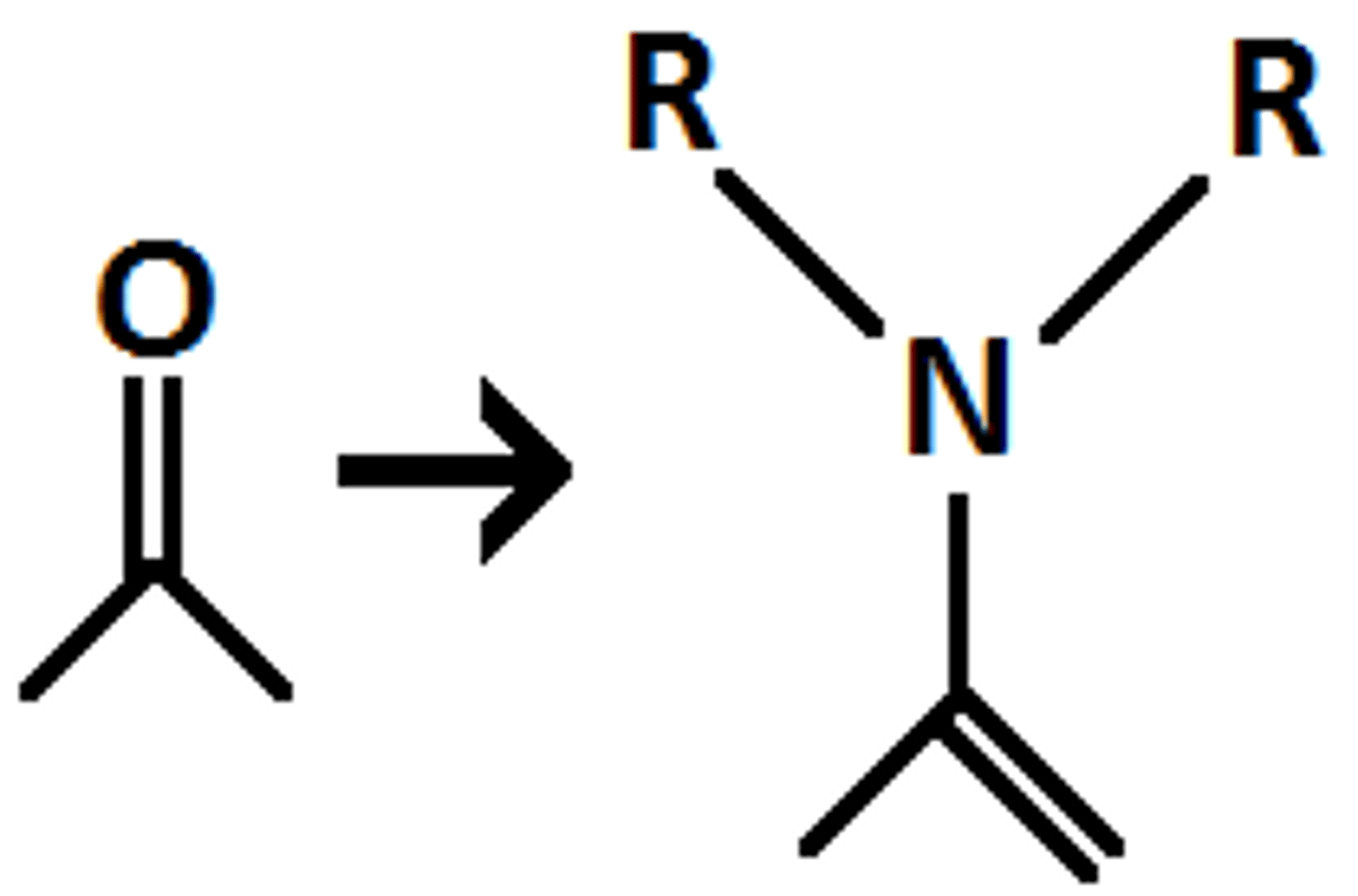
enamine
An amino group attached to a carbon that is double-bonded to another carbon.
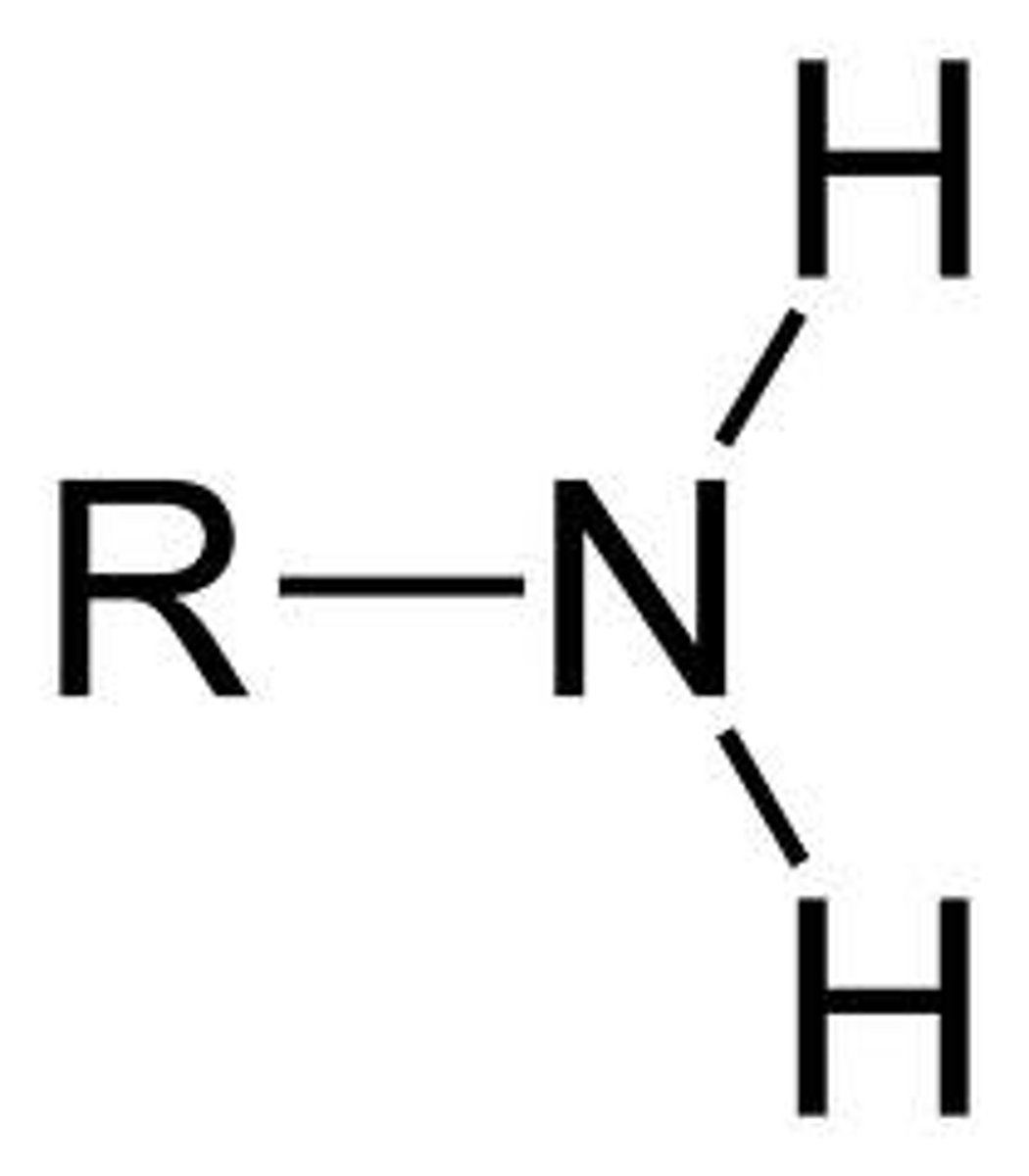
primary amine
NH2
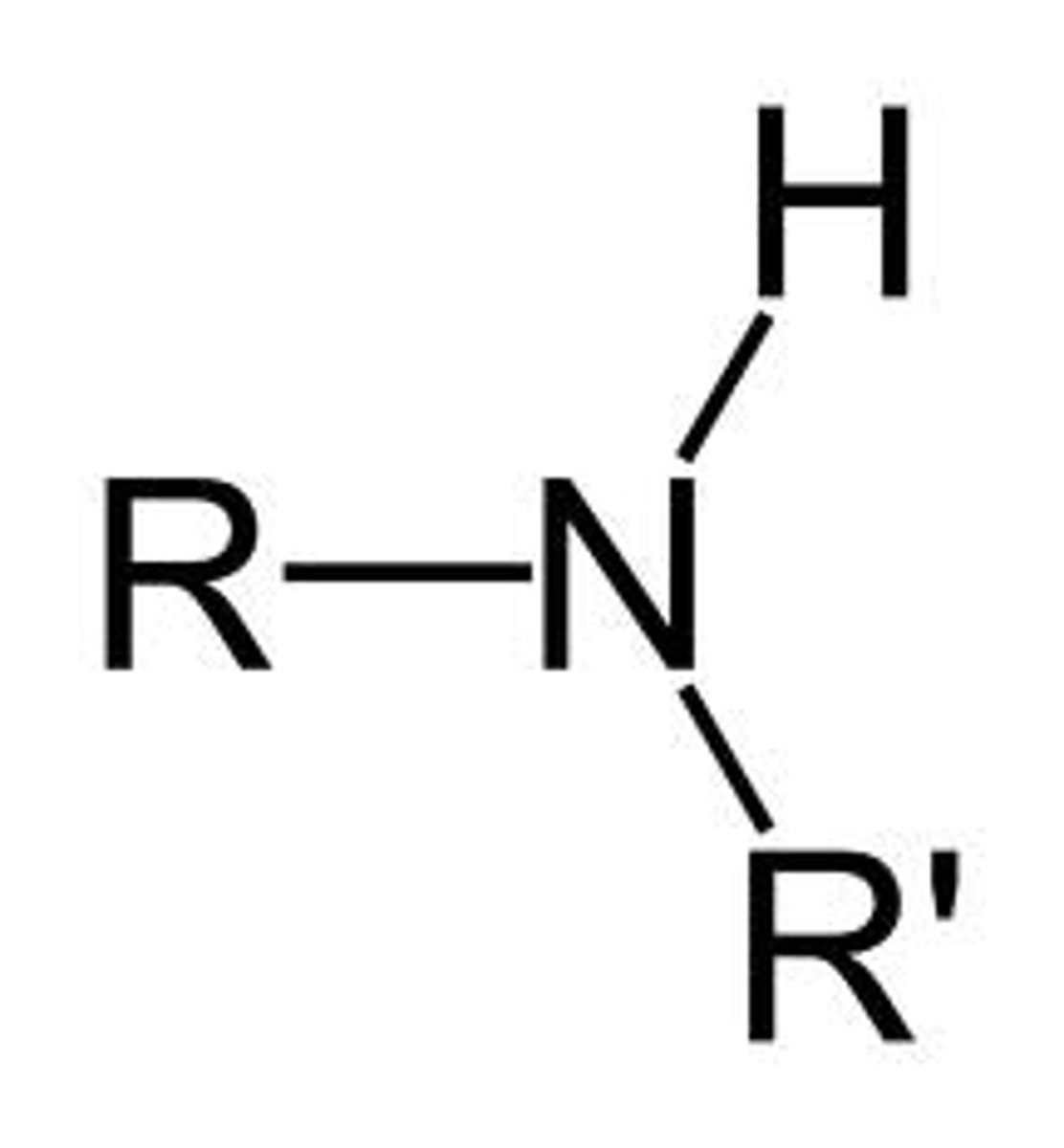
secondary amine
R2NH
imine
ketone + primary amine
catalyzed by H2SO4
enamine
ketone + secondary amine
catalyzed by H2SO4
oxime
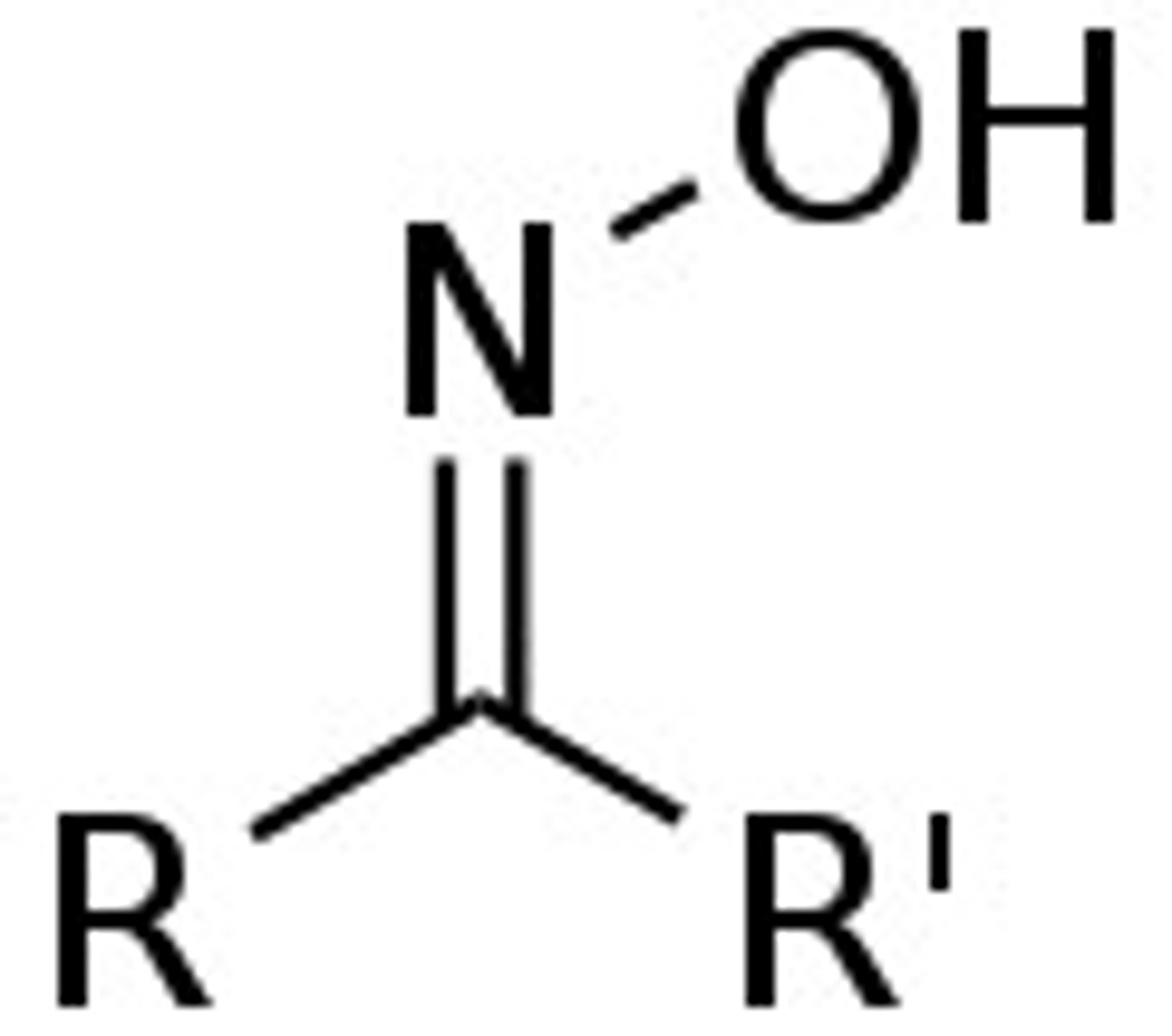
hydrazone
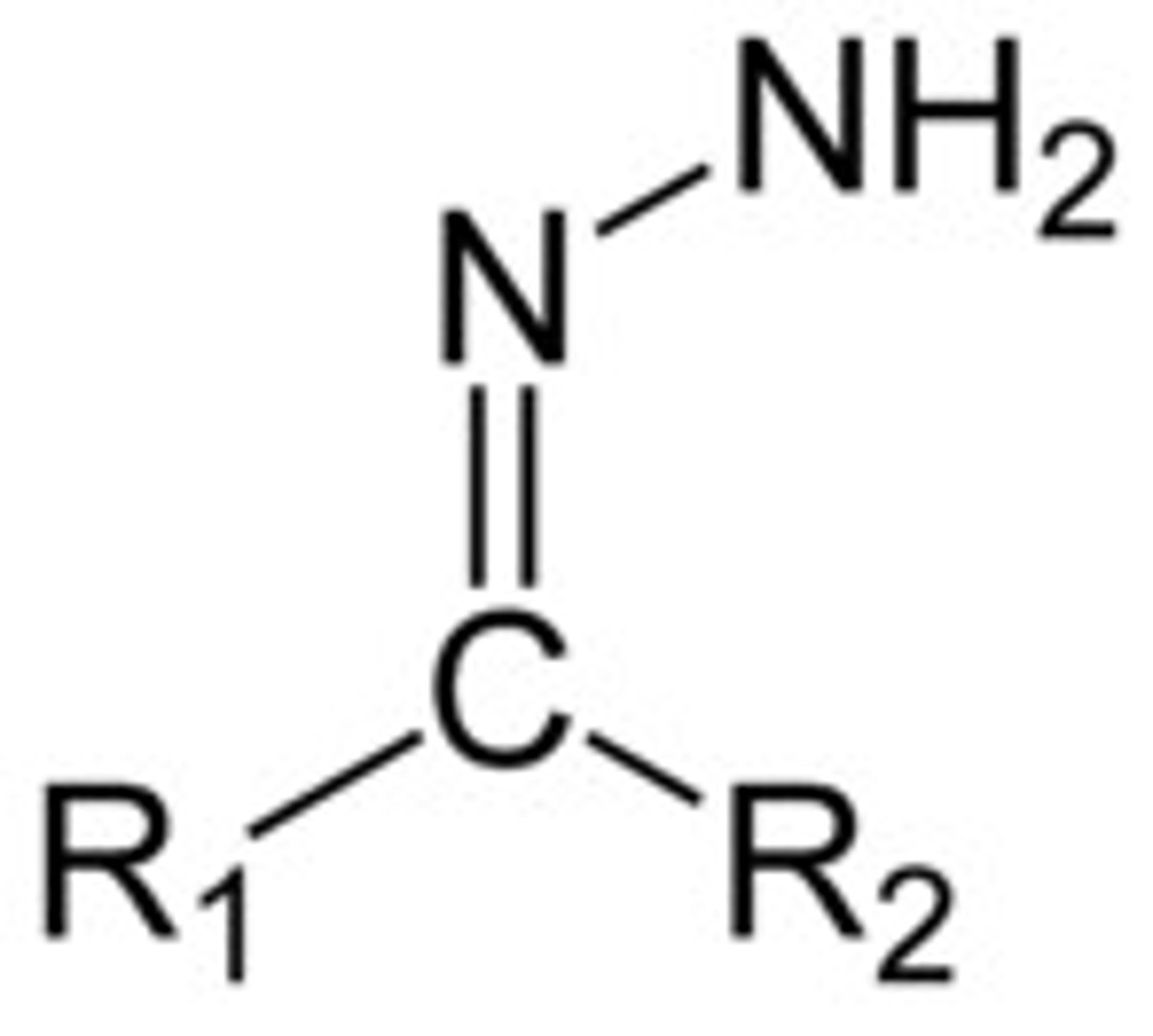
ketone + primary amine
imine + H20/H+
oxime
ketone + NH2-OH, H+
hydrazone
ketone + NH2-NH2 + H+
secondary alcohol
aldehyde with GR and water
tertiary alcohol
ketone with GR and water
primary alcohol
aldehyde with NaBH4 and water/alcohol
secondary alcohol
ketone + NaBH4 and water/alcohol
primary alcohol
aldehyde with LAH and water
NaBH4
can reduce aldehydes and ketones
LAH
can reduce aldehydes, ketones, esters and carboxylic acids
carboxylic acid
aldehyde + tollen's reagent
ketone
secondary alcohol + tollen's reagent
aldehyde
primary alcohol + PCC
ketone
secondary alcohol + Jones Reagent/PCC
no reaction
tertiary alcohol + Jones Reagent
carboxylic acid
primary alcohol + Jones Reagent
protection of alcohols
--the best protecting group for alcohol is the trimethylsilyl group.
-to protect, add Cl-SiMe3 to R-OH.
-the alcohol gets "capped" into R-O-SiMe3
-to deprotect, add F-.

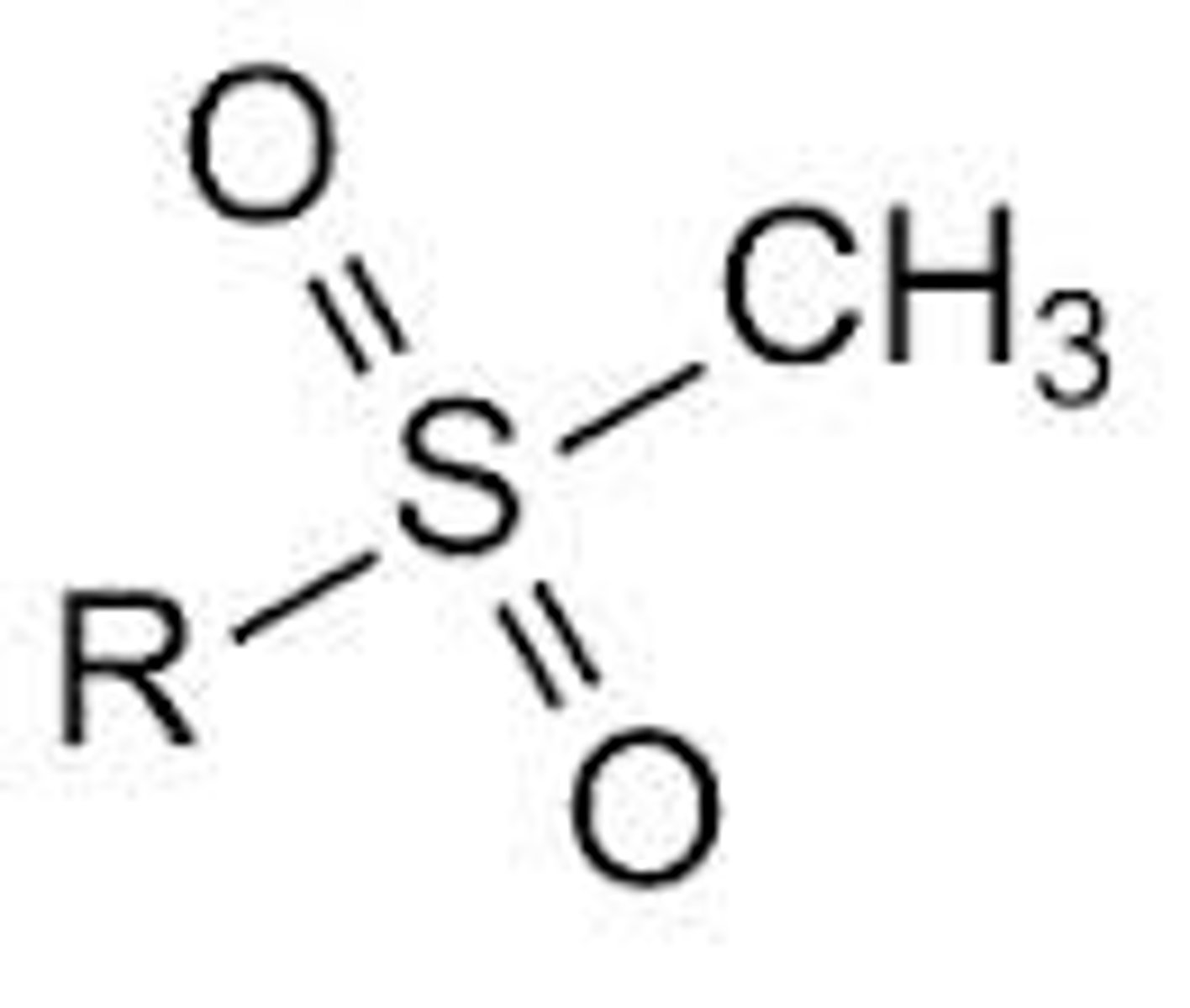
mesylate
*contain functional group -SO3CH3
-derived from methanesulfonic acid
-prepared using methylsulfonyl chloride and an alcohol in presence of a base
-serve as protecting groups when we don't want alcohols to react
-will not react with many of the other reagents that would attack alcohols
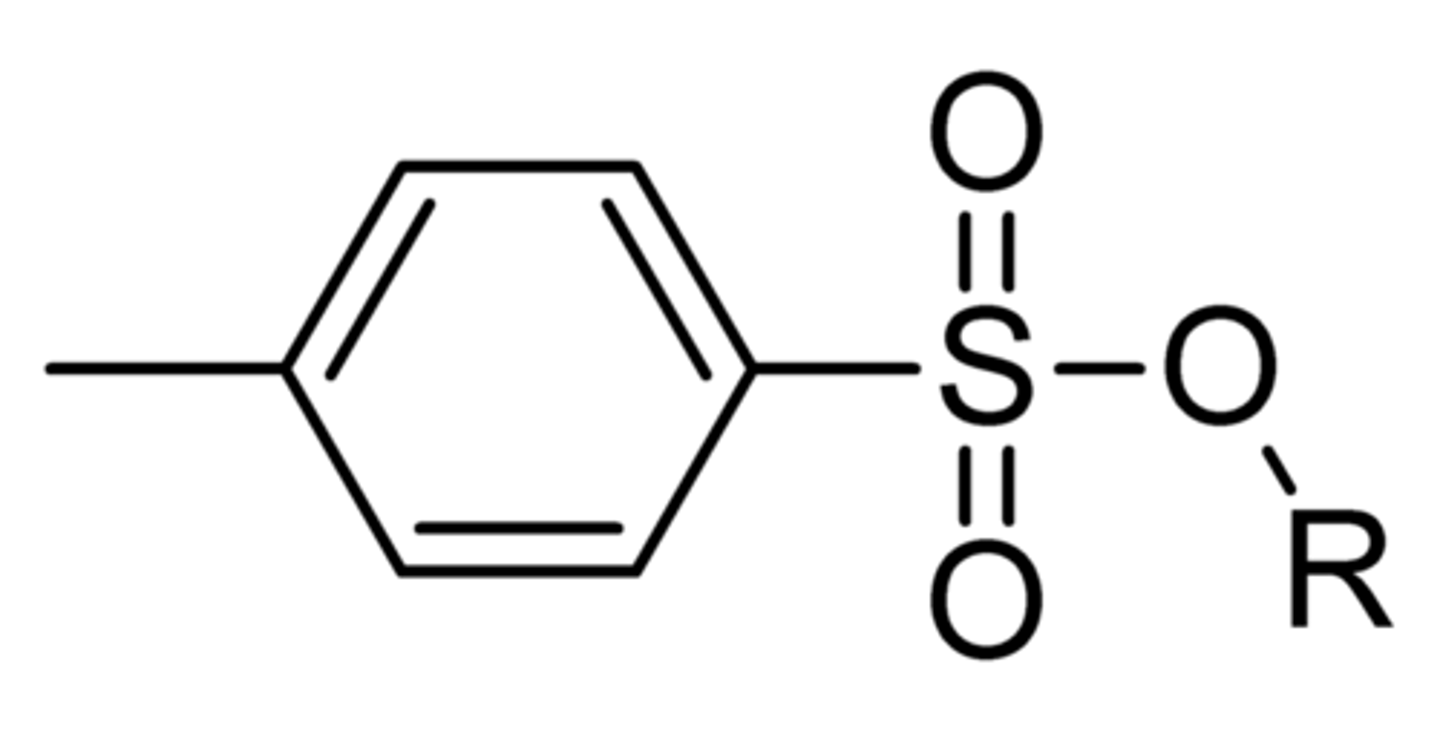
tosylate
*contain functional group -SO3C6H4CH3
-derived from toluenesulfonic acid
-can serve as protecting groups when we don't want alcohols to react
-will not react with many of the other reagents that would attack alcohols
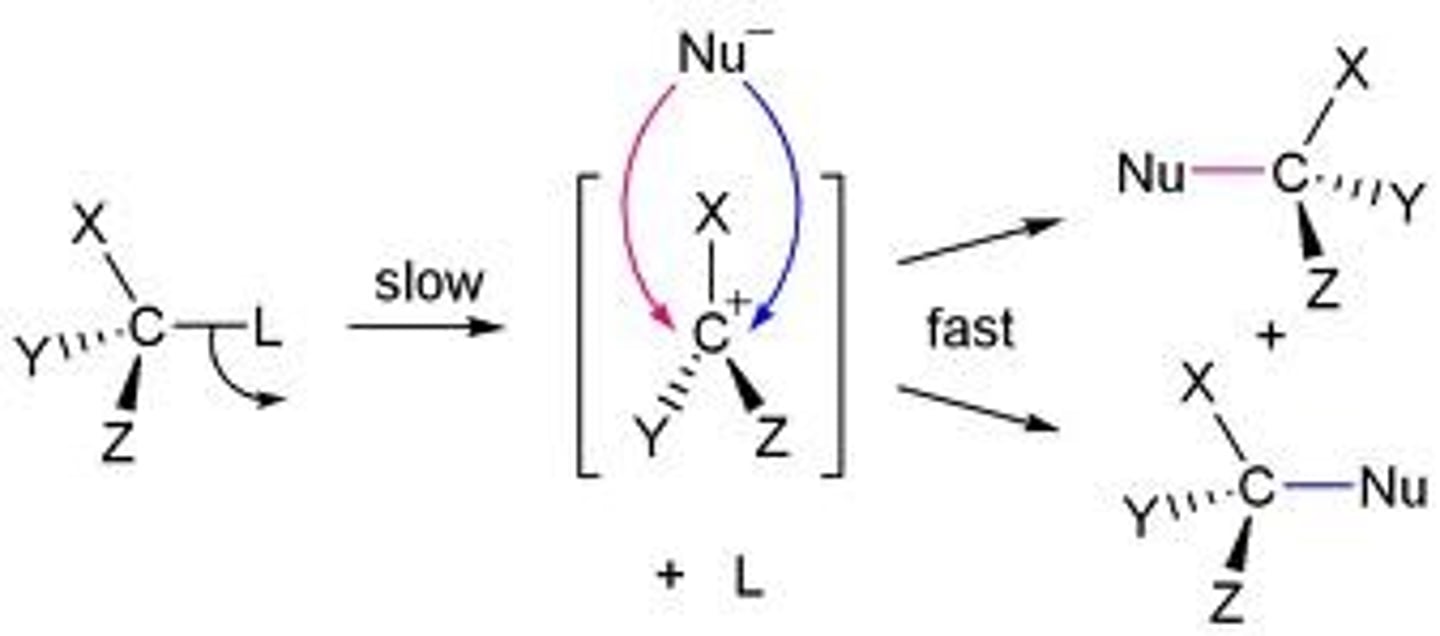
SN1
The formation of a carbocation and leaving group followed by a nucleophilic attack is a description of the steps of a/n ___ reaction.
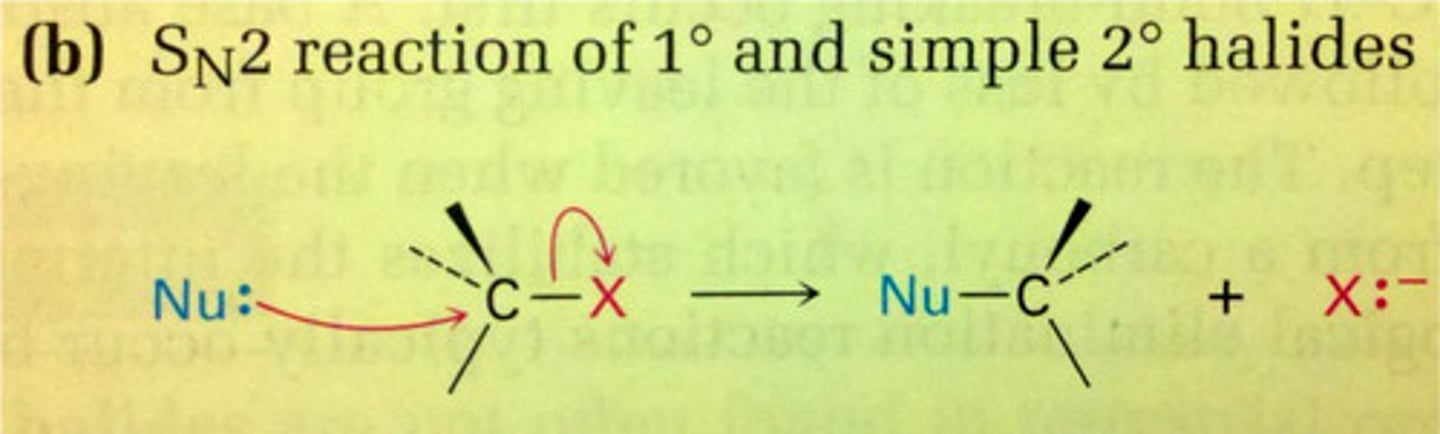
SN2
requires a strong nucleophile, adds antiperiplanar switching stereochemistry
aromatic
ring with continuously overlapping planar p orbitals
4n+2 pi electrons in ring
acid chloride
A carboxylic acid added with SOCl(2) will form what type of molecule?
ester
an organic compound made by chemically combining an alcohol and a carboxylic acid acid
thioester
combine carboxylic acid with a thiol (R-SH)
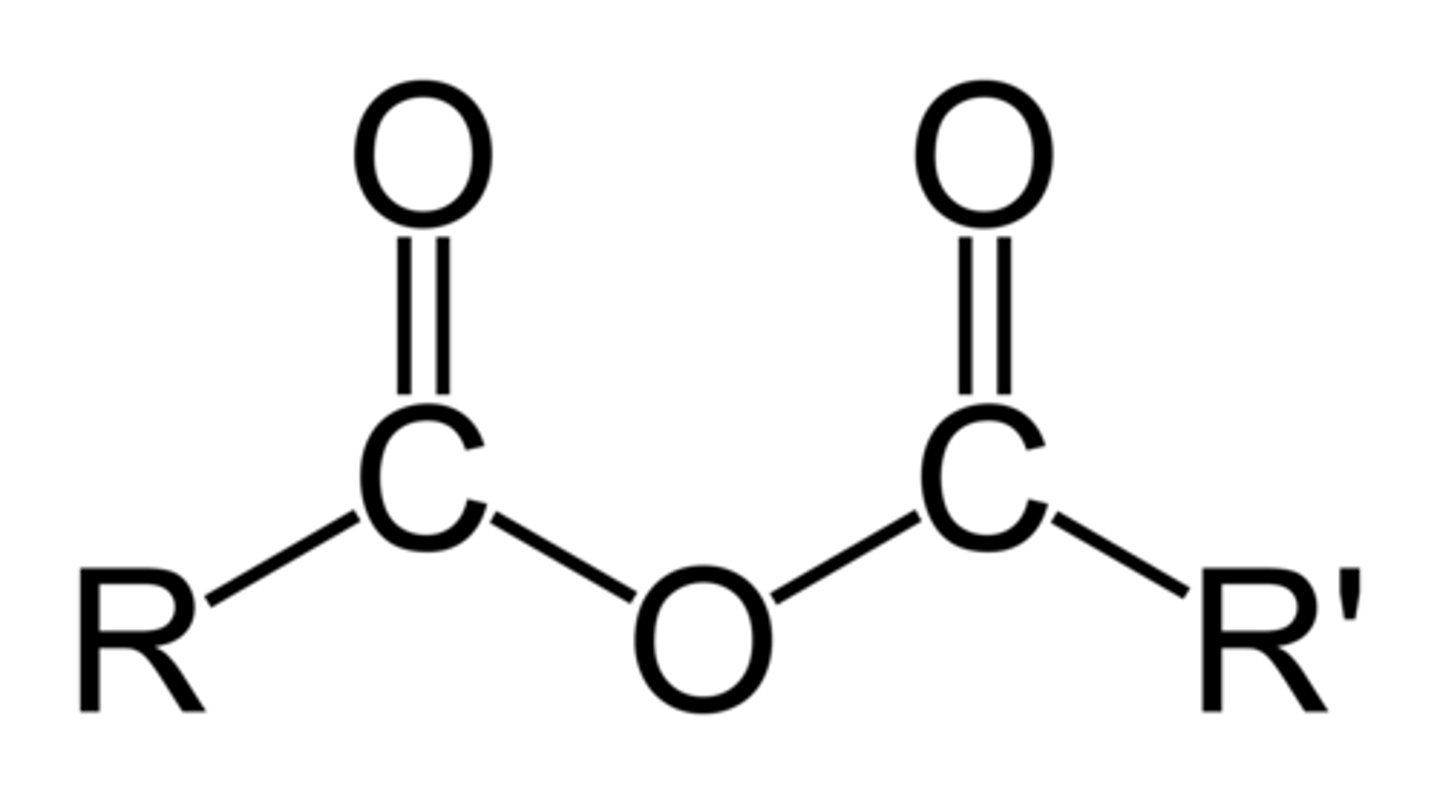
acid anhydride
carboxylic acid + acid chloride and strong base
amide
carboxylic acid + amine
reactivity order
1. acid chloride
2. acid anhydride
3. thioester
4. ester
5. amide
6. carboxylate ion
primary alcohol
carboxylic acid + LAH or BH3/THF
decarboxylation
double carboxylic acid + heat forms carboxylic acid + CO2
alpha substitution
c acid + Br2/PBr3 forms carboxylic acid + Br on alpha carbon and 2HBr