Conventions of Standard English
 Call Kai
 Learn
Learn Practice Test
 Spaced Repetition
 Match
Match Flashcards
 Knowt Play
1/52

There's no tags or description
Looks like no tags are added yet.
Name | Mastery | Learn | Test | Matching | Spaced | Call with Kai | Chat |
|---|
No analytics yet
Send a link to your students to track their progress
53 Terms
Sentence
A group of words that expresses a complete thought
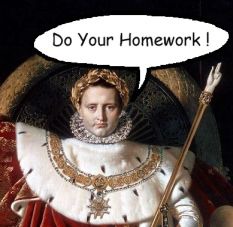
Fragment
an incomplete sentence; a break in a sentence

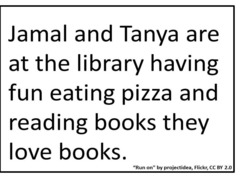
Run-On Sentence
two or more complete sentences run together as one
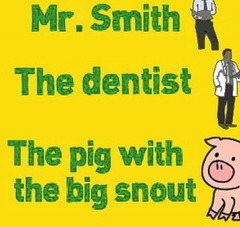
Subject
who or what the sentence is about
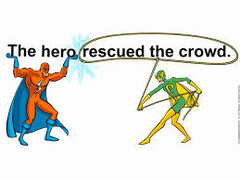
Predicate
tells what the subject is or does
Dependent Clause
A phrase that can't stand alone as a complete sentence.
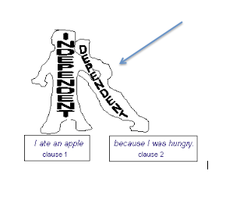
Independent Clause
Expresses a complete thought and can stand alone as a sentence; has both a subject and a verb.

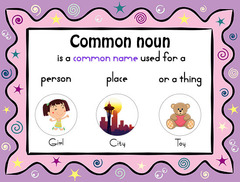
Common Noun
A general name for a person, place, or thing
Proper Noun
Names a specific person, place, thing, or idea

Plural Noun
names more than one person, place, thing, or idea

Singular Nouns
names one person, place, thing, or idea

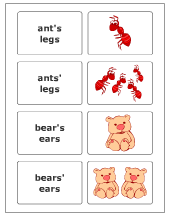
Possessive Nouns
Expresses ownership. Examples: Blake's notebook, Alan's sock, Makayla's fruit roll-up
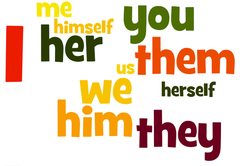
Pronoun
A word that takes the place of a noun
Antecedent
The word, phrase, or clause referred to by a pronoun.

Subject Pronoun
Used as the subject or as part of the subject of a sentence [I, you, he, she, it, we, they]
![<p>Used as the subject or as part of the subject of a sentence [I, you, he, she, it, we, they]</p>](https://assets.knowt.com/user-attachments/f2427b92-6560-46c2-b716-7da67b3dddf0.webp)
Object Pronoun
An object pronoun shows the object of a sentence Ex. me, you, him, her, it, us, you, them
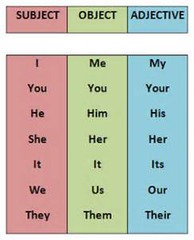
Possessive Pronouns
Pronouns that shows ownership. i.e. mine, yours, his, hers, its, ours, theirs

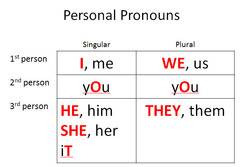
Personal Pronoun
Refers to the one speaking, the one spoken to, or the one spoken about
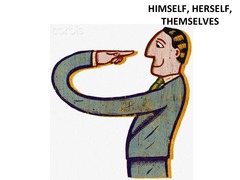
Reflexive Pronouns
myself, yourself, himself, herself, itself, ourselves, yourselves, themselves
Main Verb
the most important verb in a phrase
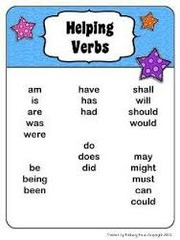
Helping Verb
Helps the main verb express action or a state of being
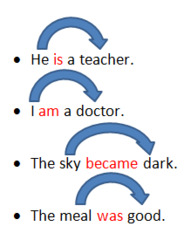
Linking Verb
A verb that does not show action but connects the subject with a word in the predicate.
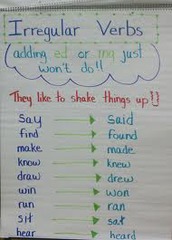
Irregular Verb
A verb in which the past tense is not formed by adding the usual -ed ending.
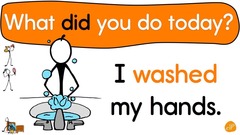
Simple past
They walked. Used to express the idea that an action started and finished at a specific time in the past.
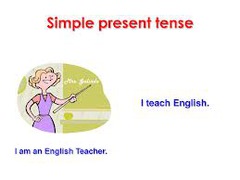
Simple Present
They walk. Occasionally used to talk about scheduled events in the near future, i.e. the train leaves tonight at 6.
Simple Future
will + verb

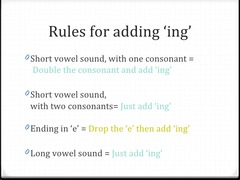
Progressive Verb Tense
"-ing" form with helping verb; example: is practicing
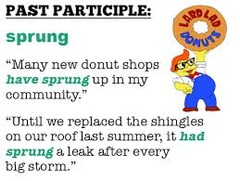
Past Participle
A past participle is a VERB + -ED used as an adjective or a verb.
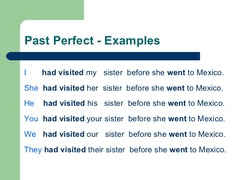
Perfect Verb Tenses
verb tenses that use helping verbs to show continuing action or a time relationship; examples: have studied, had studied, will have studied
Adjectives
Tells us more about a noun. Describes the noun. Examples: green slow, five, stinky, tall, round
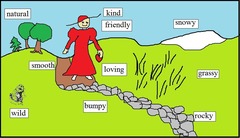
Adverbs
Describe actions (verbs); often end in -ly

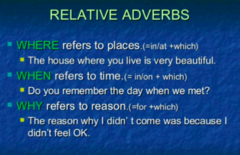
Relative Adverbs
where, when, why
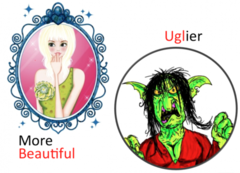
Comparative Adjectives
Shows comparisons. Examples: older, safer, louder, more beautiful
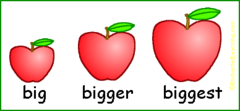
Superlative Adjectives
Shows comparisons. Examples: oldest, safest, loudest, most beautiful
Comparative Adverbs
Compare two things.
(Example: "He plays the drums [more loudly] than his brother.)
![<p>Compare two things.</p><p>(Example: "He plays the drums [more loudly] than his brother.)</p>](https://assets.knowt.com/user-attachments/13184583-feb5-4a54-8ac3-7b845314acfe.jpg)
Superlative Adverbs
Compare three or more things.
(Example: Blue whales are the [largest] animals in the world.)
![<p>Compare three or more things.</p><p>(Example: Blue whales are the [largest] animals in the world.)</p>](https://assets.knowt.com/user-attachments/dd88c155-79bf-423d-ae3e-24682a8b7e62.jpg)
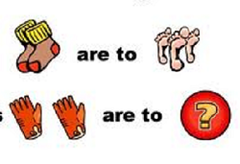
Analogies
A strategy where a new problem is reduced to a previously known problem, and prior knowledge of how to determine the solution can be applied
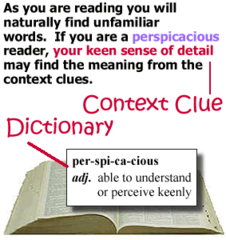
Context Clues
Clues in surrounding text that help the reader determine the meaning of an unknown word
Synonyms
words that have the same meaning

Antonyms
words that have opposite meanings

Domain Specific Words
words that fall within a certain subject

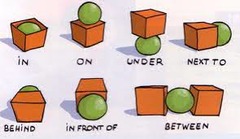
Prepositions
Words we use before nouns or pronouns to show their relationship with other words in the sentence. Example: behind (the tree), across (Maple Street), down (the stairs)
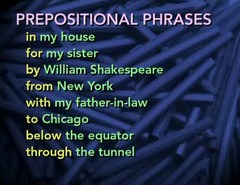
Prepositional Phrases
a group of words that begins with a preposition and ends with a noun or pronoun.
Direct Object
receives the action of the verb

Indirect Object
tells to whom or for whom the action of the verb is done; example: Jack showed the DOG kindness.

Coordinating Conjunctions
FANBOYS (for, and, nor, but, or, yet, so)

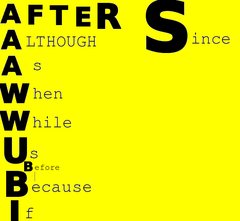
Subordinating Conjunctions
connects an independent clause with one or more dependent clauses; examples: since, before, unless, however
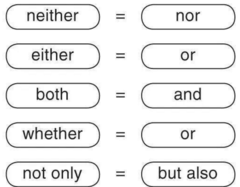
Correlative Conjunctions
pairs of conjunctions that join words or word groups that are used in the same way
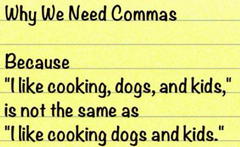
Commas
a punctuation mark (,) indicating a pause between parts of a sentence. It is also used to separate items in a list and to mark the place of thousands in a large numeral.
Capitalization
writing in capital letters

Titles
the distinguishing name of a book or chapter or article, etc.

Quotations
something that is word for word of another author

Dialogue
Conversation between two or more characters