LAB - L3:T3 (Lipid Lowering Agents)
 Call Kai
 Learn
Learn Practice Test
 Spaced Repetition
 Match
Match Flashcards
 Knowt Play
1/26

There's no tags or description
Looks like no tags are added yet.
Name | Mastery | Learn | Test | Matching | Spaced | Call with Kai | Chat |
|---|
No analytics yet
Send a link to your students to track their progress
27 Terms
What are lipids?
Cholesterol and other fatty acids that are not soluble in liquid.
How are lipids transported in the blood?
They are carried in plasma by linking with lipoproteins (albumins and globulins).
What are the two categories of lipoproteins based on density?
High-density lipoproteins (HDLs) and low-density lipoproteins (LDLs).
What are chylomicrons?
The largest and lightest lipoproteins formed from the absorption of dietary fat in the intestine, mostly composed of triglycerides.
What do very low-density lipoproteins (VLDLs) primarily consist of?
Large amounts of triglycerides made in the liver.
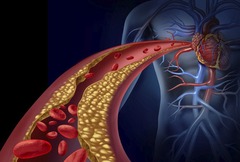
What is the risk associated with high levels of low-density lipoproteins (LDLs)?
They indicate cholesterol levels that are higher than needed, increasing the risk for atherosclerosis.
What role do high-density lipoproteins (HDLs) play in the body?
They clear out excess cholesterol from tissues and transport it to the liver.
What is hyperlipidemia?
An increase in levels of lipoproteins in the blood, leading to atherosclerosis.
What are the four major types of antihyperlipidemic drugs?
Bile Acid Sequestrants, HMG-CoA Reductase Inhibitors, Fibric Acid Derivatives, and Niacin.
How do bile acid sequestrants work?
They reduce serum cholesterol levels by forming insoluble compounds with bile salts and increasing bile loss through feces.
What are common side effects of bile acid sequestrants?
Bloating, constipation, abdominal pain, nausea, vomiting, diarrhea, and steatorrhea.
What is the nursing implementation for administering bile acid sequestrants?
Do not administer in dry form; mix with fluids and ensure proper timing with other medications.
What is the significance of HMG-CoA Reductase Inhibitors?
They lower cholesterol and prevent myocardial infarction in patients with hypercholesterolemia.
What are the minor side effects of statins?
Headache, fatigue, muscle or joint pain.
What serious adverse effects can occur with statin use?
Severe myopathy and rhabdomyolysis, which can lead to acute renal failure.
What should be monitored during statin therapy?
Serum cholesterol, LDL levels, and liver function tests.
What do fibric acid derivatives do?
They decrease triglyceride synthesis in the liver and can increase HDL concentration.
What is the primary action of Niacin?
It lowers triglyceride levels and increases HDL levels.
What adverse effect is commonly associated with Niacin?
Flushing, which can be mitigated by taking aspirin beforehand.
What client teaching should be provided for antihyperlipidemic drugs?
Take vitamins A, D, and K as supplements, and follow specific instructions for bile acid sequestrants.
How should bile acid sequestrants be taken?
Three times a day before meals, mixed with liquids or foods.
What should patients be instructed regarding the timing of other medications with bile acid sequestrants?
Take other medications 1 hour before or 4 to 6 hours after to avoid absorption interference.
What dietary recommendations should be made for patients on bile acid sequestrants?
Follow a high-bulk diet and drink plenty of fluids.
What should clients report immediately while on antihyperlipidemic drugs?
Yellowing of the skin or eyes, indicating possible adverse effects.
What is the recommended administration time for statins?
In the evening, as cholesterol biosynthesis is higher at night.
What is the role of barrier contraceptives for women taking statins?
To prevent severe fetal abnormalities if these drugs are taken during pregnancy.
What should be arranged for patients on statins to monitor for cataract development?
Periodic ophthalmic examinations.