Microbiology Exam 4 Practice Flashcards
 Call Kai
 Learn
Learn Practice Test
 Spaced Repetition
 Match
Match Flashcards
 Knowt Play
1/127

Earn XP
Description and Tags
Flashcards covering the integument, respiratory, nervous, and cardiovascular/lymphatic systems based on lecture notes.
Name | Mastery | Learn | Test | Matching | Spaced | Call with Kai | Chat |
|---|
No analytics yet
Send a link to your students to track their progress
128 Terms
Integument
Refers to the skin, which serves as a massive protective barrier with a total surface area of approximately 1.5 to 2m2 and a thickness ranging from 1.5mm to 4mm; it includes hair, nails, and sweat/oil glands.
Stratum basale
The basal layer that serves as the source for all cells making up the epidermis.
Antimicrobial peptides
Positively charged chemicals in epithelial cells that disrupt the negatively charged membranes of bacteria.
Sebum
Secreted by sebaceous glands; its low pH makes skin inhospitable to most microbes. The breakdown of its lipids produces toxic fatty acid by-products that inhibit non-adapted microbes.
Comedo
Skin swelling over a hair follicle pore.
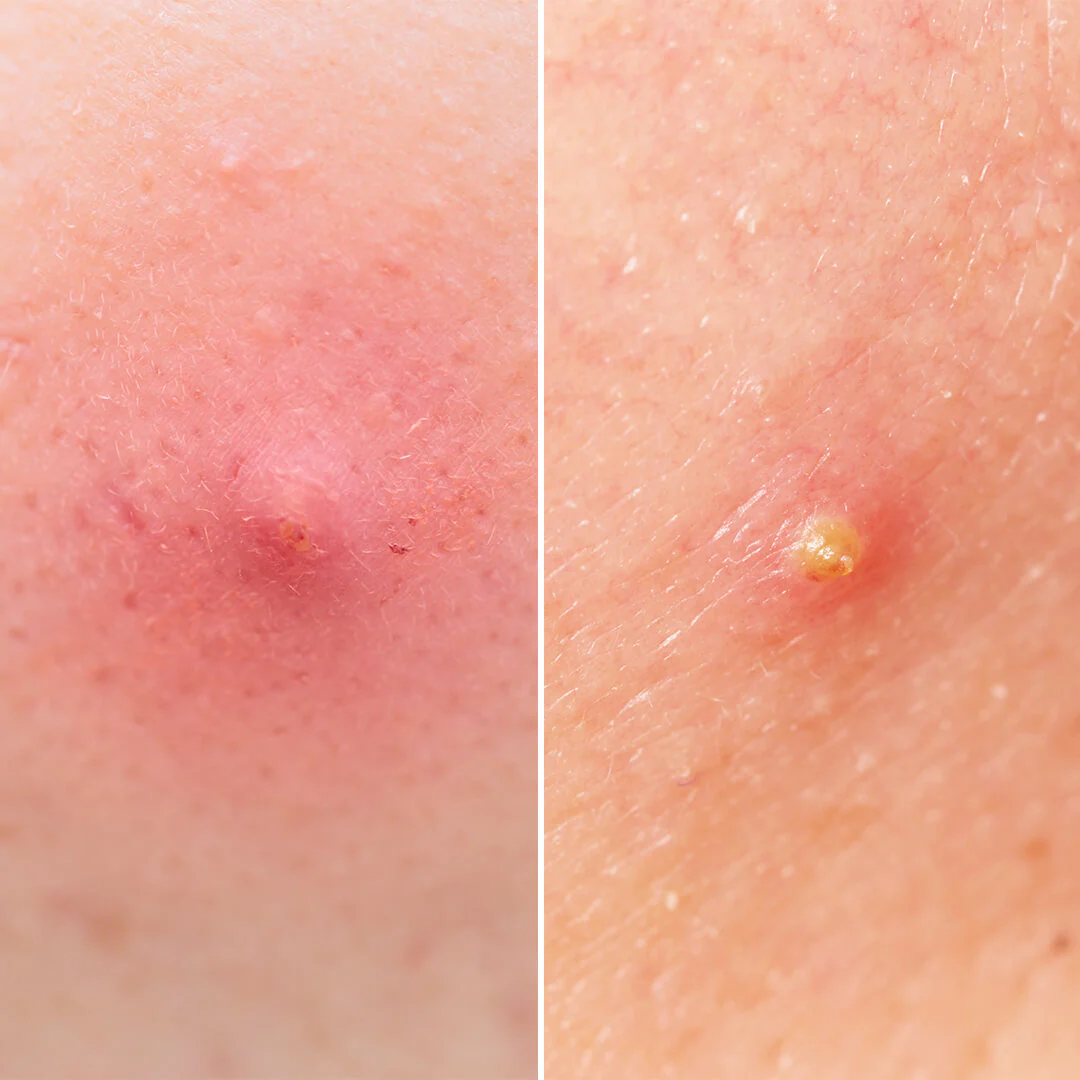
Papule/pustule
A lesion that has erupted on the surface of the skin.
Propionibacterium acnes
A slow-growing, anaerobic bacteria native to human skin. While harmless in small numbers, it can overgrow in blocked hair follicles and trigger acne vulgaris.
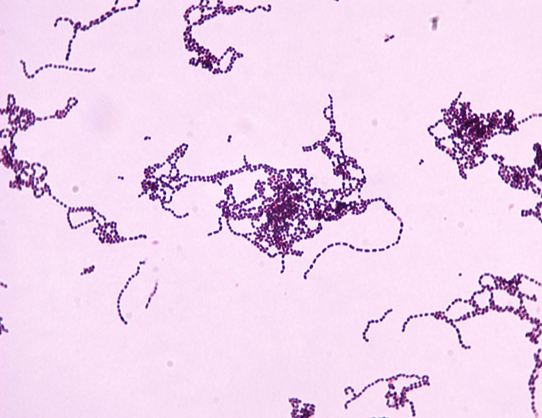
S. pyogenes
A Gram-positive, beta-hemolytic coccus found almost exclusively on human skin; it uses adhesive elements like M protein and a hyaluronic acid capsule.
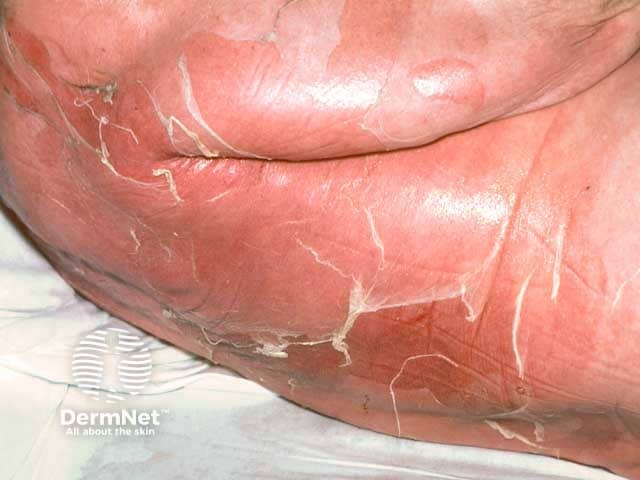
Staphylococcal scalded skin syndrome (SSSS)
A systemic, dermolytic form of impetigo predominantly affecting newborns and infants.
Bullous lesions
Skin lesions that resemble wrinkled tissue paper, leading to widespread skin desquamation and vulnerability to secondary infections.
Chickenpox
A highly contagious disease caused by the varicella-zoster virus characterized by a 20% mortality rate in immunocompromised people.
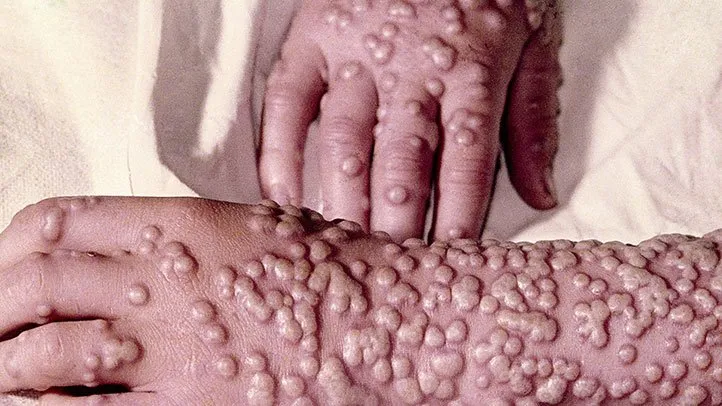
Smallpox
A highly contagious and frequently fatal infectious disease caused by the variola virus; it progresses from macular to pustular rashes and leaves significant scarring.
Measles
A highly contagious, serious airborne viral disease characterized by a high fever, cough, and a distinct spreading rash; can cause Subacute sclerosing panencephalitis.
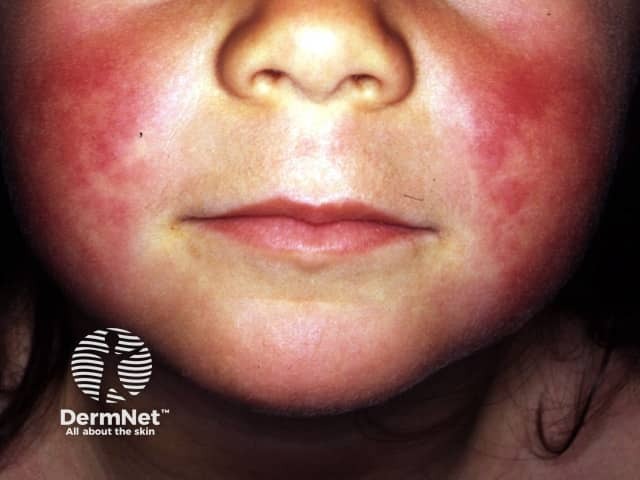
Scarlet fever
A contagious bacterial illness caused by Group A strep; symptoms include a distinct red "sandpaper" rash that starts on the chest and stomach.
Phage-encoded exfoliative toxins
The toxins from S. aureus that cause staphylococcal scalded skin syndrome (SSSS).
Clostridium perfringens endospores
Found in soil, skin, intestines, and the vagina, these are the causative agent of gas gangrene.
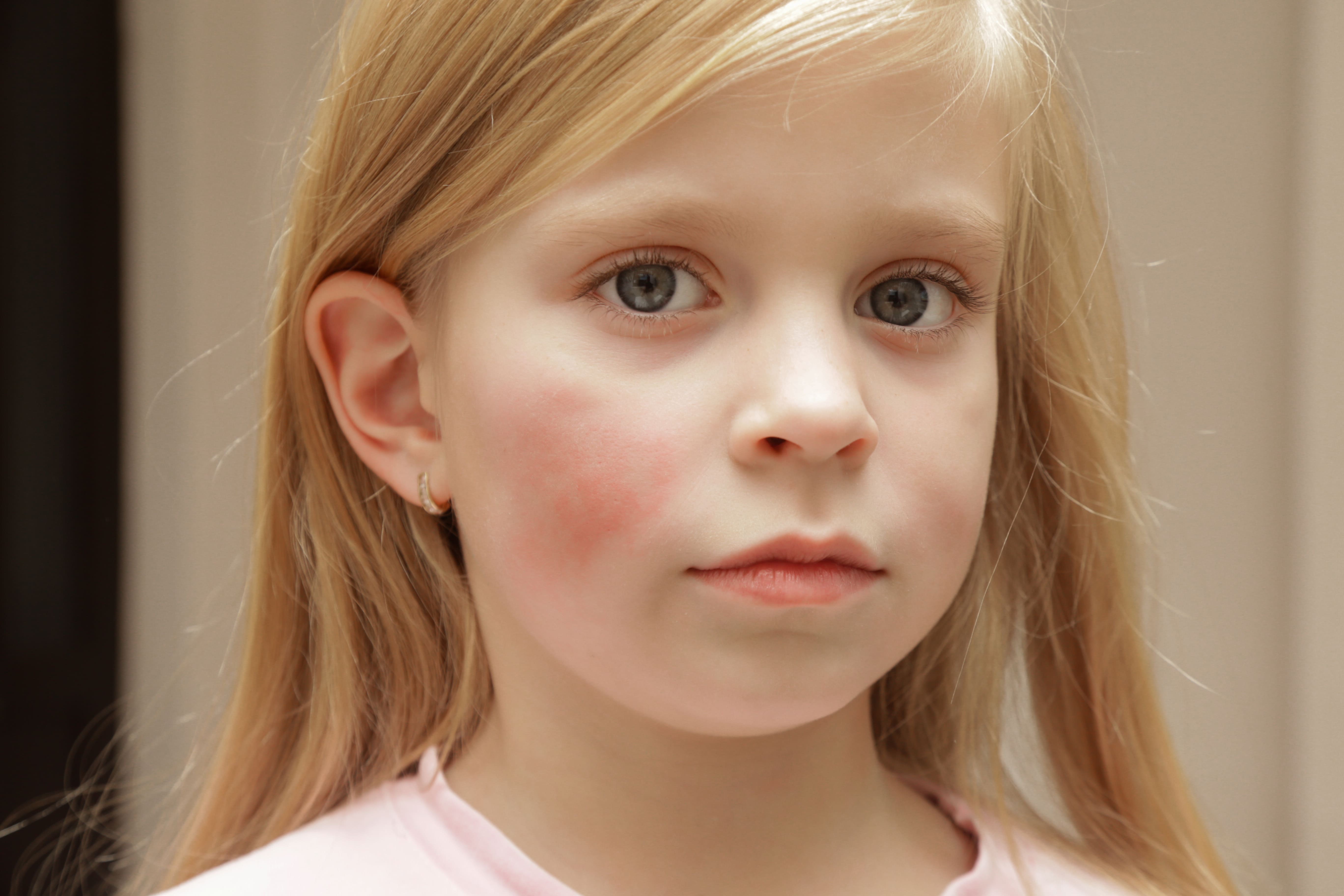
Fifth disease (erythema infectiosum)
A common and usually mild viral illness caused by parvovirus B19; famous for causing a bright red facial rash followed by a lacy rash on the body.
Erythrogenic toxin
The toxin gene carried by S. pyogenes strains on a bacteriophage which causes scarlet fever.
Flat warts
Small, smooth, flat-topped bumps caused by benign HPV strains; they spread rapidly through shaving or scratching.
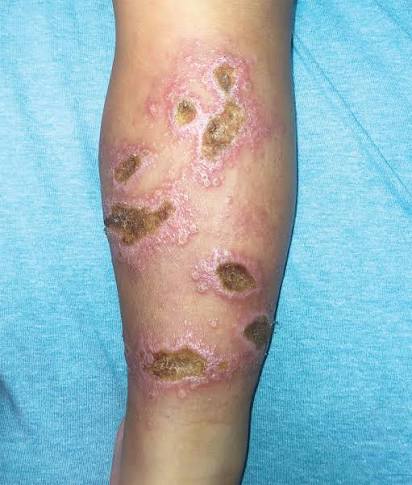
Leishmaniasis
A parasitic disease spread by the bite of infected female phlebotomine sand flies; occurs in cutaneous, mucosal, and visceral forms.
Mucocutaneous
An infection that affects both the skin and mucous membranes.
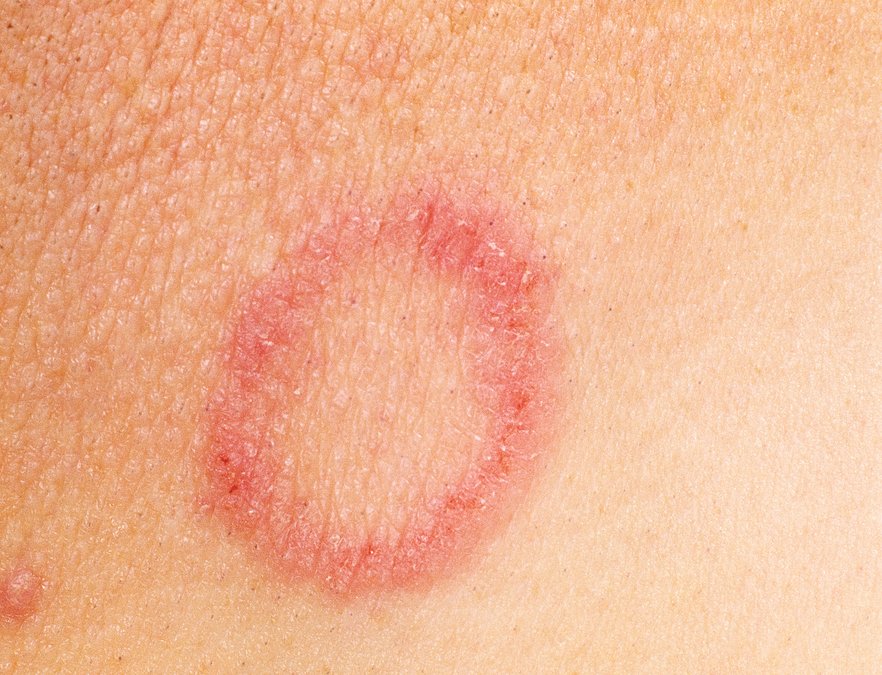
Ringworm (tinea)
A highly contagious fungal skin infection caused by dermatophytes that presents as an itchy, scaly, ring-shaped rash.
Superficial mycoses
Fungal infections involving only the outer epidermal surface with cosmetic rather than inflammatory effects.
Malassezia
A genus of yeast that causes tinea versicolor and is tied to sebhorric dermatitis.
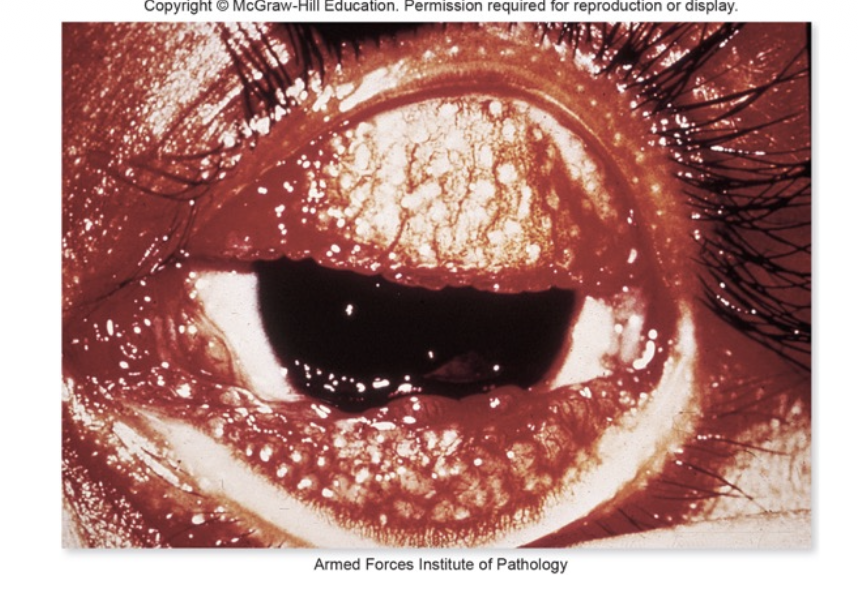
Trachoma
A chronic infection of the eye's epithelial cells caused by Chlamydia trachomatis; it is a major cause of blindness worldwide.
Epidermis replacement frequency
The process by which the outermost layer of skin is replaced every 25−45 days.
Dermis
Composed of connective tissue with a rich matrix of fibroblast cells and fibers; contains macrophages, nerves, blood vessels, and lymphatic vessels.
Sweat glands
Located in the dermis but separate from hair follicles; all glands open to the surface through the epidermis.
Sweat
A secretion that contains high salt concentrations and a low pH to inhibit microbes.
Lysozyme
An enzyme found in sweat, tears, and saliva that specifically breaks down peptidoglycan.
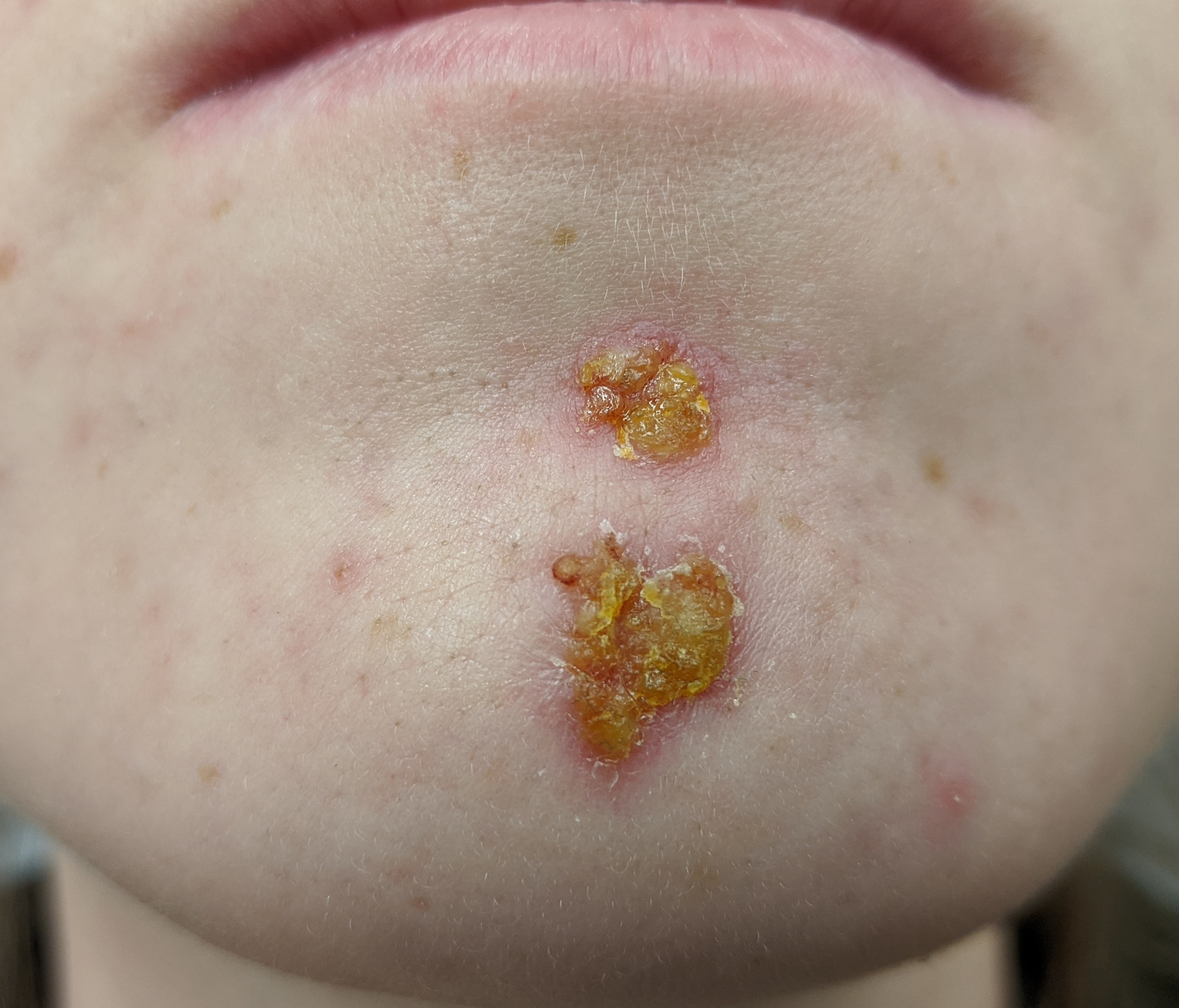
Impetigo
A superficial bacterial infection causing skin to flake or peel, primarily affecting children; caused by S. aureus or S. pyogenes.
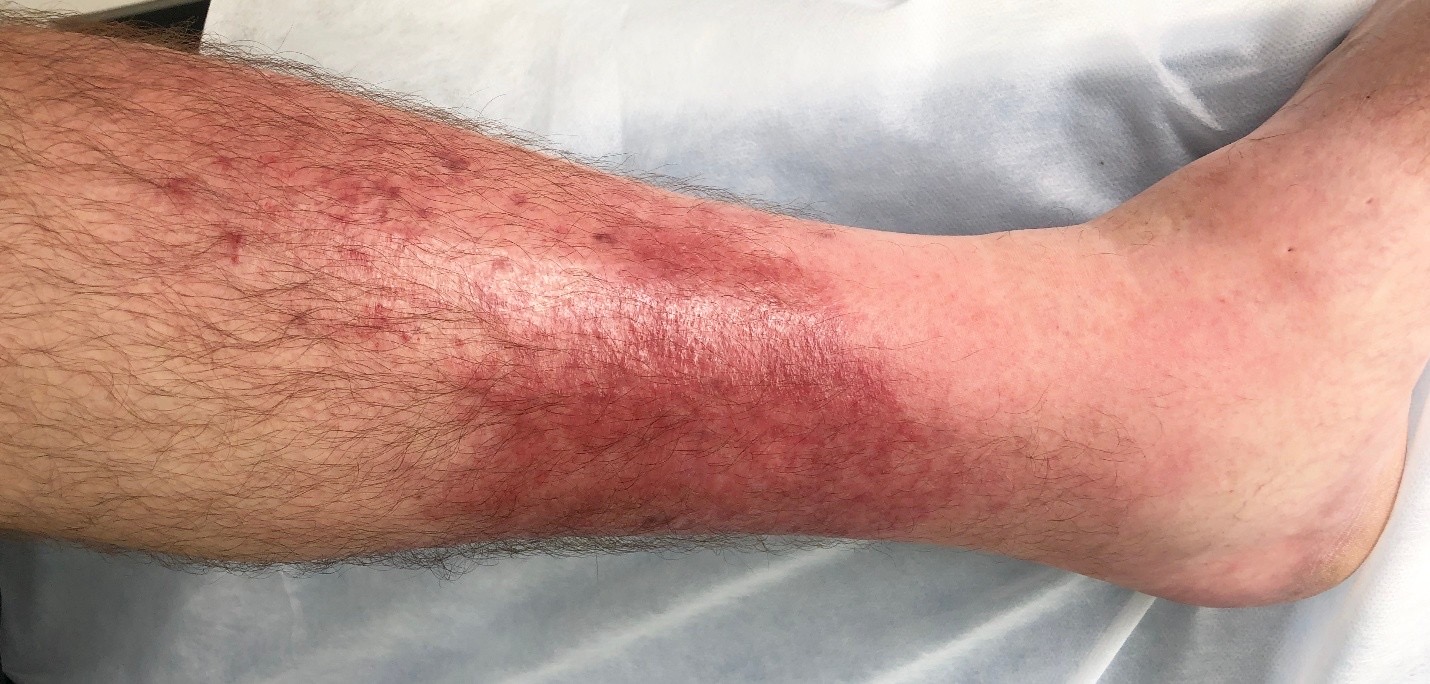
Cellulitis
A fast-spreading infection of the dermis and subcutaneous tissues, commonly occurring in the lower leg and often following skin trauma.
Papillomas (warts)
Benign, contagious skin or mucous membrane growths caused by various strains of the Human Papillomavirus (HPV).
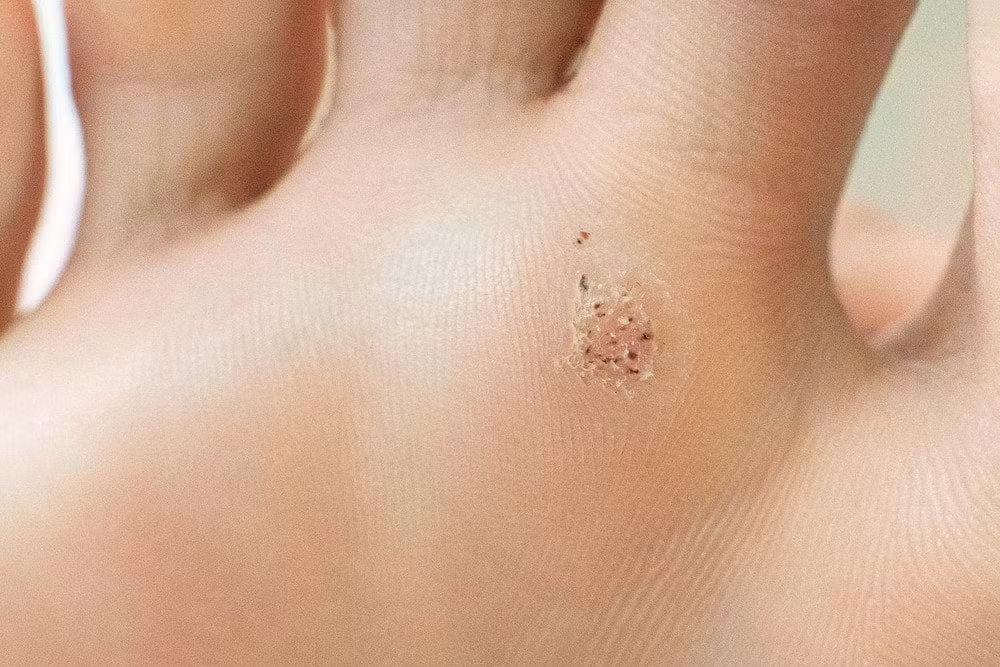
Seed warts
Benign, harmless skin growths caused by HPV that contain tiny black dots (clotted blood vessels).
Stratum corneum
The outermost layer of the epidermis, packed with keratin to withstand damage and containing lipids to provide water-repellant properties.
Blisters
Formations occurring when there is a separation between the dermis and the epidermis due to friction or burns.
Follicles
Located in the dermis; they house the roots of hairs and are associated with sebaceous (oil) glands and scent glands.
Cysts
Deep-layer pustules associated with severe skin conditions.
Cystic acne
A condition characterized by the widespread occurrence of cysts.
S. aureus
A Gram-positive coccus in grape-like clusters that produces exfoliative toxins (A and B), coagulase, and hyaluronidase.
Anaerobic cellulitis
A localized, gradually spreading infection of the skin and subcutaneous tissue; distinct from true myonecrosis.
True myonecrosis
Also known as gas gangrene; a life-threatening, rapidly progressive destruction of skeletal muscle caused by exotoxins.
"Pox" disease
Refers to a group of viral diseases that cause distinctive skin lesions, blisters, or pus-filled sores.
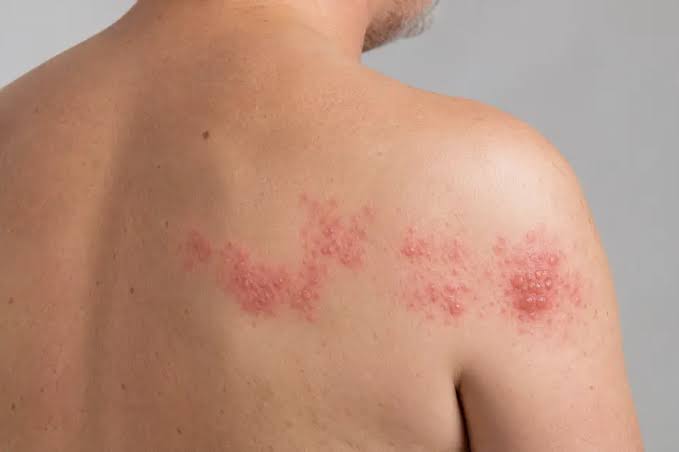
Shingles
A reactivation of HHV-3 (Varicella-zoster virus) that was latent in the nerve ganglia.
Variola major
A highly lethal viral variant of smallpox with a historically ∼30% fatality rate.
Variola minor
A less common, milder strain of smallpox with a historically ∼1% or less fatality rate.
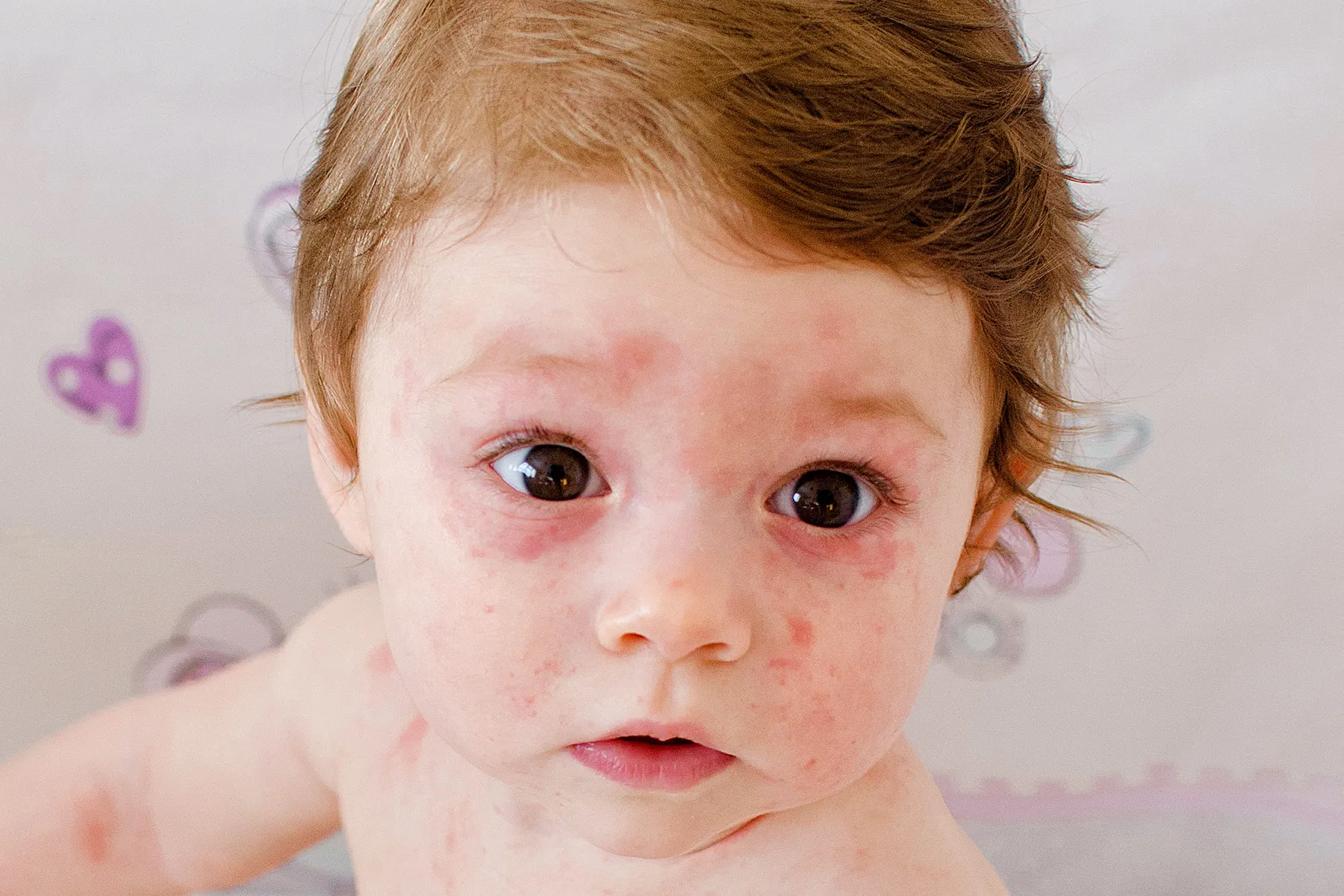
Roseola
A common viral infection in babies causing 3 to 5 days of sudden high fever followed by an abrupt pink rash.
Plantar warts
Rough, grainy growths on the soles of the feet caused by HPV entering through tiny cuts.
Bacillus anthracis
The Gram-positive bacterium that causes cutaneous anthrax.
Dermatophytes
A specialized group of fungi (e.g. Trichophyton, Microsporum) that require keratin and cause ringworm.
Folliculitis
A bacterial or fungal infection of the hair follicles presenting as small, pus-filled blisters or red, tender bumps.
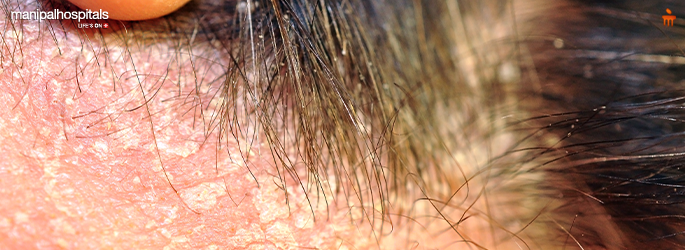
Sebhorric dermatitis
A condition featuring greasy, oily, yellow or white scales (dandruff), often tied to Malassezia yeast overgrowth.
Cutaneous mycoses
Fungal infections that extend deeper into the epidermis and involve keratinized tissues like hair and nails.
Conjunctiva
A thin membrane covering the eye and lining the eyelids that secretes lubricating oil and mucus.
Tears
The primary eye defense formed in the lacrimal gland, consisting of aqueous fluid, oil, and mucus.
Immune privilege
A specialized state of reduced innate immunity in the eye or CNS to protect delicate vision or neural tissue.
Neonatal conjunctivitis
Inflammation or infection of the conjunctiva in babies under 30 days old, commonly contracted via the birth canal.
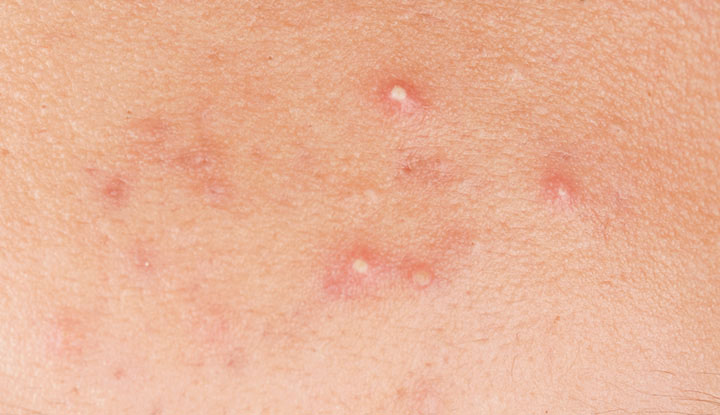
Whitehead
An acne comedo with a closed pore.
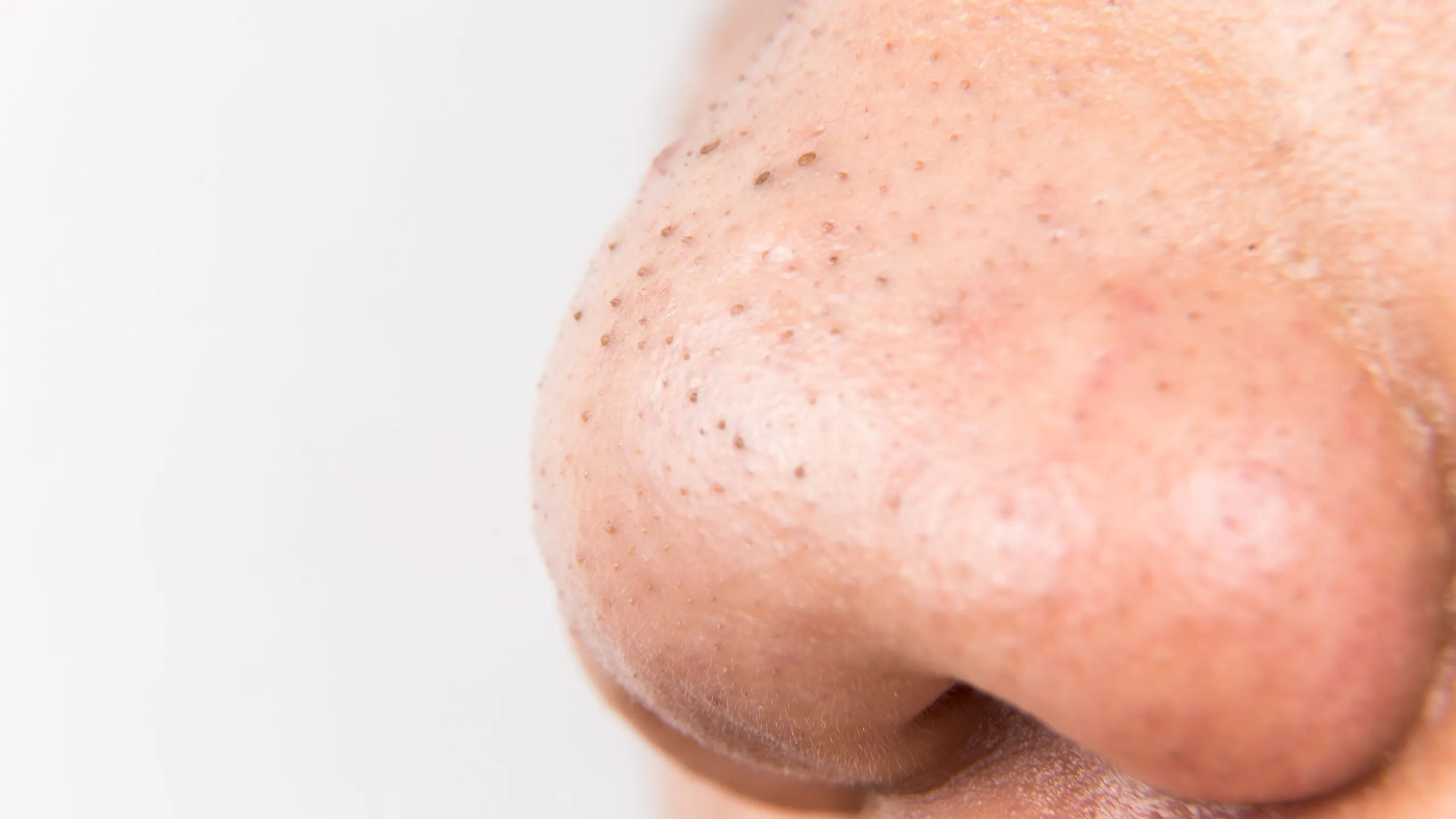
Blackhead
An acne comedo with an open pore.
Alpha toxin
A potent, pore-forming exotoxin associated with S. aureus that causes edema, tissue damage, and red blood cell rupture.
Maculopapular rash
A flat, red area covered with small, confluent bumps common in viral infections like measles and rubella.
Congenital rubella
Occurs when an infected mother passes the virus to her fetus, causing defects like deafness, cardiac abnormalities, and mental retardation.
Cutaneous
Refers to a localized skin infection.
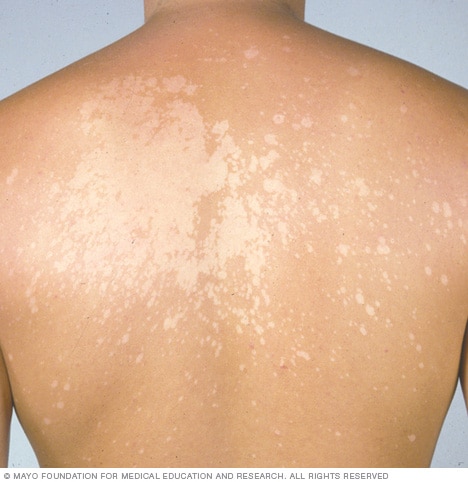
Tinea versicolor
A common, noncontagious fungal skin infection caused by an overgrowth of yeast that affects melanocytes and causes discolored patches.
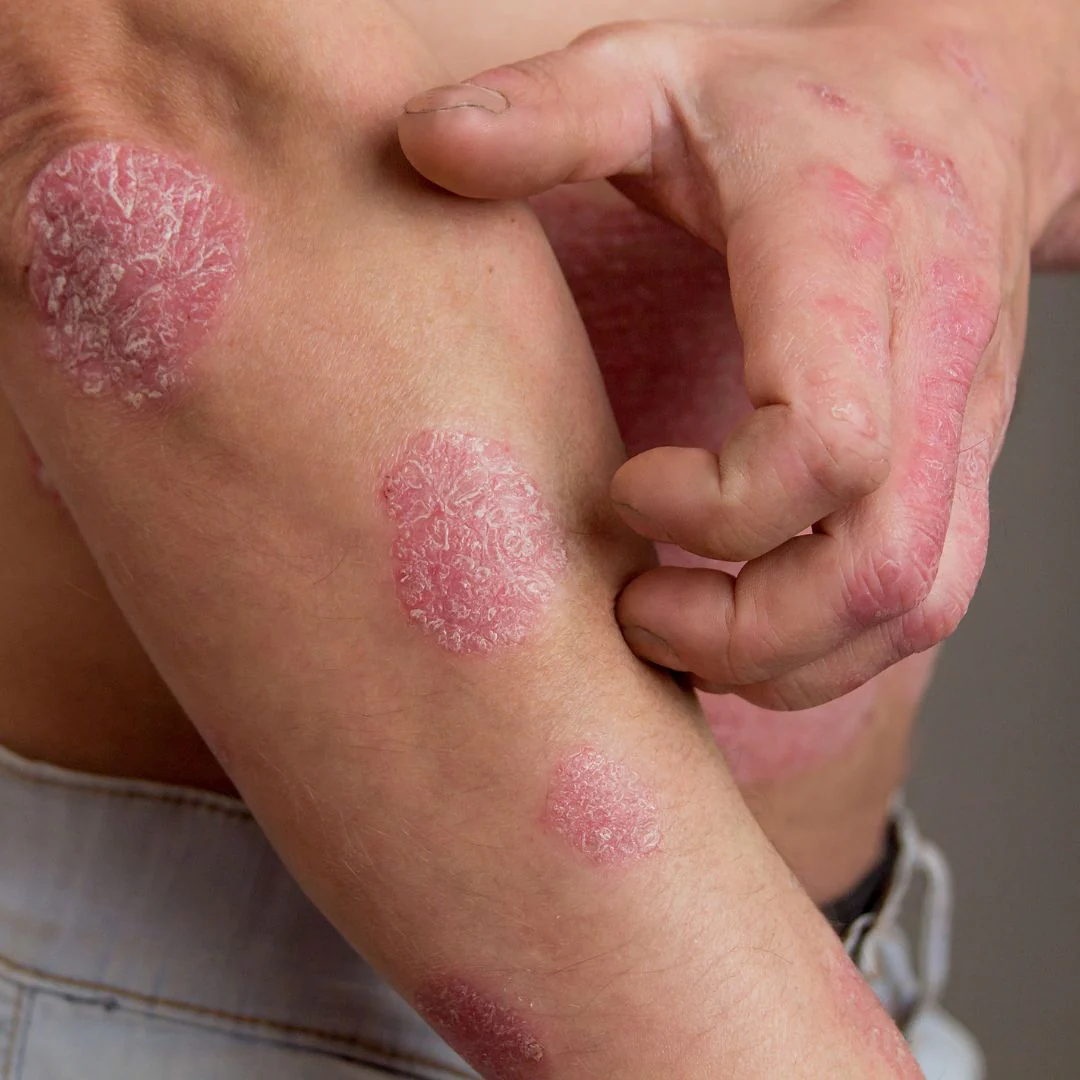
Psoriasis
An autoimmune disorder characterized by thick, dry, silvery-white scales on knees, elbows, or the hairline.
Photophobia
Sensitivity to light; a common symptom of meningitis.
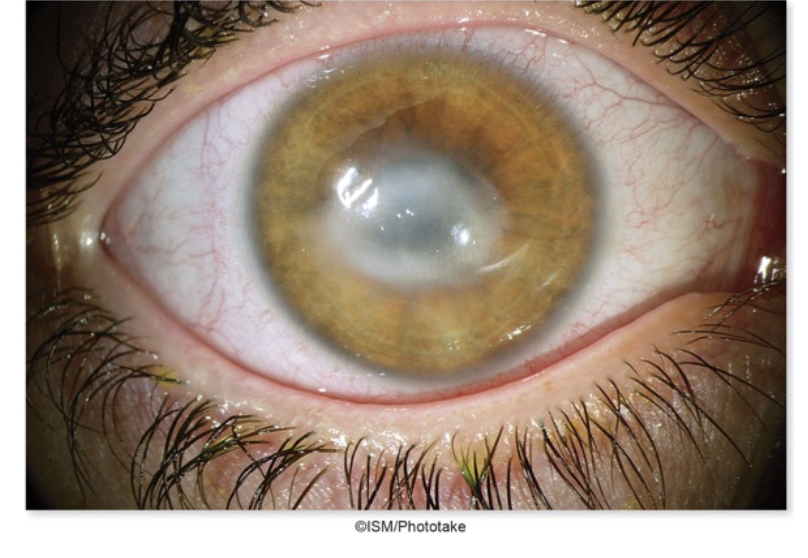
Keratitis
A serious infection that can lead to complete corneal destruction, caused by microorganisms, HSV-1, or Acanthamoeba.
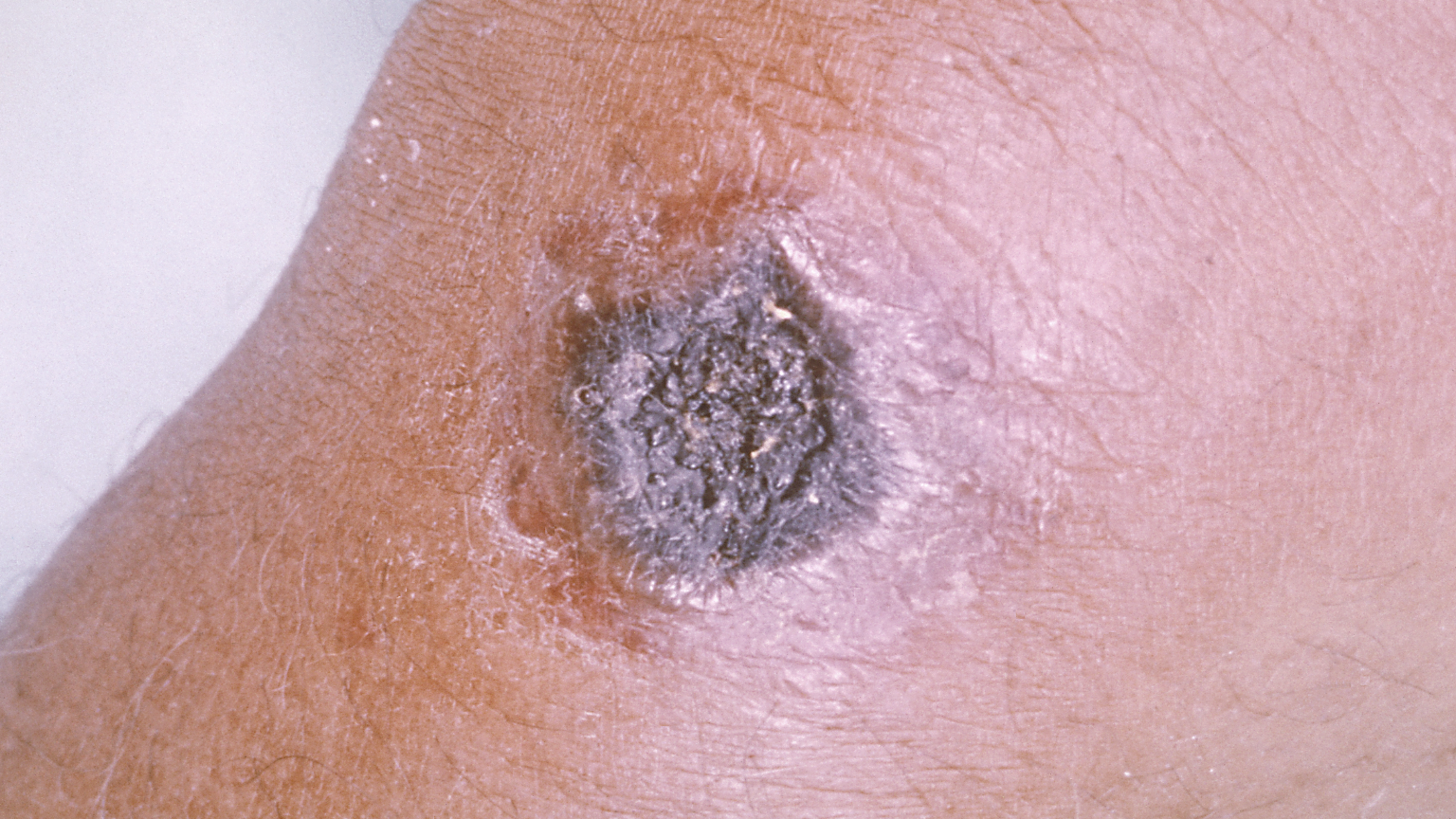
Cutaneous anthrax
The most common form of anthrax (95% of cases) involving B. anthracis spores entering a skin cut or scrape.
Cornea
The dome-shaped central portion of the eye with five to six layers of epithelial cells that regenerate quickly.
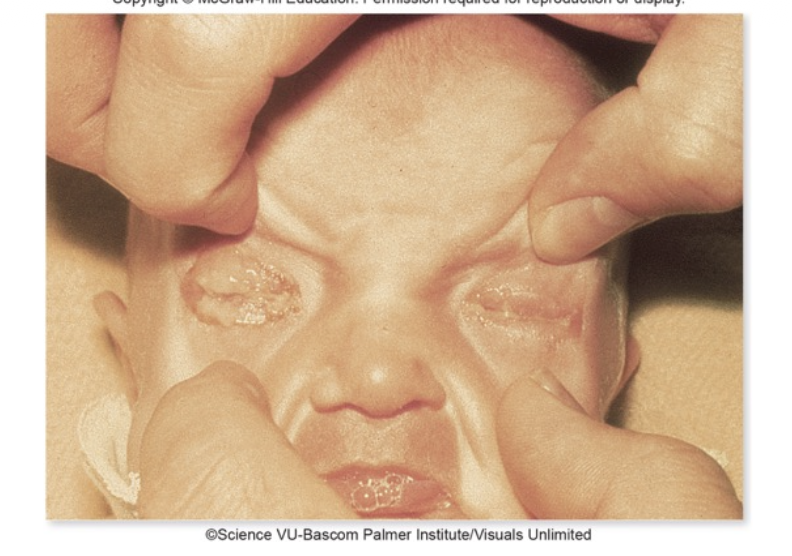
Conjunctivitis
Commonly known as "pink eye," this is inflammation of the conjunctiva caused by viruses, bacteria, or allergies.
River blindness
A chronic parasitic infection caused by the worm Onchocerca volvulus and transmitted by black flies.
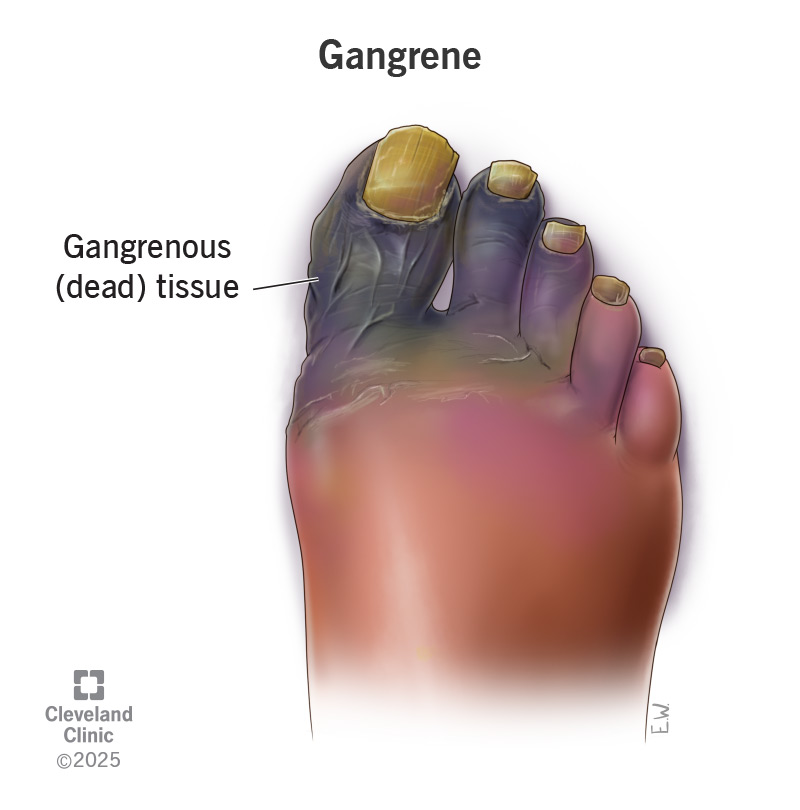
Gas gangrene
A life-threatening bacterial infection causing tissue death and gas buildup, commonly caused by Clostridium perfringens.
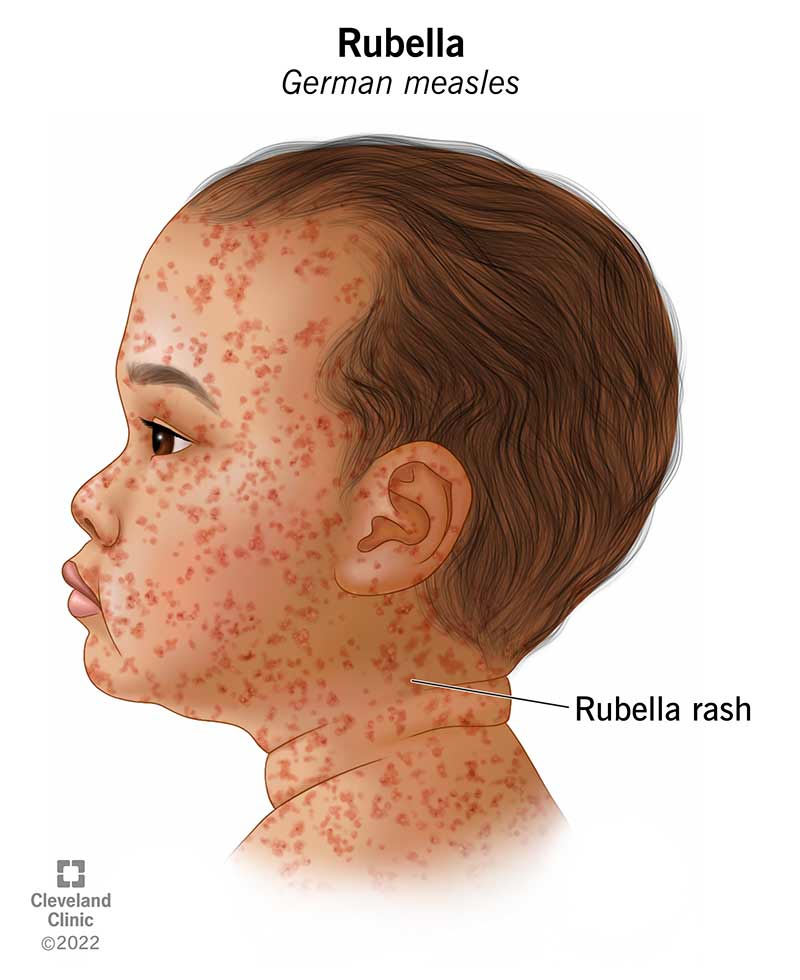
Rubella (German measles)
A contagious viral infection characterized by a mild, pink rash, but posing severe risks via congenital rubella syndrome.
California Encephalitis
An arboviral encephalitis including the LaCrosse strain that is usually mild in children.
St. Louis Encephalitis
An encephalitis virus common in the Americas with many asymptomatic cases.
West Nile Encephalitis
An arboviral disease relative to SLE virus that emerged in the US in 1999.
Herpes Simplex Virus (HSV)
Commonly HSV-I; can cause keratitis or a reactivation of dormant virus from the trigeminal ganglion.
JC Virus
Causes Progressive Multifocal Leukoencephalopathy in immunocompromised patients by attacking accessory brain cells.
Toxoplasma gondii
A flagellated parasite with felines as the primary reservoir; cause of chronic encephalitis in immunocompromised patients.
Prions
Proteinaceous infectious particles with no genetic material that cause plaques and spongiform damage like CJD.
Rabies
A fatal, viral zoonotic encephalitis causing fever, agitation, and paralysis transmitted via bites from wild mammals.
Furious rabies
A rabies form marked by agitation, disorientation, seizures, twitching, and hydrophobia.
Dumb rabies
A rabies form marked by paralysis, disorientation, and stupor.
Polio (poliomyelitis)
An acute viral infection of the spinal cord causing neuromuscular destruction and potentially flaccid paralysis.
Flaccid paralysis
Loss of muscle tone and voluntary movement, resulting in limp, weak, and unmoveable limbs.
Bulbar poliomyelitis
A severe form of polio affecting the brainstem, damaging motor neurons that control breathing and swallowing.
Spastic paralysis
A state of persistent, uncontrollable muscle spasms and rigidity, characteristic of tetanus.
Tetanus
Neuromuscular disease caused by Clostridium tetani neurotoxin resulting in spastic paralysis.
Botulism
Intoxication caused by Clostridium botulinum neurotoxin blocking acetylcholine release, causing flaccid paralysis.
African sleeping sickness
A chronic parasitic infection caused by Trypanosoma brucei and transmitted by the tsetse fly.
Lumbar puncture
A diagnostic spinal tap used to collect cerebrospinal fluid from the lower lumbar spinal canal.
Meningitis
Inflammation of the meninges surrounding the brain and spinal cord, typically bacterial or viral.
Enterovirus
Small, non-enveloped RNA viruses that are the most common cause of viral (aseptic) meningitis.
Neonatal and infant meningitis
Meningitis in newborns most commonly caused by Group B strep, E. coli (K1 strain), or Cronobacter sakazakii.
Meningoencephalitis
Inflammation simultaneously affecting both the meninges and the brain tissue.
Acute encephalitis
Rapid onset of inflammation of the active brain parenchyma, almost always caused by a direct viral infection.
Arboviruses
Arthropod-borne viruses transmitted to humans by insect vectors that cause acute encephalitis.
Subacute encephalitis
Encephalitis developing slowly over weeks to months, caused by agents like Toxoplasma gondii or prions.
Neisseria meningitidis (Meningococcus)
Gram-negative diplococci responsible for 25% of meningitis cases; endotoxin can cause petechiae.
Cryptococcus neoformans
A fungus with a large capsule transmitted via bird droppings that causes chronic meningitis.