Exploration and Colonization Test Review Flashcards
 Call Kai
 Learn
Learn Practice Test
 Spaced Repetition
 Match
Match Flashcards
1/31

Earn XP
Description and Tags
Vocabulary flashcards covering major concepts, historical figures, colonial regions, forms of government, economic activities, and European interactions with Native Americans from the Exploration and Colonization Review.
Name | Mastery | Learn | Test | Matching | Spaced | Call with Kai | Chat |
|---|

32 Terms
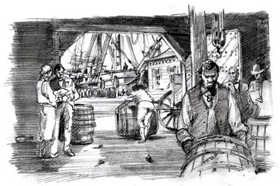
Indentured Servants
Colonists who agreed to work for free in exchange for passage to America

John Rolfe
Brought a new strand of tobacco to Virginia

John Winthrop
Created a “City on a Hill” of Puritans in Massachusetts.

Powhatan
Chief of Native American tribe, father of Pocahontas

Puritans
Moved from England to seek religious freedom; intolerant of (not okay with) other religions

Roger Williams
Kicked out of Massachusetts; ran to Rhode Island for religious freedom
William Penn
Quaker who founded Pennsylvania.

City on a Hill
A model city located on a hill, designed by John Winthrop
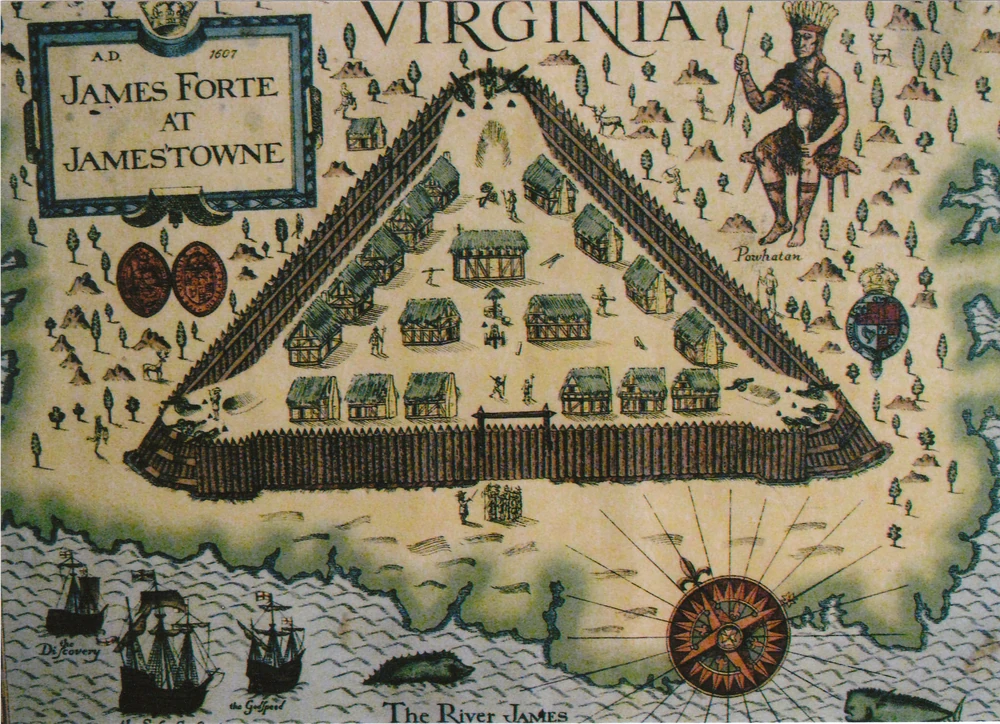
Jamestown
First permanent English settlement in North America: founded by John Smith.

Virginia House of Burgesses
First elected legislative body in the New World.

Mayflower Compact
Agreement written by Pilgrims to start a covenant community.

Cash-crop
Crops for sale: sold for profit ($) like tobacco


Cavaliers
English nobility who received large land grants (land grant = section of gifted land)

Middle Passage
Part of triangular trade route where slaves were traded: from Africa to America, across the Atlantic Ocean.
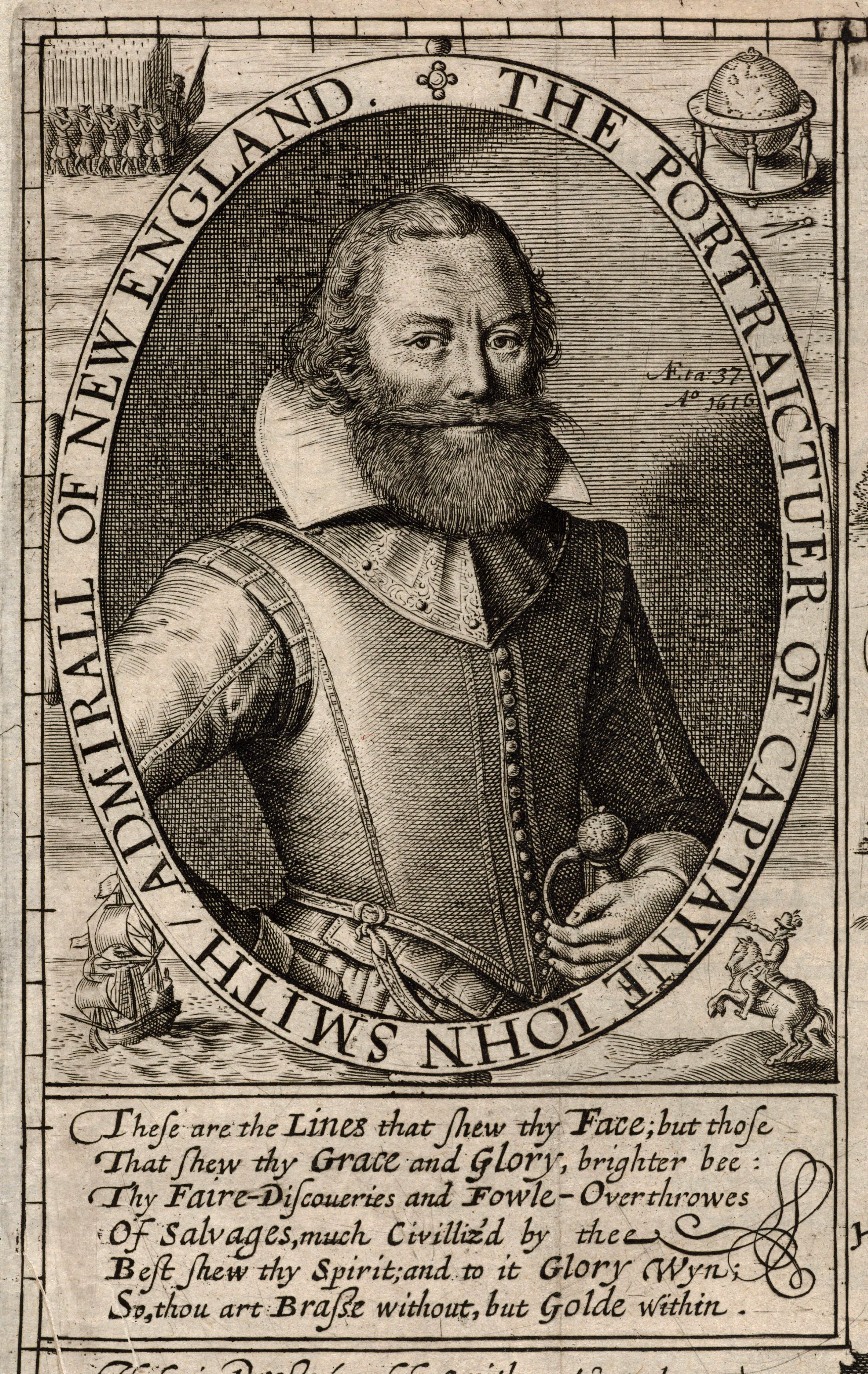
John Smith
Leader of Jamestown colony.

Jamestown Settlement Reasons
Gold + economic ($) opportunities

English Settlement Reasons
Economic ($) opportunity and/or religious freedom

French Settlement Reasons
Fur trade with Native Americans
Spanish Settlement Reasons
Gold, Glory and God
New England Settlement
Settled for religious freedom by Puritans
Southern Settlement
Settled for economic opportunity by English
Middle Settlement
Settled for economic opportunity and religious freedom by English, Dutch and German immigrants
French Relationship with Native Americans
Cooperative, worked together for the fur trade, inclusion (part of society), inter-married
Spanish Relationship with Native Americans
Enslaved Native Americans, killed some Natives, forced Natives to be slaves; gold, glory, God
English Relationship with Native Americans
Mostly ignored the Native Americans, though a few conflicts arose as the Native Americans retaliated against English taking their land and resource
Southern Colonies Economy
Plantation agriculture (Virginia, Maryland, Carolinas, Georgia)
Northern Colonies Economy
Ship building, trading (Connecticut, Massachusetts Bay, Rhode Island)
Southern Colonies Government
House of Burgesses, elected assemblies
Northern Colonies Government
Direct democracy, held town meetings, Mayflower Compact, covenant Communities
New England Society
Religion-based, very hard-working (NH, Mass, RI and CT)
Middle Society
Sustenance farming, a mixture of northern and southern (Penn NY, NJ and Delaware)
Southern Society
Economic based (MD, VA, NC, SC, GA)