ARTH 111 Exam 1 Image ID Review
 Call Kai
 Learn
Learn Practice Test
 Spaced Repetition
 Match
Match Flashcards
 Knowt Play
1/45

Earn XP
Description and Tags
Vocabulary flashcards covering 46 art historical monuments, sculptures, and works of architecture for ARTH 111 Exam 1 review.
Name | Mastery | Learn | Test | Matching | Spaced | Call with Kai | Chat |
|---|
No analytics yet
Send a link to your students to track their progress
46 Terms

Painting in the Maros-Pangkep Caves
Medium: Natural mineral pigment on limestone cave wall. Time Period: Upper Paleolithic, c. 37,000-34,000 BCE. Purpose: Likely ritual, symbolic, or storytelling imagery connected to animals, hunting, and community memory.
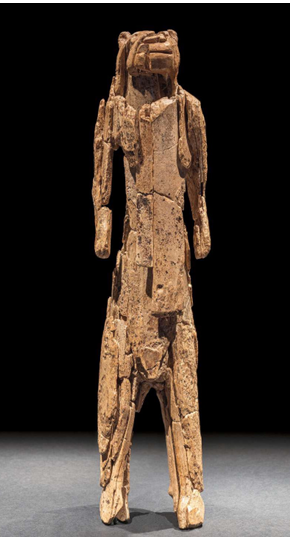
Lion-human figurine
Medium: Carved mammoth ivory. Time Period: Upper Paleolithic, c. 40,000-35,000 BCE. Purpose: A portable sacred or symbolic figure, possibly expressing supernatural beliefs or shamanic transformation.
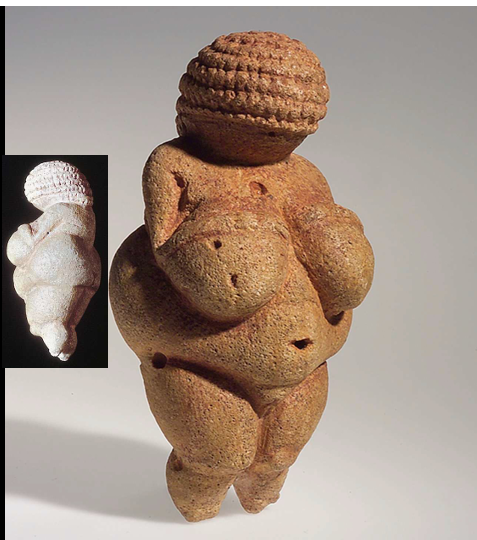
Woman of Willendorf
Medium: Oolitic limestone with traces of red ochre. Time Period: Upper Paleolithic, c. 24,000-22,000 BCE. Purpose: Probably a fertility, health, survival, or identity symbol; its exact meaning is unknown.

Stonehenge
Medium: Sarsen stone and bluestone megaliths. Time Period: Neolithic to Bronze Age Britain, 2900-1500 BCE. Purpose: A ceremonial and burial complex aligned with solar events, likely used for communal ritual.
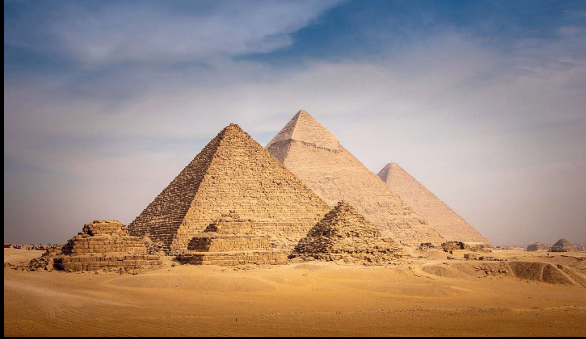
Pyramids on the Giza Plateau
Medium: Cut limestone masonry with granite interior elements. Time Period: Egyptian Old Kingdom, Fourth Dynasty, 2589-2503 BCE. Purpose: Royal tombs that protected pharaohs' bodies and supported their journey into the afterlife.
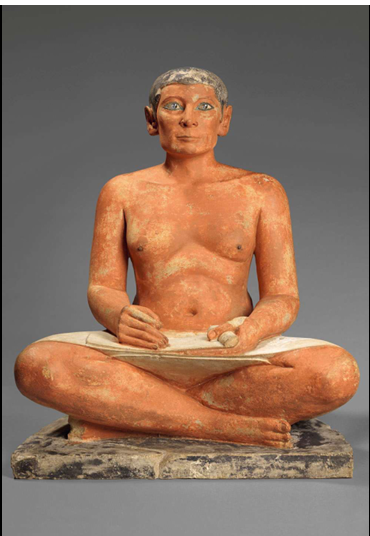
Seated Statue of a Scribe
Medium: Painted limestone; rock-crystal and magnesite eyes mounted in copper. Time Period: Egyptian Old Kingdom, Fifth Dynasty, c. 2494-2345 BCE. Purpose: A tomb statue preserving the identity and respected administrative role of a literate official.

Bust of Nefertiti
Medium: Painted limestone core with gypsum plaster layers. Time Period: Egyptian New Kingdom, Amarna Period, Eighteenth Dynasty, 1352-1336 BCE. Purpose: Likely a sculptor's model and an idealized royal image emphasizing the queen's status and beauty.
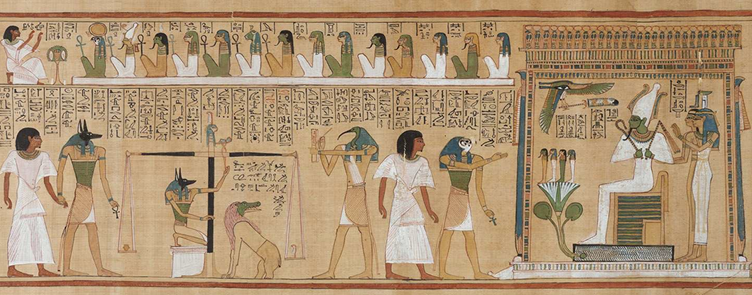
Last Judgment before Osiris, Book of the Dead
Medium: Painted papyrus. Time Period: Egyptian New Kingdom, c. 1275 BCE. Purpose: A funerary guide showing judgment of the deceased and helping secure a successful afterlife.

Uruk Vase
Medium: Carved alabaster with low-relief registers. Time Period: Sumerian, Uruk Period, c. 3200 BCE. Purpose: A ritual vessel presenting offerings to the goddess Inanna and expressing social and cosmic order.

Votive Figures from the Temple of Abu
Medium: Gypsum, limestone, and alabaster; inlaid shell, black limestone, and lapis lazuli. Time Period: Sumerian Early Dynastic, 2750-2600 BCE. Purpose: Temple offerings that represented worshippers in continuous prayer before the deity.

Colossus Winged Lion (Lamassu)
Medium: Carved gypsum. Time Period: Neo-Assyrian, c. 879 BCE. Purpose: A supernatural guardian placed at a palace portal to protect the king and intimidate visitors.

Ishtar Gate of Babylon
Medium: Glazed decorative brick over masonry. Time Period: Neo-Babylonian, 605-562 BCE. Purpose: A monumental ceremonial entrance honoring Ishtar and displaying Babylon's wealth and royal power.

Fire-flame Cooking Vessel
Medium: Terra-cotta. Time Period: Middle Jomon Period, c. 2500 BCE. Purpose: A functional cooking/storage vessel whose dramatic design also conveyed communal identity and display.
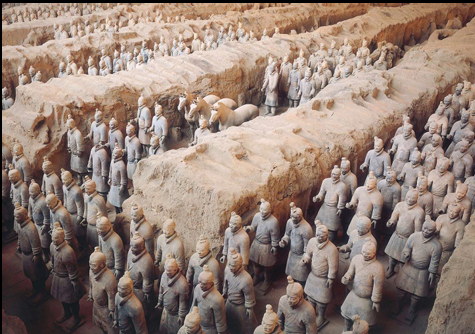
Terra-cotta Army
Medium: Life-size painted terra-cotta. Time Period: Qin Dynasty, c. 210 BCE. Purpose: A funerary army made to guard and serve the First Emperor of Qin in the afterlife.
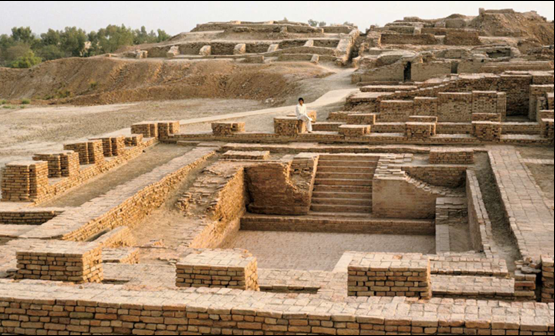
The Great Bath
Medium: Baked brick, gypsum mortar, and bitumen waterproofing. Time Period: Indus Civilization, c. 2600-1900 BCE. Purpose: Probably used for communal or ritual bathing and purification.

Female Figurine from Mohenjo Daro
Medium: Cast bronze. Time Period: Indus Civilization, c. 2600-1900 BCE. Purpose: A small elite or personal figure, perhaps for display, identity, ritual, or entertainment; exact use is unknown.

Figure of a Woman
Medium: Carved marble. Time Period: Early Cycladic, c. 2600-2300 BCE. Purpose: A grave offering, possibly representing a deity, ancestor, mourner, or companion for the deceased.

Palace at Knossos (Reconstruction)
Medium: Stone-and-timber palace architecture with plastered and frescoed walls. Time Period: Minoan New Palace Period, c. 1400 BCE. Purpose: A political, administrative, economic, religious, and residential center.
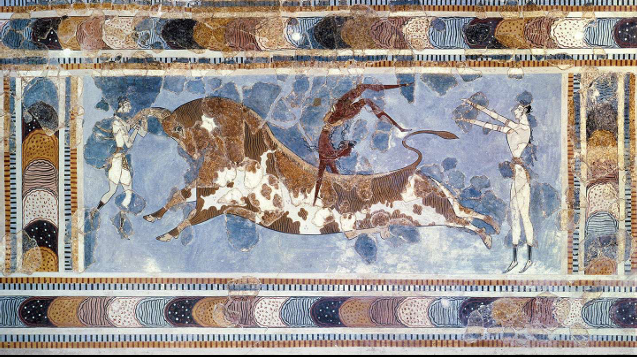
Toreador Fresco from Knossos
Medium: Fresco: pigment on wet plaster. Time Period: Minoan New Palace Period, c. 1400 BCE. Purpose: Palace decoration depicting bull-leaping, likely tied to ceremony, status, and Minoan identity.
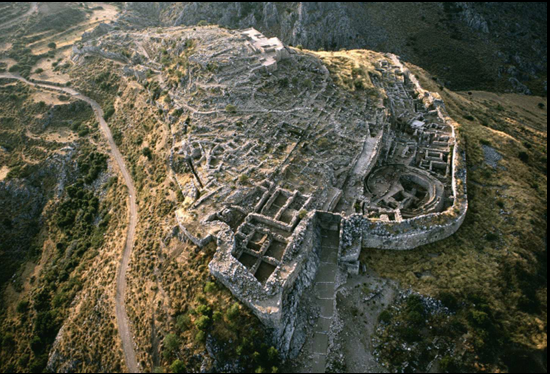
Aerial View of the Citadel of Mycenae
Medium: Massive limestone Cyclopean masonry. Time Period: Mycenaean, c. 1250 BCE. Purpose: A fortified royal and administrative center designed for defense and elite power.
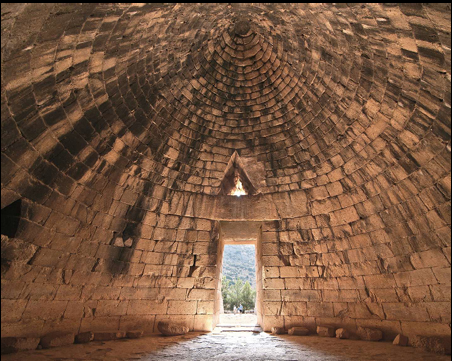
Interior of the Treasury of Atreus Tholos Tomb
Medium: Cut-stone masonry with corbeled vault. Time Period: Mycenaean, c. 1300-1250 BCE. Purpose: A monumental elite tomb demonstrating wealth, engineering skill, and reverence for the dead.

Gold Death Mask ("Mask of Agamemnon")
Medium: Hammered gold sheet. Time Period: Mycenaean, c. 1550-1500 BCE. Purpose: A funerary mask placed over an elite male's face to honor and identify the deceased.
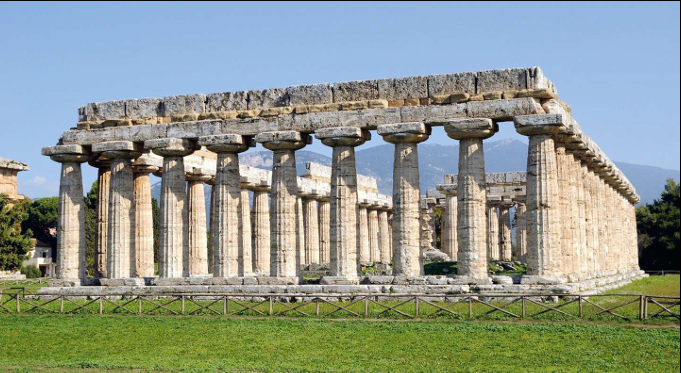
Temple of Hera I
Medium: Limestone covered in plaster. Time Period: Greek Archaic, c. 550 BCE. Purpose: A Doric temple built for worship, offerings, and ritual honoring Hera.

Peplos Kore
Medium: Marble with traces of original paint. Time Period: Greek Archaic, c. 530 BCE. Purpose: A votive offering on the Athenian Acropolis, probably representing a young woman or goddess.

Niobid Krater
Medium: Athenian red-figure ceramic. Time Period: Greek Early Classical, c. 450 BCE. Purpose: A mixing vessel for wine and water at a symposium, decorated with mythological narratives.

Zeus in Warrior Pose
Medium: Hollow-cast bronze (lost-wax technique). Time Period: Greek Early Classical, c. 460-450 BCE. Purpose: A large public or sanctuary image of a god, likely a votive dedication displaying divine power.

Iktinos and Kallikrates, Parthenon
Medium: Pentelic marble post-and-lintel architecture. Time Period: Greek High Classical, 447-432 BCE. Purpose: A temple honoring Athena Parthenos and proclaiming Athenian religious, civic, and imperial power.
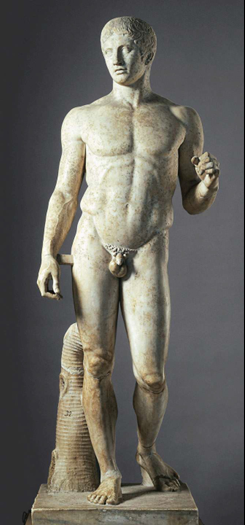
Polykleitos, Doryphoros (Spear Bearer)
Medium: Roman marble copy of a Greek bronze original. Time Period: Greek High Classical original, c. 450-440 BCE; Roman copy. Purpose: Demonstrated Polykleitos's Canon of ideal human proportions, balance, and contrapposto.

Funerary Mantle with Embroidered Decoration
Medium: Woven and embroidered camelid-fiber cloth. Time Period: Paracas, 1st century CE. Purpose: Wrapped an elite mummy bundle, signaling identity, status, and beliefs about death and regeneration.
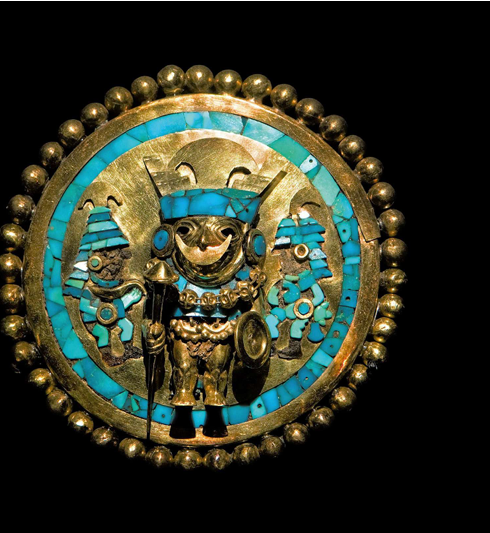
Ear Ornament from the Sipan Tombs
Medium: Gold and turquoise. Time Period: Moche, c. 300 CE. Purpose: Elite funerary jewelry marking the ruler's wealth, sacred authority, and social rank.
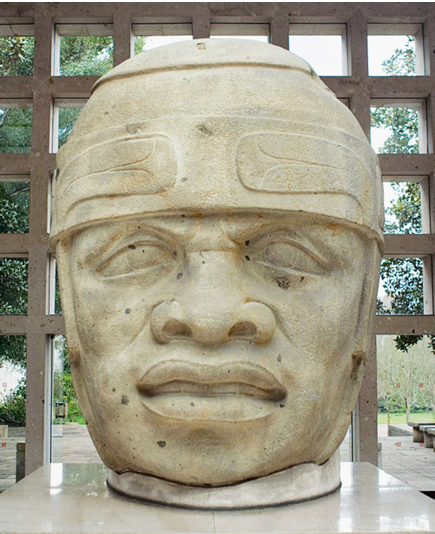
Colossal Head (Head 8)
Medium: Carved basalt. Time Period: Olmec, c. 1200-900 BCE. Purpose: A monumental portrait of a ruler that asserted political authority and commemorated leadership.

Maize God, North Wall Fresco
Medium: Fresco/mural painting; slide shows a reconstruction painting. Time Period: Early Maya, c. 100 BCE. Purpose: Narrated the Maize God's sacred story and linked agricultural renewal to ritual and rulership.

Winged Victory (Nike) of Samothrace
Medium: Parian marble statue on gray Rhodian marble base. Time Period: Greek Hellenistic, 220-150 BCE. Purpose: A sanctuary monument commemorating a naval victory and honoring the goddess Nike.

Temple of Minerva (Reconstruction)
Medium: Wood, mud brick, and terra-cotta. Time Period: Etruscan, c. 510 BCE. Purpose: A temple for worship and offerings to a deity; its high podium and frontal plan directed ritual approach.
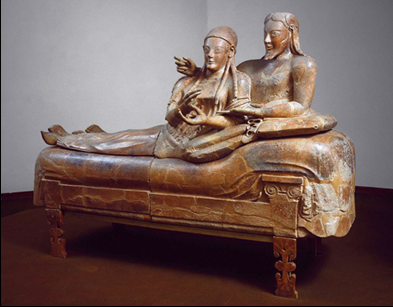
Sarcophagus of the Spouses
Medium: Painted terra-cotta. Time Period: Etruscan Archaic, c. 520 BCE. Purpose: A funerary container celebrating the deceased couple, their status, and the Etruscan banquet tradition.

Bacchanalian Mystery Rites
Medium: Second Style fresco mural. Time Period: Roman Republican, 1st century BCE. Purpose: Decorated a villa room and probably depicts initiation into the mystery cult of Dionysus/Bacchus.

Augustus as Imperator (Prima Porta)
Medium: Marble, originally painted; likely copied from bronze. Time Period: Early Roman Empire, early 1st century CE. Purpose: Imperial propaganda presenting Augustus as military victor, divinely favored ruler, and bringer of peace.

Pont-du-Gard
Medium: Precisely cut stone blocks in stacked Roman arches. Time Period: Early Roman Empire, 1st century CE. Purpose: An aqueduct bridge carrying water toward Nimes and demonstrating Roman engineering and civic provision.
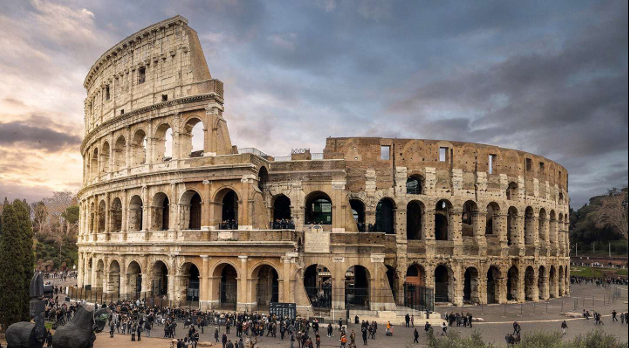
Exterior of the Colosseum
Medium: Tufa and concrete faced with travertine. Time Period: Flavian Roman Empire, c. 70-80 CE. Purpose: A public amphitheater for spectacles that entertained the populace and advertised imperial generosity and power.

Interior of the Pantheon
Medium: Roman concrete, brick, granite columns, and marble veneer. Time Period: High Roman Empire, c. 110-128 CE. Purpose: A temple honoring the gods and expressing the emperor's cosmic authority through its domed interior.

Portraits of the Tetrarchs
Medium: Carved porphyry. Time Period: Late Roman Empire, c. 305 CE. Purpose: Imperial propaganda stressing unity, shared authority, military strength, and stability under the Tetrarchy.

Colossal Head of Constantine
Medium: Marble; fragment of an over-30-foot acrolithic statue. Time Period: Late Roman Empire, c. 315-330 CE. Purpose: A colossal imperial portrait projecting Constantine's authority, presence, and elevated status in a civic basilica.
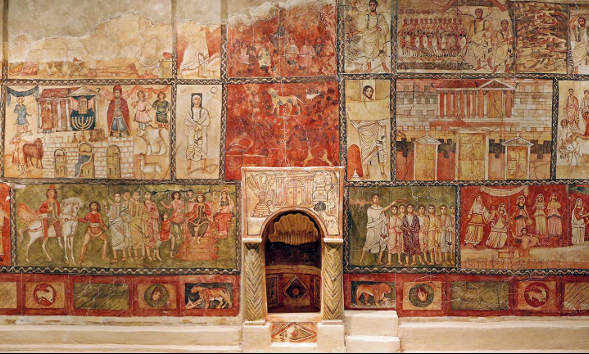
Consecration of the Tabernacle
Medium: Painted tempera on plaster. Time Period: Late Antique Jewish, c. 245 CE. Purpose: Synagogue decoration teaching sacred history and reinforcing Jewish communal and religious identity.

Christ and the Apostles, Santa Pudenziana
Medium: Glass and stone mosaic. Time Period: Early Christian, c. 400 CE. Purpose: An apse image presenting Christ as heavenly ruler and affirming church authority and Christian salvation.

Sarcophagus of Junius Bassus
Medium: Carved marble relief. Time Period: Early Christian, c. 359 CE. Purpose: An elite Christian burial container using biblical scenes to express faith in salvation and resurrection.

Church of Santa Sabina, Interior
Medium: Brick basilica with timber roof, marble columns, and clerestory windows. Time Period: Early Christian, c. 422-432 CE. Purpose: A congregational church organized for Christian worship, procession, scripture, and the Eucharist.