Lesson 3: Respiratory System & Special Senses
 Call Kai
 Learn
Learn Practice Test
 Spaced Repetition
 Match
Match Flashcards
 Knowt Play
1/74

There's no tags or description
Looks like no tags are added yet.
Name | Mastery | Learn | Test | Matching | Spaced | Call with Kai | Chat |
|---|
No analytics yet
Send a link to your students to track their progress
75 Terms
Olfactory
Smell
Gustatory
Taste
Optic
Eyes
Otic
Ears
Lacrimal
Tears
Bleph
Eyelids
Presby
Related to aging
Organs of the Respiratory System
Nose
Pharynx
Larynx
Trachea
Bronchial Tree
Lungs
Nose
Made of bones, cartilage, and skin
Contains small hairs, cilia, to prevent particles from entering
Pharynx
Back of throat
Shared with the digestive system
During respiration, air enter through the nose and mouth into the pharynx.
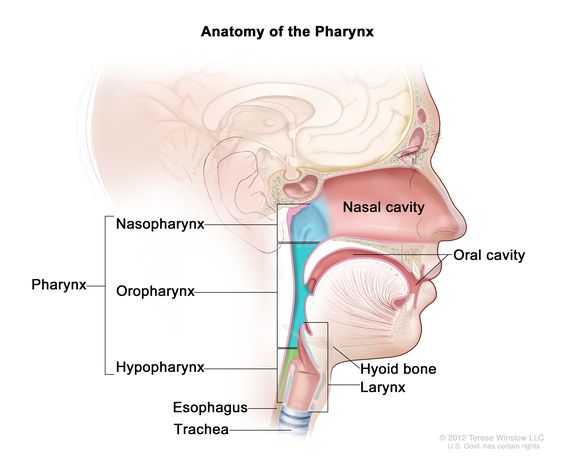
Larynx
Produces voice (voice box)
Epiglottis is located here
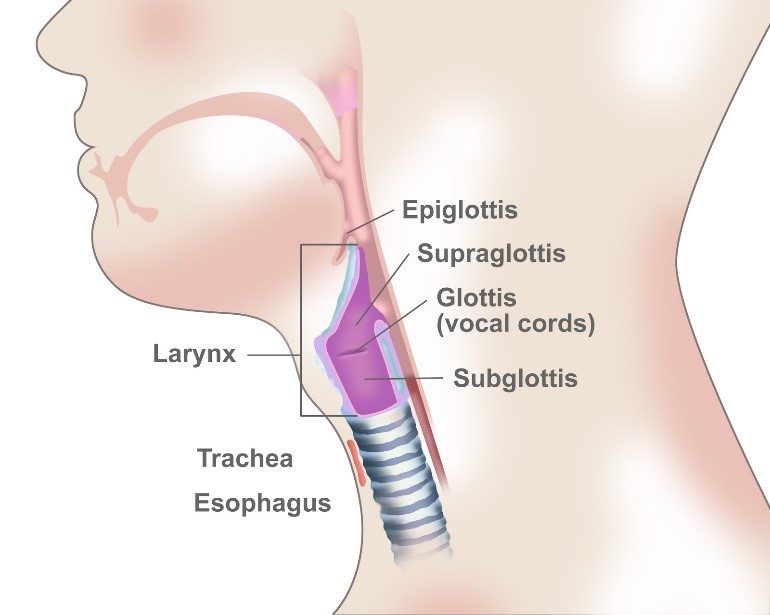
Epiglottis
Flap that diverts throat contents to the trachea or esophagus

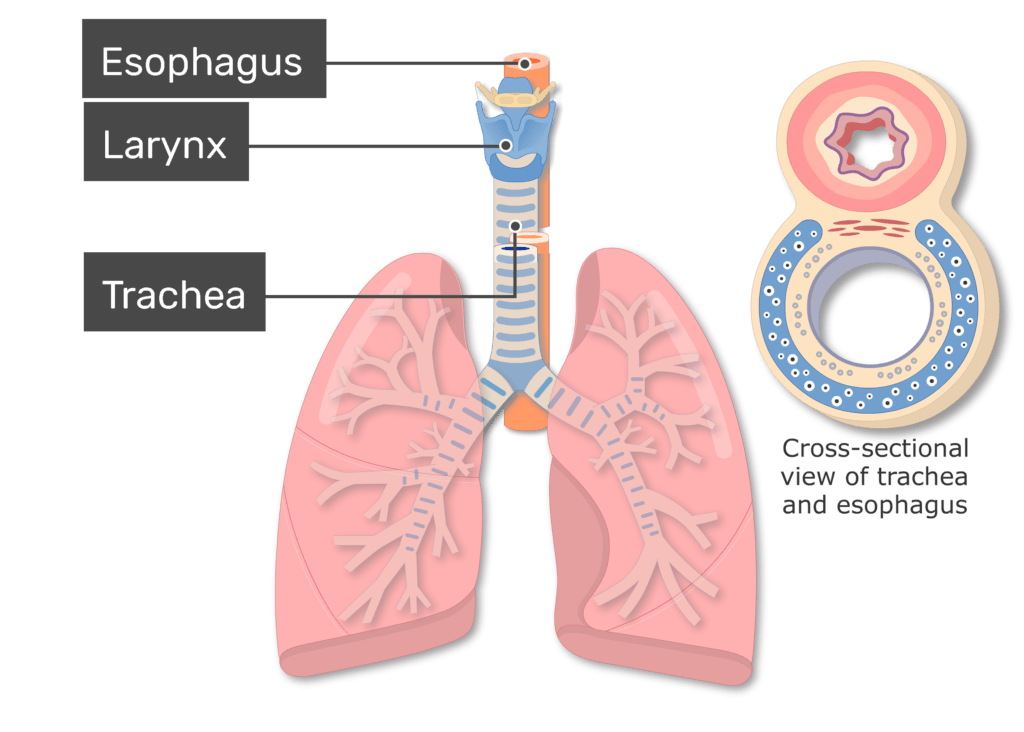
Trachea
Main airway that extends from larynx and branches into bronchi.
Lined with cilia
Windpipe
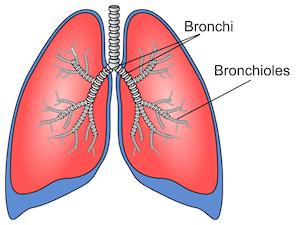
Lungs
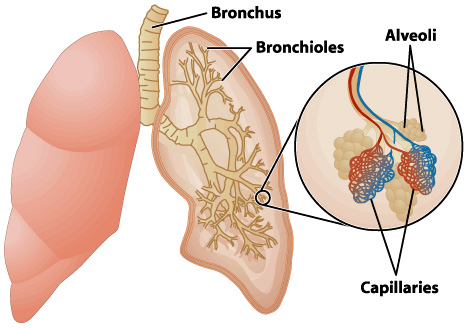
Contains bronchi, alveoli, and blood vessels.
Right lung is larger than left lung.
Pleura
Membrane that surrounds lungs.

Bronchi
Two large tubes that carry air from the windpipe to the lungs
Alveoli
“Air sacs'“ where oxygen and carbon dioxide exchange.
External Respiration
Exchange of oxygen within lungs.
Internal Respiration
Exchange of oxygen within hemoglobin of a RBC
Tidal Volume
Amount of air that moves in or out of the lungs during a normal breath.
Inspiratory Reserve Volume
Amount of air that can be forcefully inhaled following a normal inhalation.
Expiratory Reserve Volume
Amount of air that can be forcefully exhaled following a normal exhalation.
Residual Volume
Volume of air that always remains in the lungs even after a forceful exhalation
Vital Capacity
Amount of air that can be forcefully exhaled after the deepest inhalation possible
Total Lung Capacity
The total amount of air the lungs can hold.
Pulmonary Function Testing (PFT)
AKA Spirometry
Measures lung functions
Commonly used to diagnose asthma and chronic obstructive pulmonary disease (COPD)
Asthma
Inflammation in airways - wheezing, coughing, tightness in chest. Inhalers prescribed
Atelectasis
The collapse of part of all of a lung; caused by a blockage of the air passages. Caused by COPD, pleurisy, lung cancer.
Pleurisy
Inflammation of pluera.
Bronchitis
Inflammation of the bronchi often due to infection.
Symptoms: Yellow-gray or green mucus, fever, coughing.
Chronic Obstructive Pulmonary Disease (COPD)
A group of kung disorders that limits airflow to lungs and usually cause enlargement of the alveoli. Caused by smoking, and pollutants.
Emphysema
Damage to the alveoli from smoking. Most common type of COPD-associated with smoking.
Legionnaires Disease
From legionella bacteria found in contaminated water of air conditioning systems.
Influenza
A viral disease that attacks the respiratory system; commonly called the flu
Laryngitis
Acute inflammation of the larynx causing hoarseness (dysphonia)
Pneumonia
Infection of the lower lung caused by bacteria, virus, or parasite.
Pulmonary Edema
Fluid in the lungs
Pulmonary Embolism
A traveling clot that lodges in the blood vessel of the lungs.
Severe Acute Respiratory Syndrome (SARS)
Viral respiratory illness cause by coronoavirus
Tuberculosis
Lung infection caused by the bacterium Myobacterium tuberculosis. Often dormant for years.
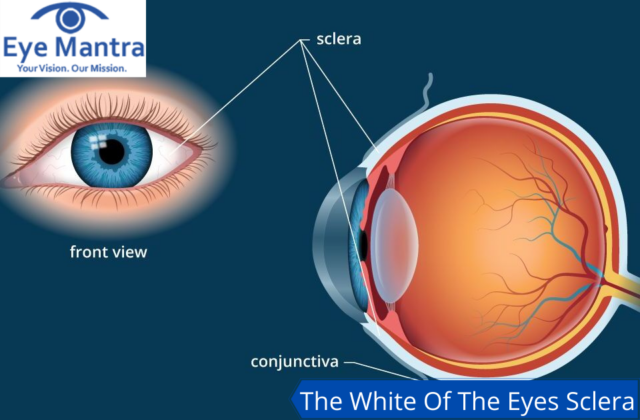
Sclera
White portion of the eye
Pupil
Center opening of the eye
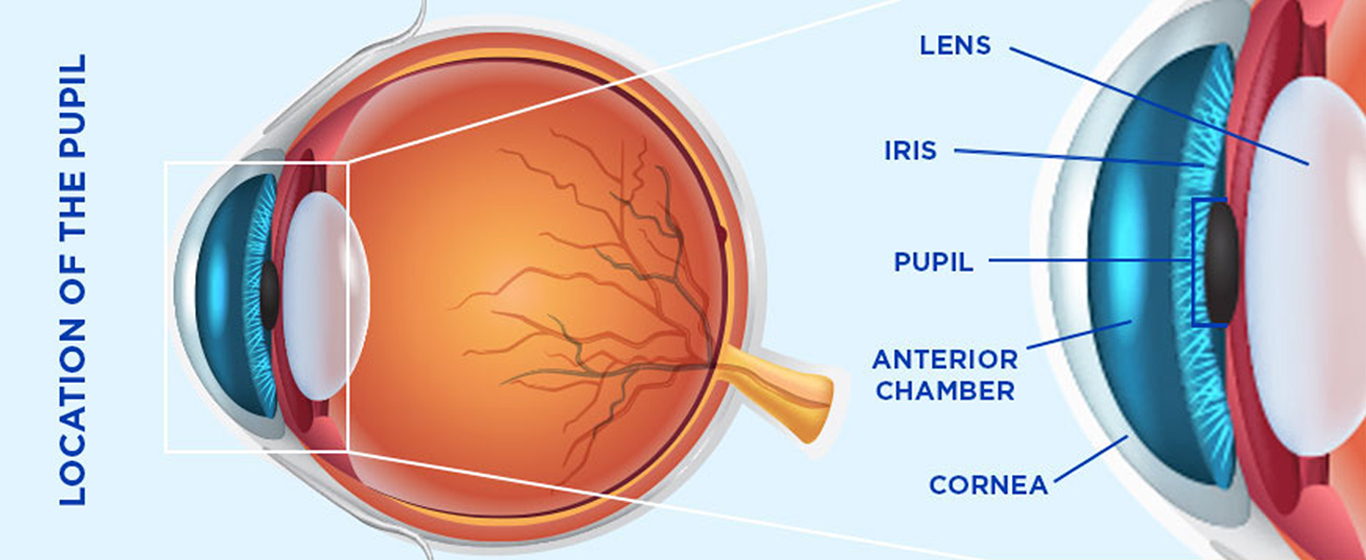
Cornea
Clear covering in the center of the eye

Iris
Colored portion of the eye

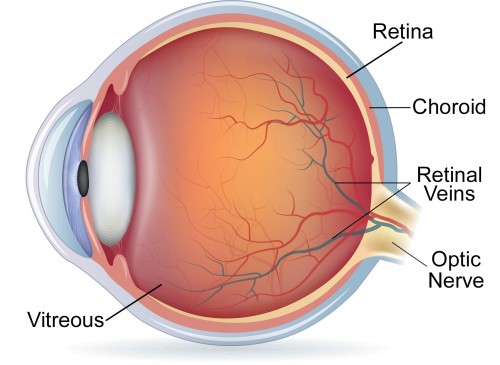
Retina
Captures vision input
Conjunctiva
Clear coating on the outside of the eye

Lens
Allows the eye to focus on objects at varying distances.
Changes shape and bends light to focus properly on the retina.

Accommodation
Ability of lens to change shape
Refraction
The bending of light that enters the eye to focus it on the retina; cornea preforms this function.
Astigmatism
Cornea or lens has abnormal shape
Myopia
Dysfunction of the lens. Nearsighted, cannot see far away.
Hyperopia
Dysfunction of the lens. Farsighted, cannot see close up.
Blepharitis
Inflammation of the eylid.
Conjunctivitis
AKA Pink Eye, caused by allergies, bacterial infection, or viral infection.
Pinna/Auricle
Outer Ear structure

Malleus, Incus, and Stapes
(Bones of the ear) Ossicles

Malleus

Incus

Stapes

Cochlea
Hearing receptor
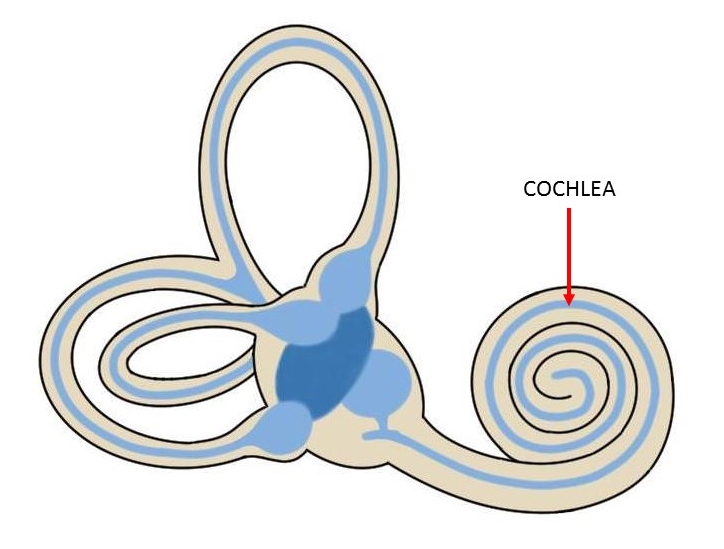
Labyrinth
Inner Ear
Organ of Corti
Organ of hearing
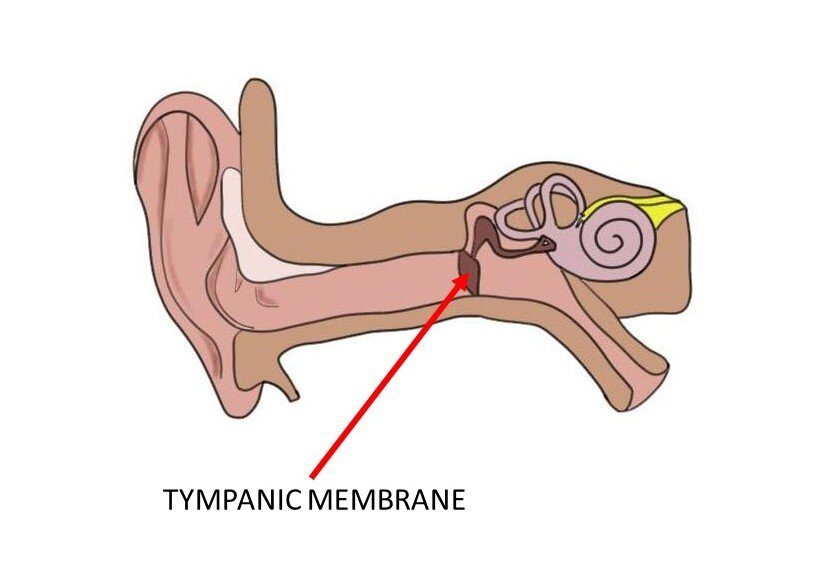
Tympanic Membrane (Eardrum)
Eardrum, sound waves cause it to vibrate.
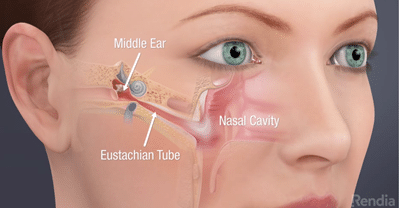
Eustachian Tube
Connects throat to middle ear
Deafness (Hearing loss)
The loss of the ability to hear sounds at normal levels
Conductive Deafness
Blockage of sound waves
Sensorineural Deafness
Damage to auditory nerve.
Cerumen (earwax) Impaction
Build up of wax within external auditory canal with some degree of hearing loss due to blocked sound waves.
Ménière’s Disease
Inner ear problem, unknown cause. Starts in people between ages 30 and 50 years old. Dizziness, ringing in the sear, and sensitivity to loud sounds.
Otosclerosis
Immobilization of the stapes due to scaring; common cause of conductive hearing loss.
Hardening of the middle ear bone.
Presbycusis
Hearing loss due to aging process
Otitis Externa
Outer ear infection (swimmers ear)
Otitis Media
Middle ear infection, usually requires antibiotics
Otitis Interna
Inner ear infection
Tinnitus
Ringing or other noises in one or both of your ears