Equity 1: Market Basics
 Call Kai
 Learn
Learn Practice Test
 Spaced Repetition
 Match
Match Flashcards
 Knowt Play
1/14

There's no tags or description
Looks like no tags are added yet.
Name | Mastery | Learn | Test | Matching | Spaced | Call with Kai | Chat |
|---|
No analytics yet
Send a link to your students to track their progress
15 Terms
A futures contract is a standardized forward contract guaranteed by a clearinghouse, which acts as buyer to every seller and seller to every buyer, removing counterparty risk and letting traders close out by trading with anyone (an offsetting position). Participants post initial margin at entry; margin accounts settle daily (losses deducted, gains credited), and if margin falls below the maintenance margin, the participant must post variation margin to top back up to the initial margin level, or the broker offsets their position. Futures are actively traded so liquid unlike private forward contracts which need both party agreement to trade leading to illiquidity.
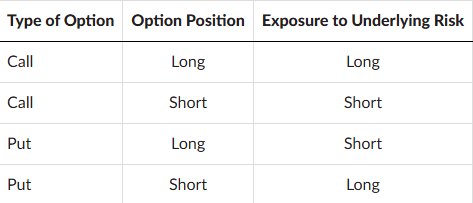
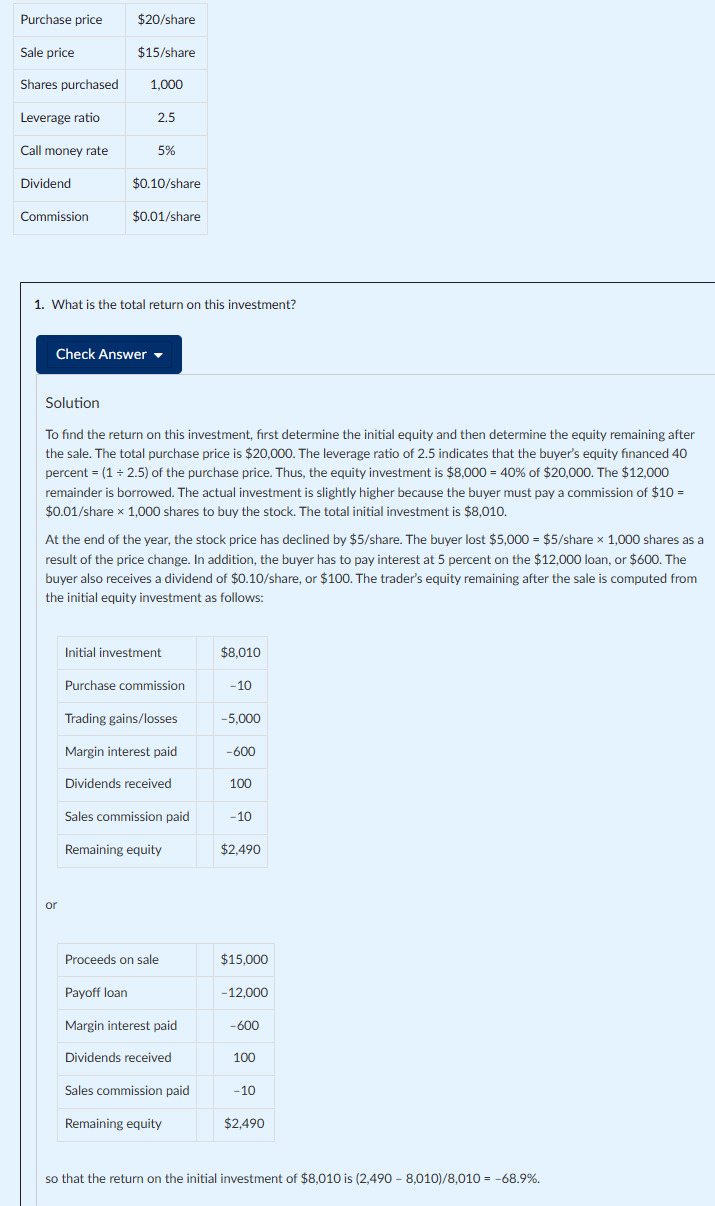
Total return on a margin (leveraged) transaction
Initial investment = (equity % of purchase price × total purchase price) + purchase commission, where equity % = 1 ÷ leverage ratio. Remaining equity = initial investment + trading gains/losses (price change × shares) − margin interest paid (loan amount × call money rate) + dividends/interest received − sale commission. Total return = (remaining equity − initial investment) ÷ initial investment. Equivalently, remaining equity can be found from: sale proceeds − loan payoff − margin interest paid + dividends received − sale commission.
Leverage Ratio
1/margin
New Leverage Ratio from a fall in share price
