APES Biomes
 Call Kai
 Learn
Learn Practice Test
 Spaced Repetition
 Match
Match Flashcards
 Knowt Play
1/8

There's no tags or description
Looks like no tags are added yet.
Name | Mastery | Learn | Test | Matching | Spaced | Call with Kai | Chat |
|---|
No analytics yet
Send a link to your students to track their progress
9 Terms
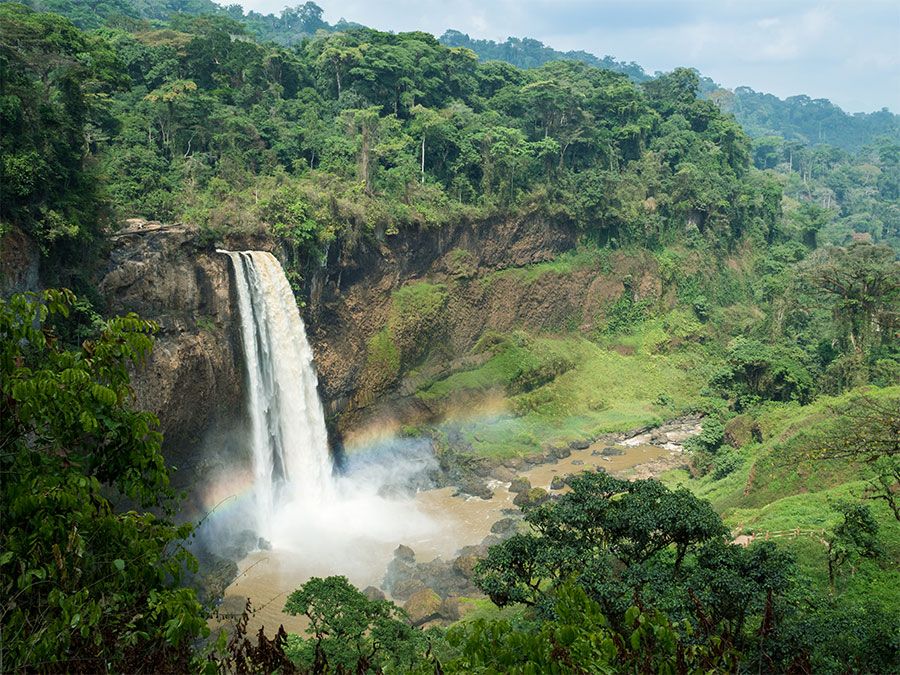
Tropical Rainforest
Located near the equator, tropical rainforests experience high annual rainfall (over 2000 mm) and warm temperatures year-round. Notable soils include highly weathered Oxisols. Distinguishing species include apes such as the Howler Monkey and Orangutan, which have adaptations like prehensile tails and strong limb muscles for climbing. Climographs show consistently high temperatures and precipitation.
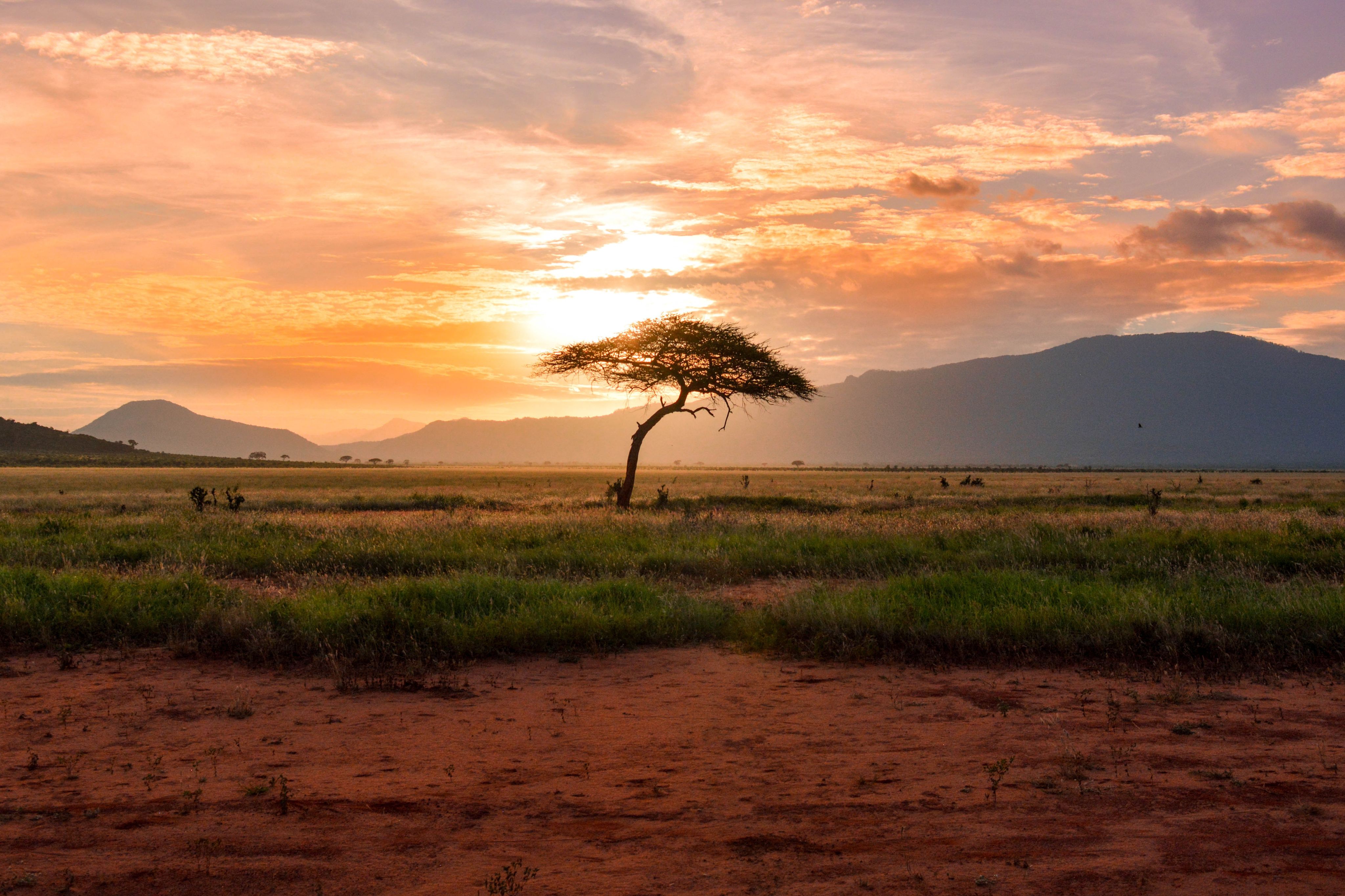
Savanna
Savannas lie near the equator but are characterized by seasonal rainfall (between 500-1500 mm per year) and warm temperatures. Soils are typically nutrient-rich but may have periods of drought. Notable species include the Bornean Orangutan, with adaptations like long arms for brachiation. Climographs indicate a clear wet and dry season with fluctuating temperatures.
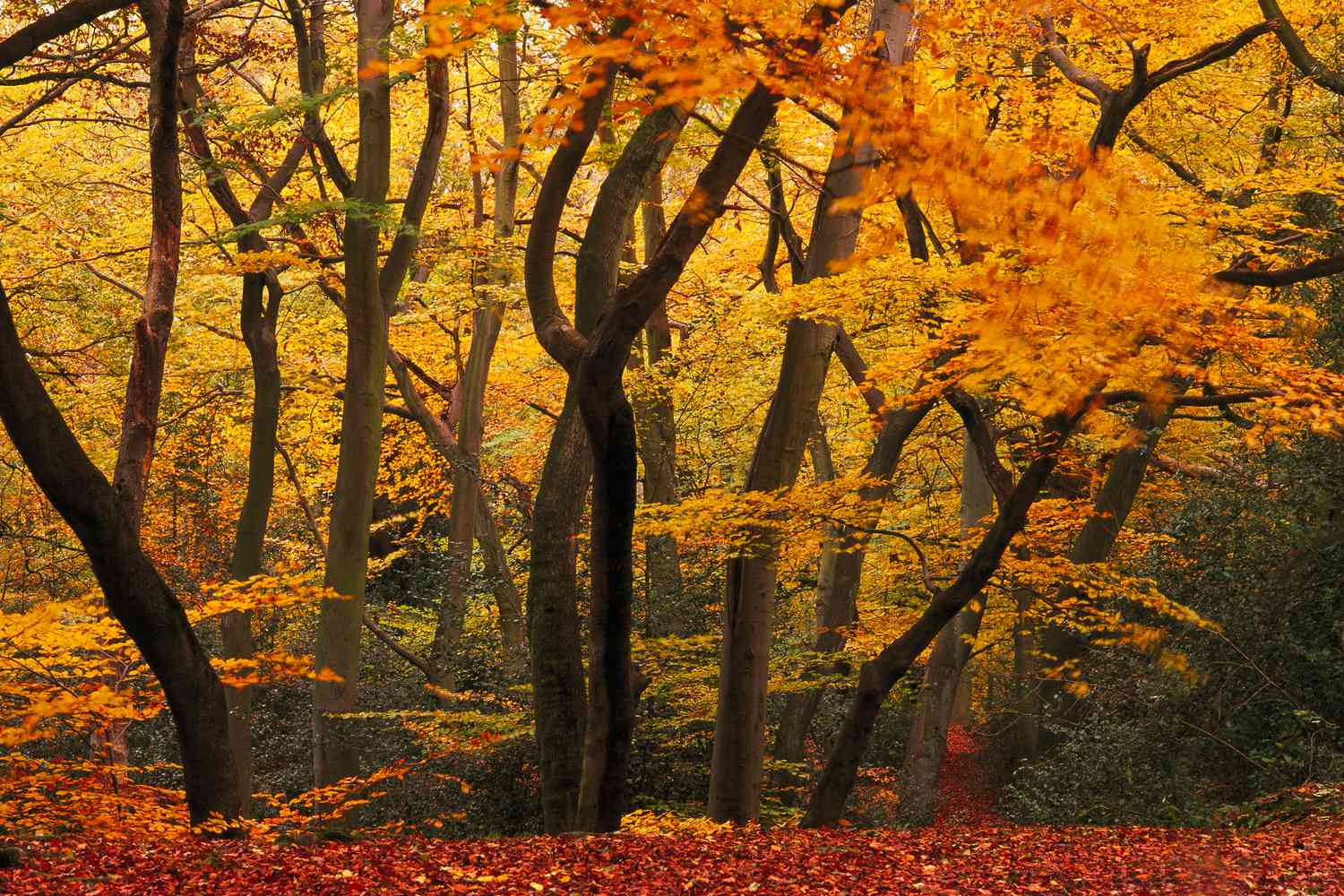
Temperate Forest
Located farther from the equator, temperate forests have distinct seasons with moderate rainfall (600-1500 mm annually). Soils are mostly fertile and rich in organic material. Notable inhabitants include humans and various monkeys; adaptations may include seasonal fur changes. Climographs present with cold winters and warm summers.
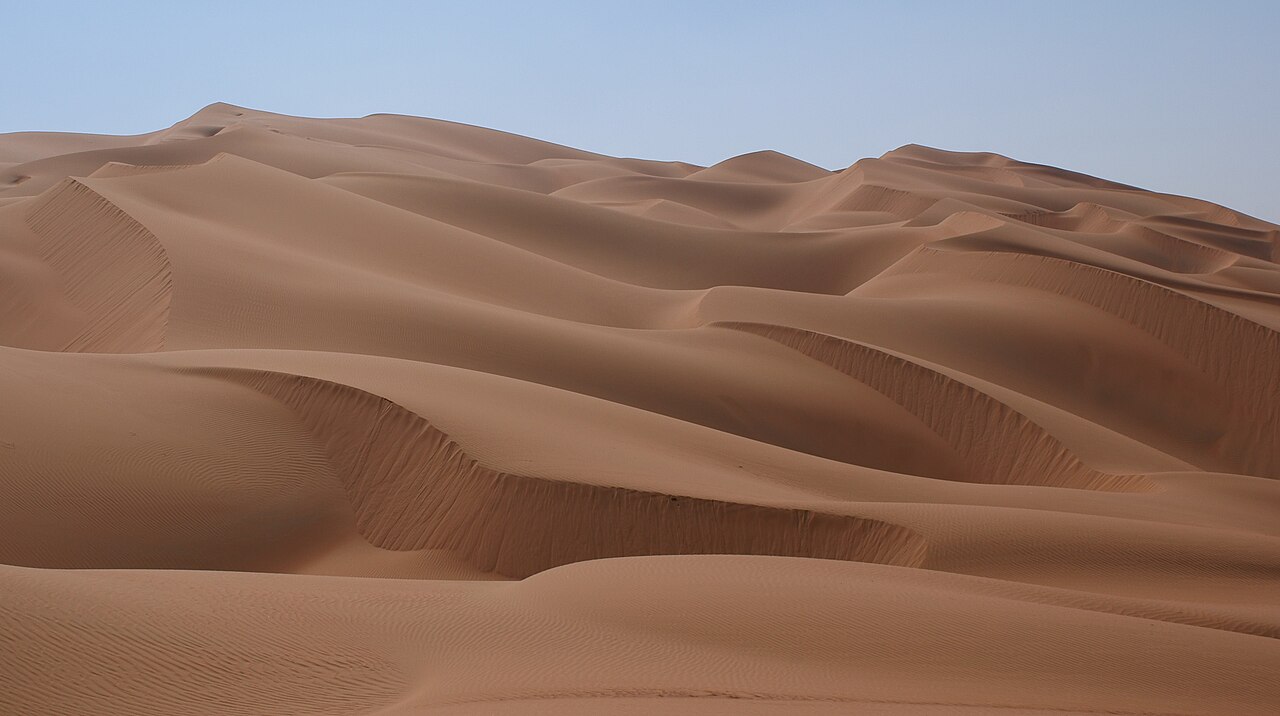
Desert
Deserts can be located at various latitudes, often in regions far from the equator, with low rainfall (less than 250 mm annually). Soils are typically sandy with low organic content. While not common, some primates, like the Barbary macaque, have adapted to desert environments with water conservation techniques. Climograph shows minimal rainfall.
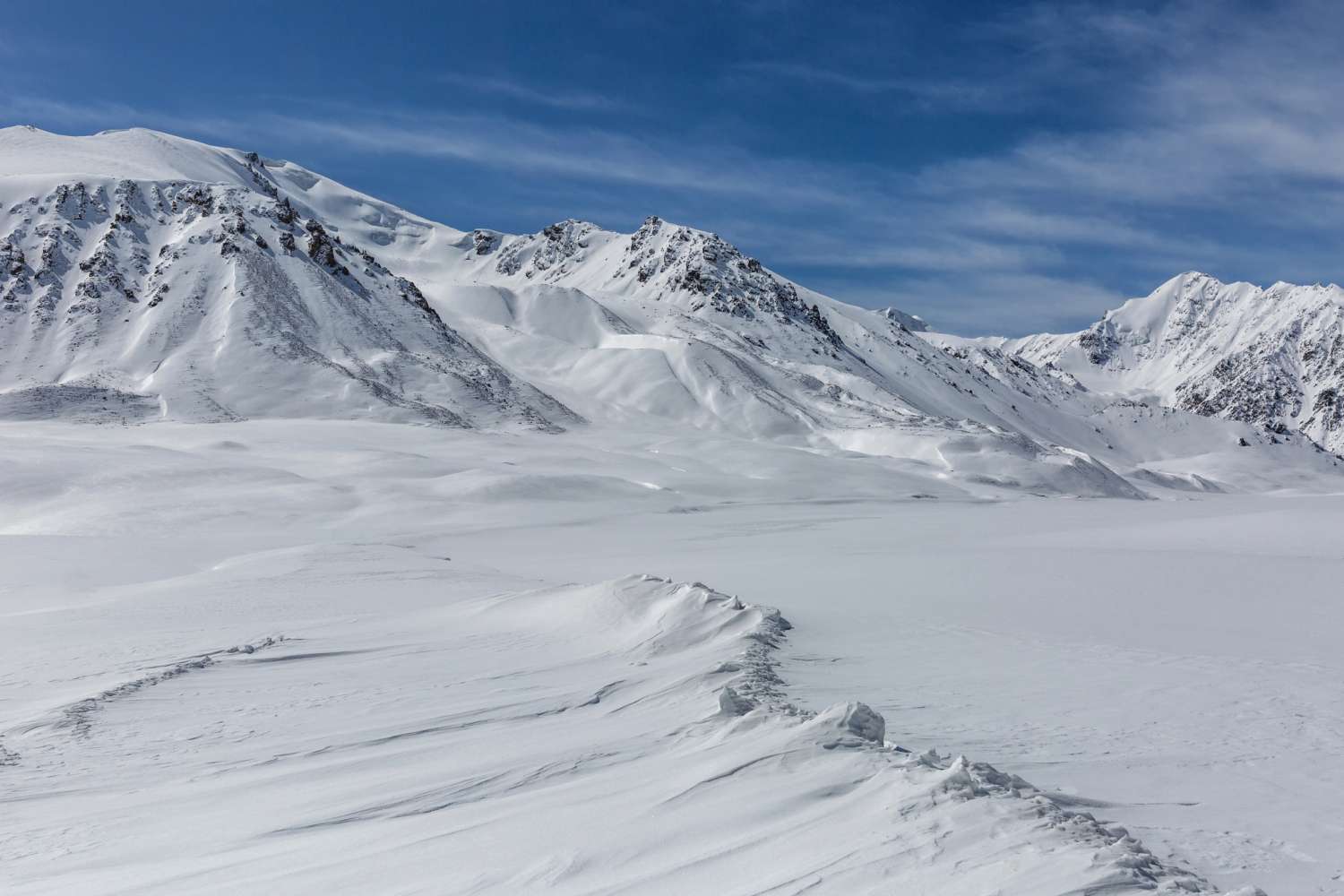
Tundra
Located at high latitudes, tundras have long, cold winters and short, cool summers with low precipitation (150-250 mm annually). The soil is usually permafrost with poor nutrient content. Adaptations of species include thick fur and fat layers for insulation, although apes are not typically found in tundra regions. Climographs reflect low temperatures and minimal precipitation.
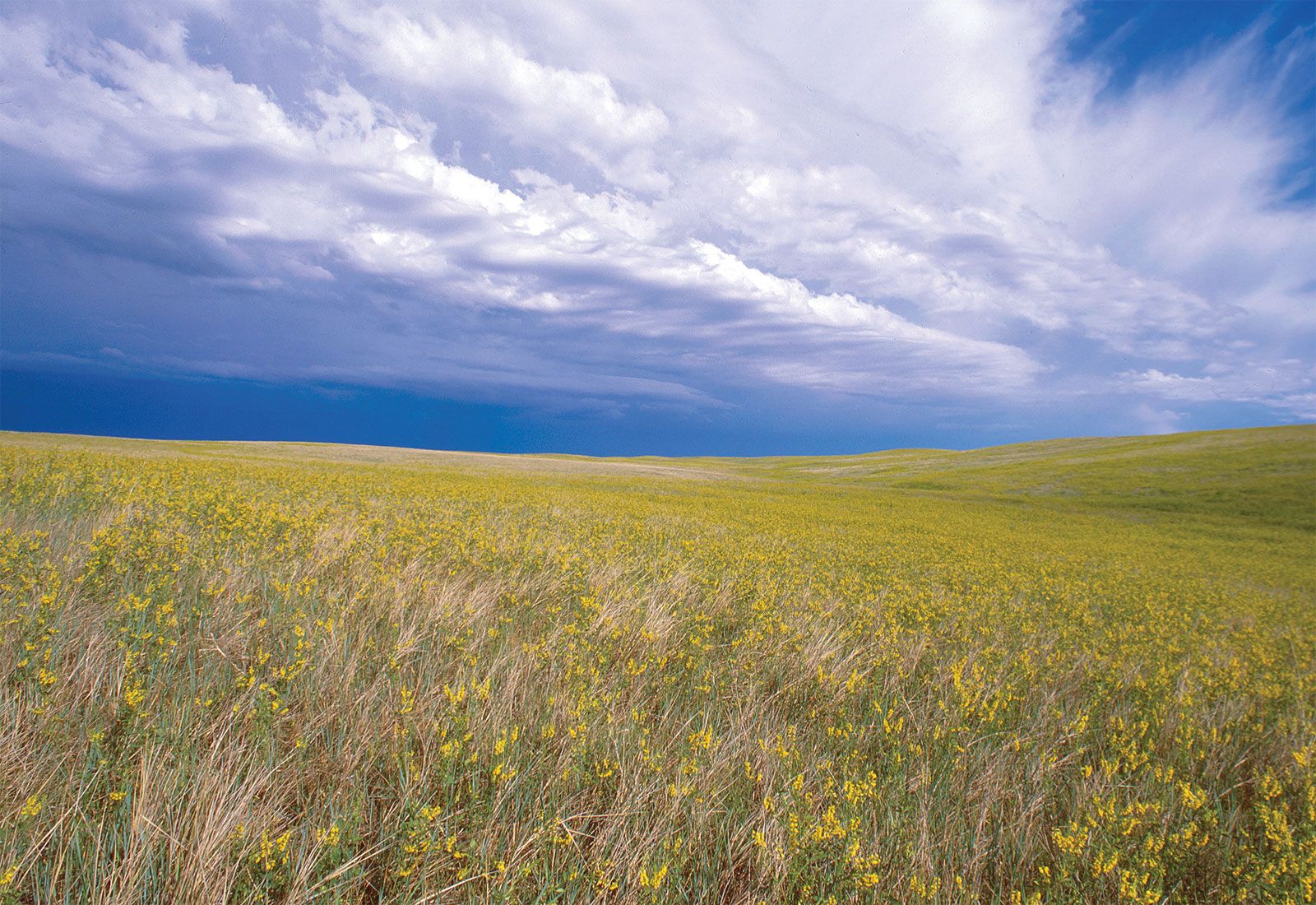
Grassland
Grasslands can be found in various regions, often transitioning between deserts and forests, with moderate to low rainfall (300-1000 mm annually). Soils are usually fertile and support a diverse range of species. Although not typical for apes, some such as the Vervet Monkey adapt to grassland environments. Climographs exhibit seasonal rainfall patterns.
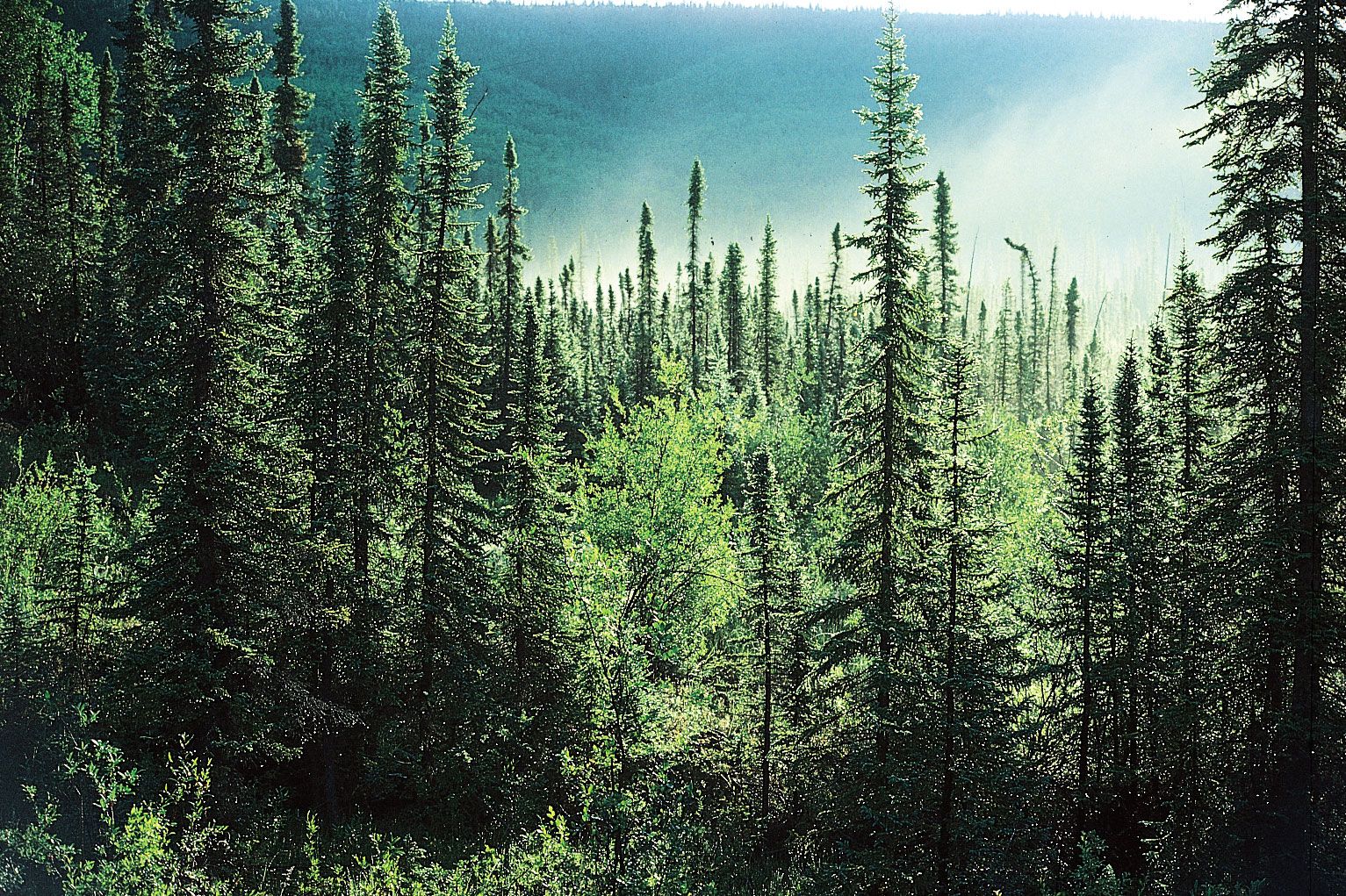
Boreal Forest
Located in the northern hemisphere, boreal forests are characterized by long, cold winters and short, cool summers with moderate rainfall (400-1000 mm annually). Soils tend to be acidic and nutrient-poor. Notable species include the Black-Capped Chickadee, with adaptations like thicck plumage for insulation. Climographs display significant temperature variation between seasons.
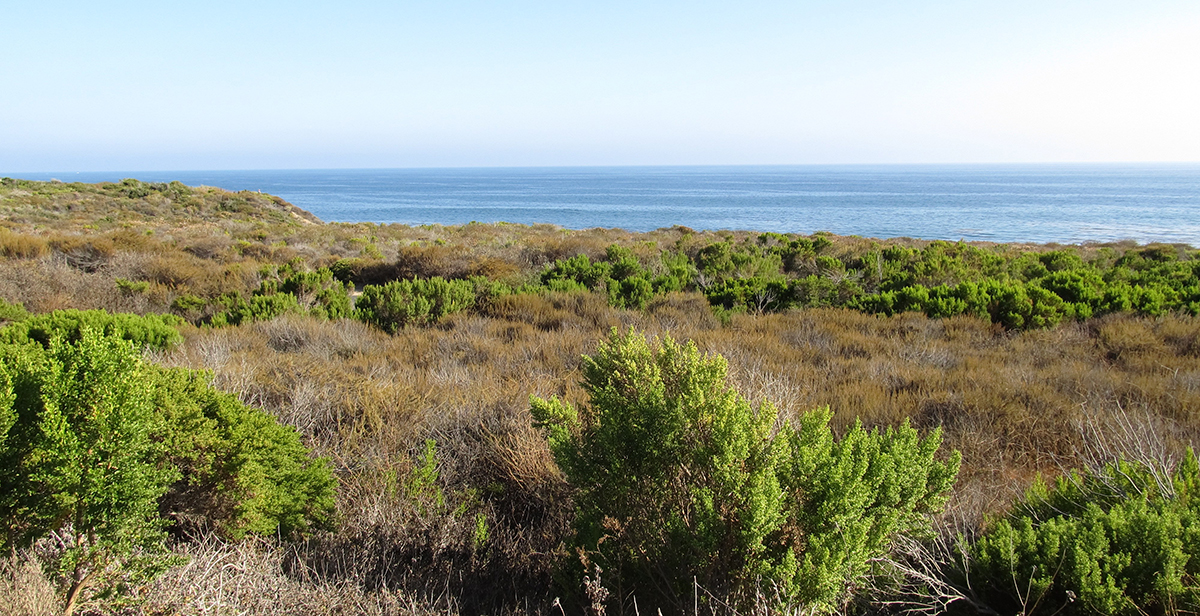
Shrubland
Shrublands can be found in various regions, often near coasts, with dry summers and wet winters (200-800 mm annually). Soils are usually well-drained and may be nutrient-rich. Notable species include the California Quail, which has adaptations such as camouflage for protection. Climographs show distinct wet and dry seasons with moderate temperatures.
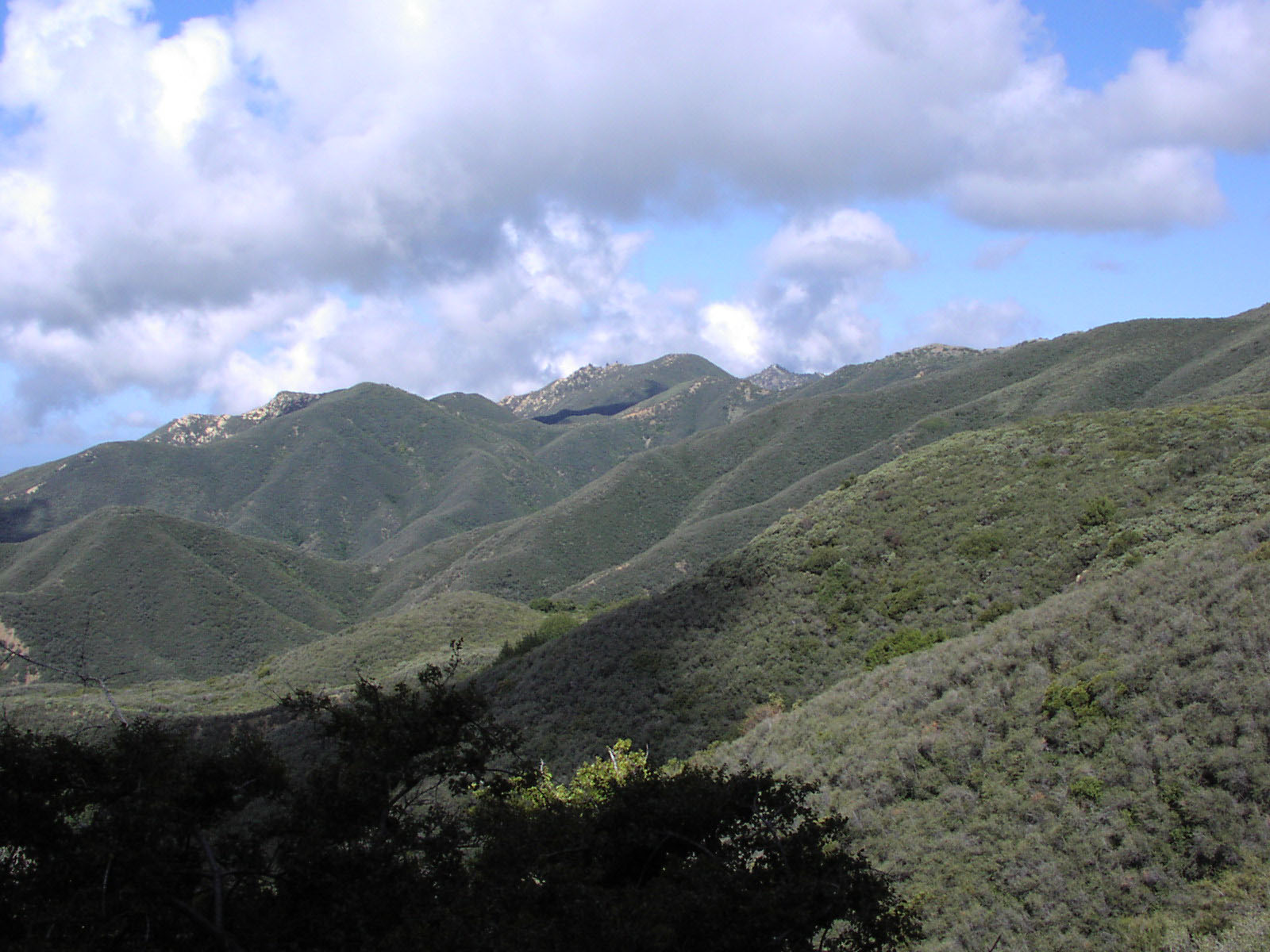
Chaparral
Chaparral regions are typically found in Mediterranean climates, characterized by hot, dry summers and mild, wet winters (250-1000 mm annually). Soils can be rocky and nutrient-poor. Adaptations in species like the Western Bluebird include drought tolerance. Climographs indicate a clear seasonal pattern with peak rainfall in winter.