ANCIENT NEAR EAST & The Epic of Gilgamesh
 Call Kai
 Learn
Learn Practice Test
 Spaced Repetition
 Match
Match Flashcards
 Knowt Play
1/68

Earn XP
Description and Tags
SELU/SLU HIST 1017 HONORS WESTERN CIVILIZATION UNIT 1
Name | Mastery | Learn | Test | Matching | Spaced | Call with Kai | Chat |
|---|
No analytics yet
Send a link to your students to track their progress
69 Terms

The red selected body of water in this map is the
Tigris R.
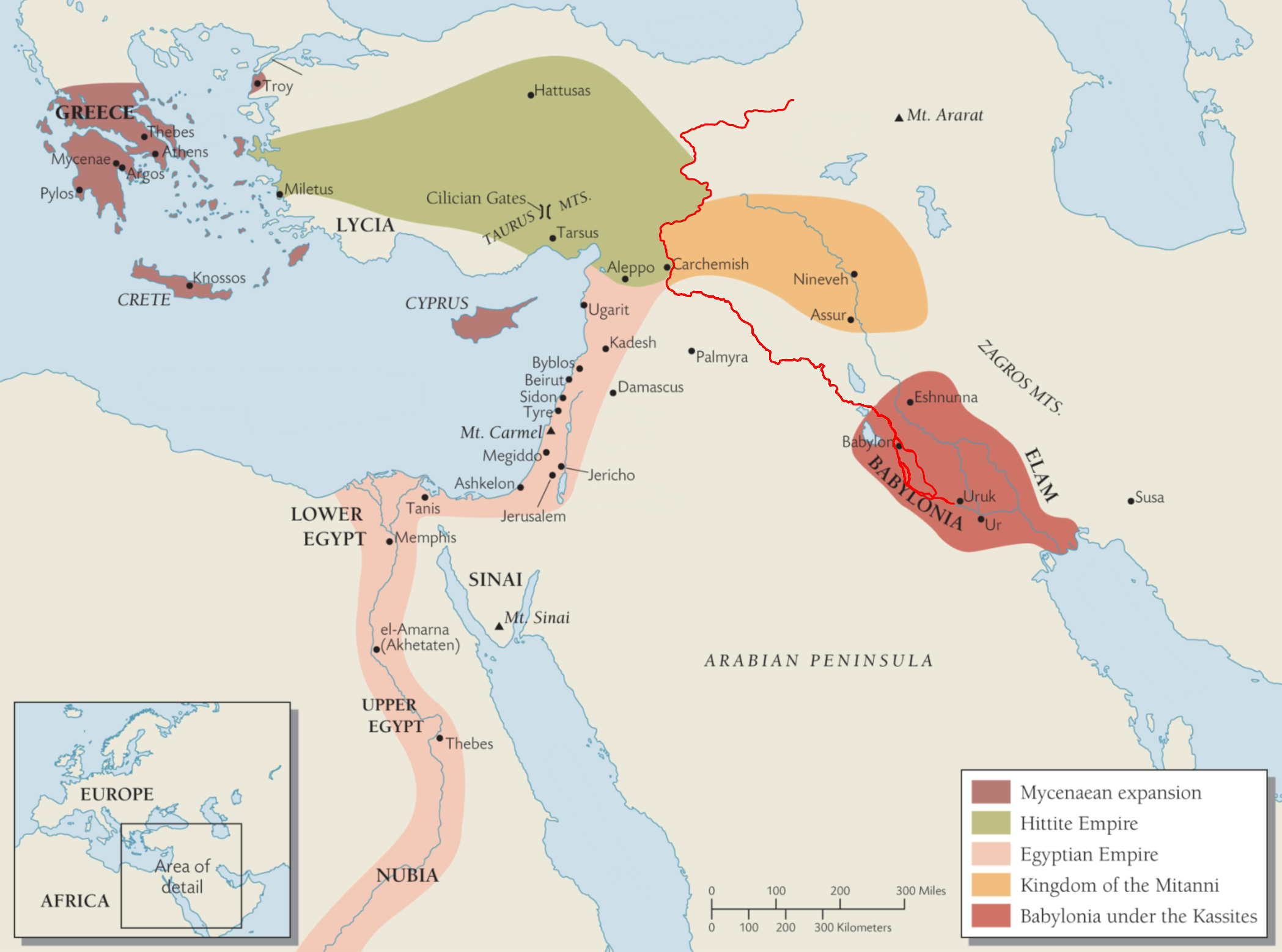
The red selected body of water in this map is the
Euphrates R.
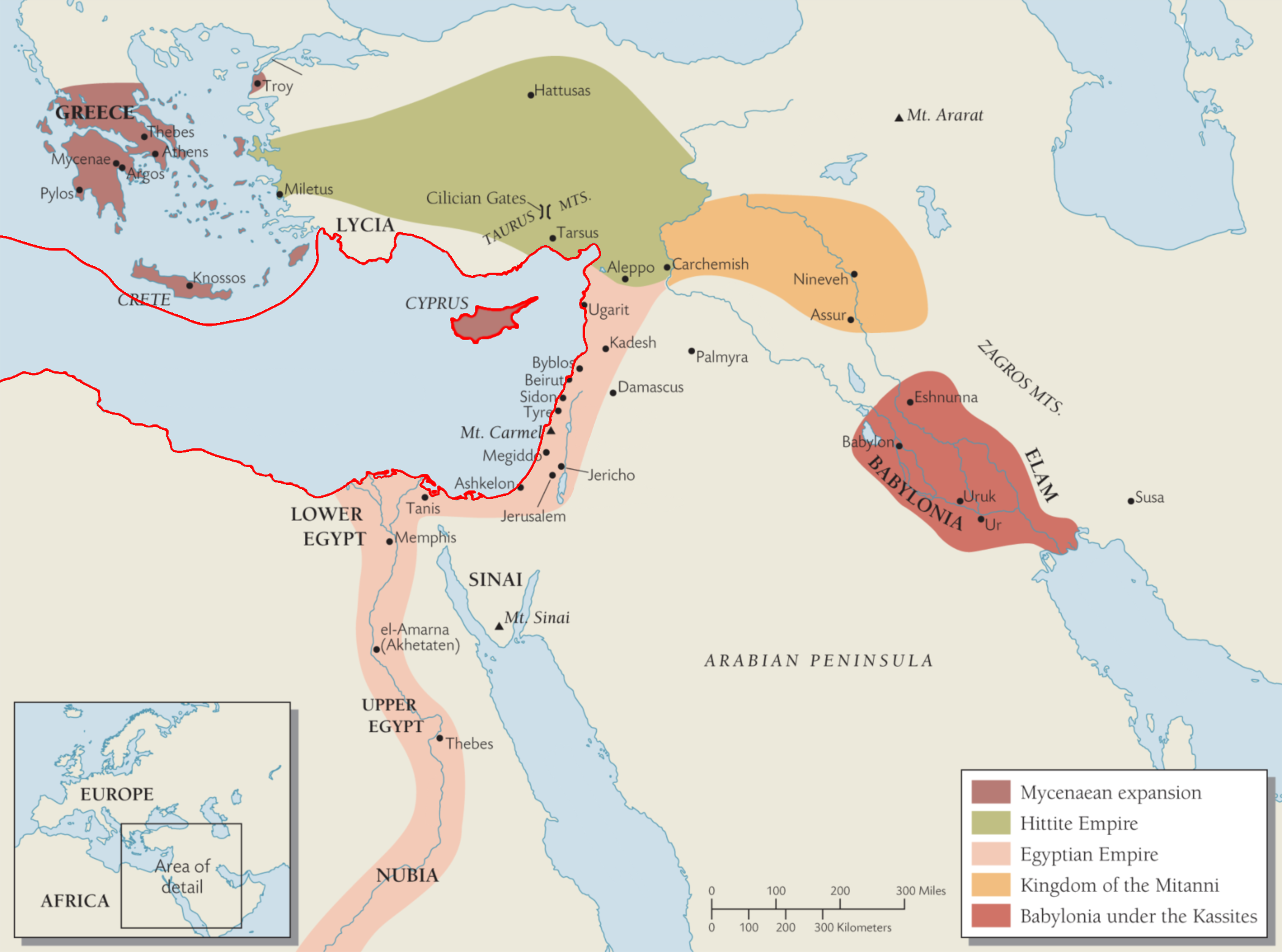
The red selected body of water in this map is the
Mediterranean Sea
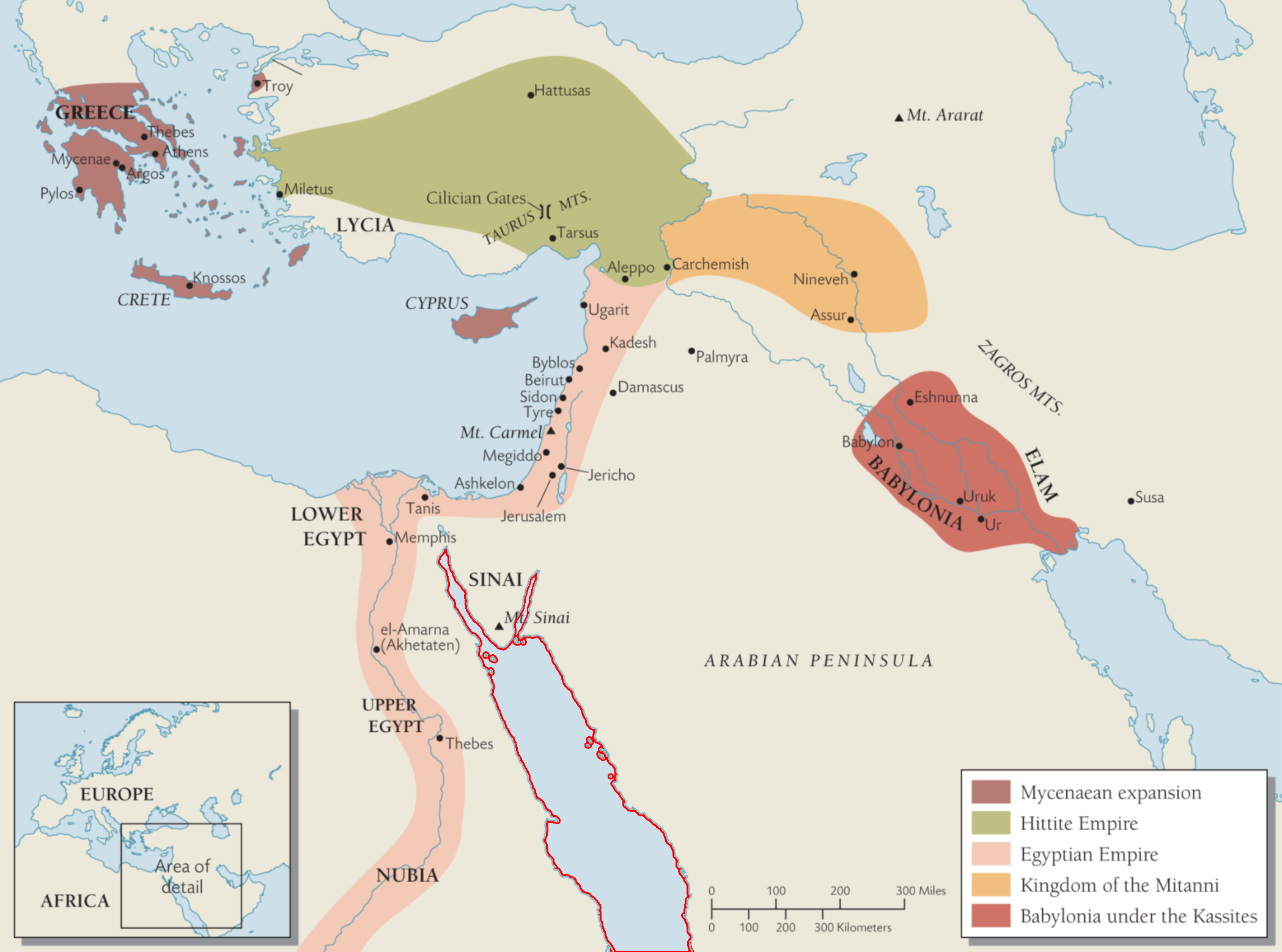
The red selected body of water in this map is the
Red Sea
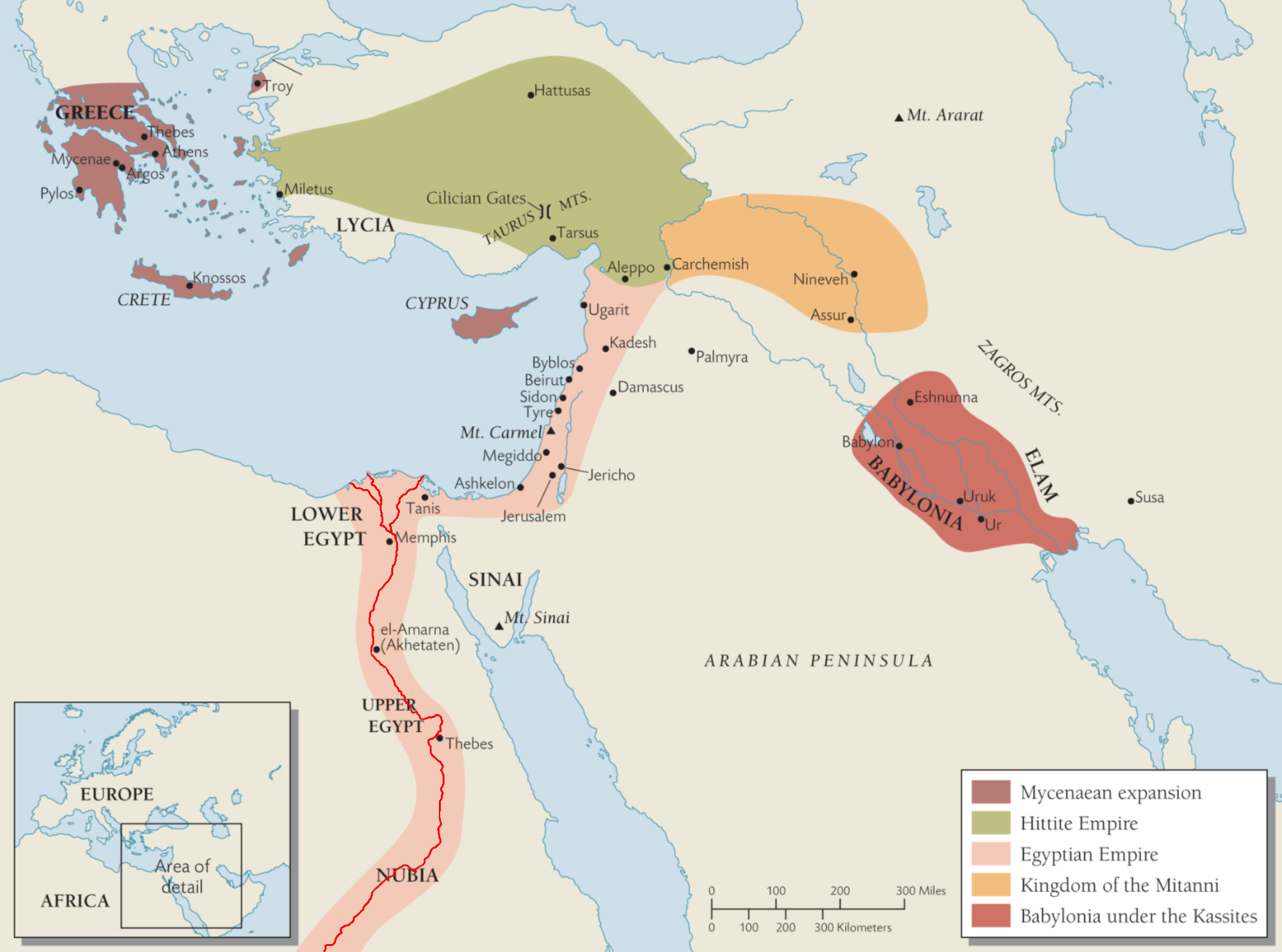
The red selected body of water in this map is the
Nile R.
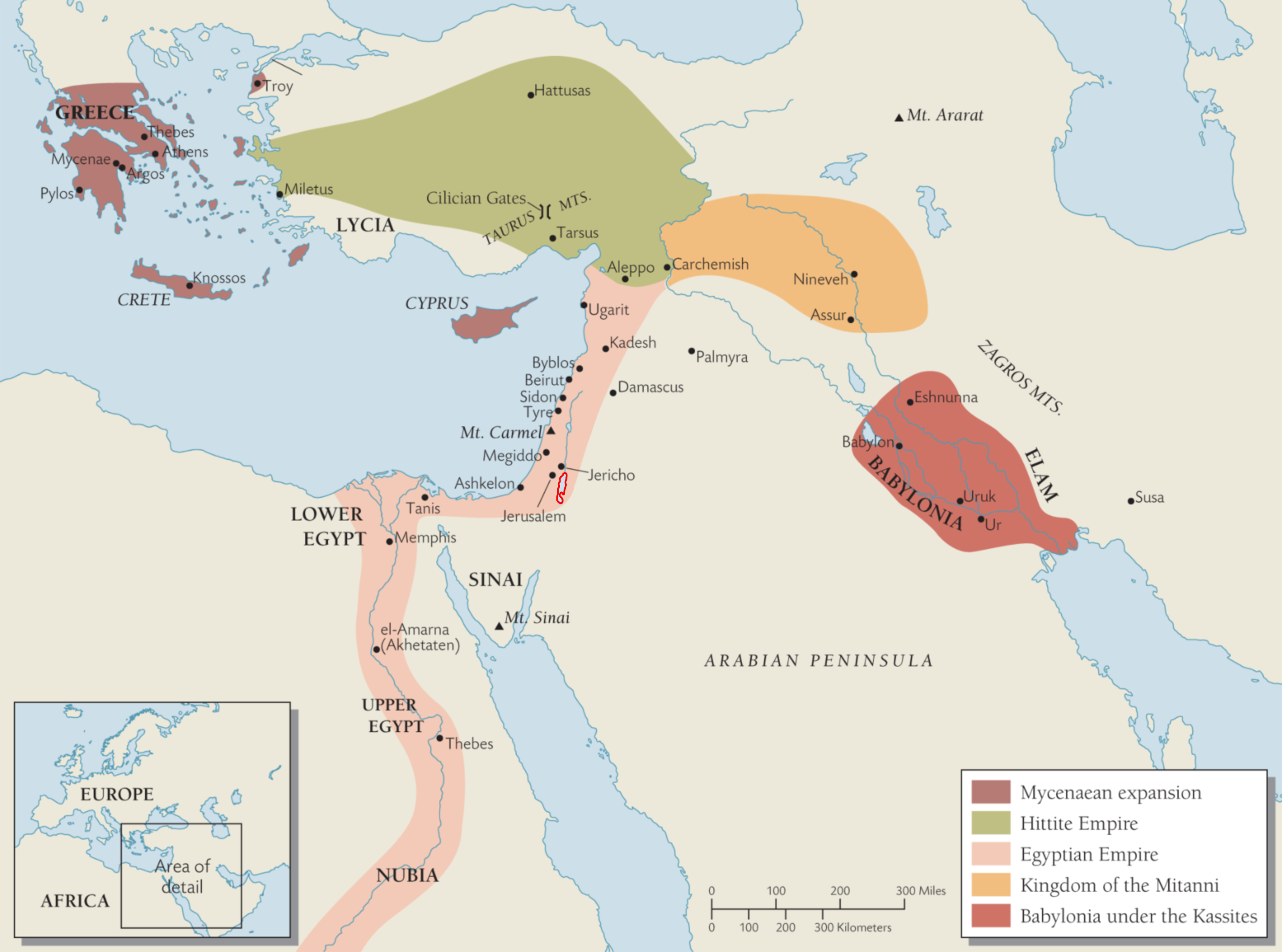
The red selected body of water in this map is the
Dead Sea
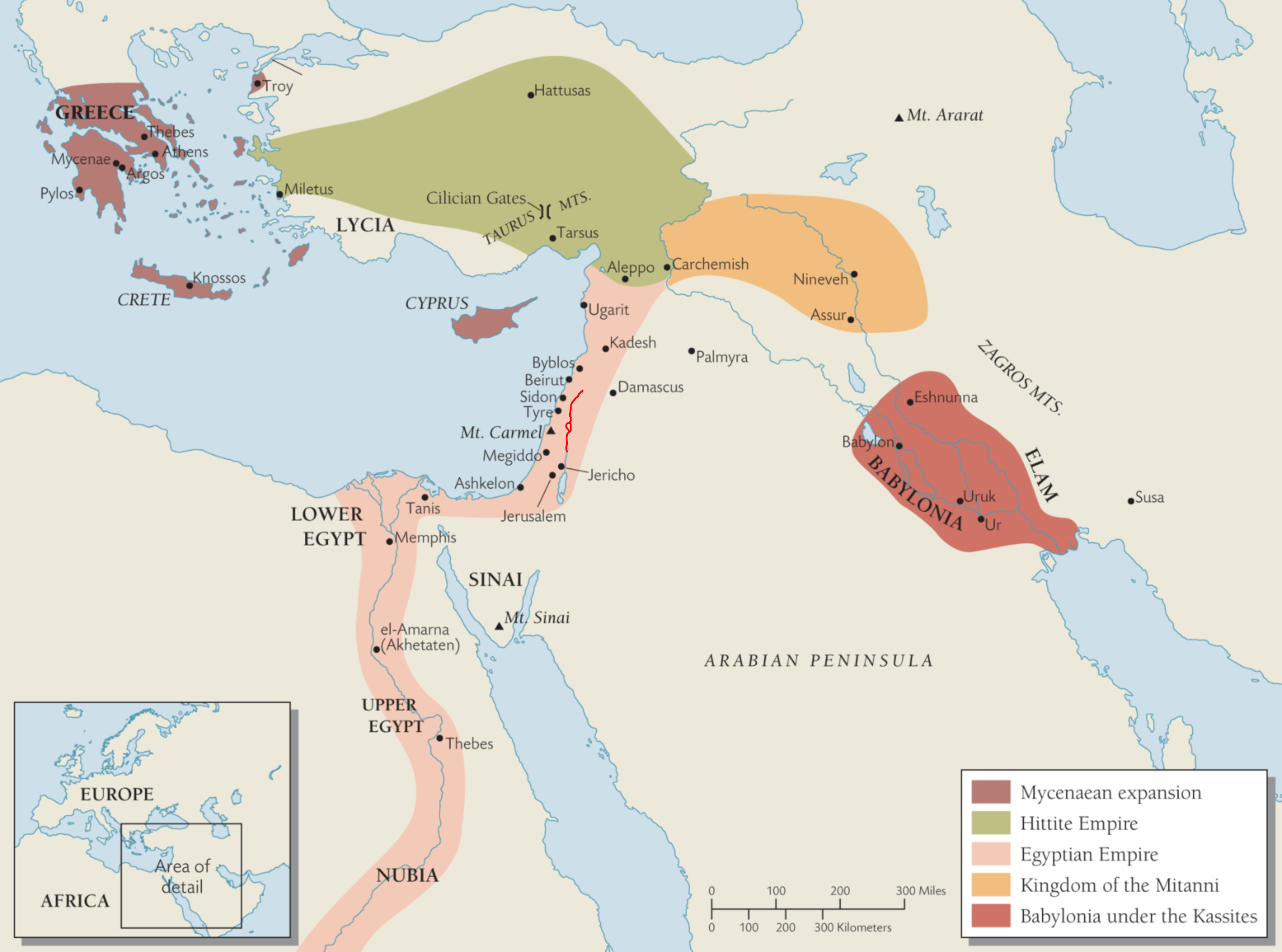
The red selected body of water in this map is the
Sea of Galilee

The red selected body of water in this map is the
Aegean Sea

The red selected body of water in this map is the
Hellespont
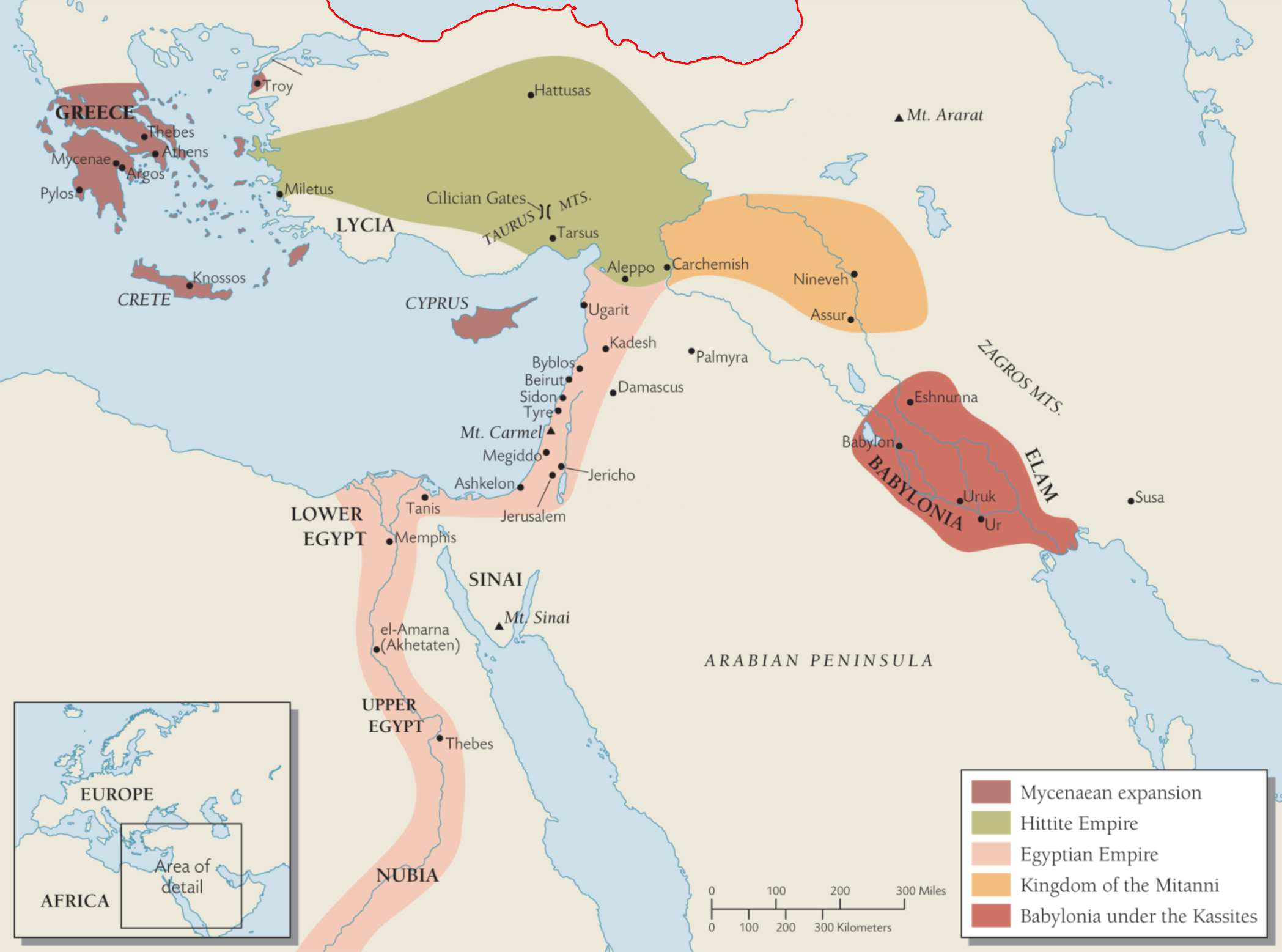
The red selected body of water in this map is the
Black Sea
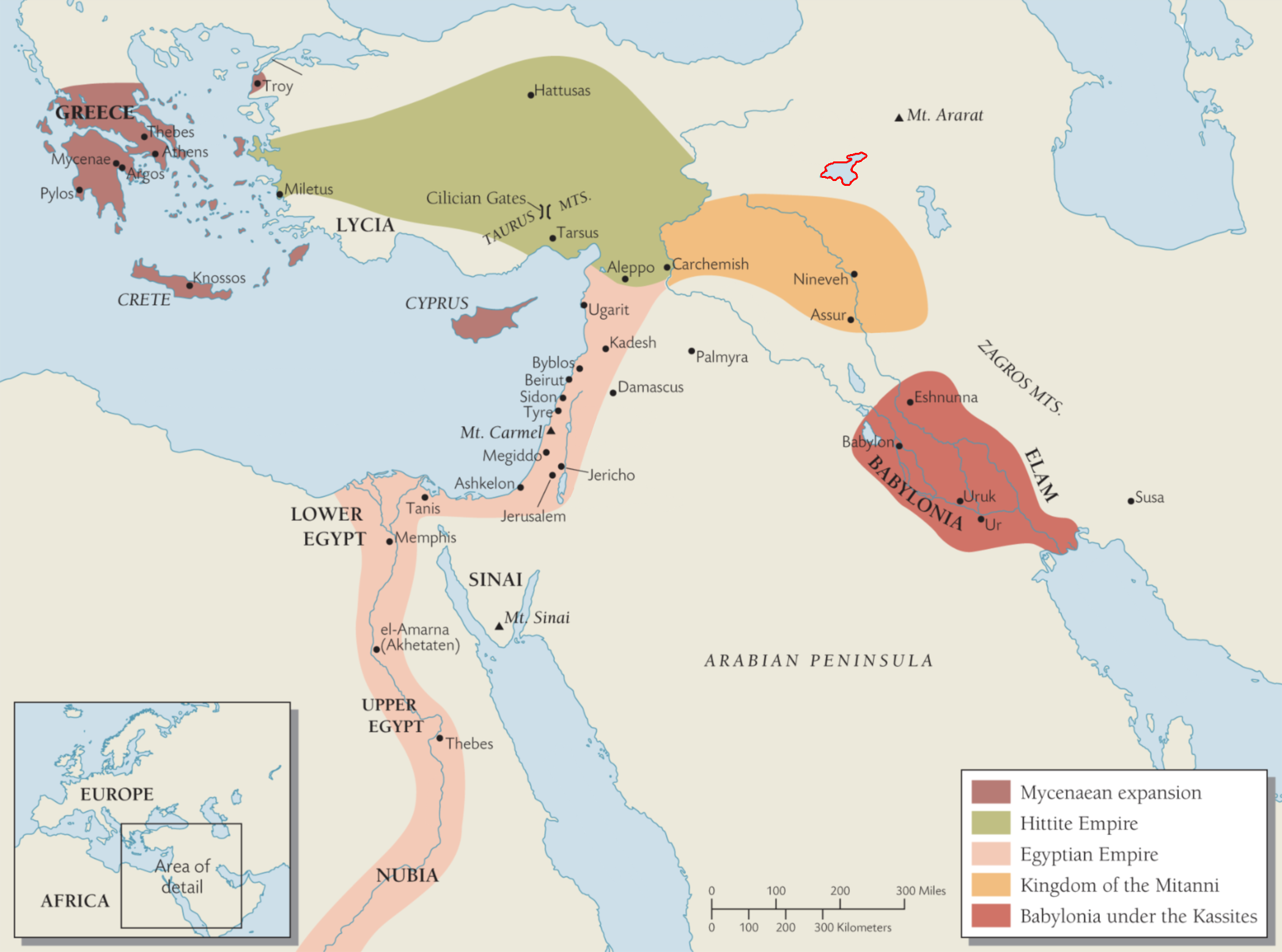
The red selected body of water in this map is the
Lake Van
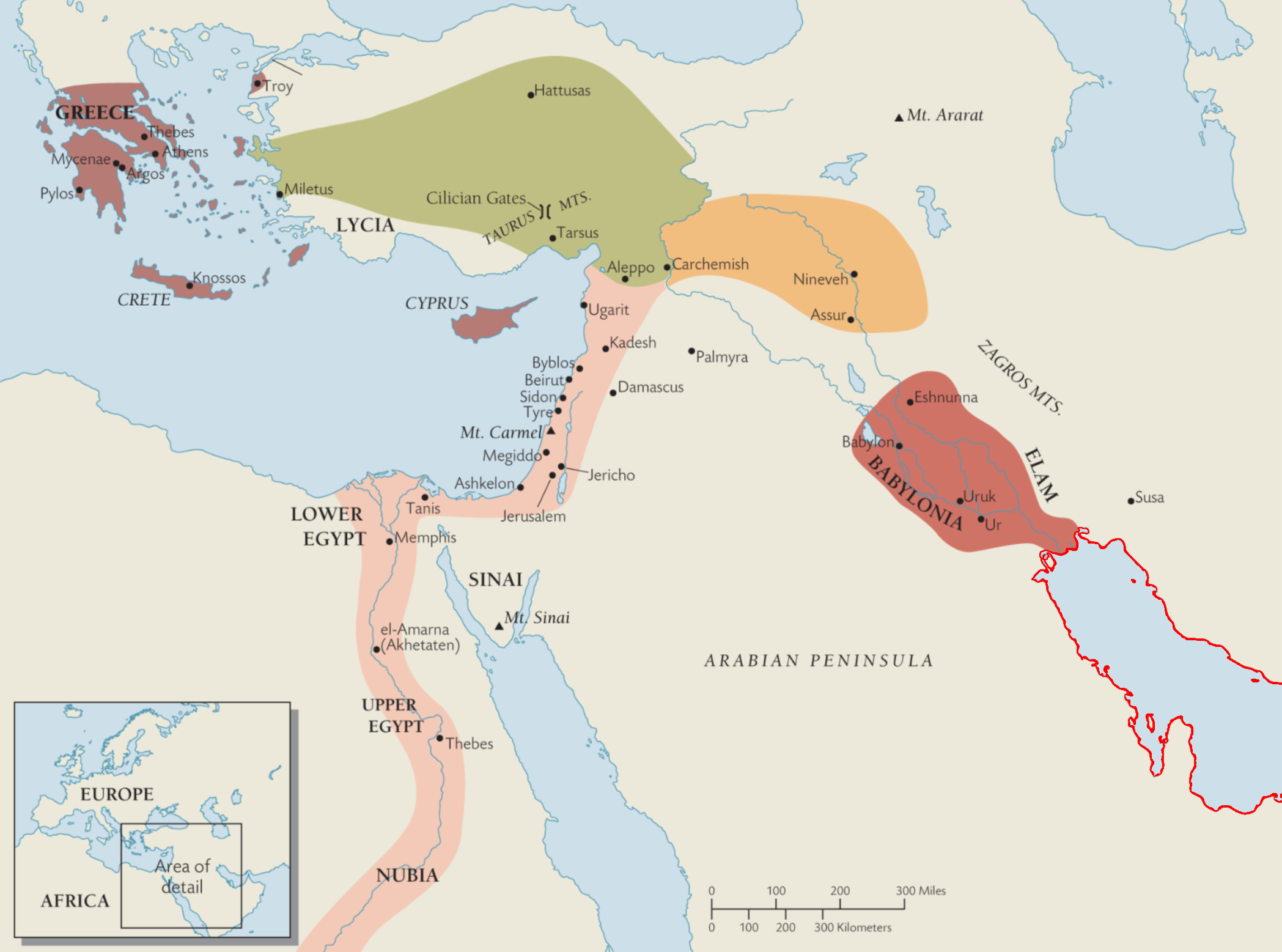
The red selected body of water in this map is the
Persian Gulf

The red selected body of water in this map is the
Caspian Sea
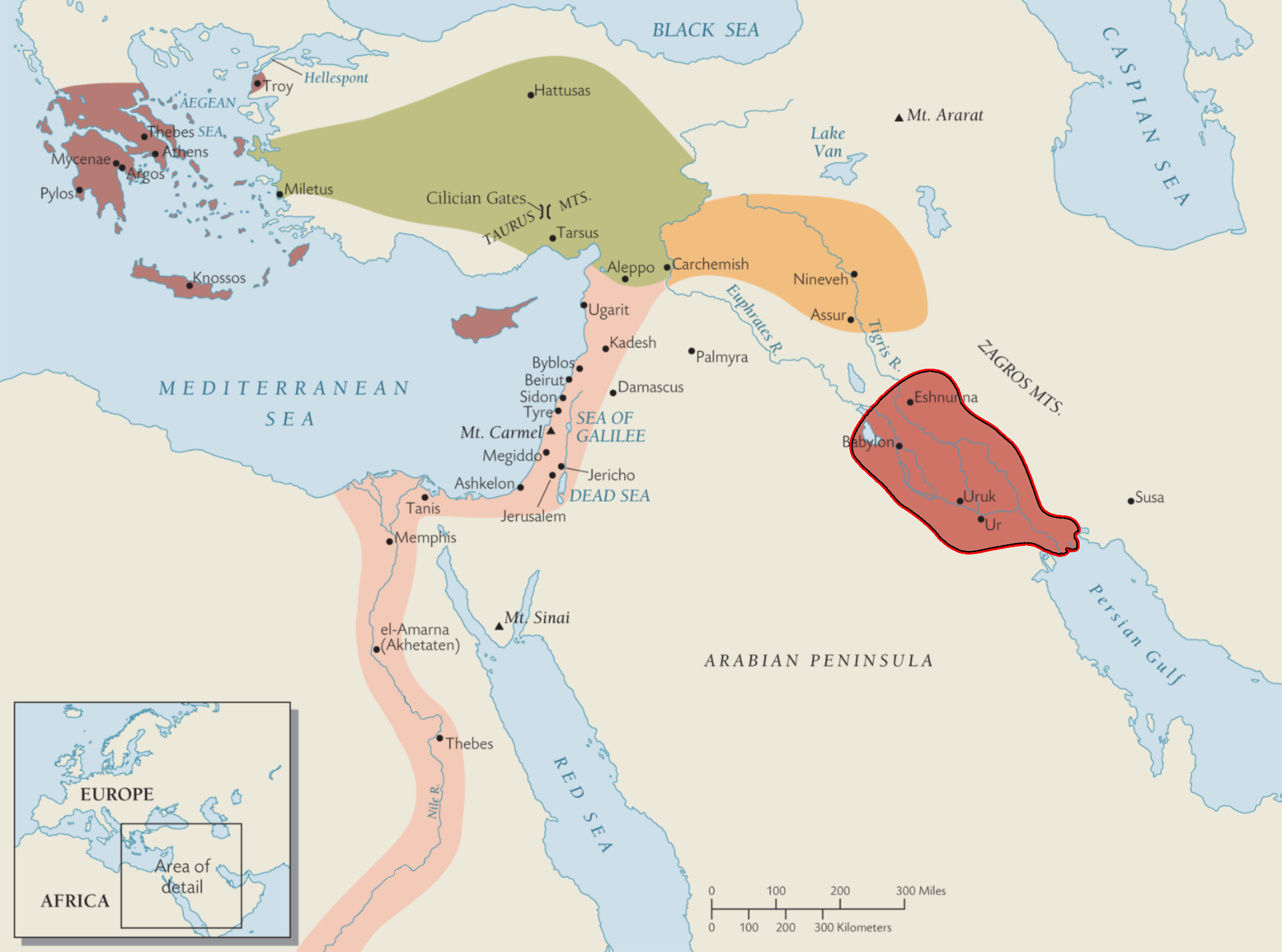
The red selected area of the map is
Babylonia under the Kassites

The red selected area of the map is
the Kingdom of the Mitanni
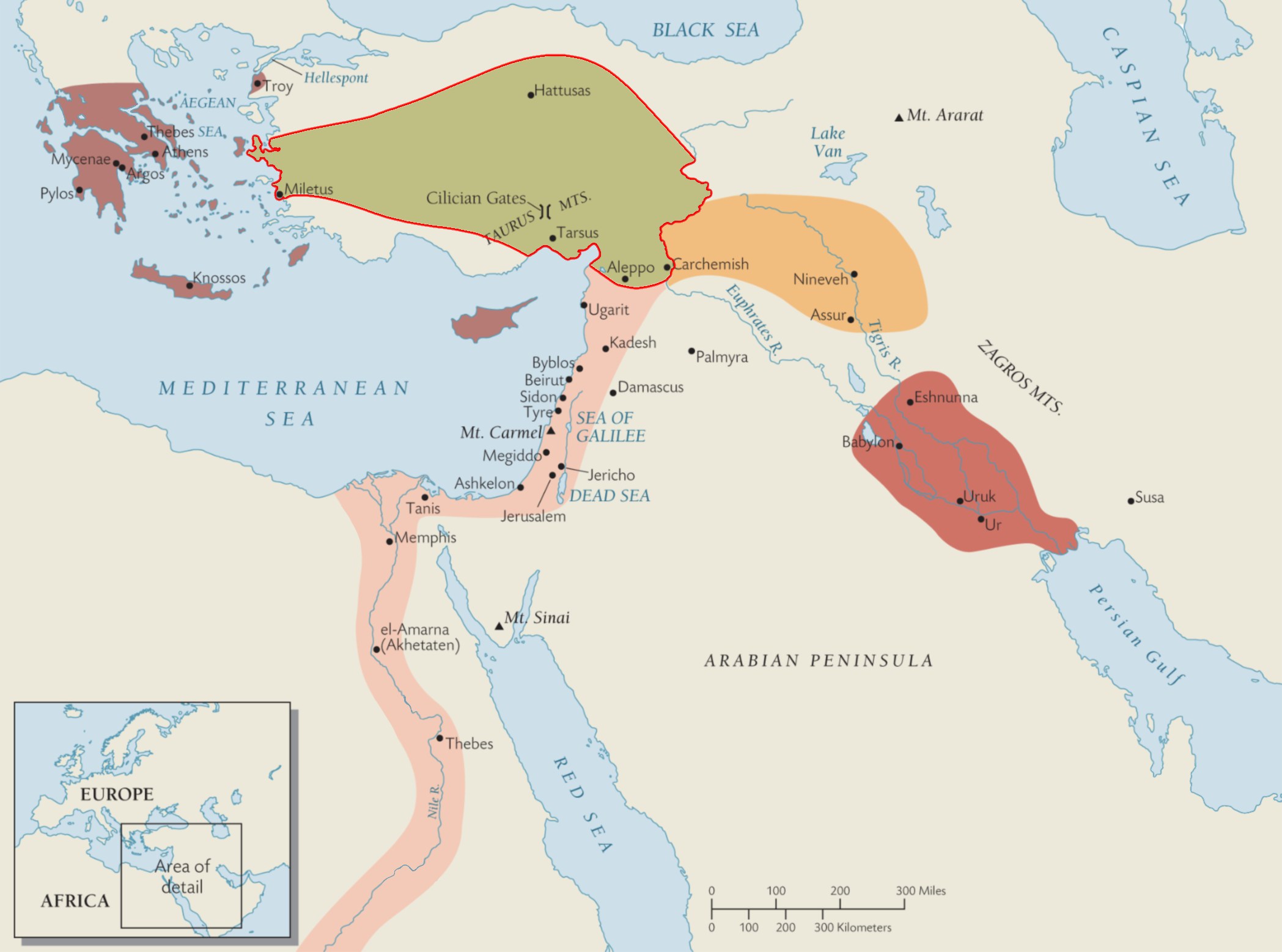
The red selected area of the map is
the Hittite Empire
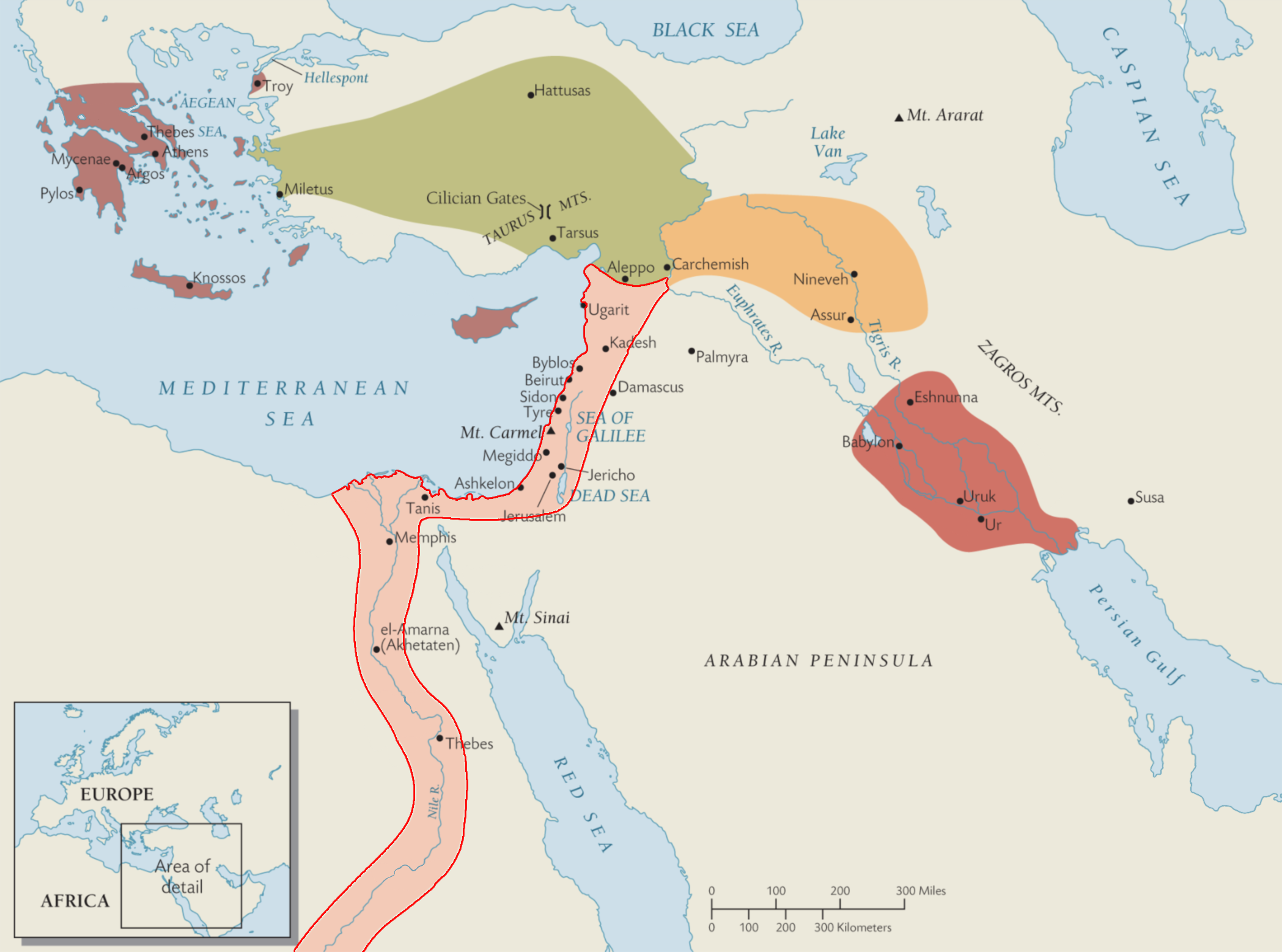
The red selected area of the map is
the Egyptian Empire
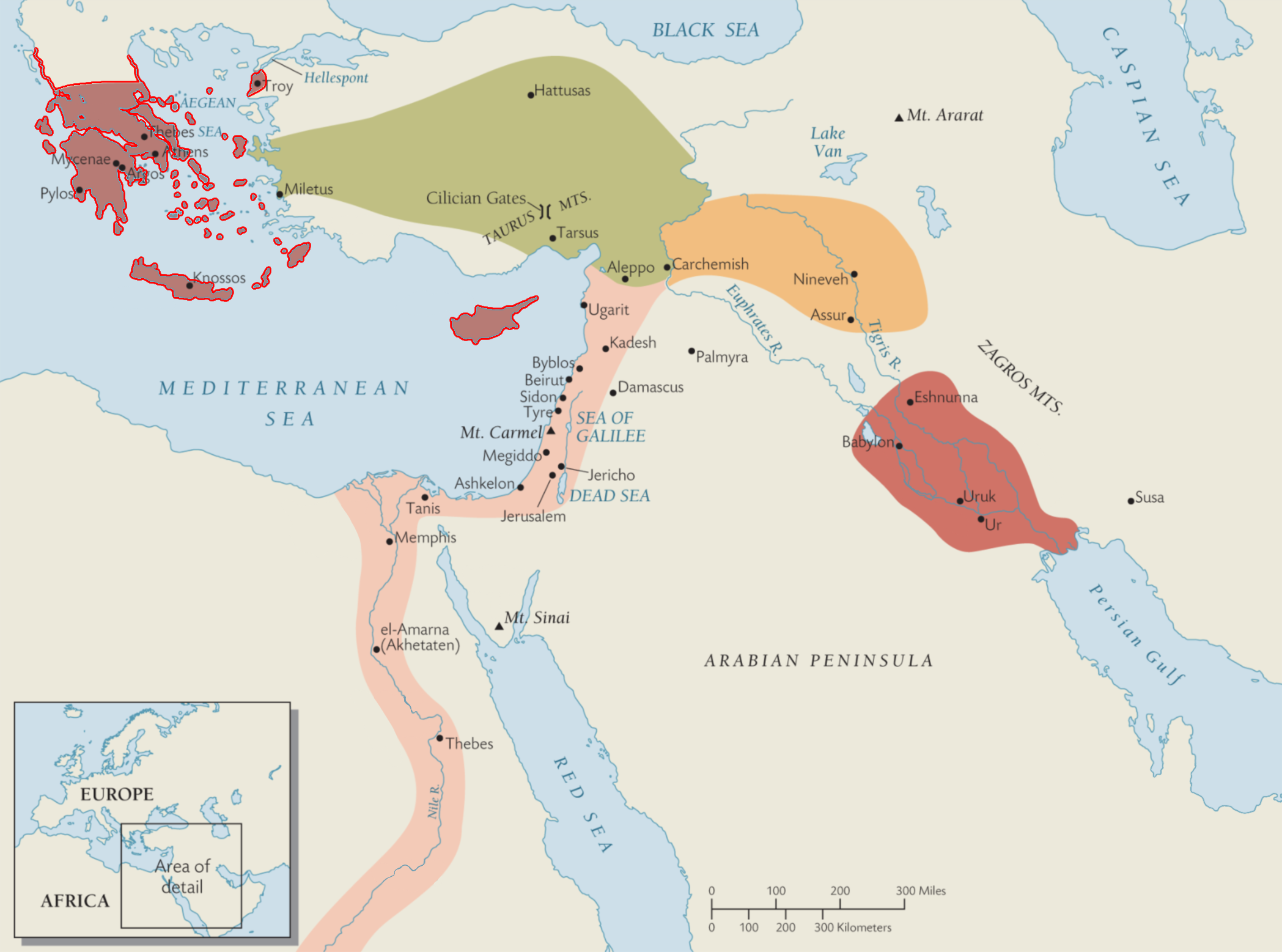
The red selected area of the map is
the Mycenaean expansion
In addition to evidence of food storage, art, and technology, Çatalhöyük also shows that its inhabitants combined honoring the dead with burial rites, suggesting a belief in the afterlife.
evidence of belief in the afterlife
Forms of writing did not begin to develop until around the year 3200 B.C.E., and so were unknown to the earliest sedentary societies.
True
In addition to evidence of food storage, art, and technology, Çatalhöyük also shows that its inhabitants combined honoring the dead with burial rites, suggesting a belief in the afterlife.
True
There is evidence of a dominant priestly caste at Çatalhöyük.
False
Until humans began to establish agricultural settlements, they had to hunt or gather enough food for survival, migrating over time or from season to season.
True
Before the earliest civilizations emerged, human beings
moved constantly or seasonally in search of food
Scientists have determined that early humans were incapable of speech and other forms of communication, including music and art.
False
What was one environmental impact of the transition from subsistence food gathering to agriculture?
It increased the incidence of disease
The close proximity of humans and animals in early civilizations led to the development and spread of zoonotic diseases.
True
The end of the Ice Age was the precondition for the emergence of agriculture: that is, it created the conditions for it.
True
Intensified contacts between human and animals—as well as increased human contact with insects and bacteria—is a byproduct of agriculture.
True
Intensified agriculture had numerous positive effects on the environment, including an increase in the number of trees and density of forests.
False
Reliance on agriculture had a number of consequences for early civilizations, including new challenges. What was one?
It produced new gender divisions, as surplus food enabled women to produce more children, while men ceased to play an equal role in child care.
Sedentary societies with surplus food supplies and increased fertility also depended on a growing labor force. As a result, women were encouraged to have and raise more children, while men performed other kinds of labor.
True
Surplus food supplies and improved nutrition decreased fertility and the birthrate of early civilizations.
False
Reliance on agriculture in early civilizations did not create good conditions for domesticating animals
False
The massive temples that were built in Sumerian cities like Uruk served many purposes. In addition to honoring the gods of the city, they were
storehouses managed by elites.
Temples combined the functions of asserting religious, economic, and political power, all of which depended on the control of the urban food supply.
True
The massive temples that were built in Sumerian cities like Uruk honored the god of the city and housed the poor.
False
Temples were impressive monuments to a city’s wealth, but they were not designed for military defense.
True
There is no evidence that temples would have been used to entomb the dead.
True
The development of cuneiform, the Sumerian script of ancient Mesopotamia, was characterized by a transition from
pictograms representing physical objects to more abstract symbols.
Surviving clay tablets have been dated, and they show a gradual development from realistic representations of objects to a smaller number of more abstract symbols that could be inscribed more quickly.
True
Mesopotamians, like Gudea, believed that purification rituals had to occur during the building of temples for the gods.
True
Gudea, as other Sumerian leaders did, used enslaved people to build his temple, the Eninnu, for Ningirsu. Yet, during this process, enslaved people were to be treated with more kindness and less violence as part of an effort to purify the city, making it ready for the gods.
True
The Book of Exodus established laws regarding the sale and keeping of enslaved people as well as punishments proportional to crimes.
True
Slavery was a key facet of both Sumerian and Hebraic society, especially as these societies developed more sedentary lifestyles. How was slavery understood in these societies?
Although enslaved people could be bought, branded, and traded in both societies as other goods were, both the Sumerians and the Hebrews recognized enslaved people as worthy of basic human rights.
Only men could be enslaved in Sumerian and Hebraic society.
False
The Hebrews believed that enslaved people were property and below human. They had no regard for the physical well-being of enslaved people.
False
In Sumerian civilization, lugals, like the legendary Gilgamesh, were
successful warlords who exploited the city’s wealth.
One of the main points of the legend showcasing the exploits of Gilgamesh is that even lugals are not immortal.
True
Lugals often contributed their wealth to the city's priestly caste, as they still saw themselves as mere servants of the gods.
False
During the Bronze Age, the Sumerians developed an array of new technologies. What was one of the factors driving these innovations?
the need to tame unruly waterways and counter the harsh conditions of their environment
The Sumerians developed vigorous long-distance trading networks with many regions, especially those rich in the copper and tin needed to make bronze.
True
The Tigris and Euphrates Rivers were unpredictable, and the climate could be variable, so many of the Sumerians’ innovations, from irrigation ditches to timekeeping to seed drills, were designed to counter the effects of these environmental fluctuations.
True
During the Bronze Age, the Sumerians were in a technological competition with the Egyptians, driving both civilizations towards new innovations.
False
The Sumerians regarded their gods as capricious, not (so far as we know) as sources of technological inspiration.
True
The first attempts at empire building in Mesopotamia included
Sargon’s appointment of his daughter as a priestess uniting the temples and gods of two cities.
Although Sargon’s people, the Akkadians, had their own language, they adopted cuneiform and other aspects of Sumerian culture.
True
Early empires like that of Sargon and Shulgi depended on the exaction of massive tribute payments from dependent cities.
True
Sargon took steps to create a common religious culture in Sumer by promoting the worship of certain gods and initiating the practice of installing an imperial daughter as chief priestess of multiple temples.
True
No steps were taken by Sargon to create a common religious culture in Sumer, worship of multiple different gods and a variety of practices was encouraged.
False
Early empires were dependent on slavery, and indeed anyone in the ancient world could become enslaved through a variety of misfortunes (sold to pay debts, captured in war, etc.).
True
Hammurabi’s law code exemplifies methods for governing a complex urban society. Its remarkable features include
the use of writing to publicize his status as a lawgiver and protector.
Although Hammurabi designed his code for all of the peoples he claimed to govern, there were separate categories of law for elites, craftsmen, agricultural laborers, and enslaved people.
True
Hammurabi’s laws provided some protections for women, but there was a double standard when it came to sexual promiscuity: men would not be punished, but women who were proven unfaithful to their husbands would be put to death.
True
Hammurabi's law code exemplifying methods for governing a complex urban society remarkably includes the relaxation of the death penalty for adulterous women.
False
Hammurabi’s code allowed both men and women to end a marriage for cause.
True
Many known rulers before Hammurabi used writing as a tool of power and influence.
False