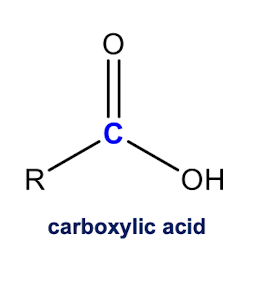
Carboxylic Acid Derivatives DAT
 Call Kai
 Learn
Learn Practice Test
 Spaced Repetition
 Match
Match Flashcards
 Knowt Play
1/36

There's no tags or description
Looks like no tags are added yet.
Name | Mastery | Learn | Test | Matching | Spaced | Call with Kai | Chat |
|---|
No analytics yet
Send a link to your students to track their progress
37 Terms
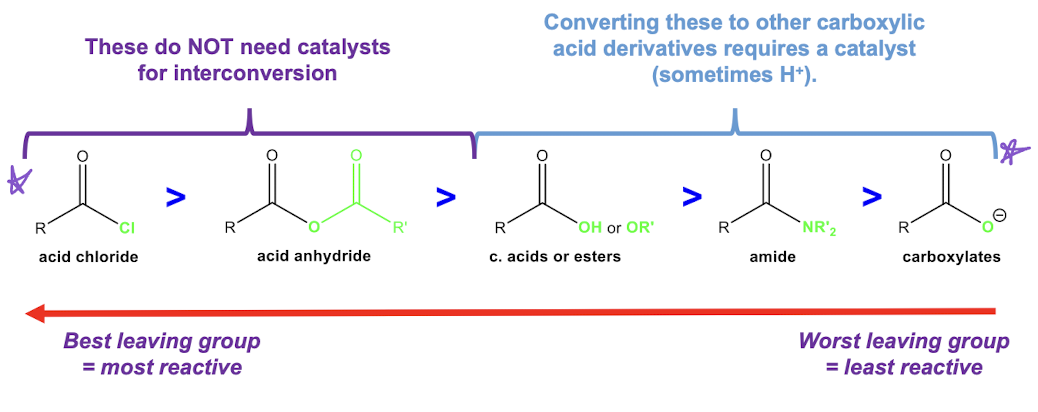
Reactivity trend for carboxylic acid derivatives
acid chloride > acid anhydride > carboxylic acids/esters > amides > carboxylates
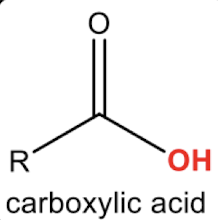
carboxylic acid + SOCl2 ————>
acid chloride
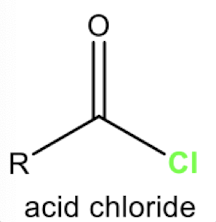
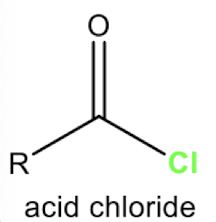
acid chloride + OH- ————>
carboxylate

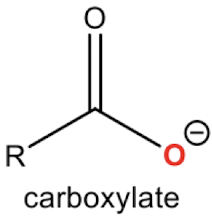
carboxylate + H+ ————>
carboxylic acid
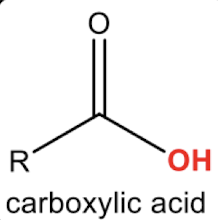
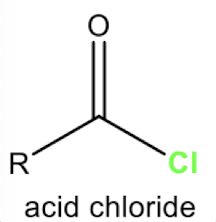
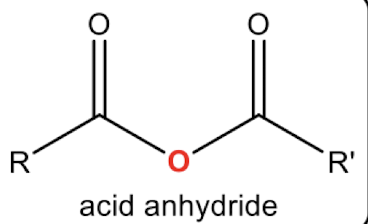
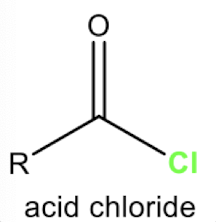
acid chloride + R==O—OH (carboxylic acid) ————>
acid anhydride
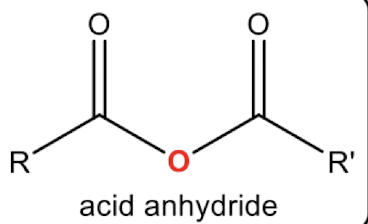
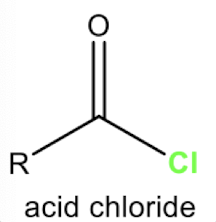
acid chloride + R==O—O^- (carboxylate) ————>
acid anhydride
acid chloride + ROH or RO^- ————>
ester


acid chloride + R2NH or R2N ————>
amide
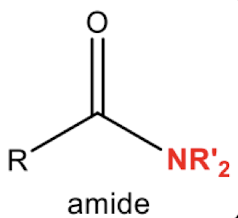

amide + H3O/Heat ————>
carboxylic acid
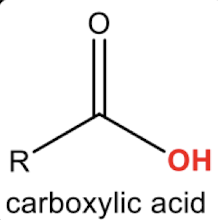

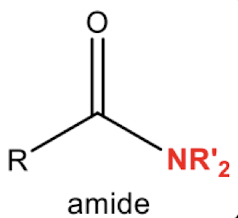
carboxylic acid + NR2/Heat ————>
amide
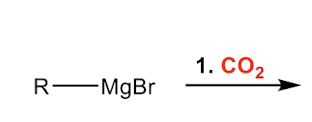
RMgX + CO2 ————>
Carboxylic acid formation from Grignard reagent
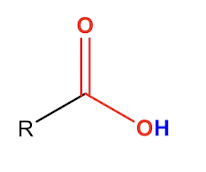

Carboxylic acid + R’OH, H+ ————>
Ester formation (fischer esterification)

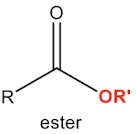
ester + H2O, H+ ————>
carboxylic acid formation (saponification/hydrolysis)


ester + OH^- + H+ ————>
Carboxylic acid formation (saponification, basic conditions)

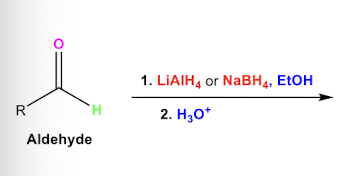
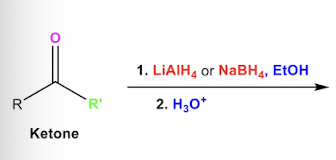
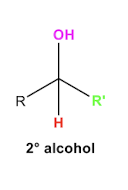
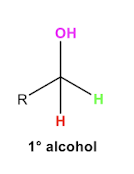
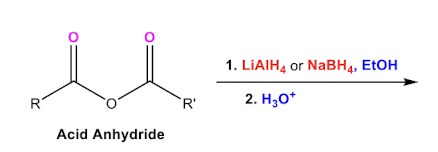
What molecules is NaBH4 able to reduce?
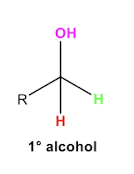
NaBH4 can reduce aldehydes, ketones, acid chlorides and acid anhydrides to alcohols
What molecules can LiAlH4 reduce?
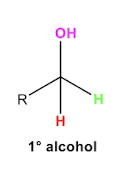
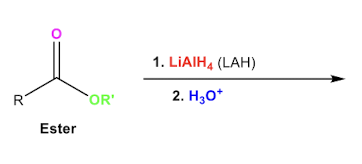
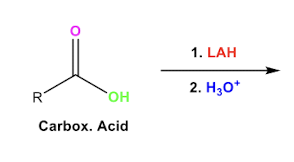
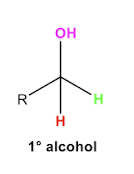
LiAlH4 can reduce aldehydes, ketones, acid chlorides, acid anhydrides, esters, amides, AND carboxylic acids to alcohols


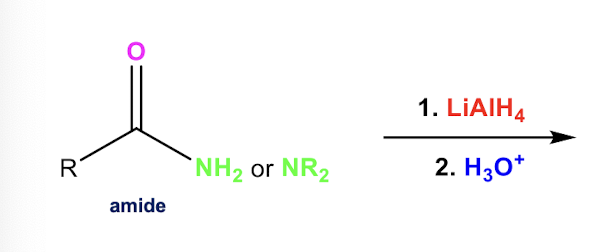
amide + LiAlH4 ————>
Amine formation
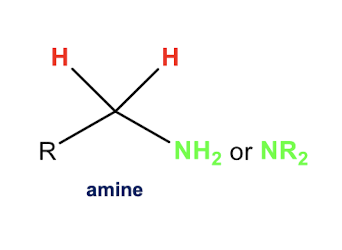
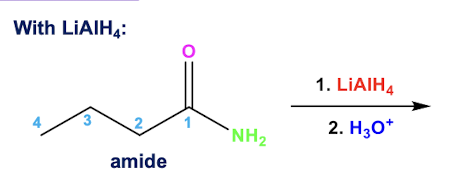
amide + LiAlH4 ————>
amine (1 Carbon bond shorter)
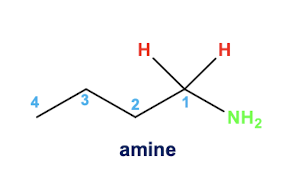

ester + DIBAL-H ————>
Aldehyde formation

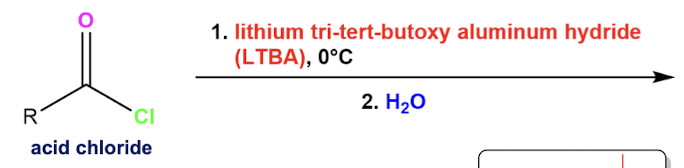
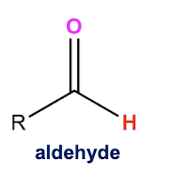
acid chloride + LTBA ————>
Aldehyde formation

amide + LiAlH4 ————>
Amine formation

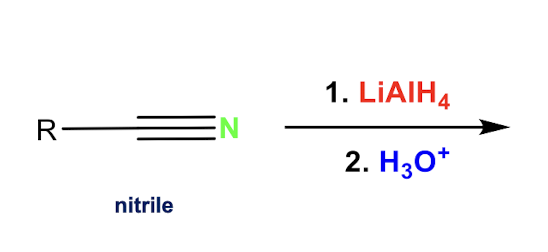
Nitrile + LiAlH4 ————>
1* amine formation

How do esters react with gringard reagents?
Gringard reagents are strong R^- groups, the R^- group gets added 2 times into the ester C==O bond and forms a 3* alcohol

ester + RMgX ————>
3* alcohol formation
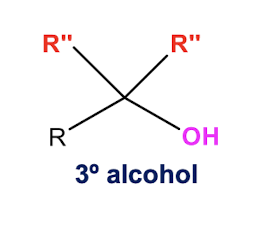
How do acid chlorides react with gringard reagents?
Gringard reagents are strong R^- groups, the R^- group gets added 2 times into the C==O bond and forms a 3* alcohol

acid chloride + RMgX ————>
3* alcohol
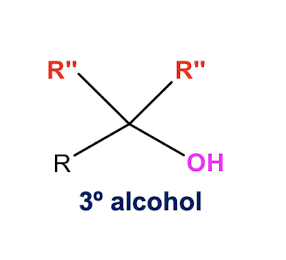
how do carboxylic acids react with gringard reagents?
Since carboxylic acids have H+ groups, the gringard R- will just form a deprotonated carboxylate
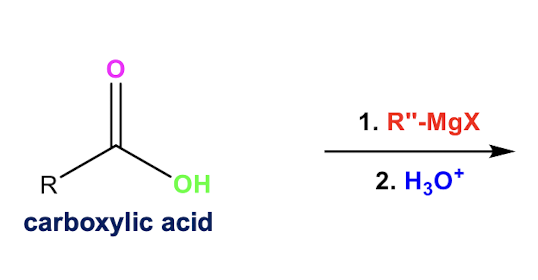
carboxylic acid + RMgX ————>


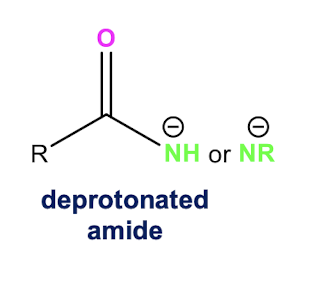
amide + GMgX ————>
deprotonated amide
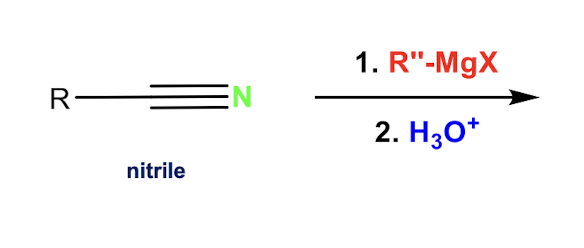
nitrile + RMgX ————>
Ketone formation

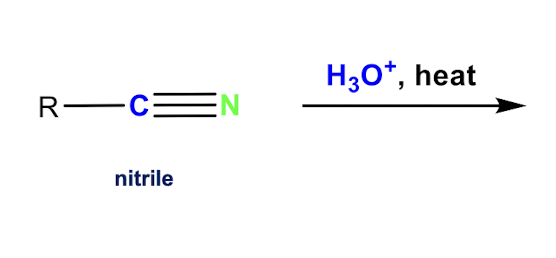
Nitrile + H3O+ ————>
Carboxylic acid formation (nitrile hydrolysis)