Lab Practical Midterm
 Call Kai
 Learn
Learn Practice Test
 Spaced Repetition
 Match
Match Flashcards
 Knowt Play
1/61

There's no tags or description
Looks like no tags are added yet.
Name | Mastery | Learn | Test | Matching | Spaced | Call with Kai |
|---|
No analytics yet
Send a link to your students to track their progress
62 Terms
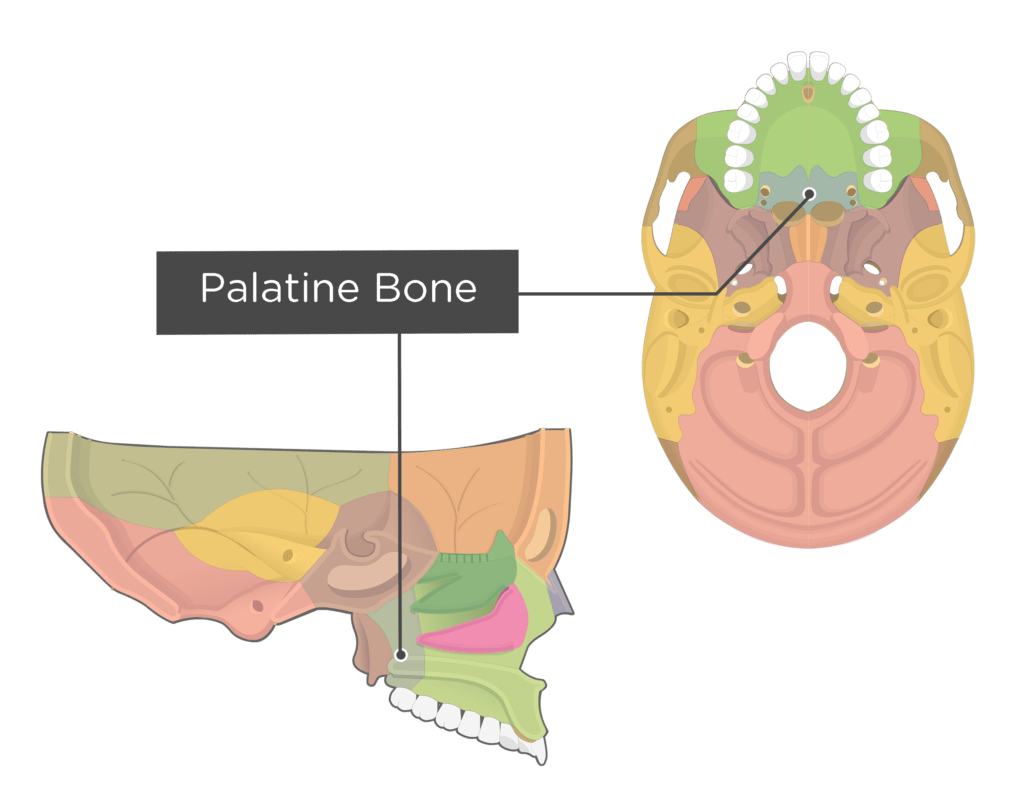
palatine bone
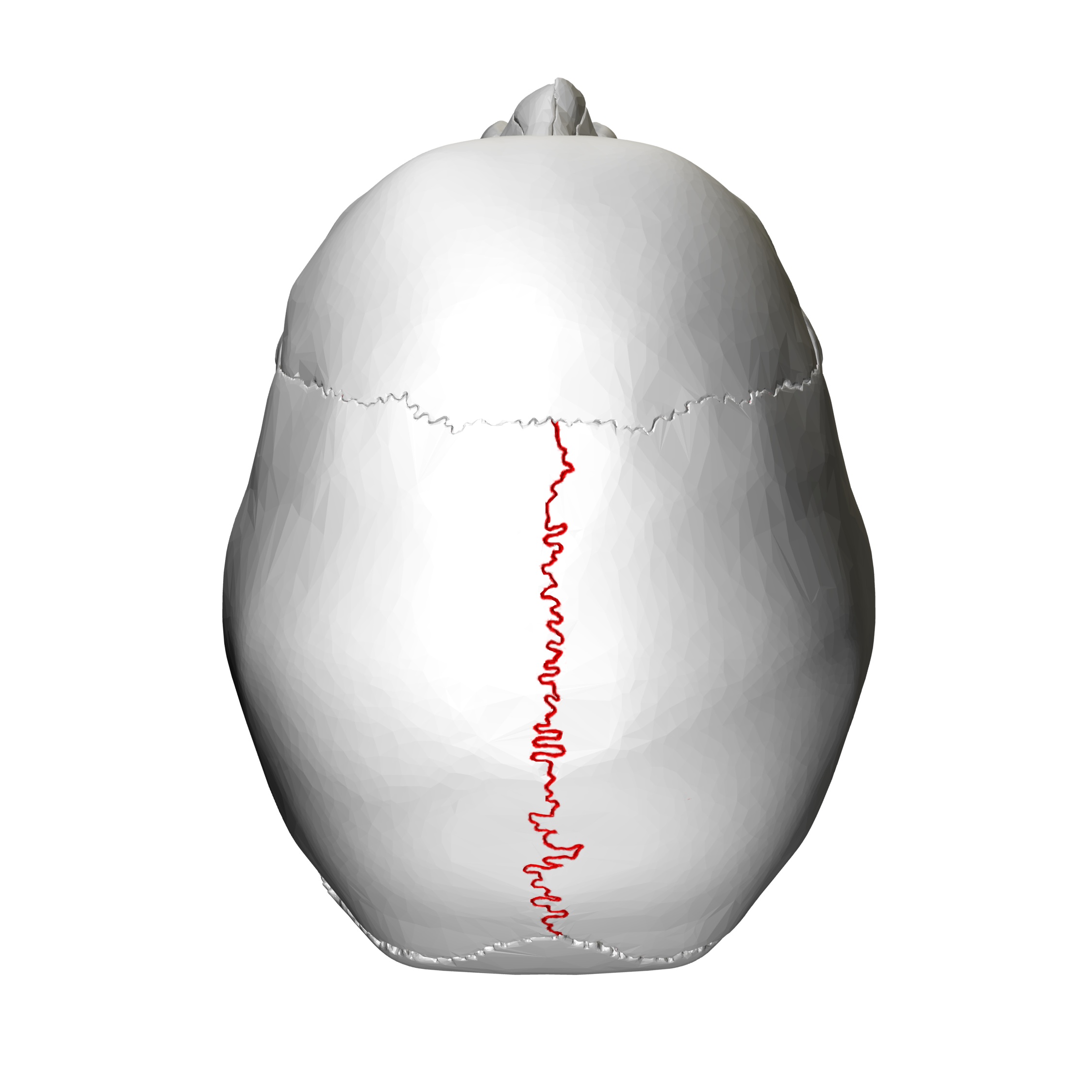
sagital suture
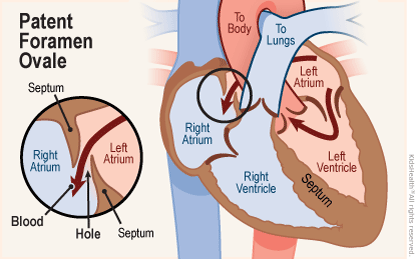
foramen ovale
hole in the heart; stays open after birth
jugular foreamen
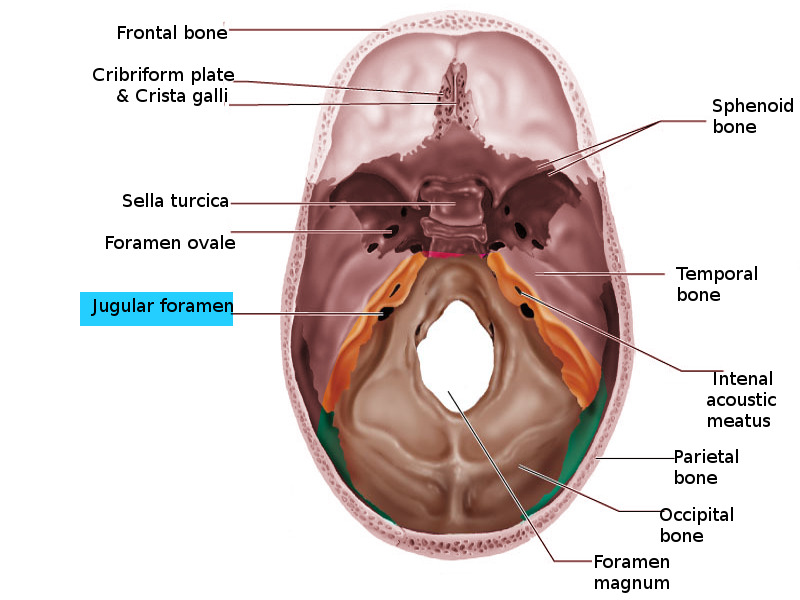
crista galli
a thick, triangular bony wedge that projects upward from the ethmoid bone into the anterior cranial cavity
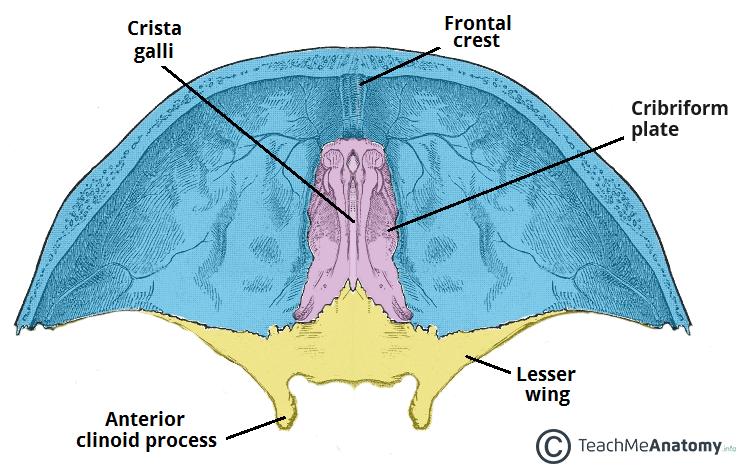
magnum foramen
large, oval shaped opening in the occipital bone for brainstem, nerves, blood vessels
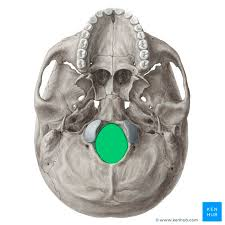
hypophyseal foreamen
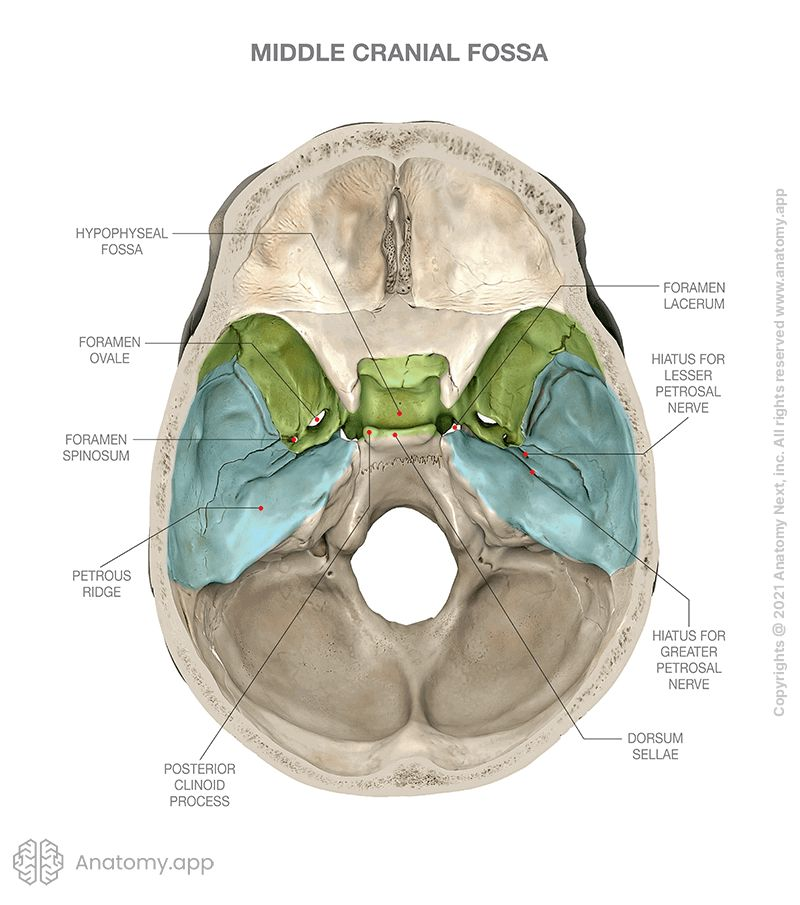
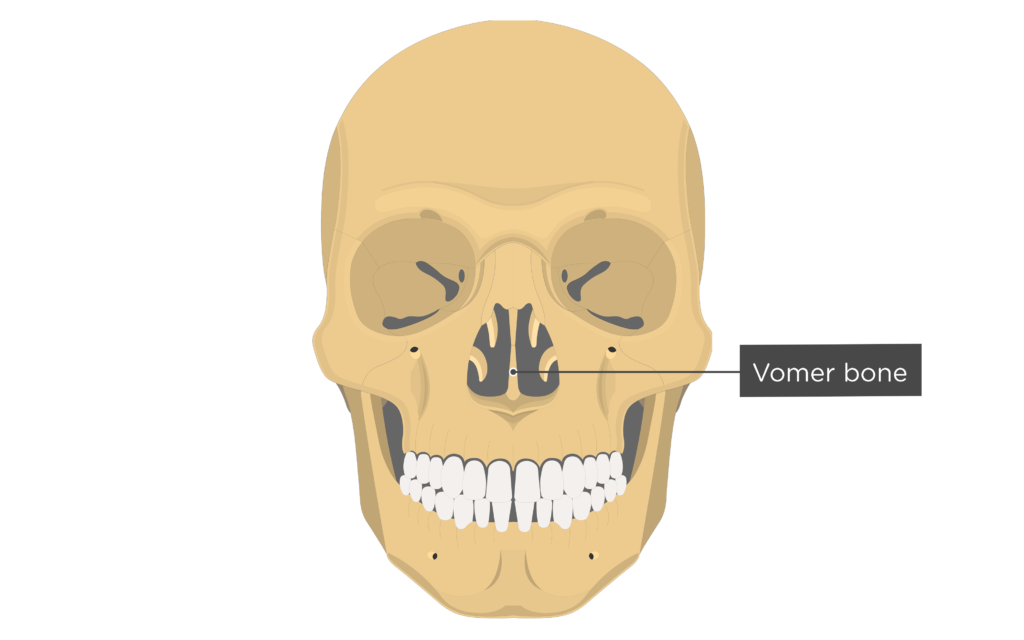
vomer
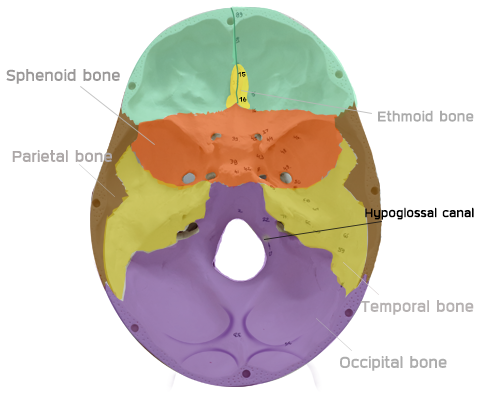
hypoglossal canal
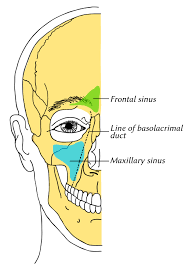
maxillary sinus
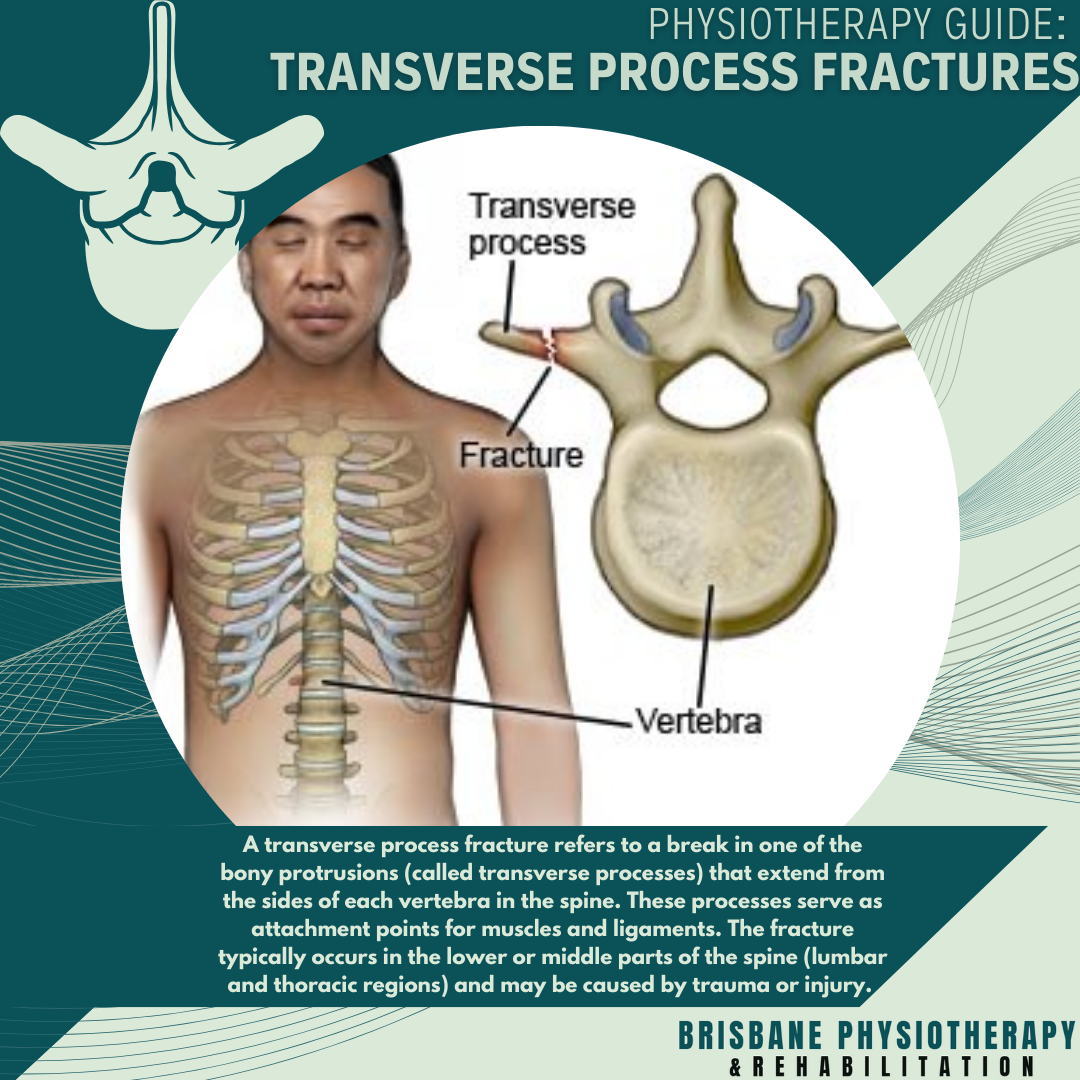
transverse process
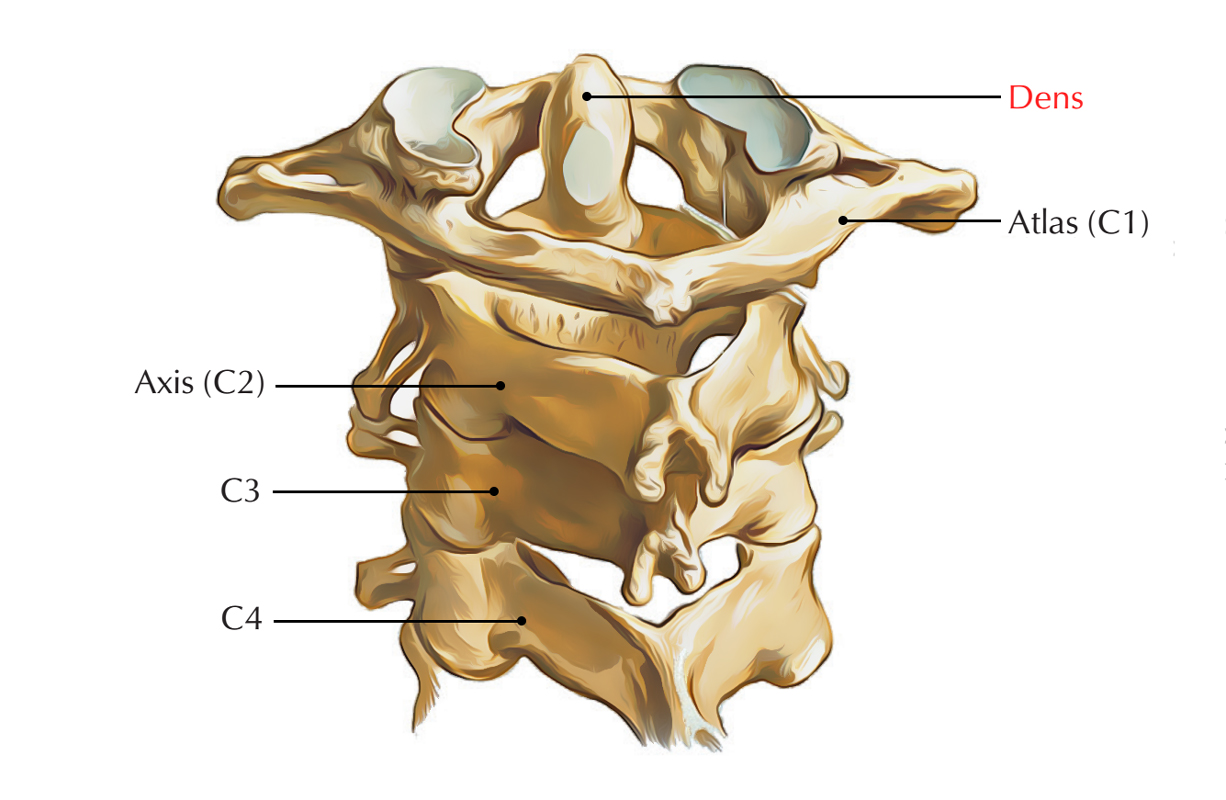
dens
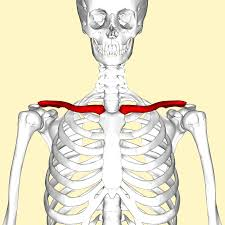
clavicle
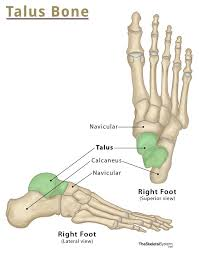
talus
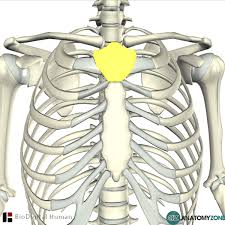
manubrium
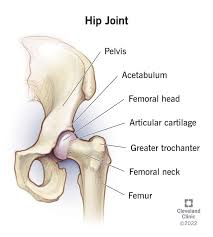
left hip
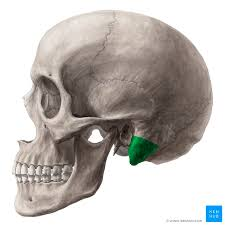
mastoid process
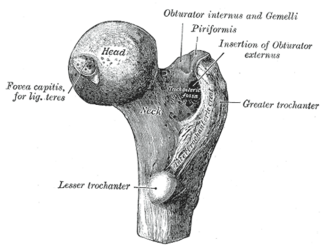
lesser trochanter
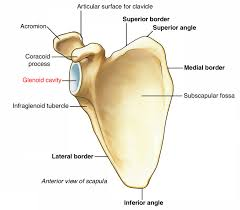
glenoid cavity
radius
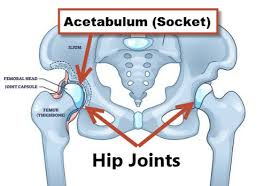
acetabulum
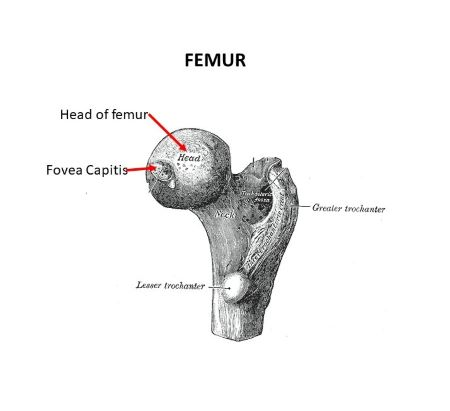
fovea capitis
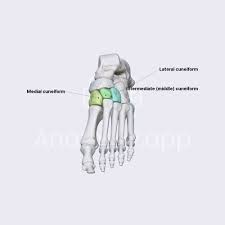
intermediate cuneiform
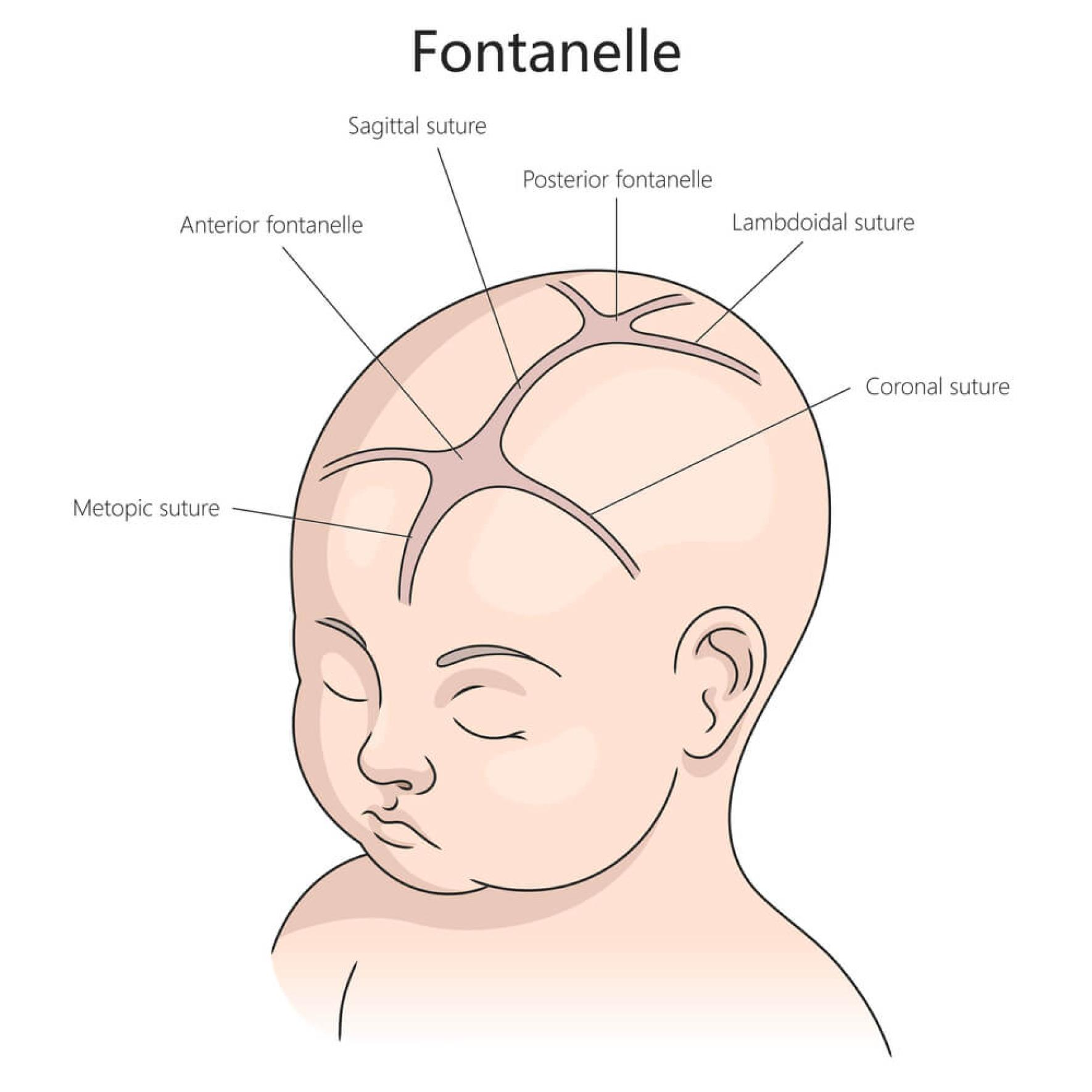
anterio fontenal
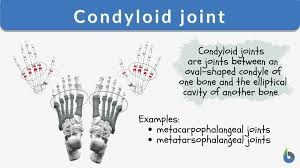
condyloid joint
a type of synovial joint where an oval shaped bone surface, or condyle, fits into a matching elliptical cavity
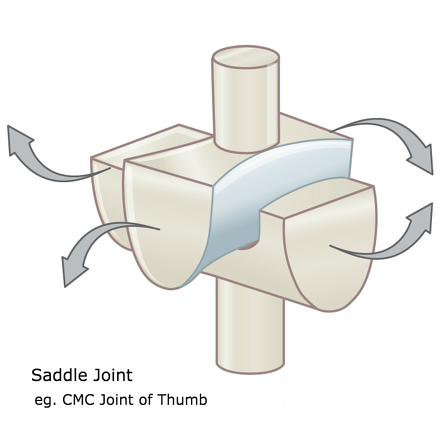
saddel joint
a highly flexible type of synovial joint where the opposing bone surfaces are both concave in one direction and convex in the other
patellar ligament
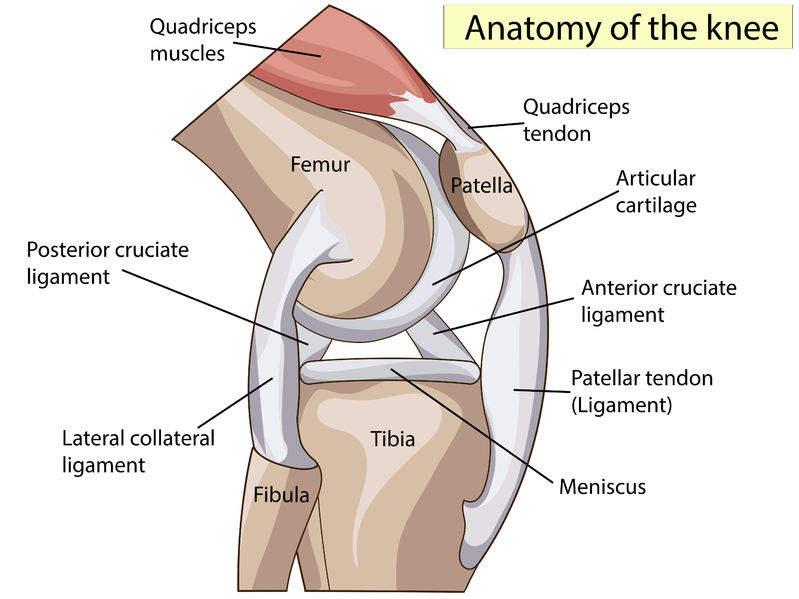
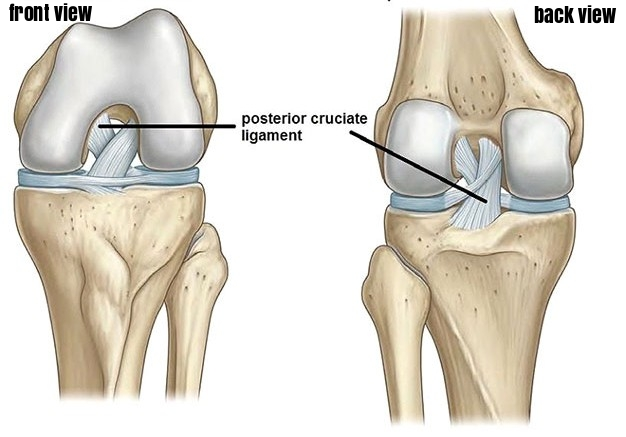
posterior cruciate ligament
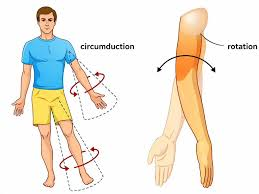
circumduction
circular motion
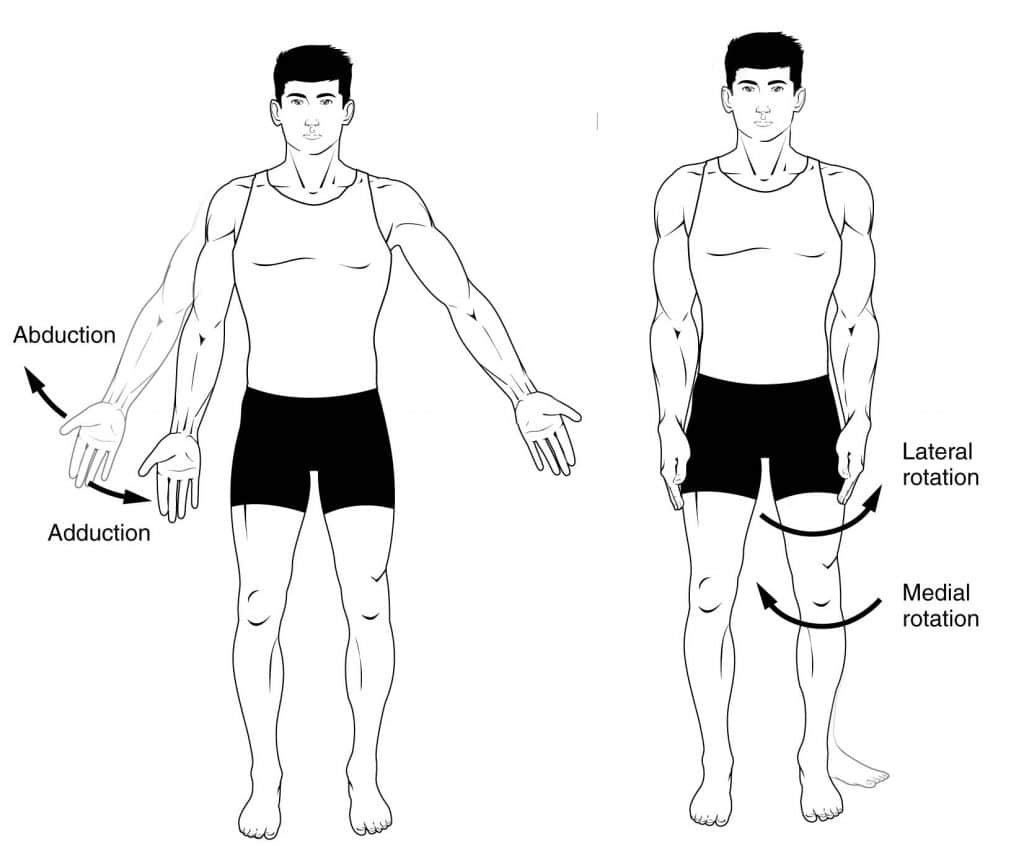
abduction
movement away from the midline of the body
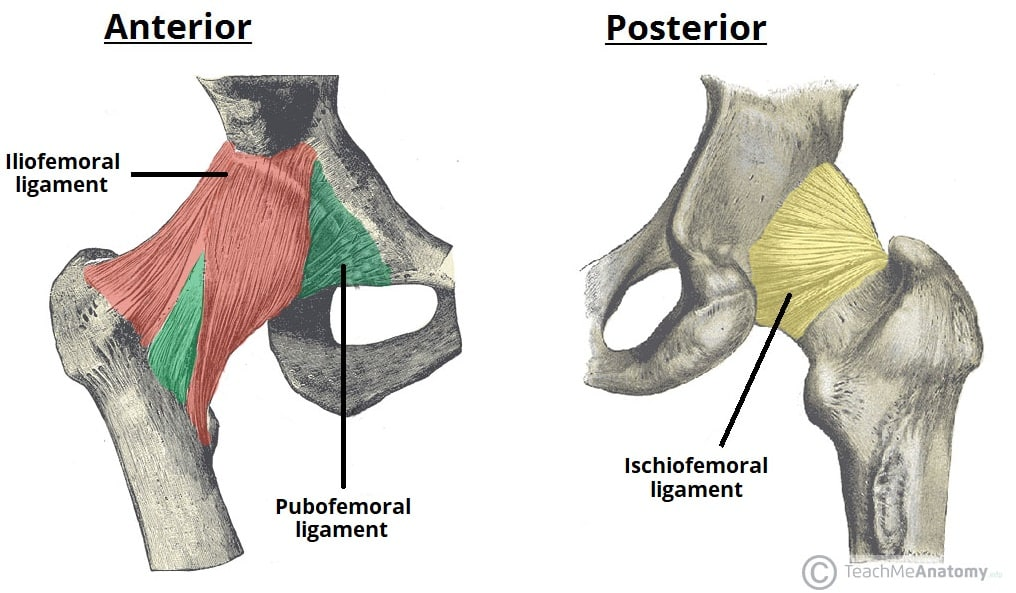
illiofemoral ligament
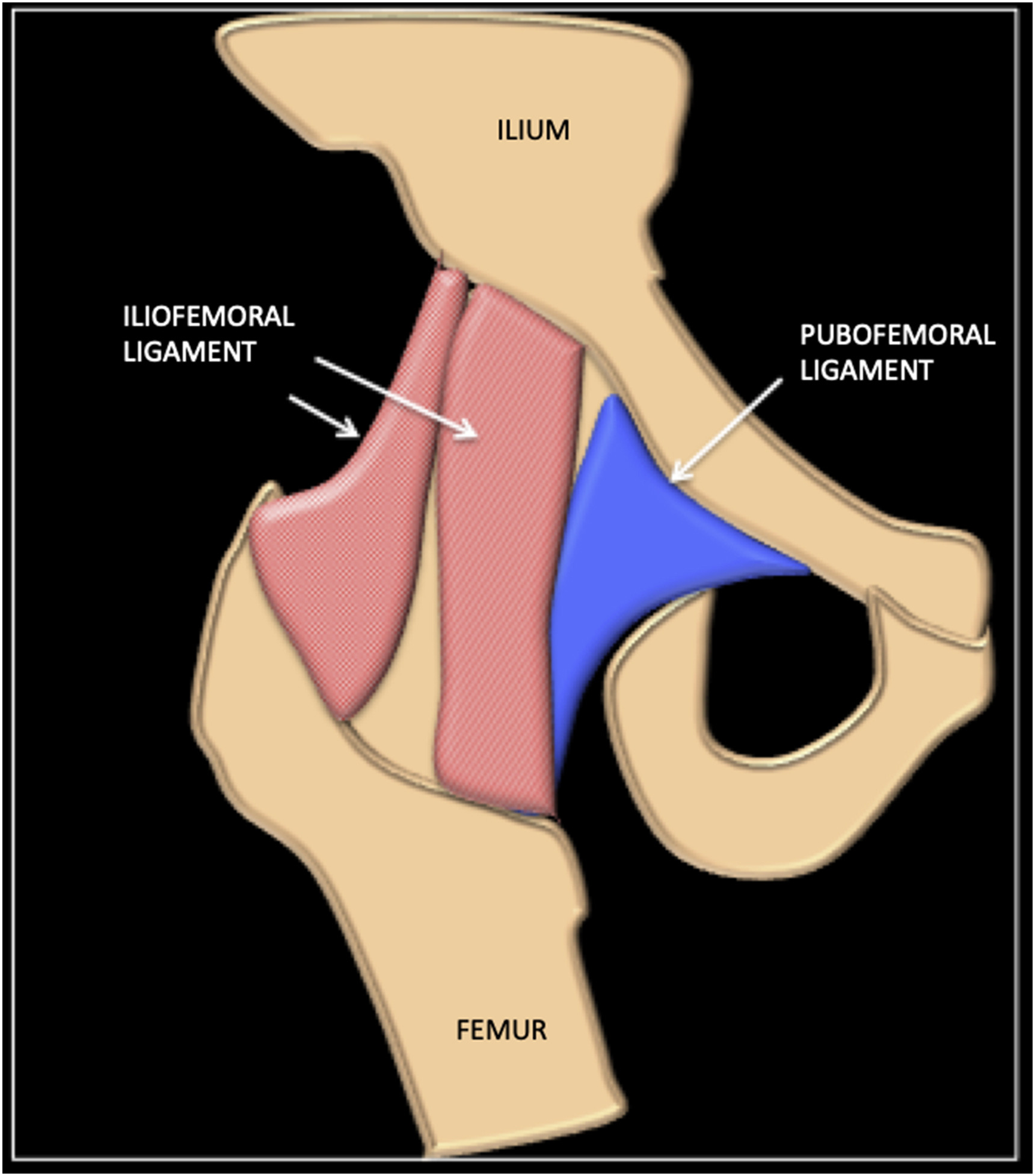
pubofemoral ligament
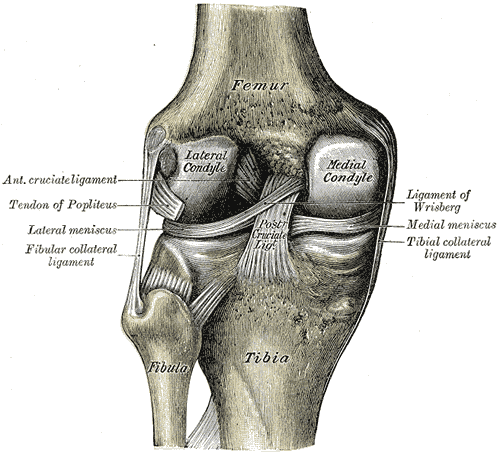
lateral condyle
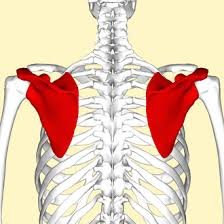
scapula
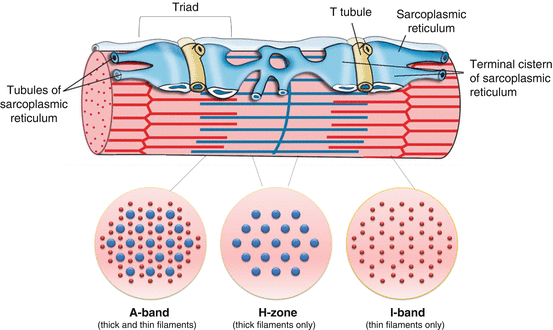
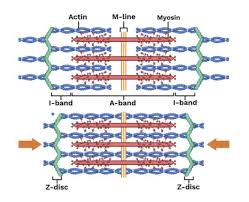
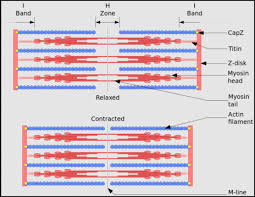
I band
contains only thin actin filaments of sarcomere
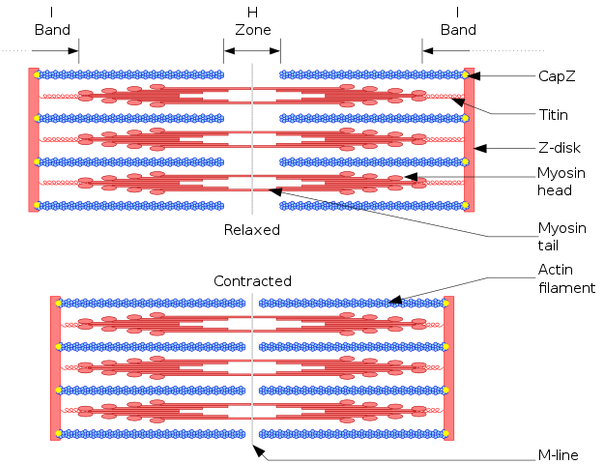
A band
dark central unit of sarcomere (basic unit of muscle contraction)
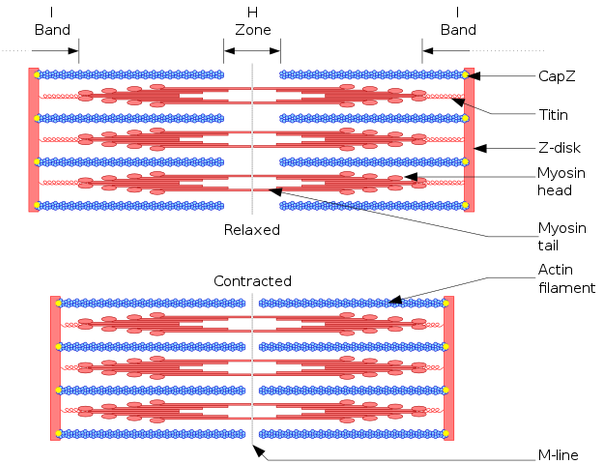
sarcoplasmic reticulum
a specialized, membrane bound organelle found in muscle cells
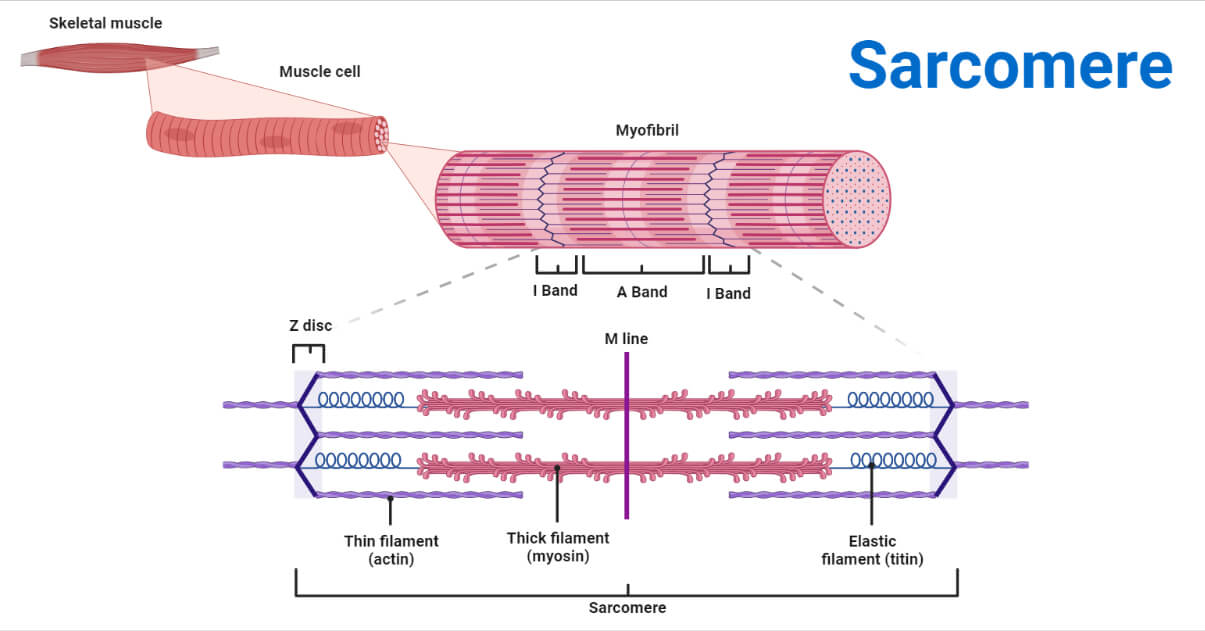
Z disc
boundary that separates individual sarcomeres
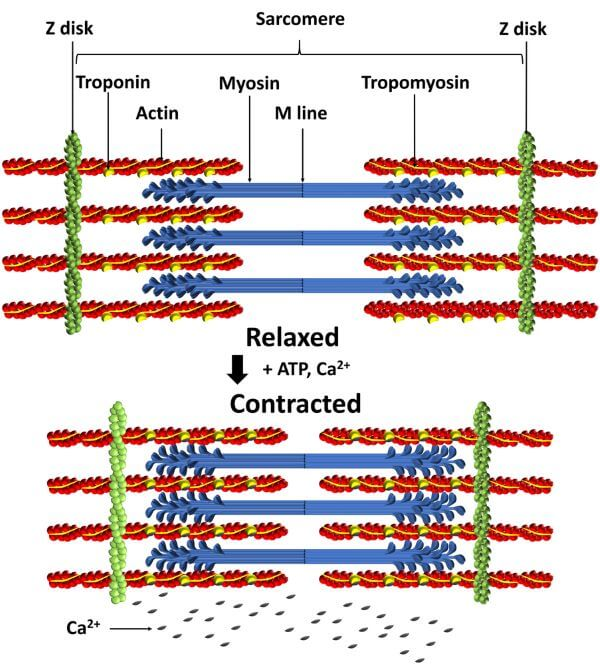
actin
pairs with myosin- which motors use ATP to walk along actin filaments
M line
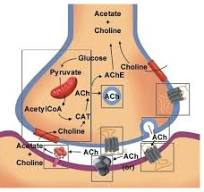
ACh
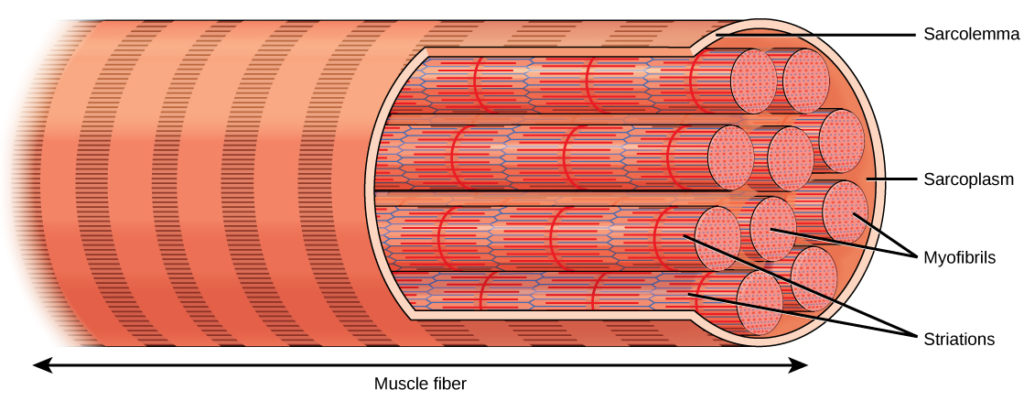
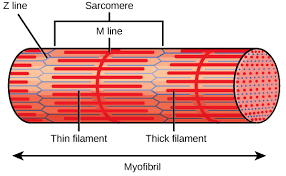
myofibrils
long rod like organelles inside muscle cells responsible for muscle contraction
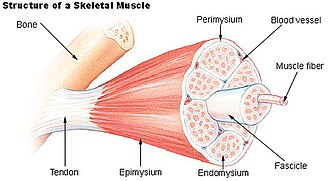
epimyosin
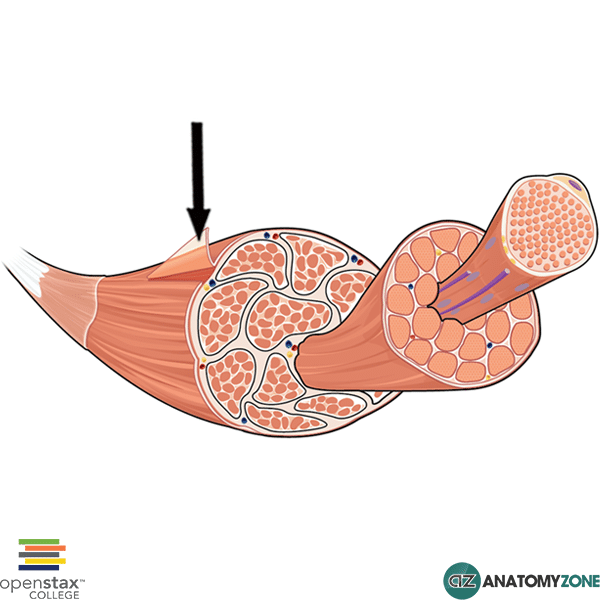
perimyosin
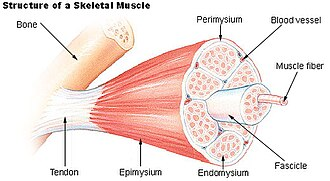
endomyosin
isometric muscle contraction
muscles generate force and contract- but overall strength remain unchanged
isotonic muscle contraction
muscle generates constant tension while length changes
muscle fatigue causes
energy depletion, metabolic accumulation, nervous system and cellular signaling, electrolyte and hydration imbalance, CNS fatigue
sharpey fibers
hold periosteum to compact bones
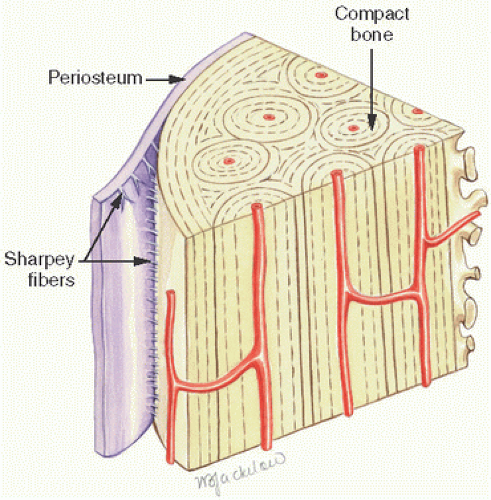
haversian canals
longitudinal tubes running through the dense outer layer of compact bones that house the bone’s primary blood vessels, nerve fibers, and lymphatic vessels
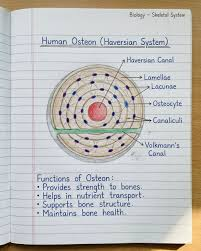
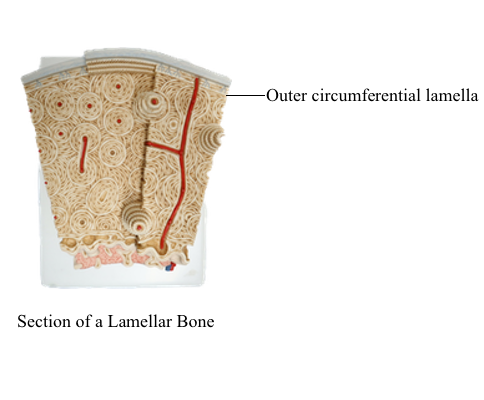
circumferentia lamella
layers of calcified bones matrix that run parallel to the circumference of a long bone’s shaft, wrapping around the entire bone
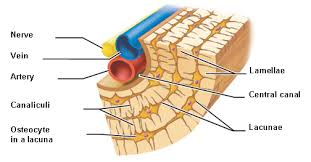
laclunae
gaps in bode tissue
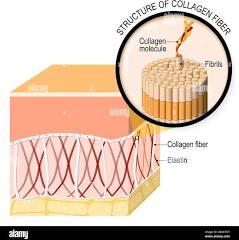
collagen
forms a complex network that provides essential tensile strength, support, and elasticity
hydroxyapatite
calcium phosphate mineral that makes up roughly 90% of tooth enamel, and 60% of of bones
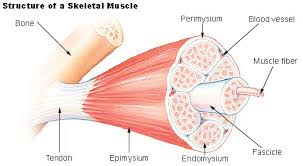
fasicle
grouped fibers bound together by connective tissue
sarcomere
basic functional and contractile unit of stratiated muscle
myofibril
tendon
rough, flexible band of fibrous dense connective tissue that connects skeletal muscle to bone
filtration
separating metabolic waste, toxins, and excess fluid form the blood
osmosis
movement of water through a semipermeable membnrane
diffusion
moevement of particles from a region of higher concentraion to lower
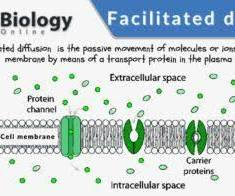
facilitated diffusion
passive transport of molecules down their gradient, assisted by transmembranic proteins