intro to biophysical agents
 Call Kai
 Learn
Learn Practice Test
 Spaced Repetition
 Match
Match Flashcards
 Knowt Play
1/96

There's no tags or description
Looks like no tags are added yet.
Name | Mastery | Learn | Test | Matching | Spaced | Call with Kai | Chat |
|---|
No analytics yet
Send a link to your students to track their progress
97 Terms
what are physical agents?
energy and materials applied to patients to assist in their rehabilitation
physical agents include
heat, cold, water, pressure, sound, electromagnetic radiation, and electrical currents
categories of biophysical agents
thermal, electromagnetic, mechanical
thermal agents transfer energy to a patient to
increase or decrease tissue temperature
thermal agents include
- hot packs
- paraffin baths
- cold packs
- ice bags
- ultrasound
- diathermy
- whirlpool
considered both thermal and mechanical agents
- ultraosund
- diathermy
- whirlpool
thermal agents may affect temp change in
either superficial or deep tissue
electromagnetic agents apply energy in the form of
electromagnetic radiation or electrical current
electromagnetic agents include
- infrared radiation (ER)
- UV radiation (ER)
- laser (ER)
- diathermy (ER)
- electrical stimulation (EC)
mechanical agents apply force to
increase or decrease pressure on the body
mechanical agents
- water/hydrotherapy
- traction
- compression
- sound (US and or shockwave)
types of thermal agents
- superficial heating agents
- deep heating agents
- cooling agents
clinical examples of thermal agents
- hot pack, paraffin
- ultrasound, diathermy
- ice pack
electromagnetic types
- electrical currents
- electromagnetic fields
clinical examples of electromagnetic
- TENS
- ultraviolet, laser
mechanical agent types
- sound
- water
- traction
- compression
mechanical clinical examples
- ultrasound, shock waves
- whirlpool
- mechanical traction
- elastic bandage, stockings
physical therapy is the
use of the physical, chemical, and other properties of heat, light, water, electricity, sound, massage, and active, passive, and resistive exercise, and shall include physical therapy
effects of physical agents
- reduce inflammation
- accelerate tissue healing
- relieve pain
- modify muscle tone
- alter collagen extensibility (motion)
damaged tissues usually respond predictably through
inflammation (1st phase), proliferation, maturation
thermal agents modify inflammation and healing by
changing rates of circulation and chemical reactions
mechanical agents _______ to contribute to inflammation and tissue healing
control motion and alter fluid flow
electromagnetic agents _________ during inflammation and tissue healing
alter cell function (membrane permeability and transport)
initial injury stage goals of treatment
- prevent further injury or bleeding
- clean open wound
initial injury stage effective agents
- static compression, cryotherapy
- hydrotherapy (immersion or non immersive)
initial injury stage contraindicated agents
- exercise
- intermittent traction
- motor level ES
- thermotherapy
chronic inflammation stage goals of treatment
- prevent/decrease joint stiffness
- control pain
- increase circulation
- progress to proliferation stage
chronic inflammation stage - prevent/decrease joint stiffness effective agents
- thermotherapy
- motor ES
- shock waves
- whirlpool
- fluidotherapy
chronic inflammation stage - contraindicated agents
cryotherapy
chronic inflammation stage - control pain effective agents
- thermotherapy
- ES
- shock waves
- photobiomodulation
chronic inflammation stage - increase circulation effective agents
- thermotherapy
- ES
- compression
- hydrotherapy (immersive or exercise)
chronic inflammation stage - progress to proliferation stage effective agents
- pulsed ultrasound
- ES
- SWT
- shock waves
remodeling stage goals of treatment
- regain or maintain strength
- regain or maintain flexibility
- control scar tissue formation
remodeling - regain or maintain strength effective agents
- motor ES
- water exercise
- EMG biofeedback
remodeling - regain or maintain flexibility effective agents
thermotherapy
remodeling - control scar tissue formation effective agents
brief ice massage
compression
remodeling stage contraindicated agent
immobilization
acute pain goals of treatment
- control pain
- control inflammation
- prevent aggravation of pain
acute pain effective agents
- sensory ES, cryotherapy
- cryotherapy
- immobilization, EMG biofeedback
- low-load static traction
acute pain contraindicated agents
- thermotherapy
- local exercise
- motor ES
referred pain goals of treatment
control pain
referred pain effective agents
- ES
- cryotherapy
- thermotherapy
spinal radicular pain goals of treatment
- decrease nerve root inflammation
- decrease nerve root compression
spinal radicular pain effective agent
traction
pain caused by malignancy goals of treatment
control pain
pain caused by malignancy effective agents
- ES
- cryotherapy
- superficial thermotherapy
inflammation treatment
cryotherapy or E stim
modify perception to decrease pain-->
cryotherapy
compression to decrease pain
traction
modify pain transmission decrease pain by
sensory level E stim
hypertonicity goal of treatment
decrease tone
hypertonicity effective agents
- neutral warmth
- prolonged cryotherapy
- EMG biofeedback to hypertonic muscles
- motor ES
- quick ice of antagonists
hypotonicity goal of treatment
increase tone
hypotonicity effective agents
- quick ice
- motor ES
- EMG biofeedback to antagonists
fluctuating tone goal of treatment
normalize tone
fluctuating tone effective agent
functional ES
muscle weakness goal of treamtent
increase muscle strength
muscle weakness effective agents
- water exercise
- motor ES
- EMG biofeedback
contraindicated agent for muscle weakness
immobilization
pain at rest and with motion goals of treatment
control pain
pain at rest and with motion effective agents
- ES
- cryotherapy
- thermotherapy
- SWT
- spinal traction
- EMG biofeedback
pain at rest and with motion contraindication
exercise
pain with motion only goals of treatment
- control pain
- promote tissue healing
pain with motion only - control pain effective agents
- ES
- cryotherapy
- thermotherapy
- SWT
pain with motion only - contraindicated agent
exercise into pain
pain with motion only - promote tissue healing effective agents
- ultrasound
- ES
- SWT
- shock waves
soft tissue shortening goals of treatment
- increase tissue extensibility
- increase tissue length
soft tissue shortening effective agent 1) increase tissue extensibility
thermotherapy
soft tissue shortening effective agent 2) increase tissue length
thermotherapy or brief ice massage and stretch
contraindication of soft tissue shortening
prolonged cryotherapy
bony block goals of treatment
- remove block
- compensate
effective agents of bony block
- none for remove block
- compensate --> exercise; thermotherapy or brief ice massage and stretch
contraindication of bony block
stretching blocked joint
general contraindications and precautions
- pregnancy
- malignancy
- pacemaker or other implanted electronic device
- impaired sensation
- impaired mentation
physical agent selection
address primary problems or problems most likely to respond to available interventions first
order of physical agent selection
- 1A: primary underlying probem
- 1B: problem most likely to respond to treatment
- 2: treatment that address more than one problem simultaneously
- 3: symptomatic treatment only
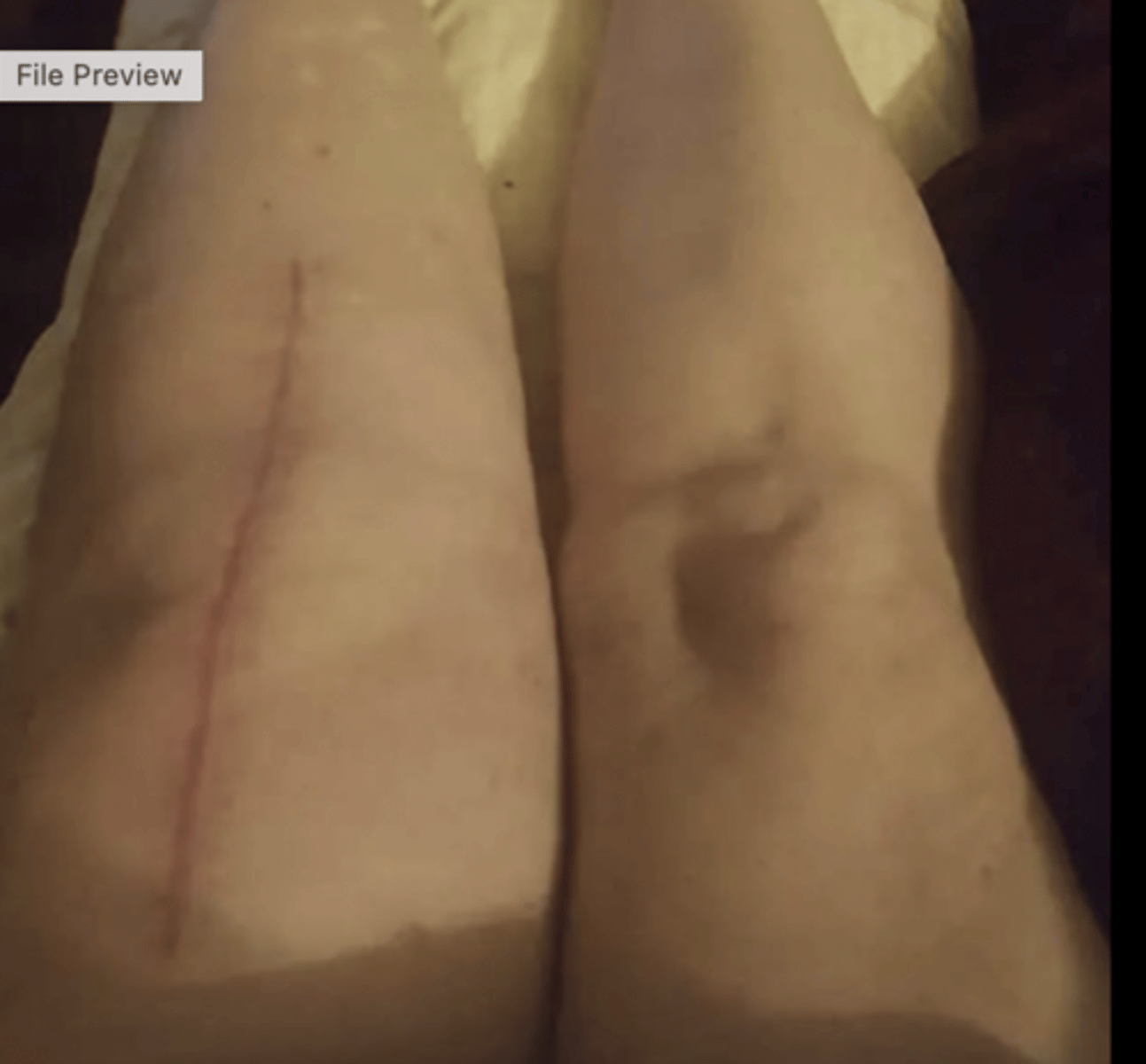
if swelling contributes to lack of mobility
- reduce swelling through ice
- precaution: reduced sensation
attributes to consider during selection of physical agents
- goals and effects of treatment
- contraindications and precautions
- evidence for physical agent use
- cost, convenience and availability
interventions are generally combine when
- they have similar effects
- address different aspects of a common array of symptoms
- i.e: rest, ice, elevation, compression are combined for treatment of inflammation
documentation - effective, accurate, and complete communication to other health care professionals regarding:
- examination findings
- evaluations
- interventions
- plans
- serves as a long term record
- supports reimbursement
Eastern medicine practices
acupuncture 2200 years ago
ancient romans and greeks
use of heat and water to treat musculoskeletal and respiratory problems
400 BC and early innovations
electrical stimulation via electrical torpedo fish for headaches and arthritis, spinal traction techniques
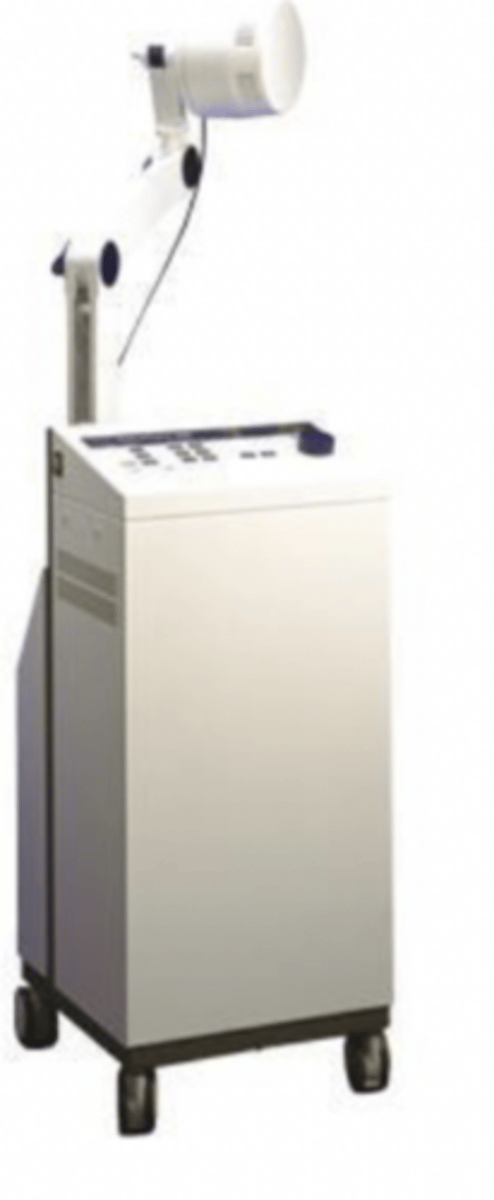
diathermy
generation of heat in body tissues through high-frequency electric currents for medical purposes
APTA most important recommendation
don't employ passive physical agents except when necessary to facilitate participation in an active treatment program
role of physical agents in rehabilitation
the use of biophysical agents as a standalone is not considered physical therapy
physical agents are used by
- PTS and PTAs
- OTS and OTAs
- ATs
- physiatrists
- chiro
- accupuncturists
- patients
evidence based practice EBP
- requires clinical decisions to be guided by the best available relevant clinical research data
- combined with clinician's experience and patient pathology/preference
levels of evidence from highest quality to lowest
1. Meta-analyses (highest)
2. systematic reviews
3. randomized controlled trials
4. cohort studies
5. case-control study (lowest)
PICO - P
patient or population ( specific person or group)
PICO - I
intervention (specific intervention, exercise, specific frequency)
PICO- C
comparison or control (compare selected intervention with gold standard treatment or no intervention at all)
PICO - O
outcome (state clearly the desired outcome from the intervention)
PICO example
- P: patients with symptoms due to soft tissue shortening
- I: ultrasound therapy
- C: no ultrasound therapy
- O: increased ROM
clinical practice guidelines CPGs
- systemically developed statements that attempt to interpret current research
- give recommendations for diagnostic and prognostic measures and for preventive or therapeutic interventions
- specific guidelines for the use of physical agent can be found on APTA
using physical agents within different health care delivery systems
- use of resources in most cost effective manner, be efficient
- reduced reimbursement ex medicare
- increased requirements for documentation
- assessment of functional outcomes in response to interventions
ICF model components
1. body structures / functions: system impairments, ex: right sided weakness
2. activities: activity restrictions, ex: ambulation
3. participation: participation restrictions, ex: grocery shopping
4. environmental factors: environment, ex: distance from parking lot to store
5. personal factors: work, family, ex: lack of family support
6. health conditions: diagnosis and co-morbidities, ex: CVA, HTN