primary structure - peptide bonds and cis-trans isomers
 Call Kai
 Learn
Learn Practice Test
 Spaced Repetition
 Match
Match Flashcards
 Knowt Play
1/12

Earn XP
Description and Tags
Name | Mastery | Learn | Test | Matching | Spaced | Call with Kai | Chat |
|---|
No analytics yet
Send a link to your students to track their progress
13 Terms
how is a peptide bond formed?
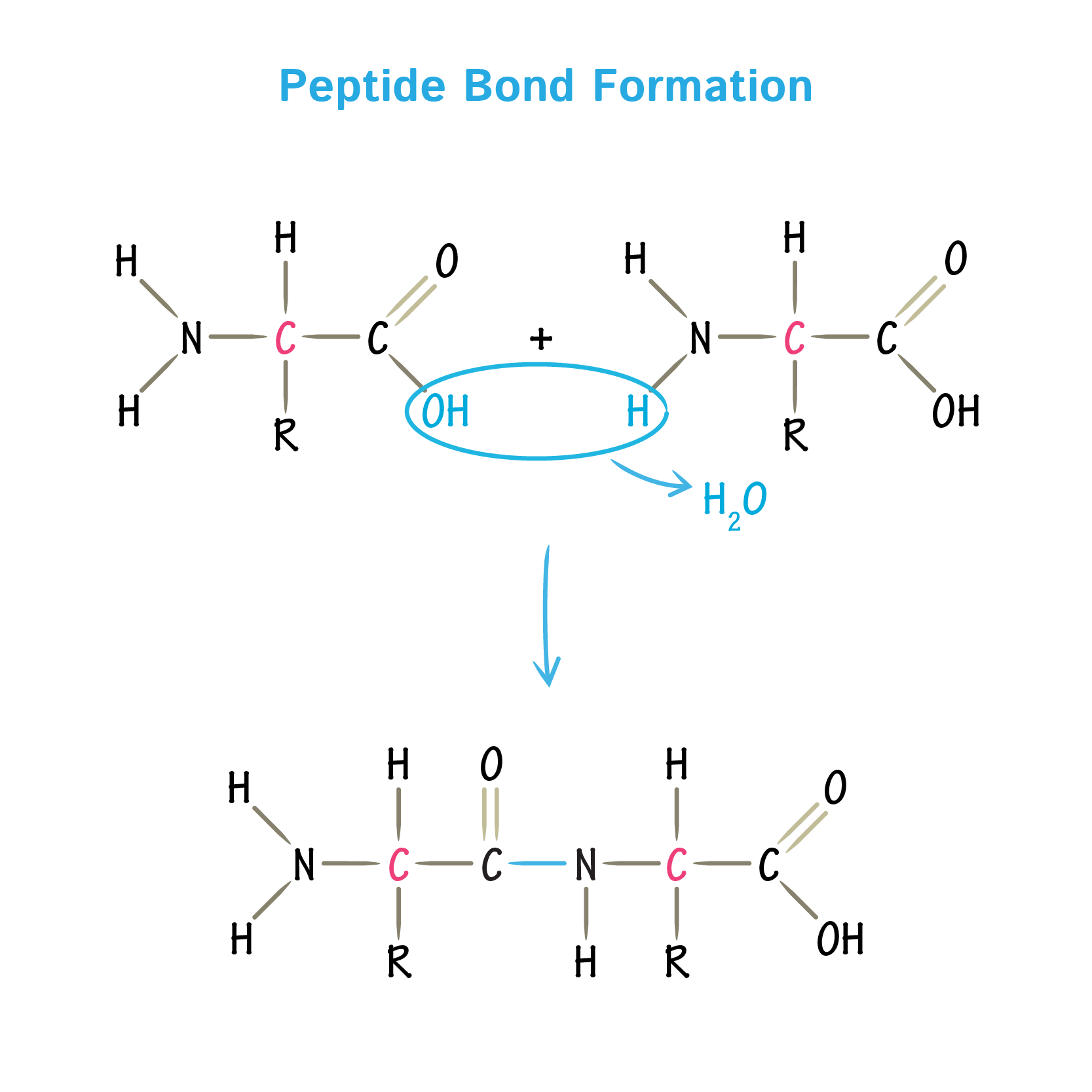
what type of reaction is a peptide bond formation?
condensation reaction
what direction are peptides drawn?
N terminus (amino group) ——> C terminus (carboxyl group)
what is a peptide bond?
carboxyl group of one amino acid links with the amino group of another
what is an isopeptide bond?
bond between a side chain carboxyl group and ⍺-amino group OR
bond between a side chain amino group and ⍺-carboxyl group
peptides have a resonance structure, draw this
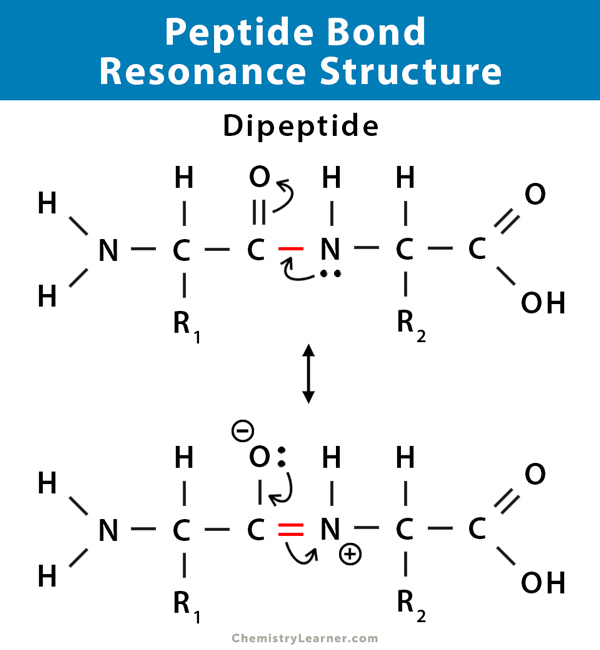
what properties does the partial C=N bond give peptides?
planar and rigid
rotation around peptide bond is restricted
results in trans/cis isomerism
what is trans/cis isomerism?
molecules that share the exact same chemical formula but feature different 3D shapes
occurs in molecules with rigid structures e.g. double bond which prevent rotation
requires two non-identical groups attached to each atom in double bond and at least one identical group
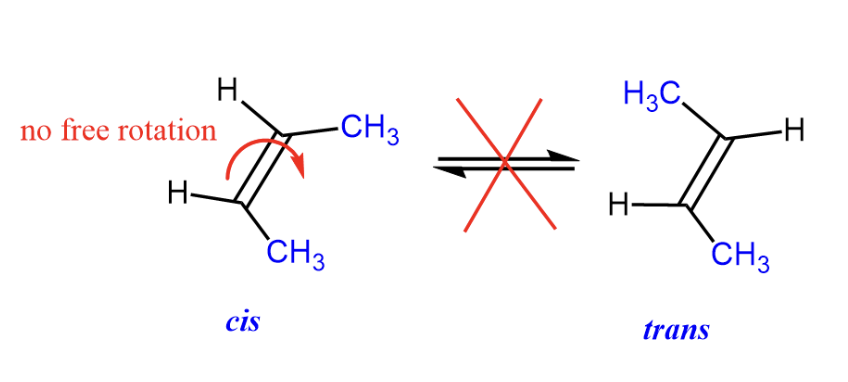
what is a cis isomer?
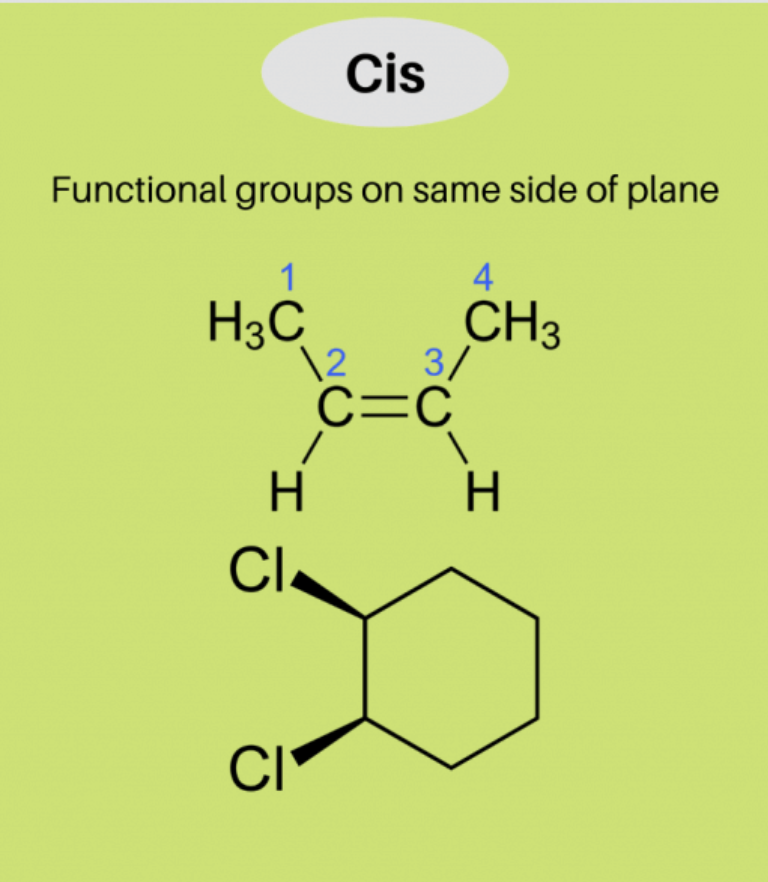
what is a trans isomer?
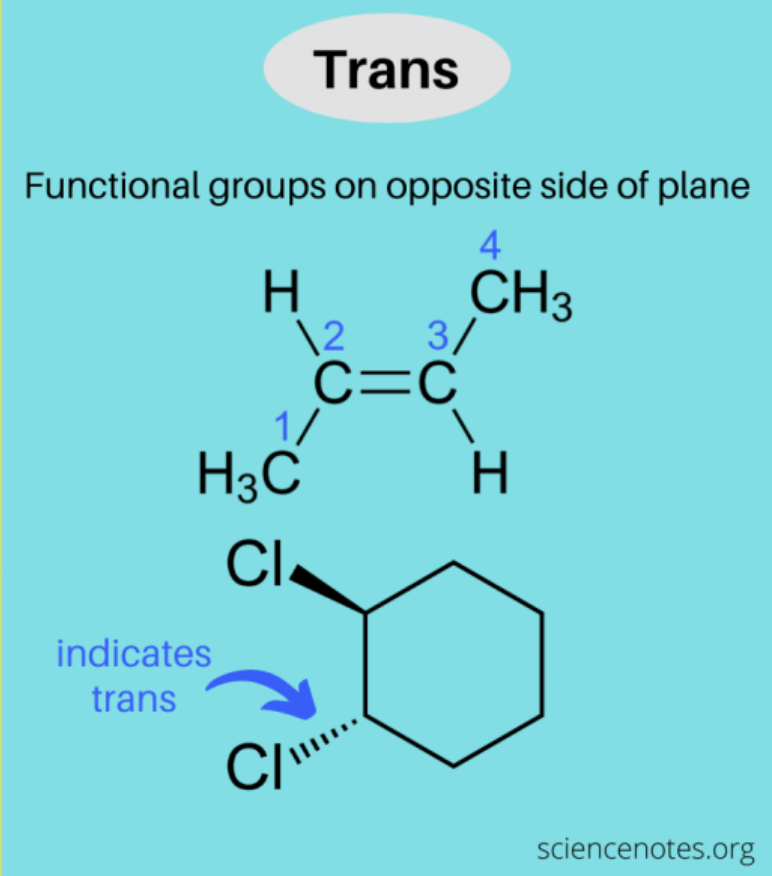
what isomer are peptide bonds usually?
trans configuration
preferred because there are no steric clashes/hindrance between groups attached to the C⍺ atoms
how are proteins named?
names are derived from the amino acid residues in the primary structure
1 letter/3 letter code is used
written from left (N terminus) to right (C terminus)
Cys(1)-xyz-Cys(1) — the (1) indicates there is a disulfide bridge
how do you calculate the molecular weight (Mw) of a peptide and what are the units?
calculate by adding the isotpic masses of amino acids + isotopic mass of one water molecule
measured in Daltons (Da)