GSN MS and HS Basic Math Terms
 Call Kai
 Learn
Learn Practice Test
 Spaced Repetition
 Match
Match Flashcards
1/76

Earn XP
Description and Tags
A comprehensive collection of basic math terms and definitions covering arithmetic, number types, fractions, geometry, and coordinate systems.
Name | Mastery | Learn | Test | Matching | Spaced | Call with Kai | Chat |
|---|

77 Terms
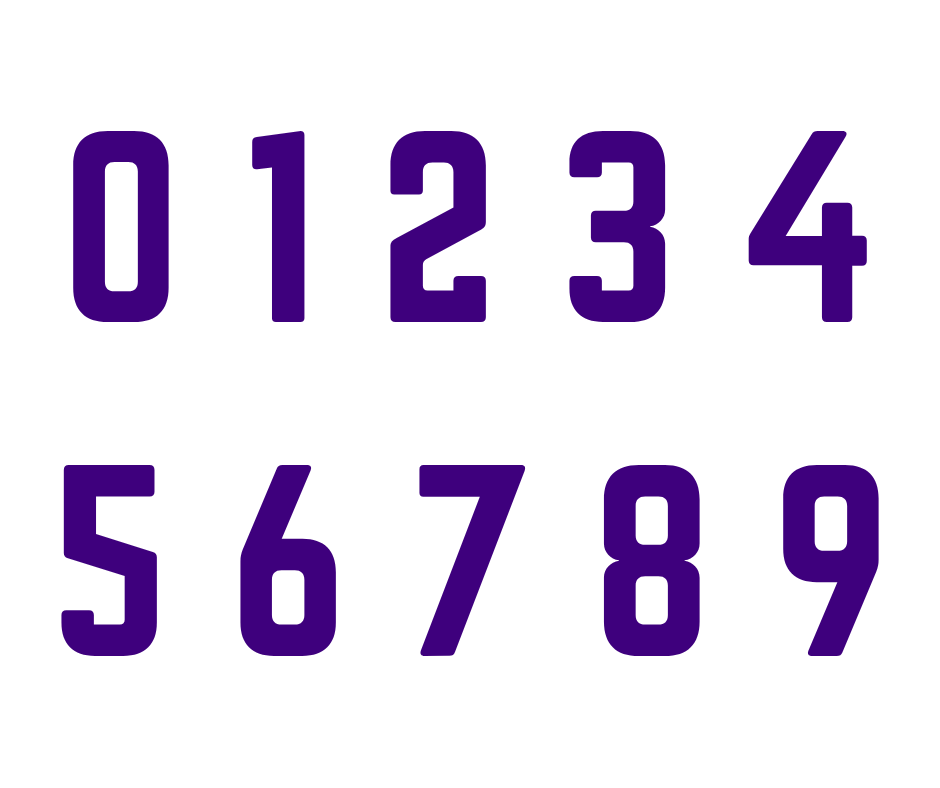
Digits
A single number from 0 to 9.
Even Numbers
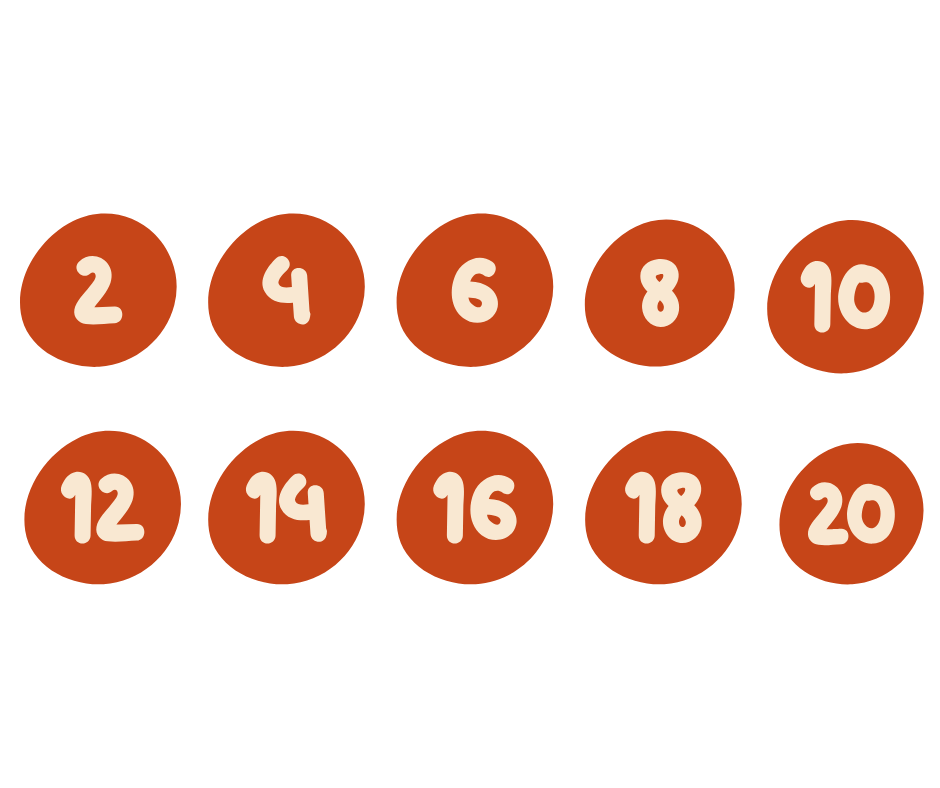
Numbers that are divisible (can be divided) by 2. Example: 2,4,6,8,10,48,52.
Odd Numbers
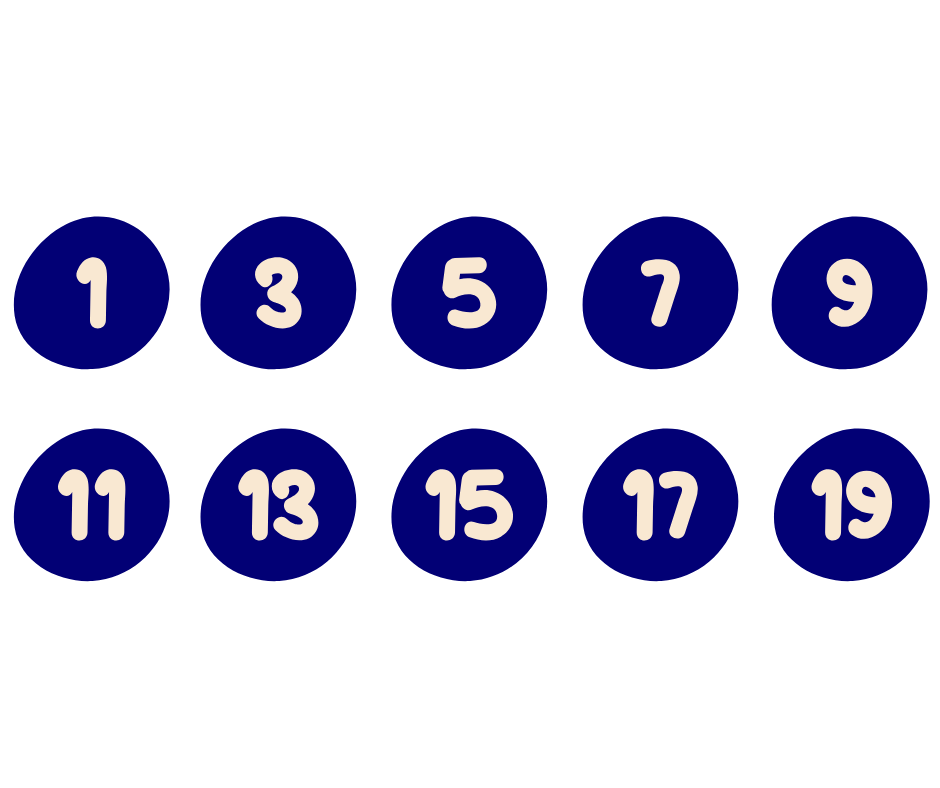
Numbers that are not divisible by 2 (divided into 2 groups). Example: 1,3,5,7,9.
greater than
Comparing numbers to determine which number has a larger value.

less than
Comparing numbers to determine which number has a smaller value.

Equal
When expressions or numbers share the same value.
Estimate
To round a number to get an approximate answer.
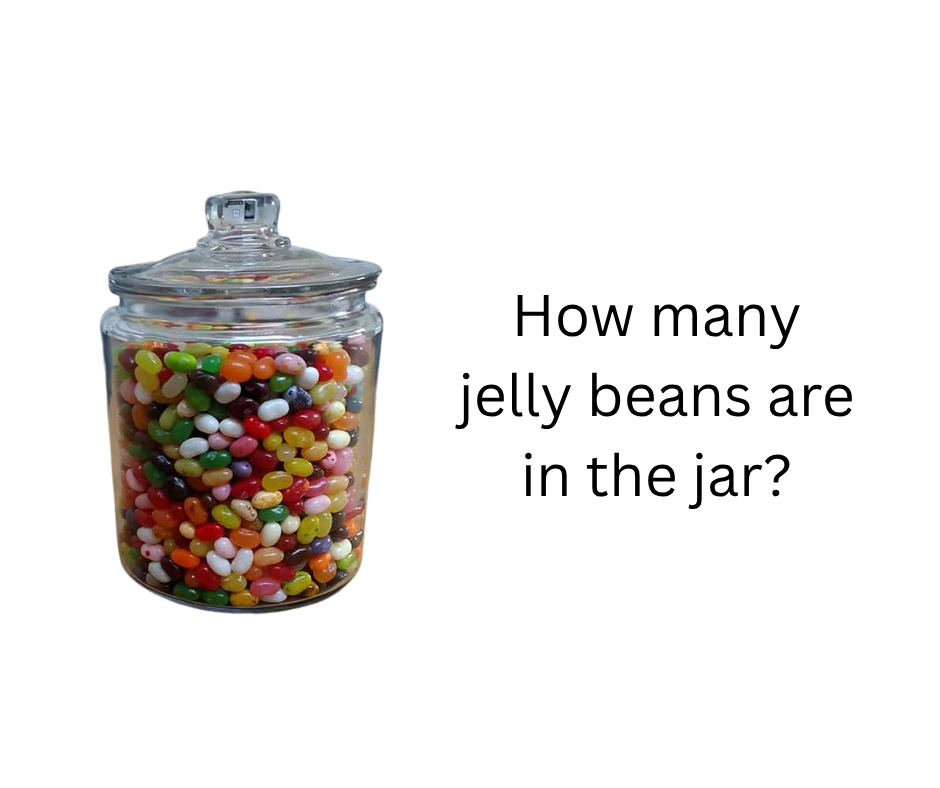
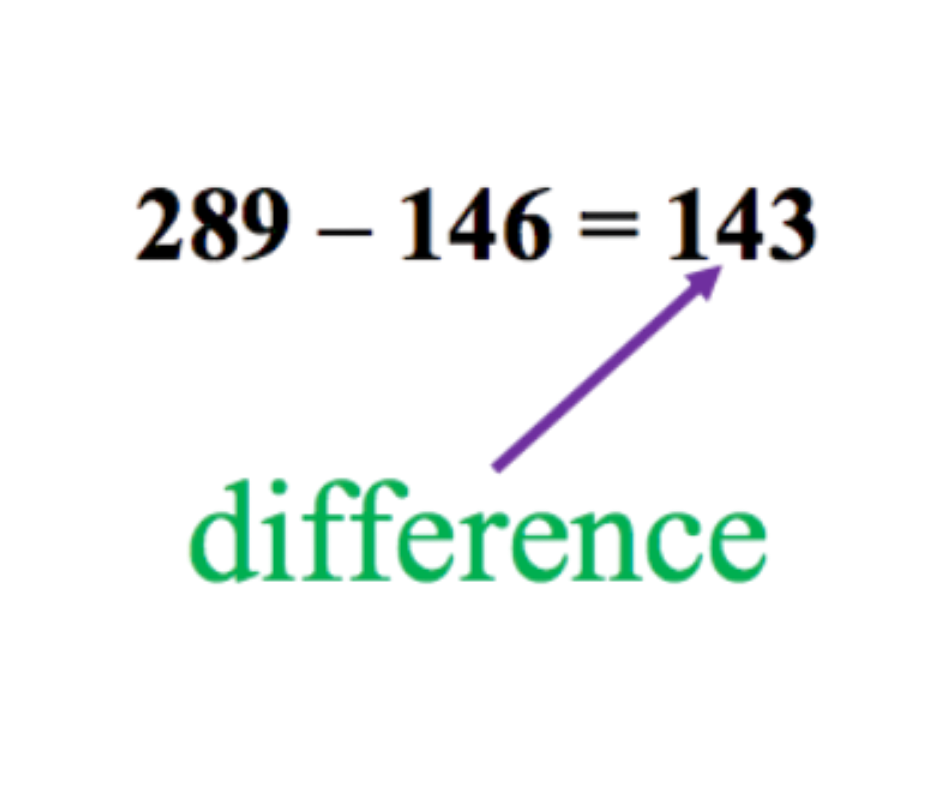
Difference
The answer to a subtraction problem.
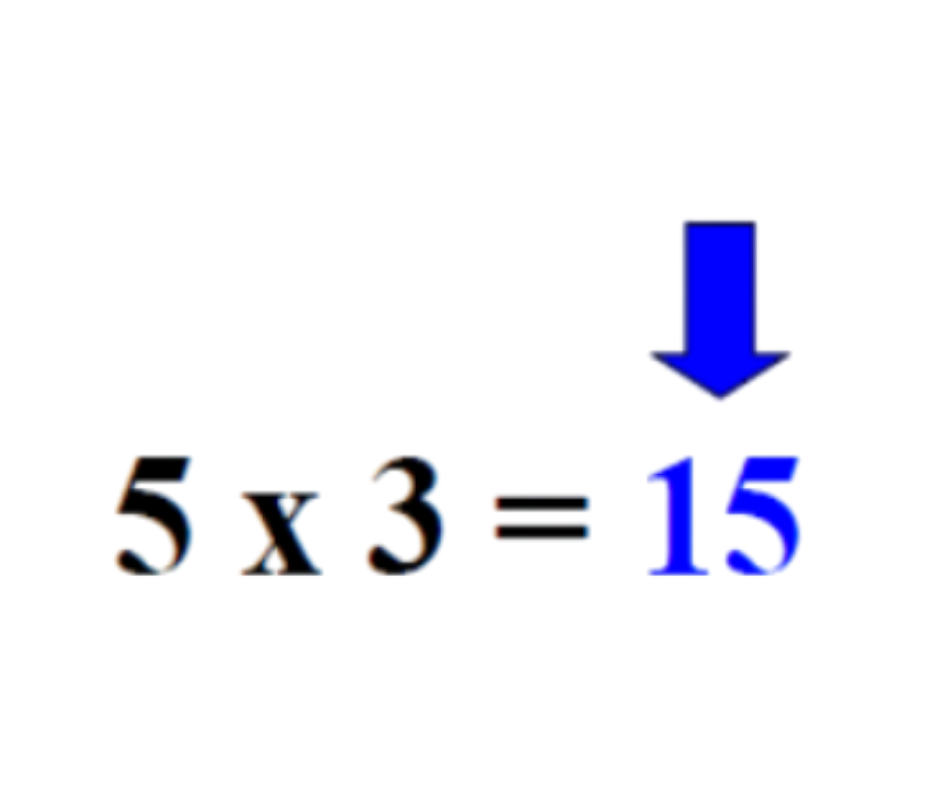
Product
The answer to a multiplication problem.
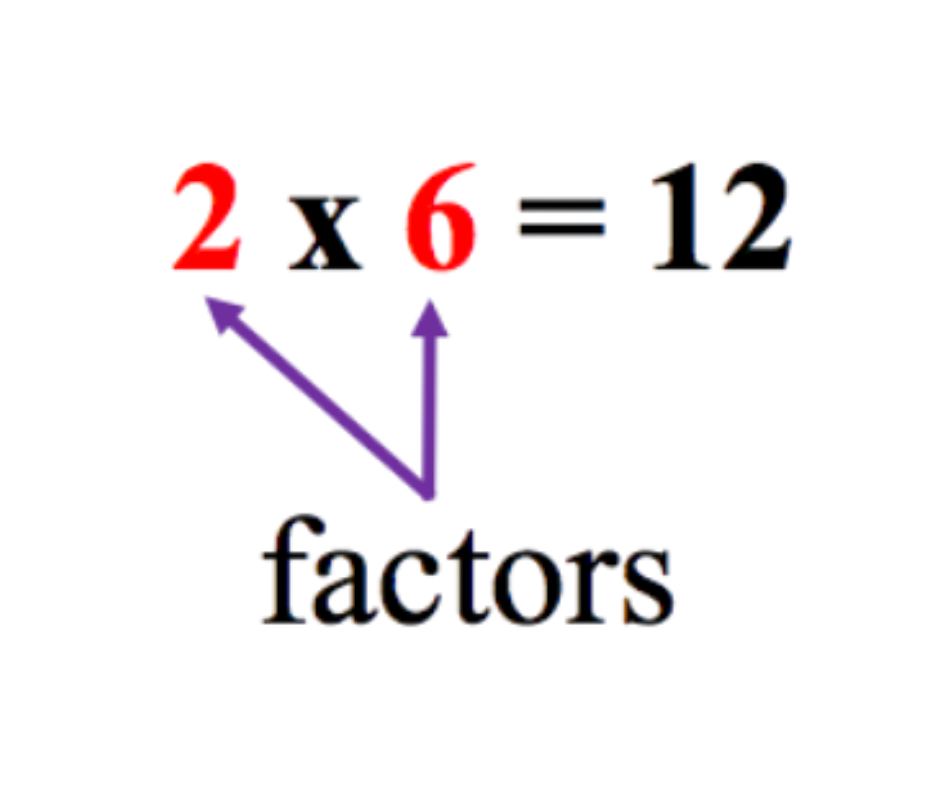
Factor
Number you multiply to find the product.
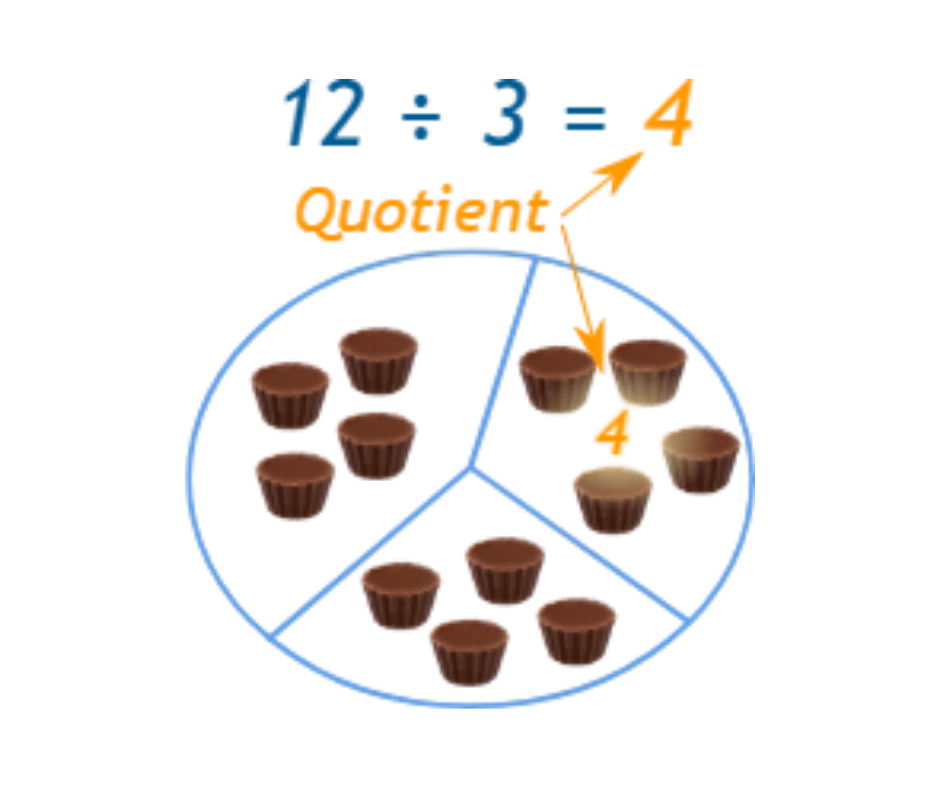
Quotient
The answer to a division problem.
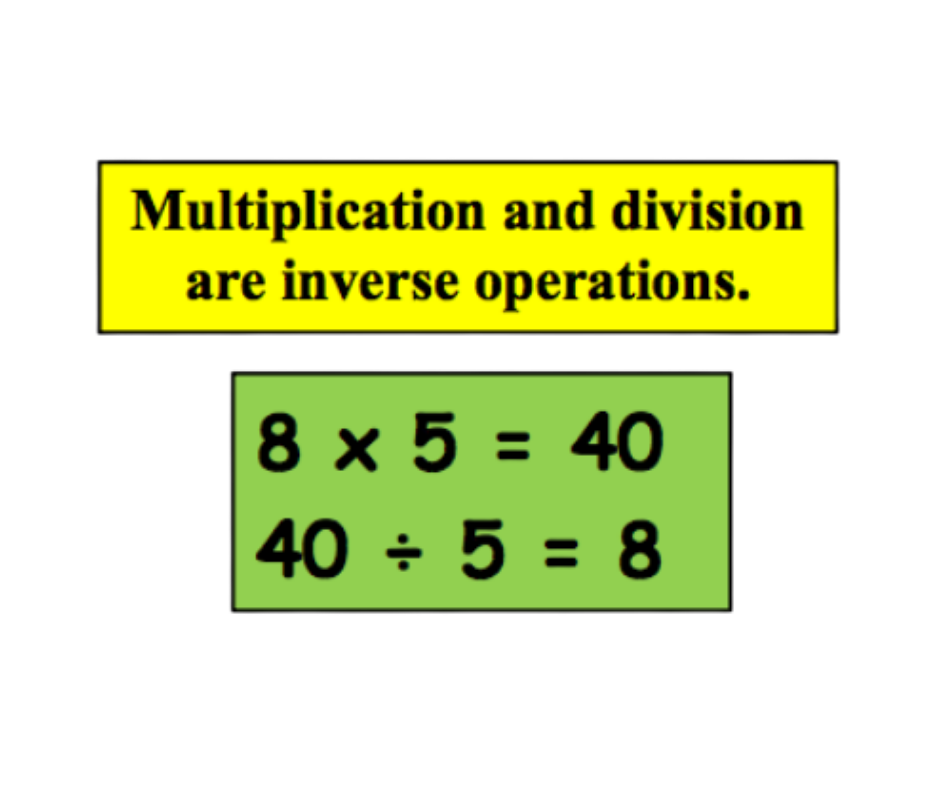
Inverse operation
Operations that are the opposite of each other and undo each other (e.g., multiplication and division, or addition and subtraction).
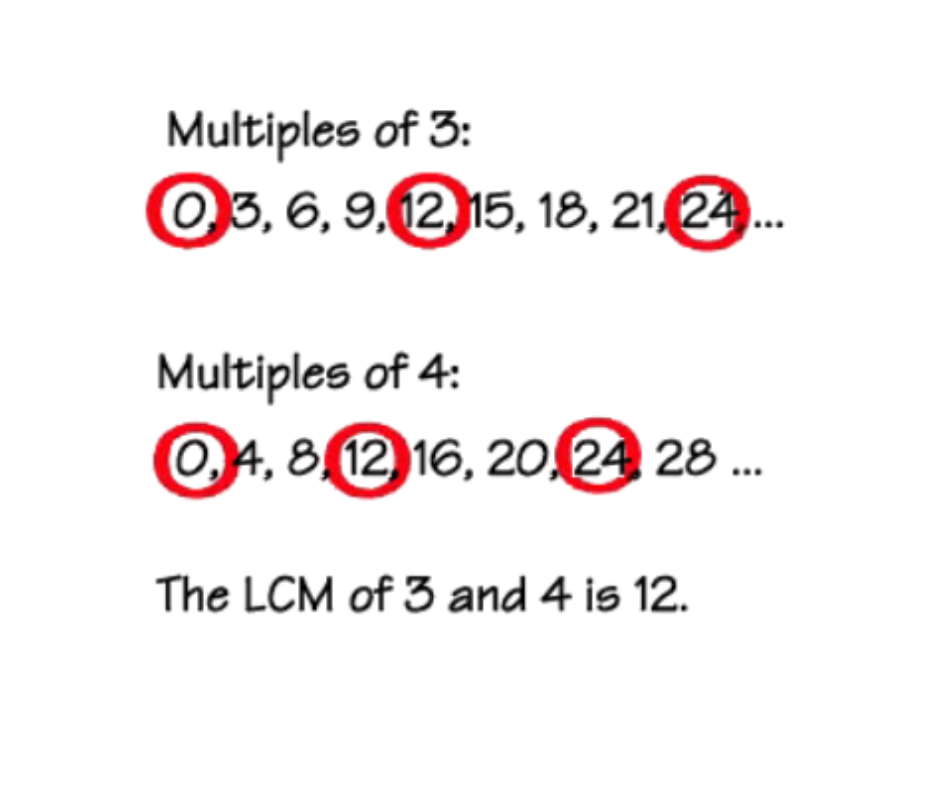
Multiple
The product of any given number and any other whole number. Example: 0,4,8,12,16 are multiples of 4.
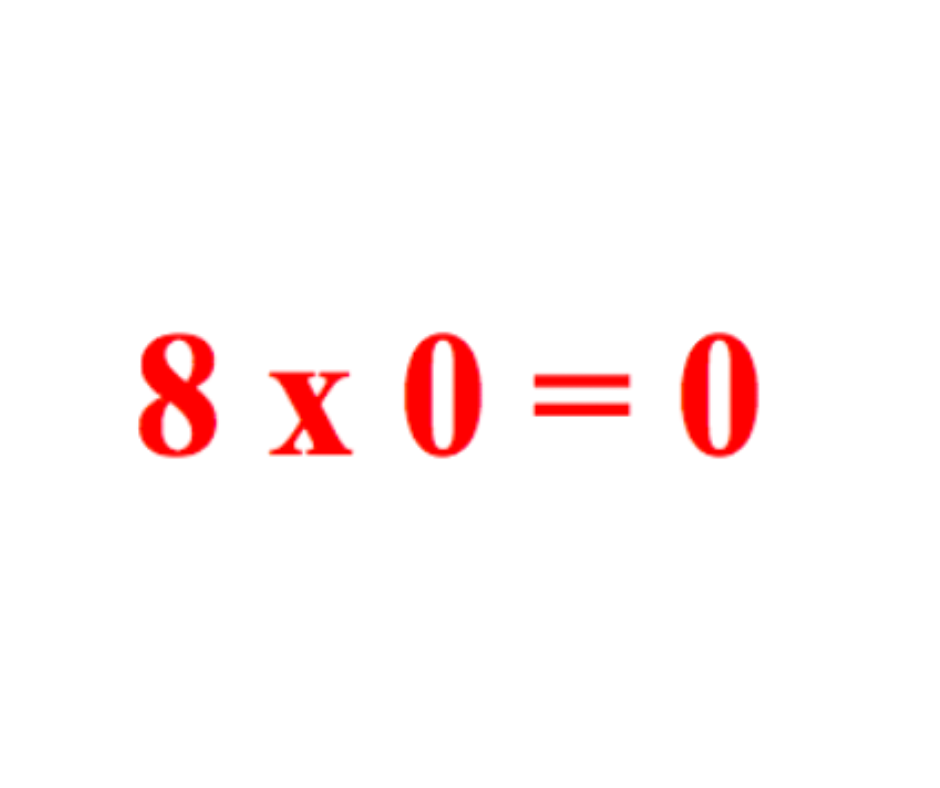
Zero property
When you multiply a factor times zero the product (answer) is zero.
Division
to divide things or numbers into equal groups. Key terms: share, separate, divide
Equal (Equality)
when two sides of an equation have the same values, the sides are equal. The sides have an equality.
Not equal
when 2 sides of the equation do not have the same value(what it is worth), they are not equal
Table
A way to organize information using rows and columns.
Input
The value you put into a formula.
Output
The value that comes out of a formula or equation.
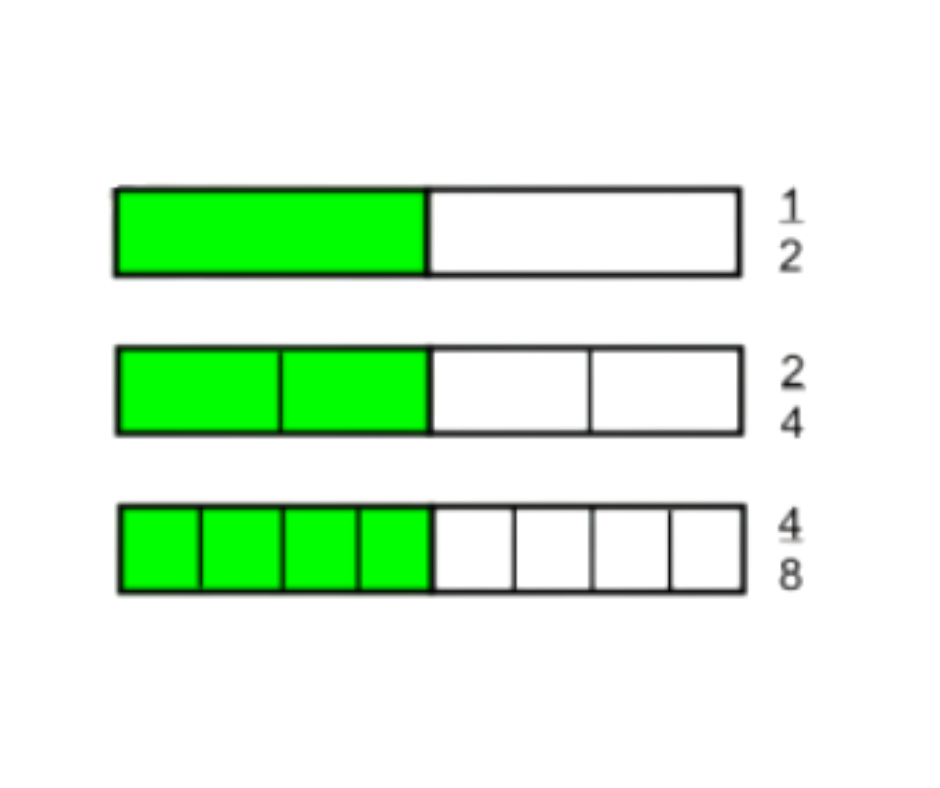
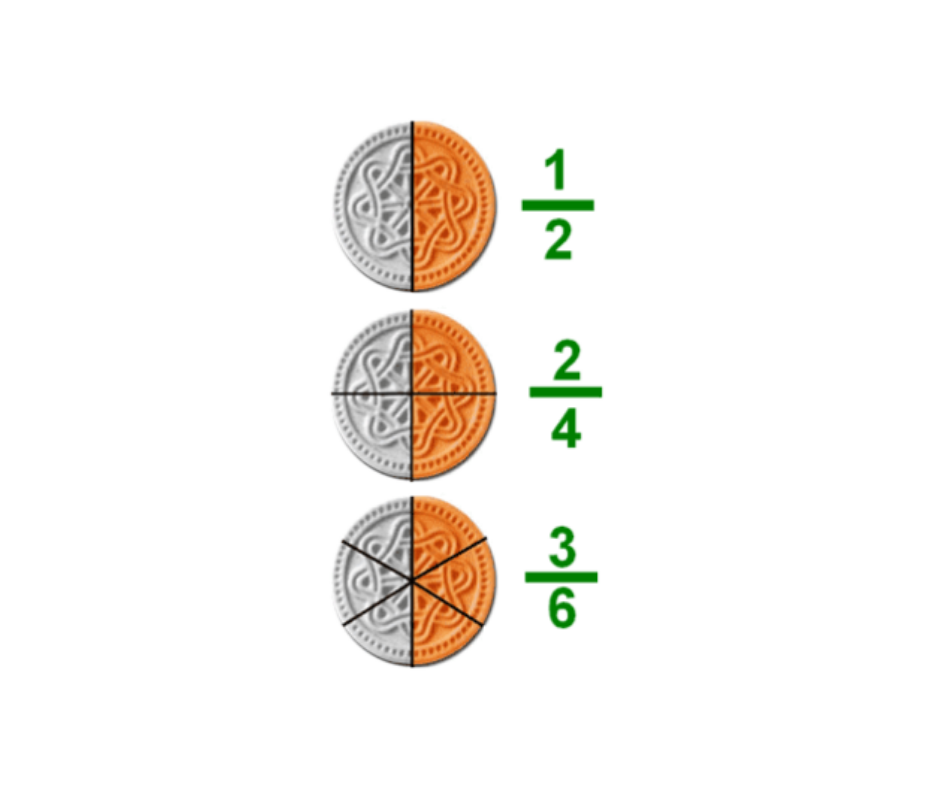
Equivalent Fractions
Fractions that name the same part of a whole or the same location on a number line.
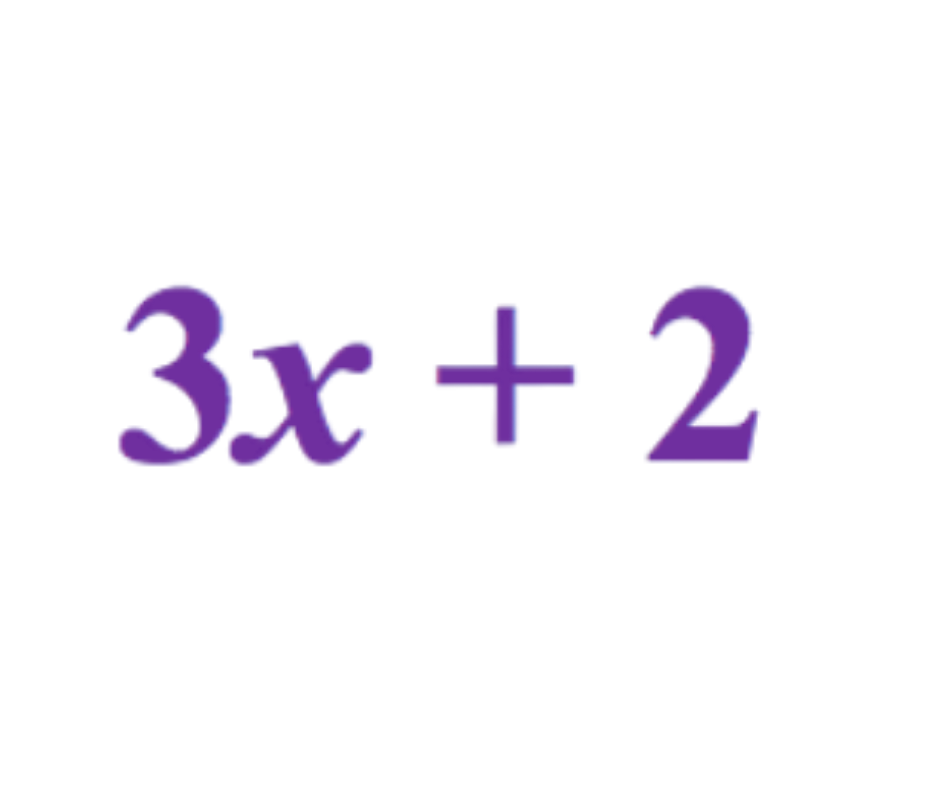
Expression
A mathematical phrase that contains operations, numbers, and/or variables.
Equation
Two expressions with an equal sign between them.
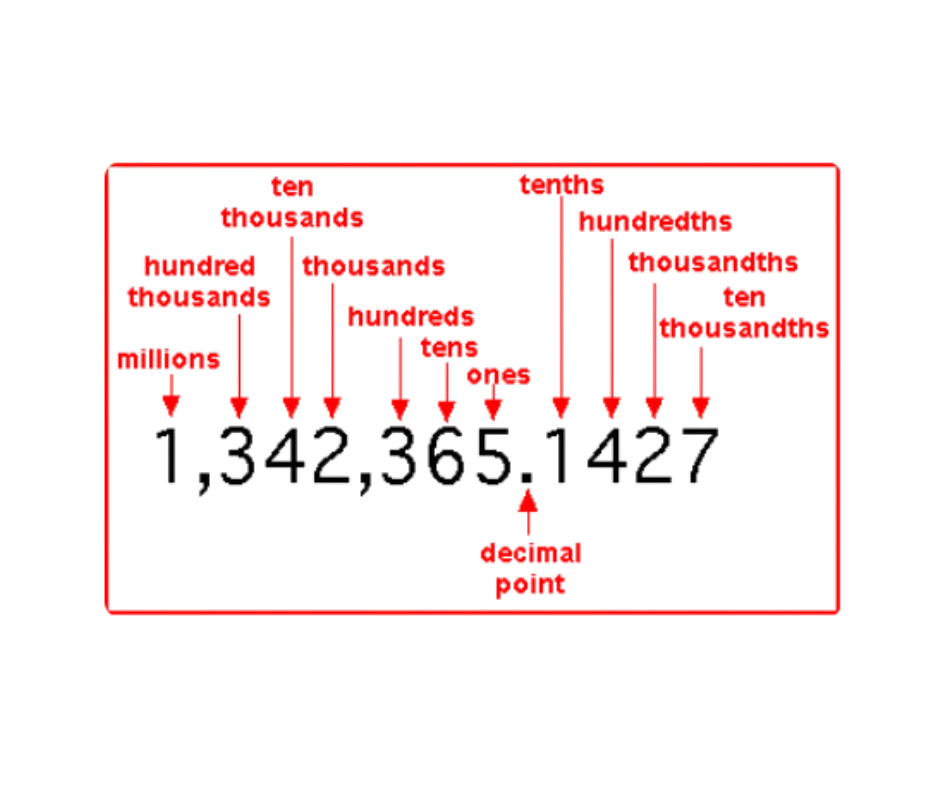
Place value
The value of a digit based on its position within a number.
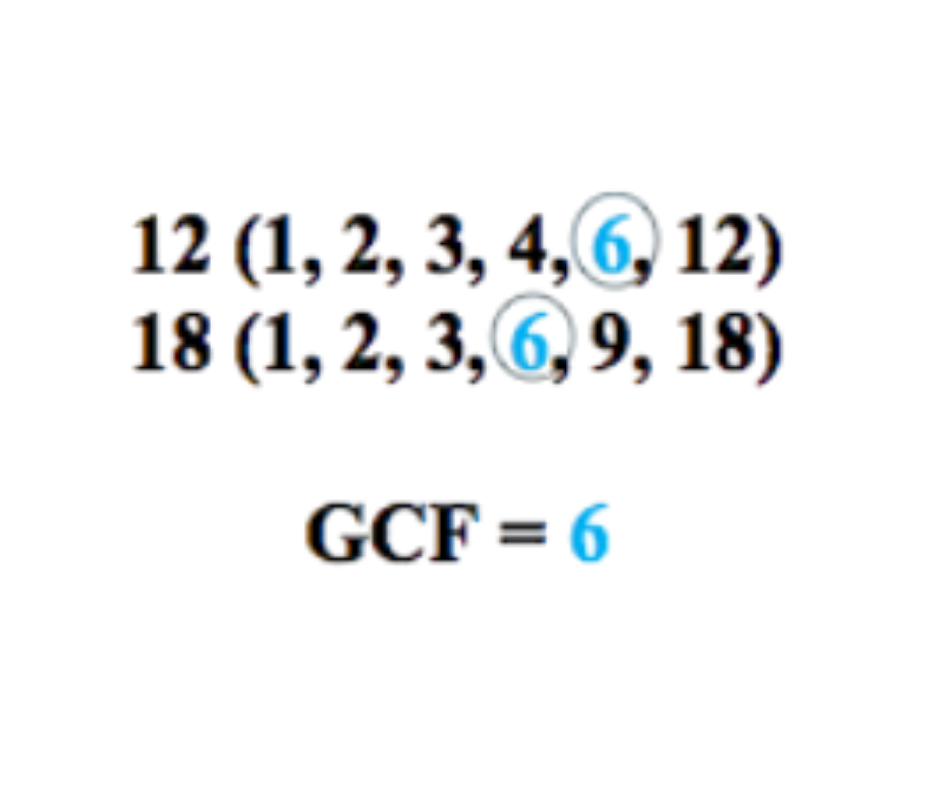
Greatest Common Factor
The largest factor that two or more numbers have in common.
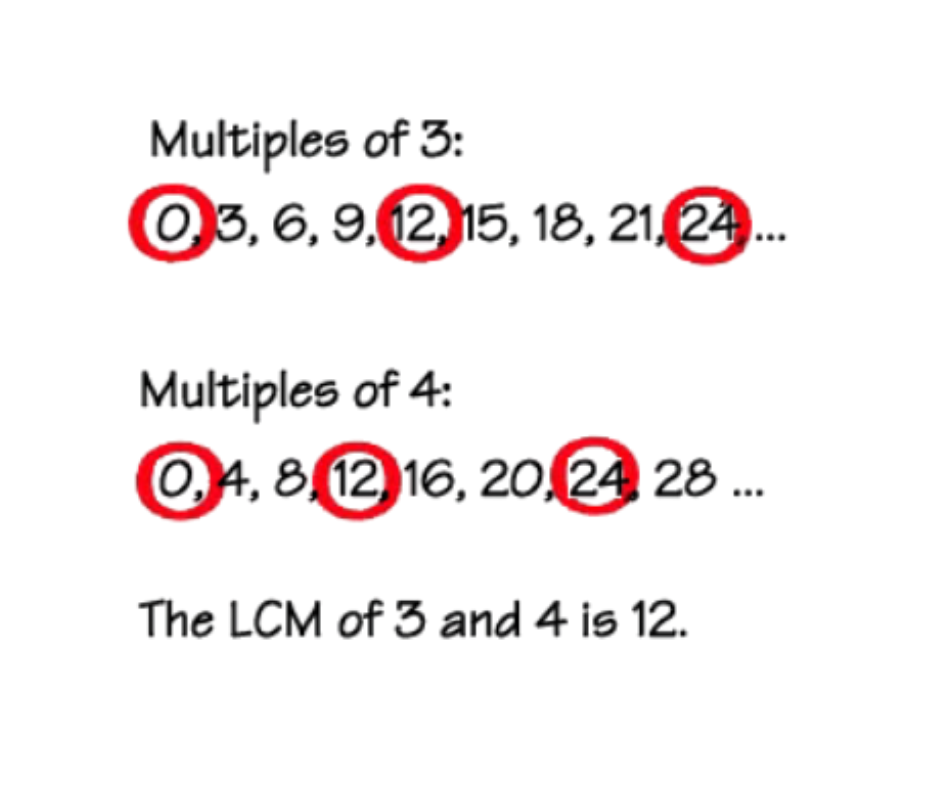
Least Common Multiple
The lowest product that two different numbers share.
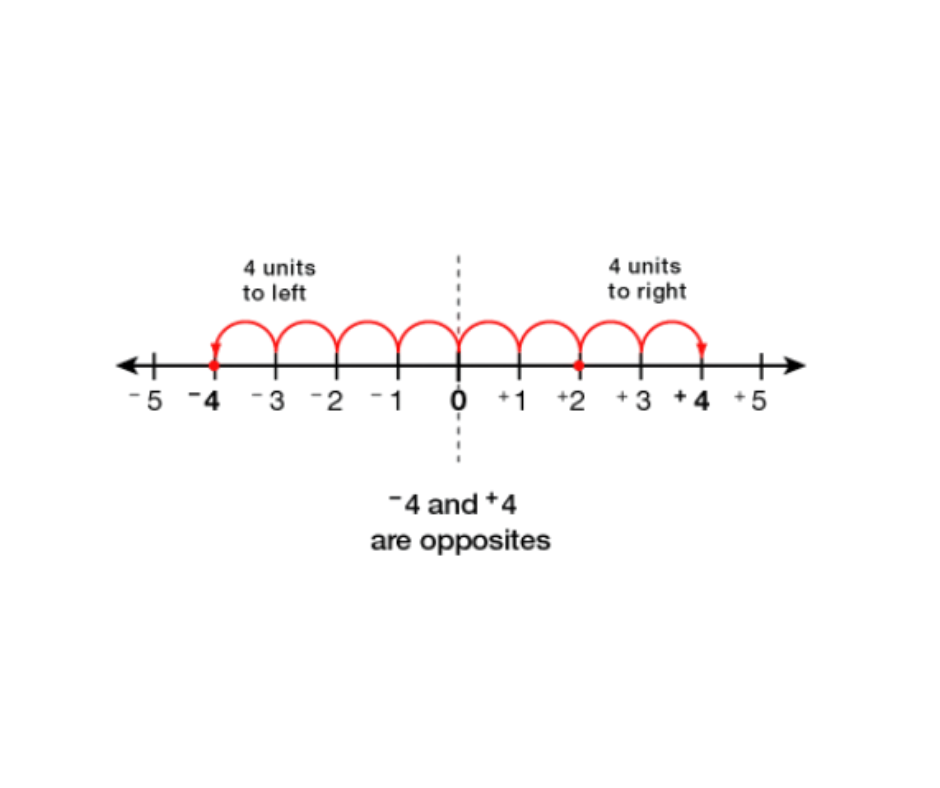
Opposite of a Number
On a number line, a number that is the same distance away from zero in the other direction.
Zero
Represents an amount of nothing; a place holder between positive and negative numbers.
Rational Number
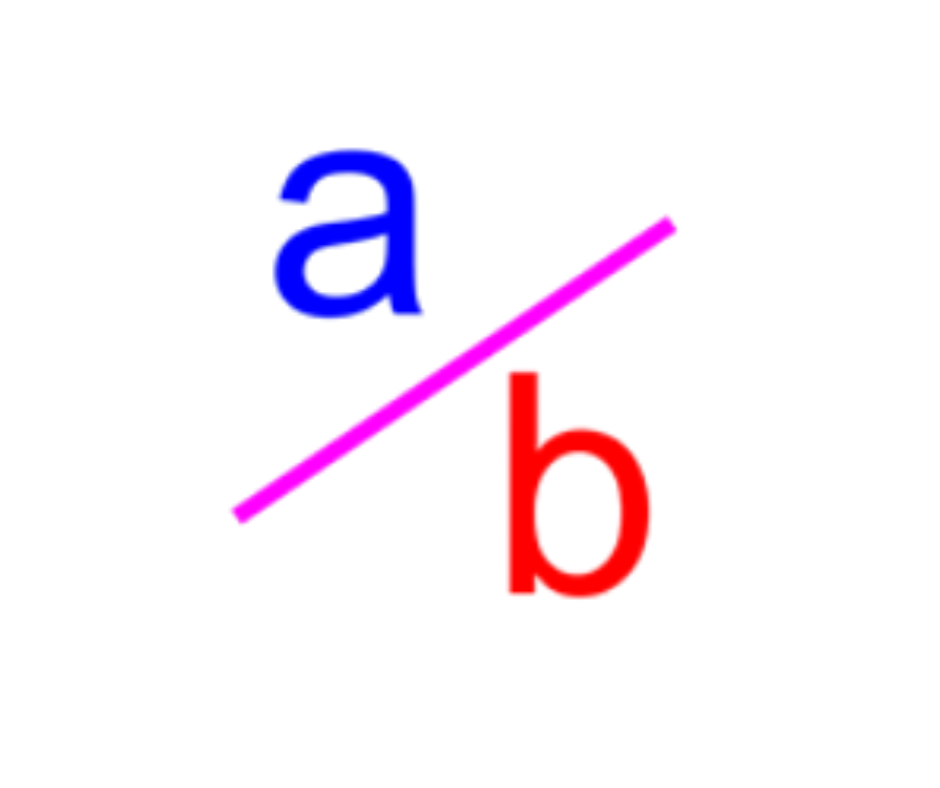
Any number that can be expressed as a ratio of two integers
approximation
A value or quantity that is nearly but not exactly correct.

Sum
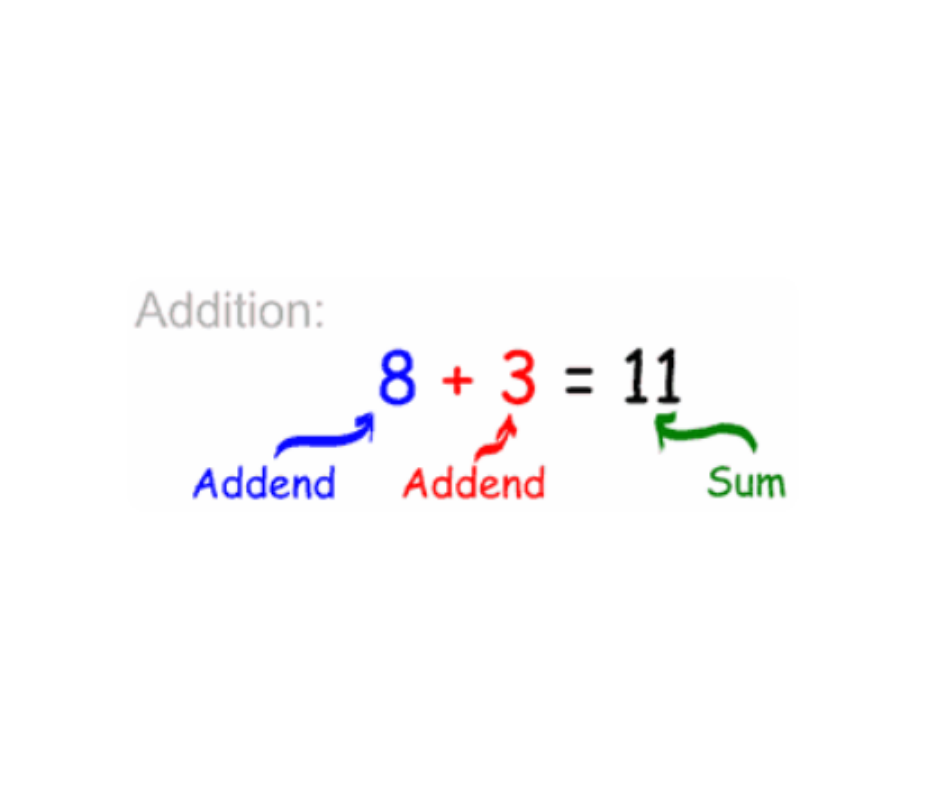
The answer to an addition problem.
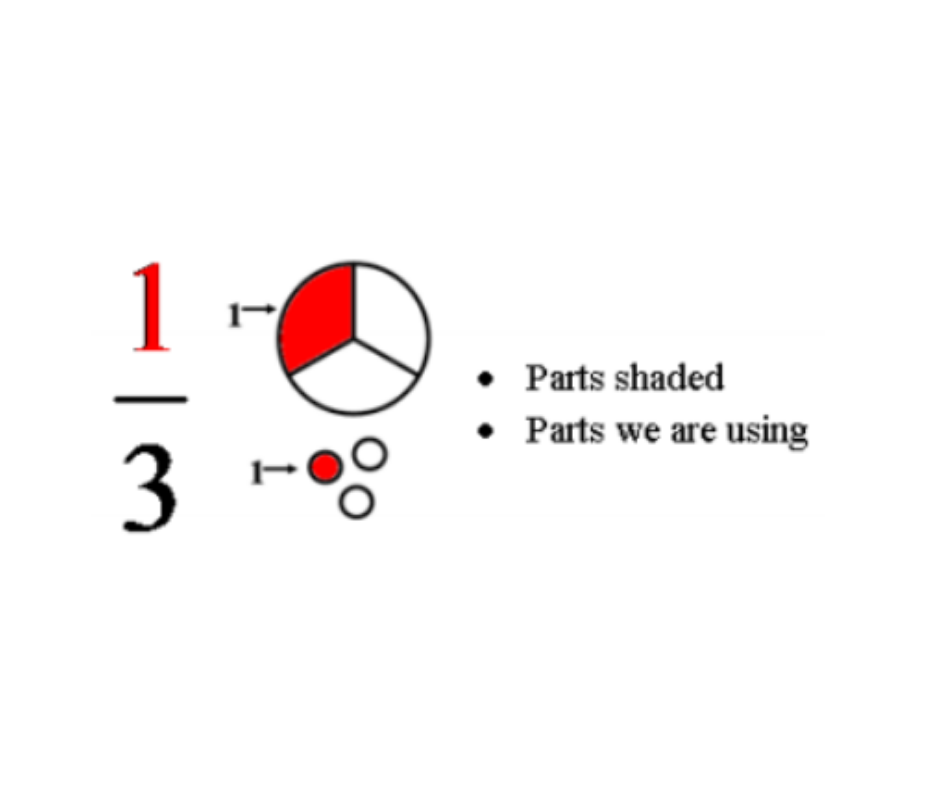
Numerator
The part of a fraction above the line, which tells how many parts are being counted.
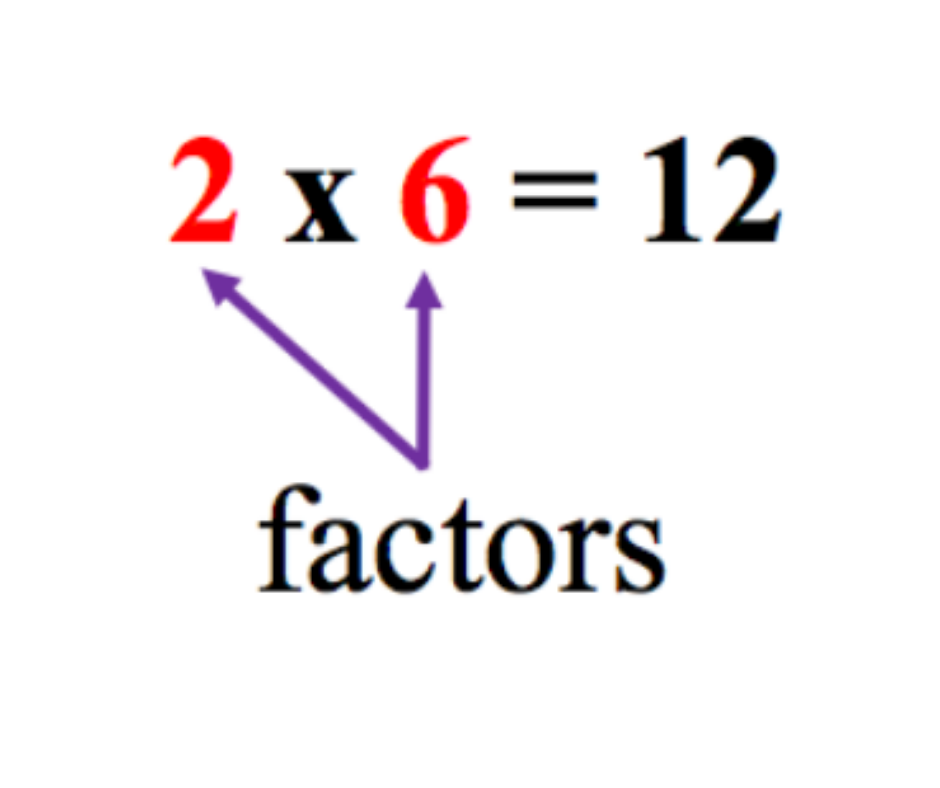
Factors
Numbers that are multiplied together to get a product
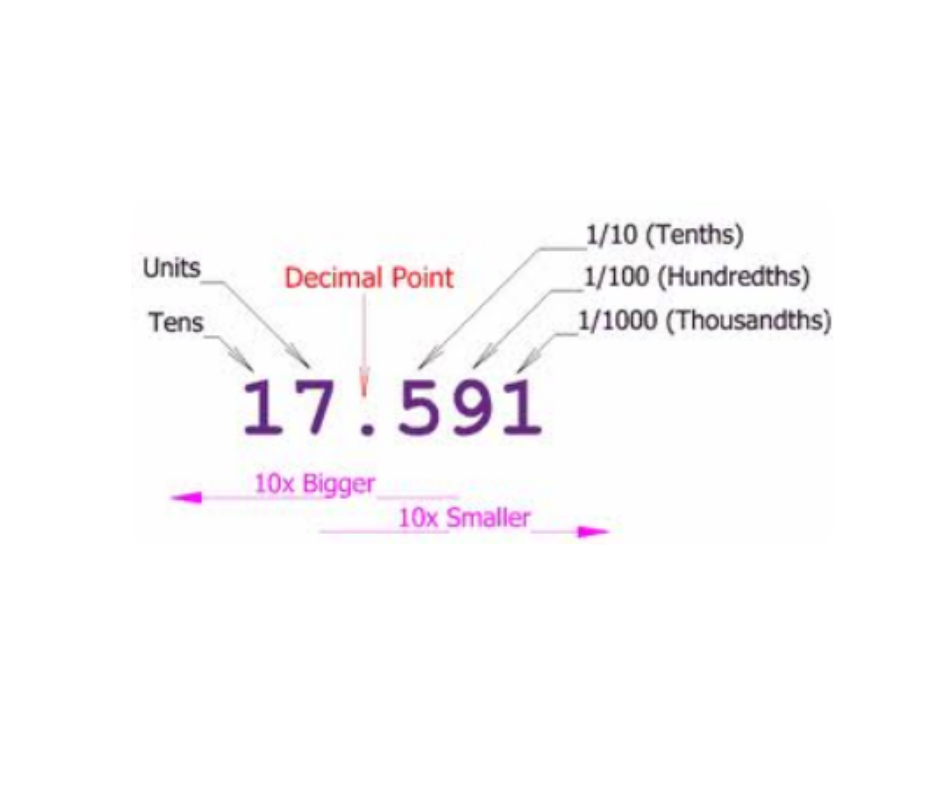
Decimal Number
A number in the base-10 place value system used to represent a quantity that may include part of a whole, recorded with a decimal point separating the whole from the part.
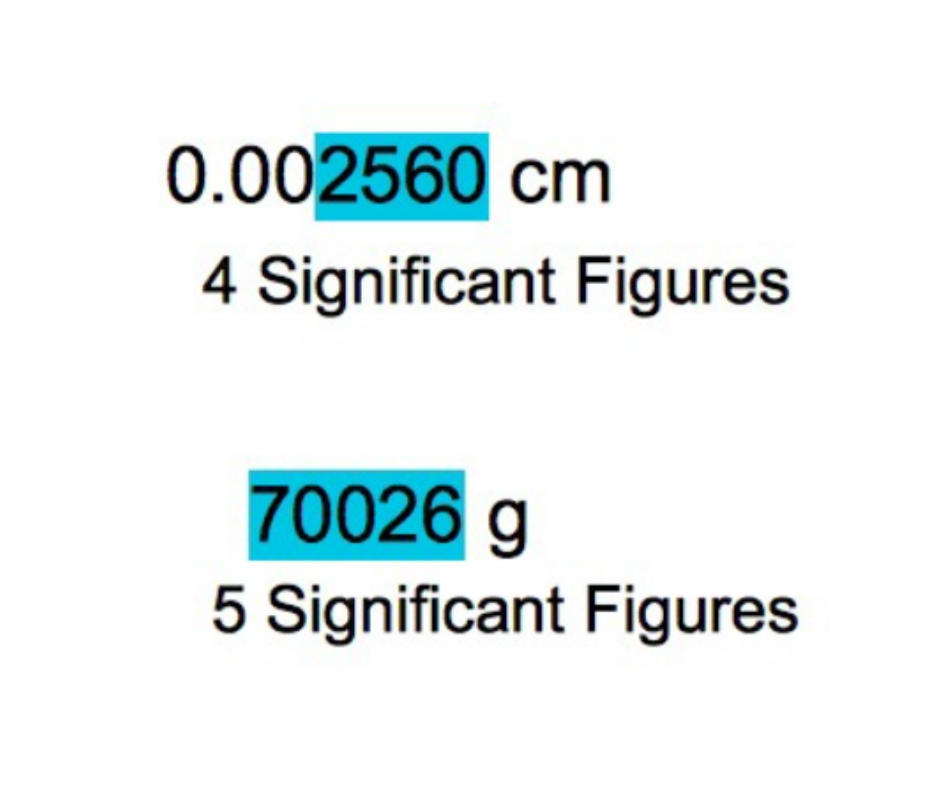
digit
number
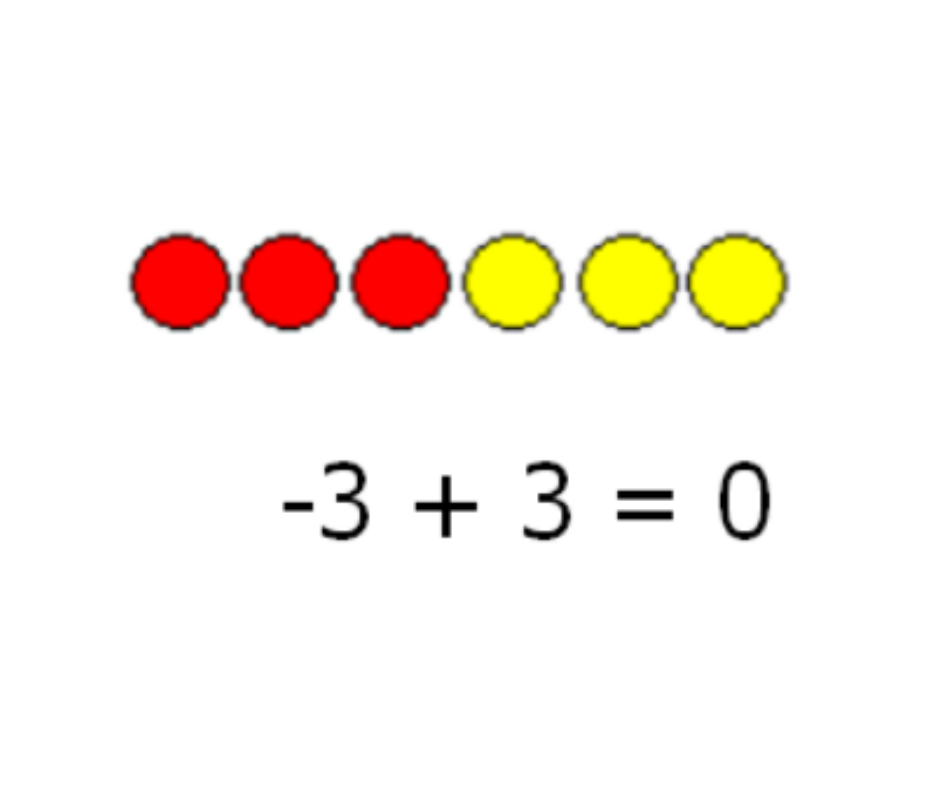
opposite of a number (additive inverse)
(Mathematics) one of a pair of numbers whose sum is zero.
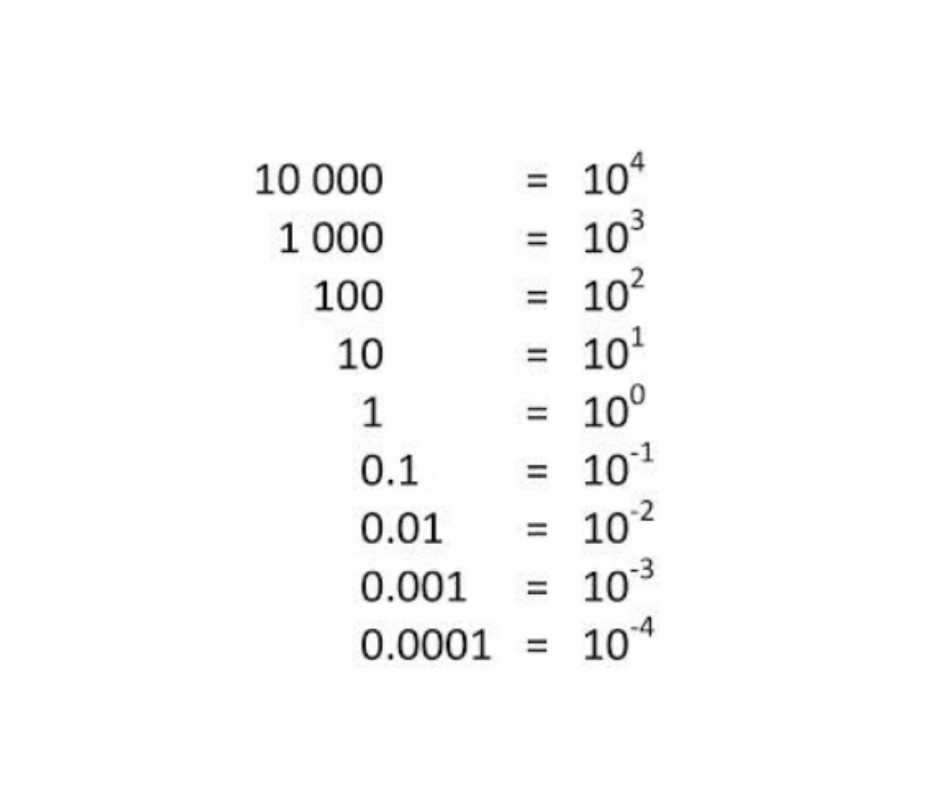
power of 10
A value represented by multiplying 10 by itself a certain number of times.
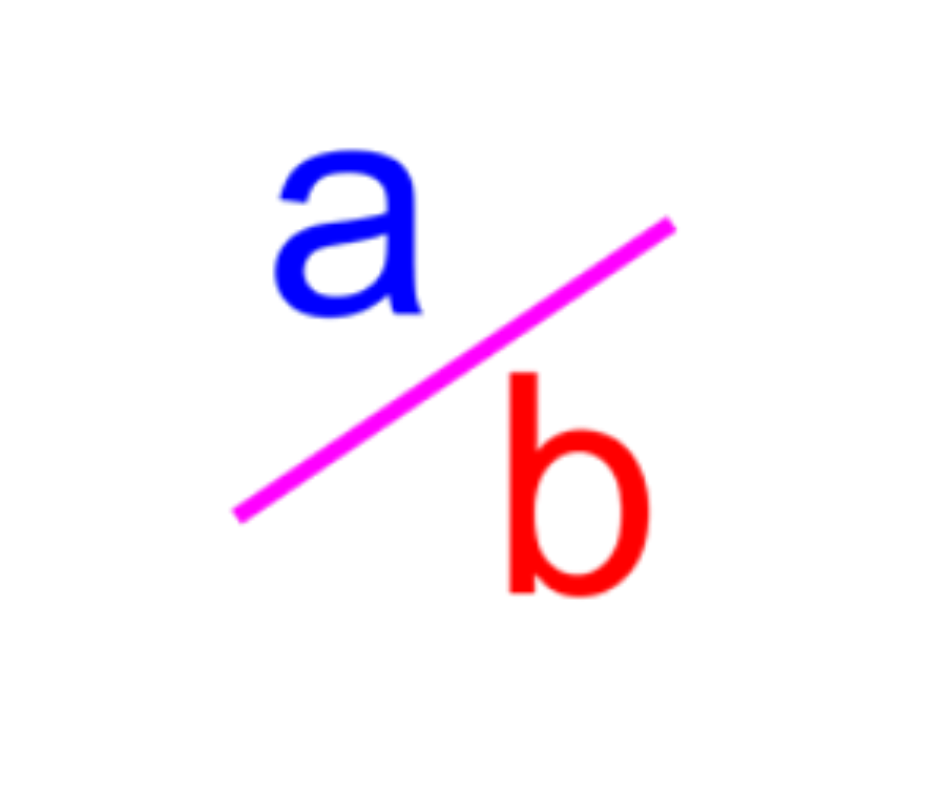
rational numbers
numbers that can be written as fractions, including terminating and repeating decimals, and integers (ex. 1/3 = 0.3333...)
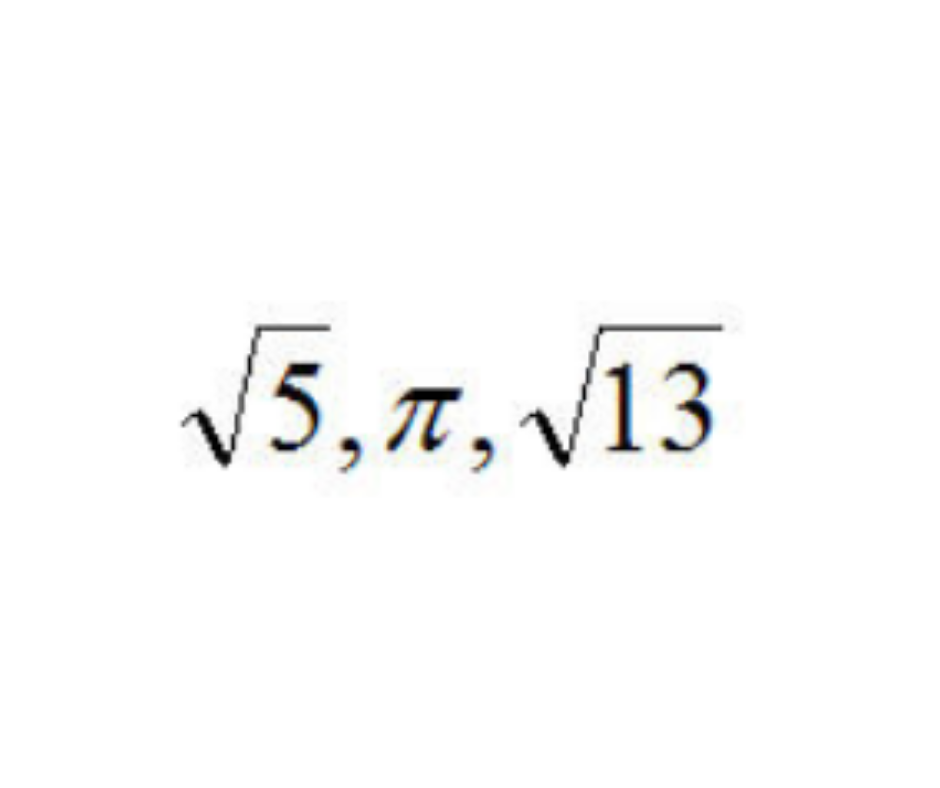
irrational numbers
Numbers that cannot be expressed in the form ba, where a and b are integers and b=0.
product
the answer to a multiplication problem
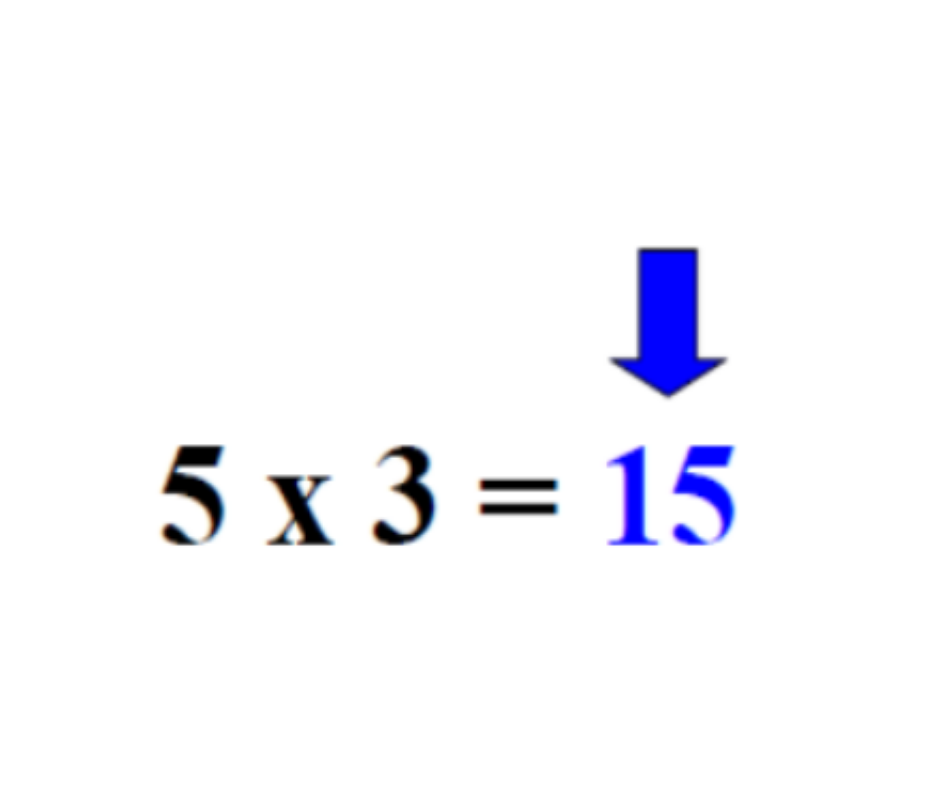
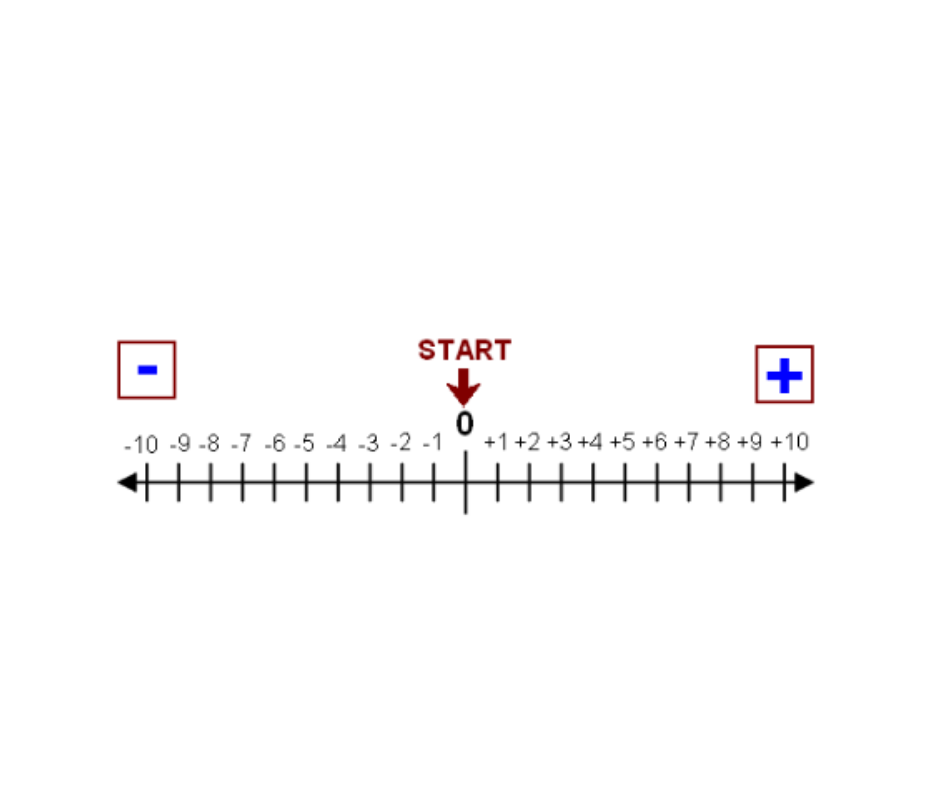
Integer
All whole numbers (both positive and negative) and zero.
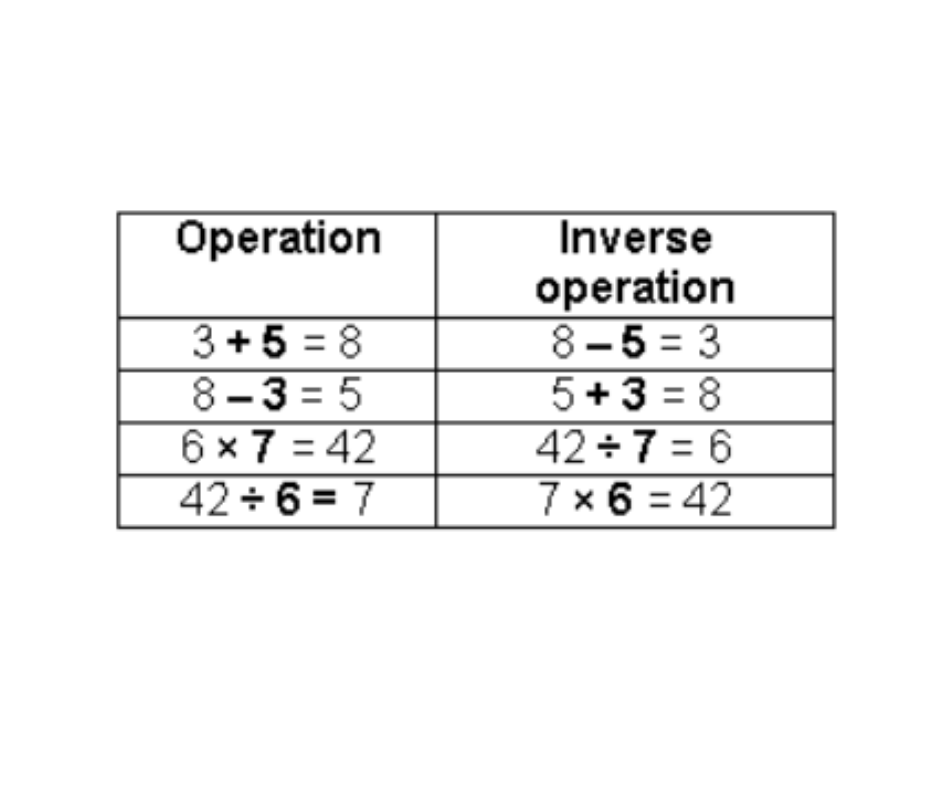
inverse operations
operations that undo each other
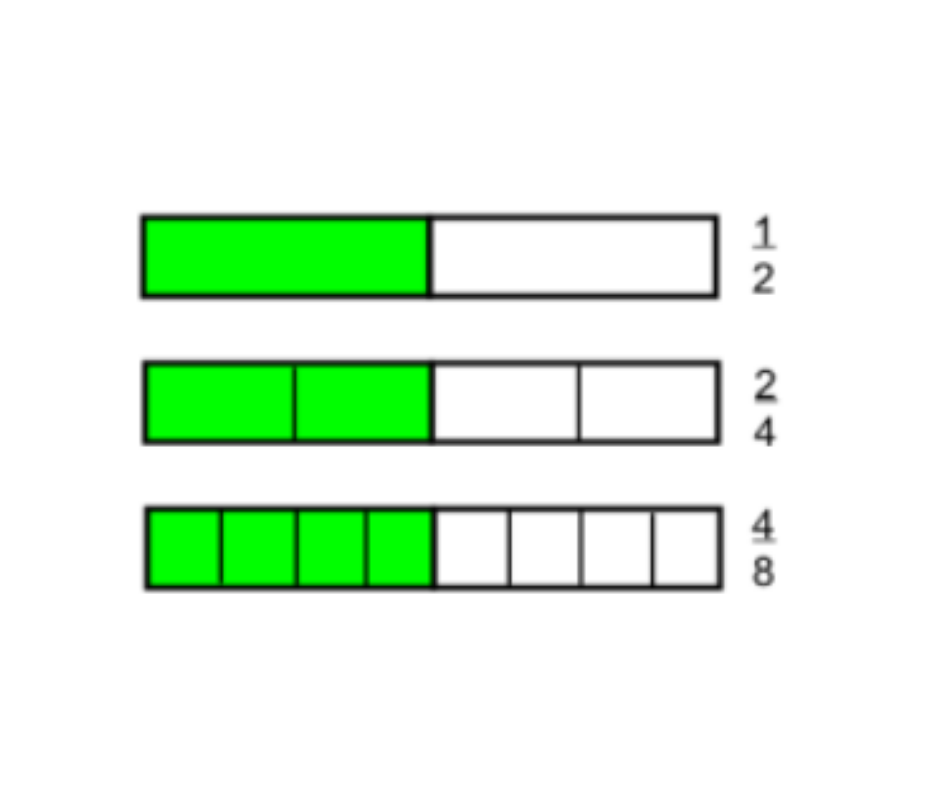
fraction
A part of a whole; a broken piece of something that is no longer whole.
denominator
The quantity below the line in a fraction; it tells how many equal parts are in the whole.
approximation
a value or quantity that is nearly but not exactly correct.

Decimal Expansion
Representation of a number in base-10 (the decimal system).
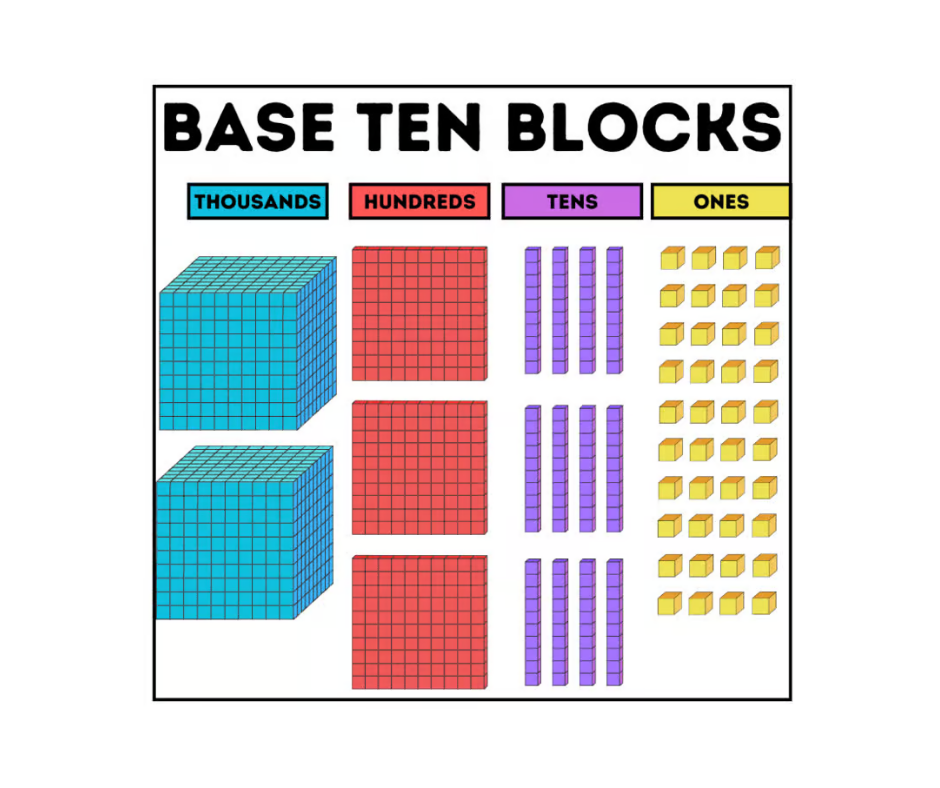
Whole Number
All positive, non-decimal, non-fractional integers.
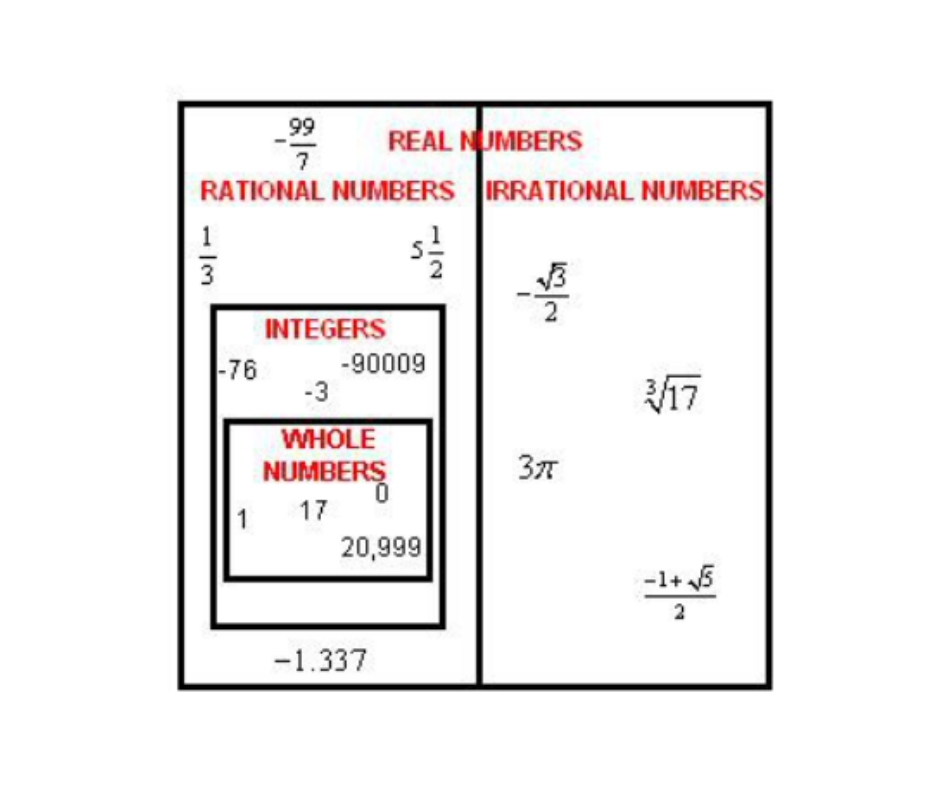
Real Numbers
The set of all rational and irrational numbers.
Fraction
a part of a whole; a broken piece of something that is no longer whole
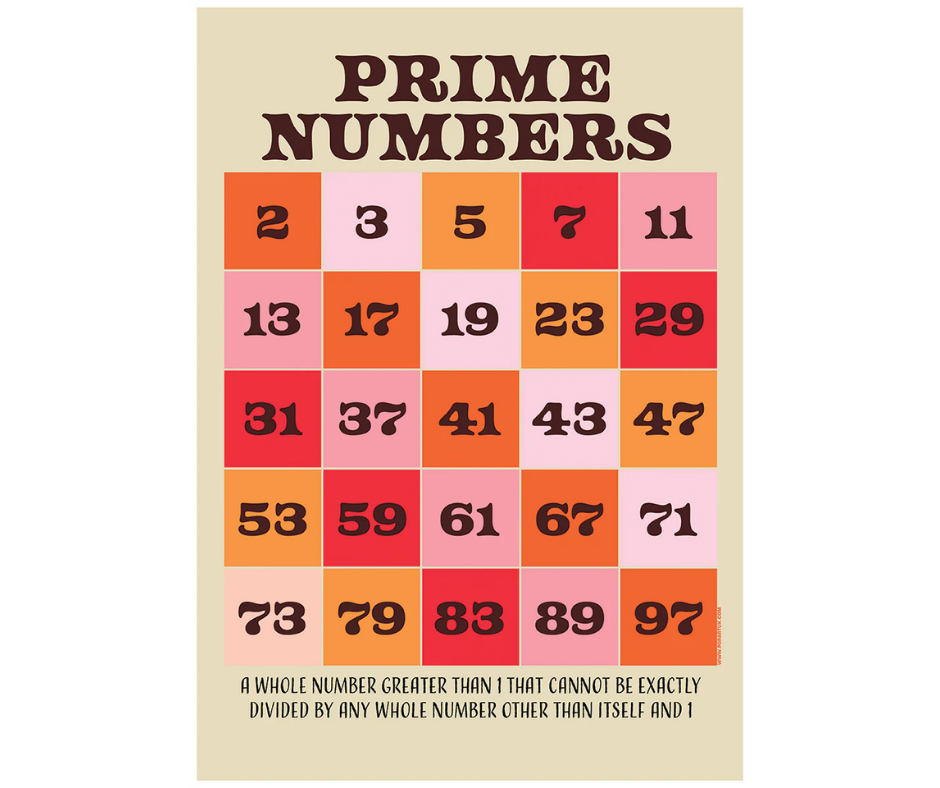
Prime number
A whole number that has exactly two factors, 1 and itself.
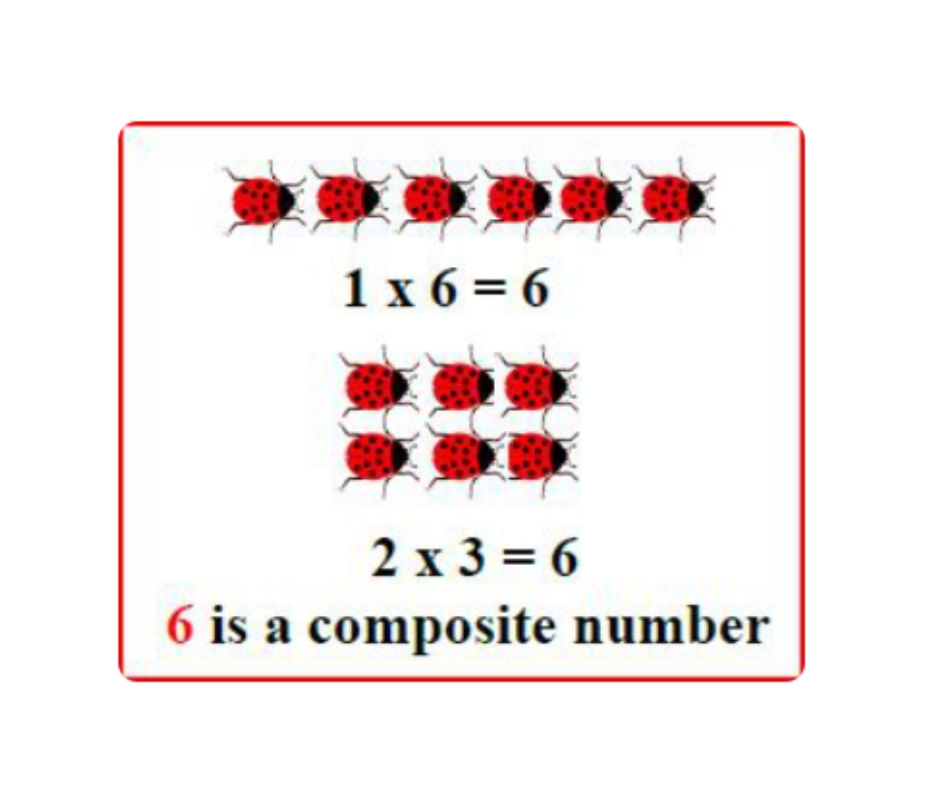
composite number
Any number that has more than two different factors.
subtract
"- ", minus; to take away.
percentage
Parts per 100.
division
splitting into equal parts or groups
area
The number of square units required to cover a surface.
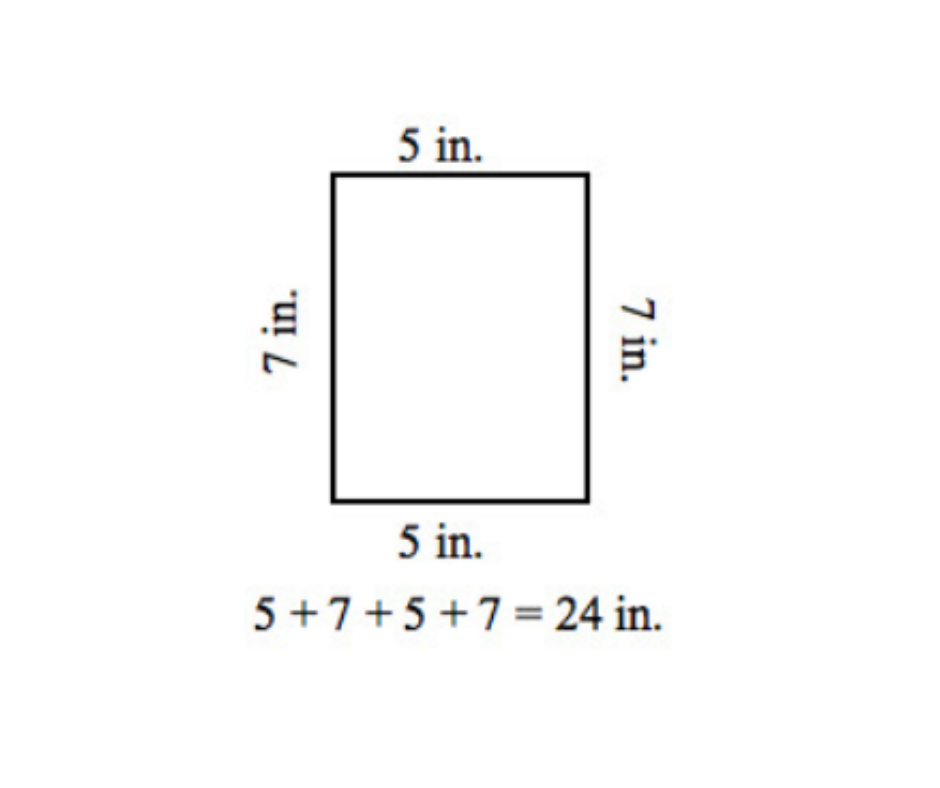
perimeter
The distance around a figure.
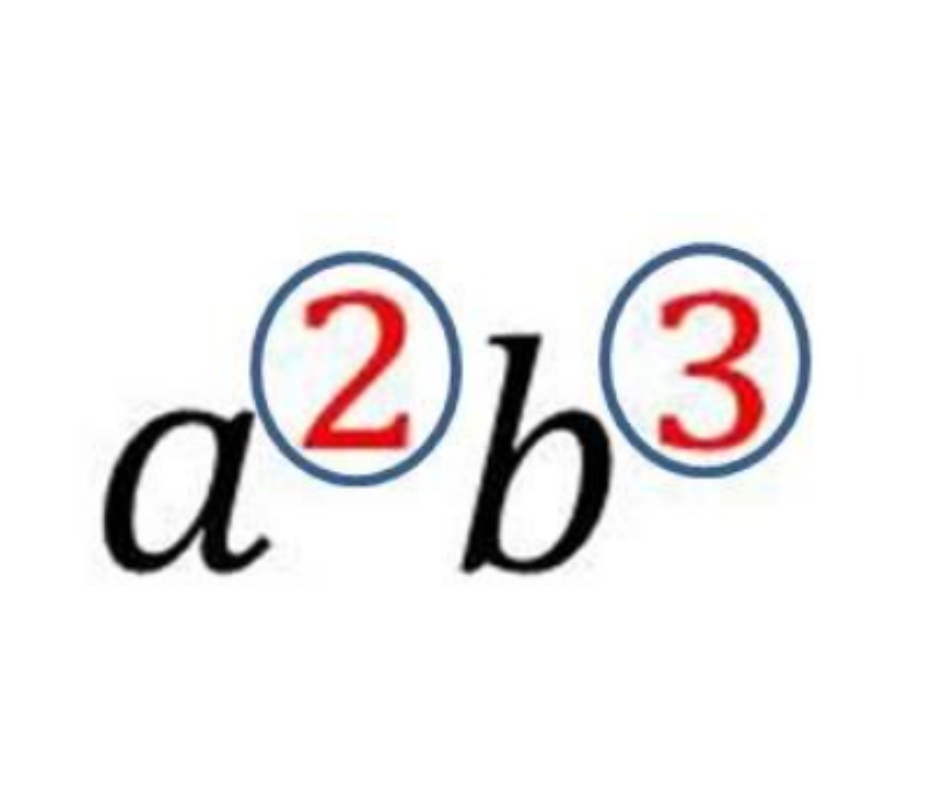
exponent
A small number on the top right of a number indicating how many times a number (base) is multiplied by itself.
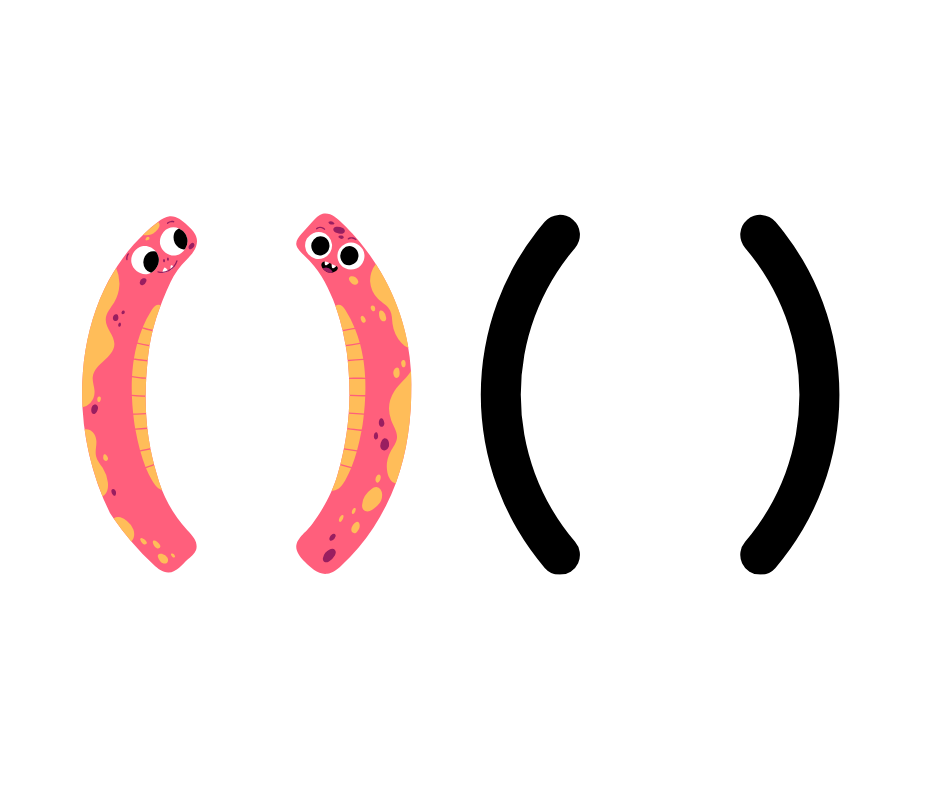
parentheses
()
rounding
Expressing a number to the nearest thousandth, hundredth, tenth, one, ten, hundred, thousand, and so on (e.g., 47 rounded to the nearest ten is 50).
variable
A symbol (usually letter, like x) used to represent a number that can change or which is unknown.
quantity
An amount.
term
A part of an expression or equation. Examples: (3x or 5).
ratio
A way to compare two numbers by division, for example 2:3.
negative number
A number less than zero.
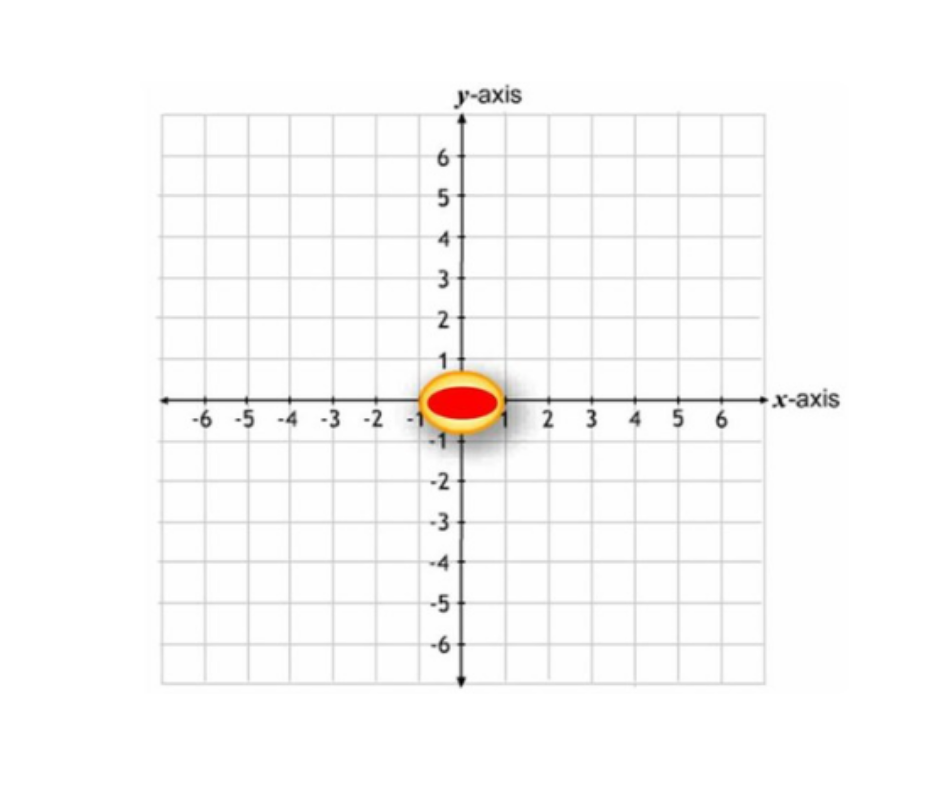
origin
The point (0,0) where the axes meet.
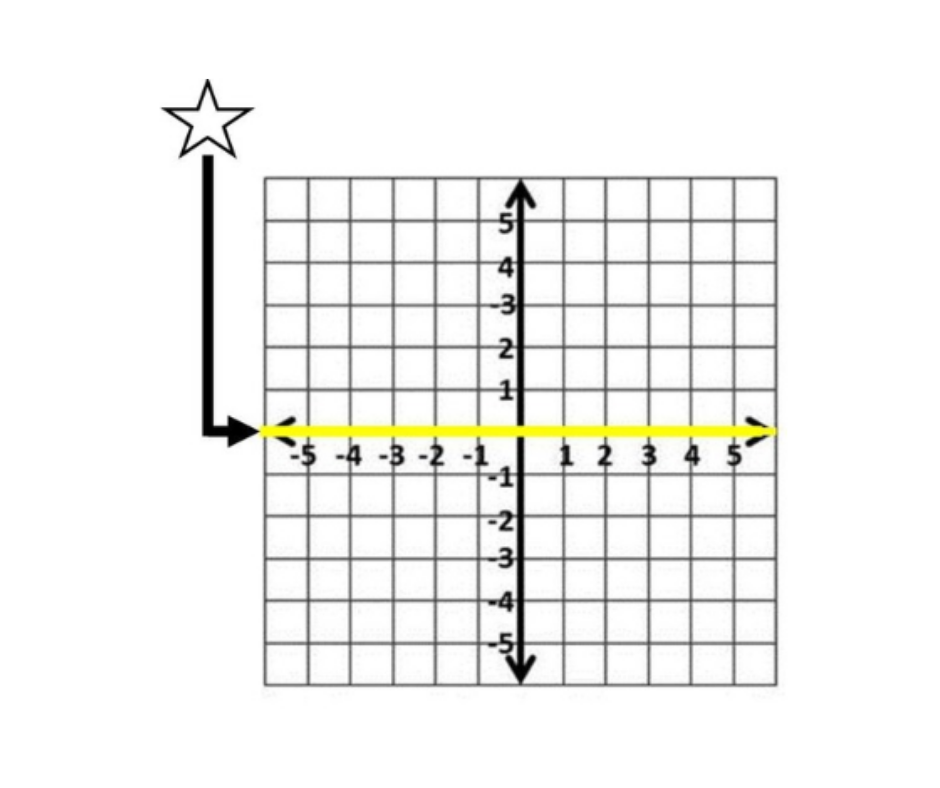
x-axis
The main horizontal line on a graph.
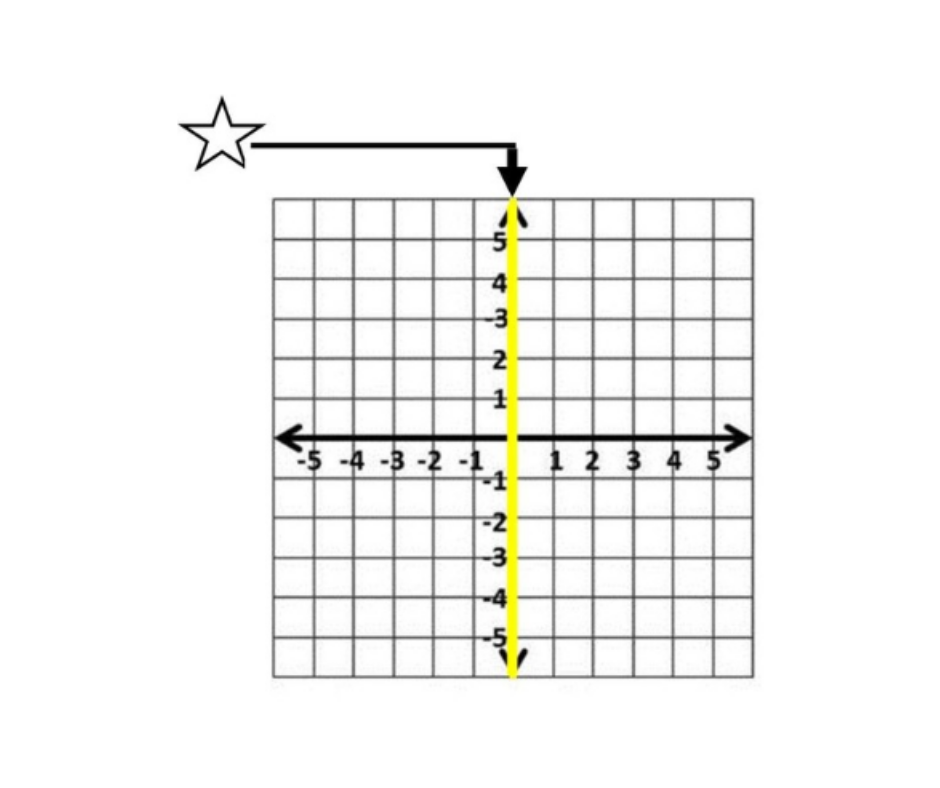
y-axis
The main vertical line on a graph.
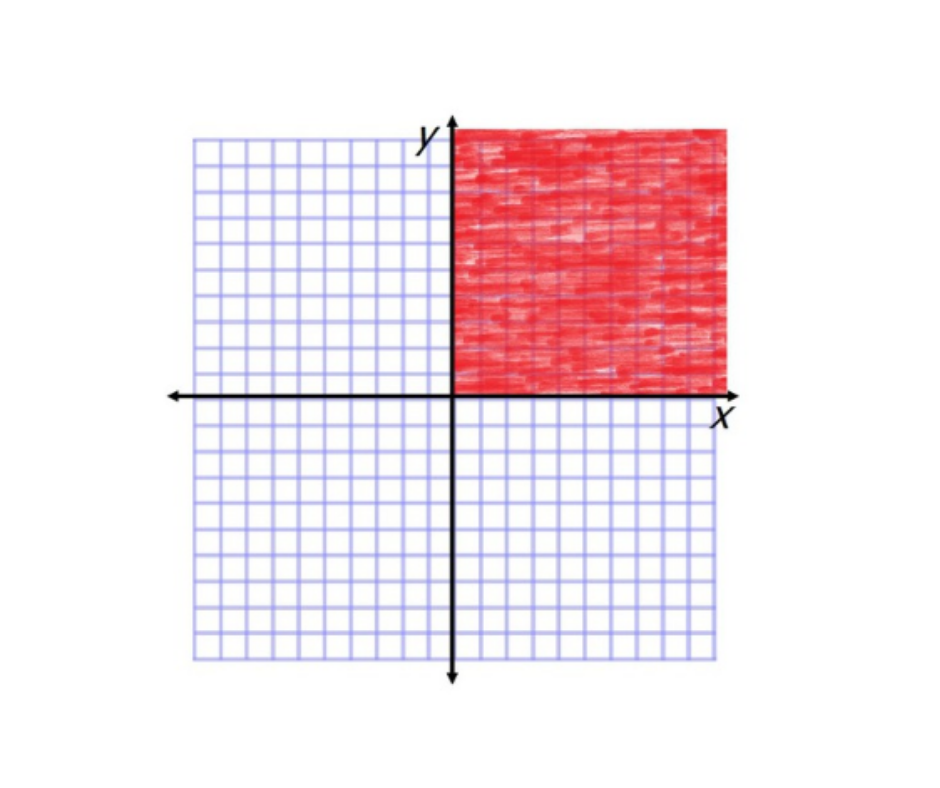
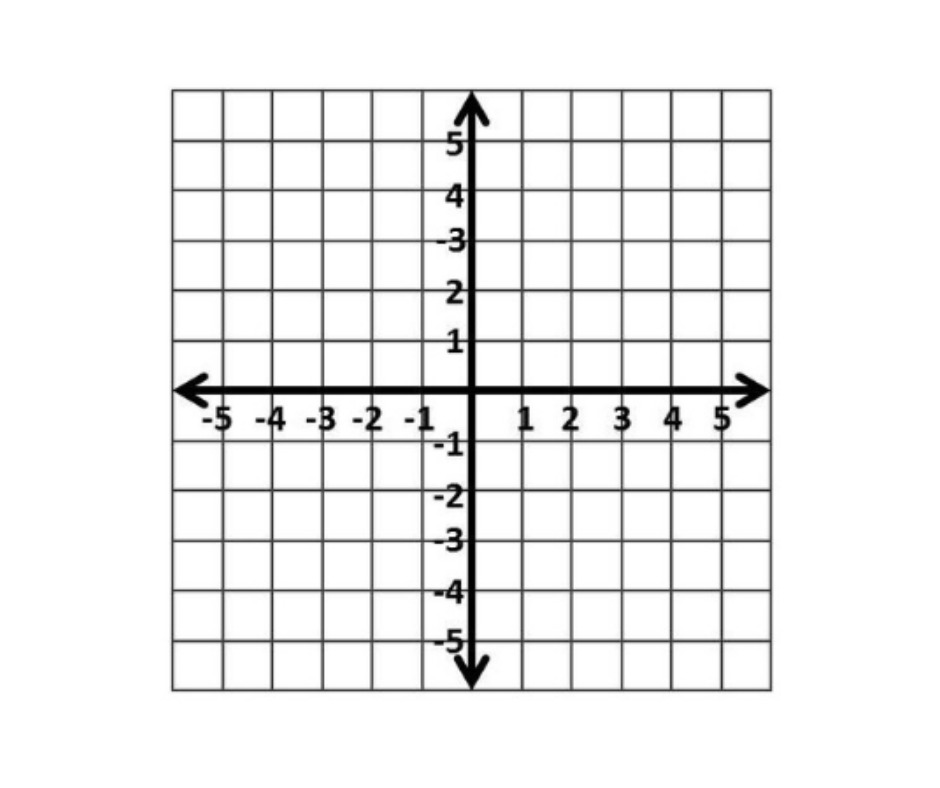
coordinate plane
A coordinate system formed by the intersection of a horizontal number line, called the x-axis, and a vertical number line, called the y-axis.
ordered pair
Coordinates. A pair of numbers that can be used to locate a point on a coordinate plane. Example: (0,0) or (−4,5).
perpendicular
Two lines that intersect to form right (90∘) angles.
volume
The amount of space an object takes up.
positive number
A number greater than zero.
mean
The average (add all numbers and divide by how many).
median
Middle number if all numbers are in order from smallest to largest.
mode
The number that appears the most.
range
The difference between the biggest and smallest numbers.
quadrant
One of four sections of a coordinate plane.