Lab Safety and Lab Equipment
 Call Kai
 Learn
Learn Practice Test
 Spaced Repetition
 Match
Match Flashcards
 Knowt Play
1/53

Earn XP
Description and Tags
A complete set of vocabulary flashcards covering general safety rules, glassware protocols, chemical hazard codes, heating safety, and emergency first aid based on the lecture transcript.
Name | Mastery | Learn | Test | Matching | Spaced | Call with Kai | Chat |
|---|
No analytics yet
Send a link to your students to track their progress
54 Terms
Safety Goggles
Protective equipment worn to shield eyes from chemicals, heated materials, or items that might shatter.
Hand Washing
An action that must be performed with soap and water after handling chemicals in the laboratory.
Safety Locations
Crucial areas to know in the lab, including the fire extinguisher, eyewash station, and first aid kit.
Contact Lenses
It is suggested that students wear glasses instead of these during lab experiments.
Cutting Specimens
A procedure that should always be performed by cutting away from yourself.
Broken Glassware Disposal
Materials that must be placed in a special glass disposal container rather than a classroom trashcan.
Pouring Liquids
A process that requires the container to be resting on a table at least a hands breadth from the edge.
Rapid Cooling
An action to avoid by not placing hot glassware in water, which may cause it to shatter.
Wafting
The method of waving fumes toward the nose with one hand to smell a chemical instead of inhaling directly.
Tongs
Equipment used, sometimes alongside protective gloves, to handle hot objects.
Dry Glassware
The only state in which glassware should be heated to ensure safety.
Wire Gauze Platform
An item used on a ringstand to support glassware being heated.
Hot Plates
The equipment usually used in biology to heat materials instead of open burners.
First Aid for Burns
Immediately flush the area with cold water until the burning sensation is lessened.
First Aid for Eyes
Flush immediately with plenty of water for several minutes and do not allow the eye to be rubbed if a foreign object is lodged.
What should you do before attempting the lab?
Wear appropriate clothing - long pants, close-toed shoes, socks
Preferably wear glasses instead of contact lenses
Listen to and read instruction carefully
Wear safety goggles
Tie long hair
Roll up any droopy clothing
What should you do during the lab?
After handling chemicals, always wash hands with soap and water.
Keep hands away from your face.
Keep lab equipment away from your mouth.
Keep a professional and serious attitude - no playing practical jokes
Make sure containers are away from the edge
Avoid eating or drinking in the lab
Never pipette by mouth
Area should be uncluttered and clean
What should you do with chemicals?
Wash hands with soap and water after handling chemicals
Wear protective goggles when heating or pouring hazardous chemicals
Don’t mix chemicals unless told so
Never taste chemicals
After finished with chemicals, dispose of them correctly by following instruction
To ensure no burns, you must:
Feel hot items on the back of your hand since fingertips have more nerves and are more prone to being damaged
Use tongs and/or protective gloves to handle hot objects
Never reach across open flame or burner
Fume Hood
Sucks out dangerous air to ensure breathing clean air. To operate must:
Turn vent on
Turn blower on
Ensure sash is at the right level
Chipped/Broken Glassware
Don’t clean it yourself, notify teacher
Don’t use it cracked glassware (dangerous), notify teacher
Must be disposed in glass disposal container
What does PASS stand for?
How to operate fire extinguisher.
P - pull the pin
A - aim the nozzle
S - squeeze the leaver
S - sweep side to side
What does MSDS stand for?
Material Safety Data Sheet:
explains information about chemicals and what they may do to you
provides ways to treat the exposure of chemicals
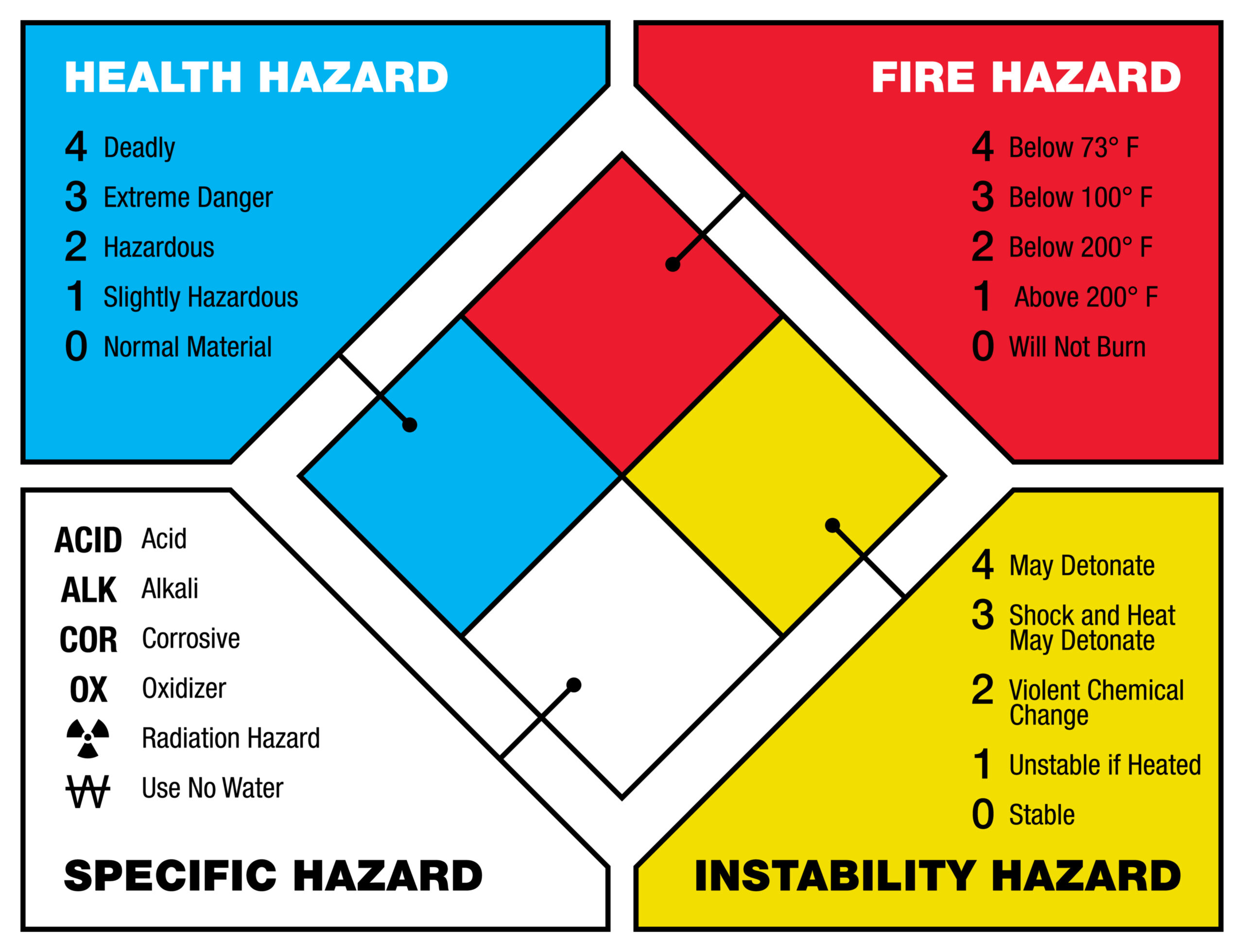
What is this?
NFPA Diamond
What is the blue diamond?
Health hazard diamond: measures health risk
0 - normal
1 - slightly hazardous
2 - hazardous
3 - extreme danger
4 - deadly
What is the red diamond?
Fire Hazard Red Diamond - measures how easily a chemical substance can catch on fire
0 - will not burn
1 - above 200 degrees (needs heavy preheating to burn)
2 - above 100 not exceeding 200 (needs moderate heating to burn)
3 - below 100 degrees (catches fire at normal room heat)
4 - below 73 degrees (vaporizes fast in normal air and burns easily)
What is the yellow diamond?
Reactivity Yellow Diamond - how easily a material can blow up, explode, experience violent chemical change
0 - safe and steady
1 - usually steady can become unsteady depending on warmth and compression
2 - can react violently with water or change quickly at high temperatures but won’t completely blow up
3 - can explode if dropped, hit hard, or heated up, but needs strong starter spark
4 - can blow up at any normal room temperature and pressure, all by itself
What is the white diamond?
Specific Hazard White Diamond - measures special or unique hazards that don’t fit in other categories
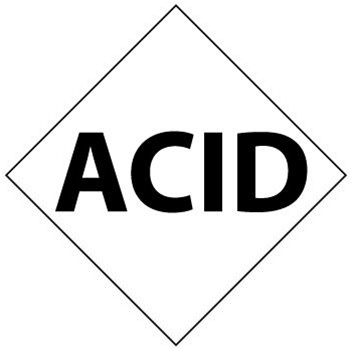
What is this?
Acid: eats through metal and concrete, causing instant painful burns ; NEVER mix with alkali
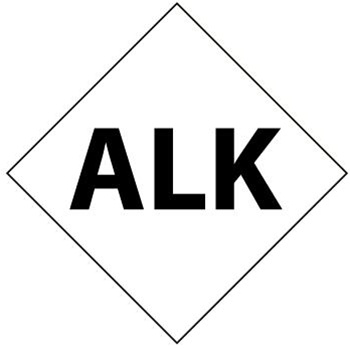
What is this?
Alkali: shows to never mix the chemical with acid

What is this
Use no water symbol: React violently with water - water will cause it to burn hotter or explode
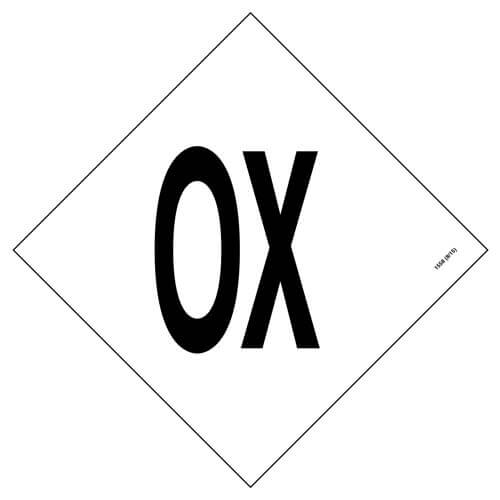
What is this?
Oxidizer: means chemical lets off a lot of oxygen and can make other materials catch fire and burn instantly
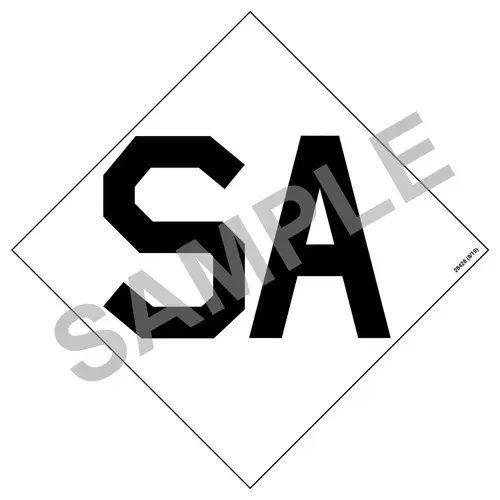
What is this?
SA (simple asphyxiant): warns that material is a gas that pushes all oxygen out the room, making it impossible to breathe
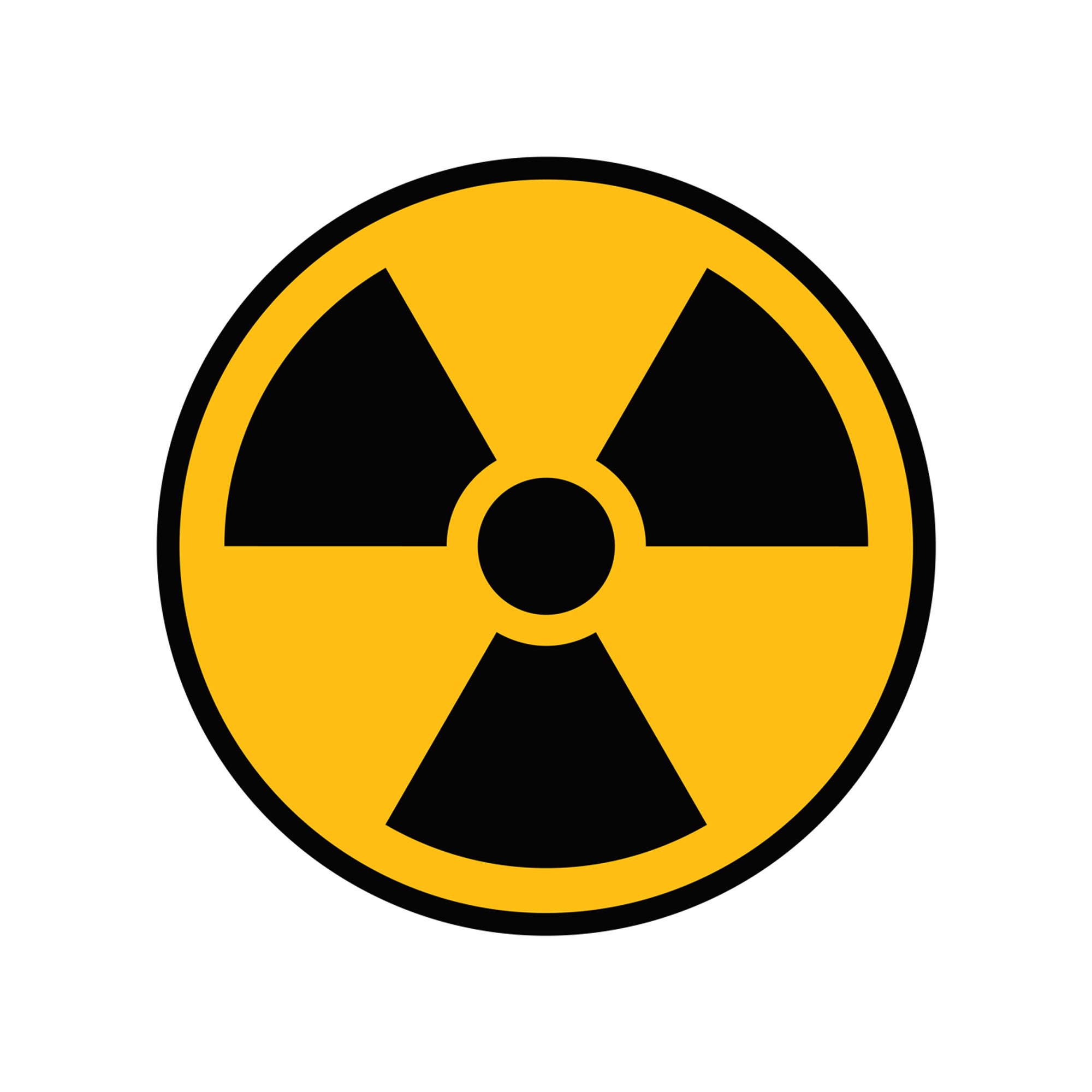
What is this?
Radioactive symbol: warns that material gives off radiation and requires special protective gear
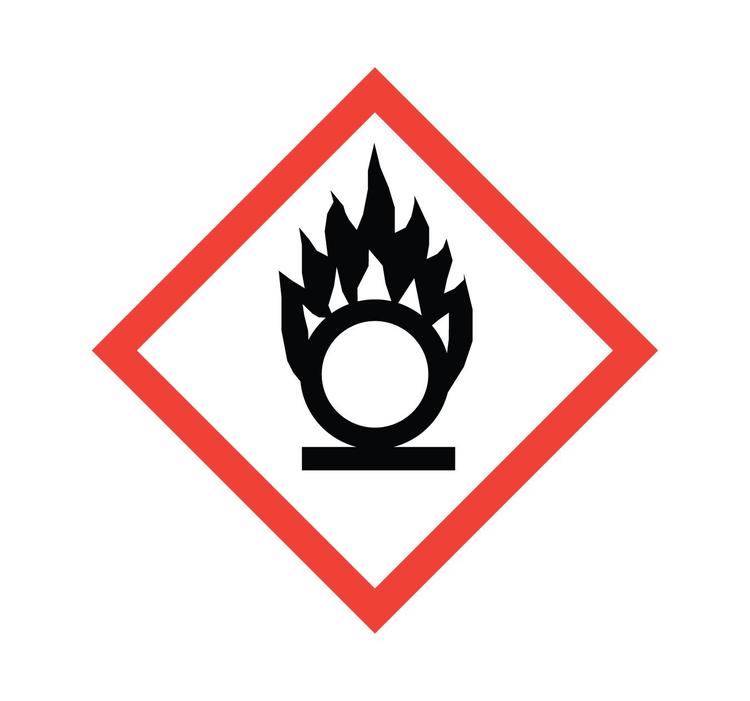
O (chemical safety code)
Oxidising: provides a lot of oxygen, making objects burn hotter and faster
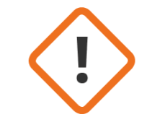
MH (chemical safety code)
Moderate hazard: mildly dangerous, such as skin rash, coughs, allergic reaction
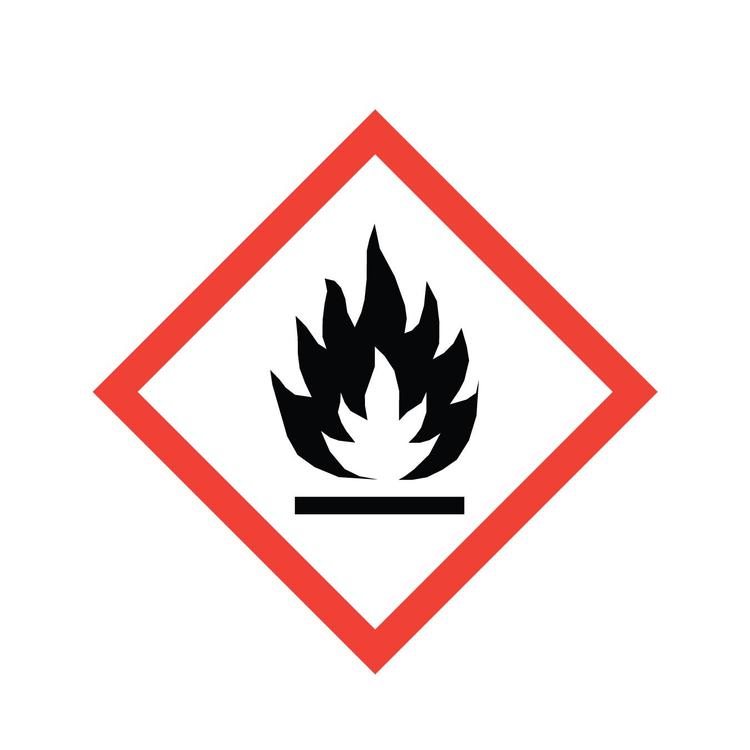
F (chemical safety code)
Flammable: catches fire easily
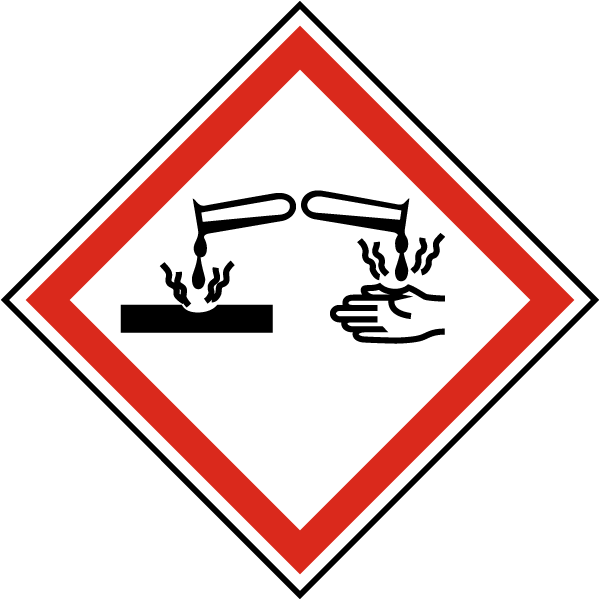
C (chemical safety code)
Corrosive: incredibly harsh and eats away at things ; causes severe chemical burns if it touches skin or eyes and can ruin metal surfaces
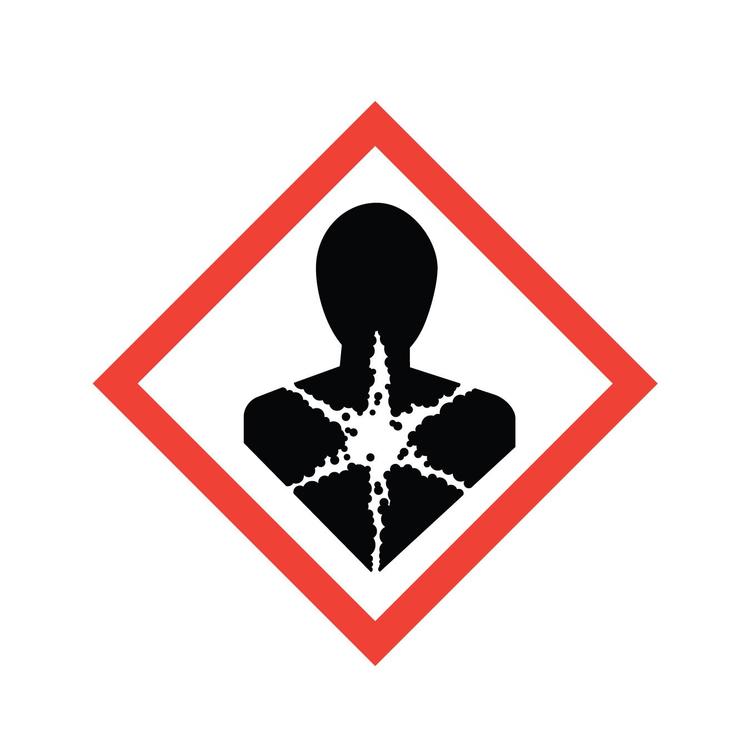
HH (chemical safety code)
Health hazard: stands for serious long-term health danger ; breathing problems, internal organ damage, cancer
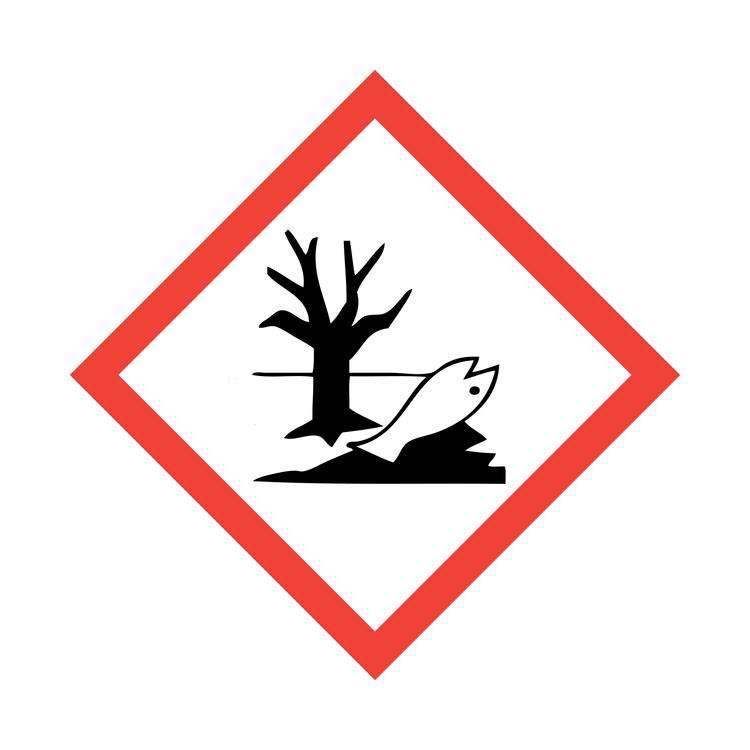
N (chemical safety code)
Hazardous to Aquatic Environment: chemical is toxic to nature ; highly dangerous to fish, frogs, and plants
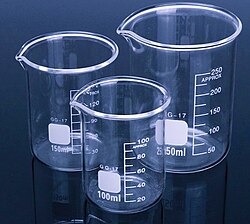
What is this and what is its use?
Beaker:
Wide, cylindrical glass container with flat bottom and pouring lip
Used for holding, mixing, heating, and transferring liquids (mostly holding liquids)
Has rough markings, so it is only used for approximate volumes (DON’T MEASURE A SPECIFIC VOLUME)
Common lab sizes: 50 mL, 100 mL, 250 mL, and 400 mL
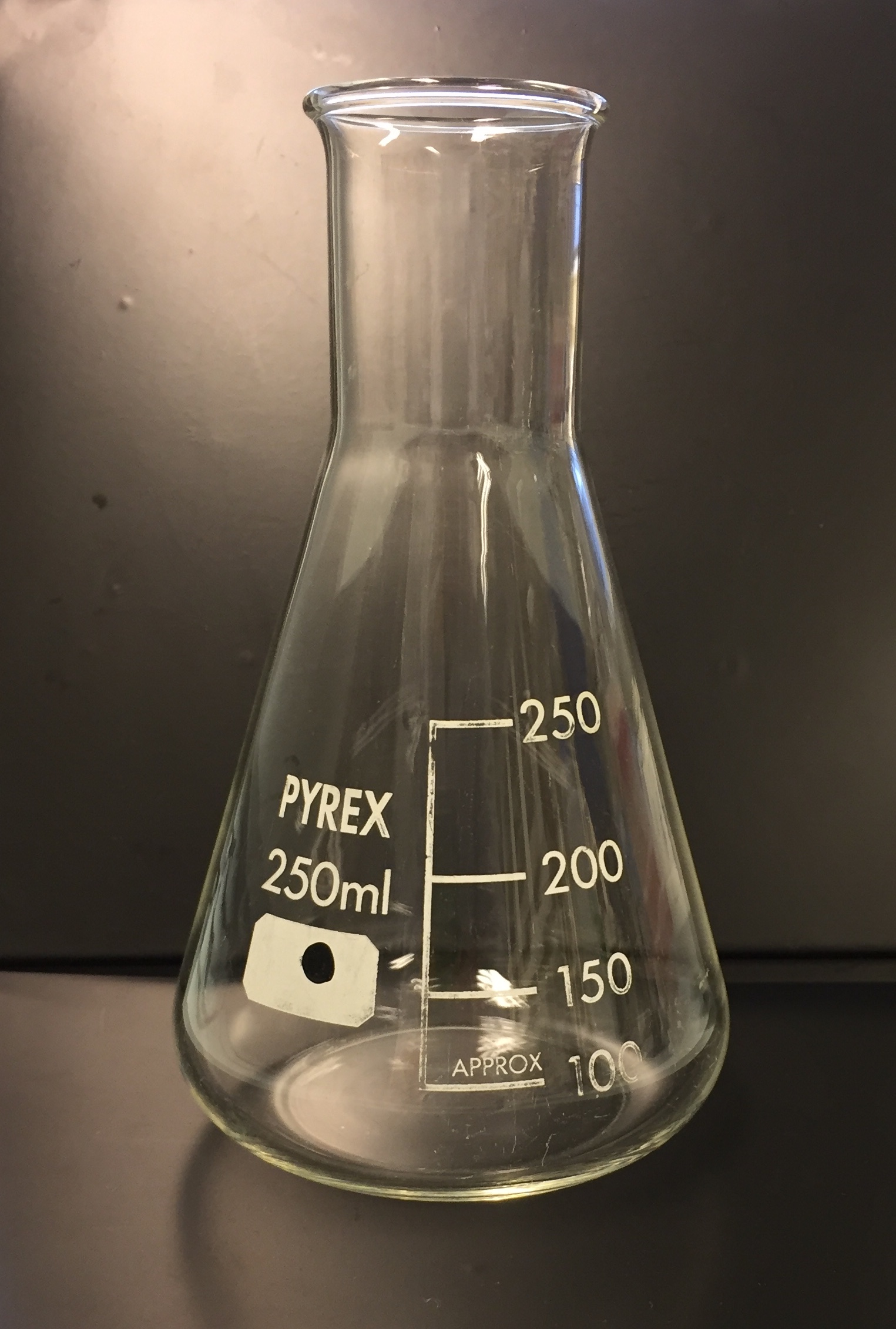
What is this and what is its use?
Cone-shaped flask with a wide, flat bottom, and narrow neck
Perfect for swirling liquids by hand without spilling, or plugging with a stopper
- Tells volume accurately
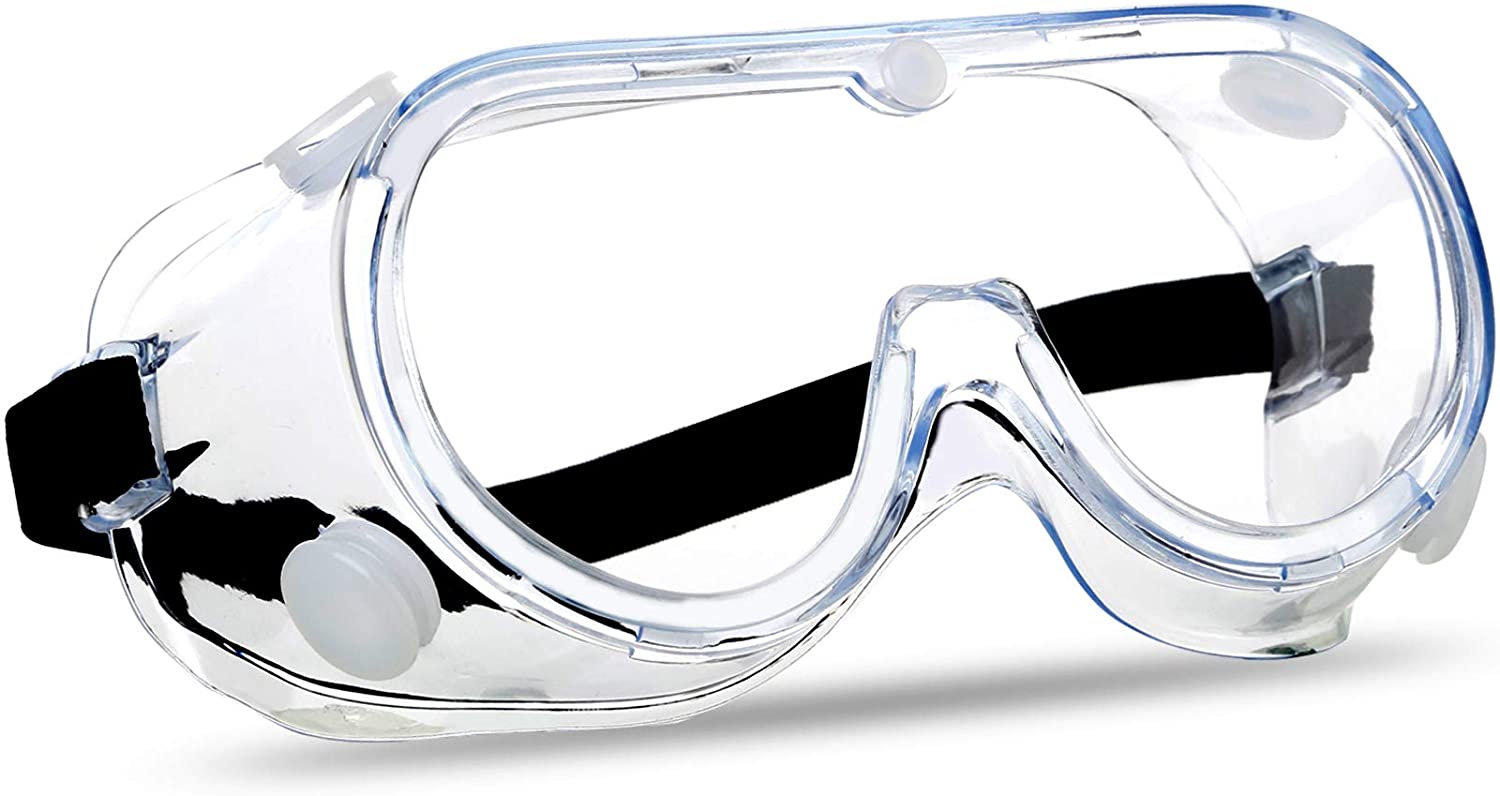
What is this and what is its use?
Goggles
Protective plastic eyewear
Used to shield your eyes from chemical splashes, flying debris, or shattering glass
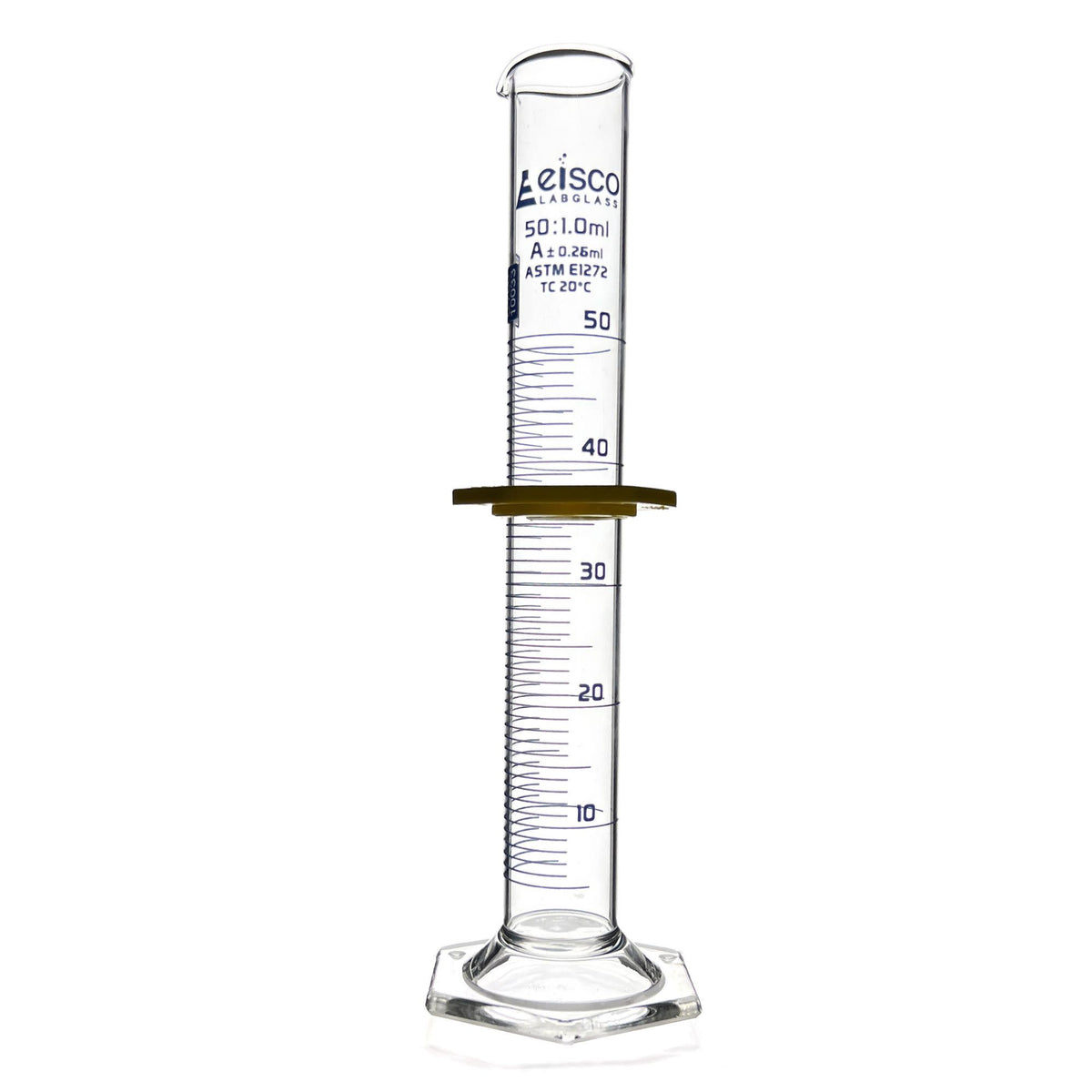
What is this and what is its use?
Graduated Cylinder
Tall, narrow plastic or glass cylinder with precise horizontal markings (graduations)
Used to measure liquid volumes accurately in milliliters (mL)
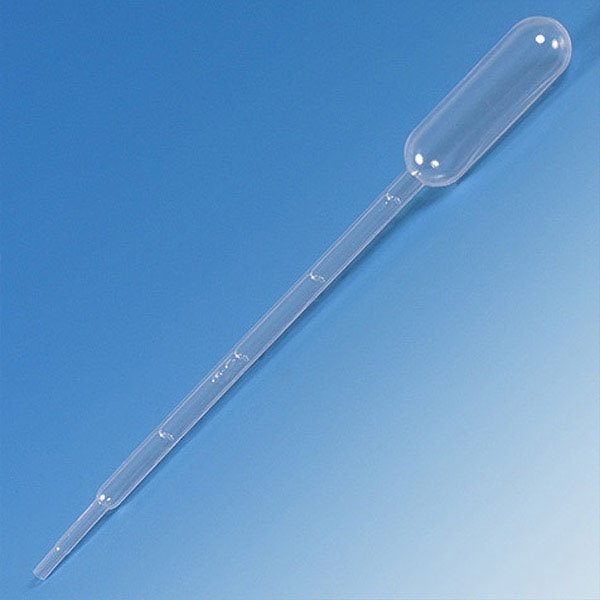
What is this and what is its use?
Pipet
Slender tube used to draw up and transfer small, precise quantities
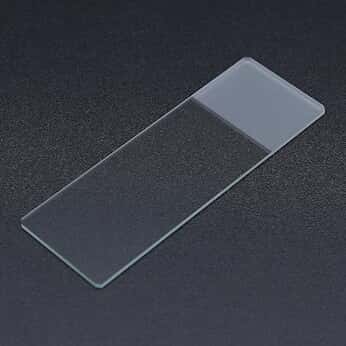
What is this and what is its use?
Microscope Slide:
Thin, flat rectangle of clear glass
Used to hold biological specimens so they can be viewed under a microscope
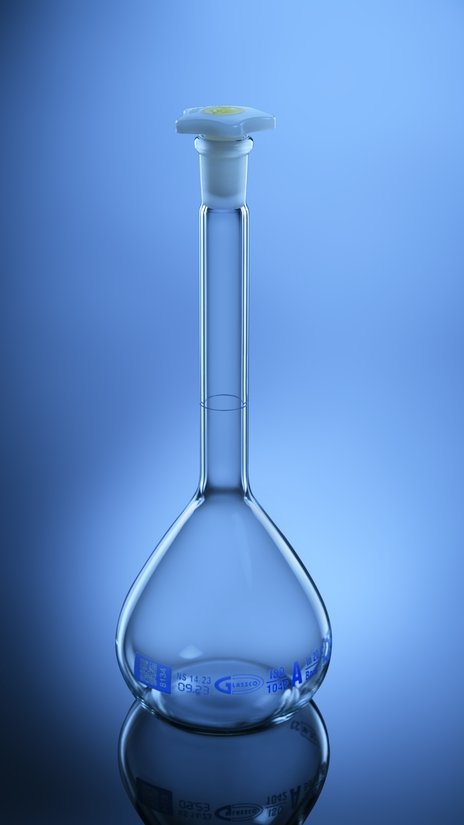
What is this and what is its use?
Volumetric Flask:
Pear shaped flask with a long, skinny neck and single etched line
Used to prepare or measure one exact, specific volume of a solution very accurately
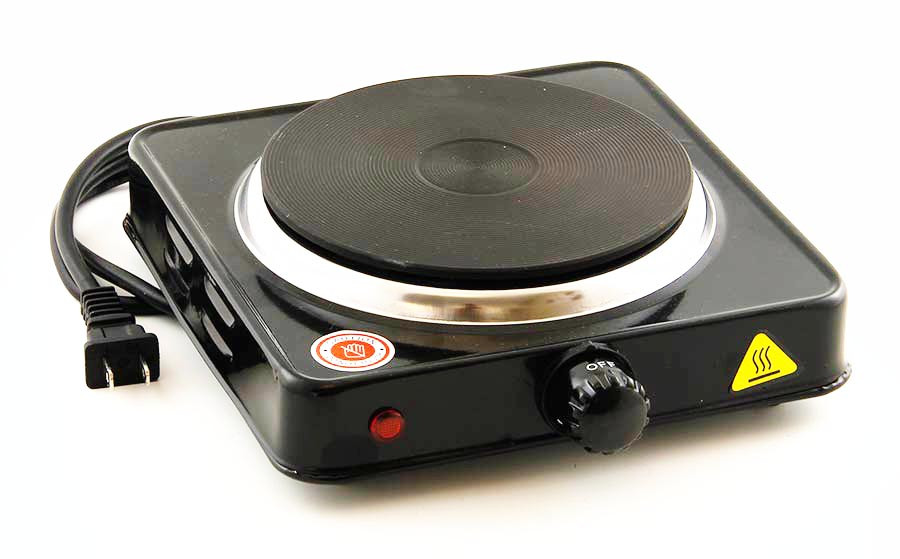
What is this and what is its use?
Hot Plate:
Electric, flat topped heating source
Used to heat liquids and solutions safely without using an open flame
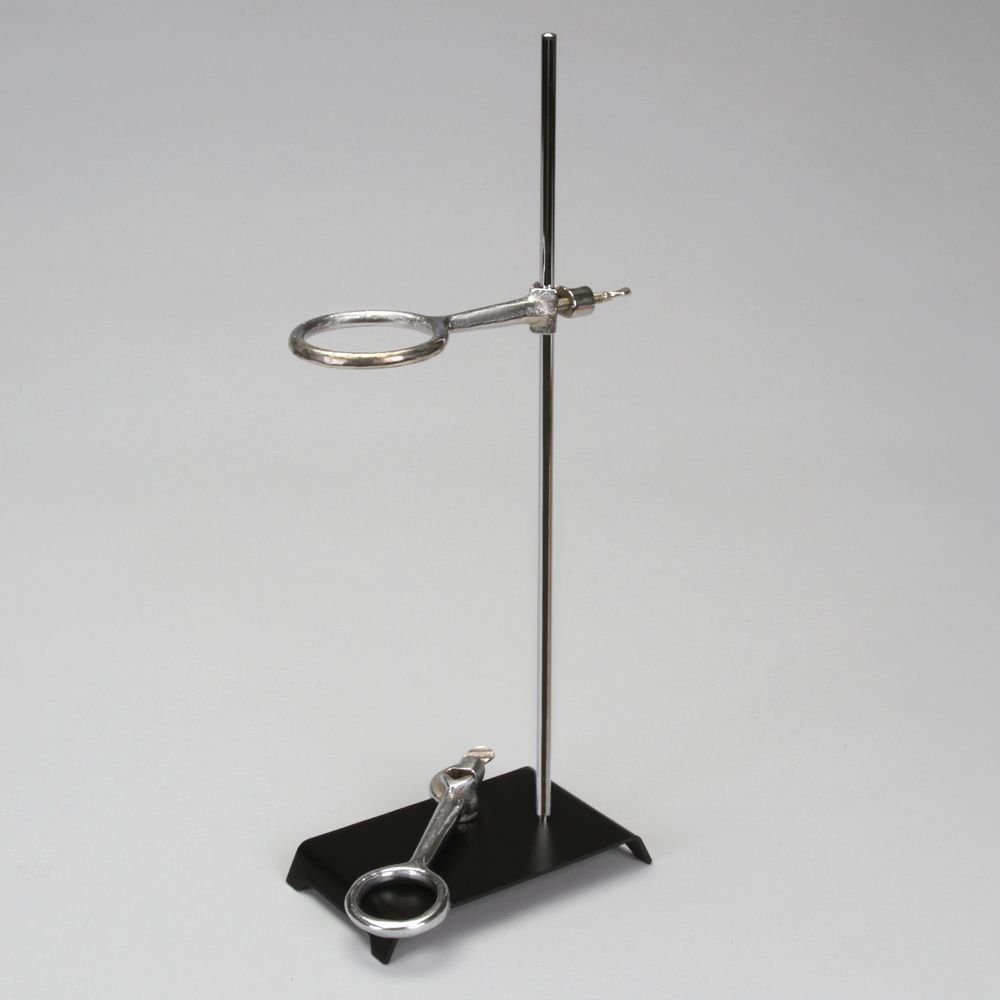
What is this and what is its use?
Ring Stand
heavy metal base with a tall vertical rod
Used to attach clamps that hold up equipment over a heat source (ex. flask or thermometer)
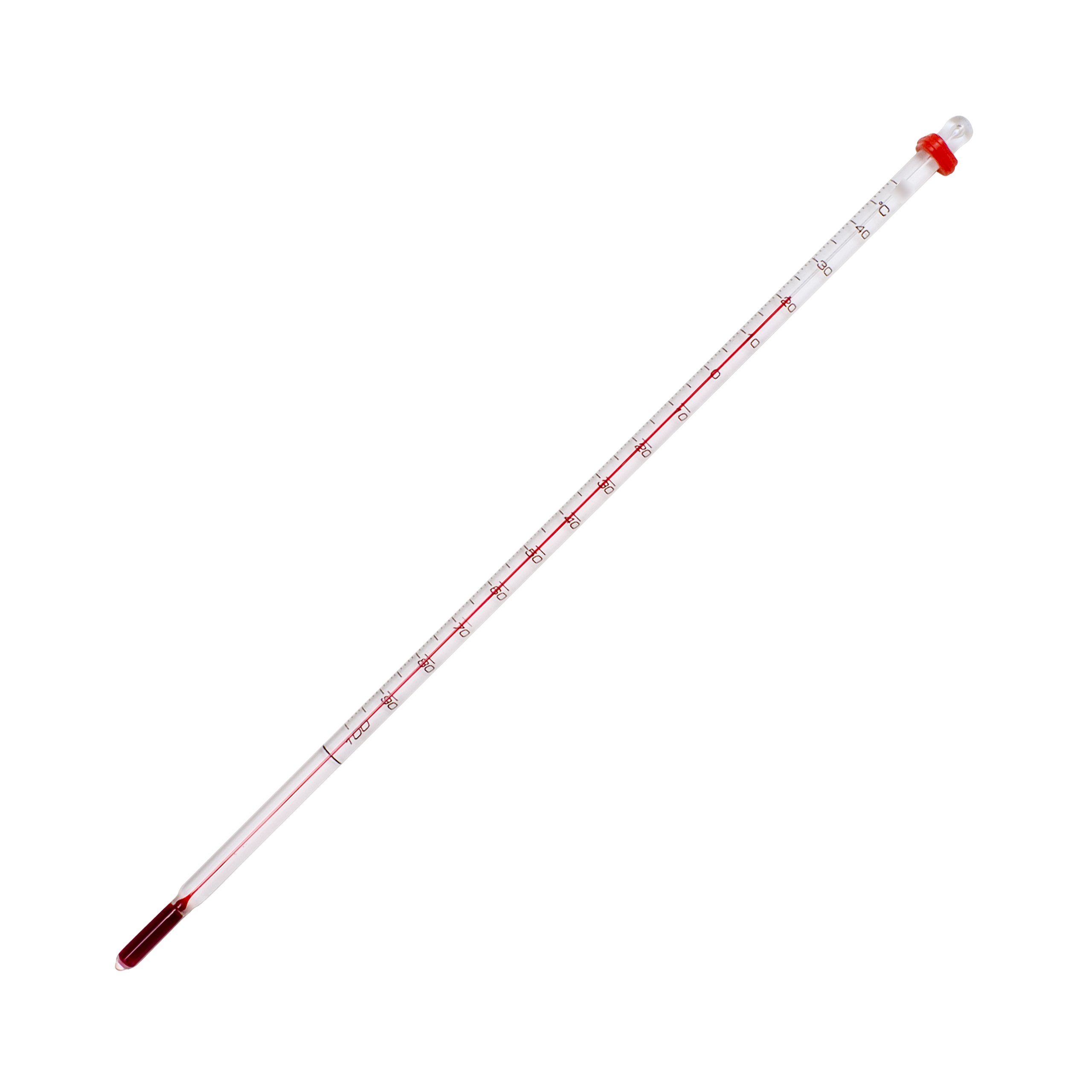
What is this and what is its use?
Thermometer:
Sealed glass tube containing temperature-sensitive liquid
Used to measure kinetic energy (heat) of a substance
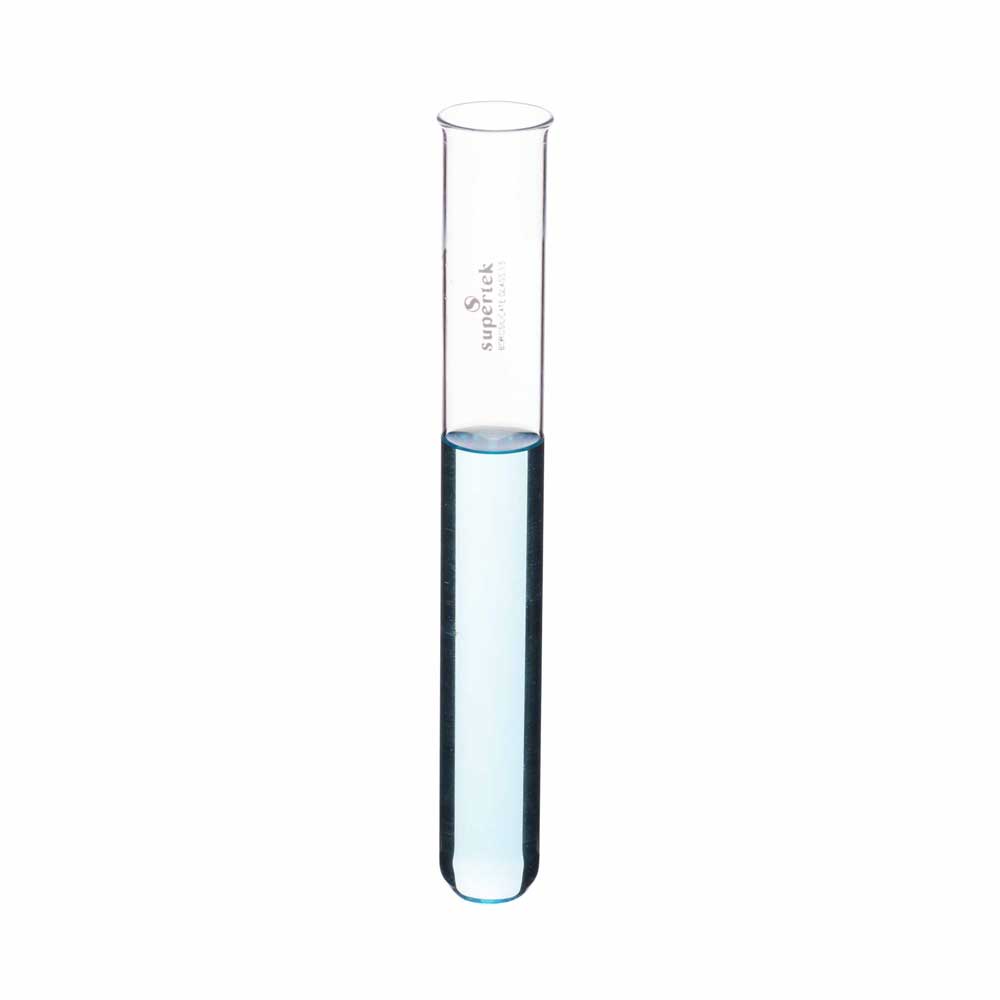
What is this and what is its use?
Test Tube:
Small, hollow glass tube with a rounded bottom and an open top
Used to hold, mix, or heat small amounts of chemicals during reactions
What is this and what is its use?
Forceps:
hinged, metal tool used for picking up, holding, or manipulating small objects or delicate biology tissues
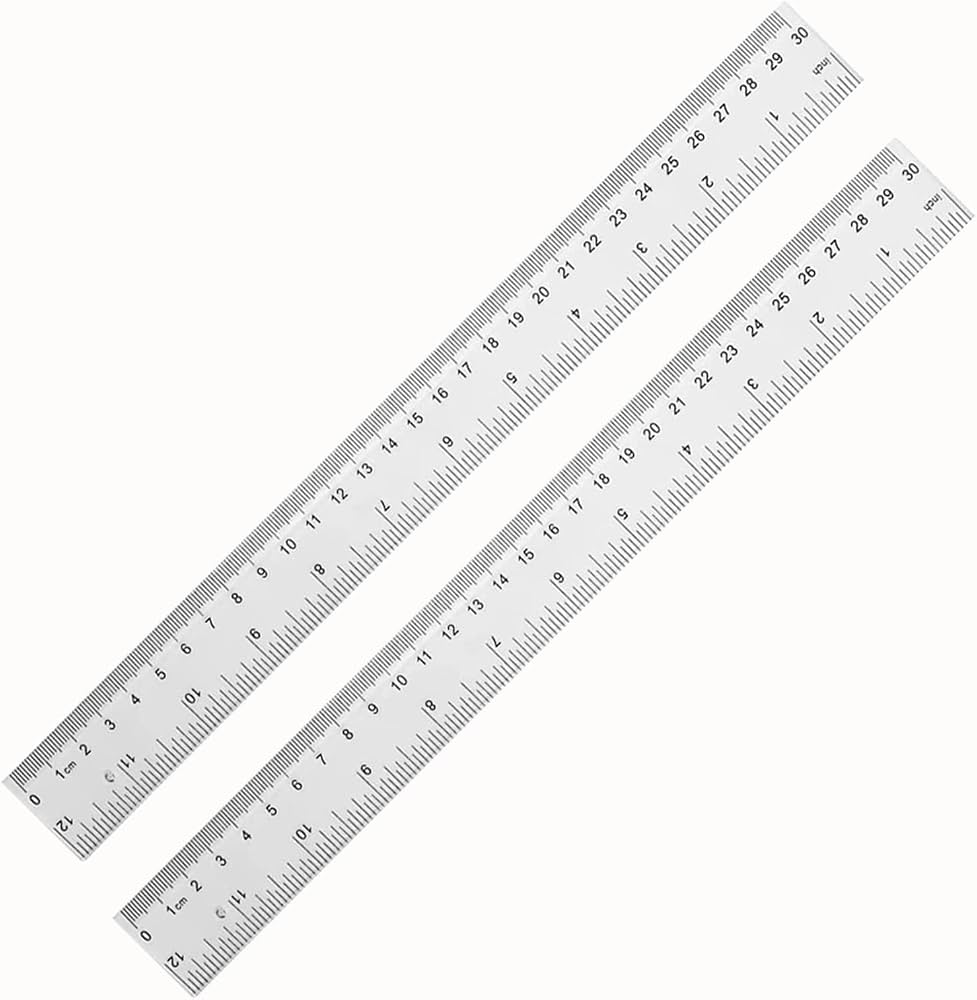
What is this and what is its use?
Used to measure dimensions of small objects
Must be translucent
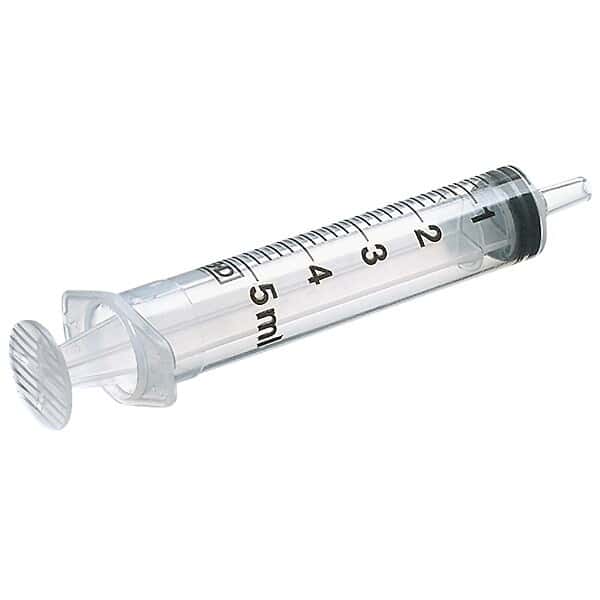
What is this and what is its use?
Syringe:
cylindrical tube with a tight-fitting plunger and a narrow tip
used to inject, withdraw, or accurately measure volumes of liquids or glasses