History of Arch Quiz 01
 Call Kai
 Learn
Learn Practice Test
 Spaced Repetition
 Match
Match Flashcards
 Knowt Play
1/49

There's no tags or description
Looks like no tags are added yet.
Name | Mastery | Learn | Test | Matching | Spaced | Call with Kai | Chat |
|---|
No analytics yet
Send a link to your students to track their progress
50 Terms
An Egyptian polymath and considered as the first architect, engineer and physician in recorded history
Imhotep
It is a stone beehive-shaped hut with a corbelled roof.
Clochan
Considered as one of the earliest cities located in the West Bank and also known as the oldest fortified city.
Jericho
Which of the following statements below best describes why the pyramids were built?
All the statements mentioned above are correct.
A stepped structure with an outside staircase and has a worshipping shrine at the top for God or Nature.
Ziggurat
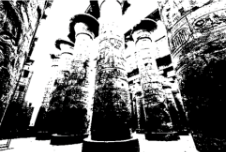
Hypostyle Hall
The earliest form of dwelling developed by man.
Rock Cave
The Great Pyramid of Giza was built during the 4th dynasty by _____.
Cheops
In Egyptian Architecture, the tomb of the pharaohs is the ____.
Pyramid
A prehistoric burial mound is called ______.
Tumulus
The Stonehenge is an example of ______.
Stone Circle
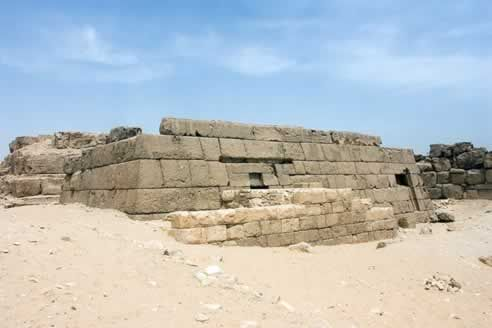
It is the characteristic of Egyptian external walls.
Battered
It is the portable native American shelter made of animal skins upon wooden poles.
Tipi
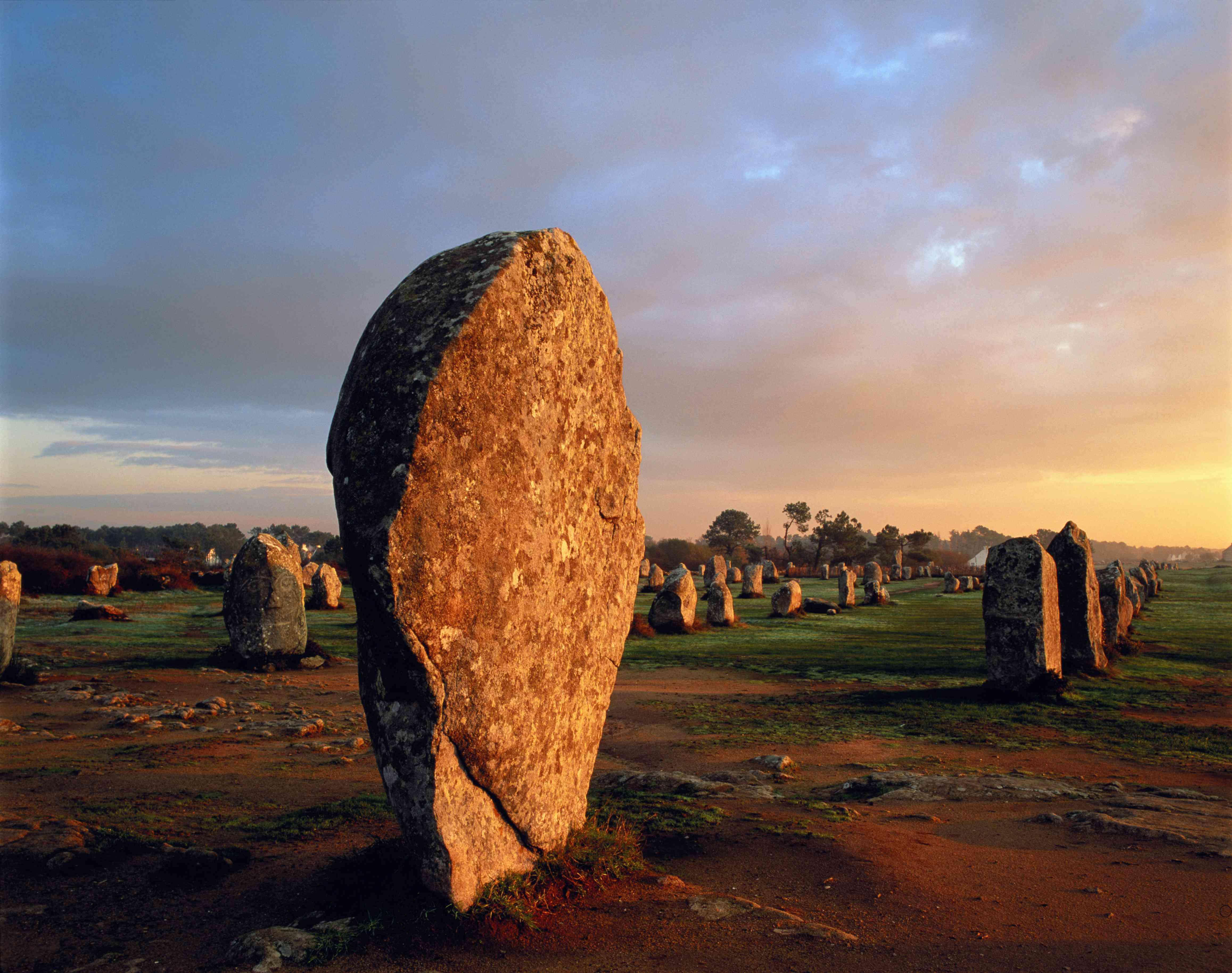
It is a prehistoric monument consisting of a single, upright stone.
Menhir
It is an artificial earth mound over an ancient grave.
Tumulus
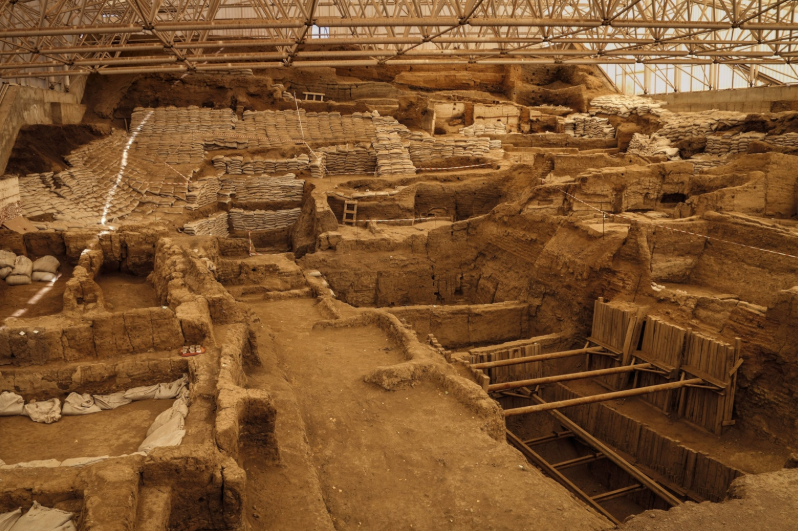
It is one of the earliest settlements with around 10,000 people in Southern Anatolia that existed around 7400 BC to 5200 BC.
Catalhoyuk
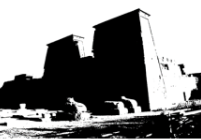
Temple of Khonsu
It is one of the seven wonders of the ancient world listed by Hellenic Culture.
Hanging Gardens of Babylon
The Egyptian system of construction is essentially ____.
Columnar and Trabeated
It is a gate in the inner city of Babylon finished in glazed bricks mostly dyed in vivid blue to represent the highly prized stone lapis lazuli.
Ishtar Gate
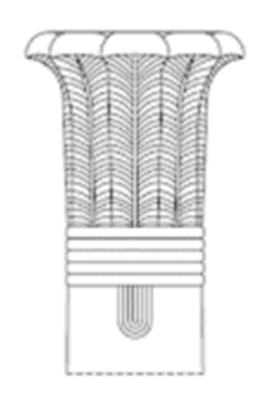
Palm Capital
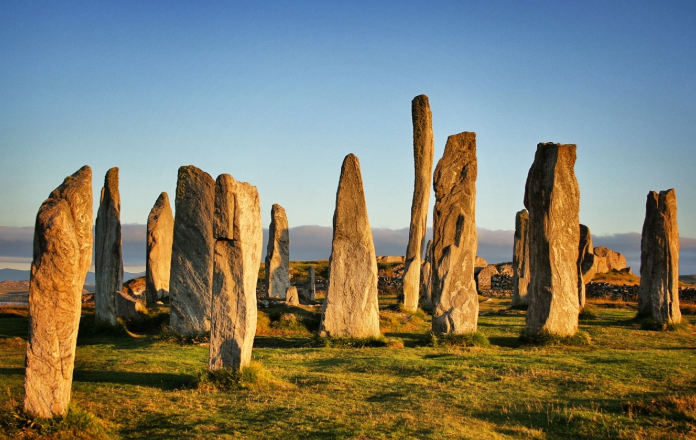
It is a megalithic site of standing stones arranged in cruciform pattern with a stone circle in its center.
Callanish Stones
An ancient Egyptian capital shaped like one of the crowns of a palm tree.
Palm Capital
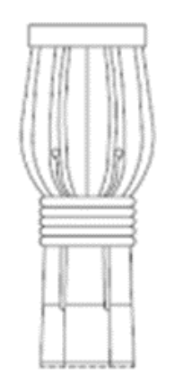
Lotus Capital
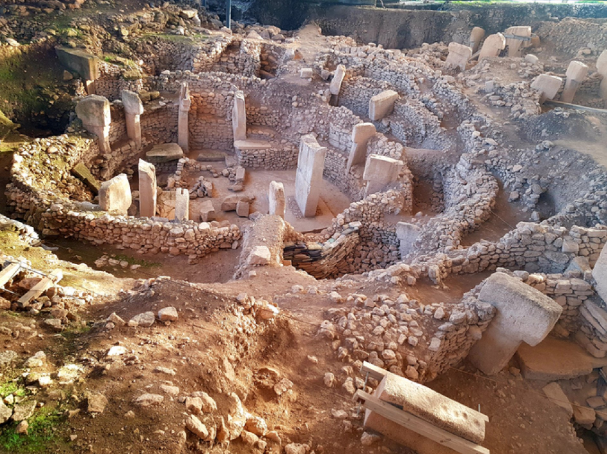
A UNESCO World Heritage Site which is a settlement in southeastern Turkey where massive carved stones are about 11,000 years old.
Gobekli Tepe
The harem in Assyrian palaces is for ______.
Private family apartments
It means a birth house in Ancient Egyptian Architecture which is a small chapel attached to a larger temple.
Mammisi Temple
Ziggurats are also called ______.
Holy mountains
The Egyptian cornice that consists of roll and hollow moulding is called ______.
Gorge
It is erected on the West bank of Nile River, built of local stone on a core of rock at 480 feet tall and 756 feet square base on a side.
Pyramids of Giza
It is a ram-headed sphinx.
Criosphinx
Ancient Egyptian Architecture temples were approached through imposing avenues of _____.
Sphinxes
A pyramid built by Imhotep which begun as a mastaba-tomb then successively enlarged and made of limestone and set within a complex of buildings.
Stepped Pyramid of Zoser
Temples in Mesopotamia were elevated on platforms because of ______.
Religious factors
A gateway consisting of either a pair of tall truncated pyramids and a doorway between them and often decorated with painted reliefs.
Pylon
It is found at the top of the ziggurat is _____.
Fire Altar
Assyrian walls are finished at the top by ____.
Battlemented crestings
A large hall supporting a flat roof and sometimes a clerestory having many columns in rows.
Hypostyle Hall
Tomb houses that were made to take the body at full length are called ____.
Mastaba
The Egyptian ornament symbolizing fertility.
Papyrus
These are the pillars that stood in pairs at the front of Egyptian temples are called _____.
Obelisk
The upright stone slab containing the name of the dead found in the mastaba is called ____.
Stele
Egyptian temples built for worship if the gods were ____.
Cult Temples
In the absence of windows in Assyrian Architecture, the ventilation of the palace interior is through _____.
Terra-cotta pipes
The building of the Great Hypostyle Hall at Karnak was began by ______.
Seti I
The Hall of the Hundred Columns was built by ___.
Xerxes
The orientation of Ziggurat had its _____ oriented towards the cardinal points.
Four Corners
The orientation of the Egyptian pyramids had its ____ oriented towards the cardinal points.
Four Sides
Mesopotamian Architecture is a combination of ______.
Babylonian and Assyrian Architecture
This is the third of the Giza Pyramids and is considerably smaller than the first two pyramids.
Pyramid of Menkaure