MGCR 352: Chapter 3 Analyzing the Market Environment
 Studied by 0 people
 Call Kai
 Learn
Learn Practice Test
 Spaced Repetition
 Match
Match Flashcards
 Knowt Play
1/42

There's no tags or description
Looks like no tags are added yet.
Name | Mastery | Learn | Test | Matching | Spaced |
|---|
No study sessions yet.
43 Terms
What is the importance of analyzing the marketing environment
monitor internal/external environment
examine market segmentation possibilities
rethink offering of products/services
need to have an eye on competitors
Importance of environmental scanning
acquire information outside company events
identify potential threats
track environmental trends
Macroenvironmental factors
company (its capabilities)
competition
corporate partners
Microenvironmental Factors
economic
technology
social/natural
demographics
culture
political/legal
consumer is at the centre
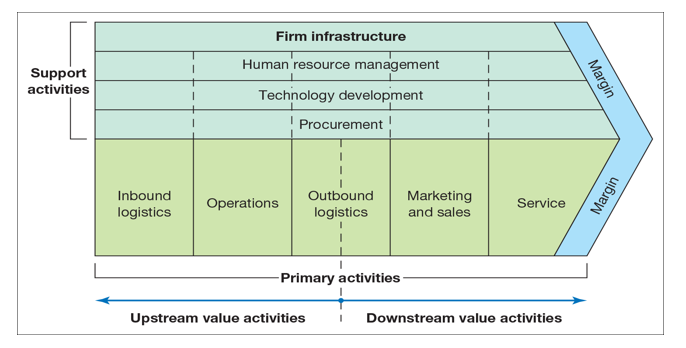
What is and how should we manage the firms value chain?
What are company capabilities and what does it allow it to do?
resources and skills a firm has
allows to compete in the market + deliver value
why is it important to know about competitors in the market environment and how do you gather this information
know strengths/weaknesses
competitive intelligence used to collect and interpret info
What are corporate partners in business?
external firms that a company works with → achieve shared goals
most companies operate within alliances → not in isolation
Microenvironmental Scan: Social
growing diversity of canadian population
aging
obesity
eco-consciousness
Microenvironmental Scan: Economic
value experience over buying
online shopping boom
Microenvironmental Scan: Technological
increasing digital tech and nanotech
open source software movement
advances in biotech, cosmetic surgery, cancer drugs
Microenvironmental Scan: Competitive
china as world leader
mergers create scale and improve competition
increased focus on empowering workers to improve performance
Microenvironmental Scan: Regulatory
new legislation related to digital copyright, intellectual property protection, consumer privacy
increased emphasis on free trade
deregulation of industries to encourage competition
Microenvironmental Scan: Social Forces
include demographic characteristics of population and cultures
Ethnic Diversity
most immigrant groups and minorities live in large cities of Canada
use special and specific marketing efforts to reach distinct ethnic groups
Culture
shared set of learned values, ideas, attitudes, and behaviours
why do consumers prioritize value
concern for best features at cheap price
Demographics
characteristics of human populations
most common segmentation
information is widely available
assess customers needs/position
economy
pertains to the income/expenditures/resources that affect the cost of running a business and household
Gross income
total amount of money made in one year by a person, household, family unit
Disposable income
money a consumer has left after paying taxes to use for such necessities as food, shelter, clothing, transportation
discretionary income
is the money that remains after paying for taxes and necessities
Technology forces
innovations
tech impacts customer value by reducing costs
provides value for new products
existing products may be replaced
5 Types of Competitive Forces
pure competition
monopoly
oligopoly
monopolistic competition
Monospony
Pure competition
many firms with similar products
Monopoly
only one firm sells the product
Oligopoly
few companies control majority of sales
monopolistic competition
many firms sell similar products
monopsony
only one firm buys the product
Technology impacts marketers through
internet of things
electronic commerce
intranet: within the firm
extranet: between company and its suppliers
marketspace
e-business
e-marketing
generational cohorts
group of people of the same generation that have similar purchase behaviours bc they have shared experiences and same stage in life
Income and purchasing power
purchasing power is tied to income
3 different classes
Education
related to income, which determines spending power
gender
male/female roles have been shifting
marketing has changed to reflect those changes
artificial intelligence
rely on pre-trained computer systems and massive volume of information to perform/generate tasks that require human intelligence
why is artificial intelligence used?
advanced customer segmentation
media selection and message potential customers
higher customer engagement and satisfaction
higher market intelligence
internet of things
smart devices with internet-connected sensors share the data they collect, helps people and businesses track performance and make products or services more efficiently
foreign currency fluctuations
combined with inflation and interest rates of firm’s ability to market goods and services
monitor general/economic situation domestically and abroad
changing social trends:
greener consumers
privacy concerns
time-poor societies
health and wellness concerns
Competition act
encourages competition sets out criminal charger for major violations such as price fixing, misleading marketing and unlawful acts, allows for review of business matters such as mergers
Consumerism
movement to increase influence power and rights of consumers in dealing with institutions
Time Poor society
marketers are faced with challenge of finding creative ways to get messages out to consumer
goal: final/develop methods to make life easier for diverse consumers in a time-poor society marketers often rely on technology