Insight advanced L3 unit 5
 Call Kai
 Learn
Learn Practice Test
 Spaced Repetition
 Match
Match Flashcards
 Knowt Play
1/64

There's no tags or description
Looks like no tags are added yet.
Name | Mastery | Learn | Test | Matching | Spaced | Call with Kai | Chat |
|---|
No analytics yet
Send a link to your students to track their progress
65 Terms

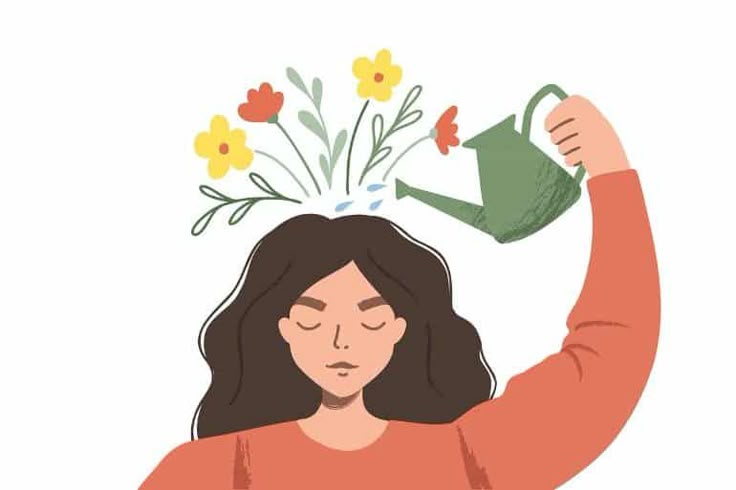
(be) on the right track (idiom)
Going something correctly or heading in the right direction (figuratively).
You're on the right track with your essay—just add more analysis.
Lady Gaga: I'm on the right track, baby. I was born this way. Ooh, there ain't no other way. Baby, I was born this way.
Come a long way (verbal expression)
To make a lot of progress or improvement.
She’s come a long way since she started learning English.
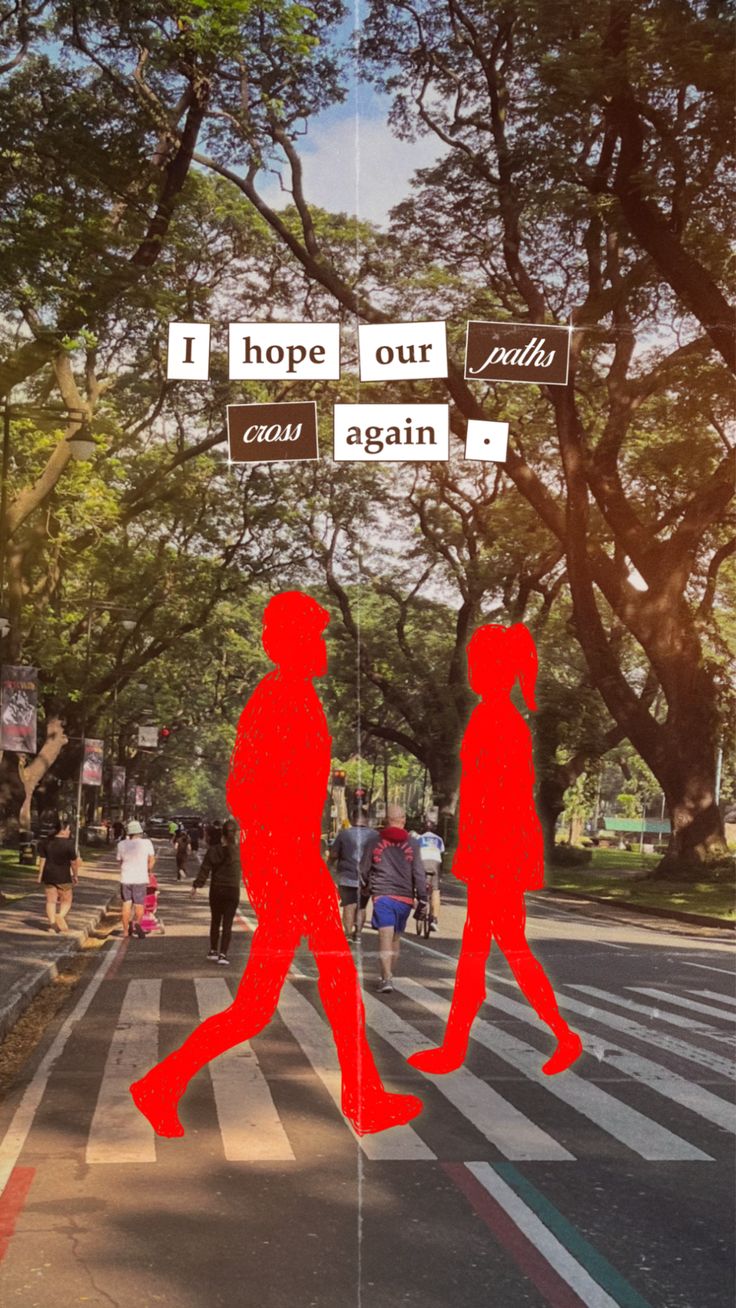
Someone´s paths cross (idiom)
Two people meet by chance.
Our paths crossed again years later in Paris.
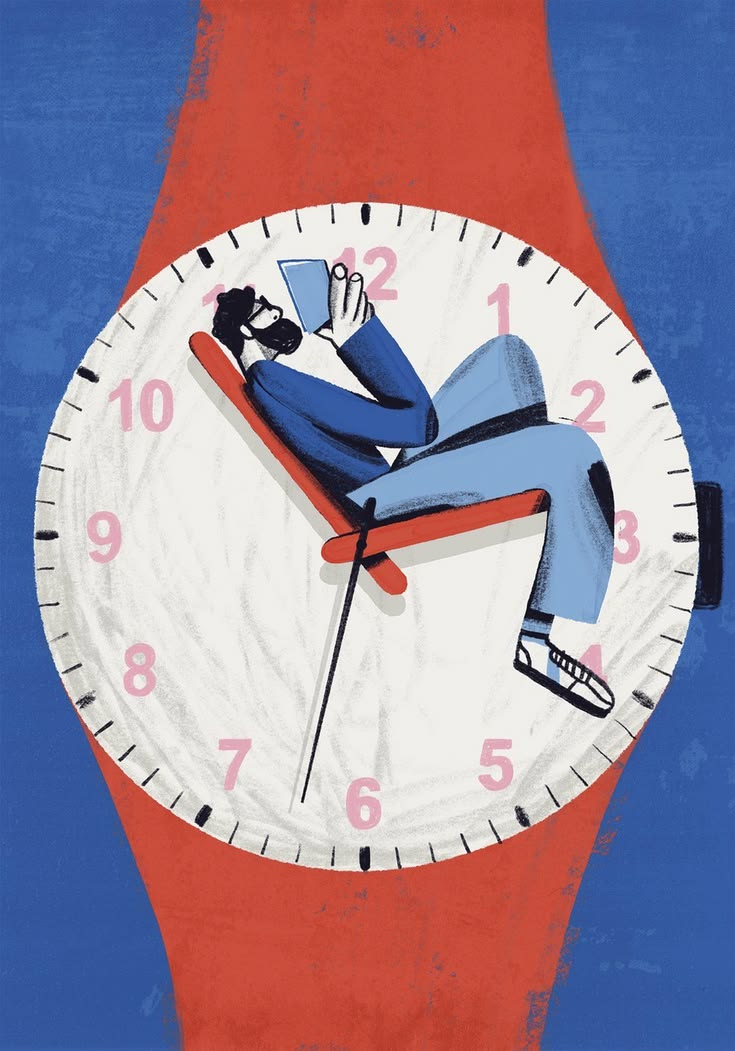
Lose track of (phrasal/prepositional verb)
To stop being aware of something (like time, progress, or information).
I lost track of time while reading.

Smooth the path (for) (idiom)
To make it easier for someone else to succeed.
Her mentor smoothed the path for her promotion.

(Reach) the end of the road (idiom)
To come to a point where you can’t continue something anymore. After years of struggling, they reached the end of the road with the business.
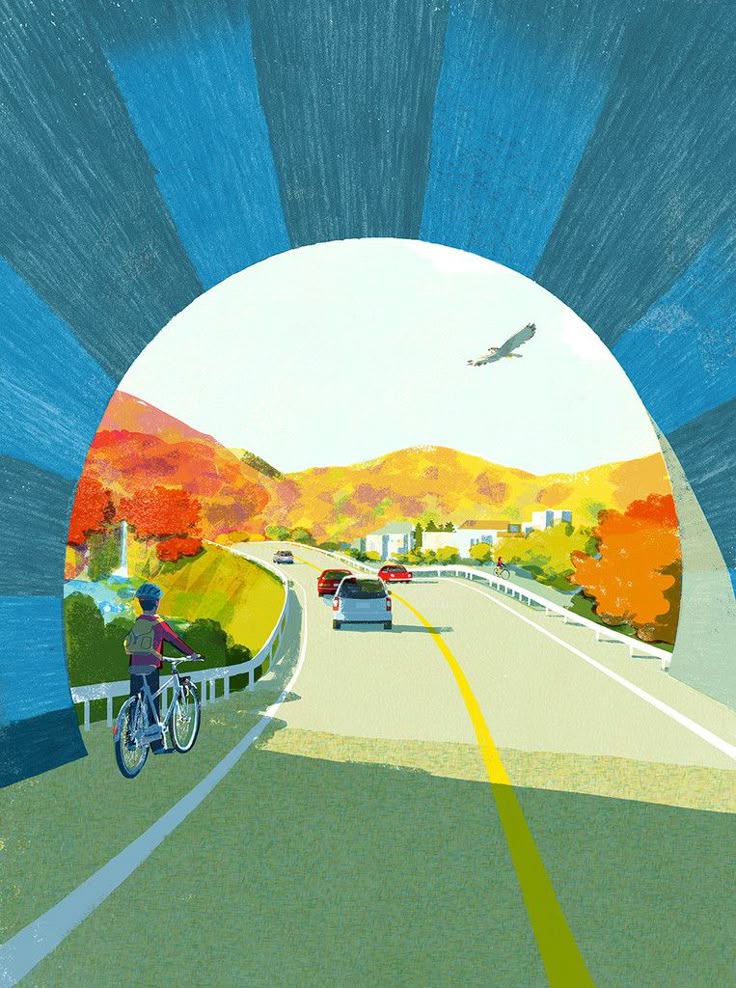
(be) on the road (idiom)
To be traveling, often for work or adventure.
He’s on the road most weeks visiting clients.

Make someone´s way (verbal phrase)
To go somewhere, usually with effort or purpose.
He made his way through the crowd to the front.
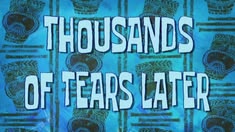
Further down the road (idiom)
In the future; at a later stage.
We’ll revisit this issue further down the road.
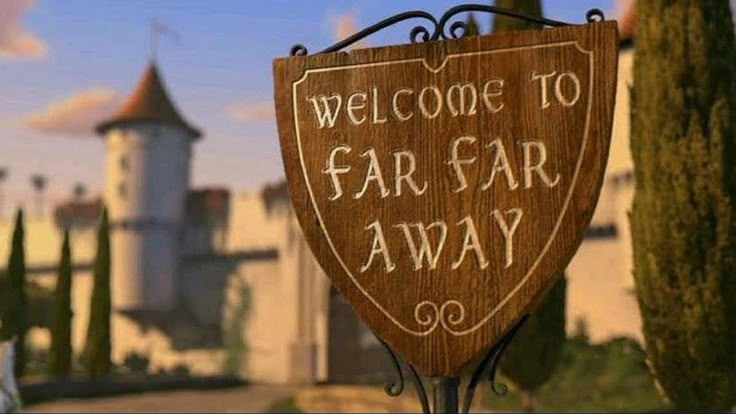
(be) a long way off (idiom)
Something is far away in distance or time.
Retirement still feels like a long way off.

Hit the road (idiom)
To leave or begin a journey.
Let’s hit the road before traffic gets bad.
Ray Charles´ song: hit the road Jack don´t you come back….

Pull up (phrasal verb)
To stop a vehicle; to come to a halt.
The car pulled up in front of the house.


Hurtle (verb)
To move very fast in an uncontrolled or dangerous way.
The truck hurtled down the highway at full speed.

Advance (verb)
To move forward, especially in a purposeful or strategic way.
The troops advanced toward the border.
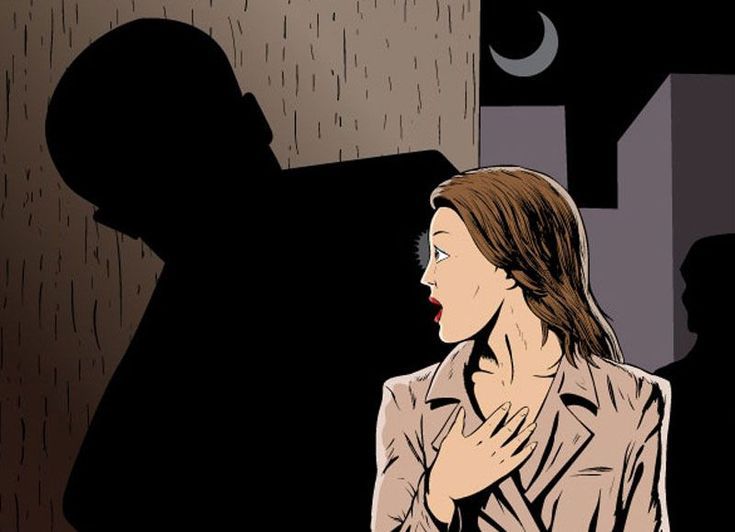
Prowl (verb)
To move around quietly and secretly, especially while hunting. With the intention of committing a crime.
tradu: merodear, acechar.
The cat prowled around the garden at night.
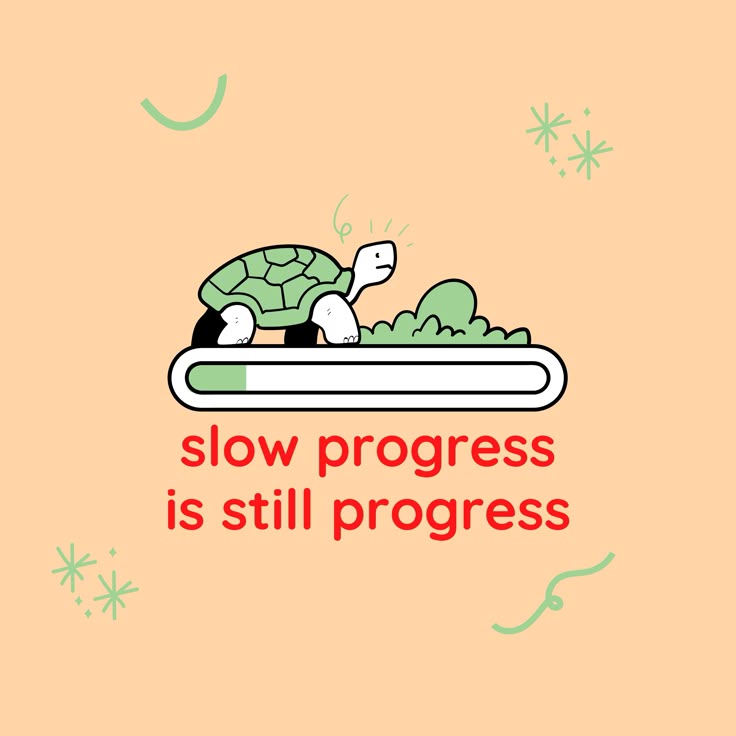
Chug (verb)
To move slowly and steadily, often with a dull, regular sound (especially vehicles).
The old train chugged along the tracks.
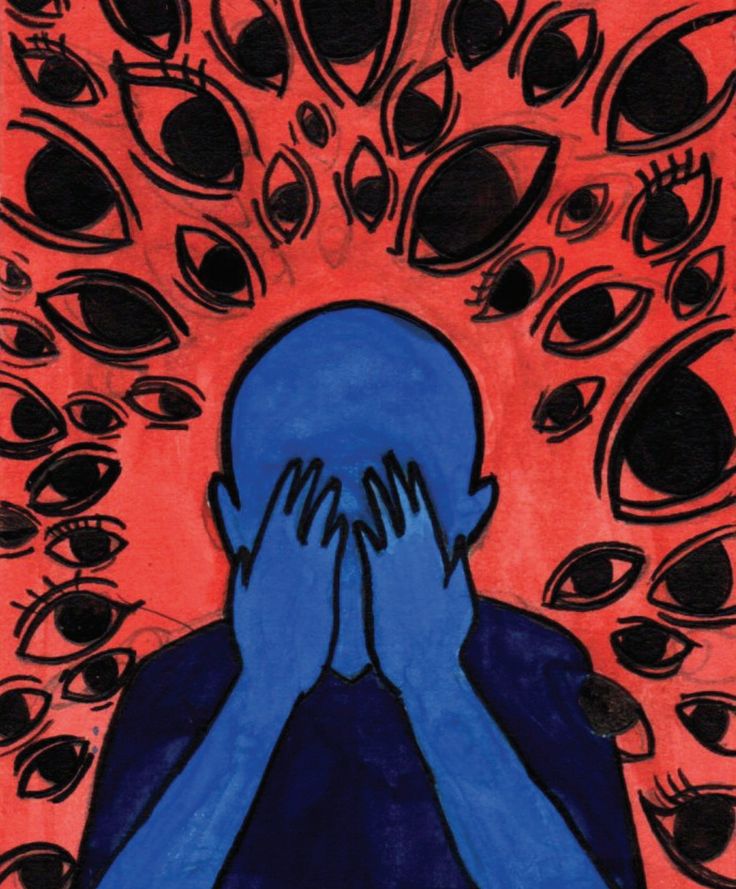
Creep (verbo irregular)
To move slowly and quietly to avoid being noticed.
He crept downstairs so he wouldn’t wake anyone.

Stroll (verb)
To walk in a relaxed, slow manner.
They strolled through the park, enjoying the sunshine.
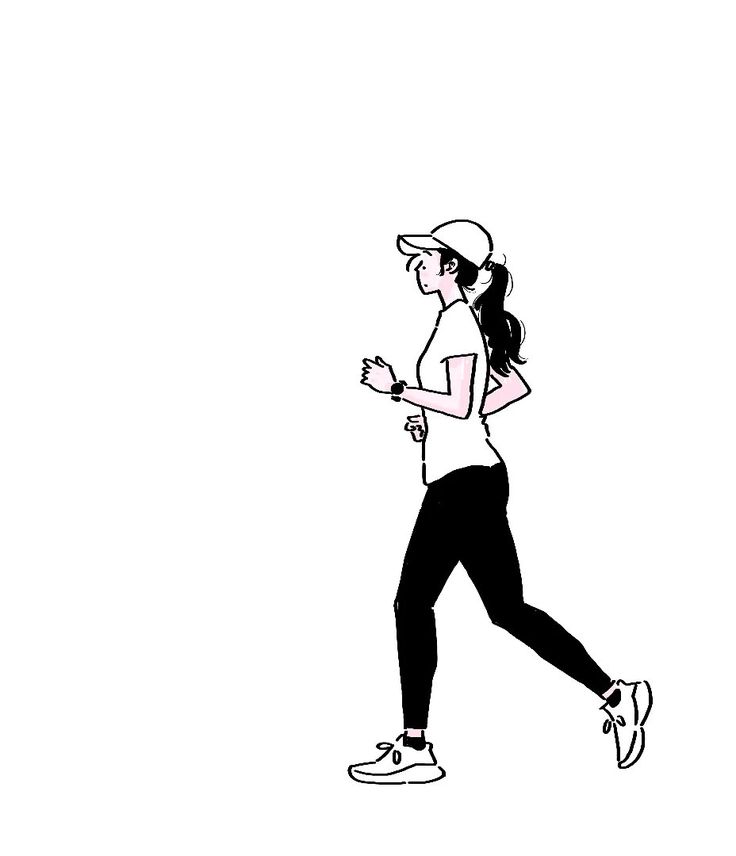
Stride (verb)
To walk with long, confident steps.
She strode into the room with authority.

Glide (verb)
To move smoothly and effortlessly, often through air or across a surface.
The swan glided across the lake.

Accelerate (verb)
To increase speed or go faster.
The car accelerated as it merged onto the highway
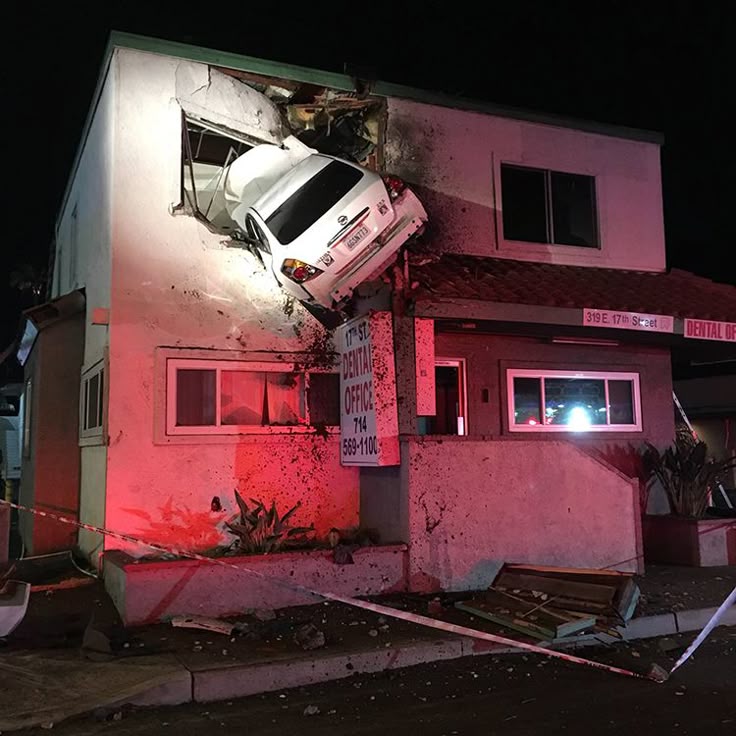
Collide (verb)
To crash violently into something or someone.
The two cars collided at the intersection.

Skid (verb)
To slide uncontrollably, especially on a slippery surface.
The car skidded on the icy road.

Hit (verb)
To strike or make forceful contact with something.
She hit the curb while turning the corner.
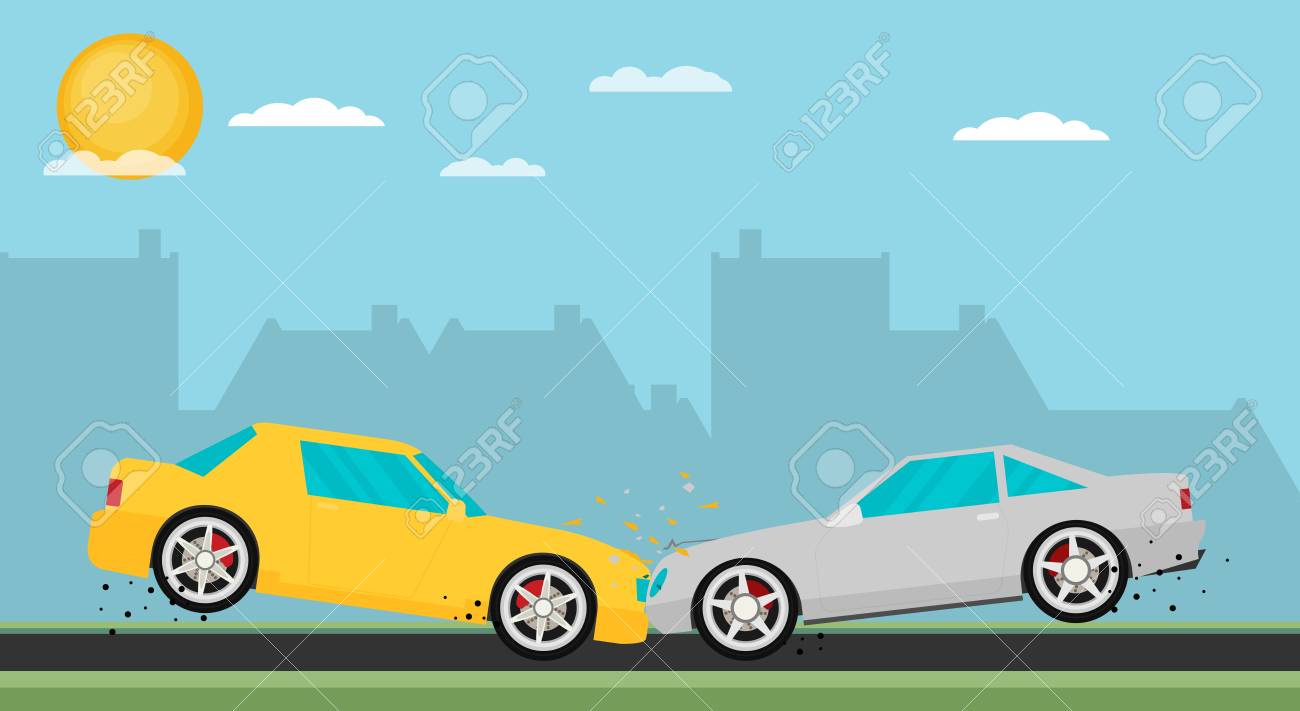
Head-on (adverb)
A crash where the front ends of two vehicles hit each other.
There was a head-on collision between a truck and a car.
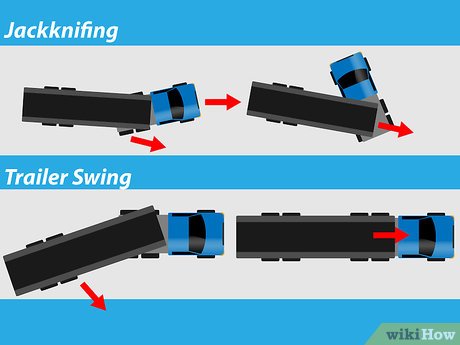
Jack-knife (verb)
When a truck’s trailer swings around toward the cab, forming a V-shape.
The lorry jack-knifed on the wet highway.
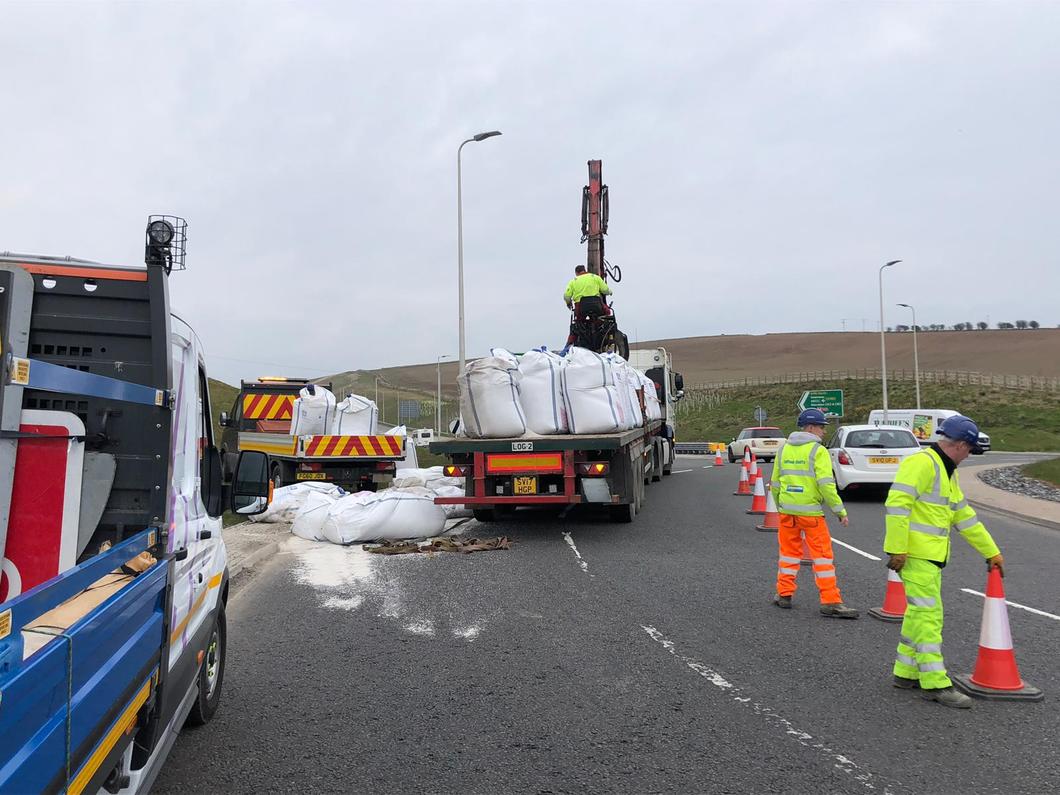
Shed (verb/noun)
To lose or drop part of a load or cargo unintentionally.
The truck shed its load of gravel all over the road.
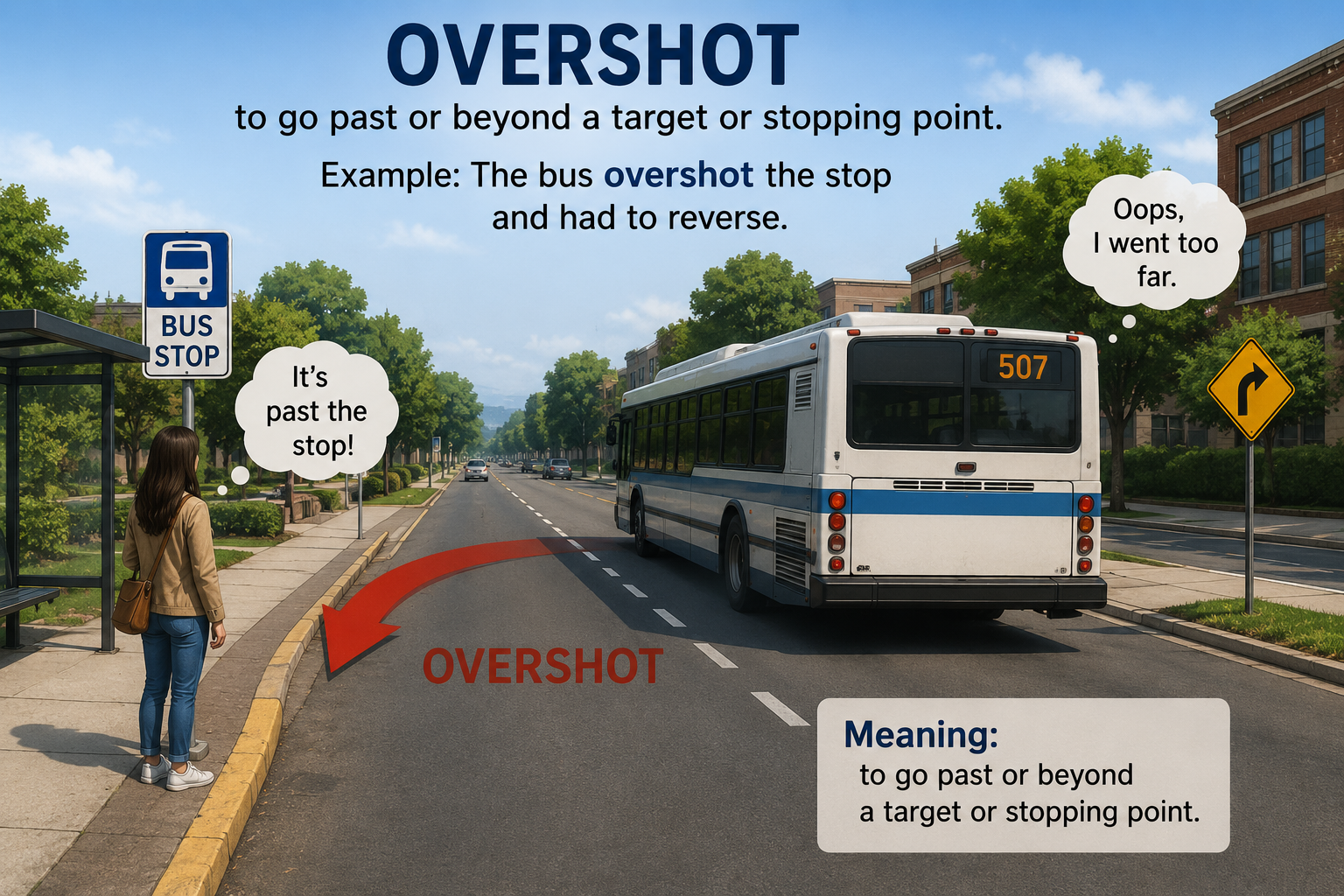
Overshot (verb)
To go past or beyond a target or stopping point.
The bus overshot the stop and had to reverse.
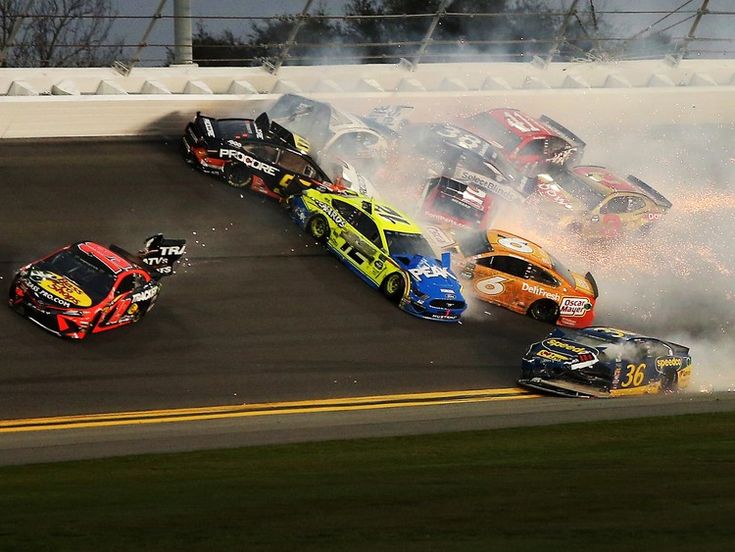
Swerve (verb)
To suddenly change direction to avoid hitting something.
The driver swerved to avoid a dog in the road.
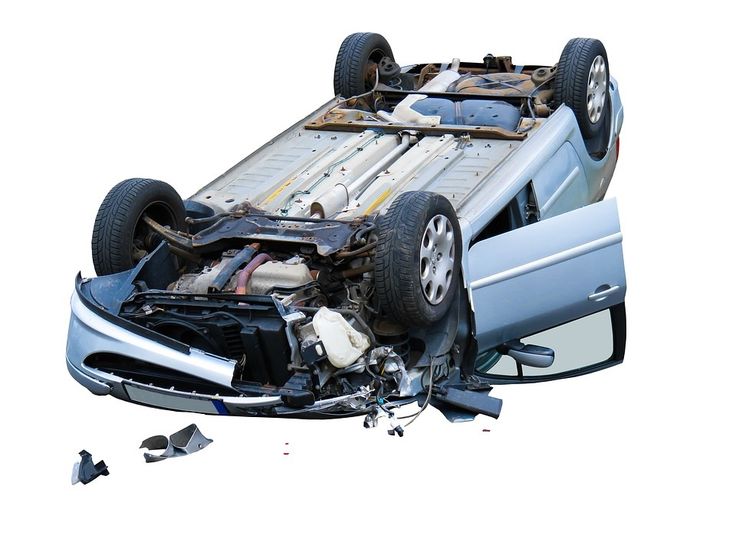
Write off (phrasal verb)
To damage a vehicle so badly that it is not worth repairing.
The car was written off after the crash.

Shater (verb)
To break something suddenly into many pieces.
The glass shattered on impact.
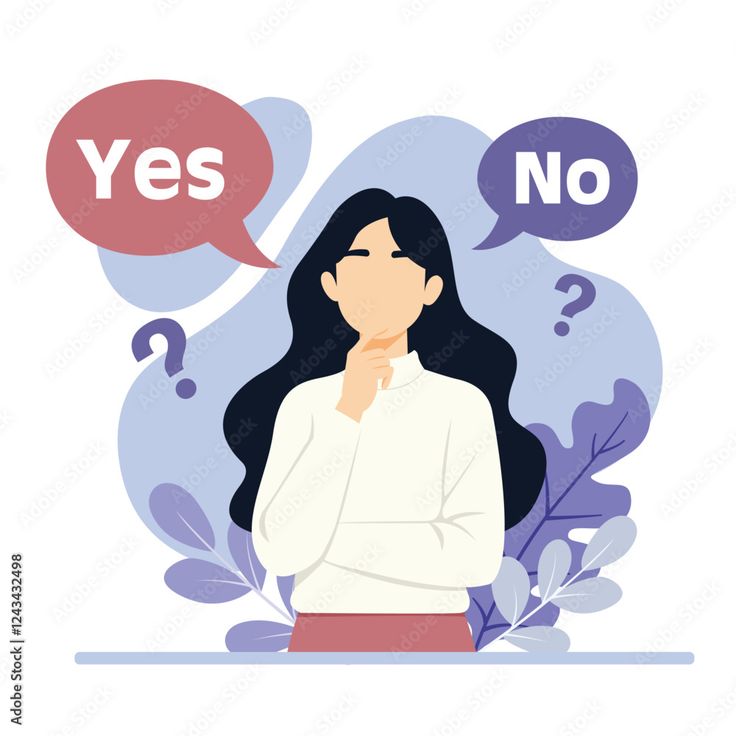
Definite (adjective)
Clearly stated or decided; not vague.
We need a definite answer by Monday.

Definitive (adjective)
Final, conclusive, and authoritative.
This book is the definitive guide to birdwatching.
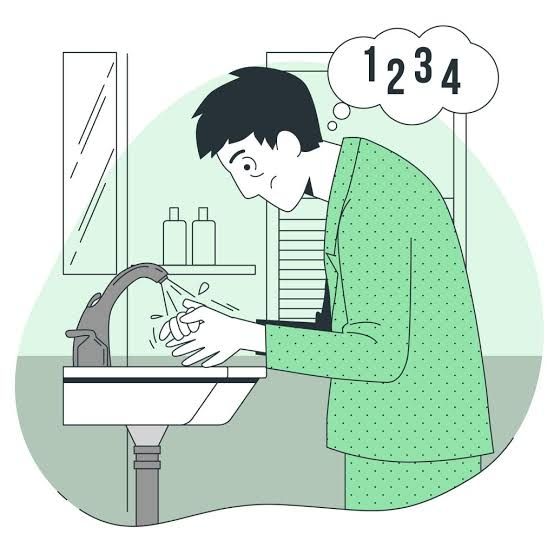
Compulsive (adjective)
riven by an irresistible urge; often related to behavior.
He’s a compulsive liar.

Compulsory (adjective)
Required by law or rule.
Wearing helmets is compulsory for motorcyclists.

Historic (adjective)
Important or famous in history.
It was a historic victory for the team.

Historical (adjective)
Related to history or past events.
She studies historical documents from the 17th century.
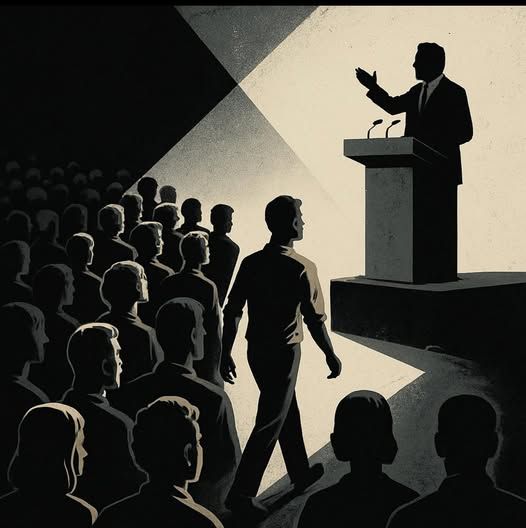
Notable (adjective)
Worthy of attention or notice; important. Example: She made a notable contribution to science.

Noticeable (adjective)
Easy to see, hear, or recognize.
There was a noticeable drop in temperature.
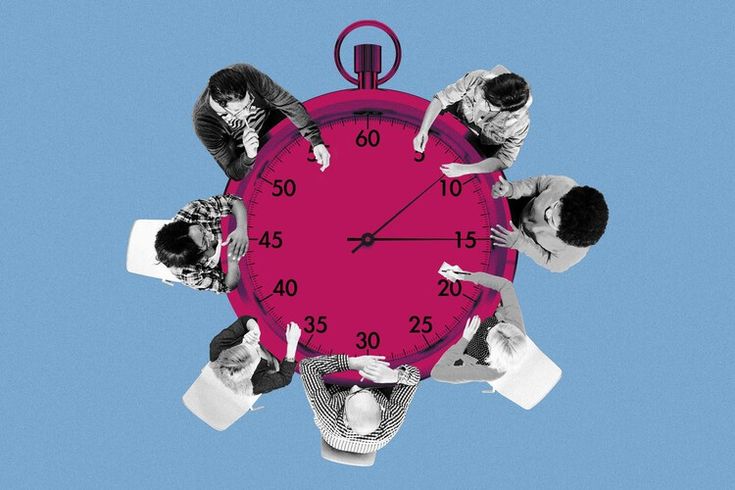
Alternate (adjective)
Every other; substitute; occurring in turns.
tradu: irse turnando
We meet on alternate Fridays.

Alternative (adjective)
A different option or choice.
We need an alternative solution to this problem.

Technical (adjective)
Related to a specific skill, subject, or method.
The report includes technical language.

Technological (adjective)
Related to technology or advancements in it.
The company invested in technological innovation.

Economic (adjective)
Related to the economy or finances.
The country is facing economic challenges.

Economical (adjective)
Cost-effective; avoiding waste.
This car is very economical on fuel.

Outlook (noun)
The probable future for sb/sth that is likely to happen.
The economic outlook for next year is positive.
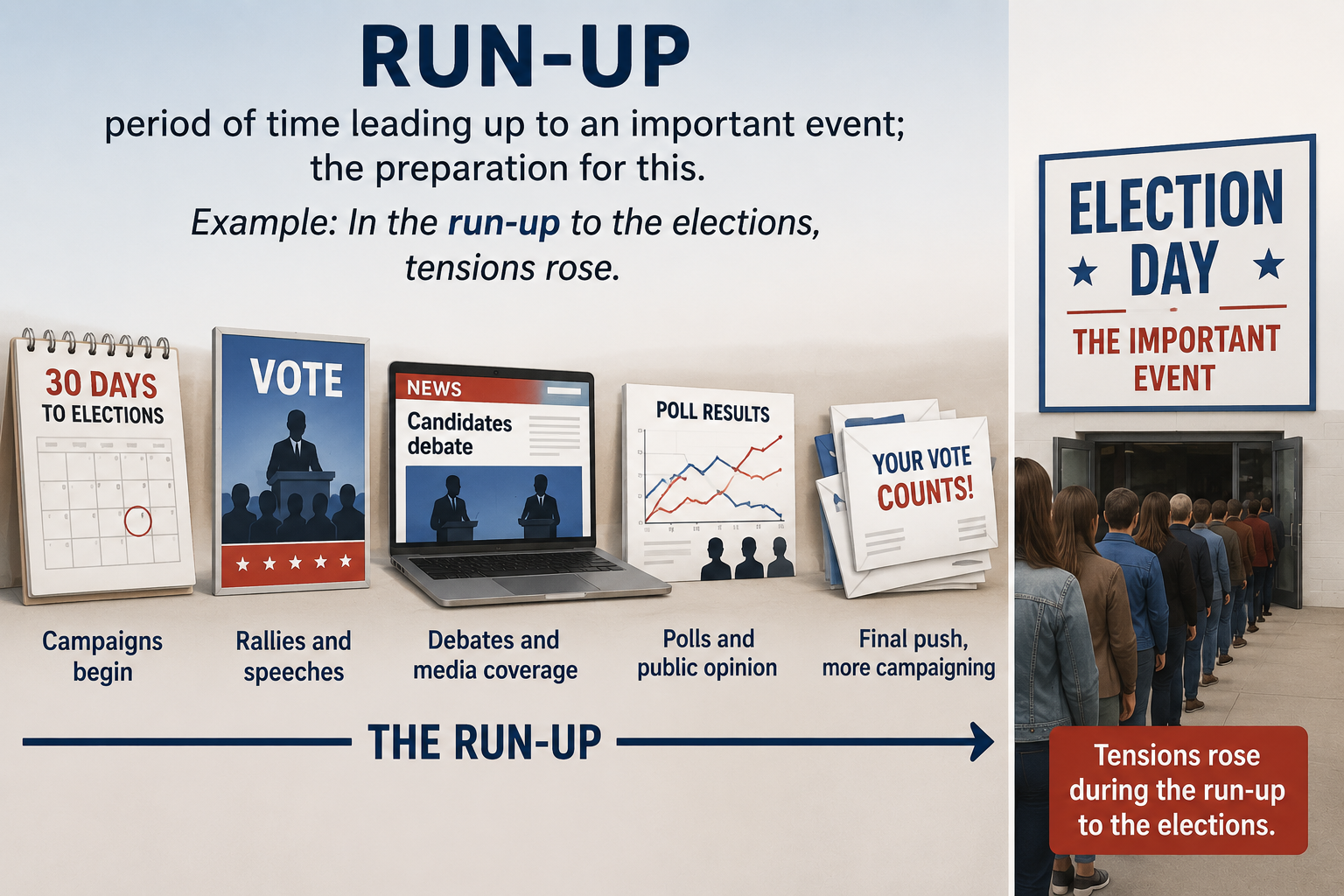
Run-up (noun)
A period of time leading up to an important event; the preparation for this.
In the run-up to the elections, tensions rose.
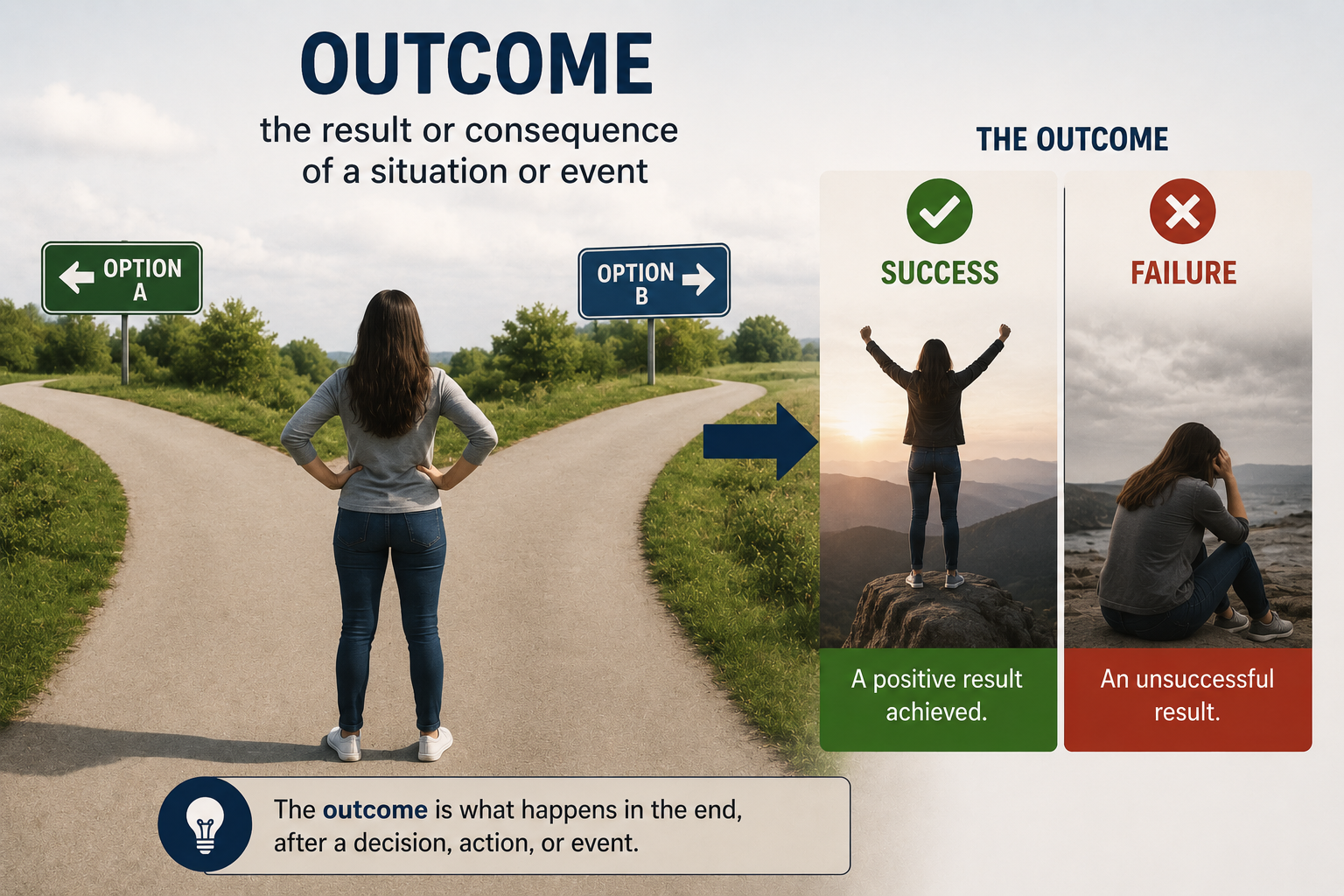
Outcome (noun)
The result or effect of an action or event.
The outcome of the trial was unexpected.
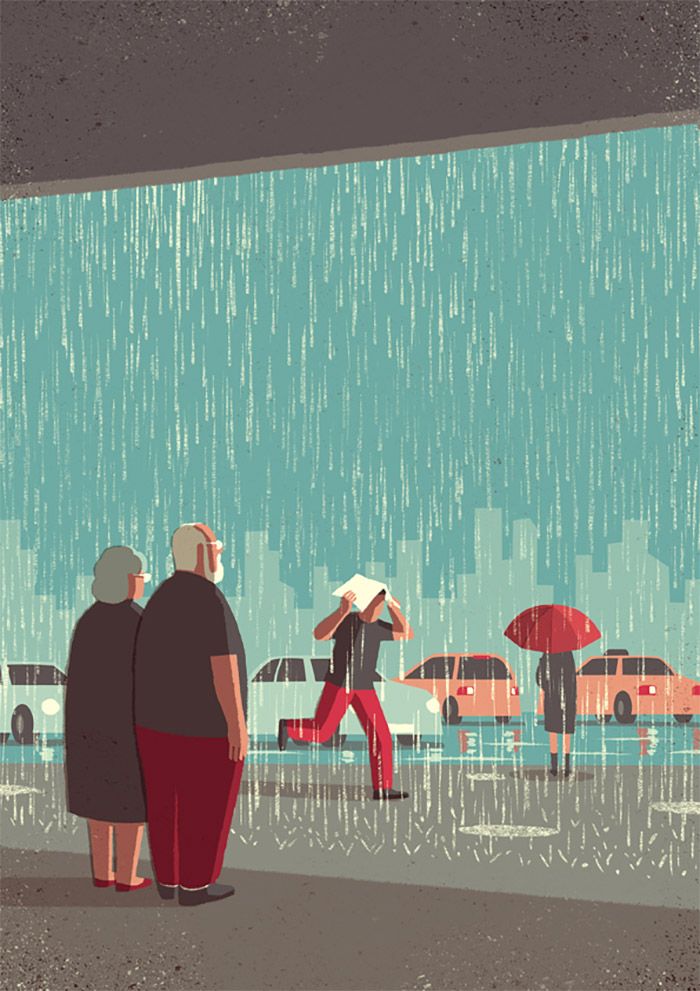
Downpour (noun)
A heavy fall of rain that often starts suddenly.
We got caught in a downpour without umbrellas.
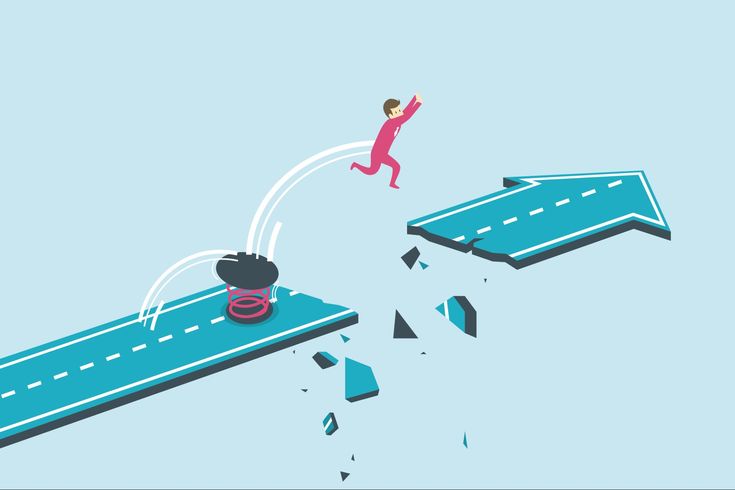
Hold-ups (plural noun)
A situation in which sth is prevented from happening for a short time.
There were several hold-ups on the way due to traffic.

Setback (noun)
A difficulty or problem that delays or prevents sth, or makes a situation worse.
The illness was a major setback in her recovery.
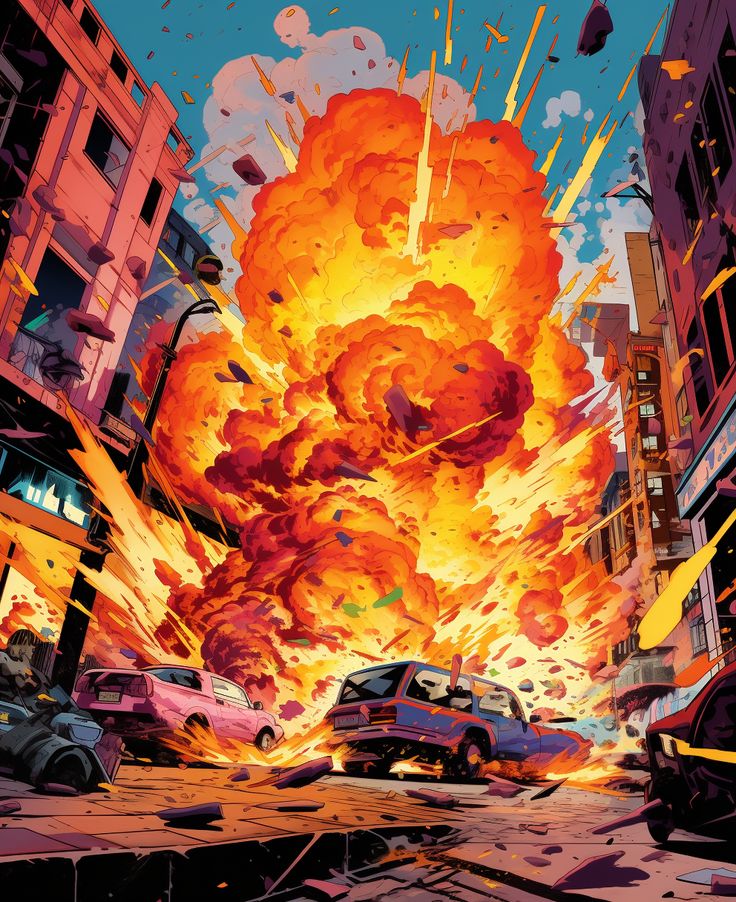
Outbreak (noun)
The sudden start of sth unpleasant, especially violence or a disease.
There was an outbreak of flu at the school.
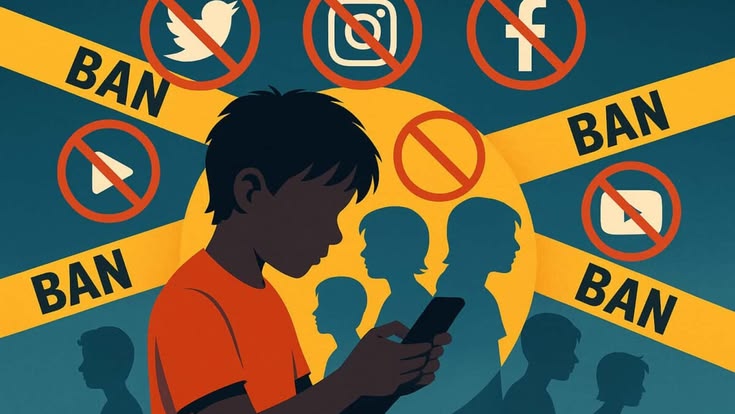
Crackdown (noun)
Severe action taken to restrict the activities of criminals or of people opposed to the government or sb in authority.
Police launched a crackdown on illegal parking.
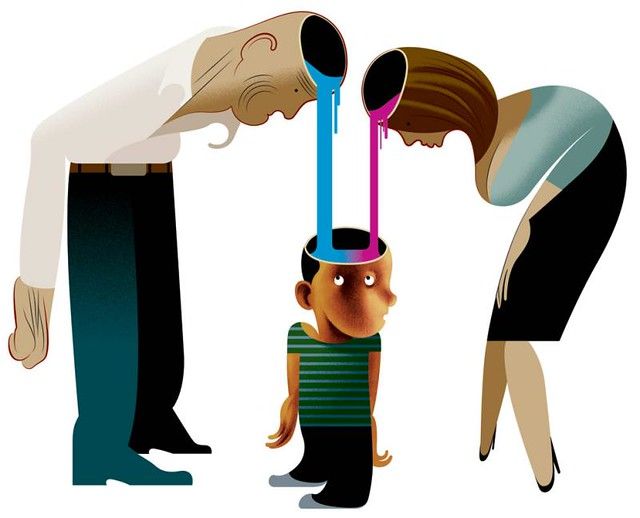
Upbringing (noun)
The way in which a child is cared for and taught how to behave while it is growing up.
She had a strict religious upbringing.

Backdrop (noun)
The general conditions in which an event takes place, which sometimes help to explain the event.
The story unfolds against the backdrop of war.
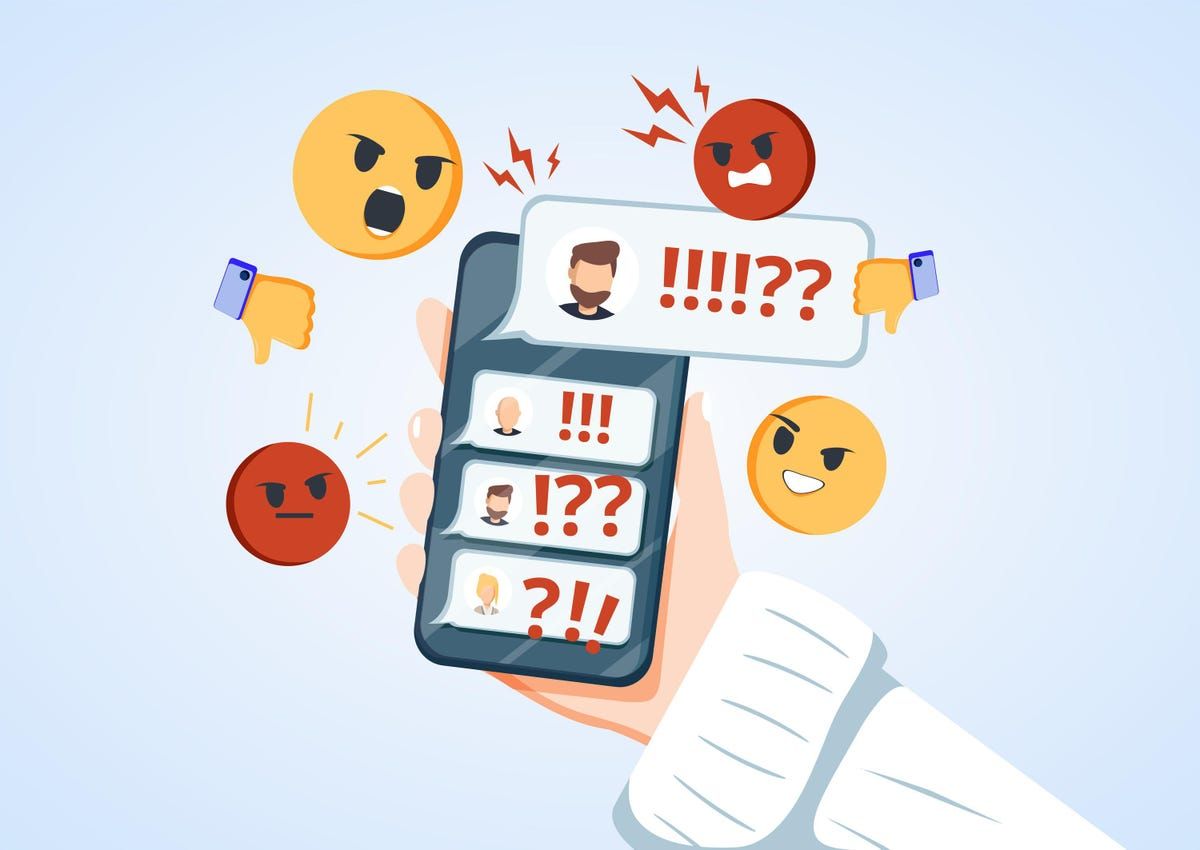
Downfall (noun)
he loss of sb’s money, power, social position, etc; the thing that causes this loss.
Tradu: seria como la funada en redes
His arrogance led to his downfall.
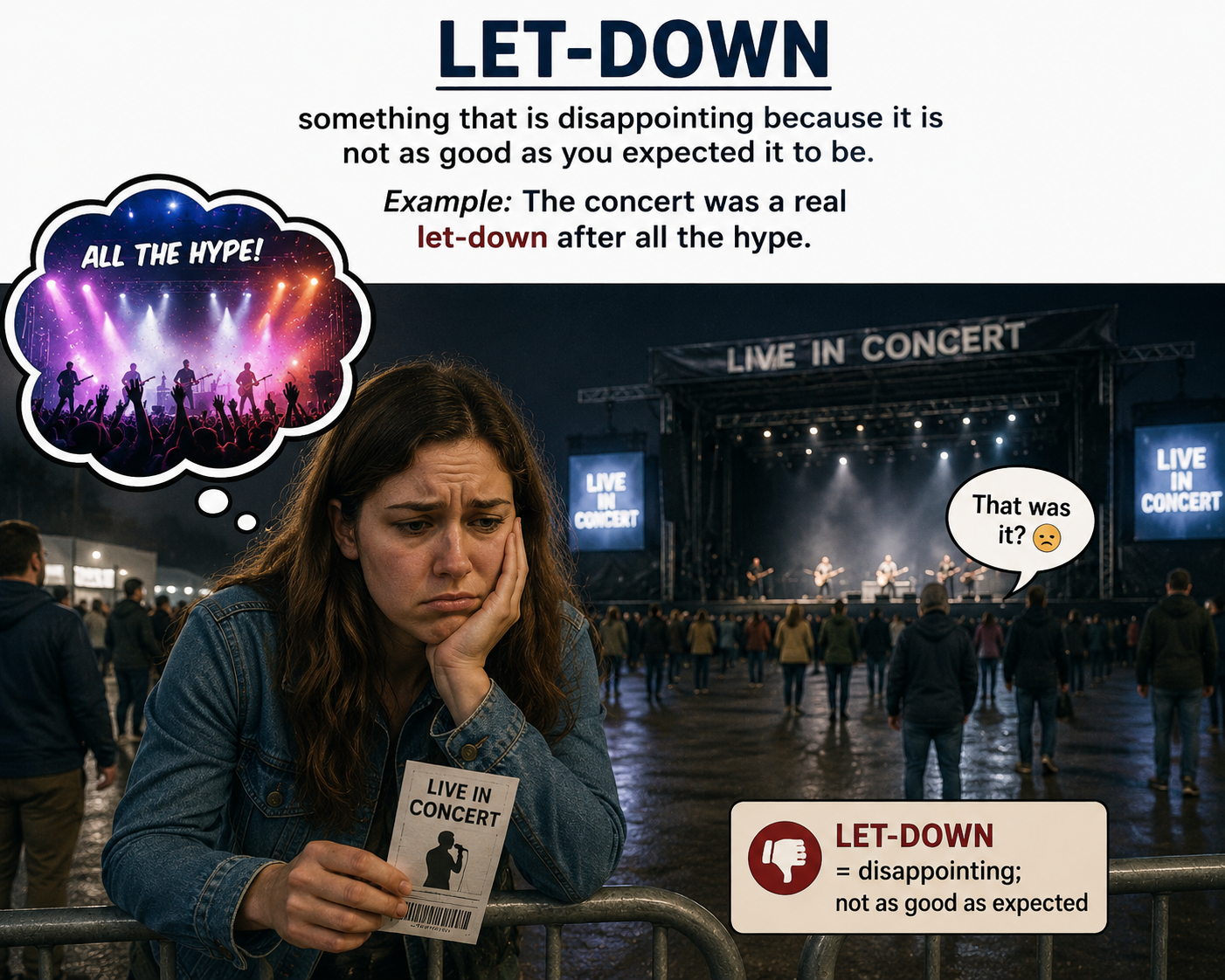
Let (somebody/something) down (phrasal verb)
Sth that is disappointing because it is not as good as you expected it to be.
The concert was a real let-down after all the hype.

Uprising (noun)
A situation in which a group of people join together in order to fight against the people who are in power.
The uprising was quickly suppressed by the army.
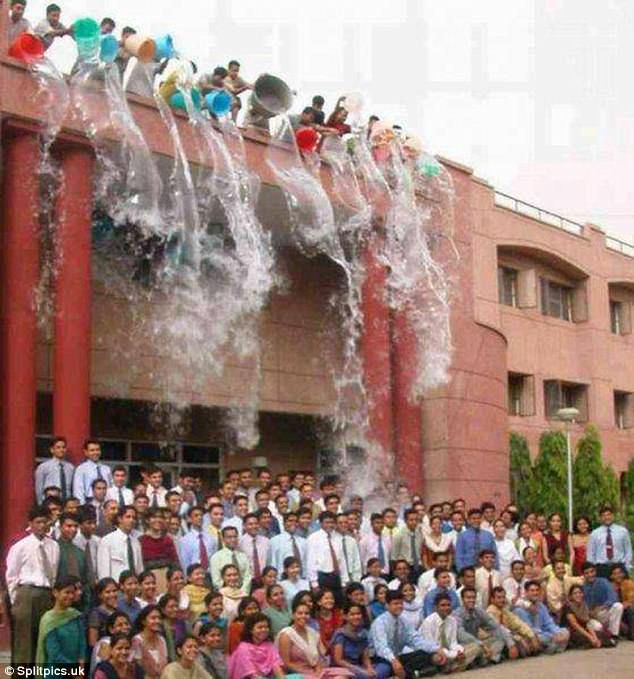
Washout (noun)
An event, etc. That is a complete failure, especially because of rain.
The festival was a washout due to heavy rain.

Laughable (adjective)
So silly, unreasonable, or bad that it’s funny.
His excuse for being late was so weak it was laughable.

Implausible (adjective)
Not believable; difficult to accept as true.
Her story about being abducted by aliens sounded implausible.
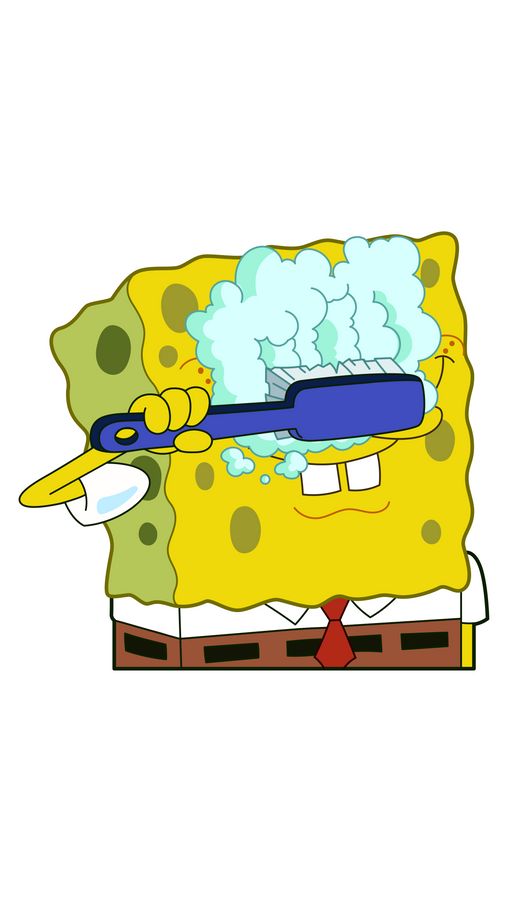
Undesirable (adjective)
Not wanted or welcome.
Pollution is one of the most undesirable effects of industrialization.
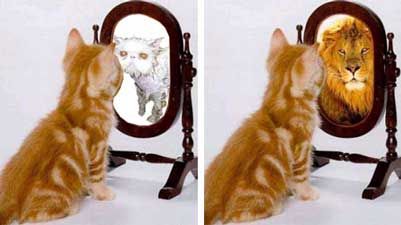
Perceptible (adjective)
Able to be seen, heard, or noticed.
There was a perceptible change in her voice when she mentioned his name.
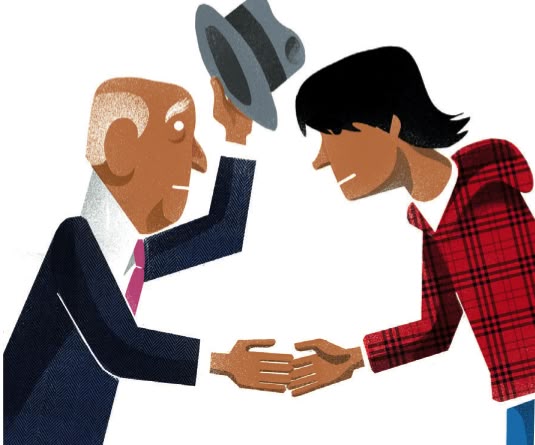
Venerable (adjective)
Deserving respect because of age, wisdom, or character.
The venerable professor retired after 50 years of teaching.

Intangible (adjective)
Unable to be touched or physically measured; abstract.
Love and trust are intangible qualities that can't be bought.