food state part C (q.45-59, slaughterhouse, PM)
 Call Kai
 Learn
Learn Practice Test
 Spaced Repetition
 Match
Match Flashcards
 Knowt Play
 Podcast
1/14

There's no tags or description
Looks like no tags are added yet.
Name | Mastery | Learn | Test | Matching | Spaced | Call with Kai |
|---|
No analytics yet
Send a link to your students to track their progress
15 Terms
45. Describe the duties of the official veterinarian to check the welfare of the animals during transport (requirements for vehicles, animals, handling of animals).
Legislation
📖 Regulation (EC) No. 1/2005
➡ Protection of animals during transport
📖 Regulation (EU) No. 165/2014
➡ Tachographs & navigation systems
👨⚕ Official Veterinarian
Ensures FBO/transporters comply with legislation
🏛 Competent Authority
Ensures personnel are properly trained
Main Principle:
🚫 No animal shall be transported in a way that causes:
Injury
Pain
Unnecessary suffering
Therefore:
✅ Journey duration minimized
✅ Transport without delay
✅ Animals' needs met during transport
✅ Suitable vehicle
✅ Trained handlers
✅ Feed, water and rest provided
Transport documentation - Origin and ownership - Place of departure - Date and time of departure - Intended place of destination - Expected duration of journey |
- Minimize length of journey, transport without delay, meet needs on journey
- Vehicle designed, constructed, maintained to avoid injury or suffering
- Loading and unloading designed to avoid injury and suffering
- Trained personnel designed to avoid fear, injury and suffering
- Sufficient floor area and height
- Water, feed and rest are offered to animals at suitable intervals
🚛 Requirements for Vehicles
Vehicle must be officially approved under Article 18(1).
🛡 Protection
Protect from weather ☀🌧❄
Prevent injury and suffering
Prevent escape
🧼 Hygiene
Easy to clean, Easy to disinfect
🌬 Ventilation
Good air quality
Sufficient airflow for species
📏 Space
Adequate floor area
Adequate headroom
🐾 Flooring
Non-slip floor
Access to animals
Adequate lighting 💡
🚪 Partitions
Strong enough to withstand animal weight
🛏 Bedding Required
For:
🐷 Piglets <10 kg
🐑 Lambs <20 kg
🐮 Calves <6 months
🐴 Foals <4 months
Purpose:
➡ Absorb urine and faeces
➡ Improve comfort
📐 Ramp Angles
🐷 Pigs = max 20°
🐮 Calves = max 20°
🐴 Horses = max 20°
🐑 Ruminants = max 25°
✅ Foot battens required (horizontal wood or metal to prevent slipping)

⏰ Journeys Longer Than 8 Hours
Additional requirements:
🌡 Ventilation system
🌡 Temperature maintained:
➡ 5–30°C
🌡 Thermometer required
🚪 Removable partitions
👀 Direct access to animals
🪟 Monitoring windows
💧 Watering system
📍 Navigation system
🛏 High-quality bedding

🏷 Marking of Vehicles
Standard Transport:
🚚 Clearly marked:
"LIVE ANIMALS"
Wild Animals:
⚠ Must indicate:
🦌 Wild animals
😨 Timid
⚠ Dangerous
📋 Special care instructions
Dimensions: (A/L) x N
- N= weight of one cow, L = load/weight of all cows, A= surface area cows are standing on
- Minimum space needed for average cow (325kg) is 0,92m2
🐮 Requirements for Animals
✅ Fit for Transport
Animal must be able to complete journey without:
❌ Injury
❌ Pain
❌ Suffering
🚫 Unfit Animals
Locomotion
🐮 Unable to move independently
🐮 Movement causes pain
Health
🩸 Open wounds
🤒 Severe illness
Pregnancy
🤰 Heavily pregnant
🤱 Gave birth within previous week
Young Animals
🐷 Piglets <3 weeks
🐑 Lambs <1 week
🐮 Calves <10 days
(✅ Exception: transport <100 km)
Newborns
🔗 Unhealed navel
Dogs & Cats
🐶🐱 <8 weeks without mother
Injured Animals
➡ Separate from group
➡ First aid
➡ Emergency slaughter if necessary
⏰ Maximum Journey Times
🐷 Pigs
🕒 Maximum = 24 h
💧 Continuous water access
🐴 Horses
🕒 Maximum = 24 h
💧 Water during transport
🌾 Feed every 8 h
🐮 Calves
🕘 9 h transport
⬇
🕐 1 h rest
💧 Water + 🌾 Feed
🐑 Other Species
🕑 14 h transport
⬇
🕐 1 h rest
💧 Water + 🌾 Feed
🏁 After Journey
✅ Unload
✅ Feed
✅ Water
✅ Rest at least 24 h
🐾 Requirements for Handling
Separation
Separate:
🐮 Different species
📏 Different sizes
🎂 Different ages
♂♀ Different sexes
😡 Aggressive animals
🚫 Prohibited Actions
❌ Strike animals
❌ Kick animals
❌ Pressure on sensitive areas
❌ Suspend animals
❌ Lift by head
❌ Drag by head
❌ Sharp electric prods
⚡ Electric Prods
Allowed only:
🐷 Adult pigs and🐮 Adult cattle
⏱ Maximum 2 seconds!
🪢 Tying Animals
Prohibited
❌ Tie by horns
❌ Tie by legs
❌ Muzzle calves
Equids
🐴 >8 months
➡ Must wear halter
Rope Requirements
✅ Strong
✅ Long enough
✅ No risk of strangulation
🚨 Committee Numbers to Remember
🌡 Long journeys = 5–30°C
🐷🐮🐴 Ramp = 20°
🐑 Ramp = 25°
🐮 Average cow (325 kg) = 0.92 m²
🐷 Piglets <3 weeks = unfit
🐑 Lambs <1 week = unfit
🐮 Calves <10 days = unfit
🐴 Horses = feed every 8 h
🐮 Calves = 9 h transport + 1 h rest
🐑 Others = 14 h transport + 1 h rest
⚡ Prod = 2 seconds maximum
🧠 Memory Line
🚚 → 🛏 → 🌬 → 💧 → 📏 → 🐮 → ⏰ → 🐾
Vehicle → Bedding → Ventilation → Water → Space → Fit Animals → Journey Limits → Proper Handling.
46. Describe requirements for slaughterhouse (construction, equipment layout) where farm animals are killed.
Legislation
📖 Regulation (EC) No. 853/2004
Specifies:
🐮 Maximum animals/hour per slaughter line
🐷 Categories of animals
⚡ Stunning/restraining equipment requirements
🏠 Maximum lairage capacity
👨💼 Food Business Operator (FBO)
➡ Responsible for compliance
🏗 Requirements for Layout & Construction
1⃣ Sufficient Rooms
Must have:
🏠 Adequate number of rooms
🥩 Separate room for emptying stomachs and intestines
2⃣ Separation of Dirty & Clean Operations ⭐
Operations separated in space or time:
⚡ Stunning & bleeding
🐷 Scalding & depilation
🔪 Evisceration
🫁 Handling clean guts & tripe
🥩 Offal preparation
📦 Packaging
🚚 Meat dispatch
➡ Prevent cross-contamination
3⃣ Prevent Contact with Floors
🚫 Meat must not touch:
Floors
Walls
Dirty surfaces
4⃣ Slaughter Line Design
🔄 Flow must prevent:
Cross-contamination
Dirty-to-clean contamination
5⃣ Tool Disinfection
🔥 Hot water ≥ 82°C
For:
Knives, Saws, Other tools

6⃣ Handwashing Facilities
🧼 Adequate wash stations
🚿 Hot & cold water
➡ Prevent contamination
7⃣ Lockable Areas
Must have separate lockable facilities for:
🤒 Sick animals
⚠ Suspect animals
🥩 Suspect meat
🚫 Meat unfit for human consumption
8⃣ Manure Storage
💩 Special area for:
Manure
Digestive tract contents
9⃣ Veterinary Facilities
👨⚕ Separate lockable room
For official veterinary services
🏭 General Food Premises Requirements
🧹 Cleaning & Disinfection
✅ Easy cleaning
✅ Easy disinfection
✅ Minimize airborne contamination
📏 Working Space
Enough room for:
Hygienic work
Safe movement
🚫 Contamination Prevention
Prevent:
Dirt accumulation
Toxic materials
Contamination
💧 Condensation & Mould
🚫 Condensation
🚫 Mould growth
🐀 Pest Control
Prevent:
Rodents, Insects, Birds
🌡 Temperature Control
Suitable temperatures maintained
🚻 Personnel Facilities
🚽 Flush toilets
🚿 Wash basins
🔥 Hot water
❄ Cold water
👕 Changing rooms
🧴 Chemicals
Cleaning agents stored:
🚫 Away from food
🌬 Ventilation
Adequate:
🌬 Natural or mechanical
🚫 Airflow from dirty → clean areas!!
💡 Lighting
☀ Natural
💡 Artificial
🚰 Drainage
Wastewater must flow:
➡ Dirty area → drain
🚫 Not toward clean areas!
🧽 Building Surfaces
Floors: Smooth, Waterproof, Easy to clean
Walls: Smooth, Washable
Ceilings: No Dirt accumulation or Condensation
Windows:🪟 Insect-proof screens OR kept closed
Doors: Easy to clean
⚙ Equipment Requirements
Equipment contacting food must:
🧼 Hygiene: Easily cleaned, Easily disinfected
🚫 Contamination Prevention: Designed to minimize contamination risk!
🔧 Construction: Allows: Easy cleaning, Easy disinfection
📍 Installation: Installed so that Equipment can be cleaned, and Surrounding area can be cleaned
Control Devices: Appropriate monitoring/control devices fitted
🧪 Corrosion Prevention: Chemical additives: Used according to good practice. Must not contaminate food
🚨 Committee High-Yield Points
⭐ Separate room for stomachs & intestines
⭐ Dirty and clean operations separated
⭐ Tool disinfection water = 82°C
⭐ Lockable room for sick animals
⭐ Lockable room for suspect meat
⭐ Separate manure storage
⭐ Veterinary room required
⭐ Ventilation must flow clean → dirty, never dirty → clean
⭐ Floors, walls and ceilings must be easy to clean
🧠 Memory Trick
Think of a slaughterhouse as a one-way clean production line:
🐮 ➜ ⚡ ➜ 🩸 ➜ 🔪 ➜ 🫁 ➜ ❄ ➜ 📦 ➜ 🚚
Animal → Stunning → Bleeding → Dressing → Evisceration → Chilling → Packaging → Dispatch
🚫 Dirty operations must NEVER move backward into clean areas.
🎯 Committee Notes – Question 46 (Slaughterhouse Requirements)
They were satisfied with:
✅ Mentioning Reg. (EC) 853/2004
✅ Slaughterhouse must be approved
✅ General hygiene requirements
✅ Separation of dirty and clean areas
They did not focus heavily on legal details.
👨🏫 Popelka (2025)
After giving the general requirements, he continued through the pig slaughter line and asked about the equipment used at each stage.
🐷 Pig Slaughter Process
1⃣ Lairage
Equipment:
🏠 Lairage pens
💧 Water supply
🚪 Raceways
2⃣ Restraining
❓ What is important besides stunning equipment?
✅ Restraining equipment
Examples:
🐷 Restraining pens
🐷 V-conveyor restrainers
🐷 Stunning box
Purpose:
➡ Prevent injury
➡ Improve stunning effectiveness
3⃣ Stunning
Equipment:
⚡ Electrical stunning
OR💨 CO₂ stunning
Purpose:
➡ Immediate unconsciousness
4⃣ Bleeding
Equipment:
🔪 Bleeding knife
🪝 Shackles/rail system
5⃣ Scalding ⭐
❓ Water temperature?
➡ 🌡 60–65°C
Purpose:
Loosen hair
Facilitate depilation
Equipment:
🛁 Scalding tank
🚿 Scalding tunnel
6⃣ Depilation
Equipment:
🌀 Dehairing machine
🪒 Singeing machine
7⃣ Evisceration
Equipment:
🔪 Evisceration tools
🪝 Conveyor systems
Must prevent:
🚫 Cross contamination
8⃣ Splitting
Equipment:
⚙ Carcass saw
9⃣ PM Inspection
👨⚕ Official veterinarian
Methods:
👀 Inspection
✋ Palpation
🔪 Incision
🔟 Chilling
Equipment:
❄ Chilling rooms
Committee liked numbers:
🌡 0–2°C carcass temperature
🌡 Room approx. 2–5°C
💧 Relative humidity often around 85–90%
🔥 Sterilization Question
🔪 Knife sterilizers
🌡 Hot water ≥82°C
Required by Reg. 853/2004.
📏 Distances
➡ Minimum separation between dirty and clean operations:
📏 5 m (or effective separation in space/time)
If unsure in exam:
"Operations must be separated in space or time to prevent cross-contamination according to Reg. 853/2004."
🚨 Numbers Most Worth Remembering
🌡 Scalding water = 60–65°C
🔪 Knife sterilization = 82°C
❄ Cooling room = 2–5°C
💧 RH ≈ 85–90%
📏 Separation between processes ≈ 5 m
🧠short answer:
"According to Regulation 853/2004, the slaughterhouse must be approved, have separation of dirty and clean operations, knife sterilizers with water at 82°C, chilling rooms, veterinary facilities and facilities for suspect animals. In pig slaughter, restraining equipment is important before stunning, and scalding water should be maintained at 60–65°C before depilation."
That answer covers most of the follow-up questions they seem to ask.
47. Describe the Food Chain Information (FCI) document and the rules that apply to the issue and delivery of FCI. Specify the rules of the official veterinarian and the food business operator in relation to FCI.
Legislation
📖 Reg. (EC) No. 853/2004
➡ Hygiene of foodstuffs of animal origin
📖 Reg. (EU) 2017/625
➡ Official controls
📄 What is Food Chain Information (FCI)?
FCI = information accompanying animals sent for slaughter.
Purpose:
Part of Farm-to-Fork (Stable-to-Table) principle
Food safety
HACCP assessment
Risk assessment before slaughter
➡ Helps identify hazards before animals enter the slaughterhouse.
📋 Contents of FCI
🏠 Holding Status
Farm of origin
Regional animal health status
🐮 Animal Health Status
Current health condition
Disease history
💉 Medicines
Drugs administered
Date of administration
Withdrawal periods
🦠 Diseases
Diseases affecting meat safety
🧪 Laboratory Results
Relevant testing results
Animal sample analyses
👨⚕ Previous Inspection Results
Previous AM inspections
Previous PM inspections
→ From animals originating from same holding
📊 Production Data
Data suggesting disease occurrence
👨⚕ Private Veterinarian
Name and Address
🎯 Purpose of FCI
FCI helps FBO decide:
✅ Acceptance of animals
✅ Slaughter procedures
✅ Inspection requirements
✅ Food safety risks
🚨 Important Rule
✅ Mandatory for animals intended for slaughter
❌ Not required for hunted wild game
👨💼 Duties of the Food Business Operator (FBO)
📥 Receive FCI
Must:
✅ Request it
✅ Receive it
✅ Check it
✅ Act on it
⏰ Delivery Time
📄 FCI must be available to the OV
➡ At least 24 h before arrival
⚠ Notify OV
Must notify OV of:
Health concerns
Disease concerns
Relevant risks
Before AM inspection
🐴 Solipeds
Must verify the horse passport and provide it to OV!
👨⚕ Duties of the Official Veterinarian (OV)
📄 Documentation Check
Must verify: 🚫 Movement restrictions and Movement prohibitions
💉 Veterinary Medicinal Products
Must assess:
Withdrawal periods
Drug compliance
If risk exists ➡ Separate slaughter
🏭 Slaughter Decision
OV decides whether:
✅ Slaughter may proceed
✅ Dressing may proceed
🔄 Feedback System
If AM or PM inspection finds problems originating from farm:
OV informs:
👨💼 FBO
👨⚕ Private veterinarian
🏛 Competent authority (if necessary)
🚨 High-Yield Exam Points
⭐ FCI = HACCP + food safety document
⭐ Mandatory for all slaughter animals
⭐ Exception = hunted wild game
⭐ Must reach OV 24 h before arrival
⭐ Includes:
🐮 Health status
💉 Medicines & withdrawal periods
🦠 Diseases
🧪 Lab results
👨⚕ Previous AM/PM reports
⭐ OV checks:
🚫 Movement restrictions
💉 Drug withdrawal compliance
🏭 Permission for slaughter
⭐ Problems found at AM/PM → feedback to farm
🧠 Memory Trick FCI = "7 Things"
🏠 Farm status
🐮 Animal health
💉 Medication
🦠 Diseases
🧪 Lab results
👨⚕ Previous inspections
📊 Production data
➡ All sent before slaughter to protect food safety.
📄 Flow of FCI
🐮 Farm → 📄 FCI → 👨💼 FBO → 👨⚕ OV → 🏭 Slaughterhouse → 🥩 Meat Inspection → 🍽 Consumer
FCI is the link between the farm and the slaughterhouse.
48. Describe the duties of food business operator regarding the animal welfare during the slaughter (operations, planning, training, record keeping) and stunning methods
Legislation
📖 Reg. (EC) 1099/2009
➡ Protection of animals at the time of killing
📖 Reg. (EC) 853/2004
➡ Slaughterhouse layout, equipment and FBO responsibilities
👨💼 Duties of the FBO
📊 Capacity Planning
FBO must define:
🐮 Maximum animals/hour per slaughter line
⚡ Categories and weights suitable for stunning equipment
🏠 Maximum lairage capacity
❤ General Welfare Requirements
Animals must be:
✅ Physically comfortable
✅ Protected from injury
✅ Handled according to normal behaviour
✅ Protected from avoidable pain, fear and distress
✅ Given feed and water as required
✅ Protected from harmful interactions with other animals
🏠 Operations – Movement & Lairage
Welfare
Quick unloading
Separate: Different species, Different sexes, Aggressive animals, Suspect animals
Protection from: Weather, Fear, injury
Daily health inspections
⚡ Electric prod: Only adult cattle & pigs, Max 2 seconds
⚠ Animals in severe pain:
➡ Immediate killing
Layout Requirements
Non-slip floors
Side protection on ramps/bridges
Good ventilation
Adequate lighting
Bedding if necessary
💧 Water if animals not slaughtered immediately
🌾 Feed if held >12 h
📏 Enough space to avoid overcrowding
📋 Planning
FBO must:
Plan operations in advance
Establish SOPs (Standard Operating Procedures)
Article 3(1):
❤ Animals shall be spared:
Avoidable pain, Avoidable distress, Avoidable suffering
🏛 Competent authority may:
Review SOPs
Demand corrections
Stop production
🎓 Training
Personnel must have a certificate of competence, Including:
🐮 Handling and care
🪢 Restraining
⚡ Stunning
👀 Assessment of effective stunning
🪝 Shackling and hoisting
🩸 Bleeding
🔪 Slaughter
Equipment
FBO must ensure:
⚙ Equipment follows manufacturer instructions
🎓 Operators are specifically trained
📚 Record Keeping according to Council Regulation (EC) 1099/2009:
⚡ Restraining and Stunning Equipment
Maintenance records kept for at leat 5 years
⚡ Electrical Stunning equipment
Records of: Voltage, Current, Frequency, must be kept for at least 5 years
🌫 Gas Stunning
Records of: Gas concentration and Exposure time, must be kept for at least 5 years
👨💼 Animal Welfare Officer
Records: Welfare improvements, Corrective actions, must be kept for at least 5 years
⚡ Stunning Methods
1⃣ Electrical Stunning
🧠 Head-Only Stunning
→ Current through the brain ➡ Unconsciousness
Minimum currents:
🐮 Bovines = 1.25–1.30 A
🐷 Pigs = 1.25–1.30 A
🐔 Poultry = 240 mA
❤ Head-to-Body Stunning
→ Current through brain and heart ➡ Unconsciousness + cardiac arrest
Minimum currents:
🐑 Sheep = 1 A
🐐 Goats = 1 A
🐷 Pigs = 1.3 A
🛁 Water Bath Stunning
→ Used mainly for poultry
Minimum:
⚡ 100–200 mA and 200 Hz
⏱ Minimum 4 sec
2⃣ Mechanical Stunning
🔫 Penetrative Captive Bolt
Most common
Used in:
🐷 Pigs (~90%)
🐑 Sheep (~70%)
🐮 Cattle
Uses: 0.22 cartridge, 0.25 cartridge

🔨 Non-Penetrative Captive Bolt
Only animals <10 kg, ⚠ Risk of skull fracture
🔫 Firearm
Can be used in all species
🐥 Maceration
Day-old chicks ➡ Rapid destruction by rotating blades
🦢 Cervical Dislocation
Stretching and twisting neck
⚠ Backup method for animals < 3 kg
👊 Percussive Blow
Used for: 🐷 Piglets, 🐑 Lambs, 🐐 Kids, 🐰 Rabbits, 🐓 Poultry <5 kg
3⃣ Gas Stunning
🌫 Carbon Dioxide
High concentration: >40% CO₂
🌫 Two-Phase CO₂
1⃣ Up to 40% CO₂
2⃣ Higher concentration
🌫 CO₂ + Inert Gas ➡ Anoxia
🌫 Inert Gas Only
Examples:
🟣 Argon
🟣 Nitrogen
➡ Anoxia
4⃣ Other Method
💉 Lethal Injection ➡ Loss of consciousness ➡ Death
Used mainly by veterinarians
👀 Signs of Effective Stunning ⭐
✅ No rhythmic breathing
✅ Fixed stare
✅ No corneal reflex
✅ Relaxed jaw
🩸Time between Stunning → Bleeding
⚠ Extremely important
Maximum:
⏱ 20 seconds
Optimal:
⏱ 15 seconds
Otherwise:
🚫 Animal may regain consciousness
☠ Processing Begins Only When
✅ Animal confirmed dead
🚨 Exam Numbers
⚡ Bovines/Pigs = 1.25–1.30 A
⚡ Sheep/Goats = 1 A
⚡ Pigs head-body = 1.3 A
⚡ Poultry = 240 mA
🛁 Water bath = 100–200 mA, 200 Hz, 4 sec
⚡ Electric prod = 2 sec max
🌾 Feed if held > 12 h
📚 Records kept 5 years
🩸 Bleeding within 20 sec (best 15 sec)
🧠 Memory Line
🏠 Lairage → 🪢 Restrain → ⚡ Stun → 👀 Check → 🩸 Bleed → ☠ Confirm death → 🔪 Process
The examiner often asks: "How do you know the stun worked?"
Answer immediately:
👀 No breathing + no corneal reflex + relaxed jaw + fixed stare.
🎯 Committee 1 (01/07/2024) – Question 48 Extra Notes
⚠ No questions on legislation.
They focused on the practical slaughter process and welfare.
🏠 What is the holding area called?
❓ What is the holding area before slaughter called?
➡ Lairage
🐮🐷🐑 Animals stay here before slaughter.
👀 What should be checked in the lairage?
The examiner wanted practical answers:
✅ Animals are alive
✅ Signs of disease
✅ Signs of injury
✅ Animals can stand and move normally
✅ Welfare problems
✅ Animals requiring emergency slaughter
❤ What is vital for welfare in the lairage?
💧 Water Must always be available.
🌾 Feed If animals are kept for more than 12 hours.
📏 Space
Enough room to:
Stand
Lie down
Turn around normally
🧼 Cleanliness
Reasonable hygiene
Dry resting area
Avoid excessive manure accumulation
🪢 Is restraint necessary before stunning?
❓ Is restraint always necessary?
➡ YES
Purpose:
Prevent movement
Prevent injury
Ensure correct stunning position
Improve welfare
🐮 How are cattle and horses restrained?
Cattle
🐮 Stunning box
🐮 Restraining stall
🐮 Head restraint
Purpose:
➡ Prevent head movement
➡ Ensure correct captive bolt placement
Horses
🐴 Restraining box/stall
🐴 Head restraint
Purpose:
➡ Accurate stunning
➡ Prevent injuries
⚡ Time Between Stunning and Bleeding
❓ How long can you wait?
➡ ASAP
Committee wanted:
⏱ Maximum 20 seconds
⭐ Ideal: 15 seconds
Why?
🚨 Longer delays increase risk of:
Return of consciousness
Pain
Welfare violations
🚨 Committee Favourite Points
🏠 Lairage
💧 Water always available
🌾 Feed if >12 h
📏 Adequate space
🪢 Restraint before stunning
🐮 Head restraint in cattle
🐴 Head restraint in horses
⏱ Bleeding within 20 seconds (ideally 15)
🧠 Exam one-liner:
"Animals are held in the lairage where welfare, health and fitness are monitored. Water must always be available, feed if held longer than 12 hours, animals must be properly restrained before stunning, and bleeding should occur within 20 seconds after stunning to prevent recovery of consciousness."
49. Specify authorization for ante mortem health inspection of slaughter animals and describe ante mortem inspection procedures
Legislation
📖 Reg. (EU) 624/2019
➡ Official controls on meat production
📖 Reg. (EU) 2017/625
➡ Official controls
📖 Reg. (EU) 627/2019
➡ How official controls are performed
📖 Reg. (EC) 1099/2009
➡ Animal welfare at slaughter
👨⚕ Authorization for AM Inspection
Official Veterinarian (OV) ⭐ ➡ Responsible for all AM inspections
Must consider:
📄 Food Chain Information (FCI), 📜 Certificates, 👨⚕ Veterinary declarationsOfficial Auxiliary (OA) can assist by:
👀 Observing animals, ⚠ Identifying abnormal animals, 📢 Alerting the OV, ❌ Cannot replace OV decision-making!
👨💼 Responsibilities of FBO
Must provide:
💡 Lighting
🏠 Facilities
📏 Space
⚙ Equipment
👨🔧 Staff
Must ensure:
🐮 Clean hides/skins
📄 FCI available
🆔 Proper identification
🏷 Ear tags match documents
⚠ Report suspect animals
⏱ Minimize time in lairage
🎯 Purpose of AM Inspection
Animal Welfare
❤ Detect welfare problems
🚚 Transport injuries
😖 Pain and suffering
Public Health
🦠 Zoonoses
🧫 Diseases affecting meat safety
☣ Chemical residues
Animal Health
🚨 WOAH notifiable diseases
🦠 Infectious diseases
⏰ Timing
AMI must occur:
📅 Within 24 h of arrival
⏰ Less than 24 h before slaughter
⭐ ALL animals must undergo AMI
AM procedure:
Step 1 – Food Chain Information
OV reviews:
🏠 Holding status
🐮 Health status
💉 Medicines & withdrawal periods
🦠 Diseases
🧪 Lab results
👨⚕ Previous AM/PM reports
📊 Production data
👀 Step 2 – Observation
🐮 Domestic Ungulates
Observe:
🚚 During unloading
🚶 While moving
🐮 In groups
😴 At rest
If long lairage stay:
➡ Repeat inspections
🐔 Poultry & 🐰 Rabbits
Inspect:
🐔 Flock
🐰 Representative sample
🔍 Step 3 – Initial Checks
Routine AMI of All animals
Clinical Inspection: ⚠ Abnormal animals
➡ Isolate
➡ Examine individually
Detailed AMI: 🩺 Suspect animals, 🧪 Samples may be taken
👨⚕ Step 4 – Ante mortem inspection
Process begins in the lairage, with the OV checking the animals' ear tag numbers.
OV examines the animals' background for disease surveillance and ensures that a health certificate accompanies the animals to the slaughterhouse or is sent in advance.
OV checks: 🫁 Breathing, Gait, Posture, Behaviour, Odour, Discharges, Skin colour, Mucous membranes, Swellings/protrusions
🚨 Suspect Animals
If WOAH Disease Suspected → 📢 Notify Competent Authority immediately → 🚫 Prevent spread → use 🏷 Suspect animal card
Animals Unfit for Normal Slaughter
➡ Separate from healthy animals ➡ Detailed AMI ➡ Slaughter separately OR ➡ Slaughter at end of day
Severe Cases: OV may order ☠ Slaughter in situ ➡ Dispose as amimal by-products
🚑 Emergency Slaughter
Applicable only when:
✅ Otherwise healthy animal
❌ Accident prevents transport
Examples:
🦵 Fracture
🚜 Trauma
OV reviews: 📄 Veterinary declaration
📝 Step 5 – Record Keeping
OV records:
📅 Date
⏰ Time
✍ Signature
Comments may include:
⚠ Abnormalities
🦌 Wild game arrivals
🧠 TSE testing requirements
☠ Dead-on-arrival animals
🐮 Deaths in lairage
❤ Welfare concerns
🏷 Step 6 – Validation
OV signs:
📋 Pen card OR 📄 Permanent record
⚖ Outcomes of AMI
✅ Passed: Normal animal
🔄 Passed Subject to Second AMI (Requires re-inspection)
⚠ Passed Under Special Conditions
Suspect animals
➡ Slaughter separately
➡ Slaughter last
🚫 Condemned: Not suitable for slaughter
🚑 Emergency Slaughter: Outside slaughterhouse, After OV assessment
🧠 Easy Inspection Sequence
📄 FCI
⬇
🆔 Identification
⬇
👀 Observe
⬇
🩺 Clinical exam
⬇
⚠ Separate suspects
⬇
📝 Record findings
⬇
⚖ Decision
🚨 High-Yield Exam Points
⭐ OV is responsible for AMI
⭐ OA can assist
⭐ AMI within 24 h of arrival and <24 h before slaughter
⭐ Check:
🫁 Breathing
🚶 Gait
🧠 Behaviour
👄 Mucous membranes
👃 Odour
⭐ FCI reviewed before inspection
⭐ Suspect animals isolated
⭐ WOAH disease → notify Competent Authority
⭐ Outcomes:
✅ Passed
🔄 Re-inspect
⚠ Special slaughter
🚫 Condemned
🚑 Emergency slaughter
🧠 One-Sentence Oral Exam Answer
"Ante-mortem inspection is performed by the Official Veterinarian within 24 hours of arrival and less than 24 hours before slaughter. The OV reviews the FCI, verifies identification, assesses welfare and health status, isolates suspect animals, records findings, and decides whether the animal is passed, conditionally passed, condemned, or eligible for emergency slaughter."
🎯 Committee 2 Notes – Question 49 (AMI)
These were the follow-up questions they asked:
🏠 AMI Performed on the Farm
❓ If AMI is carried out on the farm, what document is issued?
➡ 📄 Health Certificate
Signed by:
👨⚕ Official Veterinarian
(or approved veterinarian under the relevant conditions)
⏳ How Long Is It Valid?
➡ 3 days (72 hours)
🧠 Easy memory:
📄 Health Certificate = 3 days validity
👨⚕ Who Can Also Perform AMI on the Farm?
Besides the OV:
➡ 👨⚕ Approved Private Veterinarian
(approved/designated by the Competent Authority)
The slaughterhouse OV still verifies the documentation upon arrival.
🚨 Committee Favourite Quick Questions
❓ Who is responsible for AMI?
➡ 👨⚕ Official Veterinarian
❓ Who may assist?
➡ 👨🔬 Official Auxiliary
❓ AMI at farm → document?
➡ 📄 Health Certificate
❓ Valid for how long?
➡ ⏳ 3 days
❓ Who else may perform farm AMI?
➡ 👨⚕ Approved Private Veterinarian
🧠 Memory Box
🏠 Farm AMI
⬇
👨⚕ OV / Approved Private Vet
⬇
📄 Health Certificate
⬇
⏳ Valid 3 days
⬇
🏭 Slaughterhouse arrival
⬇
👨⚕ OV verifies documentation and proceeds with slaughterhouse AMI.
50. Specify the authorization for post mortem inspections of slaughter animals and describe the standard procedure for post mortem inspection in domestic swine.
Authorization of Post Mortem Inspection
Regulation (EU) 627/2019 → specific requirements of PMI
Regulation 624/2019 → purpose of PMI, procedure of PMI, decisions to be taken concerning meat
Regulation (EC) 853/2004 → standard that FBO should provide for PMI
Regulation 1375/2015 → Trichinella
Purpose of PMI
➡ Supplement ante-mortem (AM) inspection in identifying diseases of public or animal health.
🔍 Detect:
🦠 Diseases of public health significance
🐾 Diseases of animal health significance
☣ Residues or contaminants exceeding allowed levels
🧫 Non-compliance with microbiological criteria
⚠ Visible lesions relevant to animal welfare
🚨 Evidence of animal welfare problems (beating, untreated injuries)
Authorized Personnel
👨⚕ Official Veterinarians (OV) or appropriately authorized Official Auxiliaries (OA)
🐔🐰 Slaughterhouse staff (only poultry and lagomorphs)
⭐ At least ONE OV must be present throughout PMI
Recording PM Inspection Results
📝 PM inspection results should be recorded by the OV or OA at the time of inspection.
Application of Health Mark
🏷 Health mark applied by OV or OA working under OV supervision.
⭐ PMI should occur within a maximum of 24 hours from slaughter or arrival.
Standard Procedure of PMI in Swine 🐷
Post-Mortem Inspection Process:
🔍 Carcasses and accompanying offal inspected as soon as possible after arrival.
🔍 Inspect:
External surfaces
Body cavities
Zoonotic diseases
Animal diseases
🧪 Additional examinations:
Palpation
Incision
Laboratory tests
Purpose:
Definite diagnosis
Detection of diseases
Residues
Contaminants
Non-compliance with microbiological criteria
⚠ Precautions should be taken to minimize contamination.
⭐ Swine carcasses >5 weeks old → split lengthways down spinal column.
⭐ Head also split if suspicions.
🟦 Routine Inspection of Domestic Swine
👅 Head, throat, mouth and tongue
🫁 Lungs, trachea and oesophagus
❤ Pericardium and heart
🫓 Diaphragm
🟤 Liver, hepatic and pancreatic lymph nodes
🍖 Gastrointestinal tract, mesentery and gastric/mesenteric lymph nodes:
lnn gastrici, lnn.mesenterici cranialis et caudales
🩸 Spleen, kidneys, pleura and peritoneum
🐷 Genital organs (except discarded penis), udder and lymph nodes
👶 Umbilical region and joints in young animals
🔶 Extended Inspection of Domestic Swine
(suspected disease or health conditions)
🔪 Incision of submandibular lymph nodes
➡ Tuberculosis detection✂ Removal of tonsils
➡ Performed by slaughterhouse staff🫁 Lung incision (lengthwise) and lymph nodes
➡ Unless lungs are excluded from human consumption❤ Heart incision (lengthwise) of interventricular septum
➡ Cysticercus cellulosae detection🟤 Liver inspection and palpation
➡ Ascaris suum🍖 Gastrointestinal tract inspection and palpation + associated lymph node
➡ TBC🫘 Kidney incision if necessary
🔍 Inspection of:
Pleura, Peritoneum
Genitals
Udder
Umbilicus
Joints
👶 Palpation of umbilical region and joints in young animals
🔪 If necessary:
Incision, Opening of joints
🌈 High-Yield Exam Points
🟩 OV or OA perform PMI
🟩 At least one OV present throughout PMI
🟩 Health mark applied by OV/OA under OV supervision
🟩 PMI within 24 h of slaughter/arrival
🟨 Routine PMI = mainly VISUAL inspection
🟧 Extended PMI = palpation + incision when suspicion exists
🟥 TB → submandibular LN incision
🟥 Cysticercus cellulosae → heart incision
🟥 Ascaris suum → liver palpation
🟥 Swine >5 weeks old → carcass split lengthways down spinal column
These are valuable committee notes for Q50 (PMI in swine).
🔴 Committee Questions (01/2026)
1⃣ "Which lymph nodes do you check and in what order?" 🐷
Follow the organs systematically during PMI:
Head
🔹 Lnn. mandibulares (submandibular lymph nodes)
Lungs
🔹 Lnn. tracheobronchiales dextri
🔹 Lnn. tracheobronchiales sinistri
🔹 Lnn. mediastinales
Liver
🔹 Lnn. hepatici
🔹 Lnn. pancreaticoduodenales
Gastrointestinal tract
🔹 Lnn. gastrici
🔹 Lnn. mesenterici craniales
🔹 Lnn. mesenterici caudales
Udder (females)
🔹 Lnn. supramammarii
A good oral-exam order is:
👅 Head → 🫁 Lungs → ❤ Heart → 🫓 Diaphragm → 🟤 Liver → 🍖 GIT/Mesentery → 🩸 Spleen/Kidneys → 🐷 Genitals/Udder → 👶 Umbilicus/Joints
2⃣ Cysticercus cellulosae 🪱
❓ Is all meat condemned?
Depends on the extent of infestation.
🟢 Localized infestation
Affected organs/tissues removed.
Remaining carcass may be approved after prescribed treatment (e.g. freezing according to legislation).
🔴 Generalized infestation
Entire carcass and offal declared unfit for human consumption.
3⃣ "For which lesions do you condemn only part, and when the whole carcass?"
🟢 Partial condemnation
Examples:
Local abscess
Local trauma
Localized pneumonia
Localized liver lesions (Ascaris suum milk spots)
Localized cysticercosis
➡ Only affected organ/tissue removed.
🔴 Total condemnation
Examples:
Septicaemia
Pyaemia
Generalized tuberculosis
Generalized cysticercosis
Severe emaciation/cachexia
Generalized jaundice
Toxaemia
➡ Entire carcass unfit for human consumption.
4⃣ Common heart lesion they ask about ❤
⭐ Pericarditis
During PMI:
👀 Visual inspection of pericardium and heart.
Findings:
Fibrin on pericardium ("bread and butter" appearance)
Adhesions
Purulent exudate
Thickened pericardium
⚠ The significance depends on whether it is:
🟢 Localized → heart condemned, carcass may be passed.
🔴 Associated with septicaemia/generalized disease → total condemnation.
51. Specify the authorization for post mortem inspections of slaughter animals and describe the standard procedure for post mortem inspection in bovine animals.
Authorization of Post Mortem Inspection
📜 Regulation (EU) 627/2019 → specific requirements of PMI
📜 Regulation 624/2019 → purpose of PMI, procedure of PMI, decisions to be taken concerning meat
📜 Regulation (EC) 853/2004 → details the standards that FBO should provide and achieve for PMI
🟢 Purpose of PMI
🔍 Detect:
🦠 Diseases of public health significance
🐾 Diseases of animal health significance
☣ Residues or contaminants
🧫 Non-compliance with microbiological criteria
⚠ Animal welfare lesions
🚨 Signs of welfare problems
👨⚕ PMI performed by Official Veterinarian (OV) or Official Auxiliary (OA) under OV supervision.
🏷 Health mark applied by OV or OA working under OV supervision.
Standard Procedure of PMI in Bovine Animals
Post-Mortem Inspection Process
🔍 Carcasses and accompanying offal should be inspected as soon as possible after arrival.
🔍 Inspect:
External surfaces
Body cavities
Zoonotic diseases
Animal diseases
🧪 Additional examinations:
Palpation
Incision
Laboratory tests
Purpose:
Definite diagnosis
Detection of diseases
Residues
Contaminants
Microbiological non-compliance
⚠ Precautions should be taken to minimize contamination.
⭐ Bovine > 8 months → split lengthways down spinal column.
⭐ Head split if suspicion.
⭐ Bovines divided into:
🐮 Young bovine animals (<8 months, or Animals <20 months reared without pasture in a TBC-free holding)
🐂 Other bovine animals
🟦 Routine Inspection – Young Bovine
👀 Visual inspection:
👅 Head and throat
🫁 Lungs, trachea and esophagus
❤ Pericardium and heart
🫓 Diaphragm
🟤 Liver + Lnn. hepatici, Lnn. pancreaticoduodenales
🍖 GIT and mesentery + Lnn. gastrici, Lnn. mesenterici
🩸 Spleen
🫘 Kidneys
🫁 Pleura and Peritoneum
👶 Umbilical region and joints
✋ Palpation
🔹 Lnn. retropharyngei
🔹 Lungs
🔹 Lnn. tracheobronchiales
🔹 Lnn. mediastinales
🟦 Routine Inspection – Other Bovine
👀 Visual inspection
👅 Head and throat
🫁 Lungs, Trachea and esophagus
❤ Pericardium and heart
🫓 Diaphragm
🟤 Liver + Lnn. hepatici, Lnn. pancreaticoduodenales
GIT and mesentery + Lnn. gastrici, Lnn. mesenterici
🩸 Spleen
🫘 Kidneys
🫁 Pleura, Peritoneum
🐮 Genital organs
🥛 Udder and lymph nodes
✋ Palpation
🫁 Lungs
🍖 Gastric and mesenteric lymph nodes
🔪 Incision
🔹 Lnn. retropharyngei
🔹 External masseters ×2
🔹 Internal masseters ×2
➡ Cysticercosis (heart, masseter, diaphragm and tongue)
🔹 Lnn. tracheobronchiales
🔹 Lnn. mediastinales
❤ Heart
🔶 Extended Inspection – Young Bovine
✋ Palpation
👅 Tongue
🩸 Spleen
Umbilical region
Joints
🔪 Incision
🔹 Lnn. retropharyngei ➡ TBC
🔹 Lnn. tracheobronchiales
🔹 Lnn. mediastinales
🫁 Trachea, Bronchi, Lungs
❤ Heart
🍖 Gastric and mesenteric lymph nodes
🫘 Kidneys
🔹 Lnn. renales
👶 Umbilical region
🦵 Joints
🔶 Extended Inspection – Other Bovine
✋ Palpation
👅 Tongue
🟤 Liver +🔹 Lnn. hepatici,🔹 Lnn. pancreaticoduodenales
🩸 Spleen
🥛 Udder +🔹 Lnn. supramammarii
🔍 Extended inspection looks for:
⚫ Necrosis, 🔴 Spots, ⚪ Foam,💧 Liquid, 🩸 Blood, 🔥 Inflammation
🔪 Incision
🔹 Lnn. mandibulares (sub-maxillary)
🔹 Lnn. parotidei
🔹 Lnn. tracheobronchiales
🔹 Lnn. mediastinales
🫁 Trachea, Bronchi, Lungs
🟤 Gastric surface + base of caudate liver
🍖 Gastric and mesenteric lymph nodes
🫘 Kidneys
🔹 Lnn. renales
🥛 Udder +🔹 Lnn. supramammarii
🌈 High-Yield Committee Questions
⭐ Bovine >8 months → split carcass lengthways through spinal column
⭐ Young bovine = mainly visual inspection
⭐ Older bovine = palpation + incision routinely
⭐ Retropharyngeal LN = important for TBC
⭐ Masseter muscles + heart incision = Cysticercus bovis detection
⭐ Main lymph nodes to remember:
🔹 Lnn. retropharyngei
🔹 Lnn. mandibulares
🔹 Lnn. parotidei
🔹 Lnn. tracheobronchiales
🔹 Lnn. mediastinales
🔹 Lnn. hepatici
🔹 Lnn. pancreaticoduodenales
🔹 Lnn. gastrici
🔹 Lnn. mesenterici
🔹 Lnn. renales
🔹 Lnn. supramammarii
⭐ Cysticercosis sites: 👅 Tongue • 💪 Masseter • ❤ Heart • 🫓 Diaphragm
52. Specify the authorization for post mortem inspections of slaughter animals and describe the standard procedure for post mortem inspection in domestic sheep and goats.
Authorization of Post Mortem Inspection
Regulation (EU) 627/2019 → specific requirements of PMI
Regulation 624/2019 → the purpose of PMI, the procedure of PMI, decisions to be taken concerning meat
Regulation (EC) 853/2004 → details the standards that FBO should provide and achieve for PMI
Standard Procedure of Post Mortem Inspection in Sheep and Goats
Post-Mortem Inspection Process:
🔍 Carcasses and accompanying offal should be inspected as soon as possible after arrival.
🔍 Inspect:
All external surfaces
Body cavities
Pay attention to zoonotic and animal diseases
🧪 Additional examinations:
Palpation
Incision
Laboratory tests
➡ Carried out for definite diagnosis or diseases, residues, contaminants, or non-compliance with microbiological criteria.
⚠ Precautions should be taken to minimize contamination.
⭐ Divided into:
👶 Young sheep and goats
Sheep or goats not having permanent incisor erupted OR
Sheep less than 6 months of age, Goats under 12 months
🐏🐐 Other domestic sheep and goats
🟦 Routine Inspection of Sheep and Goats
👶 Young:
👀 Visual inspection of:
Head, Throat, Mouth, Tongue
Parotid lymph nodes, Retropharyngeal lymph nodes
Lungs, Trachea, Esophagus
Bronchial lymph nodes, Mediastinal lymph nodes
Pericardium, Heart
Diaphragm
Liver + Hepatic lymph nodes, Pancreatic lymph nodes
GIT, Mesentery + Mesenteric lymph nodes, Gastric lymph nodes
Spleen
Kidneys
Pleura, Peritoneum
Umbilical region and Joints
🐏🐐 Other Sheep and Goats:
👀 Visual inspection of:
Head, Throat, Mouth, Tongue
Parotid lymph nodes
Lungs,Trachea,Esophagus
Pericardium, Heart
Diaphragm
Liver + Hepatic lymph nodes, Pancreatic lymph nodes
GIT, Mesentery, + Gastric lymph nodes, Mesenteric lymph nodes
Spleen
Kidneys
Pleura, Peritoneum
Genital organs
Udder and its lymph nodes
✋ Palpation of:
Retropharyngeal lymph nodes
Lungs
Bronchial lymph nodes
Mediastinal lymph nodes
Liver and its lymph nodes
🔪 Incision of:
Gastric surface of the liver
🔶 Extended Inspection of Sheep and Goats
👶 Young:
✋ Palpation of:
Throat, Mouth, Tongue
Parotid lymph nodes
Lungs
Liver and its lymph nodes
Spleen
Umbilical region and Joints
🔪 Incision of:
Lungs, Trachea, Esophagus
Bronchial lymph nodes and Mediastinal lymph nodes
Heart
Gastric surface of the liver
Kidneys + Renal lymph nodes
Umbilical region and Joints
🐏🐐 Other Sheep and Goats:
✋ Palpation of:
Throat, Mouth, Tongue
Parotid lymph nodes
Spleen
🔪 Incision of:
Lungs, Trachea, Esophagus
Bronchial lymph nodes and Mediastinal lymph nodes
Kidneys + Renal lymph nodes
🌈 HIGH-YIELD EXAM MEMORY
👶 Young sheep/goats = VISUAL ONLY 👀
🐏🐐 Other sheep/goats = VISUAL + PALPATION + ONE CUT ✋🔪
➡ Gastric surface of liver
🚨 Extended inspection = PALPATE MORE + CUT MORE ✋🔪
🧠 Important lymph nodes to remember:
🔹 Parotid LN
🔹 Retropharyngeal LN
🔹 Bronchial LN
🔹 Mediastinal LN
🔹 Hepatic LN
🔹 Pancreatic LN
🔹 Gastric LN
🔹 Mesenteric LN
🔹 Renal LN
⭐ Easiest memory trick:
👶 Young = LOOK 👀
🐏🐐 Adult = LOOK + FEEL + liver cut 👀✋🔪
🚨 Extended = OPEN lungs, trachea, esophagus, kidneys and lymph nodes 🔪
🚨 Committee C.2 expects:
🐑 Sheep <6 months
🐐 Goat <12 months
which is opposite in the lecture notes…
53. Specify the authorization for post mortem inspections of slaughter animals and describe the standard procedure for post mortem inspection in domestic solipeds.
🐴 Authorization
Regulation (EC) 627/2019 → specific requirements of PMI
Regulation 624/2019 → the purpose of PMI, the procedure of PMI, decisions to be taken concerning meat
Regulation (EC) 853/2004 → details the standards that FBO should provide and achieve for PMI
🟢 Standard procedure of post-mortem inspection in solipedes
🟡 Post-Mortem Inspection Process
🔍 Carcasses and accompanying offal should be inspected as soon as possible after arrival.
🔍 Inspect all external surfaces, body cavities, and pay attention to zoonotic and animal diseases.
🧪 Additional examinations, such as palpation, incision, and laboratory tests, carried out for definite diagnosis or diseases, residues, contaminants, or non-compliance with microbiological criteria.
⚠ Precautions should be taken to minimize contamination.
⭐ OV shall require that carcass of domestic solipedes are submitted for post-mortem inspection split lengthways
🟦 Routine inspection of domestic solipedes
Visual inspection:
👅 head, throat, mouth
🫁 lungs, trachea, esophagus, + bronchial and mediastinal lymph nodes
❤ pericardium and heart
🫓 diaphragm, liver, + hepatic and pancreatic lymph nodes
🍖 GIT, mesentery, + gastric and mesenteric lymph nodes
🩸 spleen, kidneys
pleura, and the peritoneum
🐴 genital organs of stallions and mares
🥛 udder and its lymph nodes
👶 umbilical region and joints of young animals
⚫Grey horses: Examination of muscles and lymph nodes (lnn. subrhomboidei) of the shoulders beneath the scapular cartilage after loosening the attachment of one shoulder in grey horses in order to inspect for melanosis and melanoma. The kidneys should be exposed.
🔶 Extended inspection of domestic solipedes
🚨 Using incision and palpation of carcass and offal – indications of possible human and animal risk (trichinella, glanders, TBC, brucella)
🫁 Palpation and incision of the lungs + bronchial and mediastinal lymph nodes. Opening of the trachea and main branches of the bronchi
❤ Incision of the heart – open the ventricles and cut through the intraventricular septum
🟤 Palpation and incision of the liver + hepatic and pancreatic LN
🍖 Incision of the gastric and mesenteric lymph nodes
🩸🫘 Palpation of the spleen and kidneys, and incision of the kidneys + renal lymph nodes
🥛 Incision of the supramammary lymph nodes
👶 Palpation of the umbilical region and joints in young animals. Incision if in doubt, and examination of synovial fluid
⚫🔪Grey horse: Incision through the entire kidney!!
🌈 High-yield memory
🐴 Solipeds = split lengthways always required by OV
👀 Routine = mostly visual inspection
⚫ Grey horse = melanoma/melanosis check
shoulder muscles
lnn. subrhomboidei
beneath scapular cartilage
loosen one shoulder
expose kidneys
🚨 Extended = cut and palpate when risk suspected
🦠 trichinella
🦠 glanders
🦠 TBC
🦠 brucella
🧠 Memory sentence:
Horse routine is visual, grey horse gets shoulder + kidney attention, and extended means opening lungs, heart, liver, LN, kidneys, udder, umbilicus and joints.
🎓 Committee 2 Questions – PMI in Solipeds 🐴
❓ Where do you inspect for glanders?
🦠 Glanders (Burkholderia mallei)
⭐ Inspect the nasal cavity and paranasal sinuses
Why?
➡ The horse carcass is submitted split longitudinally, allowing inspection of the nasal passages and sinuses.
Look for:
Ulcers, Nodules, Star-shaped scars, Purulent lesions
❓ What horses are usually slaughtered?
🐴 In most European countries (including Slovakia/Norway):
❌ Horses are generally not bred specifically for meat production.
✅ Most slaughtered horses are:
Horses that sustained an accident, Horses with orthopedic injuries, Retired sport horses, Old horses no longer used for work or sport
⚠ Therefore, AMI and PMI pay particular attention to:
Drug residues (many horses are treated with medications), Identification/passport status, Food chain eligibility
If asked:
"What is a slaughtered horse used for?"
A safe answer is:
"Mainly for human consumption as fresh or processed horse meat. Parts not used for human consumption may be processed as animal by-products or used in pet food production."
If the examiner asks which horses are slaughtered, then answer:
"Usually accident horses, retired sport horses, or old horses, since horses are generally not bred specifically for meat production in our region."
54. Describe the practical measures and tasks of the official veterinarian in relation to bovine spongiform encephalopathy (BSE). Specific risk material and sampling for bovine animals
Legislation
Regulation (EC) No. 999/2001
➡ Preventing, monitoring, control and eradication of TSE
Regulation (EC) No. 1069/2009
➡ Killing and disposing of bovine animals confirmed with BSE

🌍 BSE Status of Member States / Third Countries
🟢 Negligible BSE risk (e.g., Slovakia and Norway. In fact, all EU Member States currently have negligible BSE risk status according to the WOAH/EU classifications after years of surveillance and feed bans)
These countries perform sampling of:
Cattle older than 24 months (2y) which have died on farm or during transport, been emergency slaughtered, or showing BSE symptoms!
🟡 Controlled BSE risk
None to few cases reported
🔴 Undetermined BSE risk (historically used by WOAH, not anymore)
BSE-free countries / unknown status
🚨 Practical Measures
🟠 Suspected BSE:
🚫 All bovine at the holding must be placed under official movement restriction until results are available.
🔴 Confirmed BSE:
☠ All animals and products at risk: Killed, Destroyed
🔥 All parts of the body disposed according to Regulation (EC) 1069/2009
➡ Incineration to ash
☠ All animals:
Born in the same herd within 12 months
Reared together during the first year of life
Products at risk
➡ Killed and disposed
🛂 Control Measures
🌍 WOAH listed disease
📞 Contact State Veterinarian
🚫 Feed ban: Meat and bone meal prohibited
🏭 Change of slaughter policy
🧠 Suspicious animals over 24 months: Dead or Emergency slaughtered ➡ Must be sampled for prions
🟢 Prevention
📊 Monitoring programmes
🧬 Breeding programmes
🚫 Prohibition of blood meal and meat-and-bone meal in food-producing animals
⚫ Removal of specified risk material (SRM)
👨⚕ Tasks of the Official Veterinarian
🩺 Routine and Extended AM Inspection
🔍 Clinical examination of all animals selected by FBO and OA
🔍 Second AM inspection after additional holding period
🏠 FBO keeps animal isolated while OV makes final decision
❌ Declared Unfit for Human Consumption During AMI
🚫 Isolated
🔪 Slaughtered
♻ Carcass disposed of as animal by-product
⚫ Specific Risk Material (SRM)
⭐ Must be:
Marked, Removed and Destroyed
🔵 Stained with Patent Blue V (0.5%)
Category 1 Material
🐮 SRM in Cattle (Current EU Rules):
All ages: Tonsils, Last 4 metres of the small intestine, Caecum, Mesentery
Over 12 months:🧠 Skull including brain and eyes (except mandible) + 🦴 Spinal cord
Over 30 months: 🦴 Vertebral column (except vertebrae of tail, spinous and transverse processes of cervical, thoracic and lumbar vertebrae, median sacral crest and wings of sacrum)
🧠 Sampling (Brain and Spinal Cord)
Samples are taken when:
🚨 Suspicion of TSE
Neurological signs and behavioural signs detected during AMI: behavioral changes, neurosigns: ataxia, incoordination, falling, hindleg weakness, Hypersensitivity.
🚨 Animals over 24 months:
Die during transport, Die at slaughterhouse, Die on farm
Sampling Procedure:
🔪 FBO removes the brain stem
📦 Dispatches sample to laboratory
⛔ Carcass, offal and by-products are held
✅ Released only after negative result
🏷 Health mark is NOT applied before negative result is received
🔬 Laboratory Testing:
🥇 Histopathology (#1)
visualize vacuolisation in tissue
🧪 Immunohistochemistry (IHC)
detect prion protein in the tissue
🧪 Western blot
➡ Used when material is autolysed and histopathology is inconclusive
detect presence of prion protein
🌈 HIGH-YIELD EXAM POINTS
⭐ BSE = WOAH listed disease
⭐ Suspected case = movement restriction
⭐ Confirmed case = kill and destroy animals at risk
⭐ Disposal = Category 1 → incineration to ash
⭐ SRM stained with Patent Blue V (0.5%)
⭐ Sampling = brain stem
⭐ Test animals:
Neurological signs
Behavioural signs
Dead/emergency slaughtered cattle >24 months
⭐ No health mark until negative BSE result
🧠 Memory Trick
🐮➡🧠➡🔵➡🔥
Cow → Brain stem sample → Blue SRM → Burn everything (Category 1)
🎓 Committee Questions Previously Asked
❓ Which tissues are SRM in cattle?
<12 months → tonsils, intestines, mesentery (+ caecum)
12 months → skull (brain + eyes), tonsils, intestines, mesentery, spinal cord
❓ What colour is used to mark SRM?
🔵 Patent Blue V (0.5%)
❓ What sample is collected?
🧠 Brain stem (obex region)
❓ Can meat be released before results?
❌ No. Health mark only after negative result.
These are very useful Committee 2 notes. Based on what they asked, I would adjust your BSE answer to focus much more on the official veterinarian's actions than on the disease itself.
🧠 What Committee 2 Seems to Want
1⃣ Legal background first
📜 Regulation (EC) 999/2001
📜 Regulation (EC) 1069/2009
Then briefly:
BSE risk categories
Surveillance programme
SRM
Don't spend too much time discussing pathogenesis.
2⃣ Identification before slaughter
They apparently liked hearing:
🏷 FCI (Food Chain Information)
🏷 Identification
➡ 2 official ear tags
➡ Traceability of the animal
3⃣ Sampling procedure ⭐
Sample site
🧠 Medulla oblongata (obex region)
Sampling route
🔪 Through the foramen magnum (not foramen ovale) using the special sampling spoon. The obex is the critical answer.
4⃣ What does the OV do with the carcass while waiting for results? ⭐⭐⭐
OV actions
🚫 Do NOT apply health mark
🚫 Do NOT release carcass
🚫 Do NOT release offal
➡ Hold under official control until negative result
Committee note:
🐮 Suspect carcass is withheld
🐮 + 1 carcass before
🐮 + 2 carcasses after
because of possible contamination during slaughter operations.
I would present this as:
"The suspect carcass and associated carcasses slaughtered in close succession are withheld pending the laboratory result."
5⃣ What happens if positive? ⭐⭐⭐At slaughterhouse
🔥 Entire carcass
🔥 SRM
🔥 All associated risk material
➡ Category 1
➡ Destroyed/incinerated
6⃣ What happens on the farm? ⭐⭐⭐
🟨 COHORT
A cohort consists of animals that may have shared exposure with the BSE case.
Exam answer:
"The competent authority identifies the cohort. These are animals that were reared together and may have consumed the same feed or been exposed to the same source of infection."
Then:
☠ Cohort animals traced
☠ Killed and destroyed if required by legislation
☠ Holding placed under official restrictions
For BSE, the cohort is generally based on:
Same herd
Similar age group
Shared feed exposure
Reared together during the first year of life
Your lecture notes already have the more correct wording:
Animals born in the same herd within 12 months of the affected animal and reared together during the first year of life.
╔══════════════════════════════════════════════════════════════╗
║ 🧠🐮 BSE – OFFICIAL VET MAP 🐮🧠 ║
║ (Committee 2 Favorite Flow) ║
╚══════════════════════════════════════════════════════════════╝
🏷 FCI + IDENTIFICATION
▼
🏷 2 OFFICIAL EAR TAGS
▼
🩺 AM INSPECTION (OV + OA)
▼
🚨 NEUROLOGICAL / BEHAVIOURAL SIGNS?
YES ───┘
▼
🧠 BSE SUSPECTED
▼
🥄 SAMPLE COLLECTION
▼
🧠 MEDULLA OBLONGATA
(OBEX REGION)
▼
🚪 FORAMEN MAGNUM
+ SPECIAL SPOON
⏳ WAITING FOR RESULT
🚫 NO HEALTH MARK
🚫 NO RELEASE
🚫 NO OFFAL RELEASE
▼
🐮 SUSPECT CARCASS
+
🐮 1 BEFORE IT
+
🐮🐮 2 AFTER IT
⛔ HELD SEPARATELY
🔬 LABORATORY TESTING
🔬 Histology
+
🧪 IHC
+
🧬 Western blot
❌ POSITIVE RESULT
▼
🔵 PATENT BLUE V
▼
⚫ CATEGORY 1 MATERIAL
▼
🔥 INCINERATION TO ASH
🏠 THE FARM
▼
🚫 MOVEMENT RESTRICTION
▼
🟨 COHORT TRACING
▼
🐮 Born in same herd ±12 months
+
🐮 Reared together first year
+
🐮 Shared feed exposure
▼
☠ KILLED & DESTROYED
55. Describe the practical measures and tasks of the official veterinarian in relation to transmissible spongiform encephalopathy (scrapie). Specific risk material and sampling for domestic sheep and goats
Legislation
📜 Regulation (EC) No. 999/2001
➡ Preventing, monitoring, control and eradication of TSE
📜 Regulation (EC) No. 1069/2009
➡ Killing and disposal of animals and animal by-products
🚨 Practical Measures
🟠 Suspected:
🚫 Official movement restriction until the result
☠ If TSE cannot be ruled out: Animal shall be killed and Brain and other tissues sent to laboratory
⛔ All parts of the body retained under official control until negative diagnosis is made
🔴 Confirmed:
🔥 All parts of the body (except material retained for records) are destroyed
🔍 Identify all animals at risk
☠ Animals positive for risk: Killed, Destroyed
🏠 The holding of the infected animal is placed under official control ➡ Trace and identify movement of susceptible animals and products
💰 Owners compensated for loss of animals/products without delay
📢 Confirmation of TSE is notified to the Commission on an annual basis
Control procedures
🌍 WOAH listed disease
📞 Contact State Veterinarian
🚫 Feed ban:
Meat and bone meal prohibited
🏭 Change of slaughter policy
🧠 Suspicious animals over 18 months which are Dead or Emergency slaughtered ➡ Must be sampled for prions
Prevention measures
📊 Monitoring programme
🔬 Annual screening using rapid tests
🧬 Genetic screening
📢 Inform Member States and Commission if a case of TSE occurs
📝 Recording of all official investigations and laboratory examinations
📅 Annual reports to Member States
👨⚕ Tasks of the Official Veterinarian
✅ OV must check that official controls are carried out according to Regulation (EC) No. 999/2001
✅ Check removal, separation and marking of specified risk material according to Regulation (EC) No. 1069/2009
✅ Ensure FBO takes measures to avoid contamination of meat with specified risk material
✅ Ensure proper removal of specified risk material
⚫ Specific Risk Material (SRM)
🔵 Must be:
Stained with Patent Blue V (0.5%)
Marked, Removed, Completely destroyed
🔥 Disposed of as Category 1 material
🐑🐐 All ages
🍖 Ileum
🩸 Spleen
🐑🐐 Over 12 months (or if a permanent incisor has erupted)
🧠 Skull including brain and eyes
🦴 Spinal cord
🧠 Sampling (Brain and Spinal Cord)
Samples are taken when:
🚨 Suspicion of TSE
Neurological signs, Behavioural signs
Observed during AMI
🚨 Animals over 18 months
Die during transport, Die at slaughterhouse, Die on farm
Sampling Procedure
🔪 FBO removes the brain stem (obex region)
📦 Sample dispatched to laboratory
⛔ Carcass, offal and by-products retained
✅ Released only after negative result
🏷 Health mark is NOT applied before negative result arrives
🔬 Laboratory Testing
🥇 Histopathology (#1)
🧪 Immunohistochemistry (IHC)
🧬 Western blot
➡ Used when material is autolysed and histopathology is inconclusive
🌈 HIGH-YIELD EXAM POINTS
⭐ Scrapie = WOAH listed disease
⭐ Suspect animal = movement restriction
⭐ Confirmed case = destroy carcass and identify animals at risk
⭐ Holding placed under official control
⭐ Sampling age = >18 months
⭐ Sample = brain stem (obex)
⭐ SRM marked with Patent Blue V (0.5%)
⭐ SRM = Category 1
⭐ No health mark before negative result
🧠 Memory Trick
🐑🐐 ➜ 🧠 ➜ 🔵 ➜ 🔬 ➜ 🔥
Sheep/goat → Obex sample → Blue SRM → Test → Destroy if positive
🎓 Differences from BSE
🐮 BSE
➡ Sampling threshold commonly >24 months
🐑🐐 Scrapie
➡ Sampling threshold >18 months
🐮 BSE cohort tracing
🐑🐐 Scrapie control heavily emphasizes genetic screening/breeding programmes (ARR genotype resistance)
⭐ Easy memory:
BSE = 24 months
Scrapie = 18 months 🧠🐑🐐
🎓 Committee Notes – Scrapie (2025)
❓ What is Scrapie?
🧠 Transmissible Spongiform Encephalopathy (TSE) of sheep and goats
🦠 Caused by abnormal prion protein (PrPSc)
⚠ Progressive neurodegenerative disease, ☠ Always fatal, 🌍 WOAH listed disease
❓ Clinical Signs (CS)
🔴 Pruritus (very important!), 🔄 Circling,🚶 Ataxia, 🤕 Tremors, 🐑 Behavioural changes, ⬇ Weight loss despite appetite, 💀 Recumbency and death
Memory trick
🐑 SCRAPIE = SCRATCHING
❓ Transmission
Classical Scrapie
➡ Mainly horizontal transmission
Placenta, Birth fluids, Contaminated environment
🧬 Strong genetic predisposition
Atypical Scrapie (Nor98)
➡ Often considered a spontaneous disease
➡ Associated with spontaneous prion misfolding
➡ Less evidence of transmission
"Classical scrapie is mainly transmitted through placenta and birth fluids, while atypical scrapie is thought to occur spontaneously in genetically predisposed animals."
❓ Which animals are tested?
⭐ Over 18 months
Especially:
☠ Fallen stock
🚚 Animals dying during transport
🔪 Emergency slaughtered animals
🧠 Animals showing neurological signs
❓ What happens if SRM contamination occurs at slaughterhouse?
This is a favourite practical OV question.
OV action
🚫 Stop contamination
🚫 Hold affected carcasses
🚫 Remove contaminated tissue
🚫 Ensure SRM is removed as Category 1 material
🐑 1 carcass before
🐑🐑 2 carcasses after
held under control because of possible contamination on the slaughter line.
"If SRM contamination is suspected, the affected carcass and adjacent carcasses on the slaughter line are withheld pending the OV's decision."
Then mention:
1 carcass before and 2 carcasses after were considered potentially contaminated."
🚨 Legislation Correction
Older notes:
❌ Regulation 2019/628 changes to→ 2020/625 → official certificates
Current legislation to mention:
📜 Regulation (EU) 2017/625
📜 Regulation (EU) 2019/624
📜 Regulation (EC) 999/2001
📜 Regulation (EC) 1069/2009
These are the ones Popelka reportedly preferred.
Scrapie flow:
🐑 Itchy sheep
⬇
🔄 Circling + ataxia
⬇
🧠 TSE suspected
⬇
🐑 >18 months tested
⬇
🧠 Obex/brainstem sample
⬇
🔵 SRM removed (Category 1)
⬇
🚫 Hold suspect carcass (+ nearby carcasses if contaminated)
⬇
🔥 Destroy if positive
56. Describe the practical measures and tasks of the official veterinarian regarding the specific hazards in bovine animals, domestic swine, sheep goat and solipedes. Decision on meat and organs.
Legislation
Regulation (EU) 2019/627
➡ Official controls on products of animal origin for human consumption
Regulation (EU) 2019/627, Section 4, Articles 29–35
➡ Specific hazards
🧠 TSE (BSE & Scrapie)
Regulation (EC) No. 999/2001
➡ Prevention, control and eradication of TSERegulation (EC) No. 1069/2009
➡ Animal by-products (removal, separation and marking of SRM)Species:🐮 BSE, 🐑🐐 Scrapie
Sample: 🧠 Brain stem (obex region) and Spinal cord
Positive case: 🔥 Bodies destroyed, 🏭 Rendering plant, 🔥 Incineration
Control
📢 Notifiable disease
🚫 Feed ban (meat and bone meal)
🧠 Animals: 24m (BSE), 18m (scrapie) which are:
Emergency slaughtered, Sudden death, Neurological signs ➡ Sampled for prions
👨⚕ OV ensures FBO:
Removes SRM, Marks SRM, Separates SRM
🪱 Cysticercosis
🐮 Taenia saginata ➡ Cysticercus bovis
📍 Small grey calcified cysts in:
❤ Heart, Masseter, Diaphragm
🐷 Taenia solium ➡ Cysticercus cellulosae
📍 Small grey calcified cysts in:
🧠 Brain, 🟤 Liver, ❤ Heart, 💪 Skeletal muscle
Diagnosis
🩸 If serology is performed, Cuts not mandatory
🔪 Mandatory cuts on animals older than 6 weeks: 2 external cuts, 1 internal cut on masseter muscles
Positive Cases:
🔴 Heavy infestation → Entire carcass unfit
🟡 Light infestation → Affected part rejected
➡ Remaining carcass and organs: Cold treatment below -7°C for ≥3 weeks OR Below -10°C for ≥2 weeks
🦠 Tuberculosis (Mycobacterium bovis)
Diagnosis
💉 Tuberculin test OR PM lesions
OV Measures
🔪 Slaughter separately
Localized TBC
🗑 Affected organ and associated lymph nodes rejected
♨ Remaining carcass may be consumed after thermal treatment
🦠 Brucellosis (Brucella abortus)
PM Lesions:
🟤 Altered colour of placental cotyledons
⚪ Swollen testicles
Positive Animal:
🔪 Slaughter separately, ❌ Entire carcass unfit for human consumption
Inconclusive Test:
❌ Udder unfit
❌ Genital tract unfit
❌ Blood unfit
🐴 Glanders (Burkholderia mallei)
Import Condition:
🏷 Mark applied if solipedes kept:
Minimum 90 days before slaughter
In Member State OR Approved third country
If Criteria Not Met
🔍 Inspect for glanders:
Trachea, Larynx, Nasal cavities, Sinuses, Their ramifications
✂ Head split in median plane
✂ Nasal septum excised
PM Lesions
Enlarged and abscessed lymph nodes, URT ulcers, 🫁 Lung nodules, Skin nodules, Subcutaneous nodules, Necrosis of internal organs
Positive Case → ❌ Unfit for human consumption
🪱 Trichinellosis (Trichinella spiralis, Trichinella britovi)
Regulation (EU) 2015/1375 ➡ Official control of Trichinella
Species: 🐷 Swine,🐴 Equids
Positive Case → ❌ Entire carcass unfit for human consumption
🦠 Salmonellosis
Regulation (EC) No. 2073/2005 ➡ Microbiological criteria for foodstuffs
Directive 2003/99/EC ➡ Monitoring of zoonoses and zoonotic agents
Samples
🧪 49 samples/slaughterhouse/year ➡ Based on risk evaluation
📊 Total positives reported
If FBO Fails Hygiene Criteria:
📋 Action plan
👨⚕ Strict supervision by OV
🦠 Campylobacteriosis
Regulation (EC) No. 2073/2005 ➡ Hygiene criteria on broiler carcasses
⚖ Decisions Concerning Meat and Organs:
🟢 FIT: 🏷 Health mark applied
🔴 UNFIT:
WOAH listed diseases
Contamination
No identification
No negative TSE result
❌ Unfit for human consumption
🟡 PARTIALLY REJECTED
✂ Trimming required
🏷 Specific labelling required
🟠 DETAIN FOR FURTHER INSPECTION
🔍 Additional examination
🧪 Laboratory testing
🔵 DETAIN FOR RE-INSPECTION
🔄 Re-examination before final decision
🌈 SUPER-HIGH-YIELD EXAM TABLE
Hazard | Decision |
|---|---|
🧠 BSE/Scrapie | Destroy carcass |
🪱 Heavy cysticercosis | Entire carcass unfit |
🪱 Light cysticercosis | Freeze + partial rejection |
🦠 Localized TBC | Organ + LN rejected |
🦠 Generalized TBC | Entire carcass unfit |
🦠 Brucellosis | Entire carcass unfit |
🐴 Glanders | Entire carcass unfit |
🪱 Trichinella | Entire carcass unfit |
🧠 Memory Trick
🧠 TSE → 🔥
🪱 Trichinella → 🔥
🐴 Glanders → 🔥
🦠 Brucella → 🔥
🪱 Heavy cysticercosis → 🔥
🦠 Local TBC → ✂ Organ only
When in doubt: generalized/systemic disease = whole carcass, localized lesion = affected organ + associated LN.
🎓 Committee 1 (2025) Notes🧠 TSE/BSE
❌ Don't spend 5 minutes talking about BSE and scrapie.
For Q56, just mention:
"TSE is a specific hazard. The OV ensures removal of SRM according to Regulation 999/2001 and 1069/2009, sampling of suspect animals, and destruction of positive animals."
Then move on.
Committee 1 apparently wanted the focus on:
Cysticercosis
Tuberculosis
Brucellosis
Glanders
Trichinella
Meat decisions
57. Indicate the reasons for the assessment of live animals and meat as unfit for human consumption and the legislative framework for a decision.
Legislation
Regulation (EC) No. 852/2004
➡ Hygiene of foodstuffs
❌ FBO shall not accept raw materials contaminated with:
🪱 Parasites
🦠 Pathogenic microorganisms
☣ Foreign substances
resulting in products not fit for human consumption.
Regulation (EU) 2019/627
➡ Practical arrangements for official controls on products of animal origin intended for human consumption.
“The legislative framework for declaring meat unfit for human consumption is Regulation (EU) 2019/627, which lays down practical arrangements for official controls on products of animal origin intended for human consumption” - remember this sentence on exam! the other legislations is not important here.
🚫 OV Shall Declare Fresh Meat Unfit for Human Consumption If:
1⃣ FCI Problems
FCI not available within 24 hours of animal arrival
❌ Non-compliance with FCI requirements
2⃣ Unknown Identity
🏷 Animal identity cannot be determined
3⃣ No Ante-Mortem Inspection
❌ Animal has not undergone AMI
According to:
Regulation (EU) 2017/625
Regulation (EU) 2022/2292
(except wild game)
4⃣ No Post-Mortem Inspection
❌ Animal has not undergone PMI
According to:
📜 Regulation (EU) 2017/625
(except viscera of large game)
5⃣ Dead Before Slaughter
❌ Products from:
☠ Animals dead before slaughter
👶 Stillborn animals
🤰 Unborn animals
🐣 Animals slaughtered under 7 days of age
6⃣ WOAH Listed Diseases
🦠 Tuberculosis or Brucellosis ➡ Unfit for human consumption
7⃣ Generalized Disease
🦠 Septicaemia, Pyaemia, Toxaemia, Viraemia ➡ Entire carcass unfit
8⃣ Parasitic Infestation
Regulation (EC) No. 2073/2005
Cysticercosis → Uninfected parts may be fit after cold treatment
Trichinella → Entire carcass unfit
9⃣ Chemical Residues or Contaminants
Regulation (EU) No. 37/2010
☣ Exceeding permitted levels
🔟 Illegal Treatment
❌ Products treated with:
🧪 Decontaminating substances
☢ Ionizing radiation
1⃣1⃣ Foreign Bodies / Radioactivity
📍 Foreign bodies present
☢ Maximum permitted radioactivity exceeded
1⃣2⃣ Pathological or Organoleptic Changes
👃 Pronounced sexual odour
🎨 Abnormal colour
🧱 Abnormal consistency
👃 Abnormal odour
1⃣3⃣ Contamination
⚫ Specific risk material (SRM)
💩 Faecal contamination
🩸 Other contamination
1⃣4⃣ Blood
🩸 Products consisting of blood that may constitute a risk to human or animal health
Partial Rejection:
✂ Partial rejection may be appropriate ➡ When only part of carcass or organ is affected
Examples: 🫁 Local abscess, 🟤 Local liver lesion, ❤ Localized cysticercosis
🦌 Wild Game PM – Unfit for Human Consumption if:
1⃣ Behavioural Abnormalities
🚨 Abnormal behaviour
🚨 Disturbances
2⃣ Tumours / Abscesses
⚫ Generalized tumours
🟡 Generalized abscesses
Affecting:
Internal organs, Muscles
3⃣ Inflammatory Lesions
🔥 Arthritis,🔥 Orchitis
🔥 Pathological liver changes,🔥 Pathological spleen changes
🔥 Enteritis,🔥 Umbilical lesions
4⃣ Foreign Bodies / Parasites
5⃣ Gas Formation
💨 Significant gas in GIT
🎨 Discolouration of internal organs
6⃣ Organoleptic Abnormalities
🎨 Colour abnormalities
🧱 Consistency abnormalities
👃 Odour abnormalities
💧 Localized oedema
7⃣ Fractures
🦴 Aged open fractures
8⃣ Adhesions
🫁 Recent pleural adhesions and peritoneal adhesions
9⃣ Extensive Changes
☠ Putrefaction
⚫ Other obvious extensive changes
🌈 EXAM MEMORY
🚫 Entire Carcass Unfit
🦠 Tuberculosis
🦠 Brucellosis
🦠 Septicaemia
🦠 Pyaemia
🦠 Toxaemia
🦠 Viraemia
🪱 Trichinella
☠ Dead before slaughter
☣ Chemical residues
☢ Radioactivity
✂ Partial Rejection
🫁 Local lesion
🟤 Local organ lesion
🪱 Light cysticercosis ➡ Remove affected part only
🧠 Memory Sentence
No ID, No FCI, No AMI, No PMI, Dead before slaughter, Generalized disease, Trichinella, Chemical residues, SRM contamination = UNFIT FOR HUMAN CONSUMPTION. 🚫🍖
🎓 Committee Tip
Examiners often ask:
❓ "Localized or generalized?"
🟢 Localized lesion → partial rejection
🔴 Generalized disease → whole carcass condemned.
58. Describe practical actions and tasks of the official veterinarian linked to the presence of Trichinella parasites. Decision about a meat and organs.
🪱🐷🐴 Legislation
Regulation (EU) 2015/1375
➡ Official controls for Trichinella in meat
➡ Positive carcass = unfit for human consumption
Regulation (EU) 2019/627
➡ Carcasses susceptible to Trichinella shall be examined
Sampling
🐷 Controlled Housing Conditions:
🏠 Animals kept under controlled feeding and housing conditions by FBO have mandatory testing of breeding sows and breeding boars
➡ All carcasses OR
➡ At least 10% of slaughtered carcasses annually
🐷 Non-Controlled Holdings / Wild Animals:
➡ All carcasses shall be tested
Animals from holdings not officially recognized as applying controlled housing conditions.
🐴🐗 Other Susceptible Species:
🐴 Horses
🐗 Wild boars
🦊 Other farmed or wild susceptible species
➡ Tested as part of PMI
🔬 Diagnostics
⭐ Digestive Magnetic Stirrer Method → Artificial digestion
Using: Hydrochloric acid (HCl) and Pepsin

🐷 Domestic Swine Sampling
Sample Site
⭐ 1 g from muscular Pillar of diaphragm - crus diaphragmatis (This is the preferred sampling site in pigs because Trichinella larvae concentrate there)
OR
⭐ 2 g from:
Rib part of diaphragm
Sternal part of diaphragm
Jaw muscle (masseter)
Tongue
Abdominal muscles
Pooling Procedure
🧪 100 g pooled sample ➡ Up to 100 pigs (1g/pig)
If Positive / Doubtful ➡ Further testing required
🧪 20 g samples from 5 pigs pooled
If positive: ➡ Individual testing of each pig
🐴 Horse Sampling
⭐ 10 g from: 👅 Tongue OR Jaw muscles (masseter)
🐗 Wild Boar Sampling
⭐ 10 g from Foreleg, 👅 Tongue, Diaphragm
🚫 Carcass Release
⛔ Sampled carcass shall NOT leave premises before a negative result
⚠ Organs not intended for human consumption may leave before the result
🧪 Results
🟢 Negative Result:
🏷 Health mark applied
🔴 Positive Result
📦 Sample forwarded to: 🏛 National Reference Laboratory OR 🇪🇺 European Union Reference Laboratory
➡ Determination of Trichinella species involved
👨⚕ Control Measures and OV Tasks
👨🔬 Properly trained personnel
Quality programme for Trichinella testing
Regular assessment of laboratory procedures
Positive Sample Action Plan
Traceability: 🔎 Trace infected carcass
Carcass Disposal:🚫 Measures for dealing with infected carcass ➡ Entire carcass unfit
Epidemiological Investigation: 🔍 Source of infection, 🔍 Possible spread
Retail and Consumer Measures: 🛒 Measures at retail level, 🏠 Measures at consumer level
If the carcass cannot be identified, Special procedures if infested carcass cannot be identified at slaughterhouse
Species Identification: 🧬 Determine species involved, Example: 🪱 T. spiralis, 🪱 T. britovi
📊 Monitoring Programme
🐷 Domestic swine monitoring programme
→ Includes: Frequent testing, Number of animals tested, Sampling plan
⚖ Decision About Meat and Organs
🟢 Negative
🏷 Health mark applied
✅ Carcass fit for human consumption
🔴 Positive
🪱 Trichinella detected
❌ Entire carcass unfit for human consumption
❌ Organs unfit for human consumption
🚫 No health mark
🌈 HIGH-YIELD EXAM POINTS
⭐ Gold standard = Digestive magnetic stirrer method
⭐ Reagents = HCl + Pepsin
⭐ Main sample site in pigs = pillar of diaphragm
⭐ Pig pool = 100 pigs
⭐ Positive pool → 5-pig pool
⭐ Positive 5-pig pool → individual testing
⭐ Horse = 10 g tongue or jaw muscle
⭐ Wild boar = 10 g foreleg, tongue or diaphragm
⭐ Carcass cannot leave before negative result
⭐ Positive carcass = entire carcass condemned
🧠 Memory Trick
🐷 ➜ 🫓 Diaphragm
🐴 ➜ 👅 Tongue
🐗 ➜ 💪 Foreleg
🧪 HCl + Pepsin
⬇
🟢 Negative = Health mark
🔴 Positive = Whole carcass condemned 🚫🍖
🎓 Committee Favorites
❓ What is the diagnostic method?
➡ Digestive magnetic stirrer method
❓ Which chemicals are used?
➡ HCl + Pepsin
❓ Can carcass leave slaughterhouse before result?
➡ No
❓ What happens if Trichinella is found?
➡ Entire carcass and organs are unfit for human consumption.
59. Labeling of meat fit for human consumption by a health mark after ante mortem and post mortem inspection. Feedback report to the farm.
Legislation
Regulation (EU) 2019/627
➡ Practical arrangements for official controls on products of animal origin intended for human consumption
Regulation (EC) 853/2004
➡ Specific hygiene rules for foodstuffs
Regulation (EC) 2073/2005
➡ Microbiological criteria for foodstuffs
🏷 Health Mark Purpose
✅ Indicates that the animal/carcass has undergone:
🩺 Ante-mortem inspection (AMI)
🔍 Post-mortem inspection (PMI)
according to Regulation (EU) 2019/627
Who applies the health mark?
👨⚕ Official Veterinarian (OV) OR
👨🔬 Official Auxiliary (OA) under OV supervision
⚖ Decisions Concerning Meat
🟢 Fit → 🏷 Health mark applied
🔴 Unfit
❌ WOAH listed diseases
❌ Contamination
❌ No identification
❌ No negative TSE result
🟡 Partially Rejected
✂ Trimming required
🏷 Specific labelling required
🟠 Further Inspection
🔍 Detained for further inspection
🔄 Re-inspection if necessary
🔬 Post-Mortem Inspection
The purpose is to detect:
🦠 Zoonoses
🦠 Diseases of animal health significance
☣ Residues
🧫 Non-compliance with microbiological criteria
⚠ Animal welfare problems
🔍 Other lesions
Inspection Includes:
👀 Inspection of all surfaces
✋ Palpation when necessary
🔪 Incision when necessary
🦠 Detection of diseases and pathological changes
OV Must Record:
📊 Number of animals slaughtered
🗑 Number and type of products condemned
⚠ Meat fit for human consumption must NOT come into contact with meat declared unfit.
✅ Health Mark Declares
🐮 Animal free from symptoms of infectious, transmissible or contagious disease
💊 No risk from residues of veterinary medicinal products
📄 Live animals transported to slaughterhouse have a health certificate
⏰ Health certificate validity = 3 days
🏷 Health Marking Applied To
✅ Animals passing AMI and PMI
Performed by:👨⚕ OV OR👨🔬 OA
Placement:
🥩 External surface of carcass
Methods:
🔵 Stamping
🔥 Hot branding
Shape:
⭕ Oval mark
📏 6.5 cm wide
📏 4.5 cm high
Contains:
🇸🇰 Country code (2-letter code: SK, NO, PL)
Approval number of slaughterhouse
🇪🇺 EC abbreviation
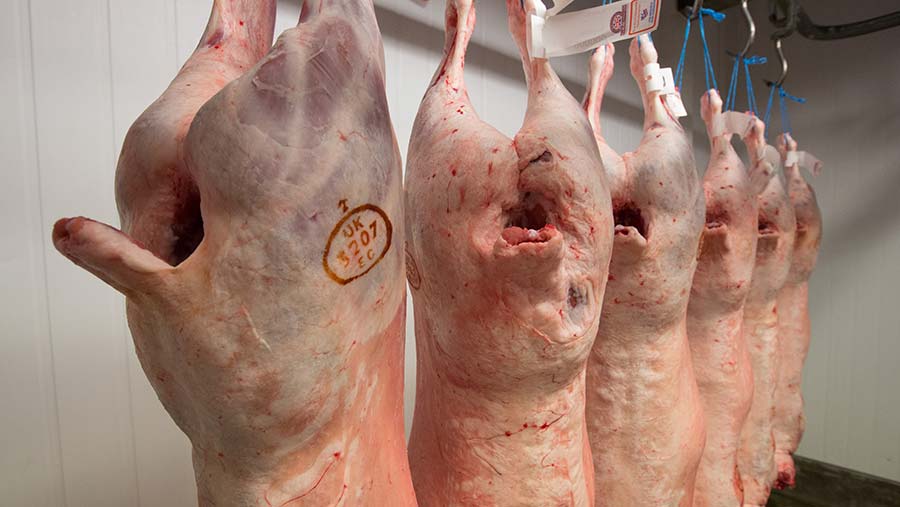
Special Case
🚨 Emergency slaughter ➡ Special health mark
📄 Feedback Report to the Farm
Purpose
📨 Document sent to the holding of provenance
Based on:
🩺 Ante-mortem findings
🔍 Post-mortem findings
📄 Food Chain Information (FCI)
According to Regulation (EU) 2019/627
1⃣ Identification Details
👨 Owner/holding of provenance
🏷 Identification numbers
📊 Total number of animals
🐮 Species
📄 Reference number of health certificate
2⃣ Ante-Mortem Findings
🐾 Welfare findings
📊 Number of affected animals
💩 Dirtiness
🦠 Clinical findings
📅 Date of inspection
🧪 Laboratory findings
3⃣ Post-Mortem Findings
🔍 Macroscopic findings
🦠 Diseases detected
🗑 Partial condemnation
🗑 Total condemnation
🧪 Laboratory findings
📋 Other results
🐾 Welfare findings
4⃣ Additional Information
🏭 Slaughterhouse contact details
📍 Name
🏠 Address
📞 Telephone number
5⃣ Slaughterhouse Approval Details
🏭 Approval number
📍 Full address
📞 Telephone
📧 Electronic address
6⃣ Official Veterinarian
👨⚕ Printed name
✍ Signature
🔵 Official stamp
7⃣ Date
📅 Date of report
8⃣ Attachments
📄 Number of pages attached
🌈 HIGH-YIELD EXAM POINTS
⭐ Health mark = AMI + PMI passed
⭐ Applied by OV or OA
⭐ Oval shape
⭐ Contains:
Country code, Approval number, EC
⭐ Health certificate valid for 3 days
⭐ Emergency slaughter = special health mark
⭐ Feedback report contains:
Identification
AM findings
PM findings
OV signature and stamp
🧠 Memory Trick
🩺 AMI
⬇
🔍 PMI
⬇
🟢 FIT
⬇
🏷 OVAL HEALTH MARK
⬇
📨 FEEDBACK REPORT TO FARM
🎓 Committee Favorites
❓ Who applies the health mark?
➡ OV or OA
❓ What is written inside the mark?
➡ Country code + approval number + EC
❓ How long is the health certificate valid?
➡ 3 days
❓ What is the purpose of the feedback report?
➡ Inform the holding of provenance about AMI/PMI findings and welfare or disease issues detected at slaughter.