DAT Review Material
 Call Kai
 Learn
Learn Practice Test
 Spaced Repetition
 Match
Match Flashcards
 Knowt Play
1/72

There's no tags or description
Looks like no tags are added yet.
Name | Mastery | Learn | Test | Matching | Spaced | Call with Kai | Chat |
|---|
No analytics yet
Send a link to your students to track their progress
73 Terms
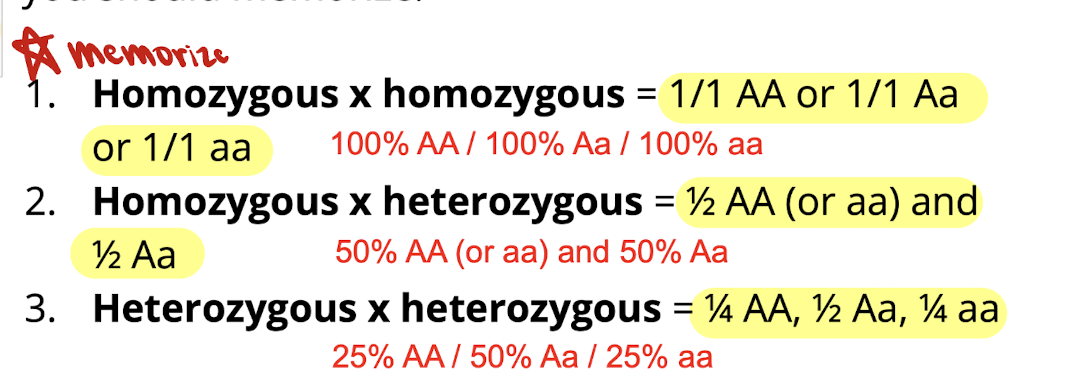
Homozygous x Homozygous
1/1 AA or 1/1 Aa or 1/1 aa
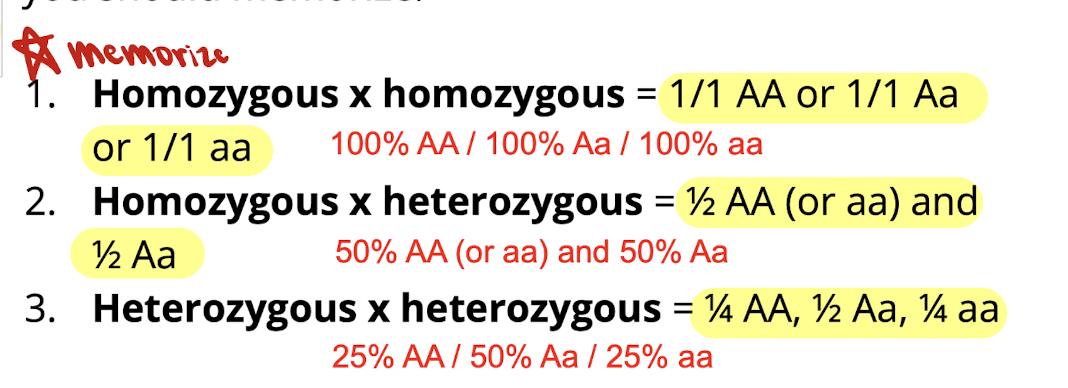
Homozygous x Heterozygous
½ AA (or aa) and ½ Aa
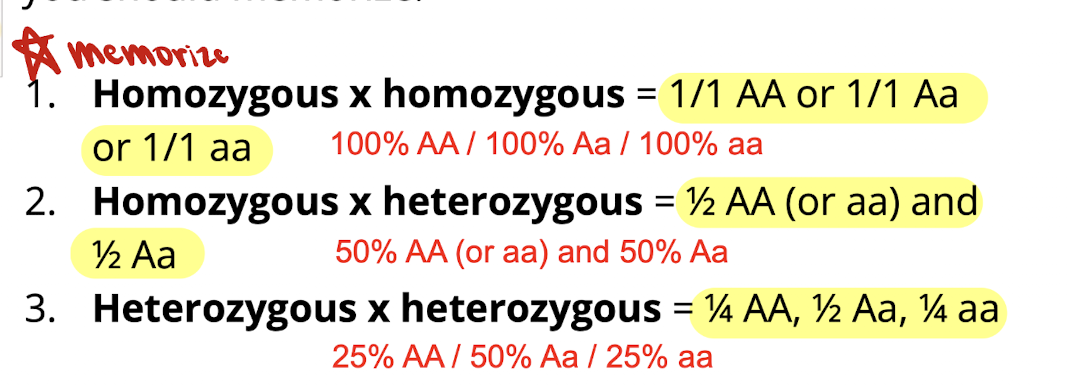
Heterozygous x Heterozygous
¼ AA, ½ Aa, ¼ aa
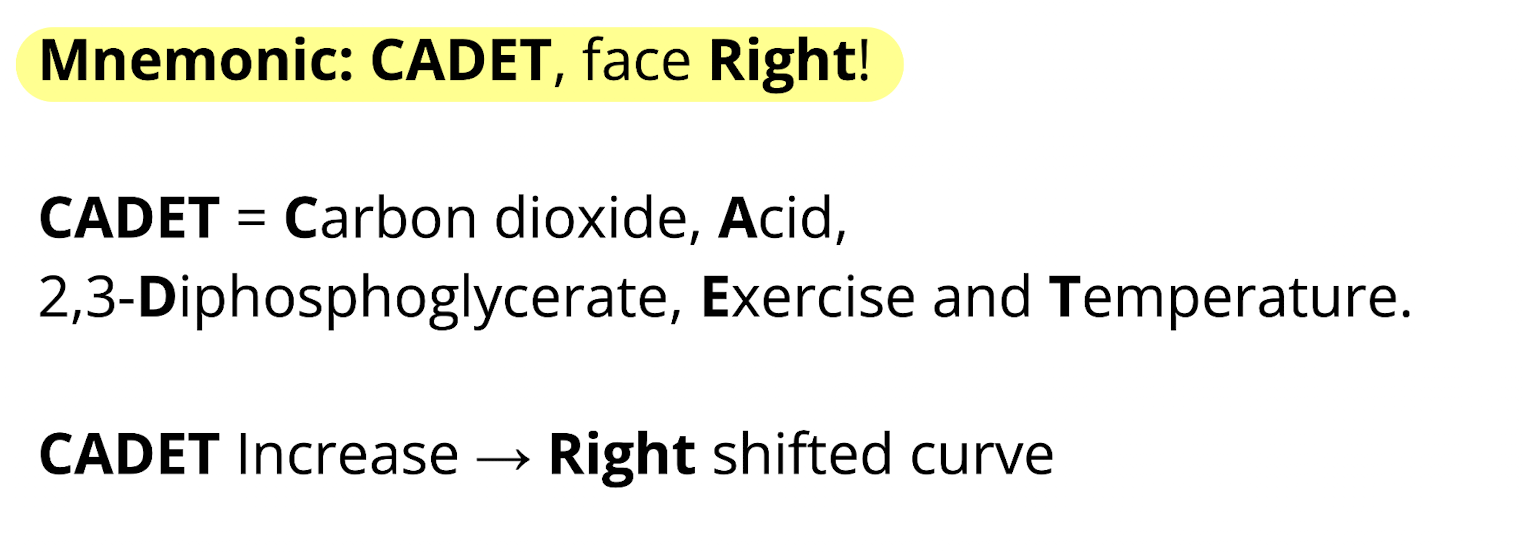
Oxygen-hemoglobin dissociation curve
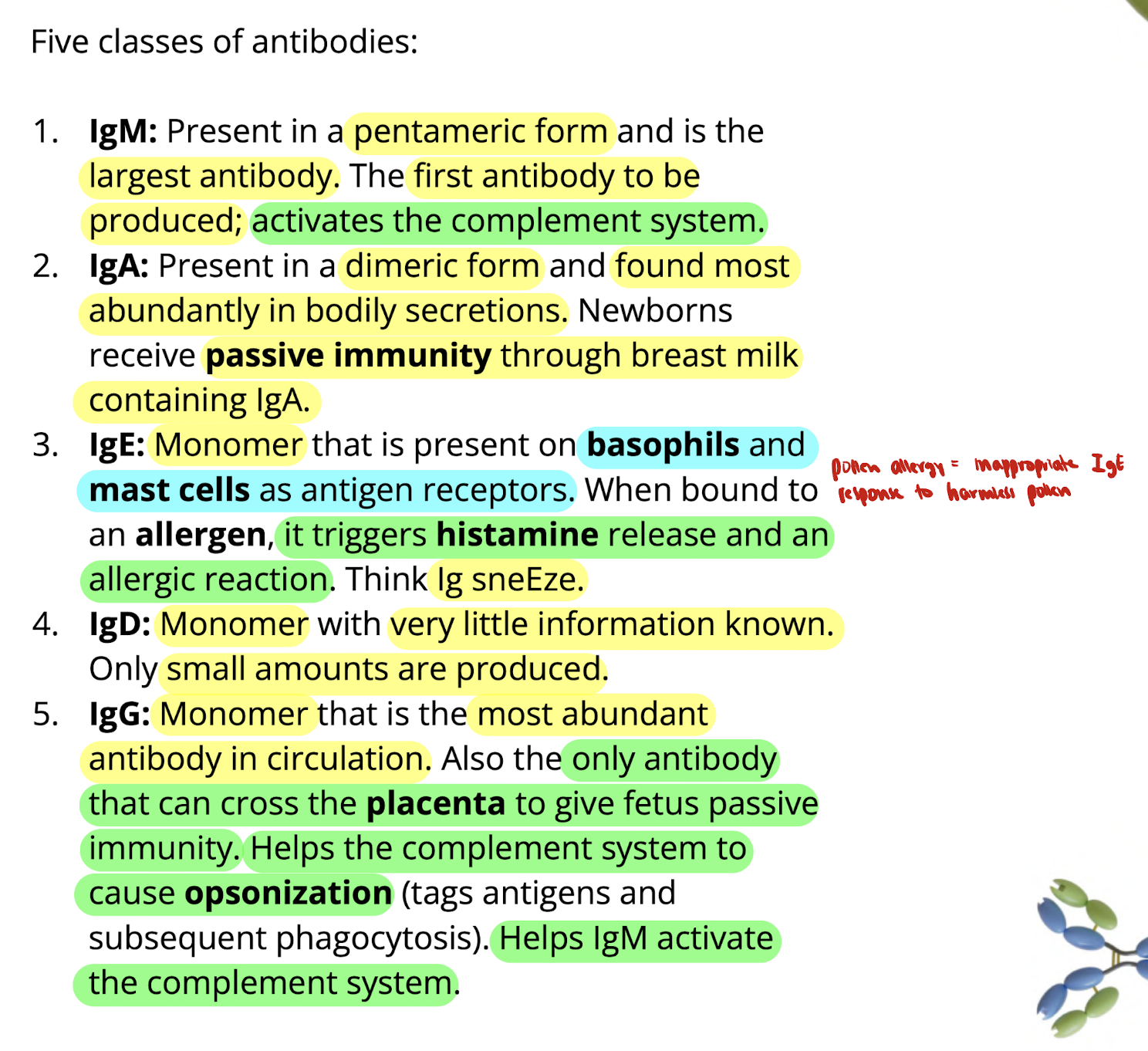
Five classes of antibodies
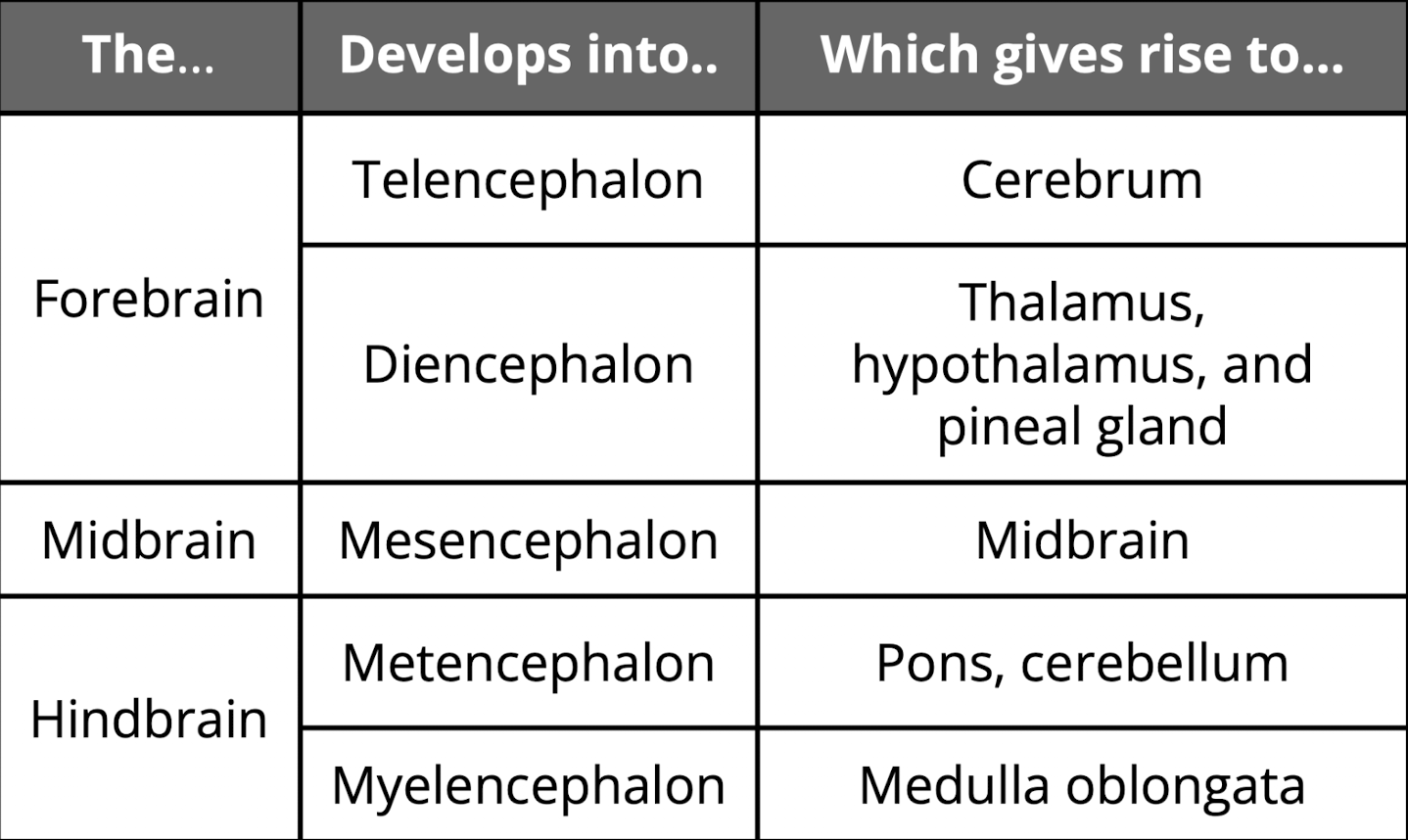
Forebrain, Midbrain, Hindbrain –> Develops into what, gives rise to what
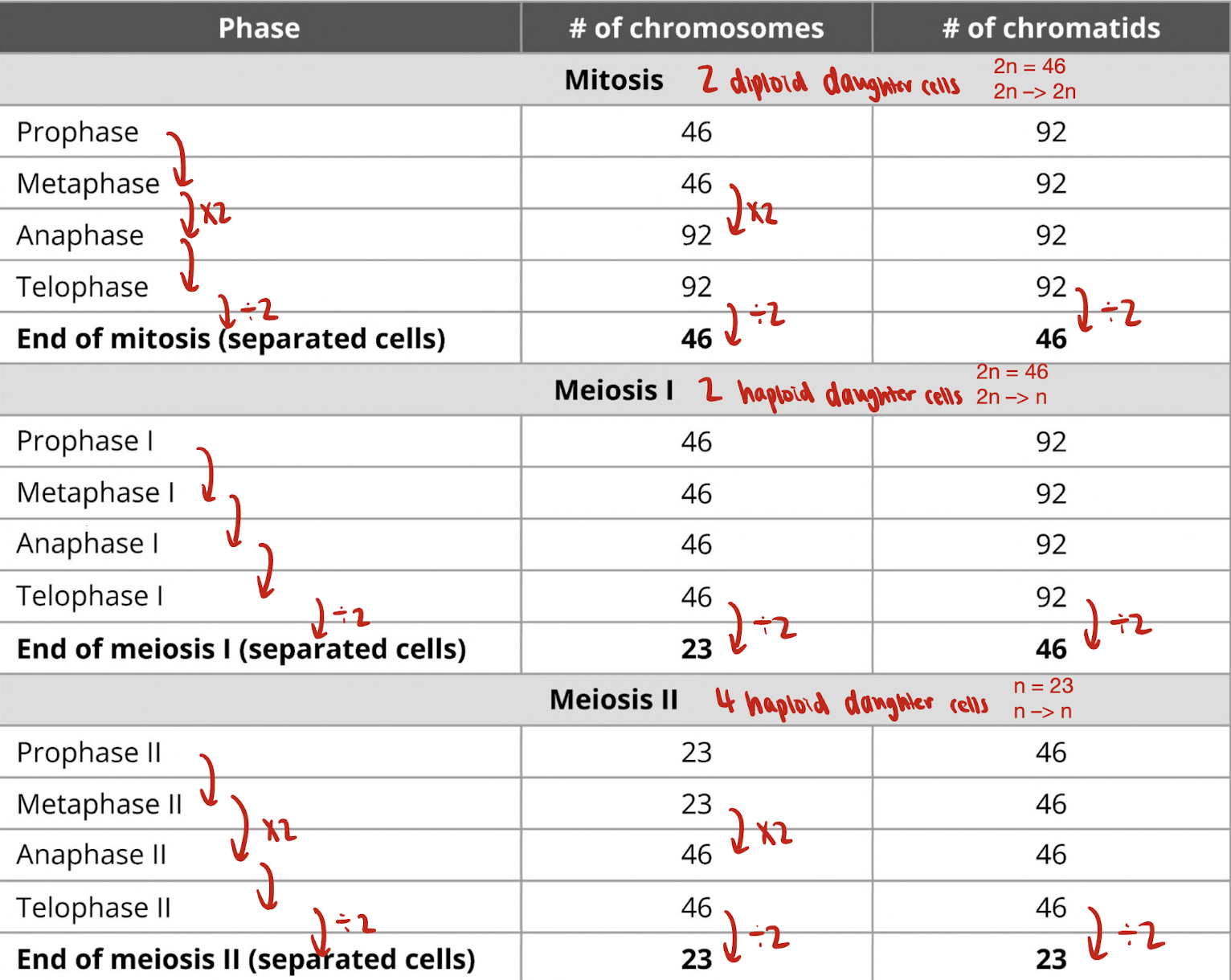
Mitosis, Meiosis I, Meiosis II Products
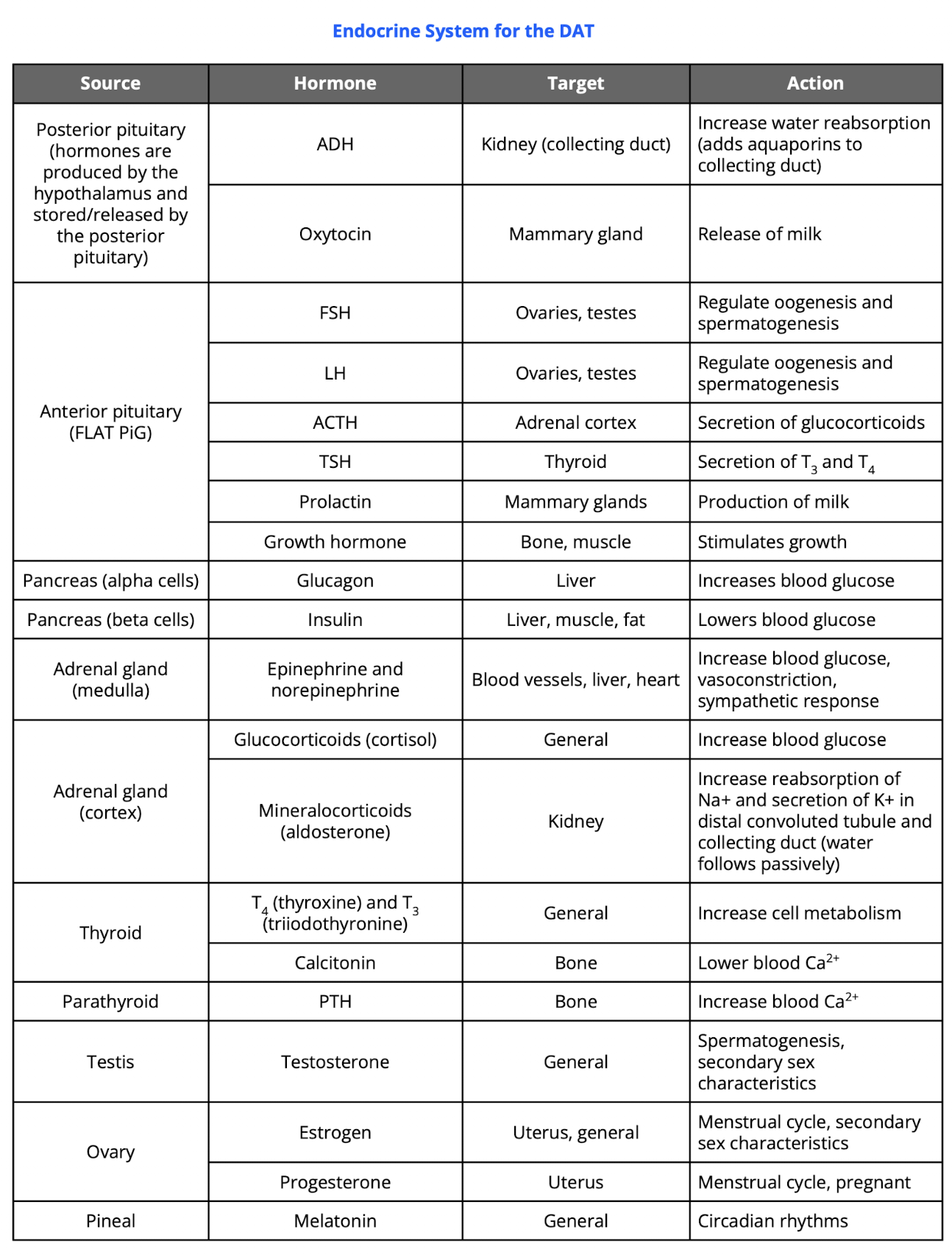
Endocrine system (high yield)
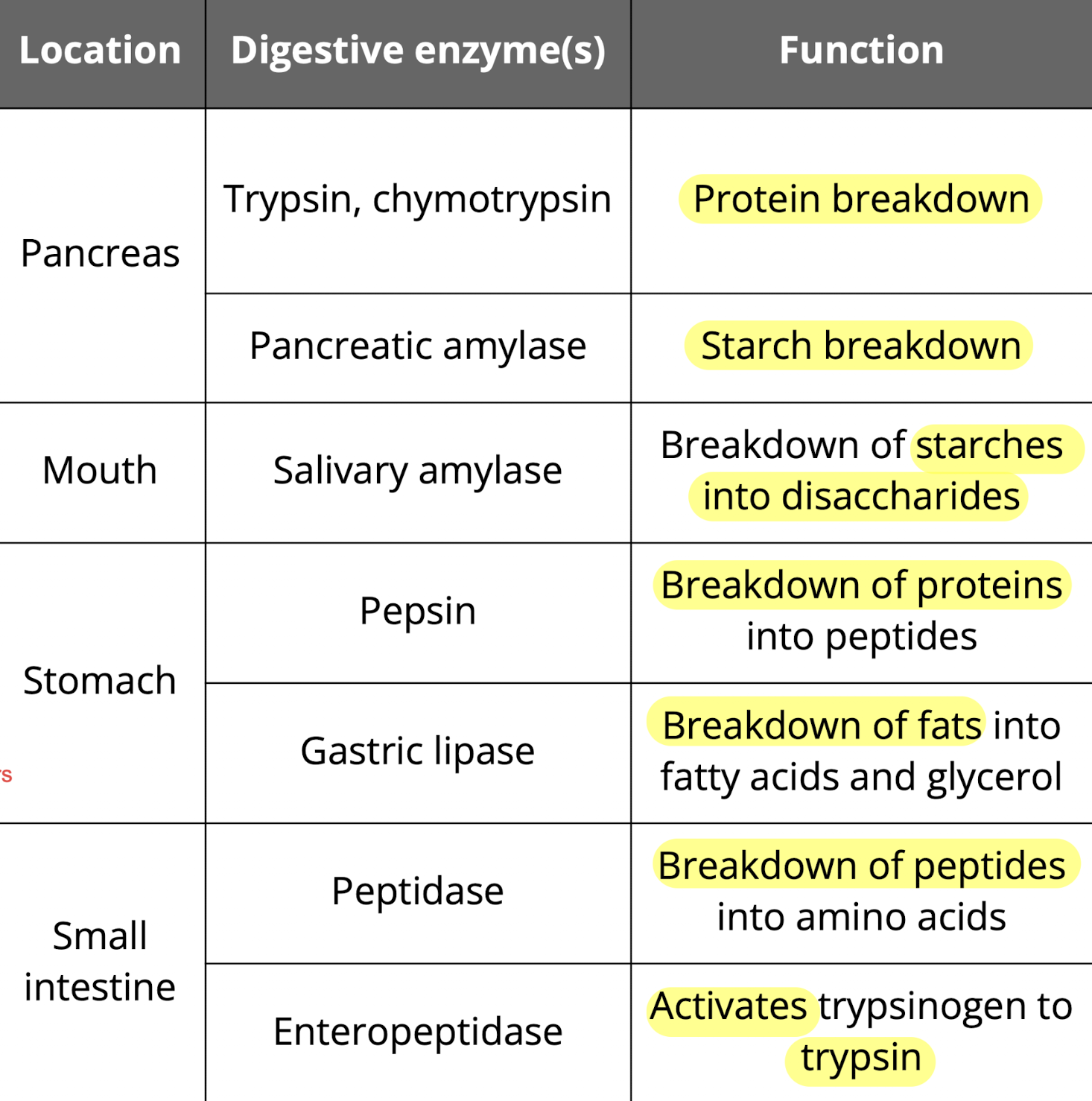
Digestive enzymes (high yield)
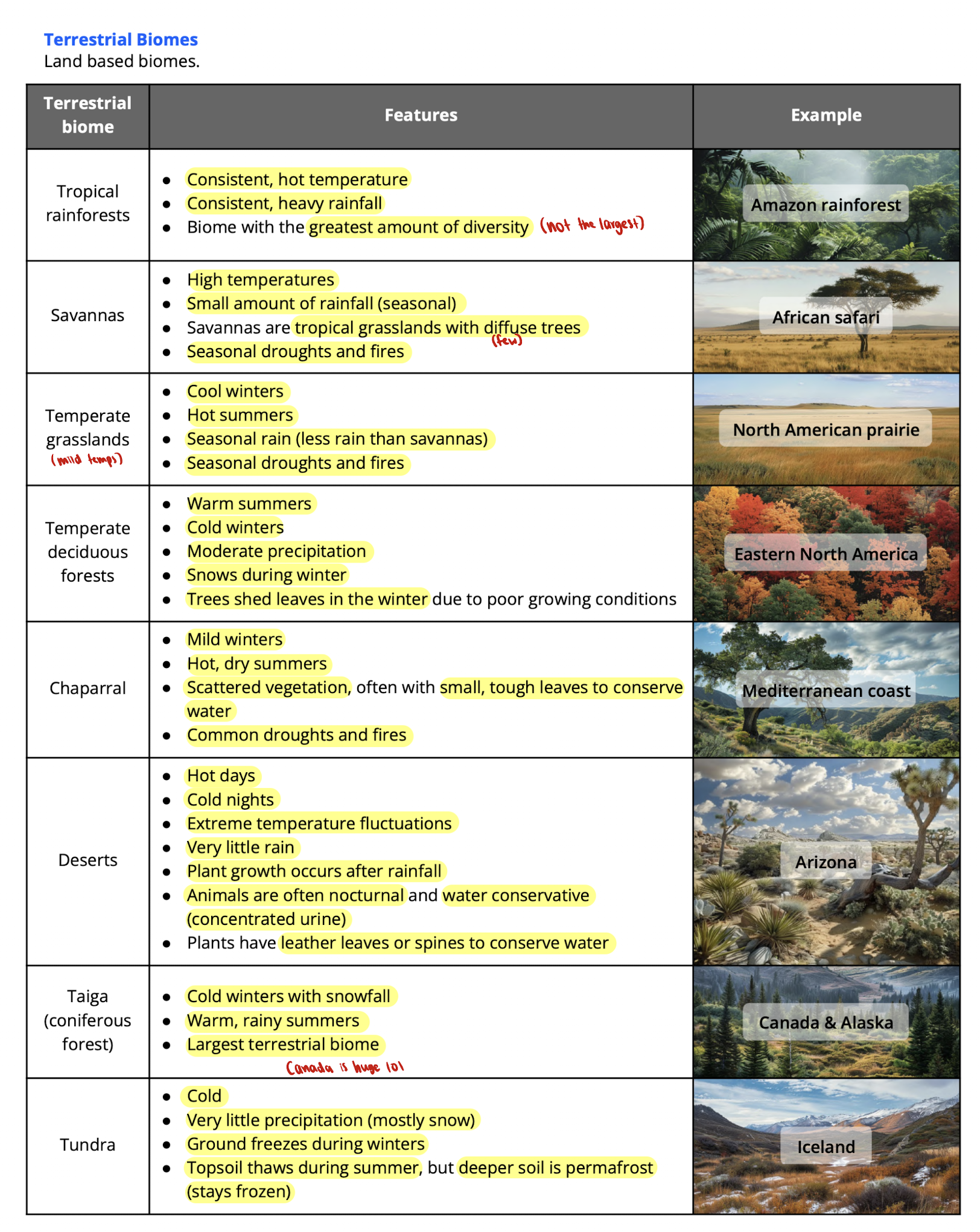
Terrestrial biomes (high yield)
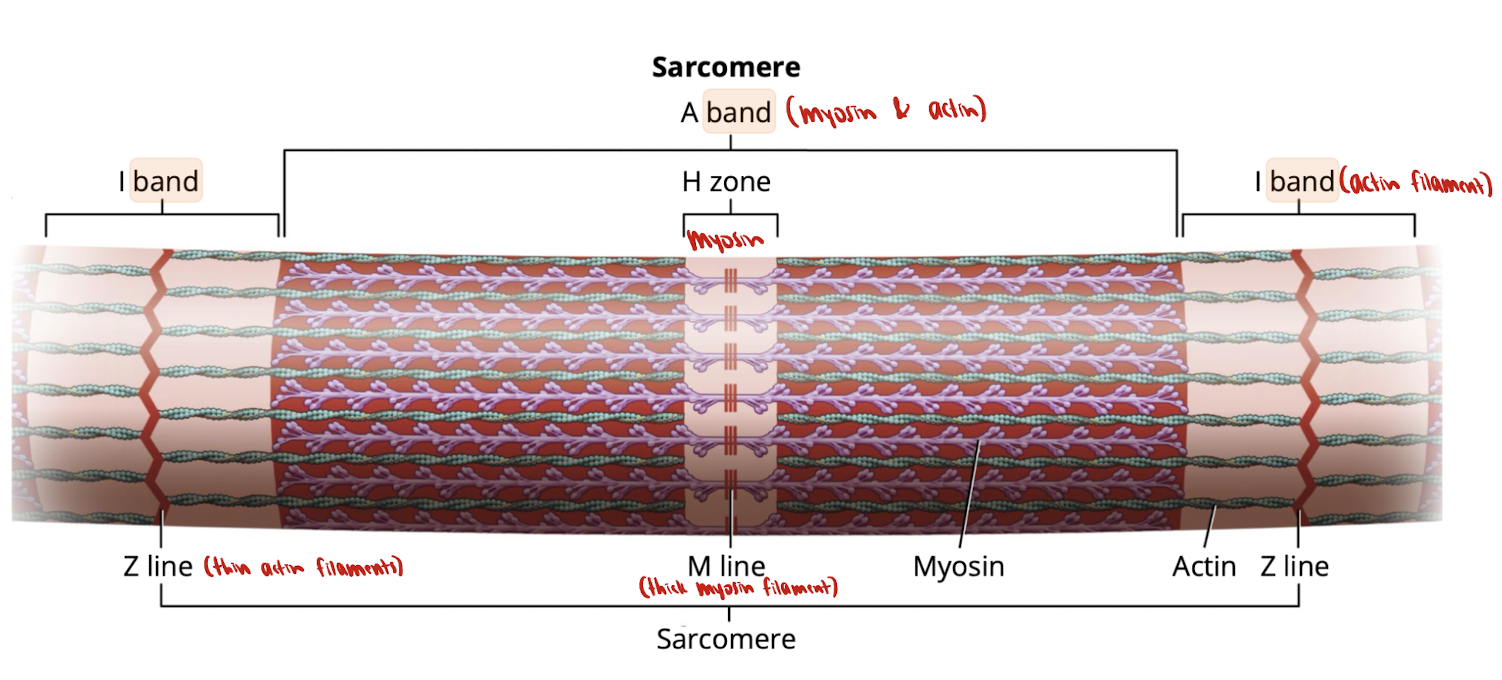
Parts of the sacromere (high yield)
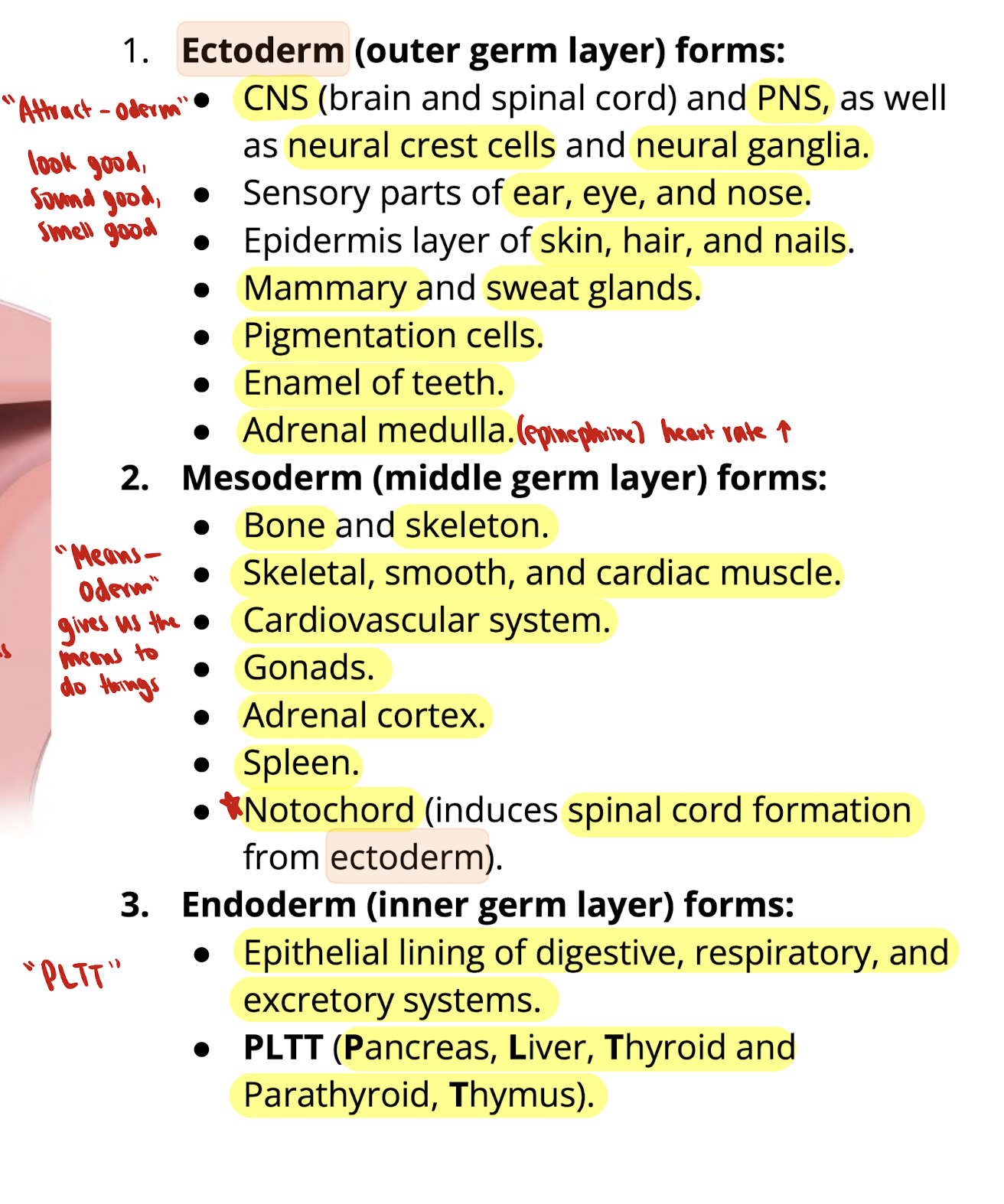
Ectoderm, mesoderm, endoderm
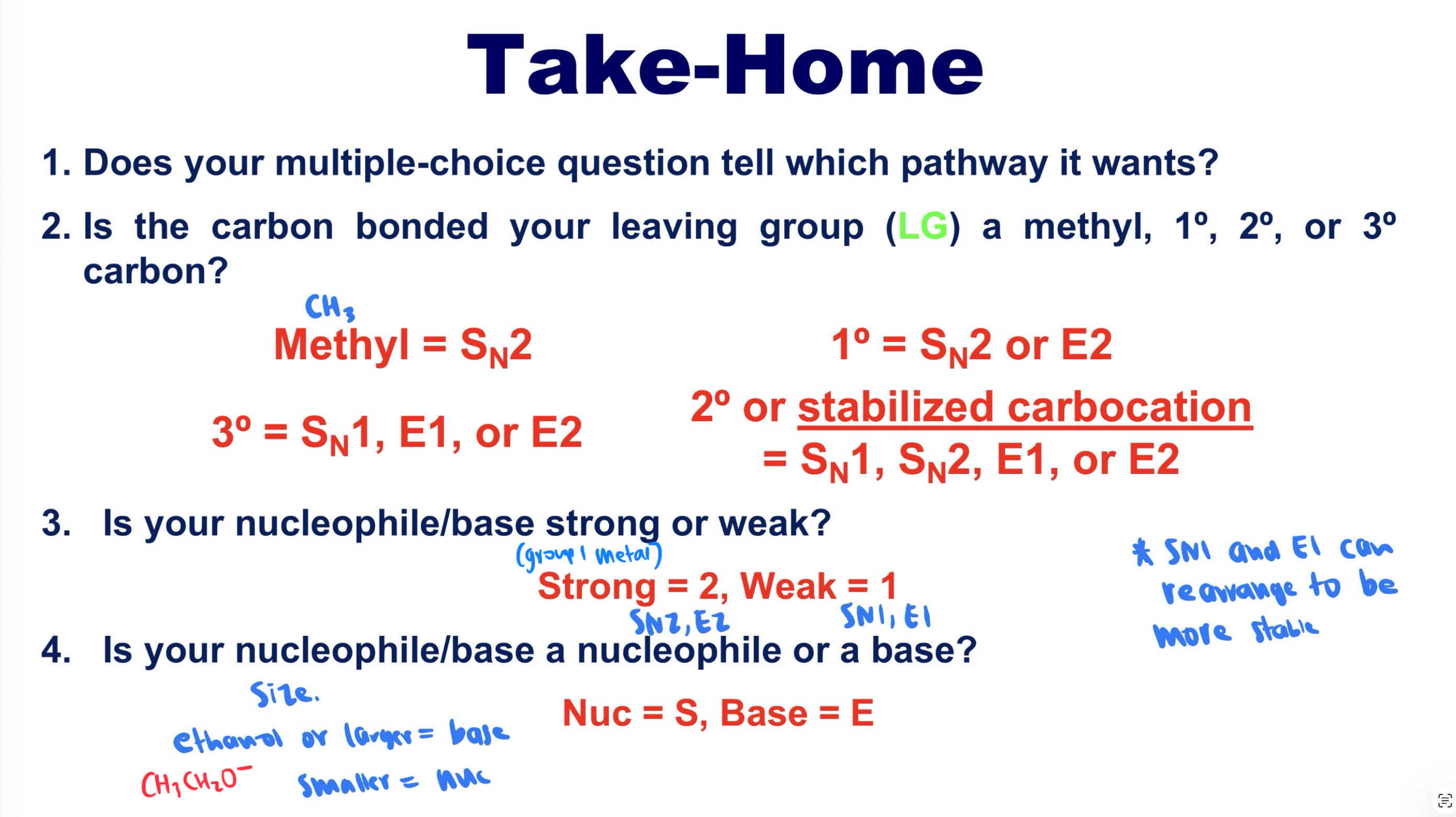
SN1 SN2 E1 E2 (high yield)
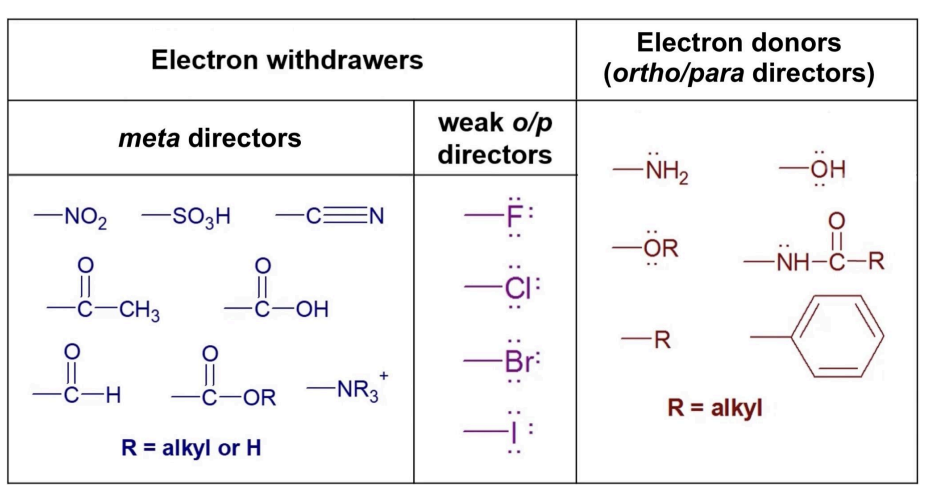
Meta directors, O/P directors (high yield)
Meta: 1,3 (middle of o/p)
Ortho: 1,2
Para: 1,4
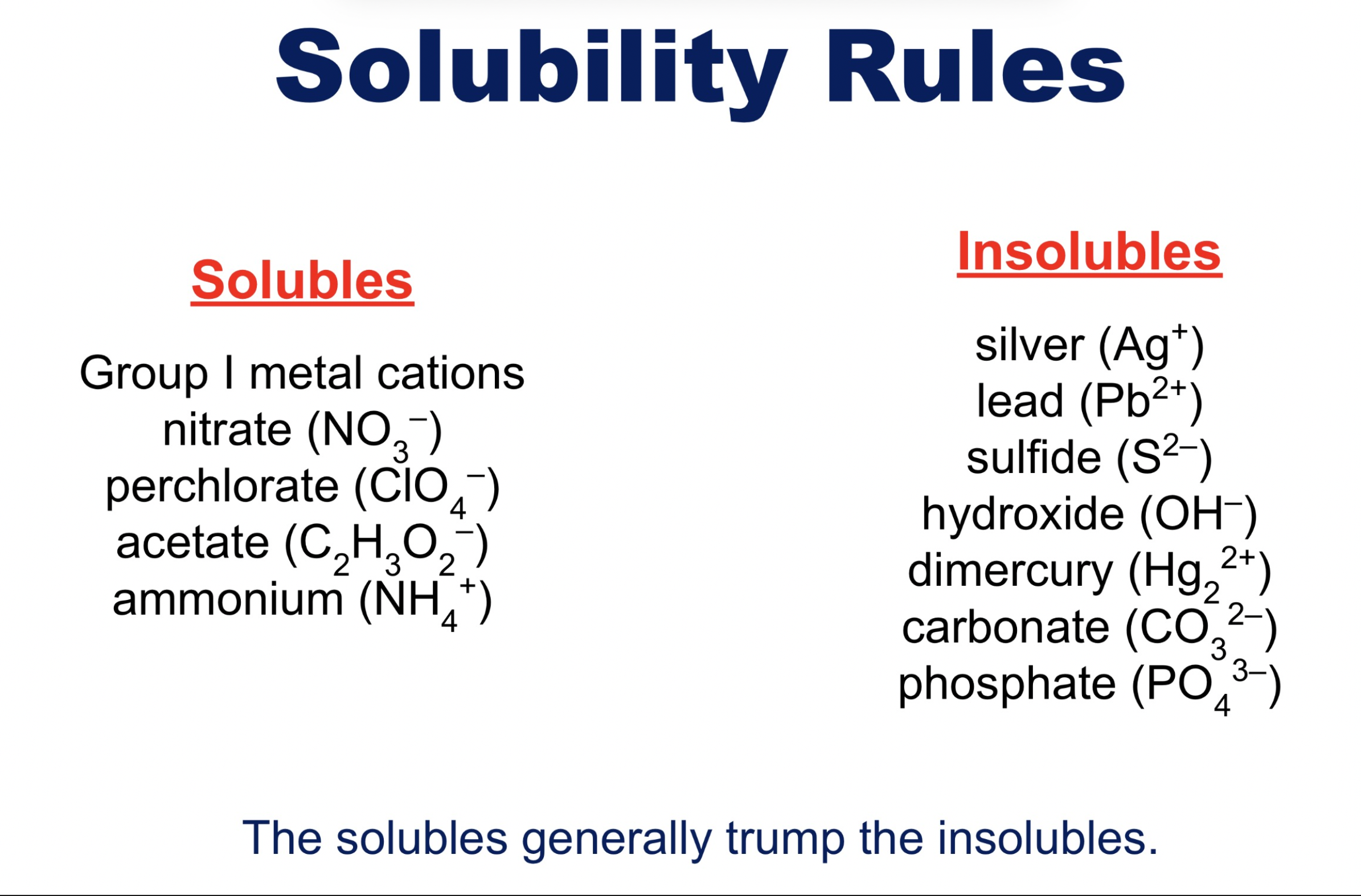
Solubility rules
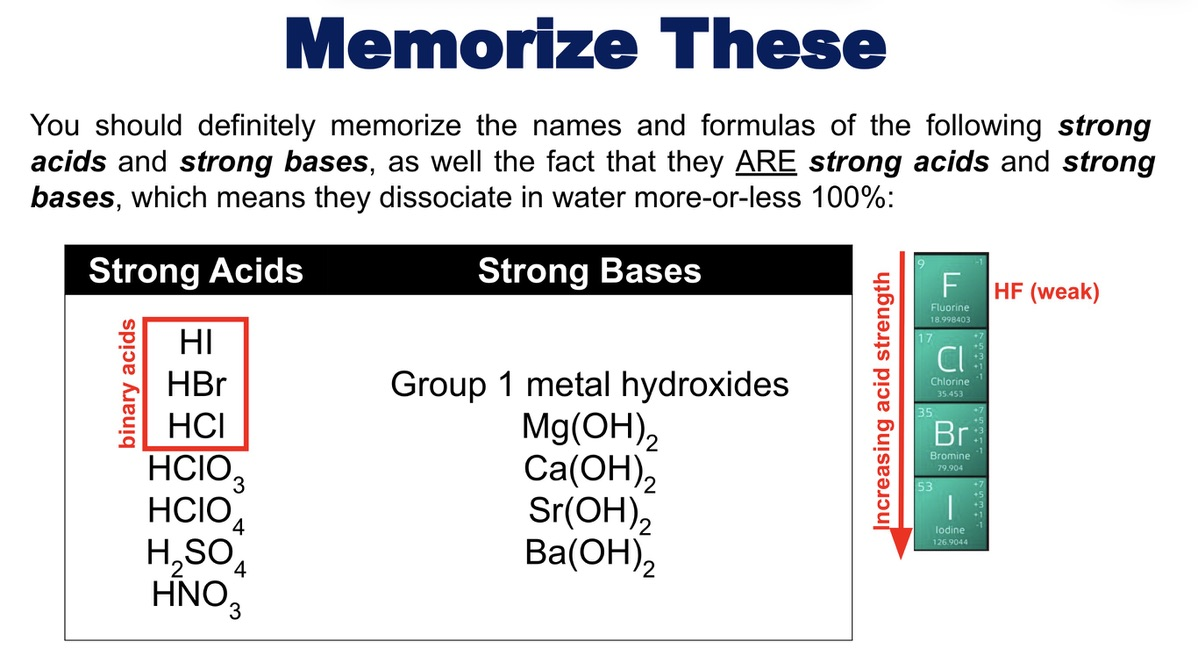
Strong Acids & Bases
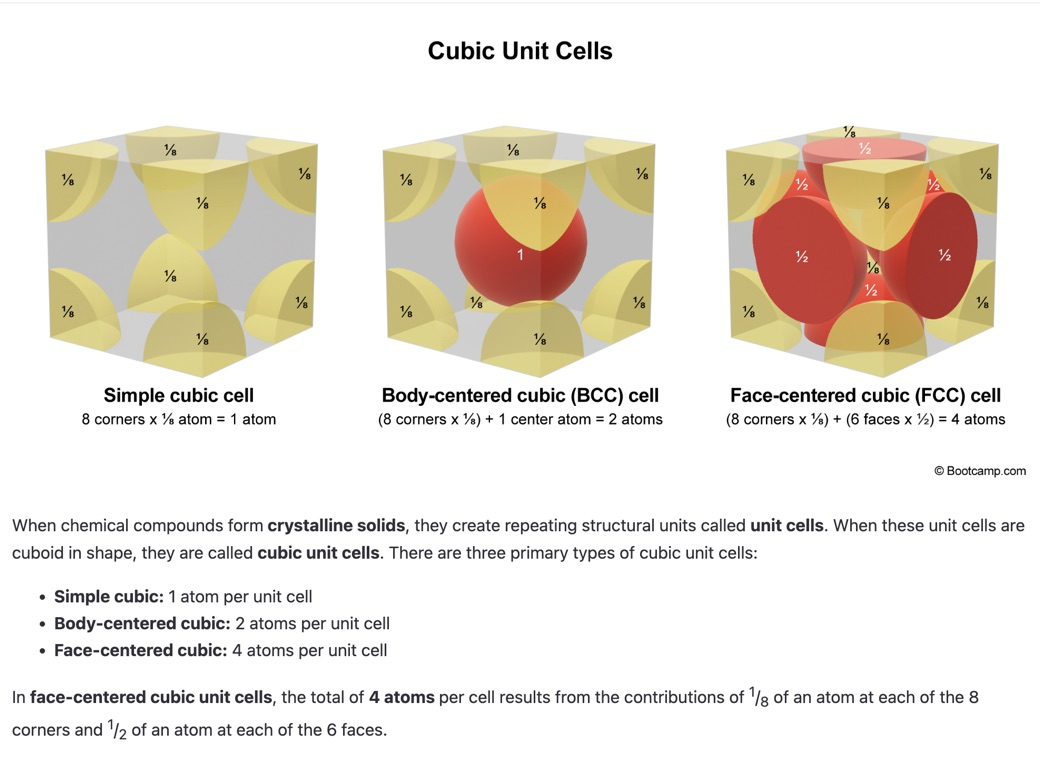
Cubic Unit Cells
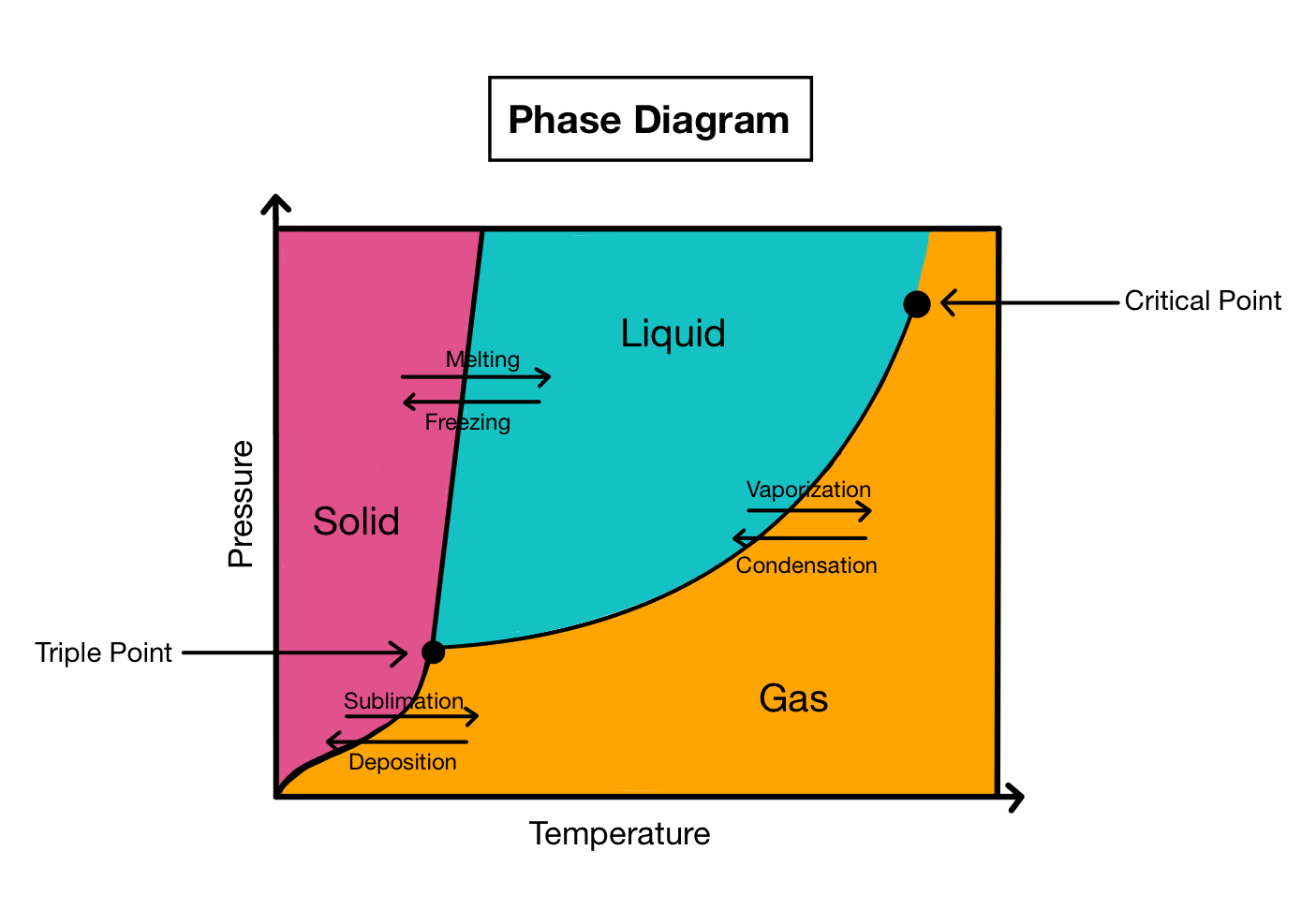
Phase Diagram
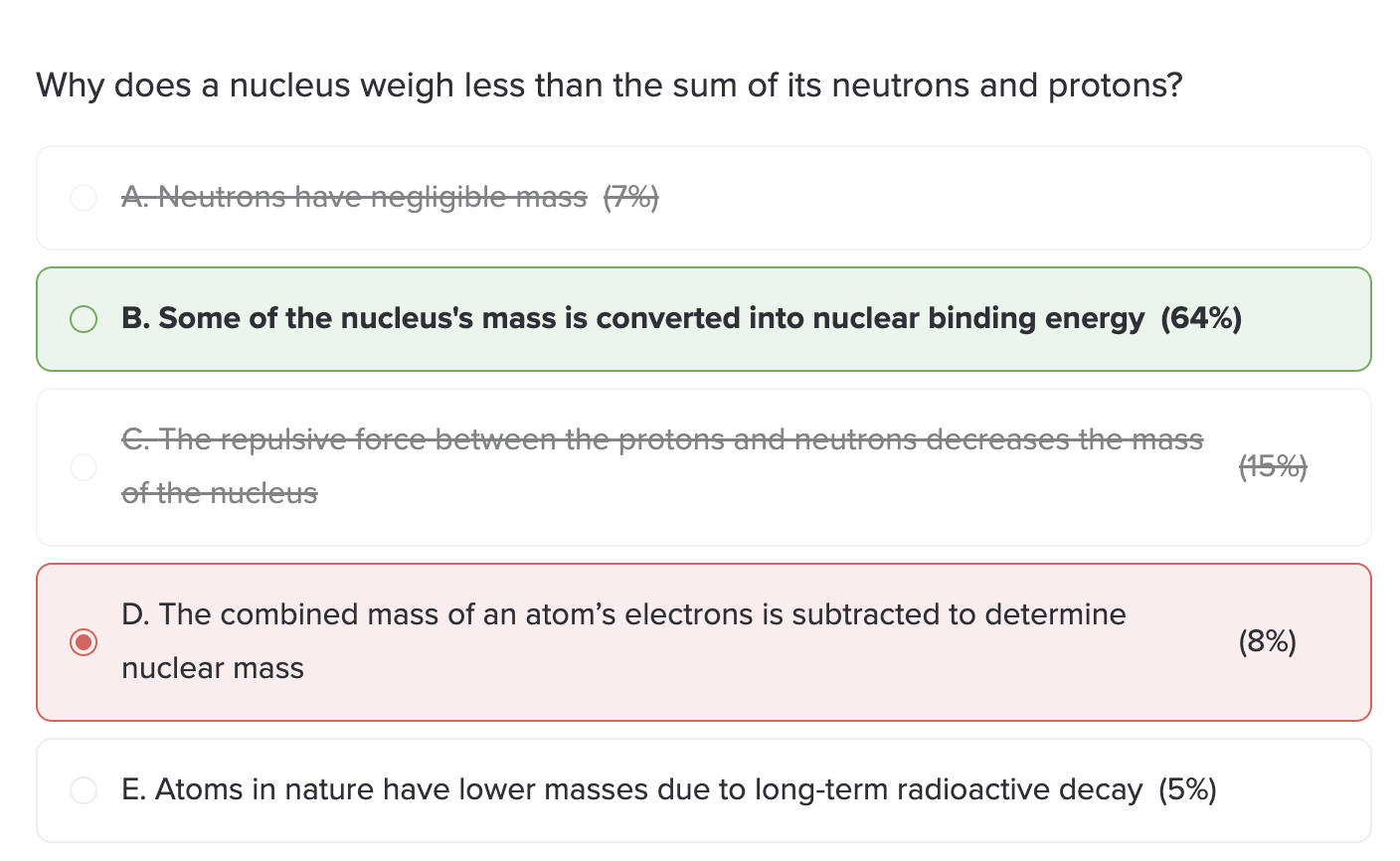
Why does as nucleus weigh less than the sum of its neutrons and protons?
Some of the nucleus’s mass is converted into nuclear binding energy
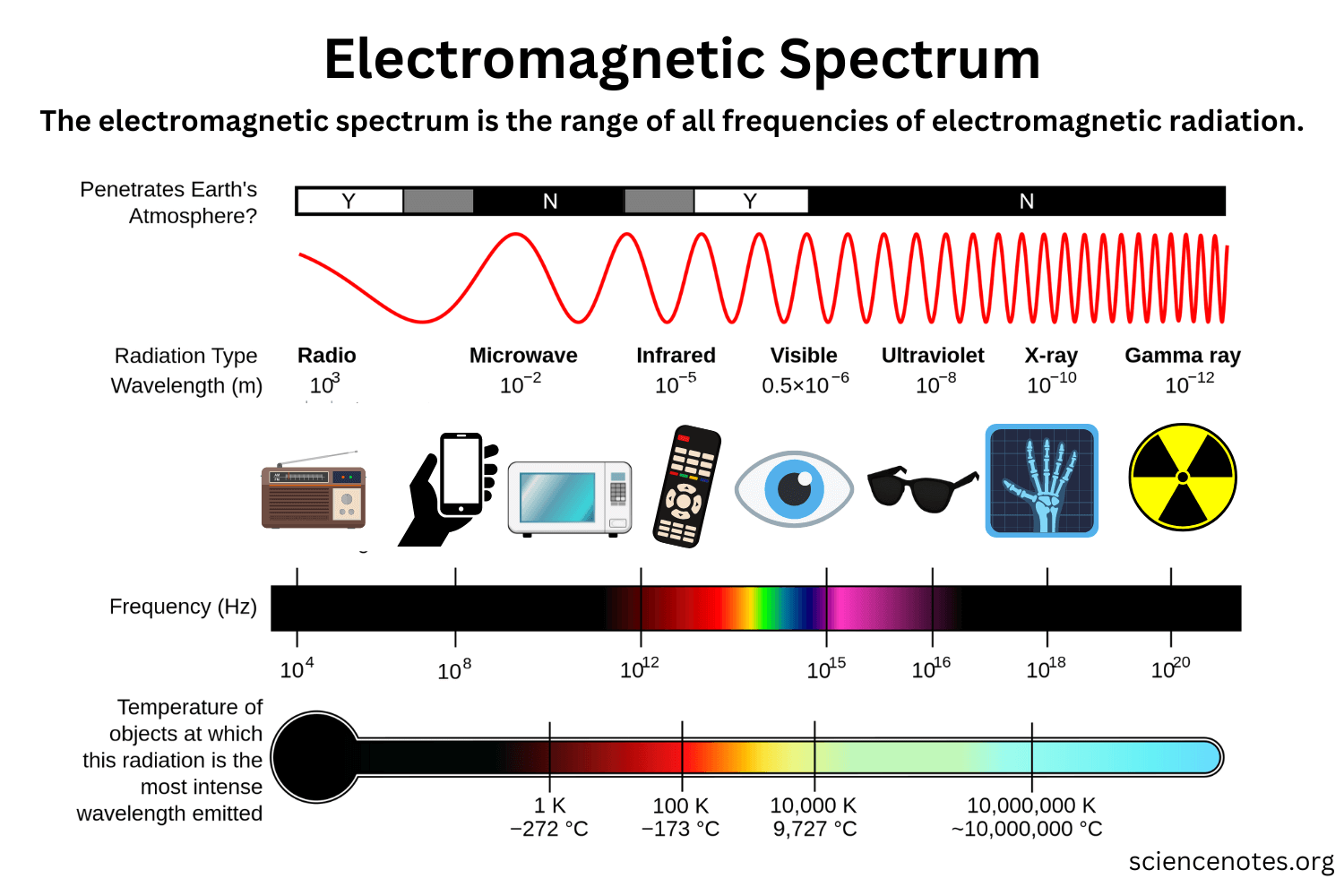
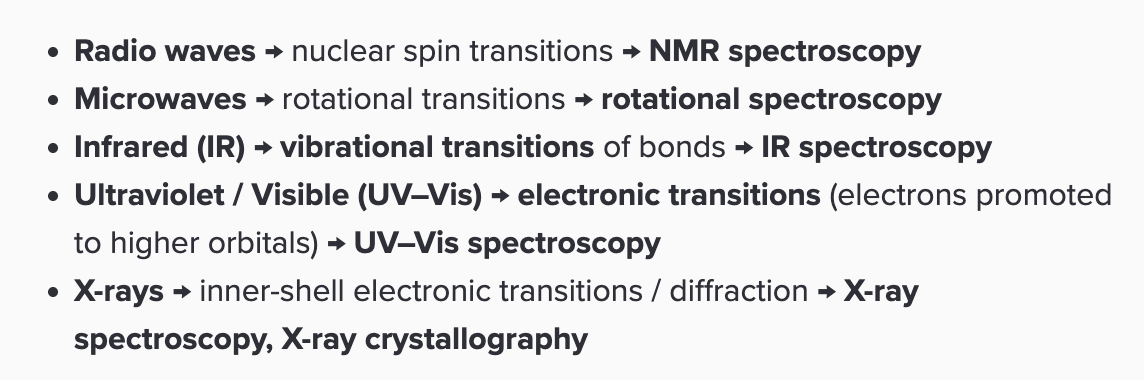
Electromagnetic Spectrum
“Raging Martians Invaded Venus Using X-ray Guns”
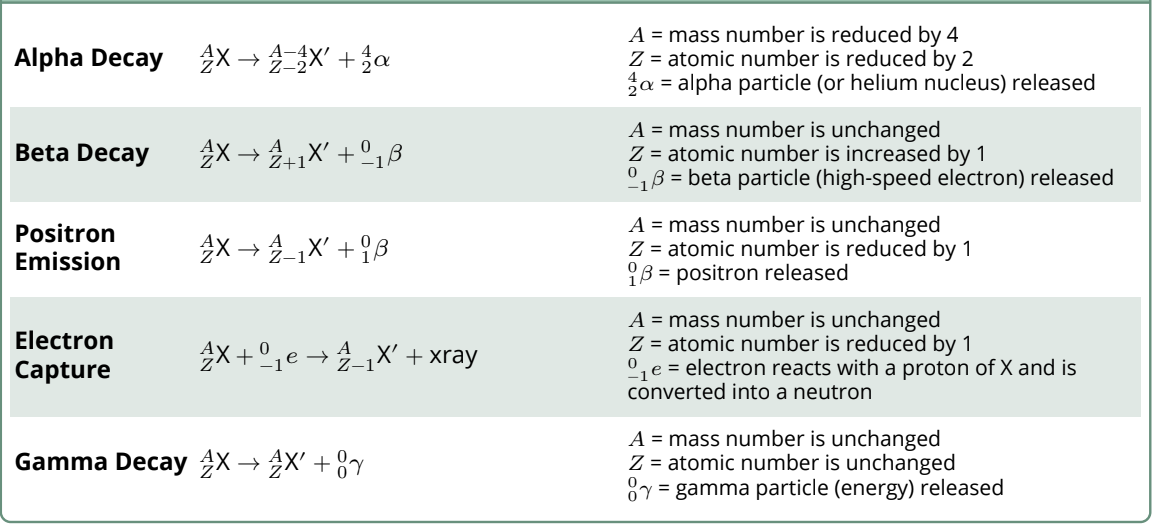
Types of Decay
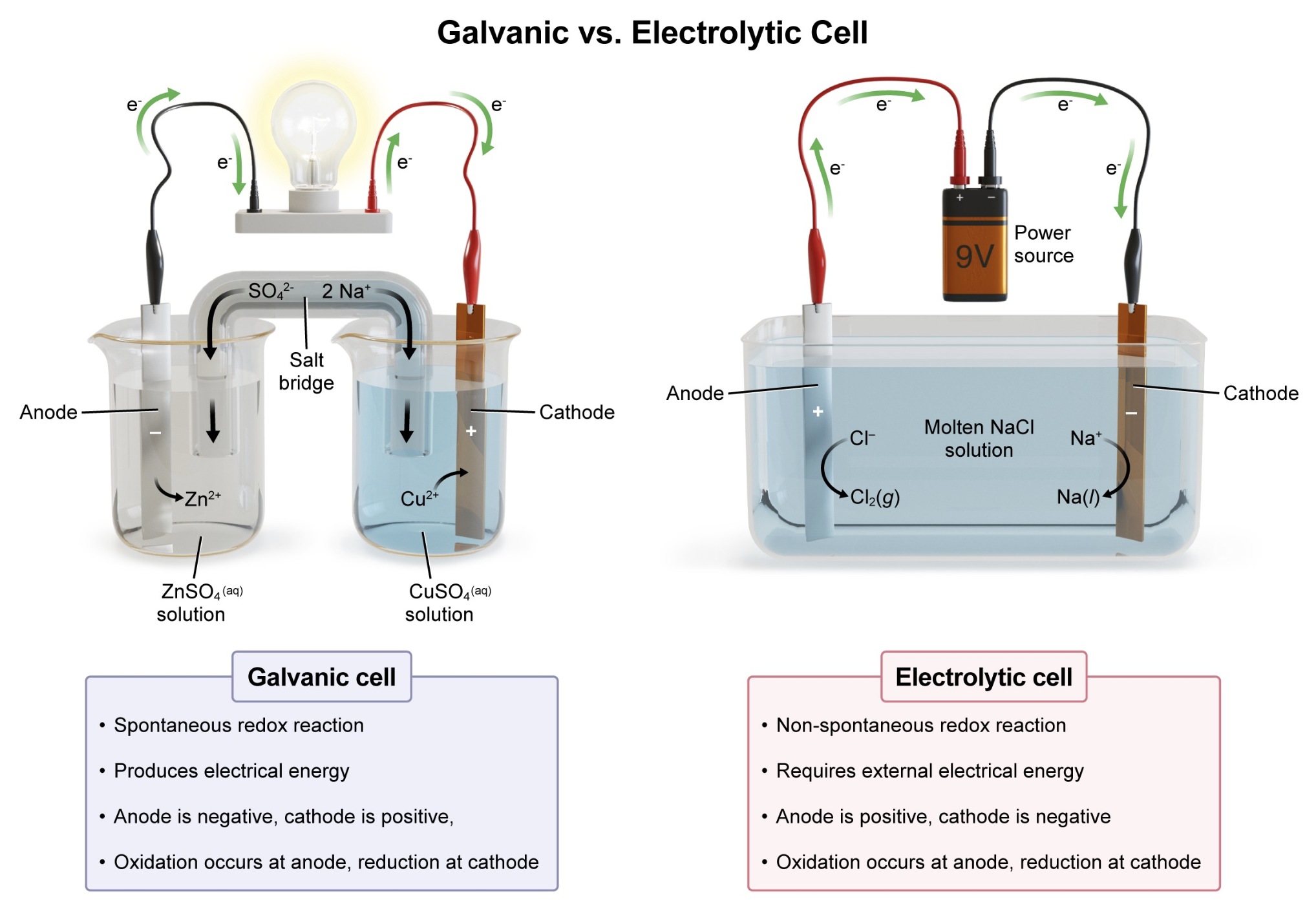
Galvanic vs Electrolytic Cell
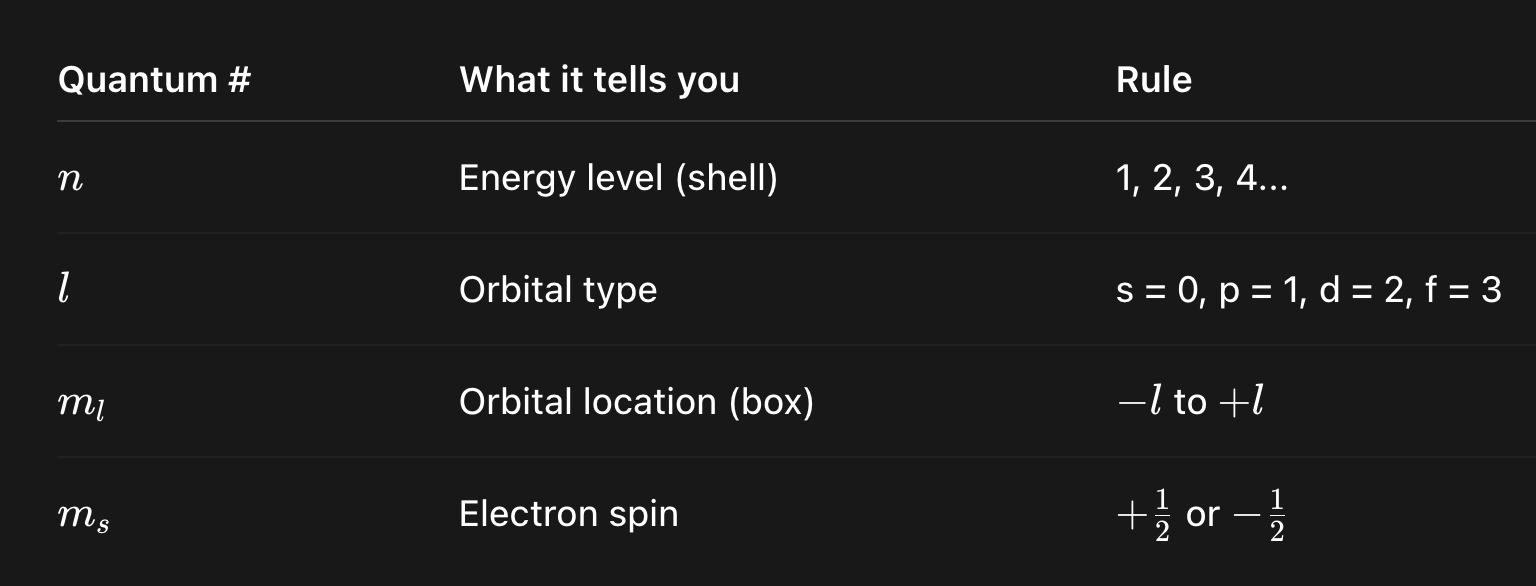
Quantum Number (high yield)
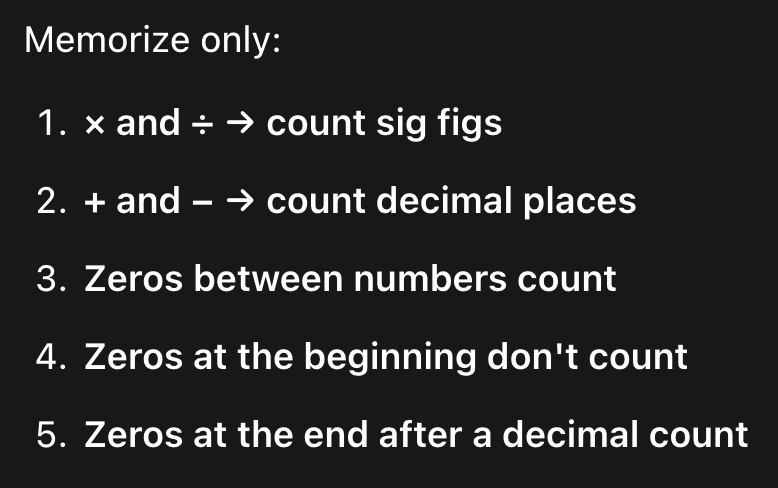
sigfig rules
Degrees of Saturation Equation
C – (H/2) – (X/2) + (N/2) + 1
Small to medium peak at 1600-1700 cm-1 (IR)
C=C or C=N
A BIG pointy peak at 1700±50cm-1 (IR)
C=O (cabonyl)
A LARGE, broad trough far to the left for alcohols and on top of 3000 cm-1 (IR)
OH
Big, pointy peaks coming straight down around 3000 cm-1 (IR)
C-H’s
A sharp peak to the left of the 3000 cm-1 (around 3200-3500 cm-1) (IR)
N-H (one peak for -NH, two peaks for -NH2)
Medium-sized peak at ~2200 cm-1 (IR)
C≡N (a nitrile)
Vampire teeth at 1500-1600 cm-1 and 1300-1400 cm-1 (IR)
NO2
UV-Vis spectroscopy is used mostly to…:
analyze compounds with conjugated double bonds
Mass spectrometry is a technique used to…:
determine a compound’s mass and isotopic patterns.

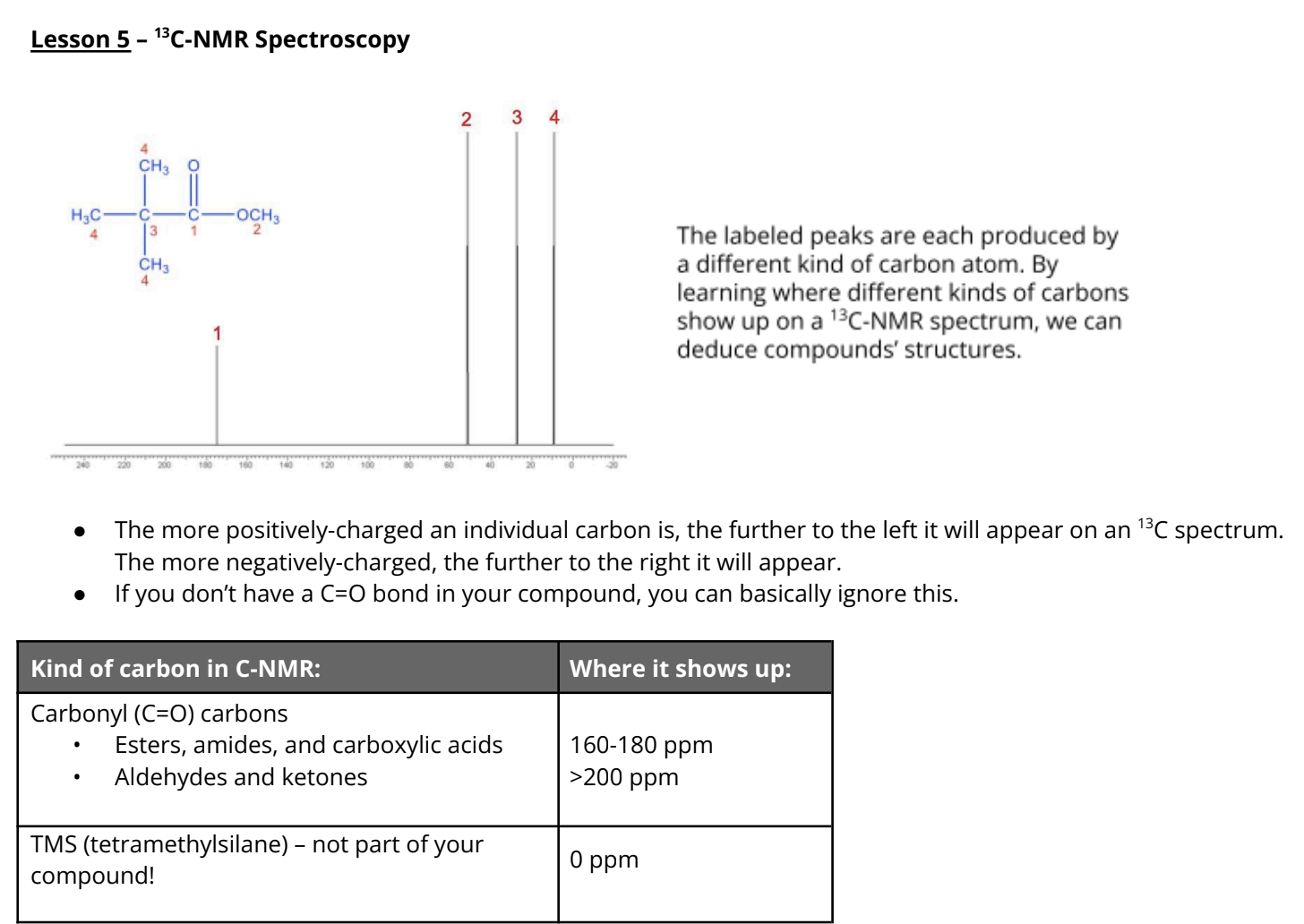
C-NMR Spectroscopy (high yield)
ester = R-C(=O)-OR’
amide = R-C(=O)-NR'₂
aldehyde = R–C(=O)-H
ketone = R–C(=O)–R’
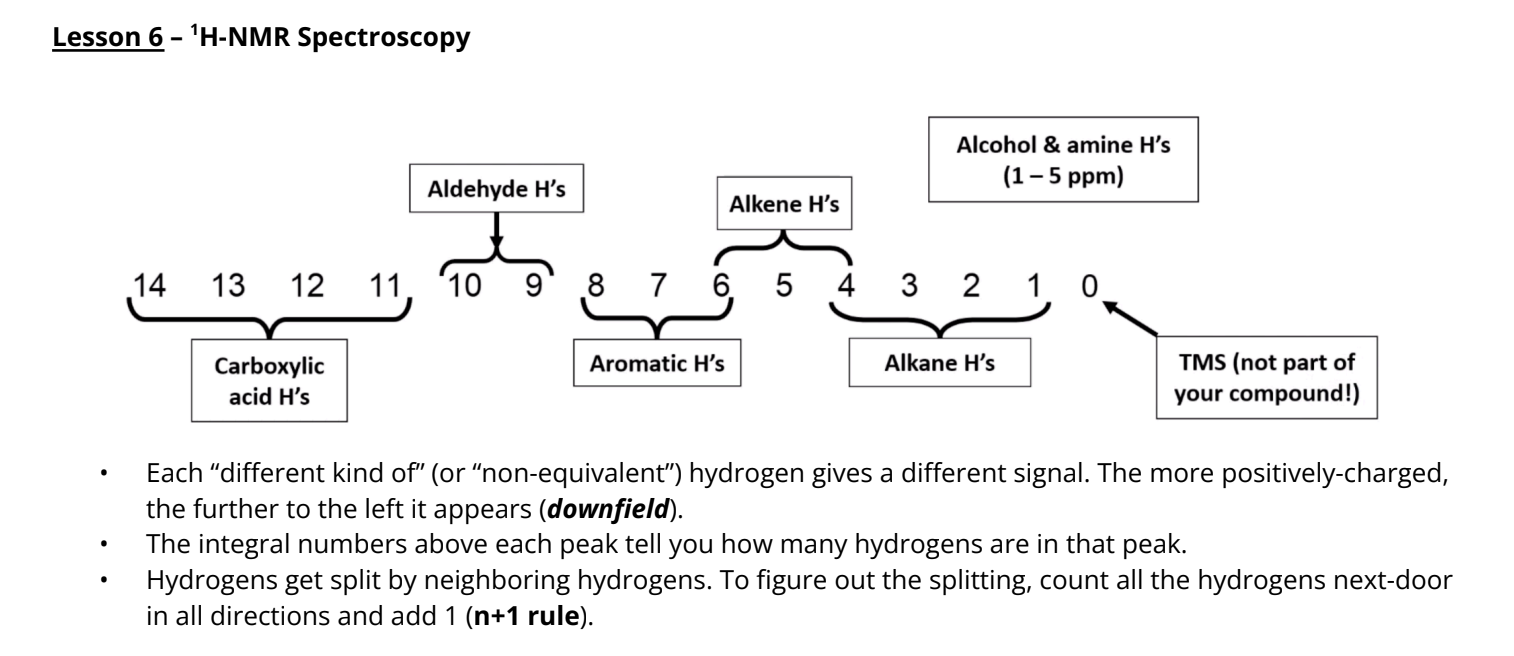
H-NMR Spectroscopy (high yield)
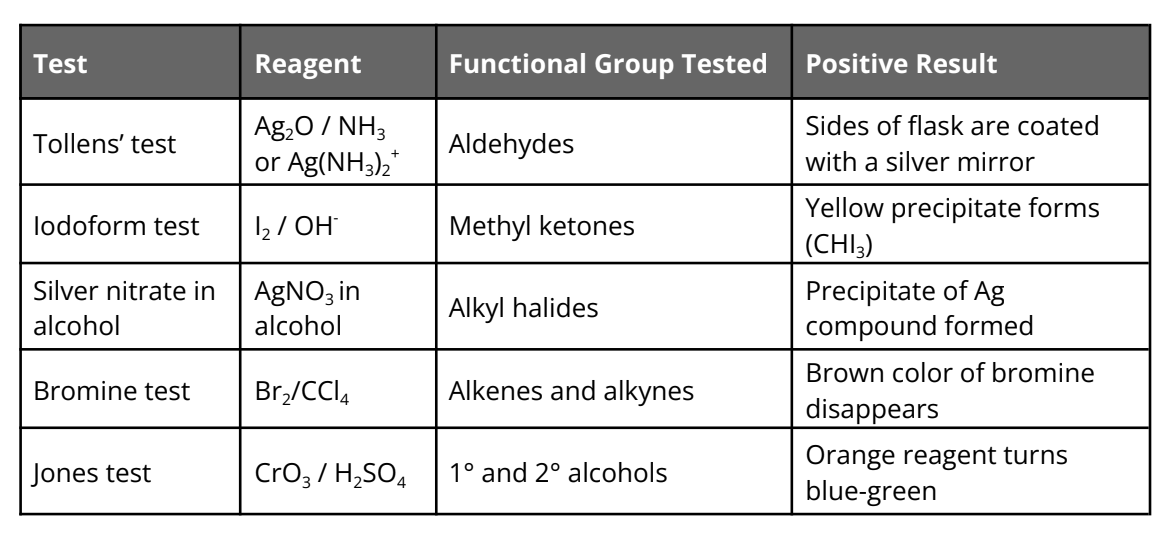
Lab Tests (High yield)
Aldehyde: R(C=O)H
Methyl Ketone: R(C=O)CH3
Alkyl Halide: R-X
Alkenes & Alkynes C-H’s
1º & 2º Alcohol: RCH2OH & R2CHOH
Distillation
separates mixtures of two or more VOLATILE liquids
Fractional distillation
used when the two volatile liquids have boiling points that are close together
Recrystallization
dissolves an impure compound in hot solvent and gradually precipitates the pure compound as the solution cools down
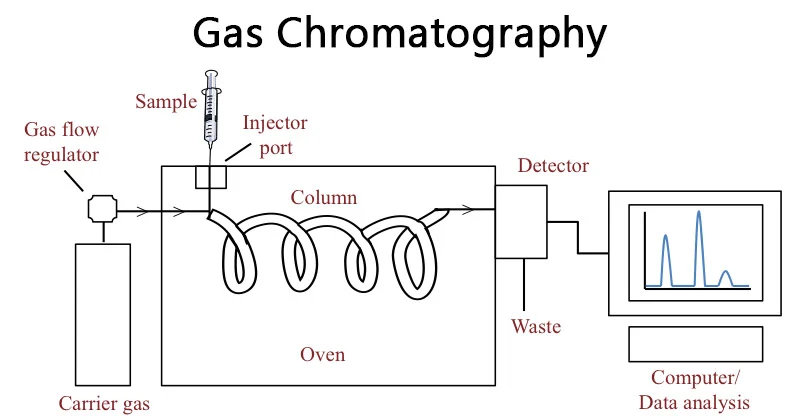
Gas-liquid chromatography
used to determine the relative abundance of each compound in a liquid mixture
separates components in liquid mixture by boiling point
lowest boiling point comes off the fastest
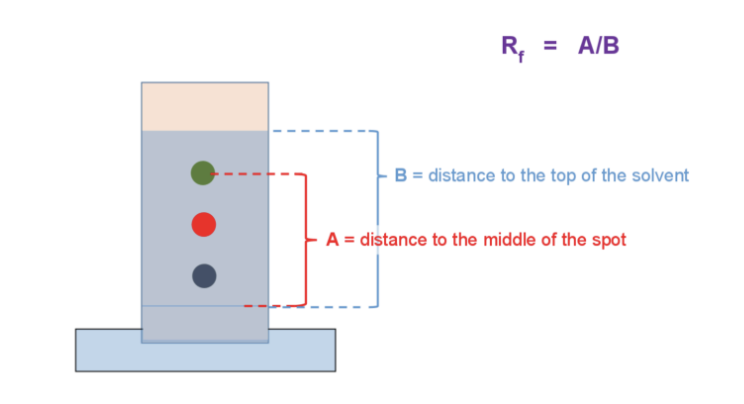
Thin layer chromatography (TLC)
separates compounds by their solubility in the solvent (polarity). MOST SOLUBLE = travels fastest & furthest up the plate
usually uses a polar plate and a nonpolar solvent
compound that travels the furthest with nonpolar solvent is the most nonpolar compound
Retention factor (Rf) is a number we use to tell how far up the TLC plate a compound travels
Higher Rf = higher up = more nonpolar
Rf = A/B
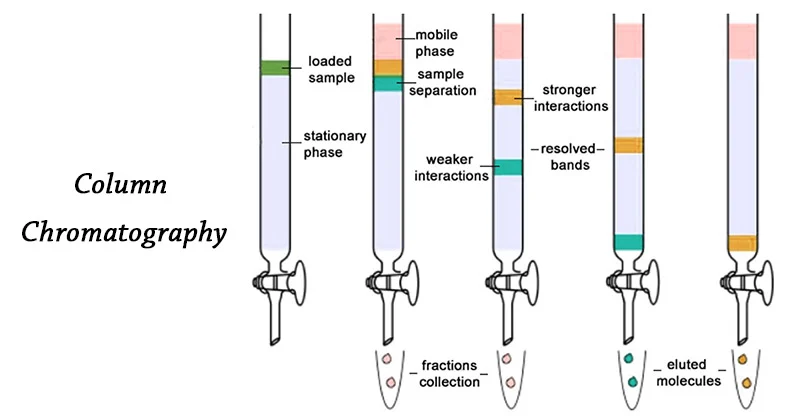
Column Chromatography
separates compounds by polarity. The most nonpolar compounds travel the fastest, and the most polar compounds travel the slowest
uses silica gel (polar) and eluent (impure mixture to be separated)
the eluent is poured into the top of the column, and the most nonpolar compound travels down the fastest
similar to TLC, except the most polar compound is at the top of the column, and the most nonpolar compound is at the bottom
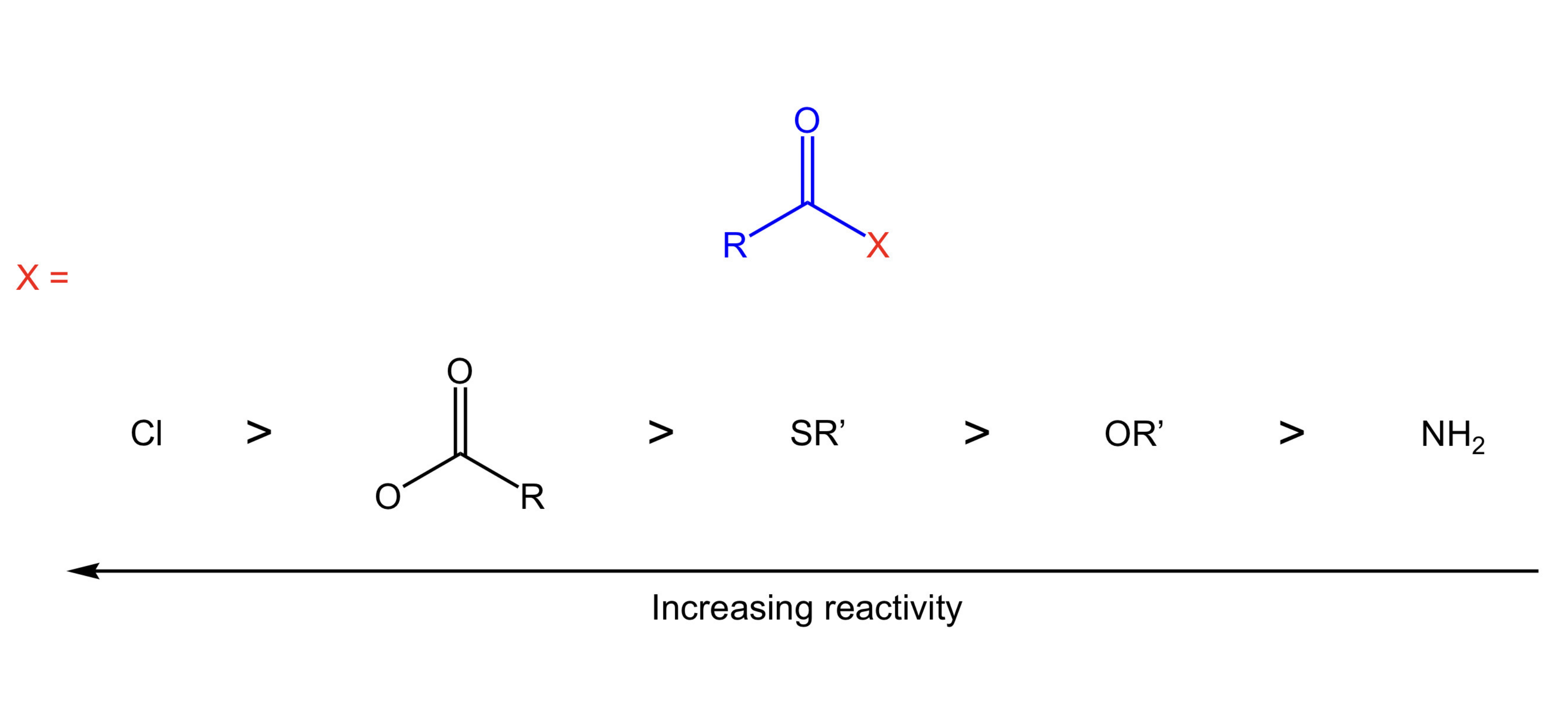
Increasing reactivity (ochem high yield)
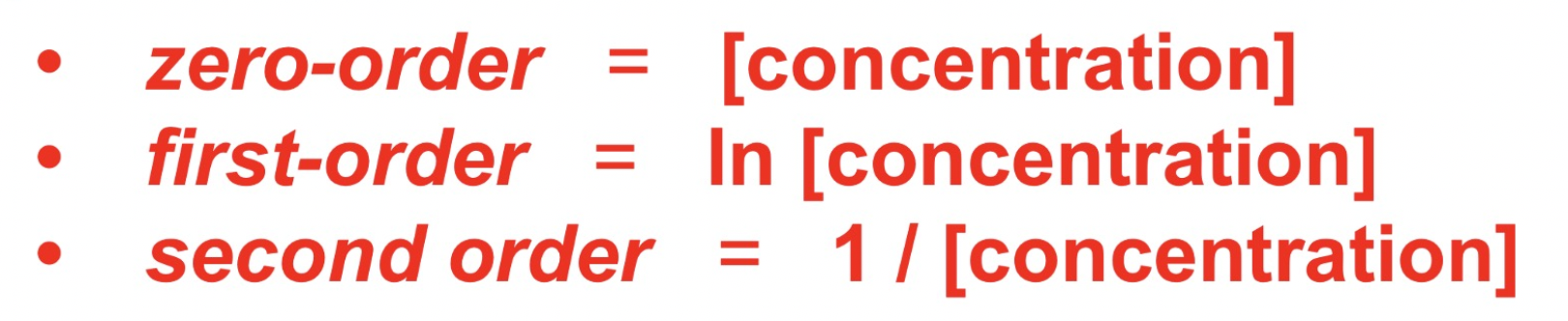
Zero/first/second order
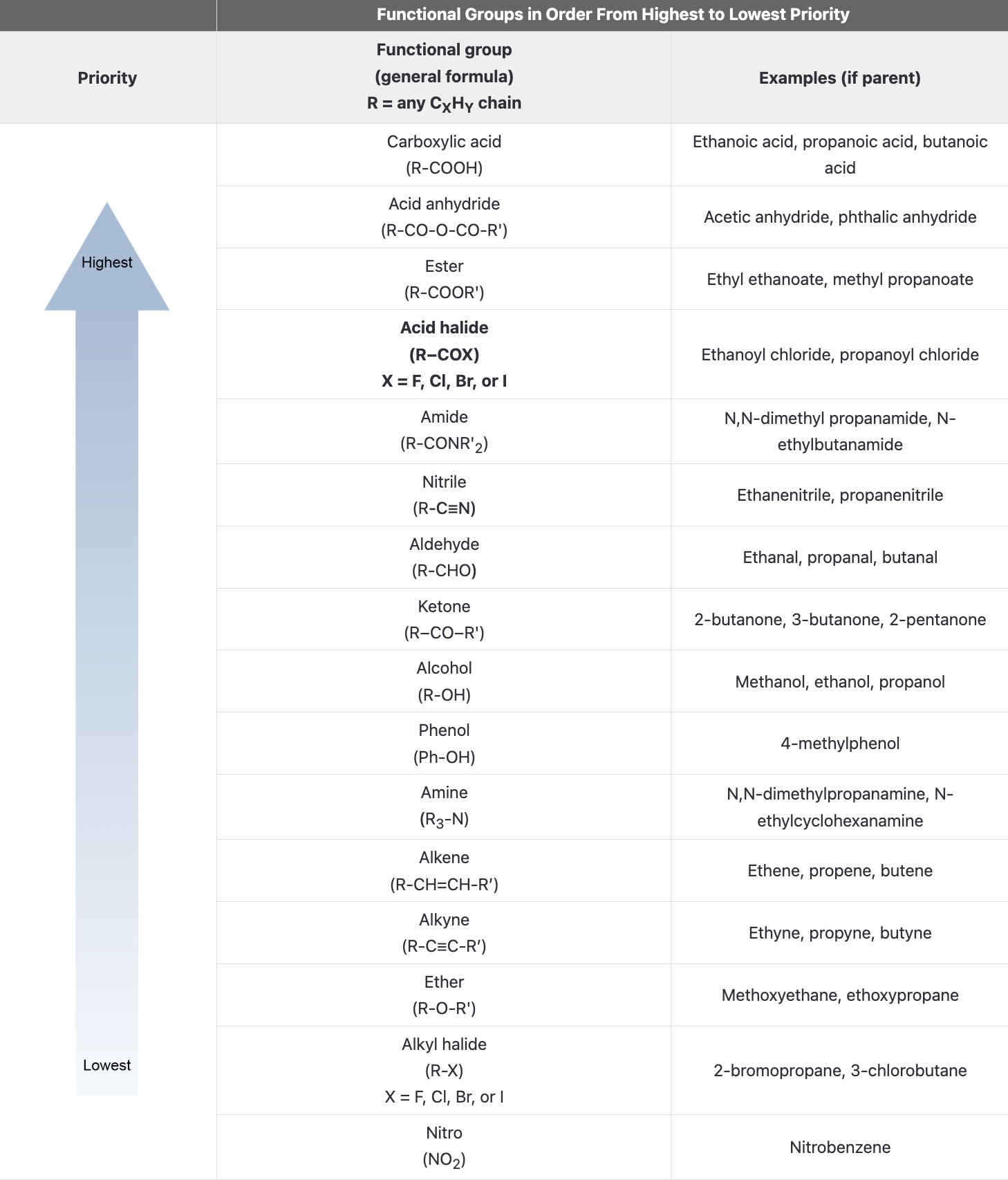
Functional groups in order from highest –> lowest priority
higher oxidation number/state of the central carbonyl carbon = higher priority
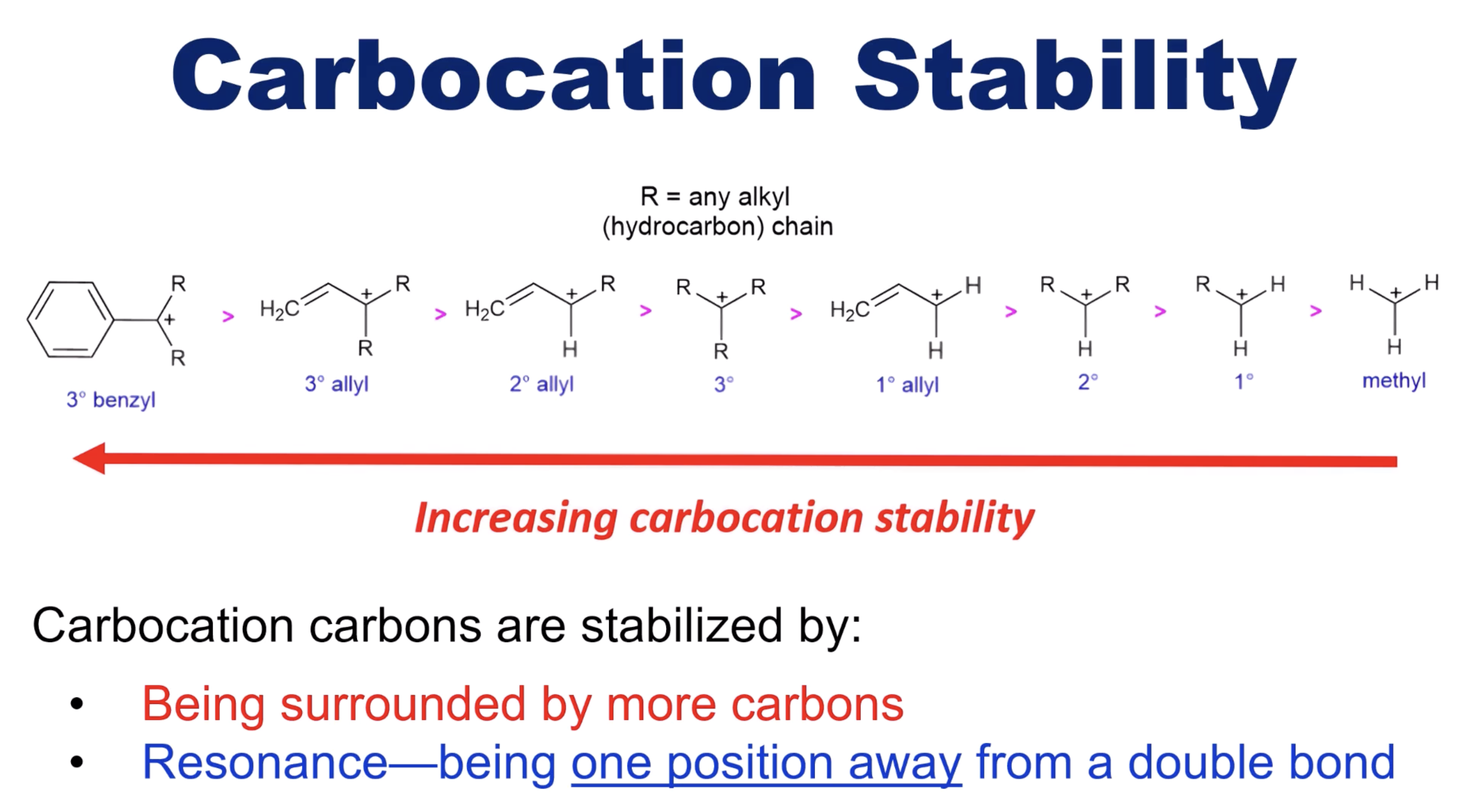
Carbocation Stability (high yield)
more carbons = more stable
one position away from double bond = more stable
Electromagnetic Spectrum (high yield)
1 pound = ? oz = ? g
16 oz, 454 g
1 inch = ? cm
2.54 cm
1 yard = ? feet
3 feet
1 mile = ? feet
5280 feet
1 kg = ? pounds
2.2 pounds
1 ft = ? inches
12 inches
1 meter = ? yards
1.1 yards
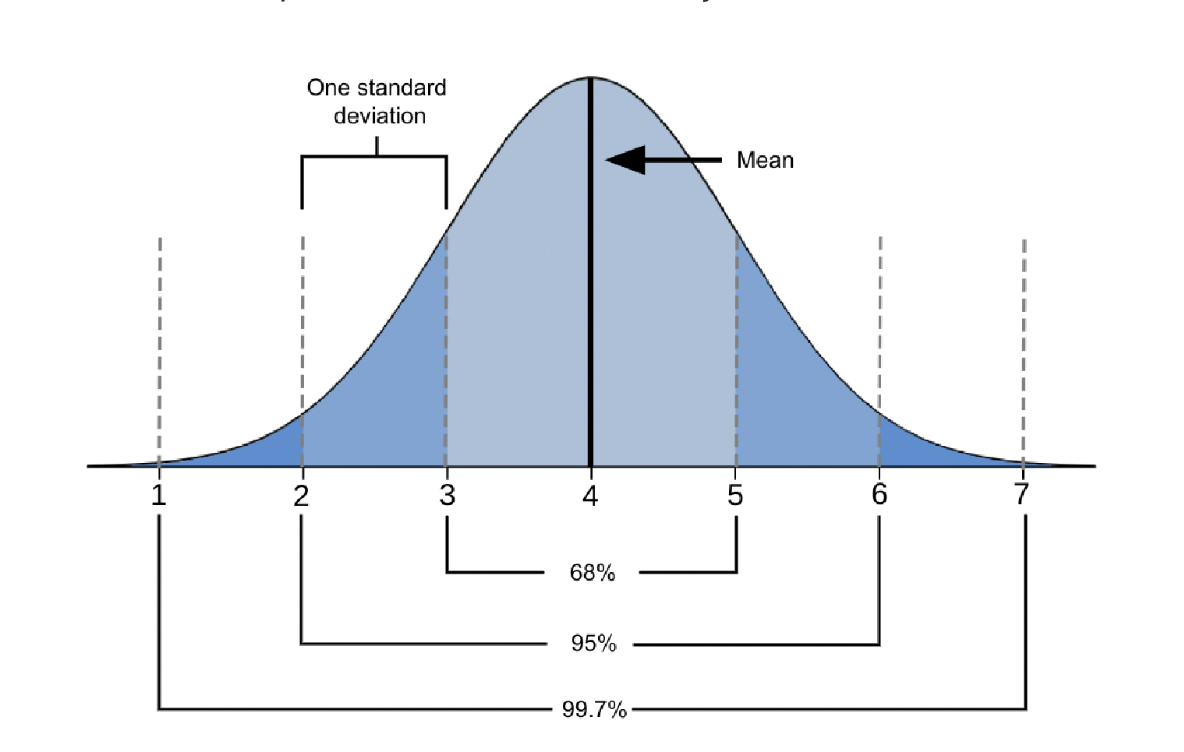
Standard deviation graph
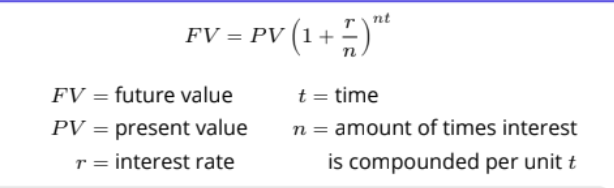
Compound interest formula
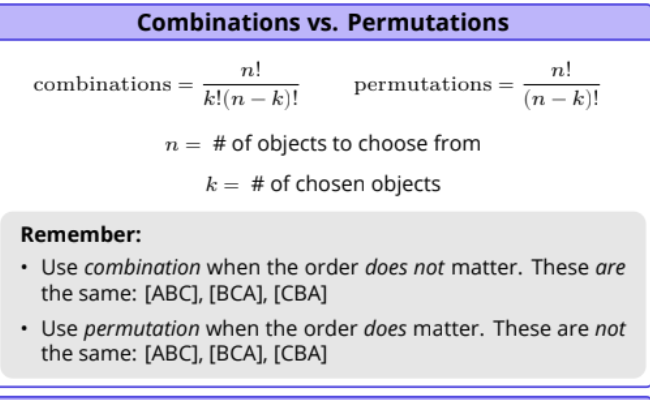
Combination vs Permutations Formula
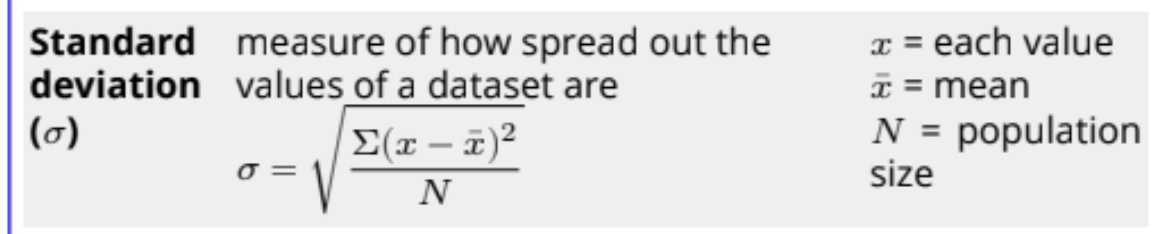
Standard deviation equation
Glycolysis (products & location)
2 pyruvate, 2 ATP, 2 NADH. (Cytosol, cytosol)
Pyruvate oxidation
2 acetyl CoA, 2 CO2, 2 NADH. (Mitochondrial matrix, Cytosol)
**remember: 0 direct ATP
Krebs cycle
4 CO2, 6 NADH, 2 ATP, 2 FADH2 (Mitochondrial matrix, Cytosol)
ETC/Oxidative Phosphorylation
ATP, H2O, NAD+, FAD (Inner mitochondrial membrane, Cell membrane)
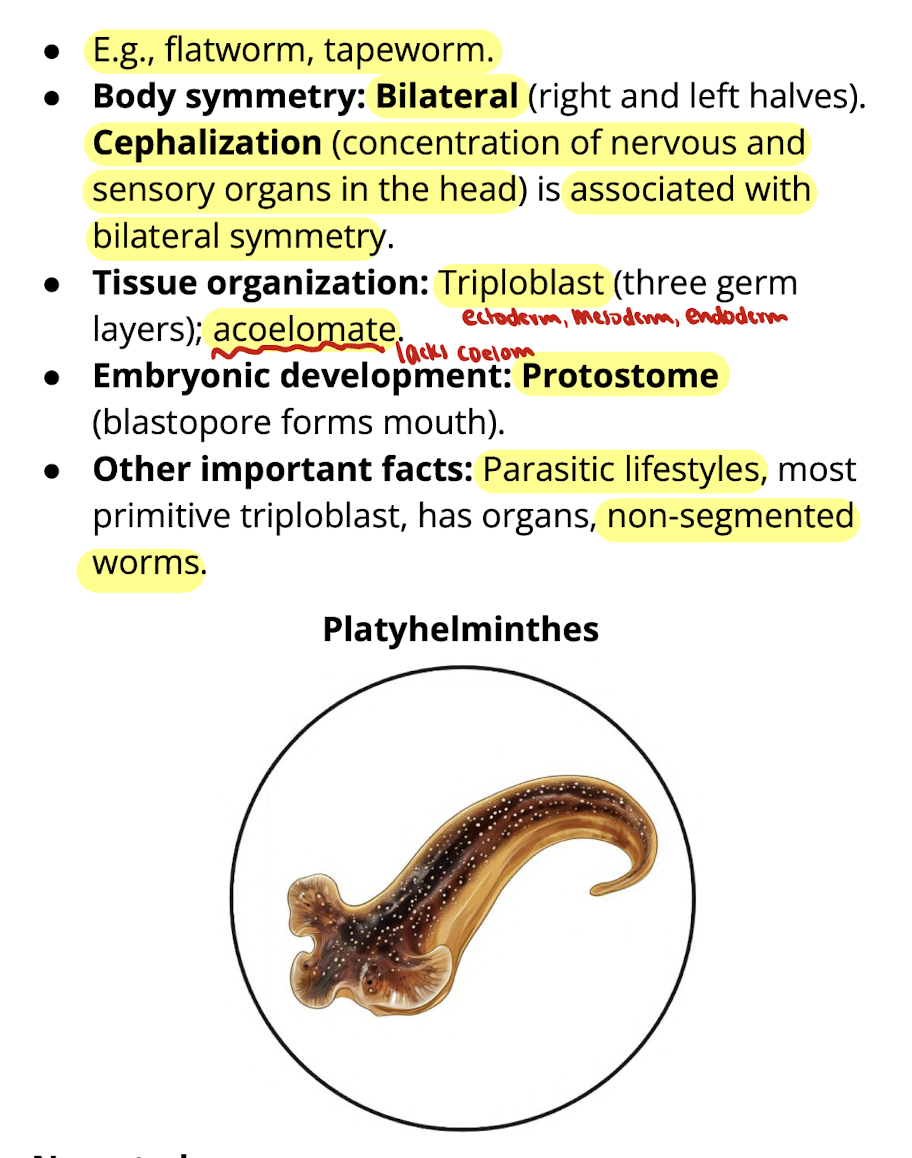
Platyhelminthes
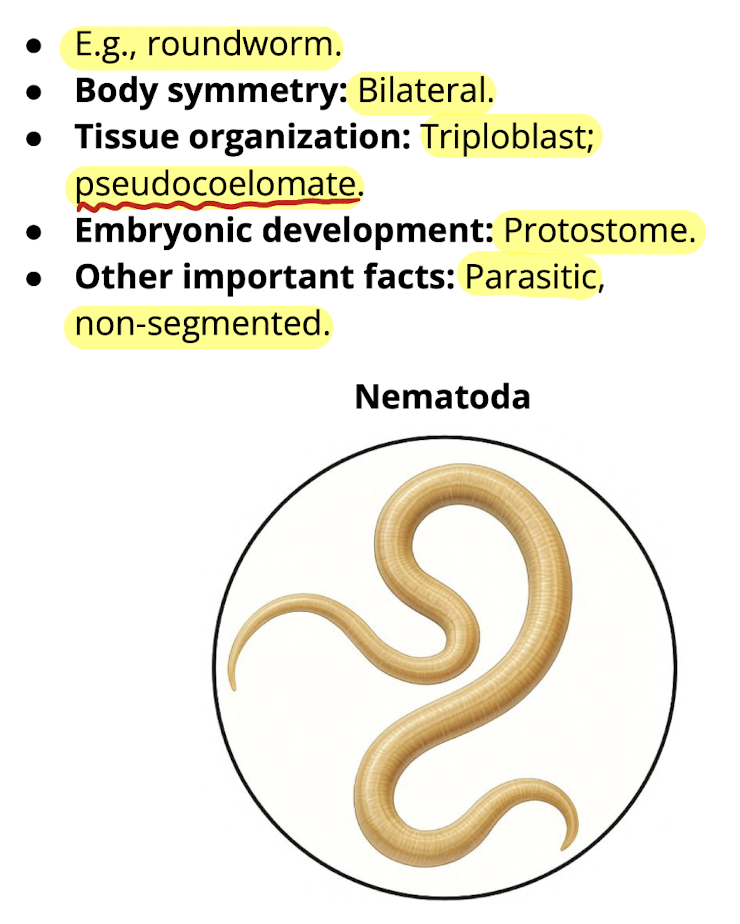
Nematoda
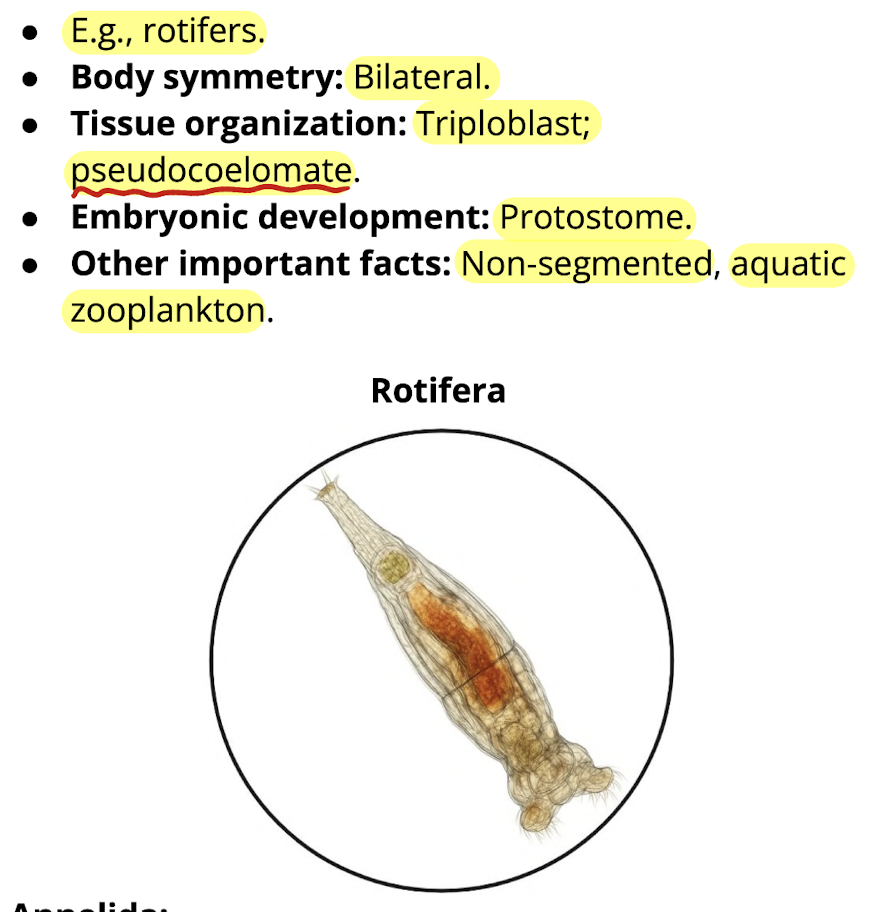
Rotifera
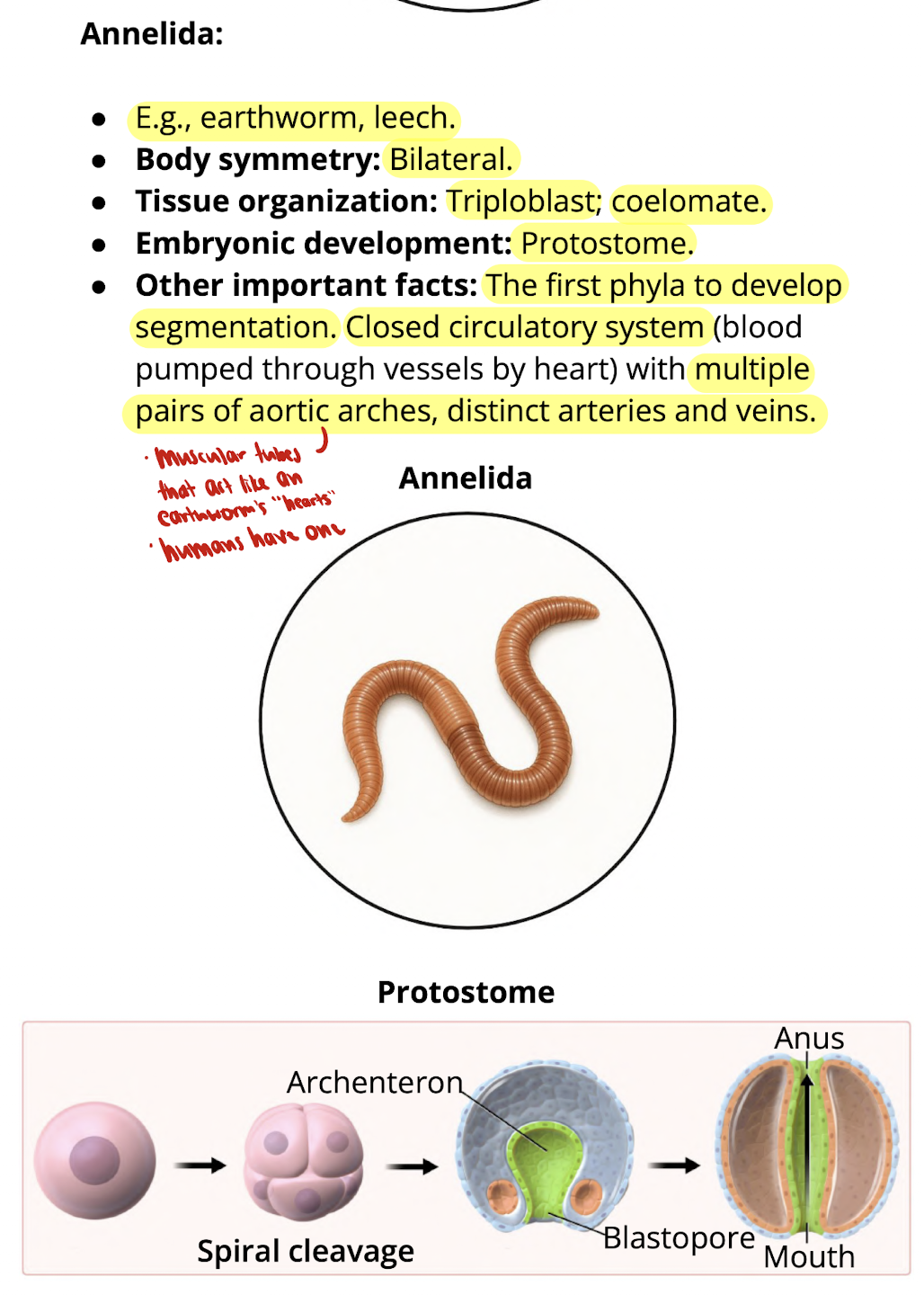
Annelida
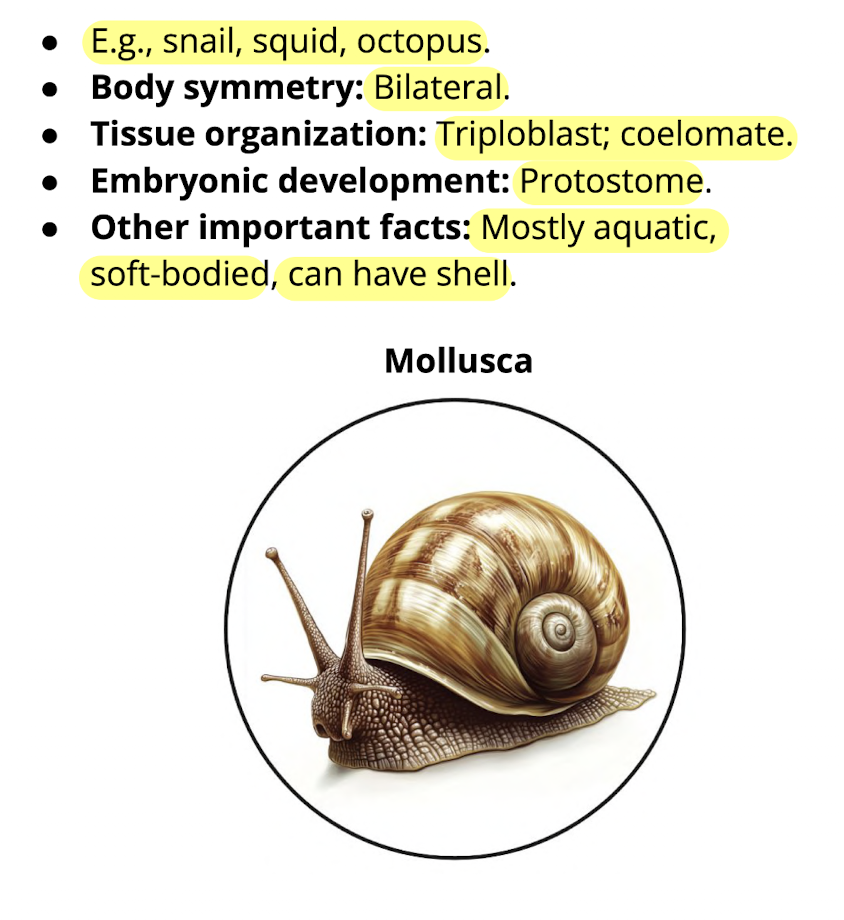
Mollusca
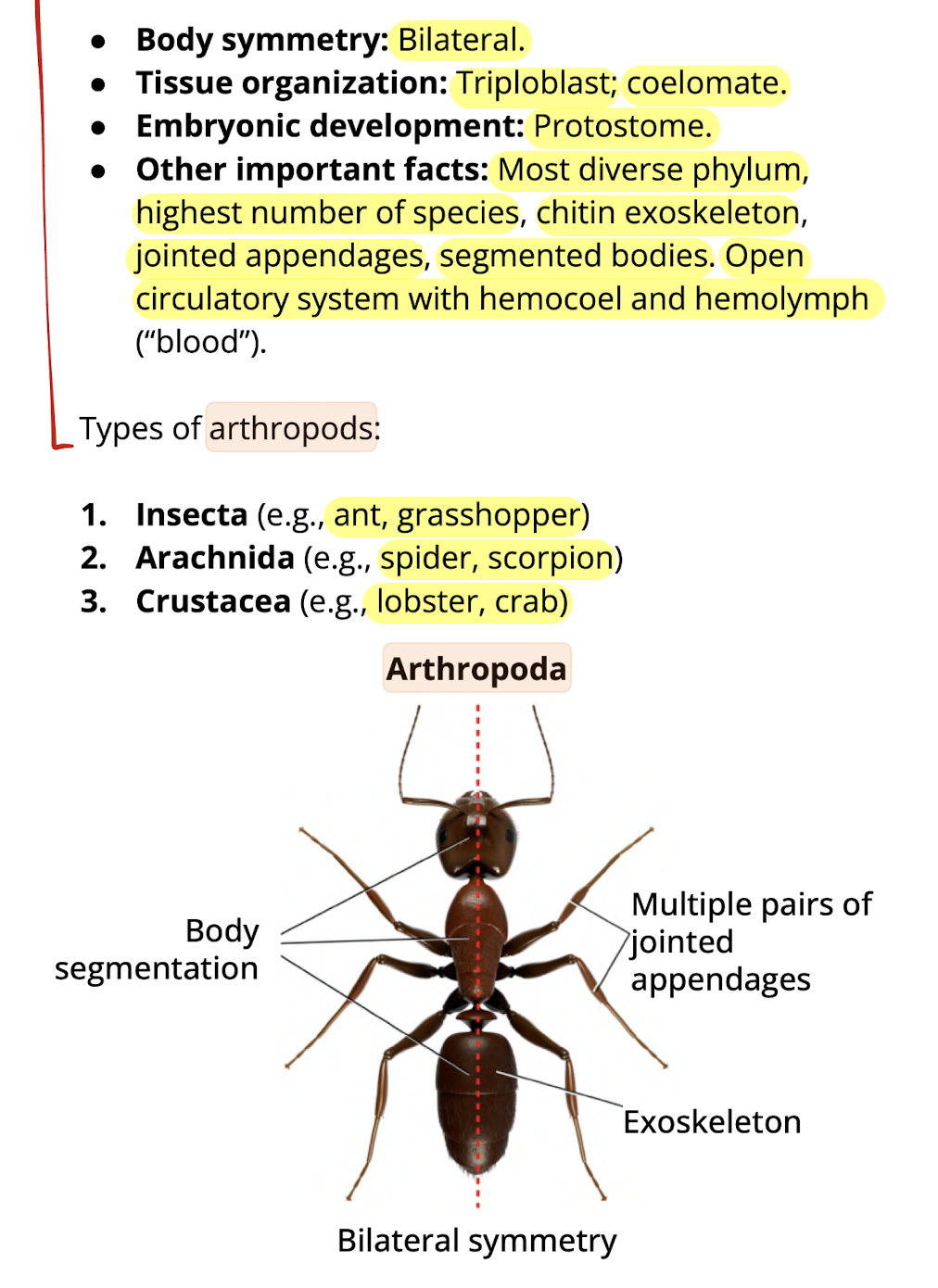
Arthropoda
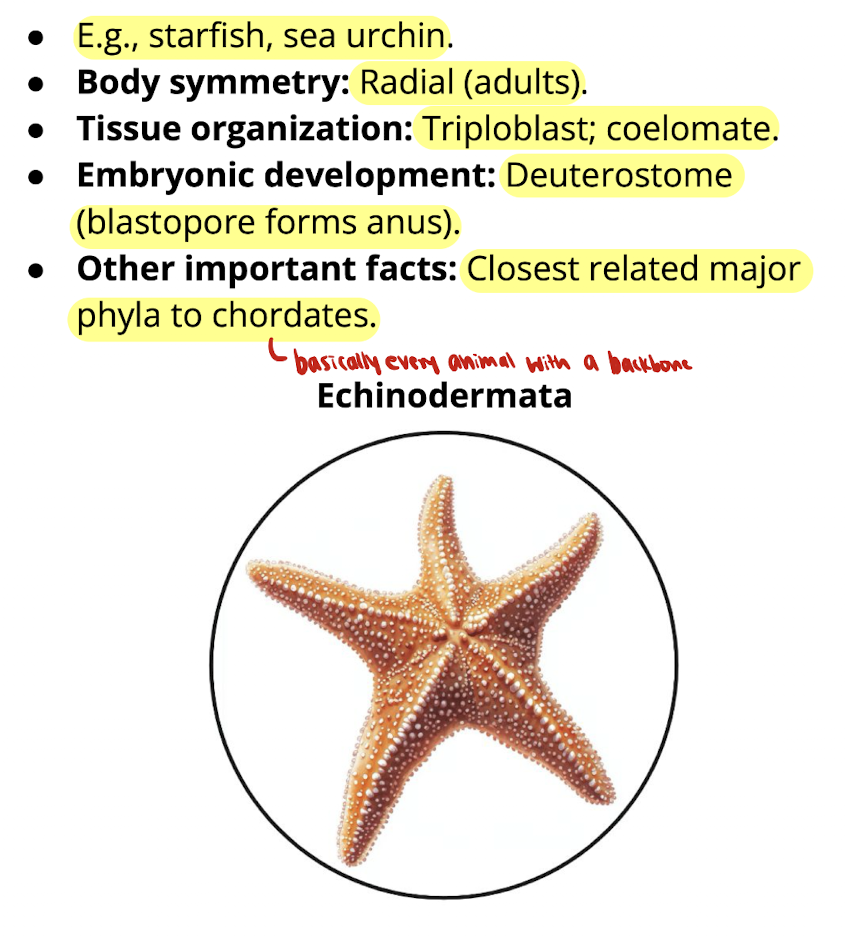
Echinodermata
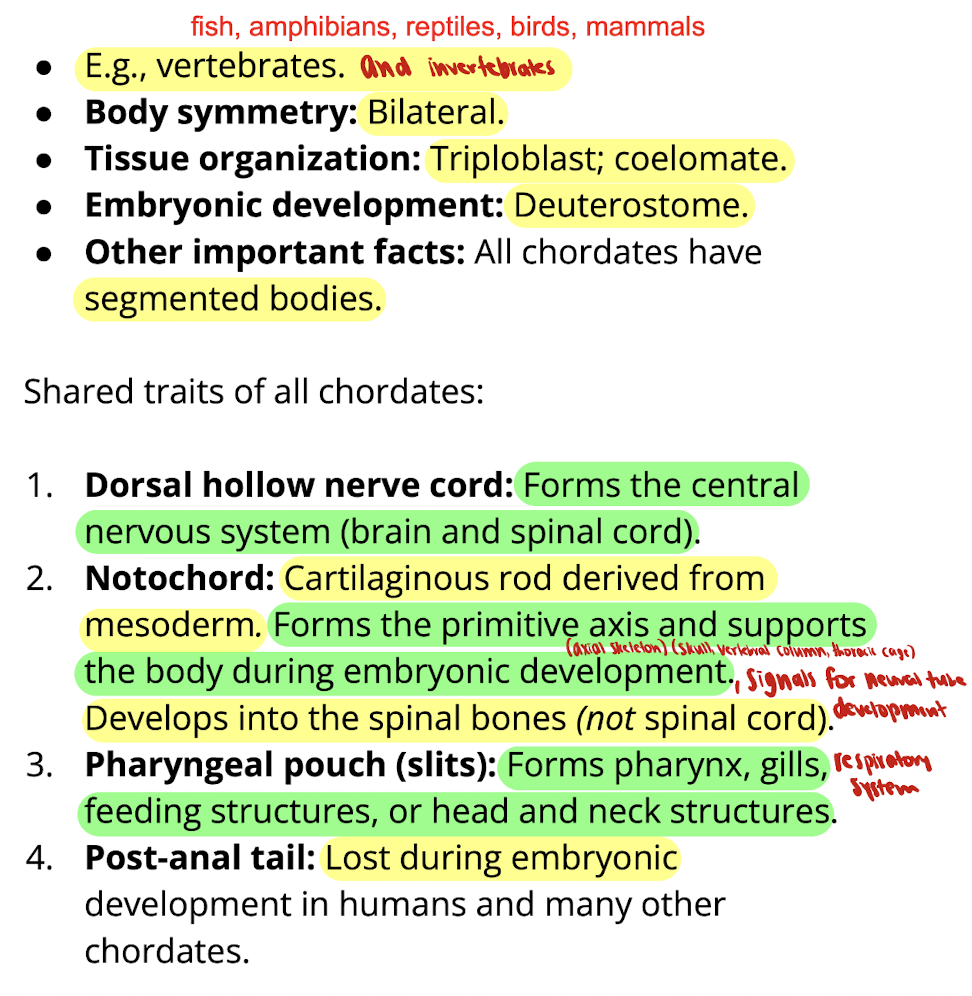
Chordates
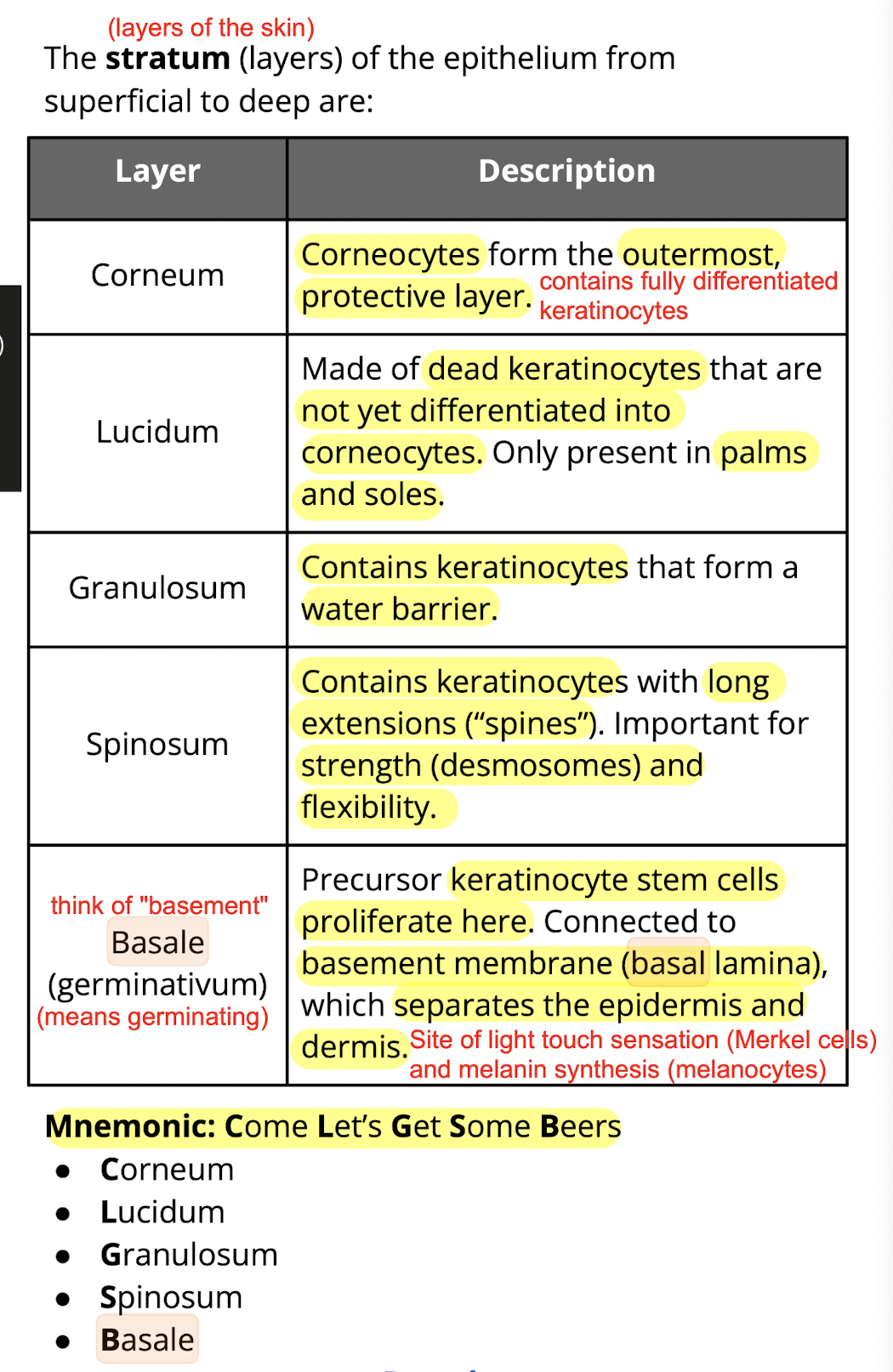
Stratum (layers) of the epithelium
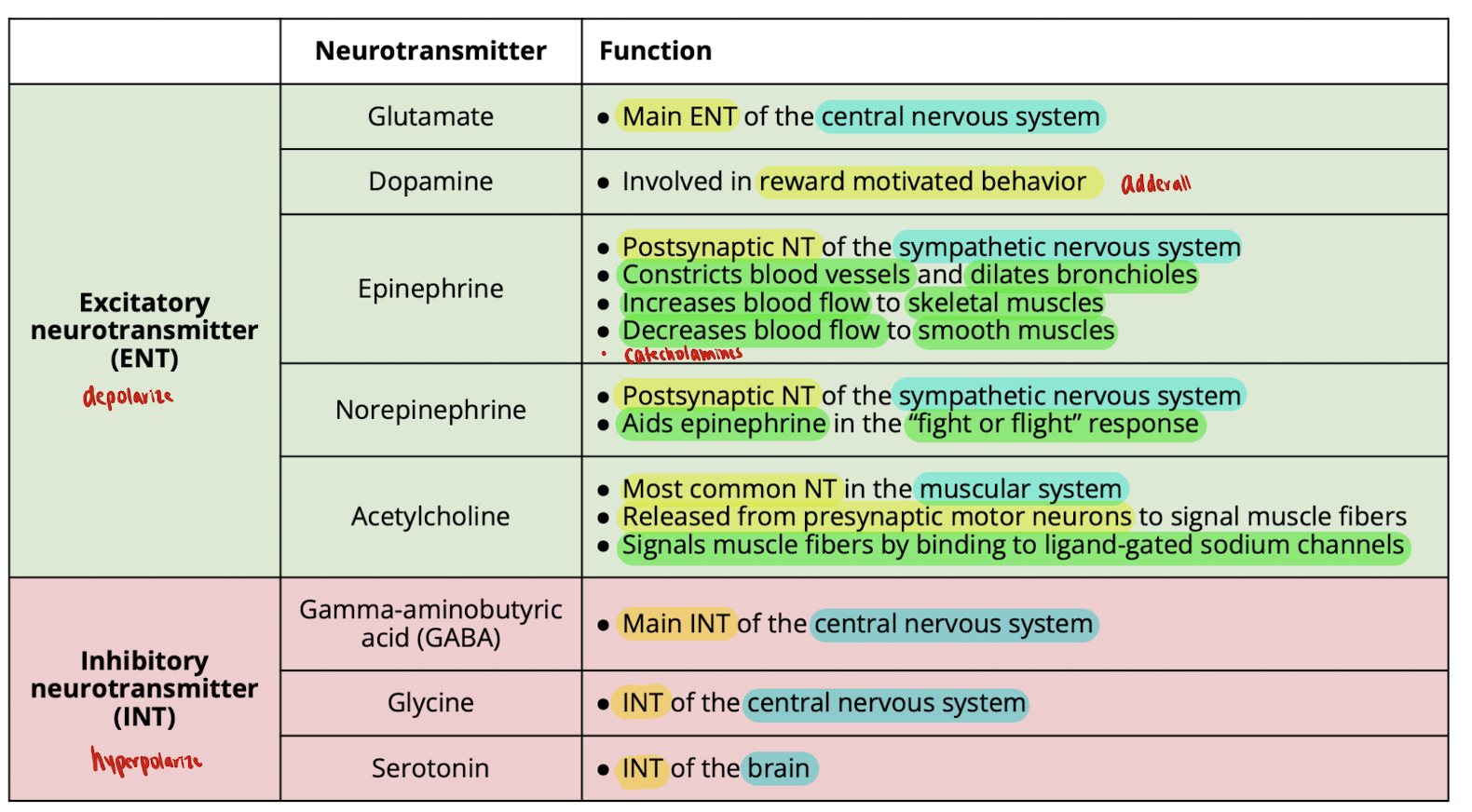
Neurotransmitters and their functions (high yield)