Lab Exam #2 (4-6)
 Call Kai
 Learn
Learn Practice Test
 Spaced Repetition
 Match
Match Flashcards
 Knowt Play
1/86

There's no tags or description
Looks like no tags are added yet.
Name | Mastery | Learn | Test | Matching | Spaced | Call with Kai | Chat |
|---|
No analytics yet
Send a link to your students to track their progress
87 Terms
Blood enters the heart from the .....
superior and inferior vena cava
blood empties into the ______ (from superior/inferior vena cava)
right atrium
Blood leaves the right atrium via
the tricuspid valve
Blood passes the tricuspid valve into the
right ventricle
When the heart beats, the ________ valves open up
pulmonary valves
After the pulmonary valves open up, blood enters into the
pulmonary artery
The pulmonary artery travels to ...
the lungs
Blood returns from the lungs to the heart via the
pulmonary veins
Blood enters the ________ _______ from the pulmonary veins
left atrium
From the left atrium, the _______ valve opens up
bicuspid (mitral) valve
The bicuspid valve transports blood to the ....
left ventricle
From the left ventricle, the blood passes through the ....
aortic semilunar valve
The aortic valve transports blood to the
aorta
The aorta then transports the blood ...
throughout the body
Pulmonary circuit consists of ....
superior and inferior vena cava, right atrium, tricuspid valve, right ventricle, pulmonary valves, pulmonary artery, lungs, and pulmonary veins.
Systemic circuit consists of ...
pulmonary veins, left atrium, bicuspid (mitral) valve, left ventricle, aortic valve, aorta, and "body".
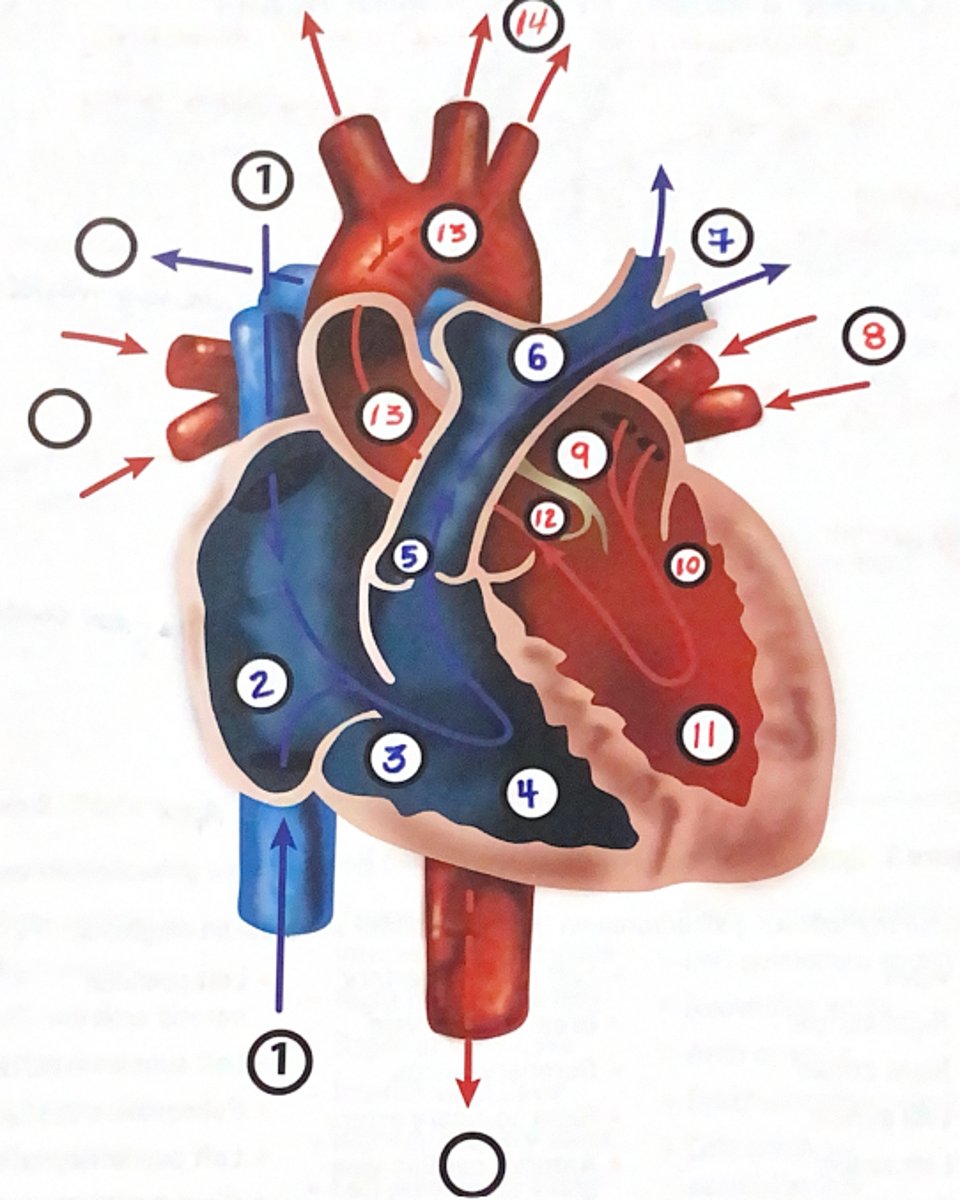
#1
Superior and Inferior Vena Cava
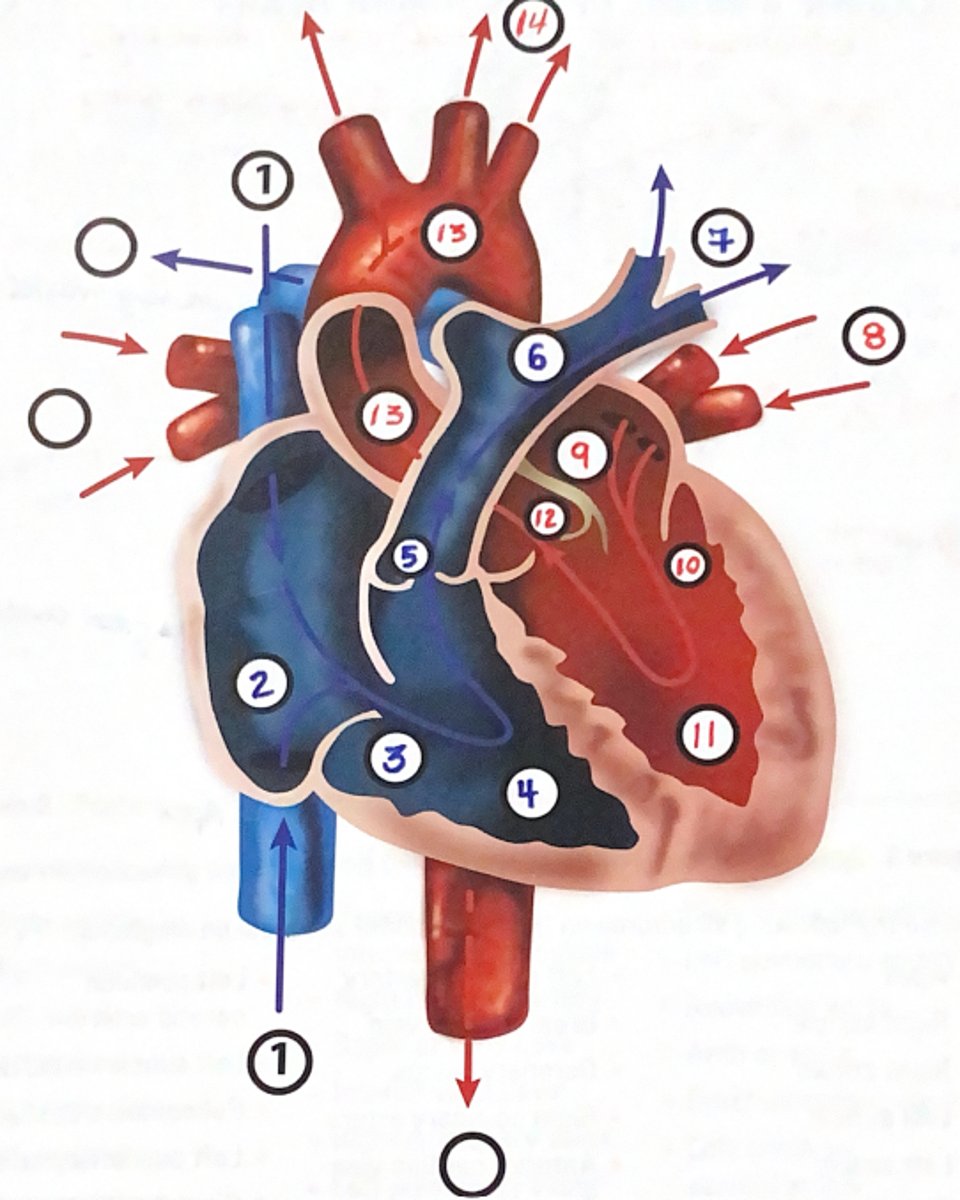
#2
Right atrium (heart diagram)
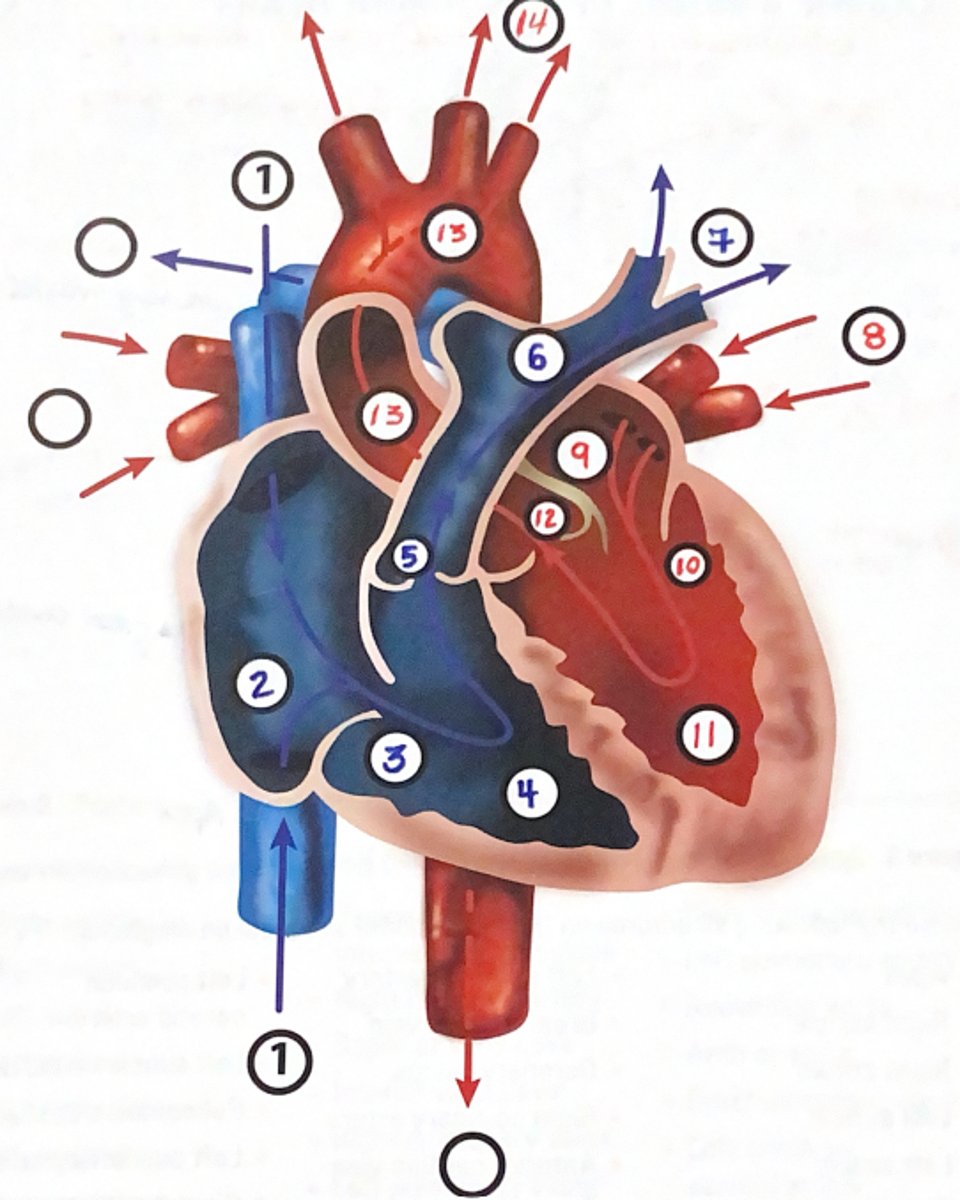
#3
Tricuspid Valve
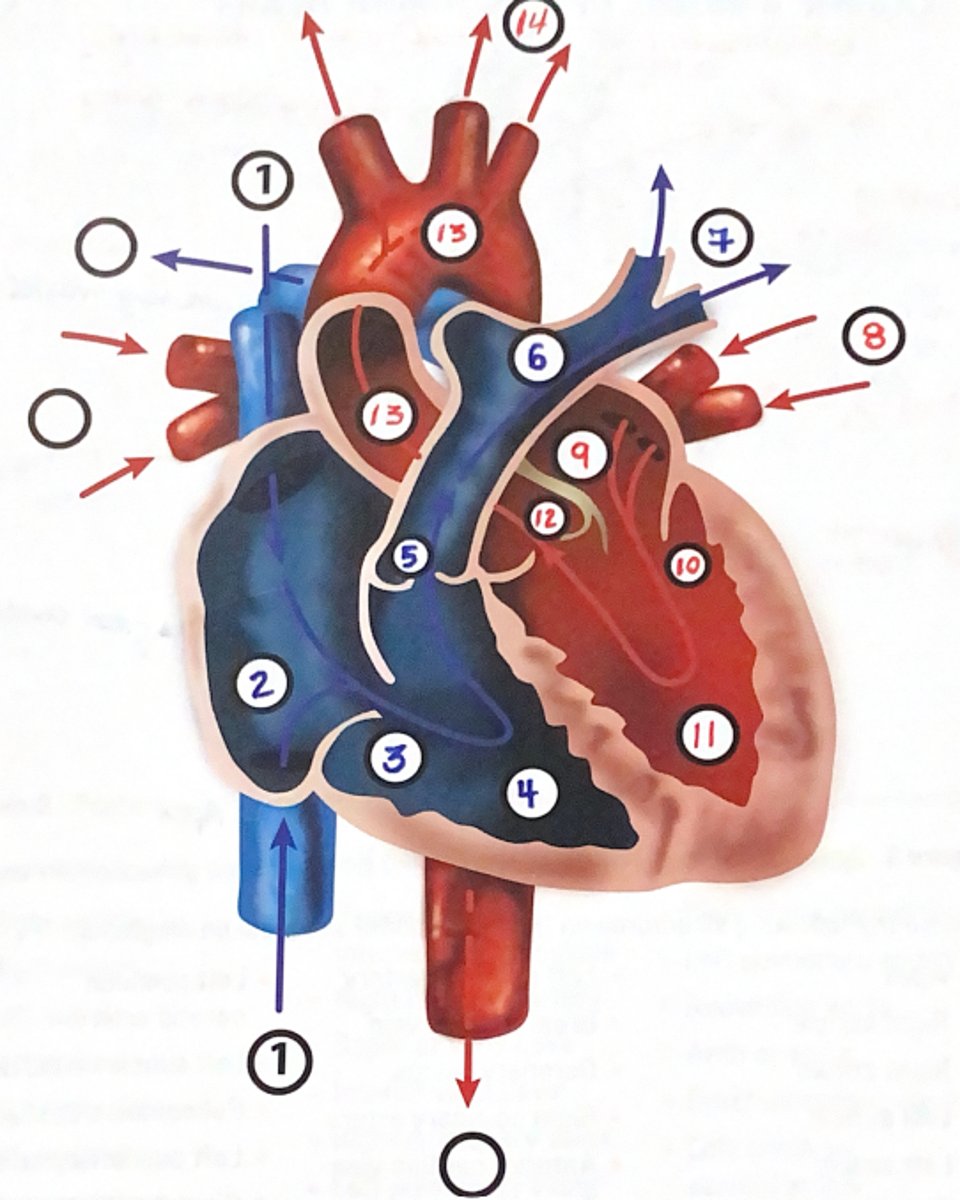
#4
Right Ventricle
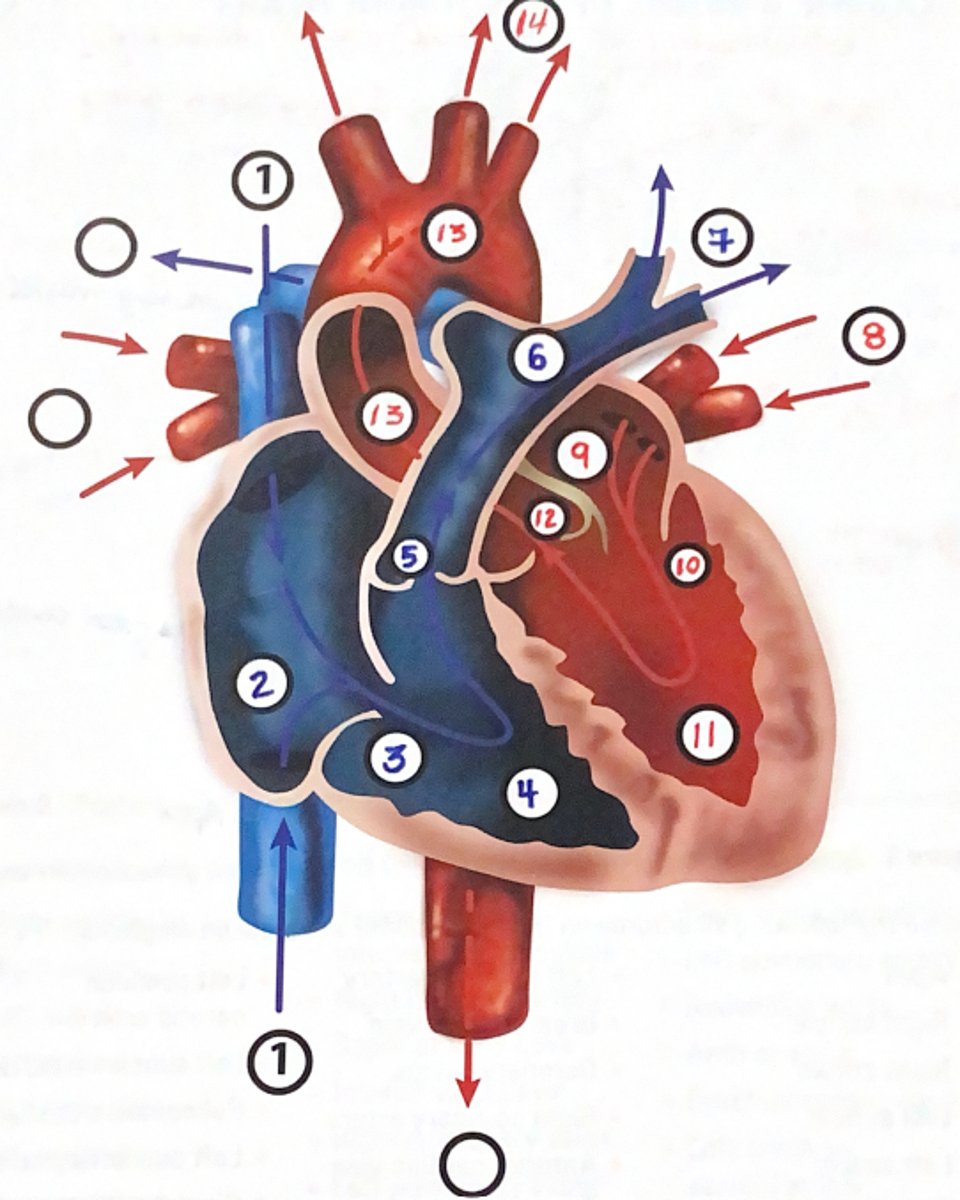
#5
Pulmonary Valves
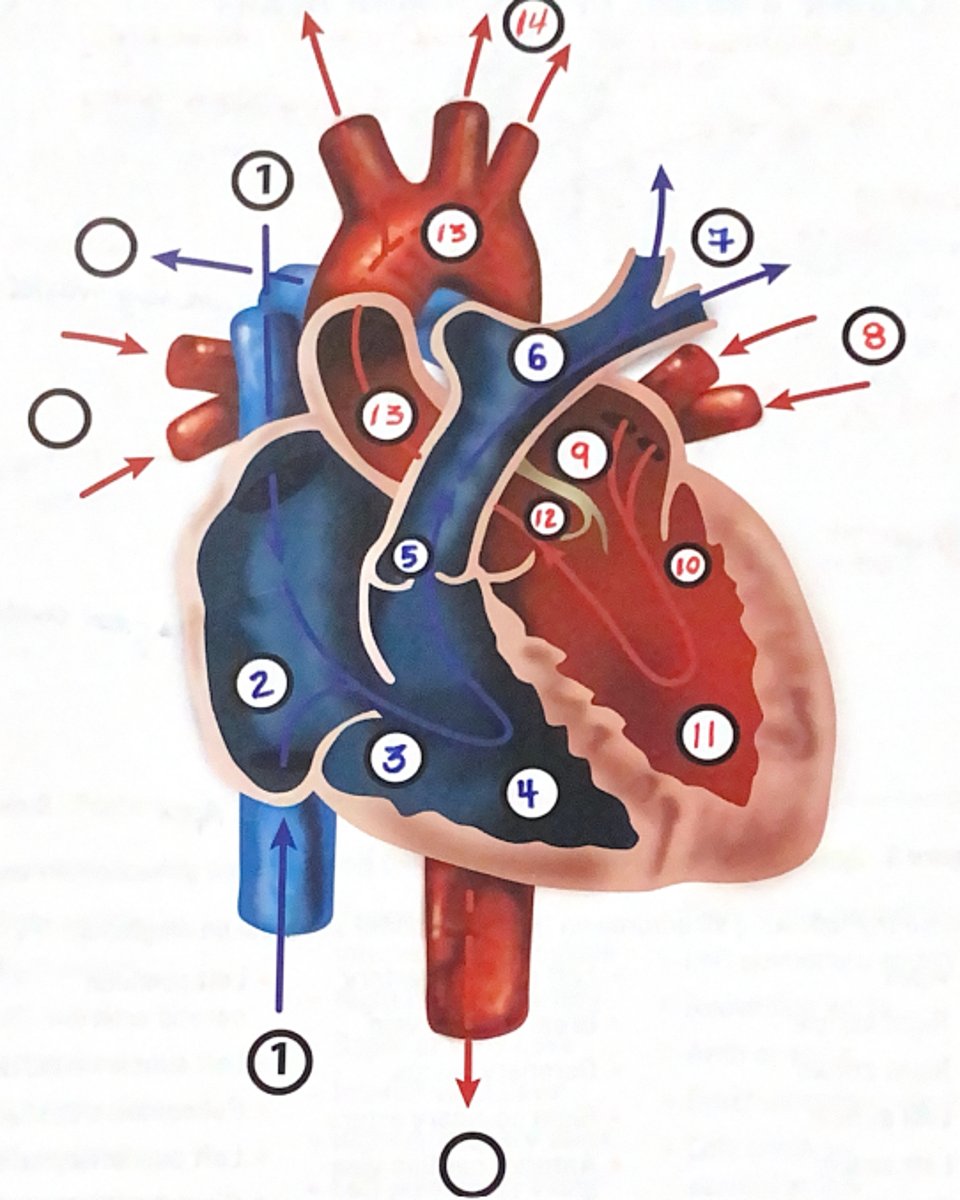
#6
Pulmonary Artery
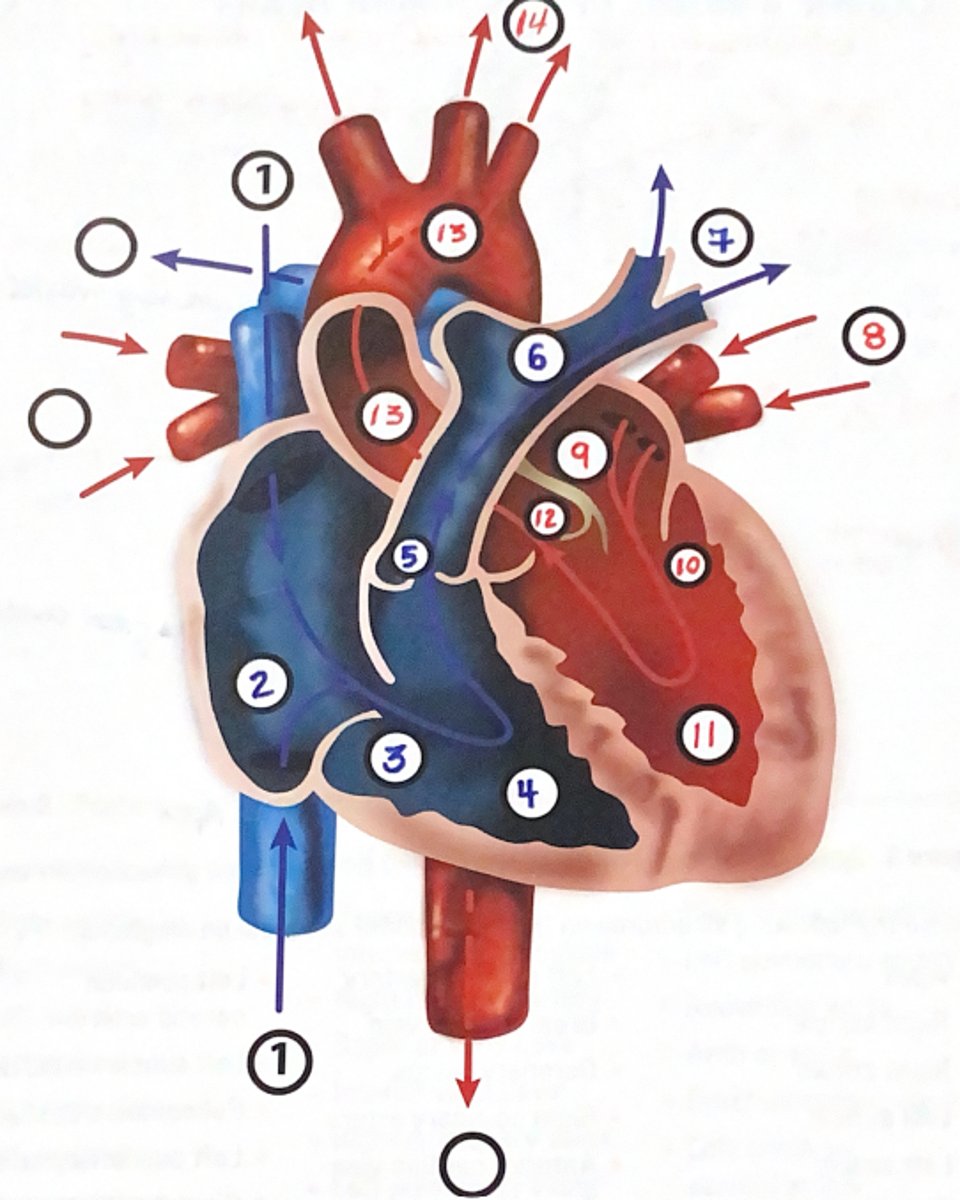
#7
Lungs
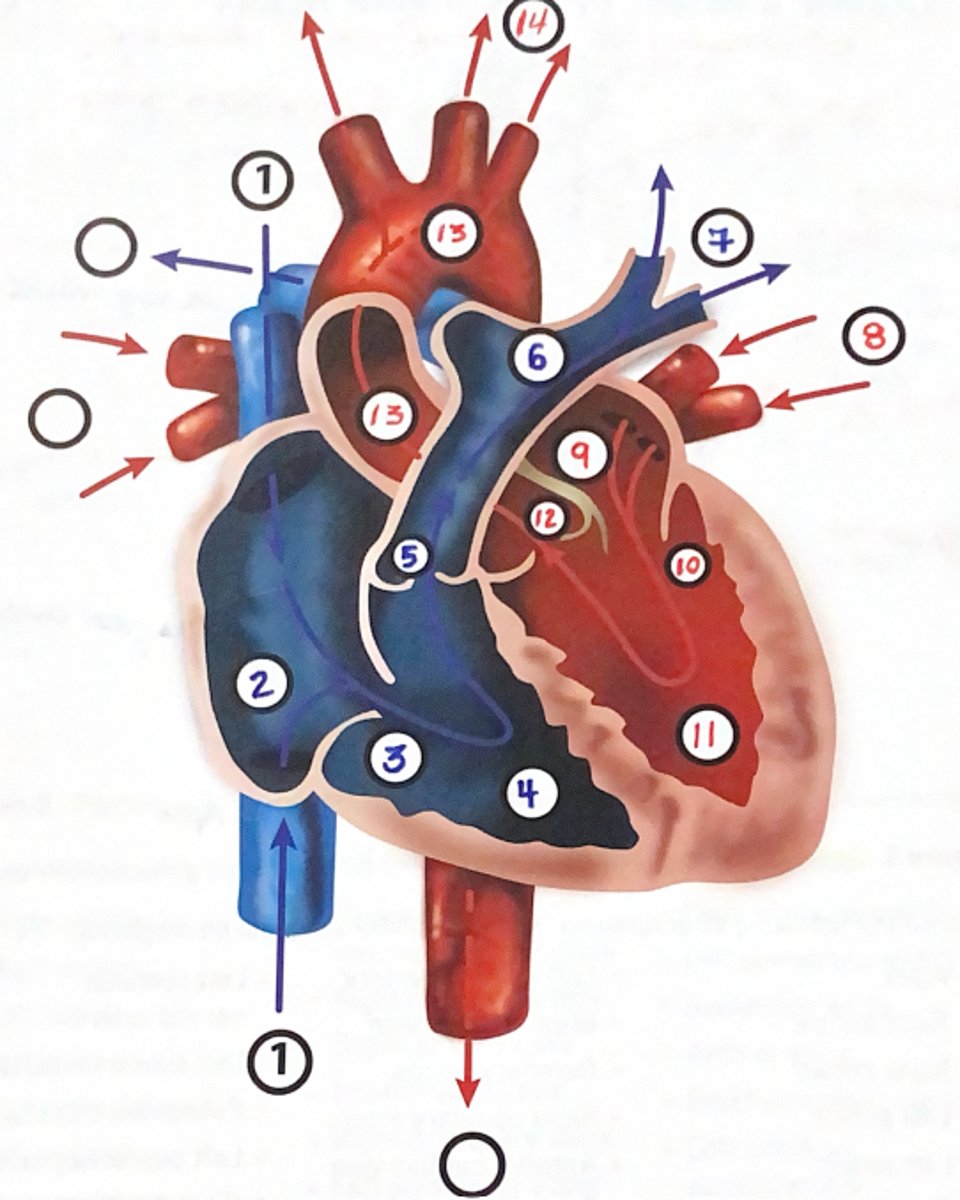
#8
Pulmonary Veins
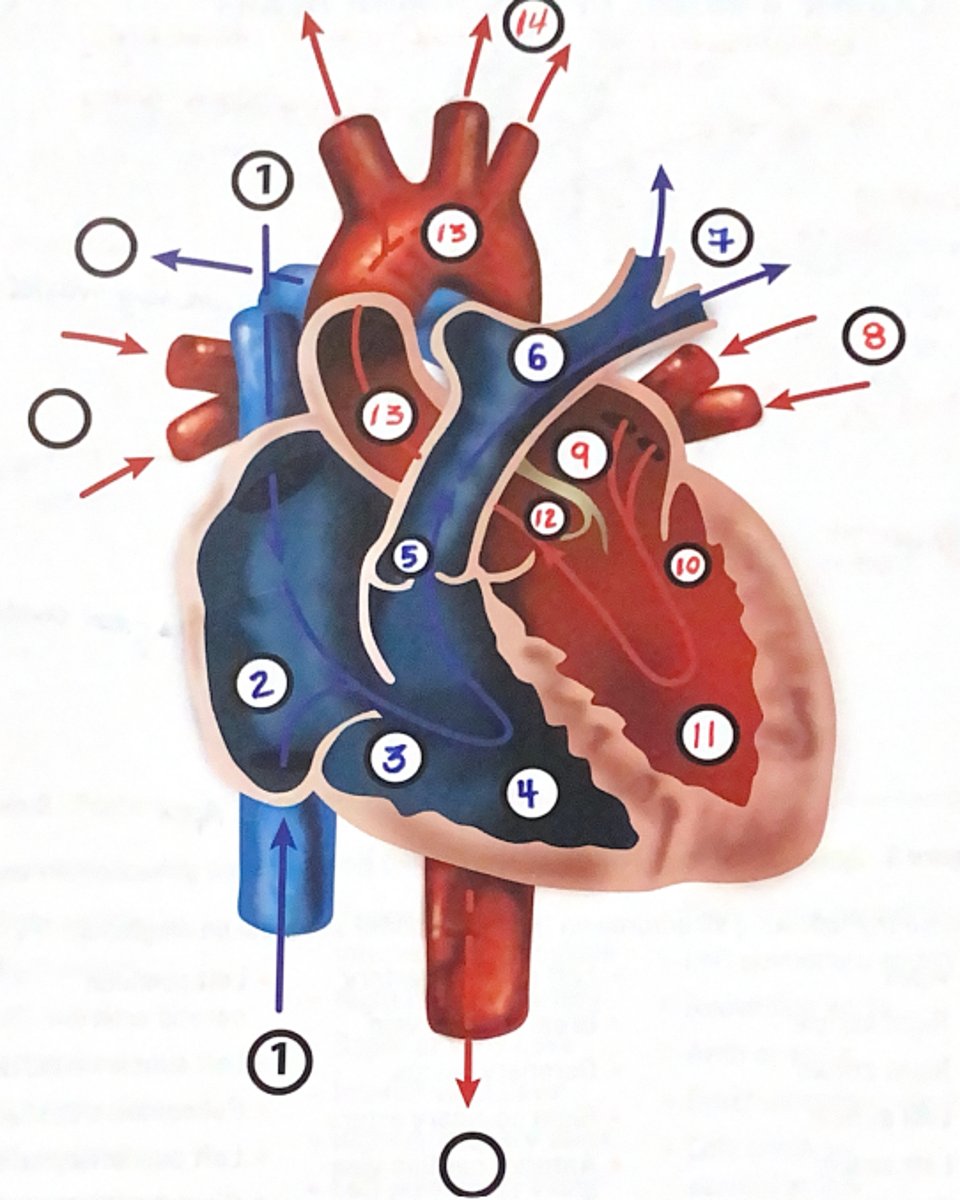
#9
Left Atrium
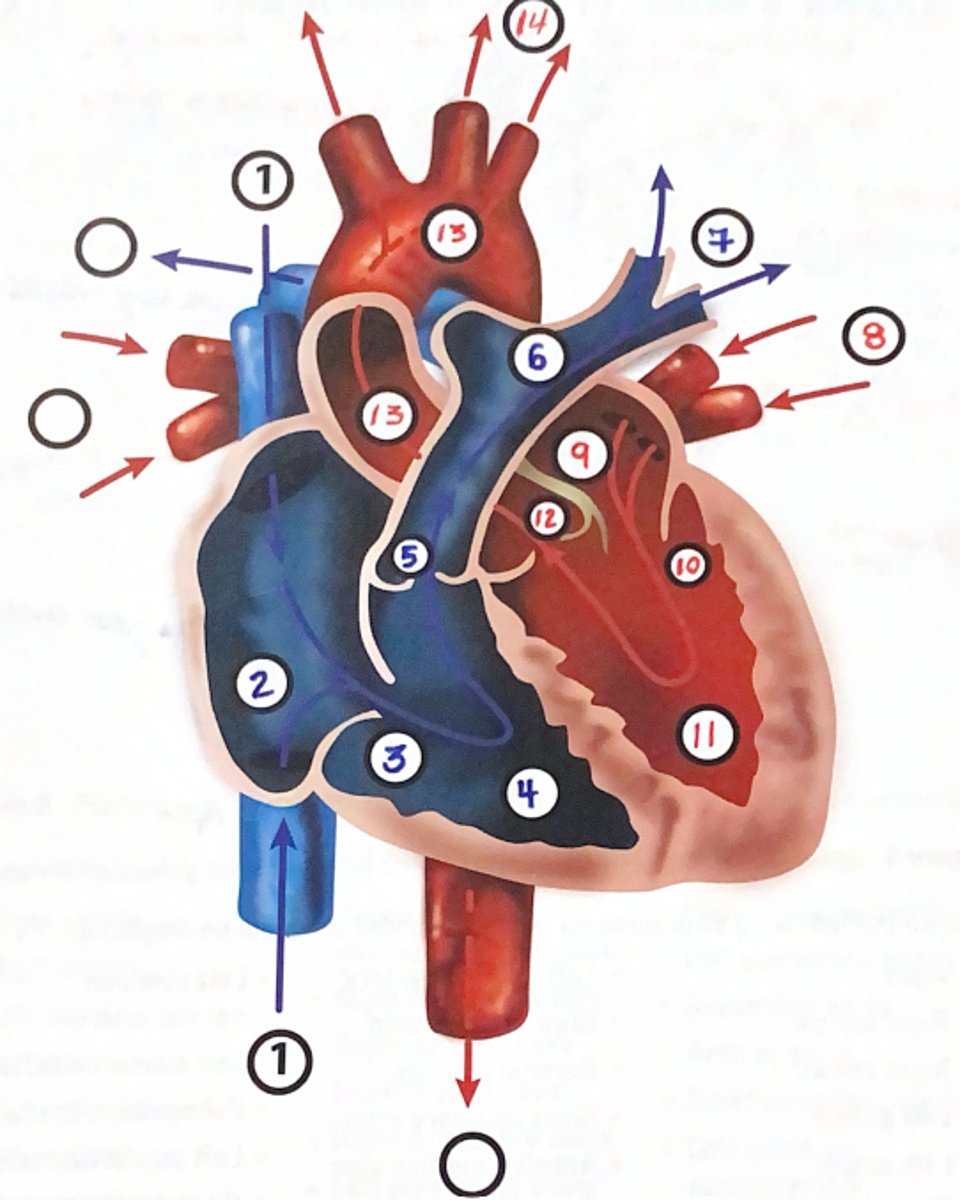
#10
Bicuspid (Mitral) Valve
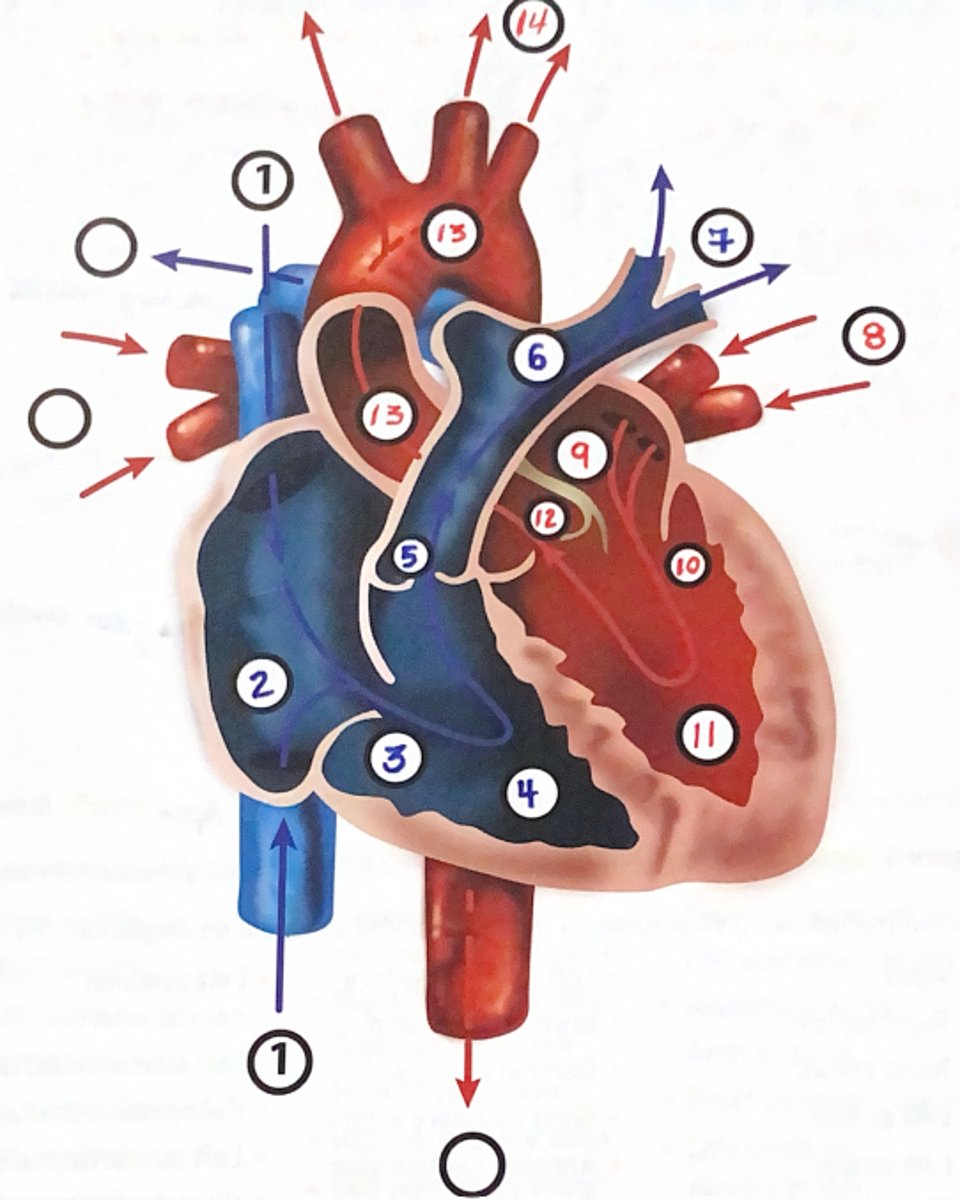
#11
Left Ventricle
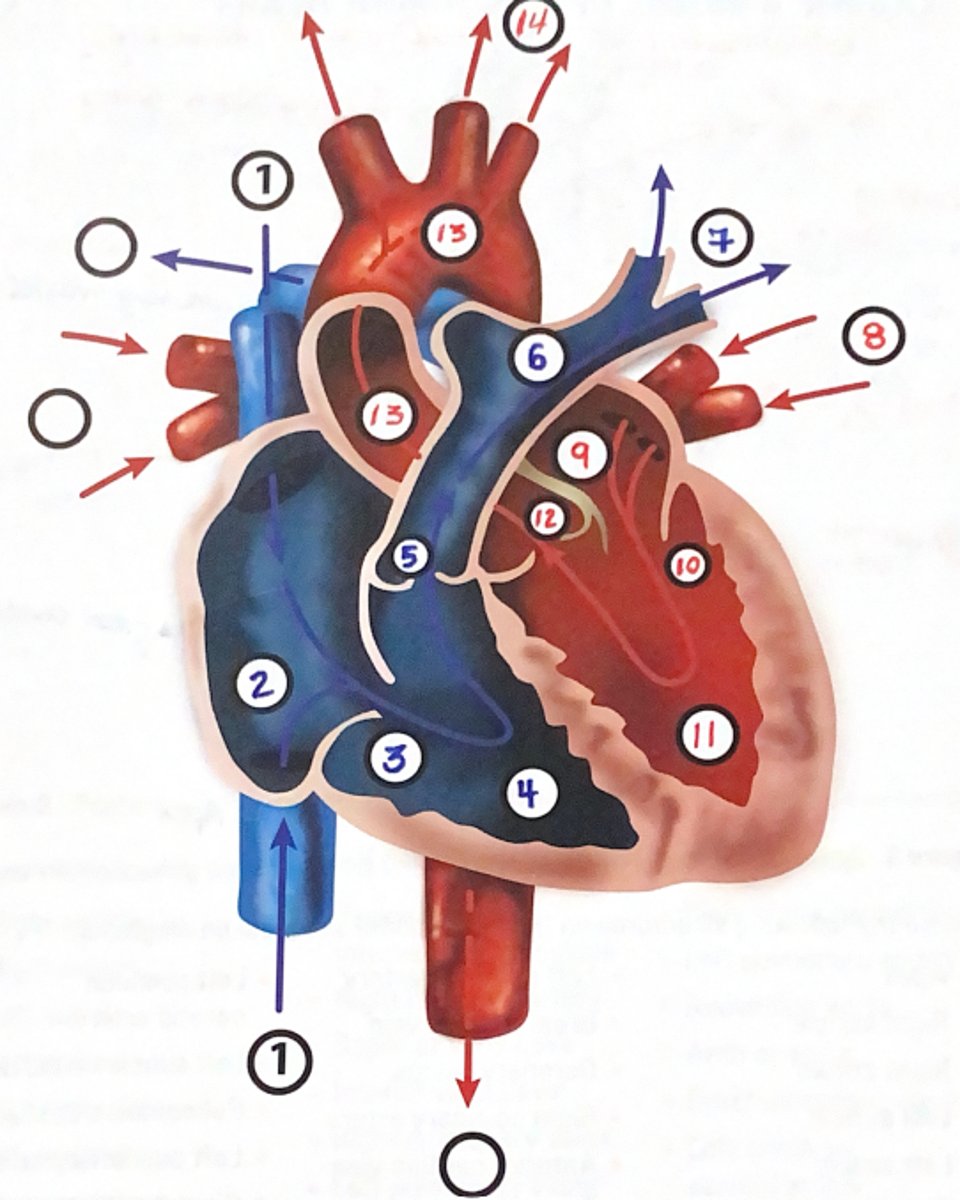
#12
Aortic Valve
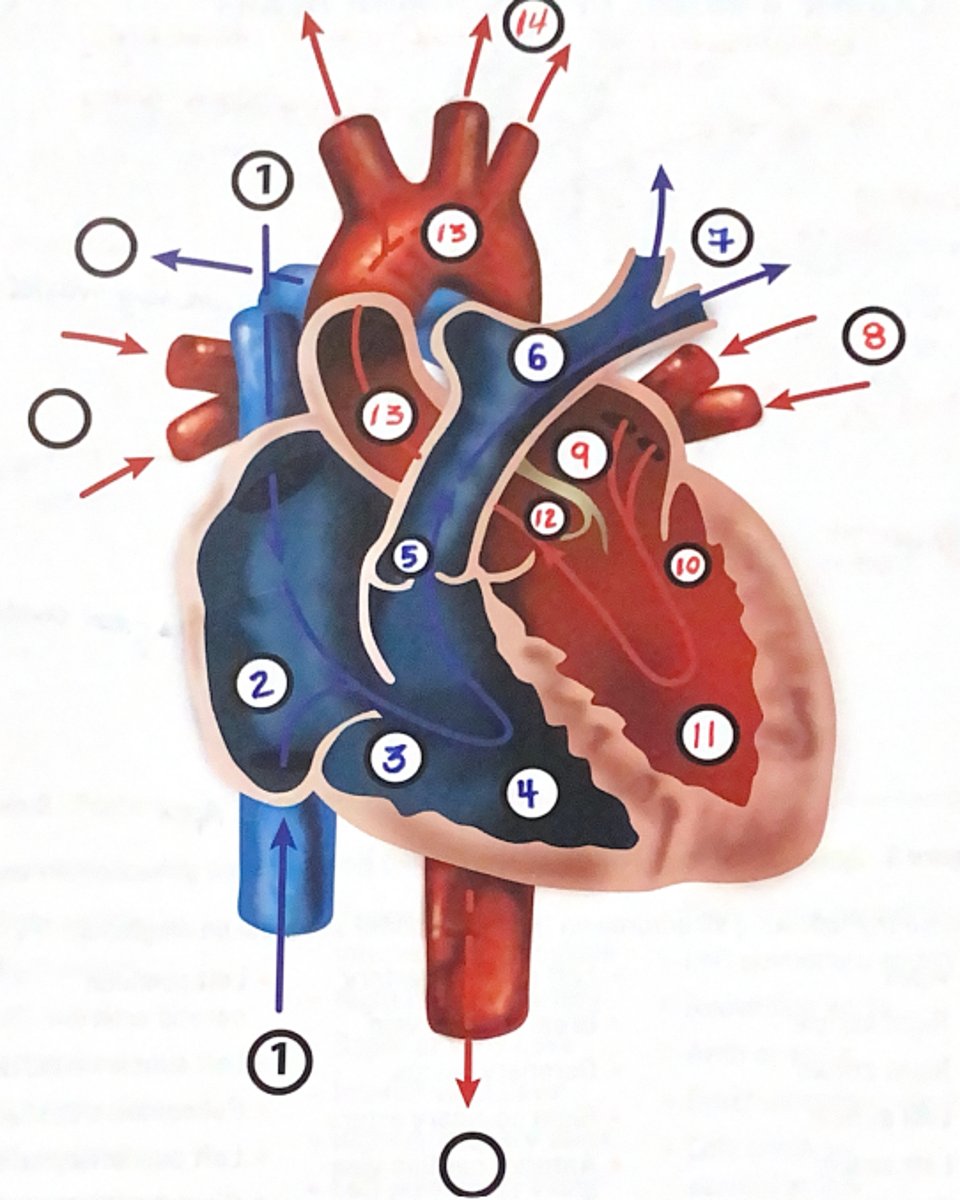
#13
Aorta
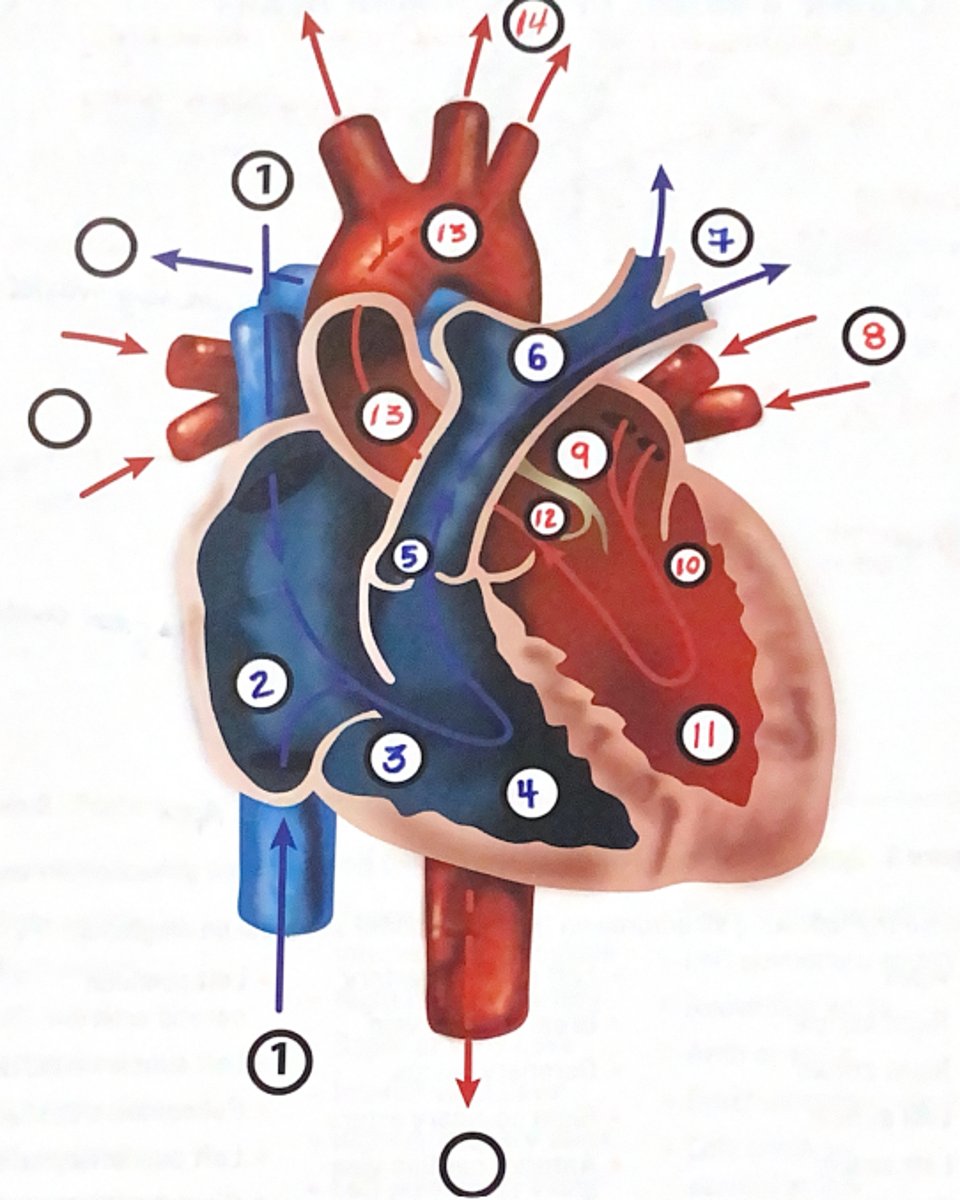
#14
Rest of body
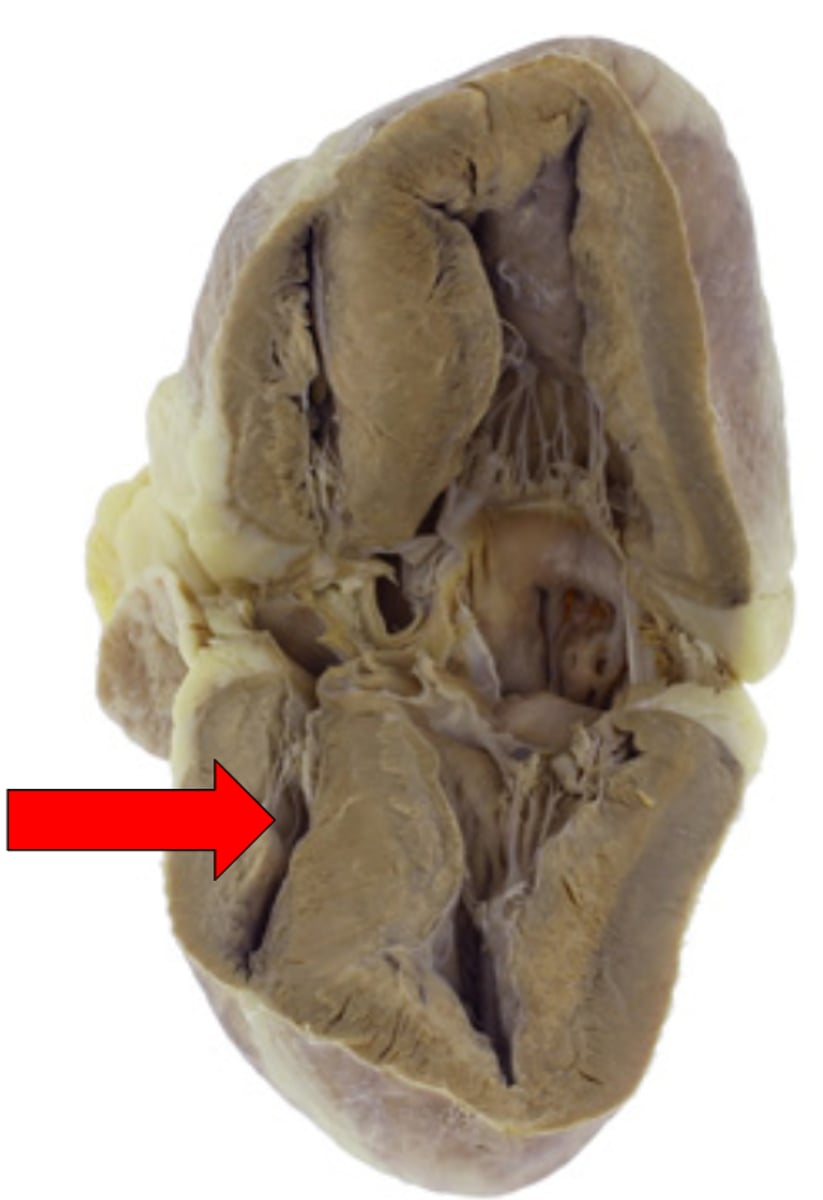
Right ventricle (sheep)
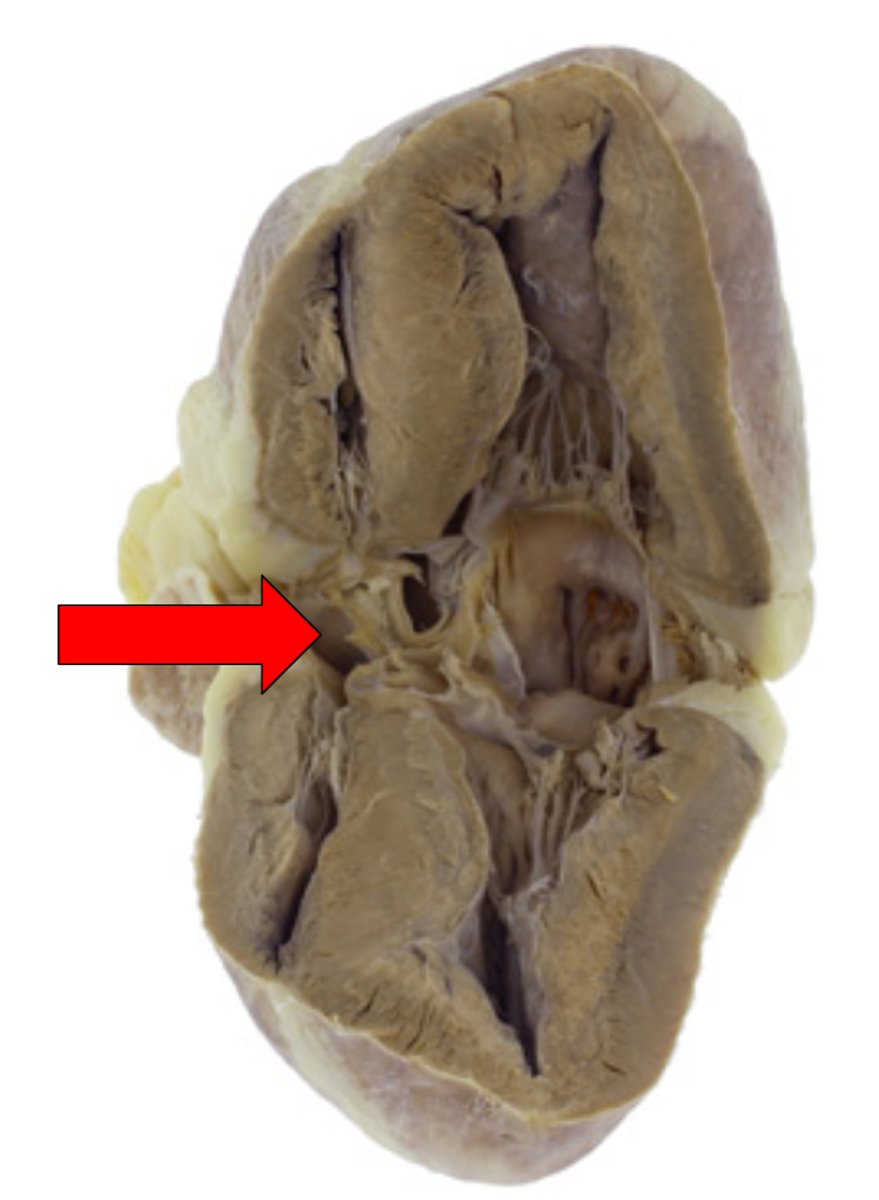
Right atrium (sheep)
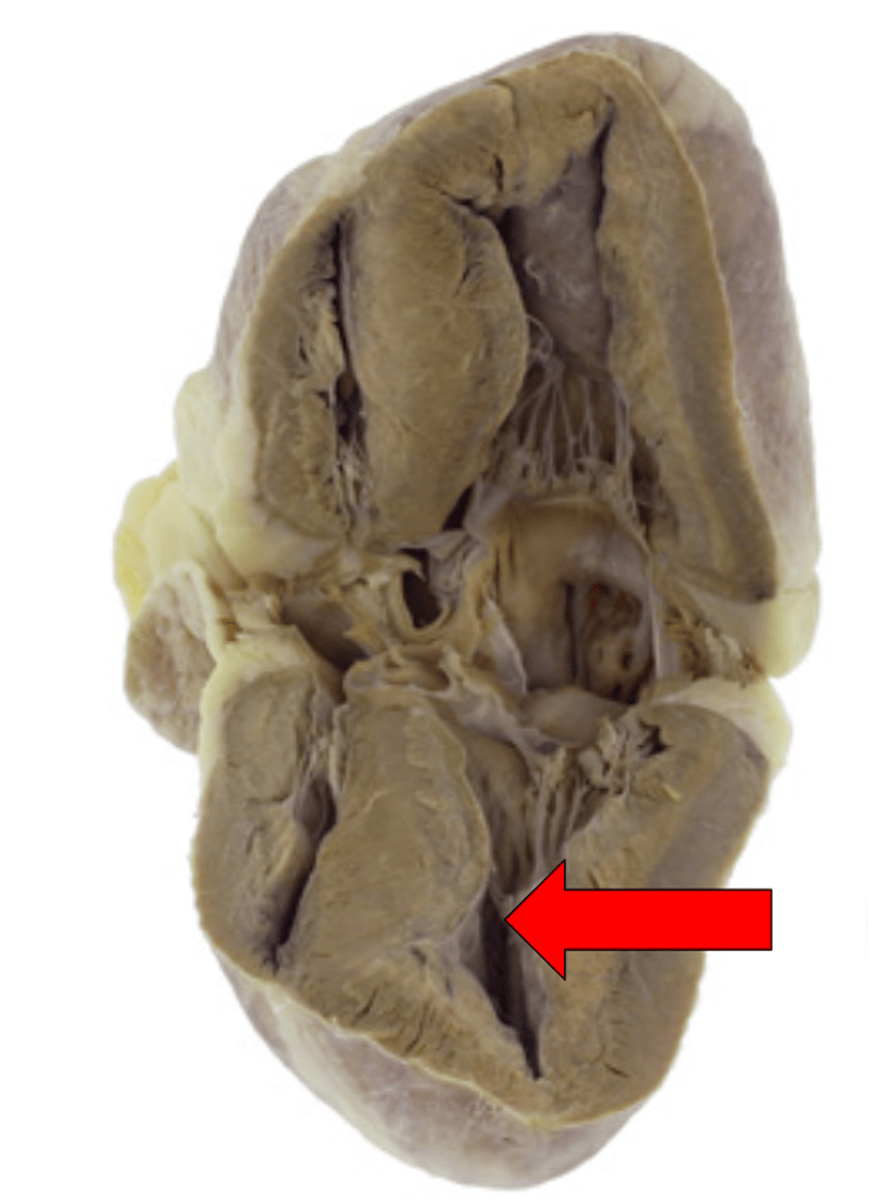
Left Ventricle (sheep)
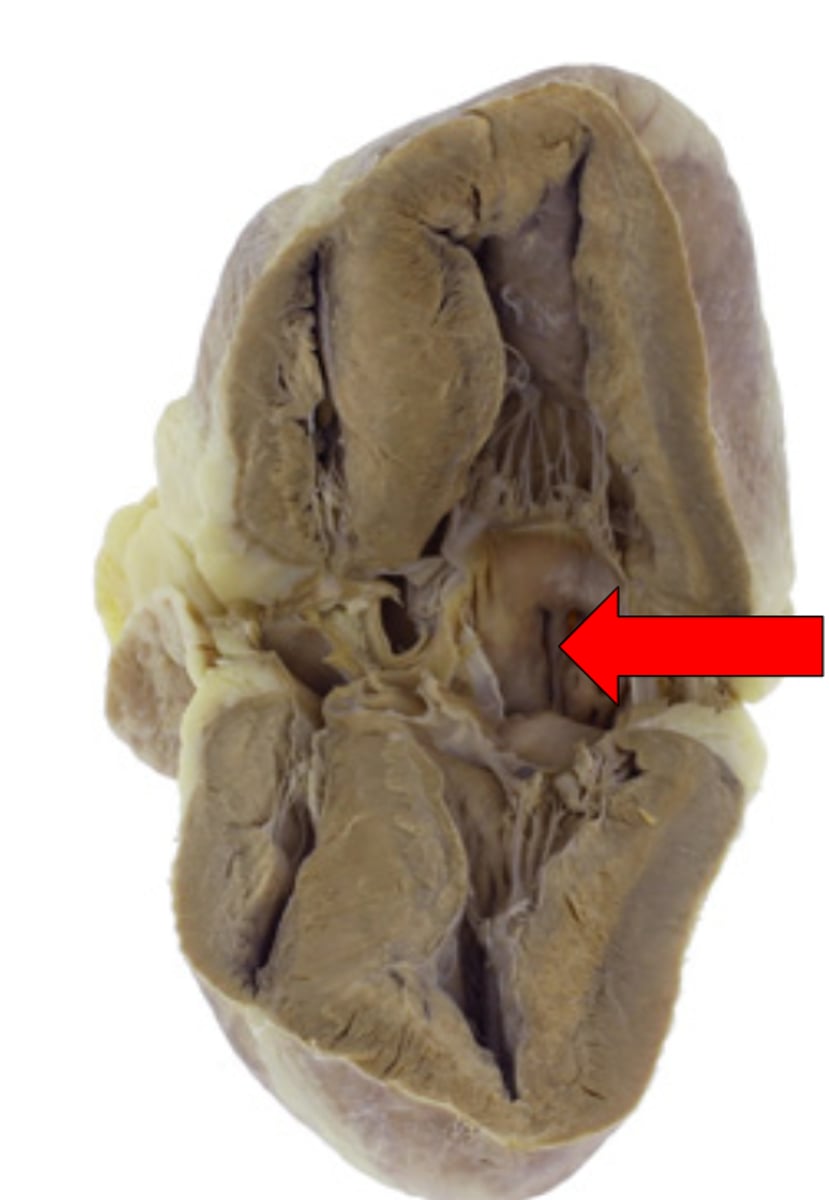
Left atrium (sheep)
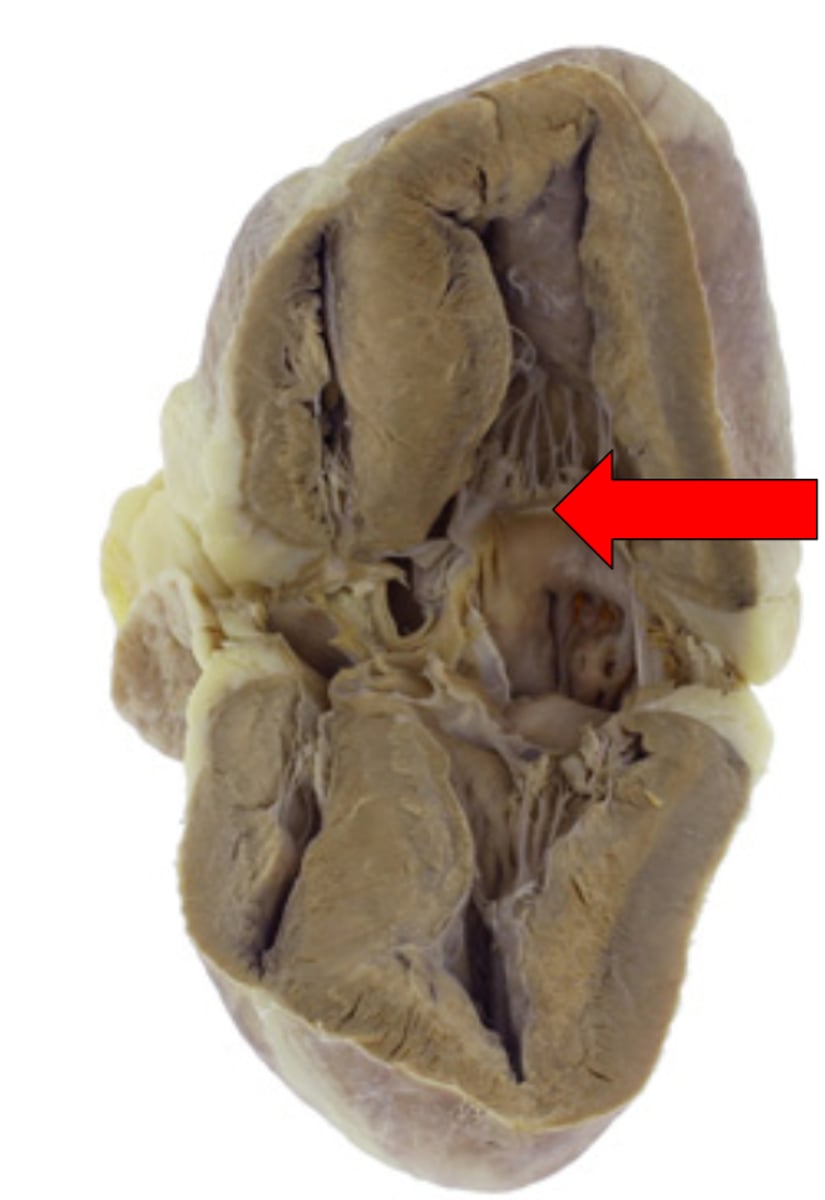
Bicuspid valve (sheep)
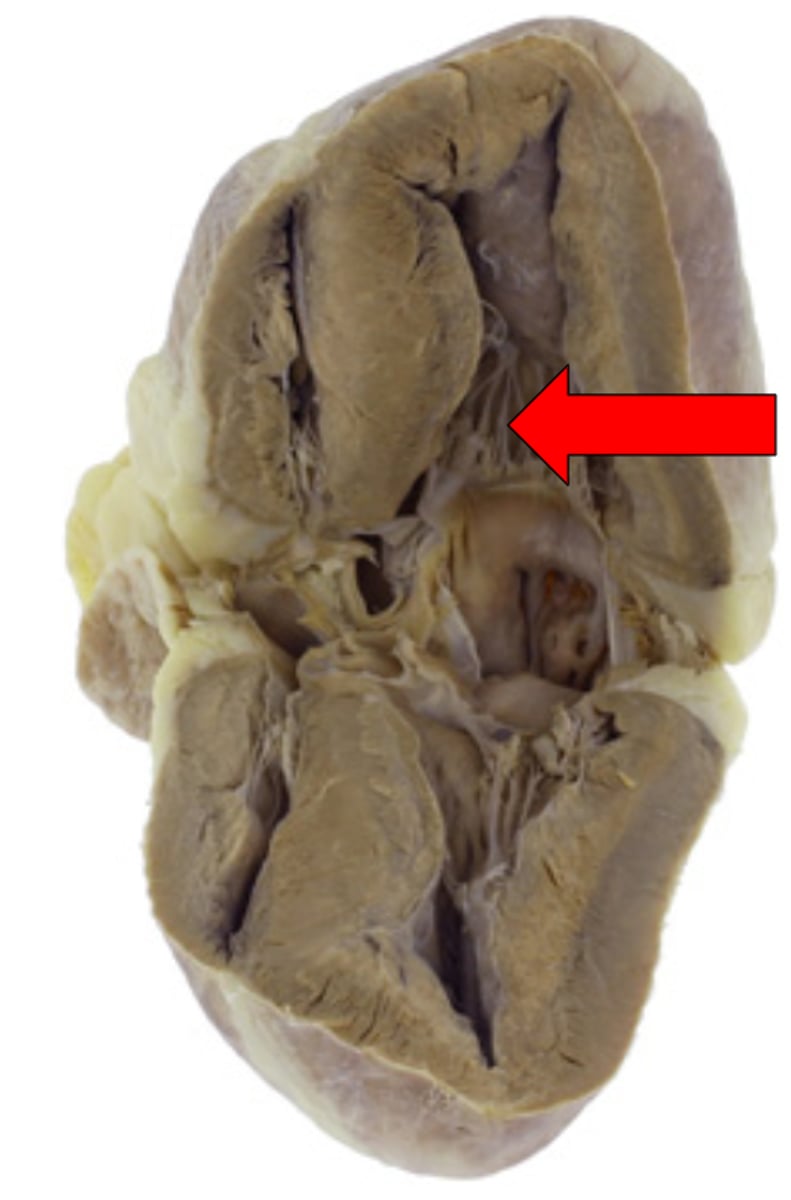
Chordae Tendineae (sheep)
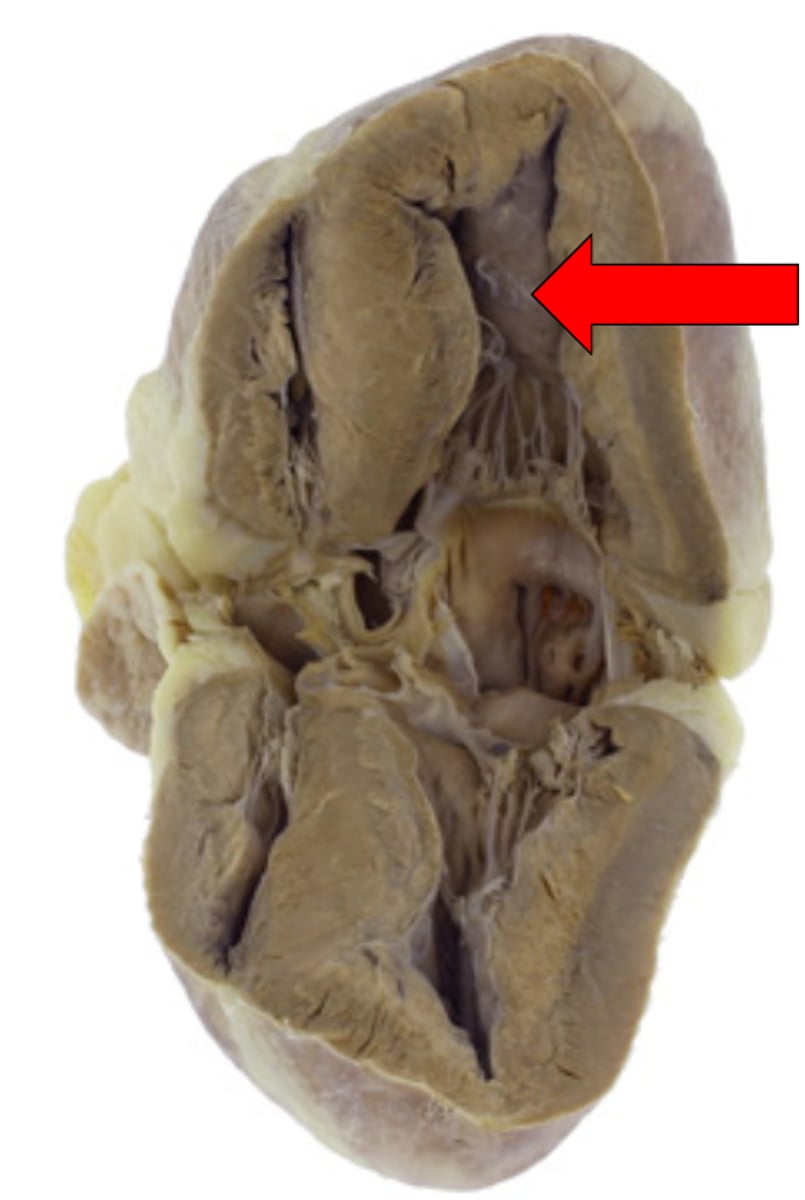
Papillary Muscles (sheep)
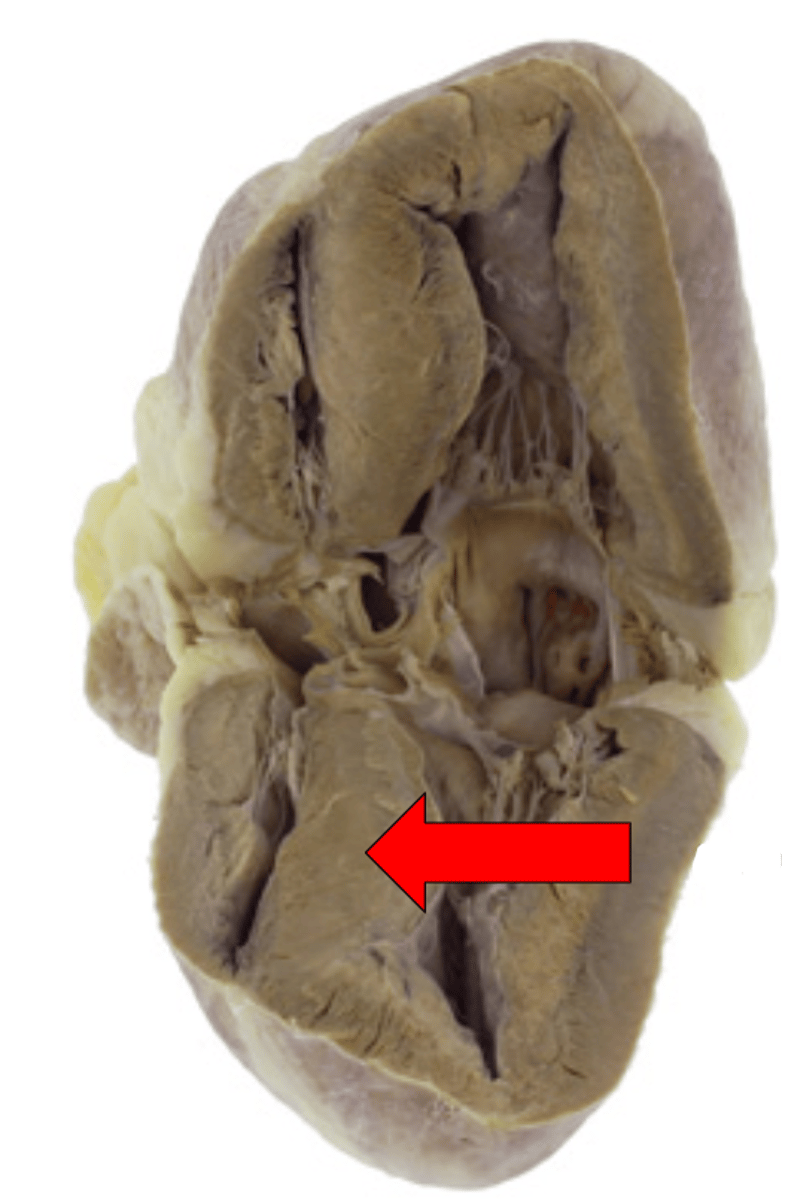
Myocardium (sheep)
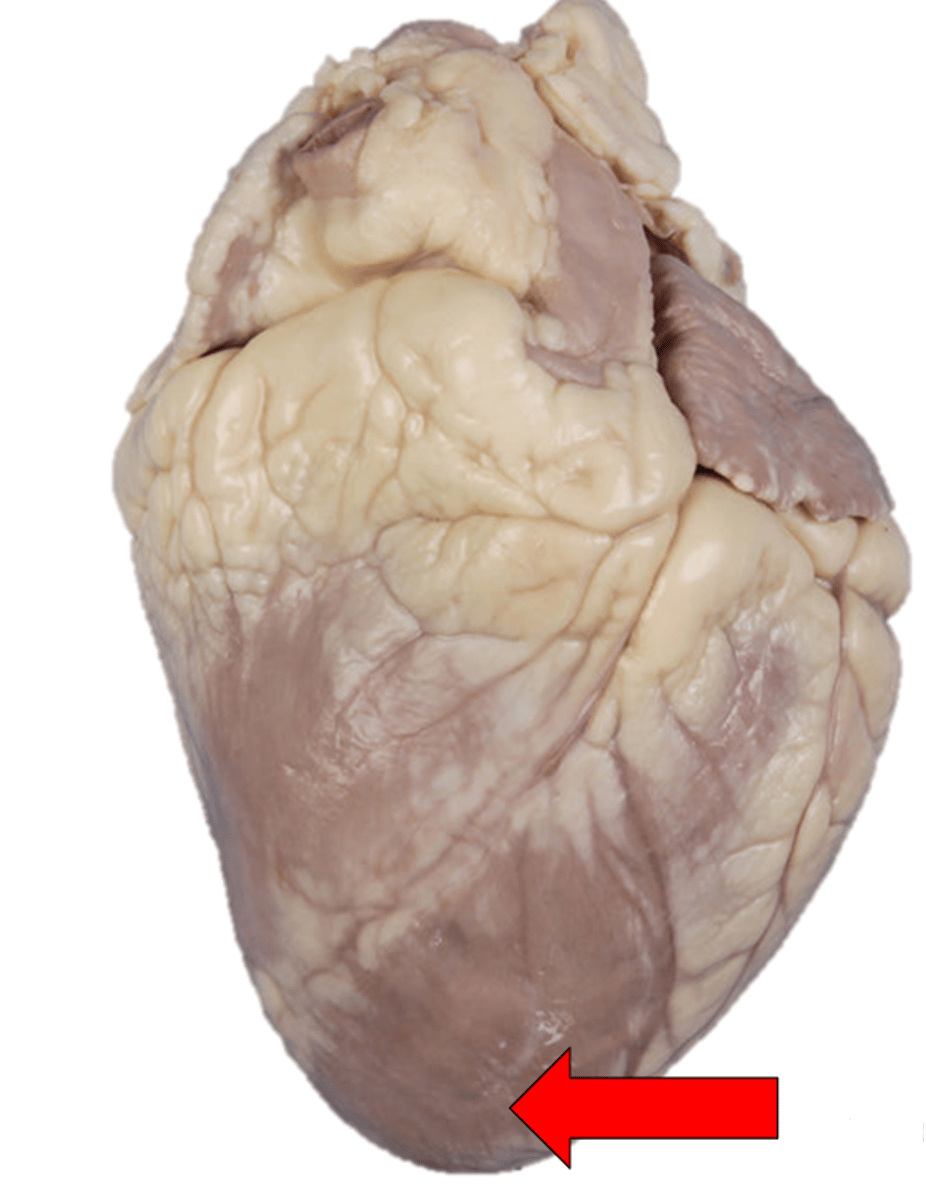
Apex of heart (sheep)
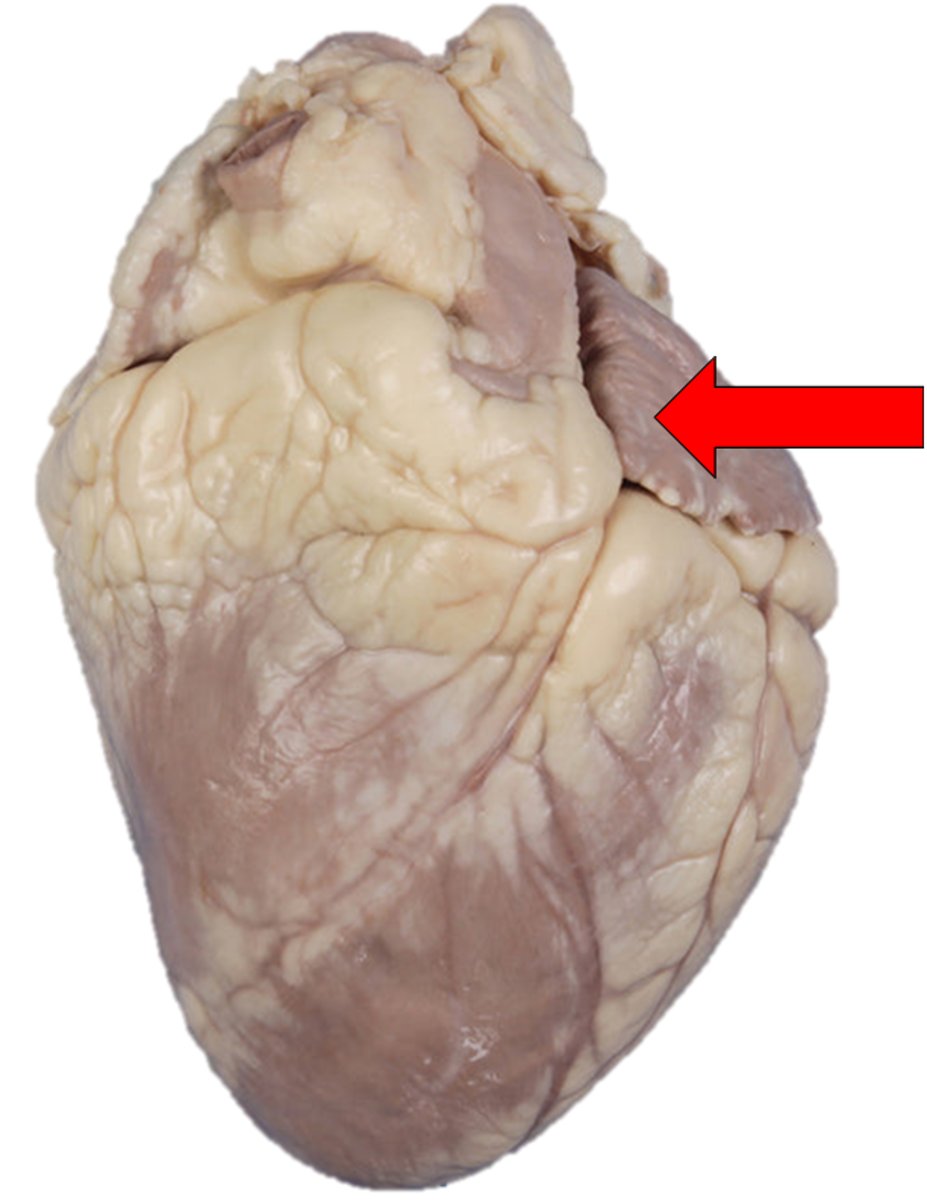
Auricle (sheep)
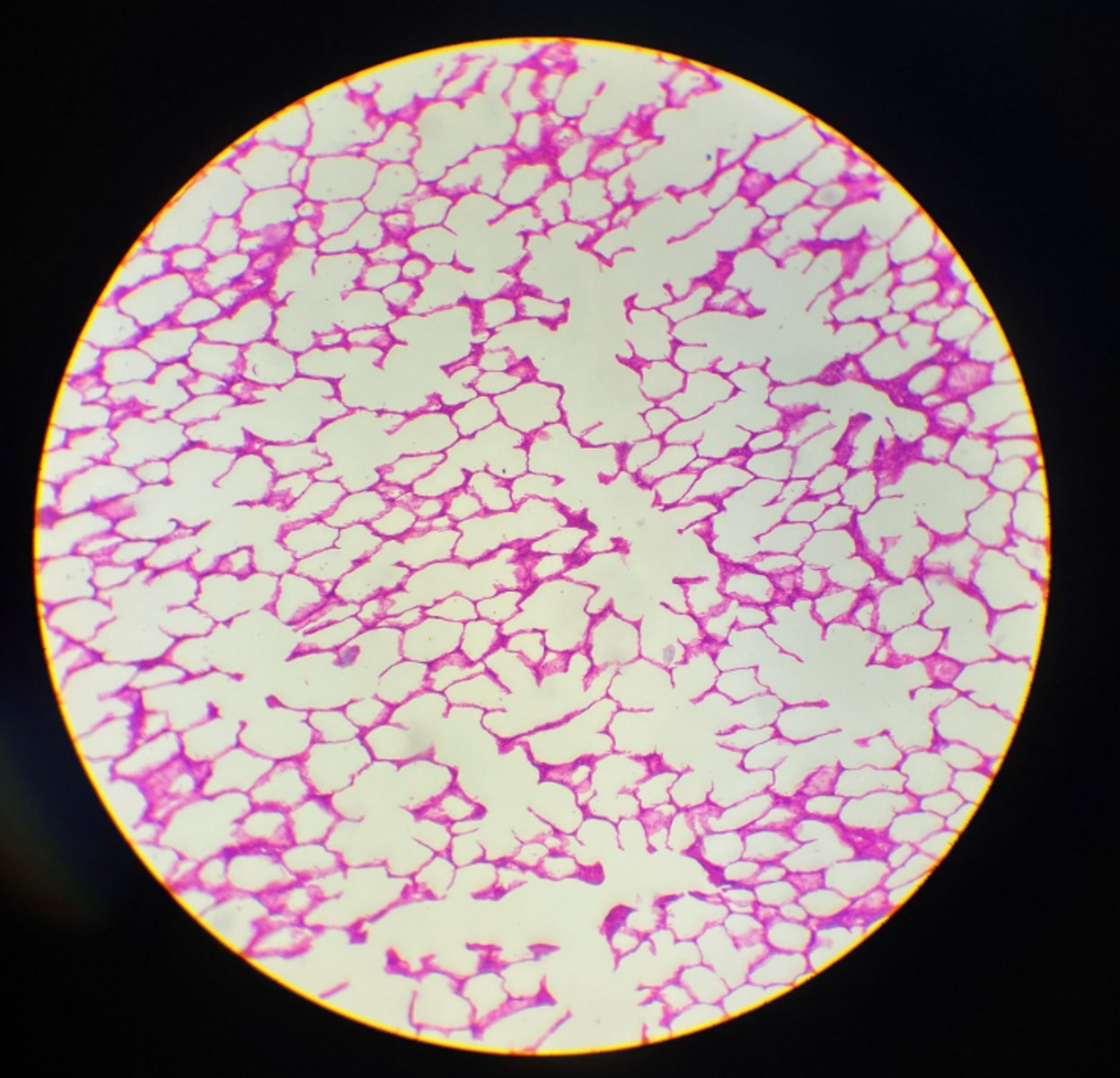
Normal Lung (microscope)
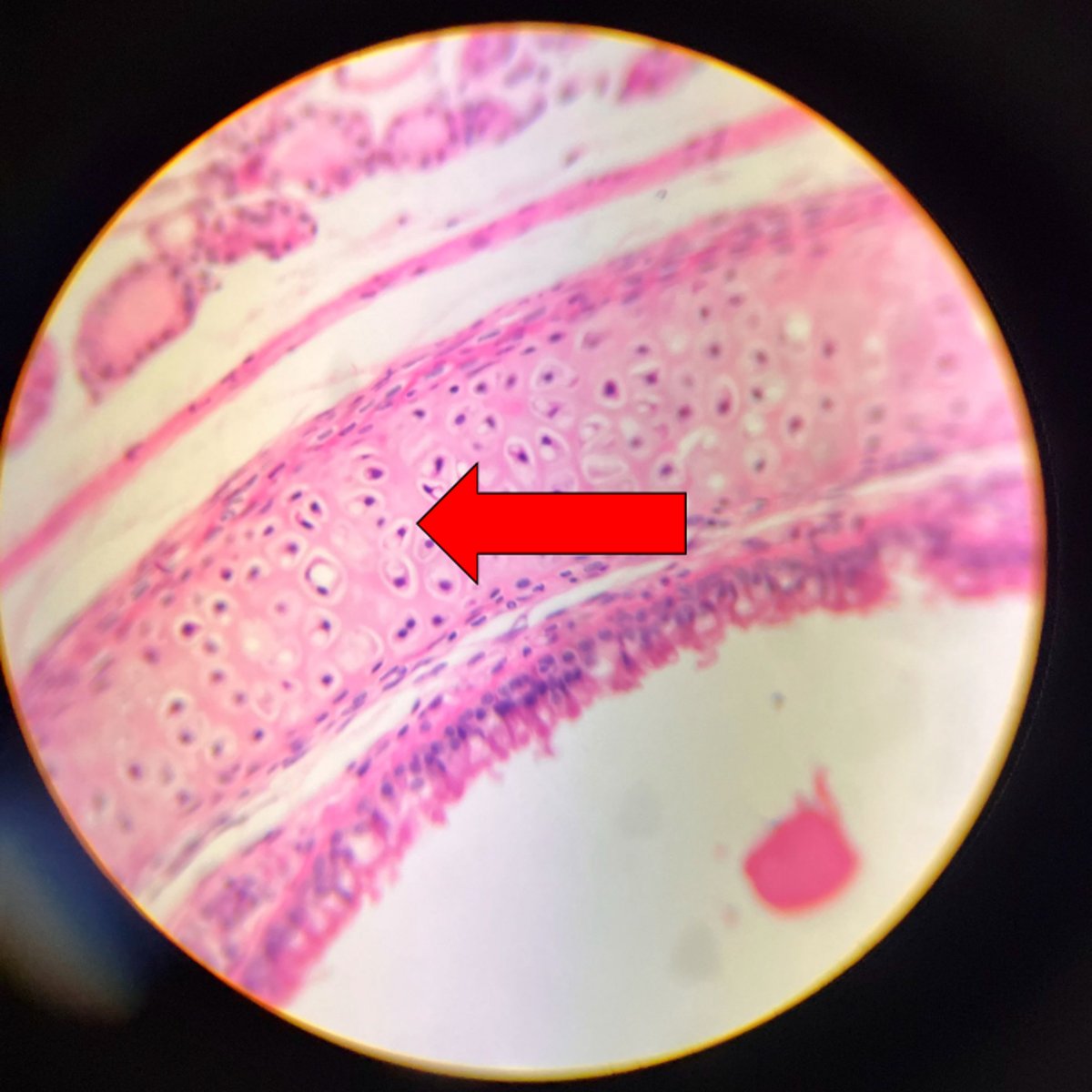
Trachea - cartilage rings (microscope)
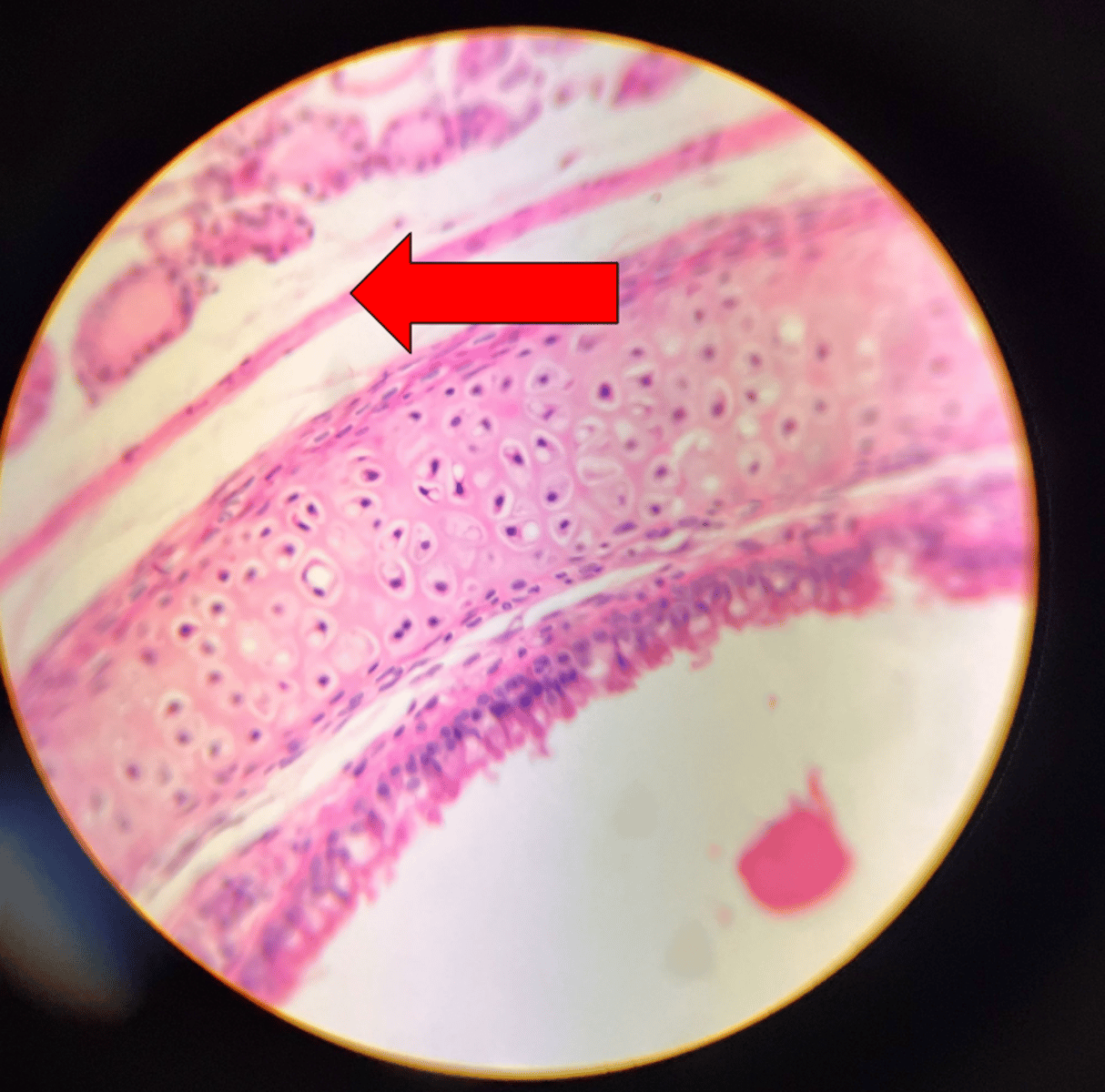
Trachea - smooth muscle (microscope)
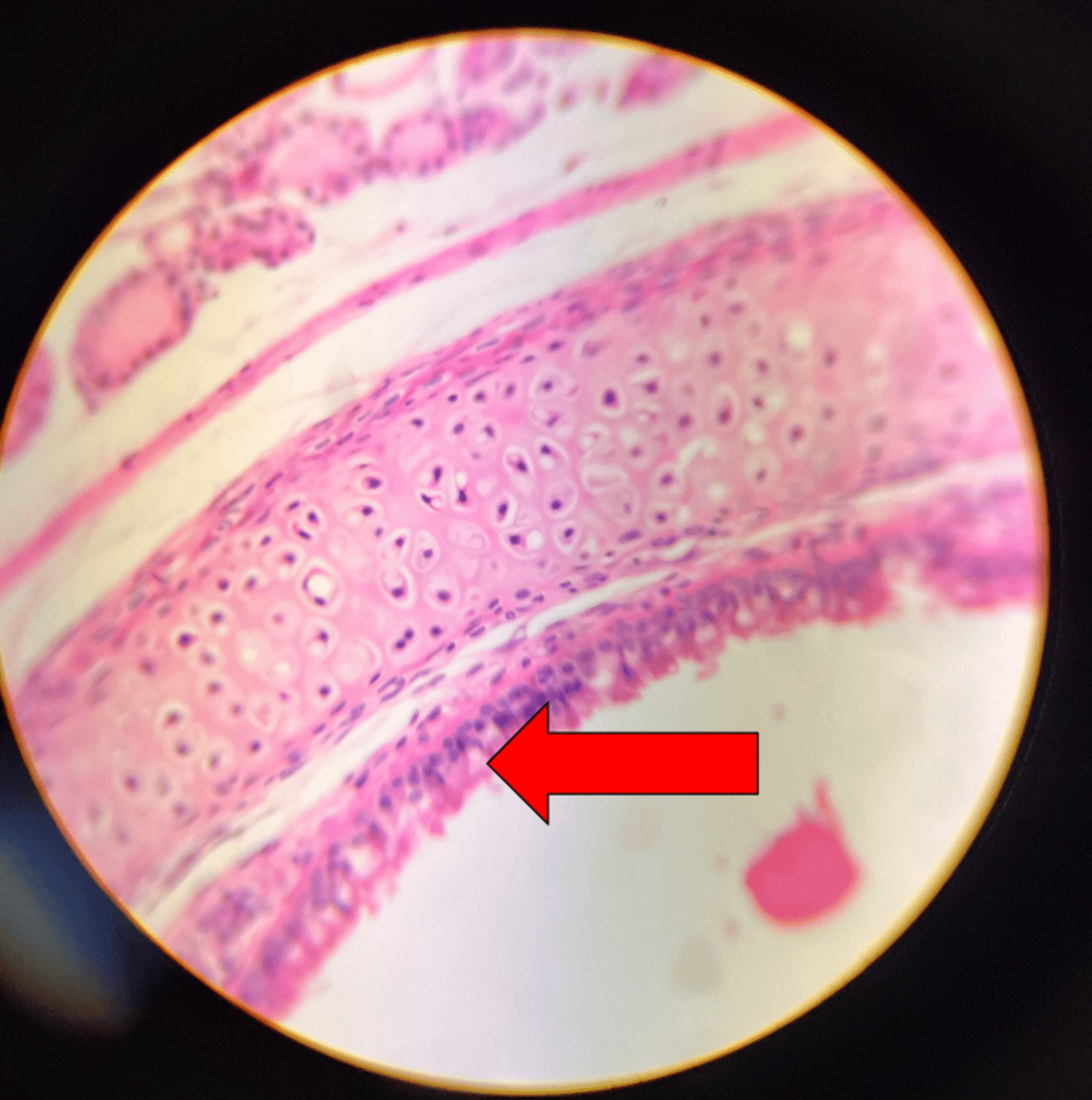
Pseudostratified Columnar Epithelium (microscope)
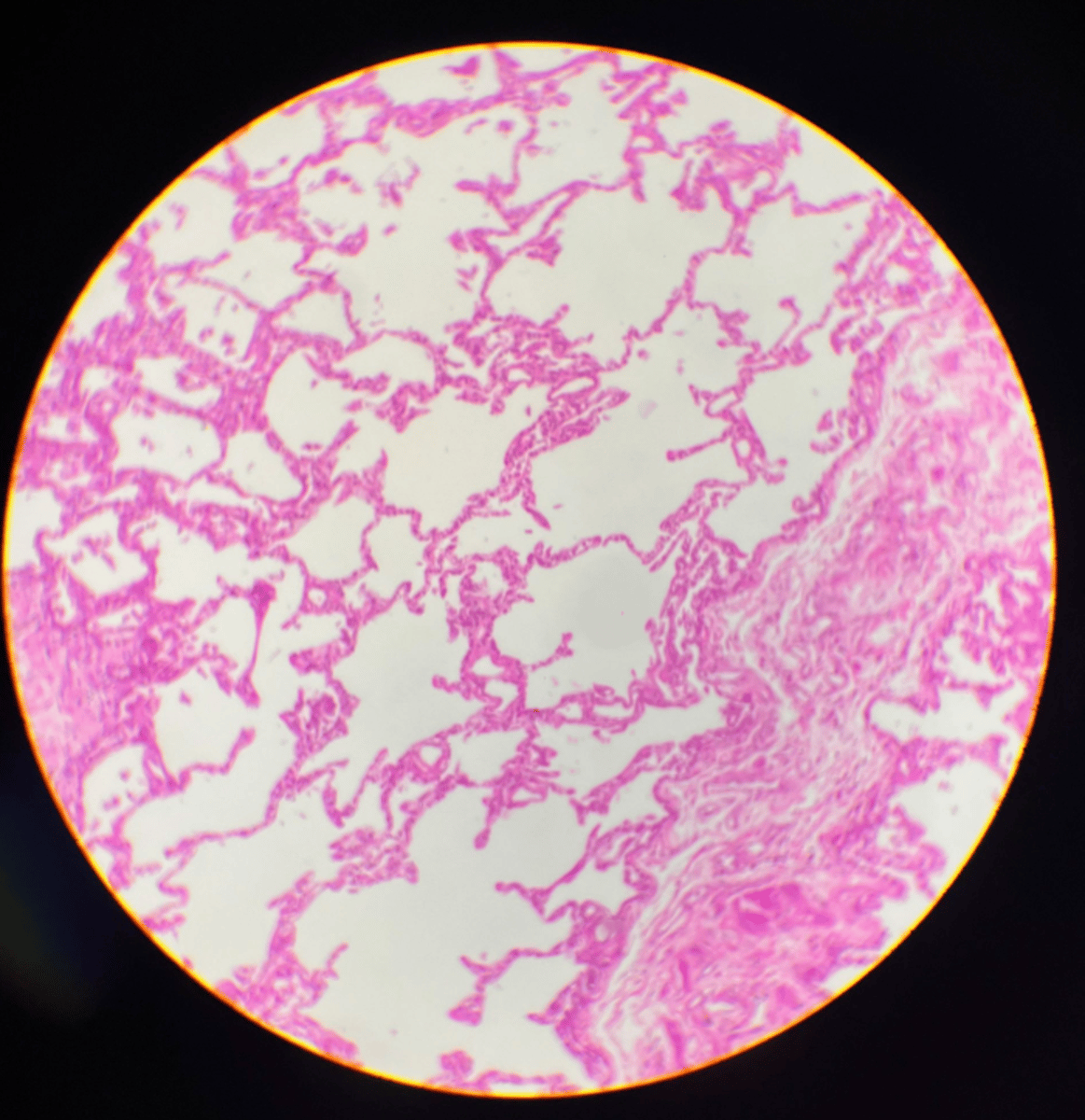
Emphysema Lung (microscope)
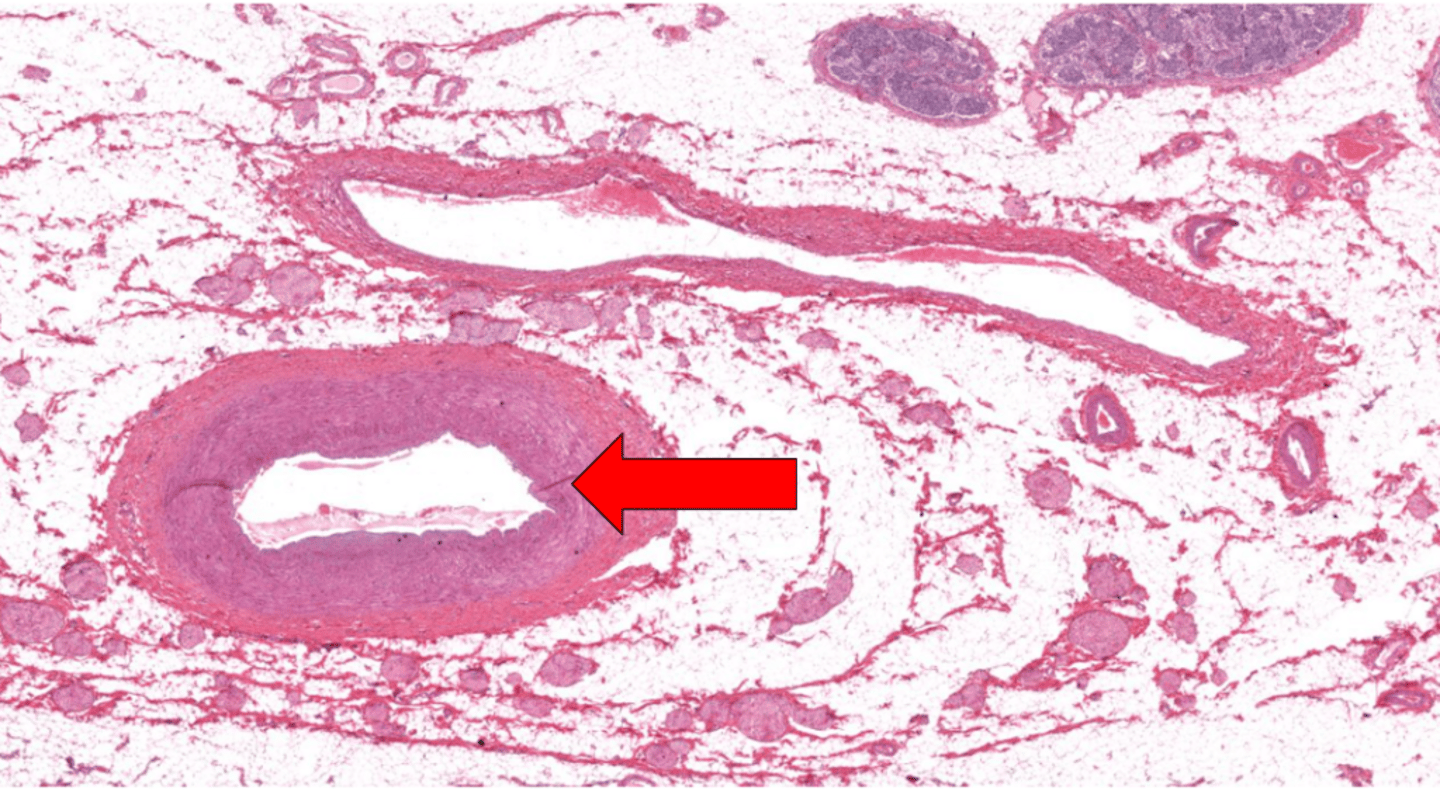
Artery (microscope)
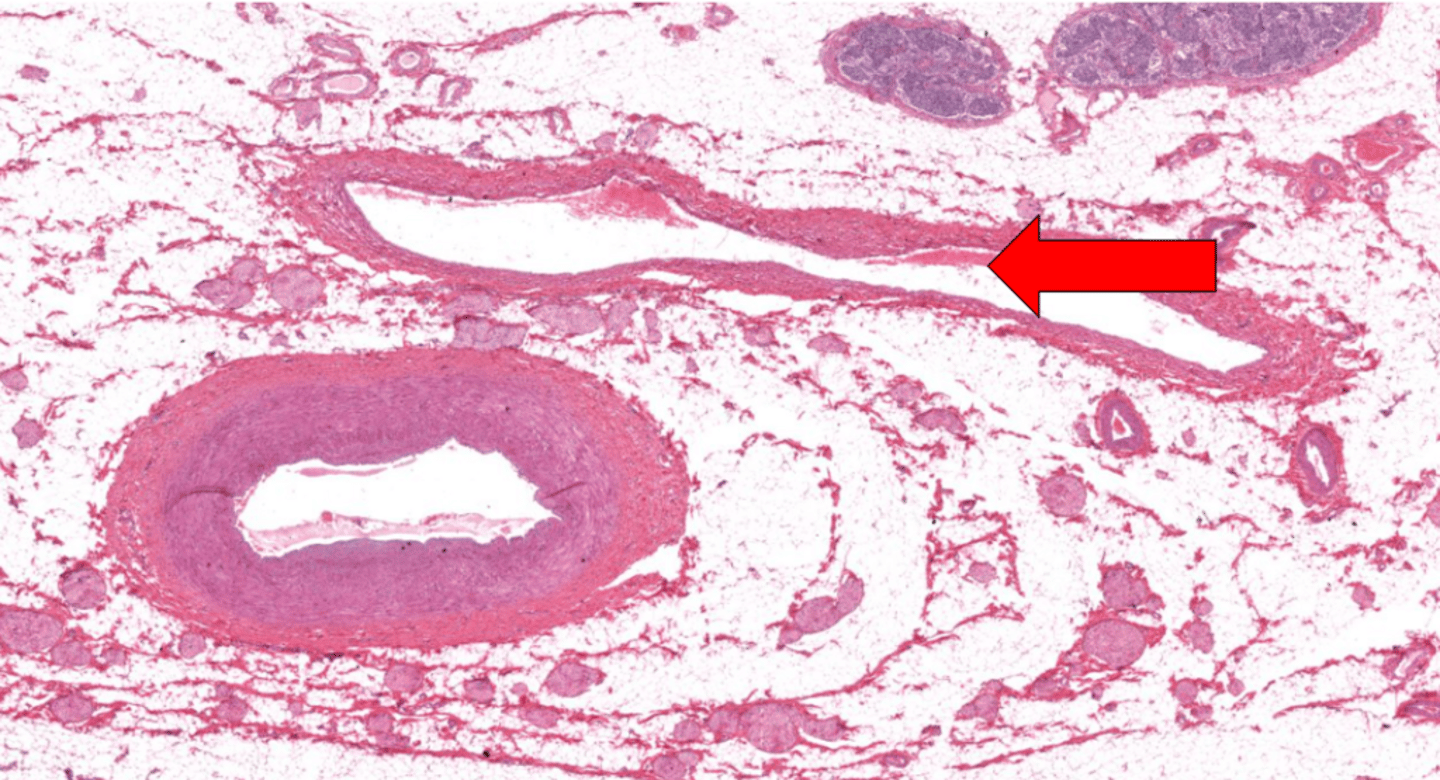
Vein (microscope)
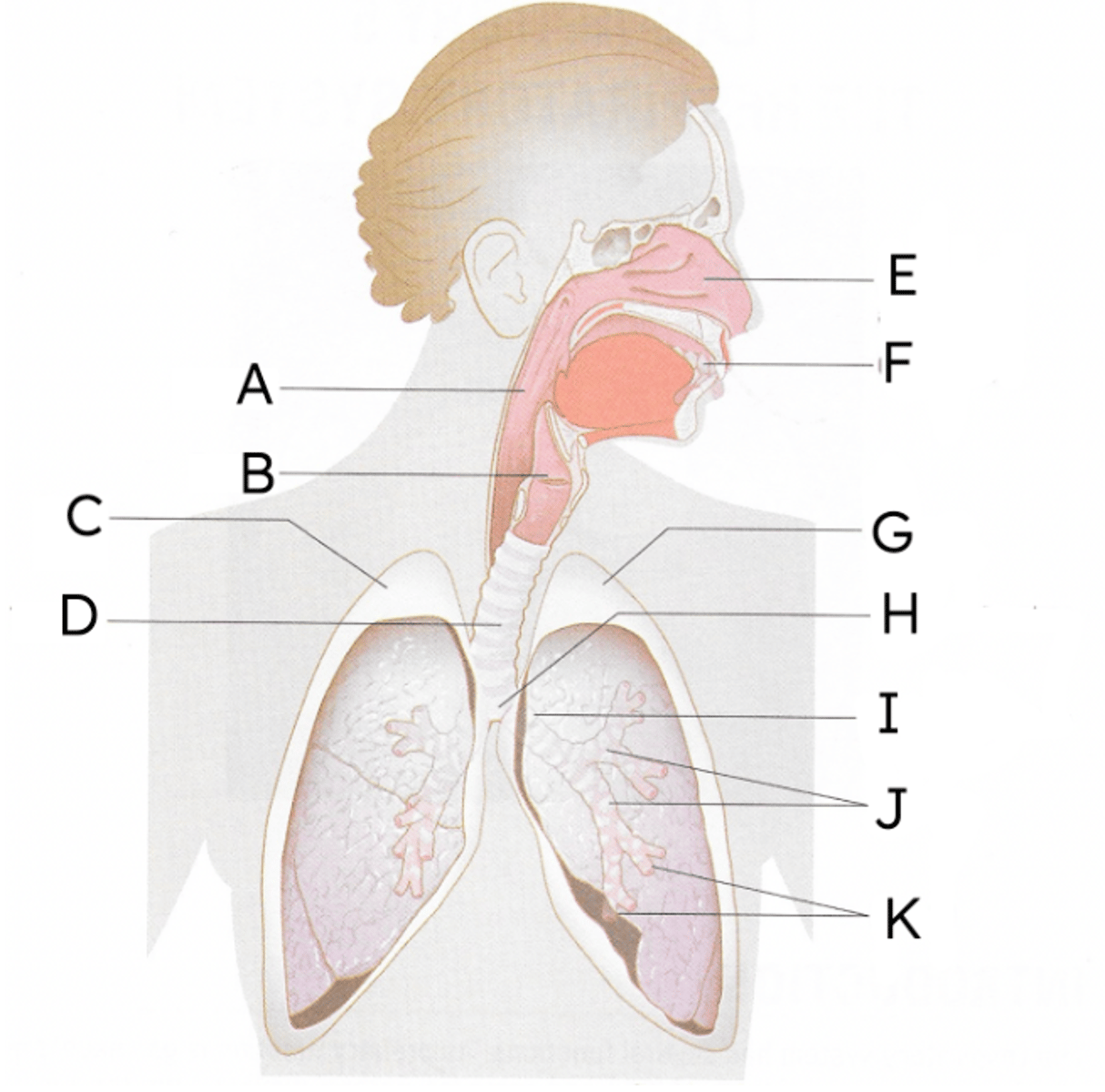
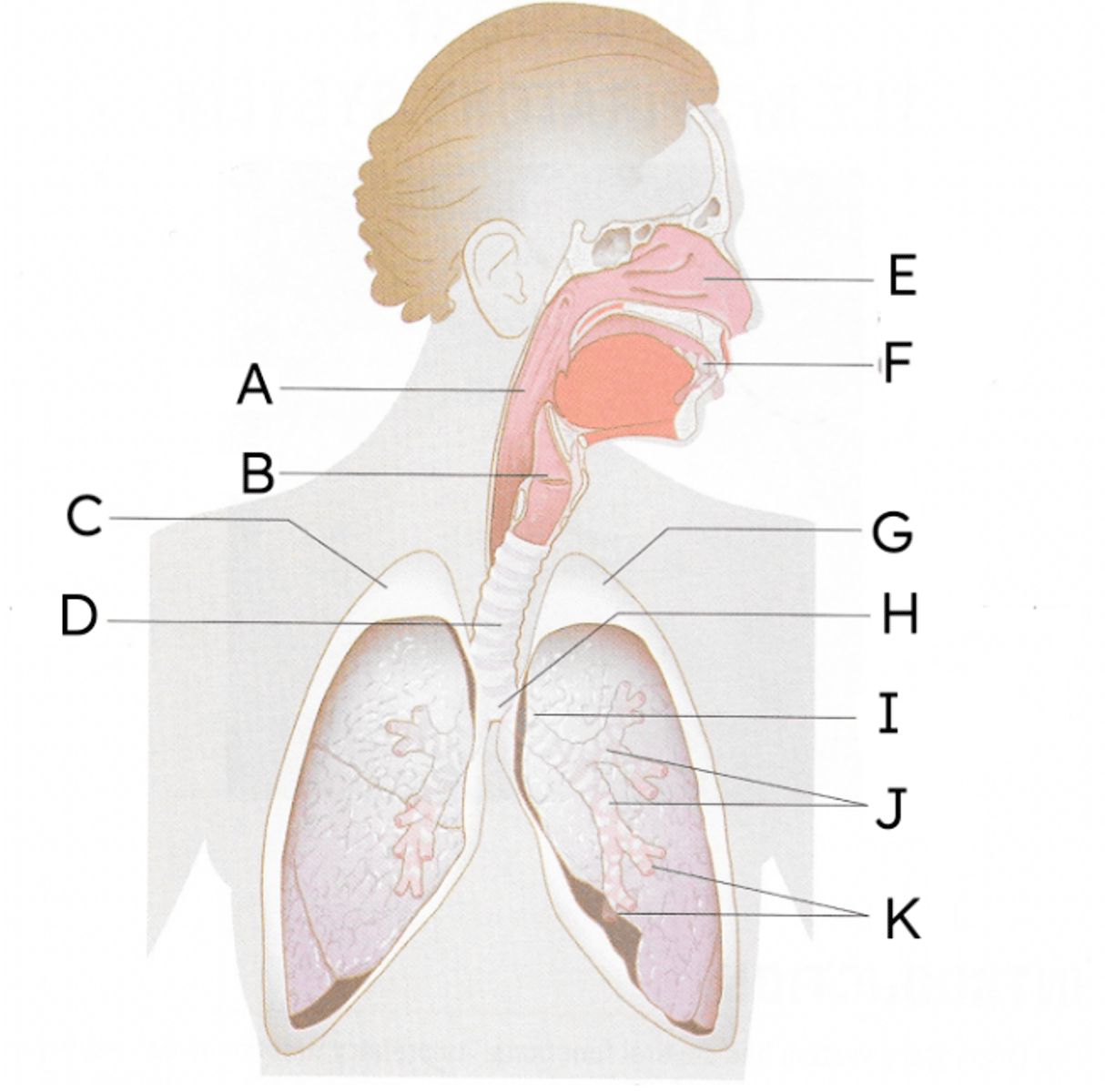
A
Pharynx
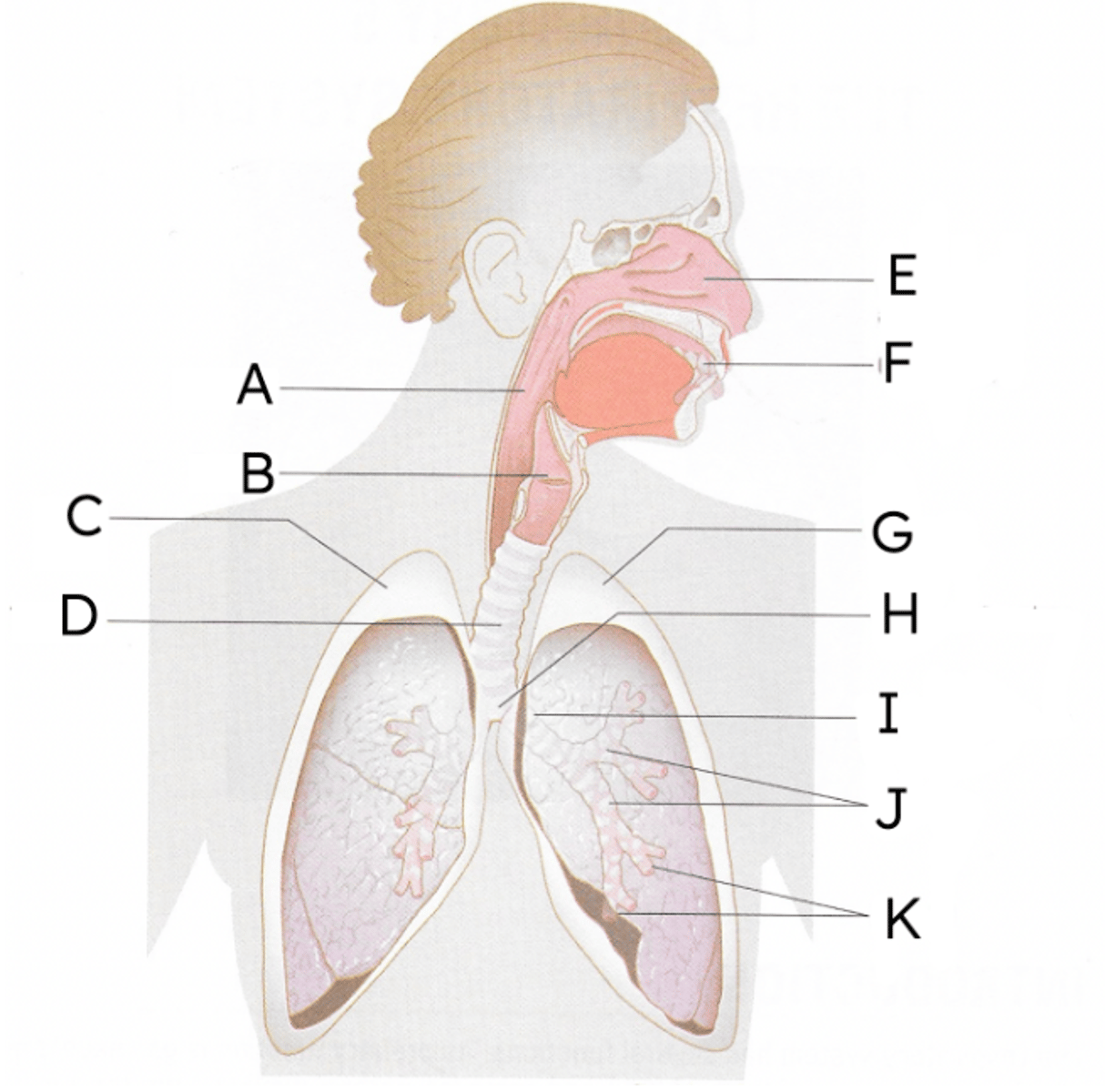
B
Larynx
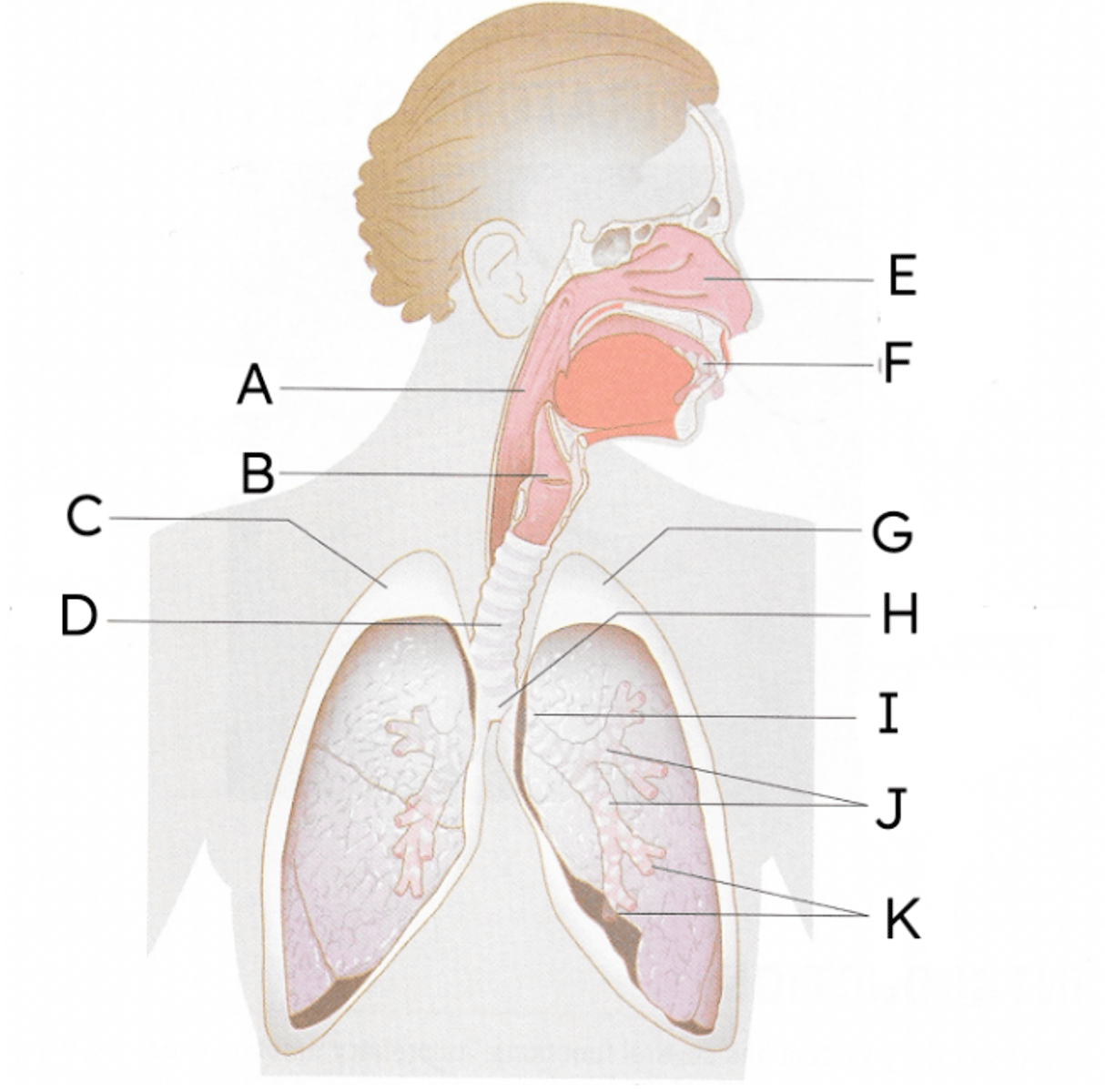
C and G
Right and Left Lung
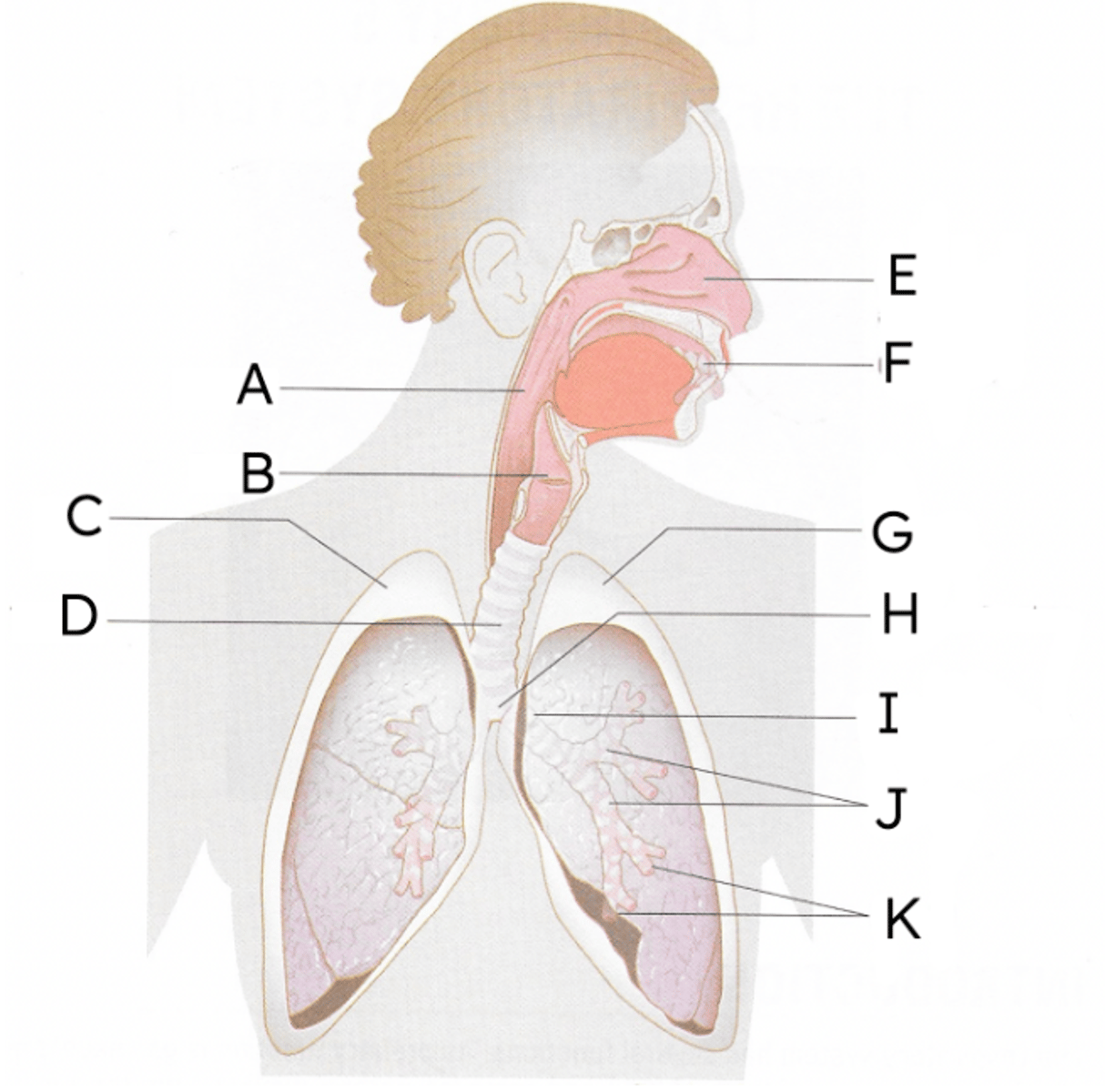
D
Trachea
E
Nasal Cavity and Sinuses
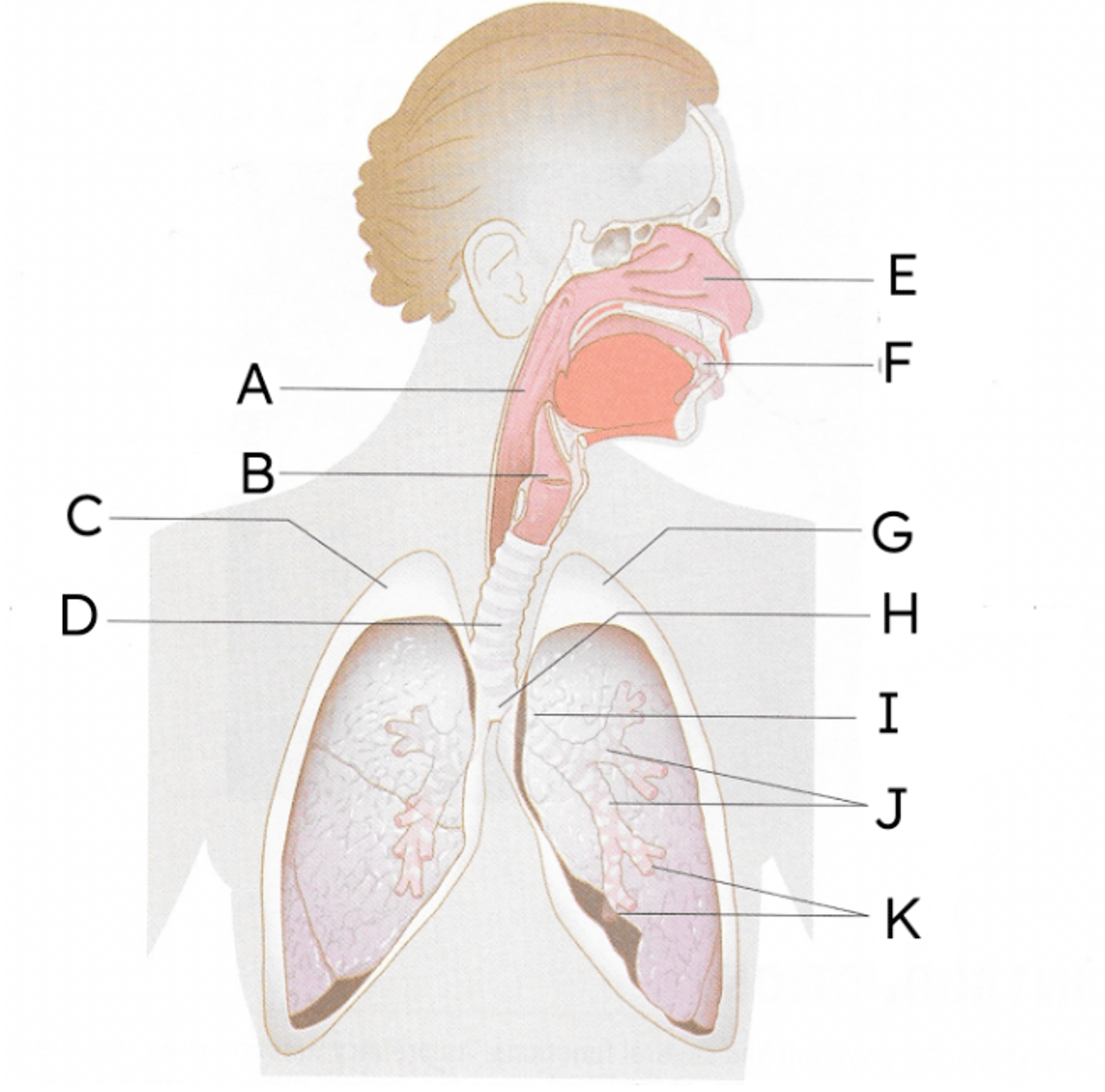
F
Oral Cavity
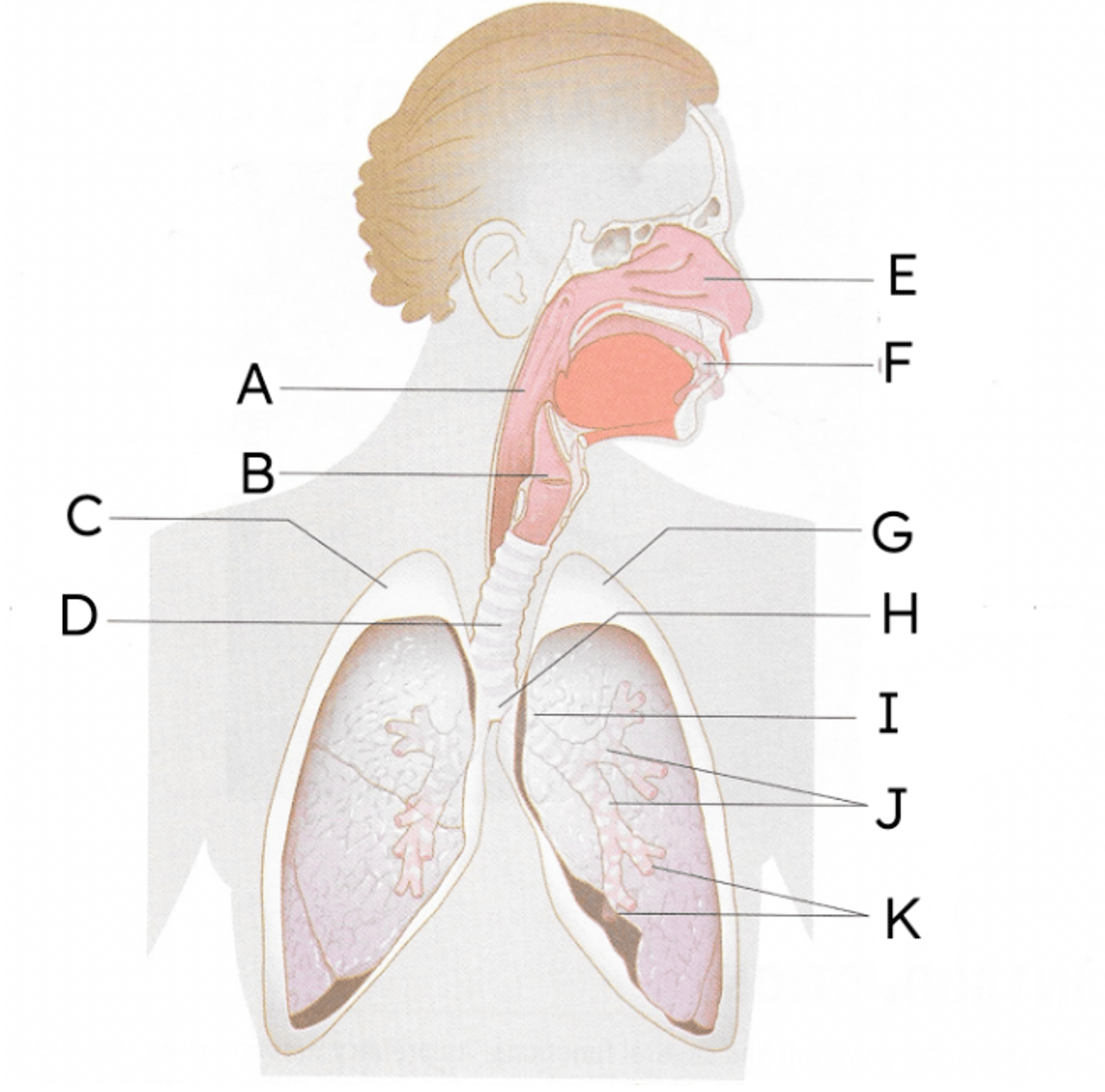
H
Carina of Trachea
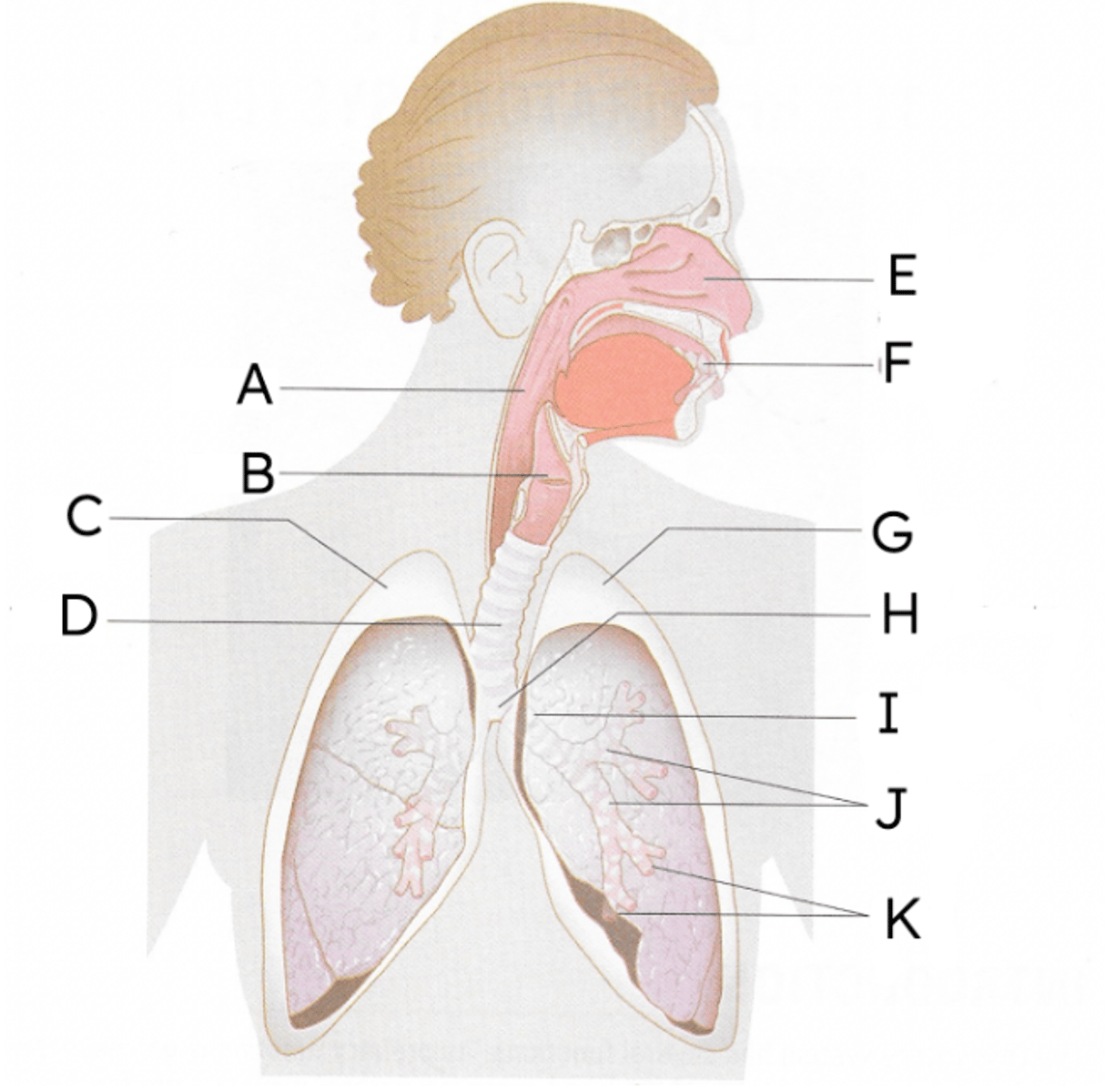
I
Left Primary (Main) Bronchus
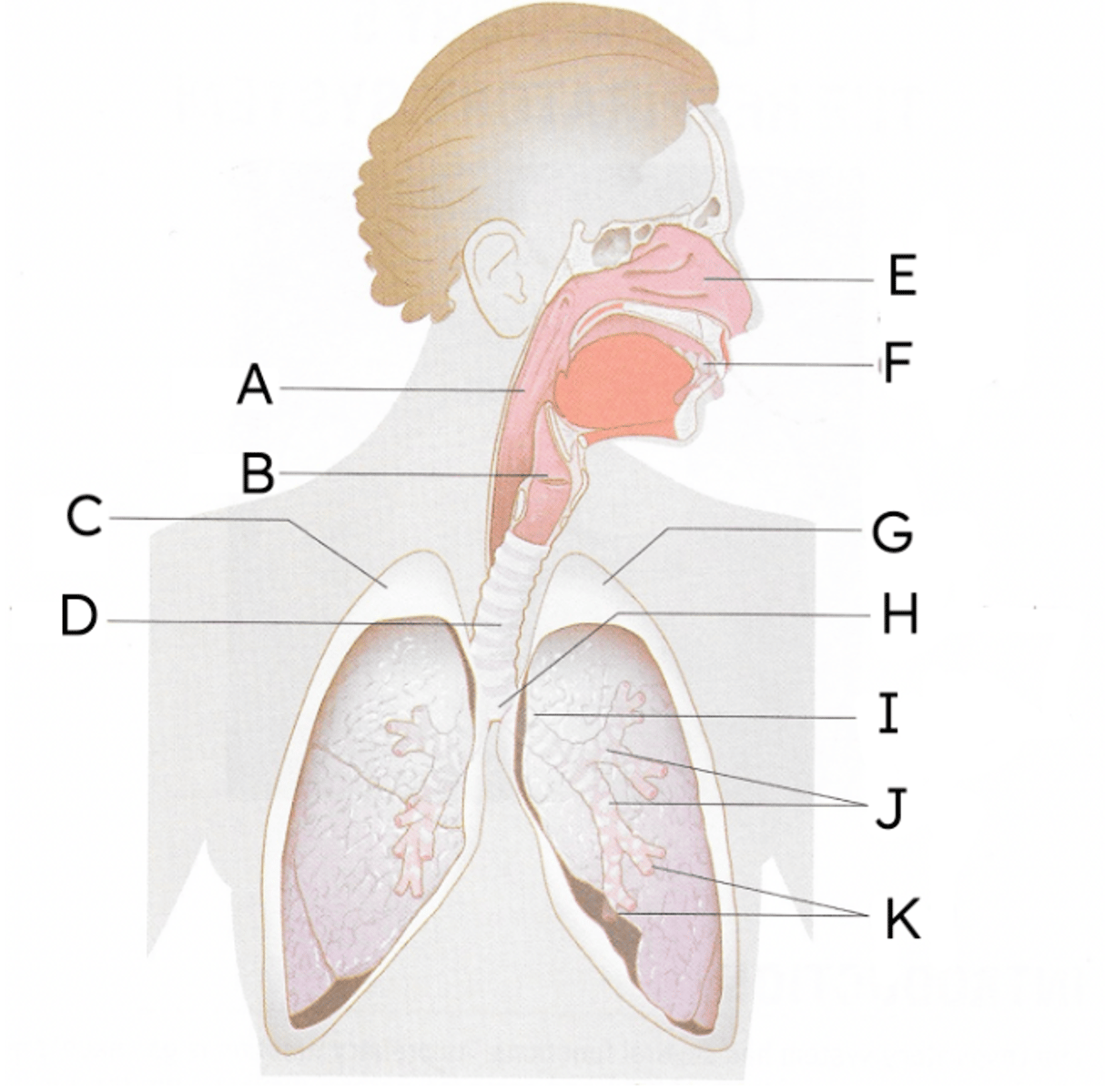
J
Bronchi
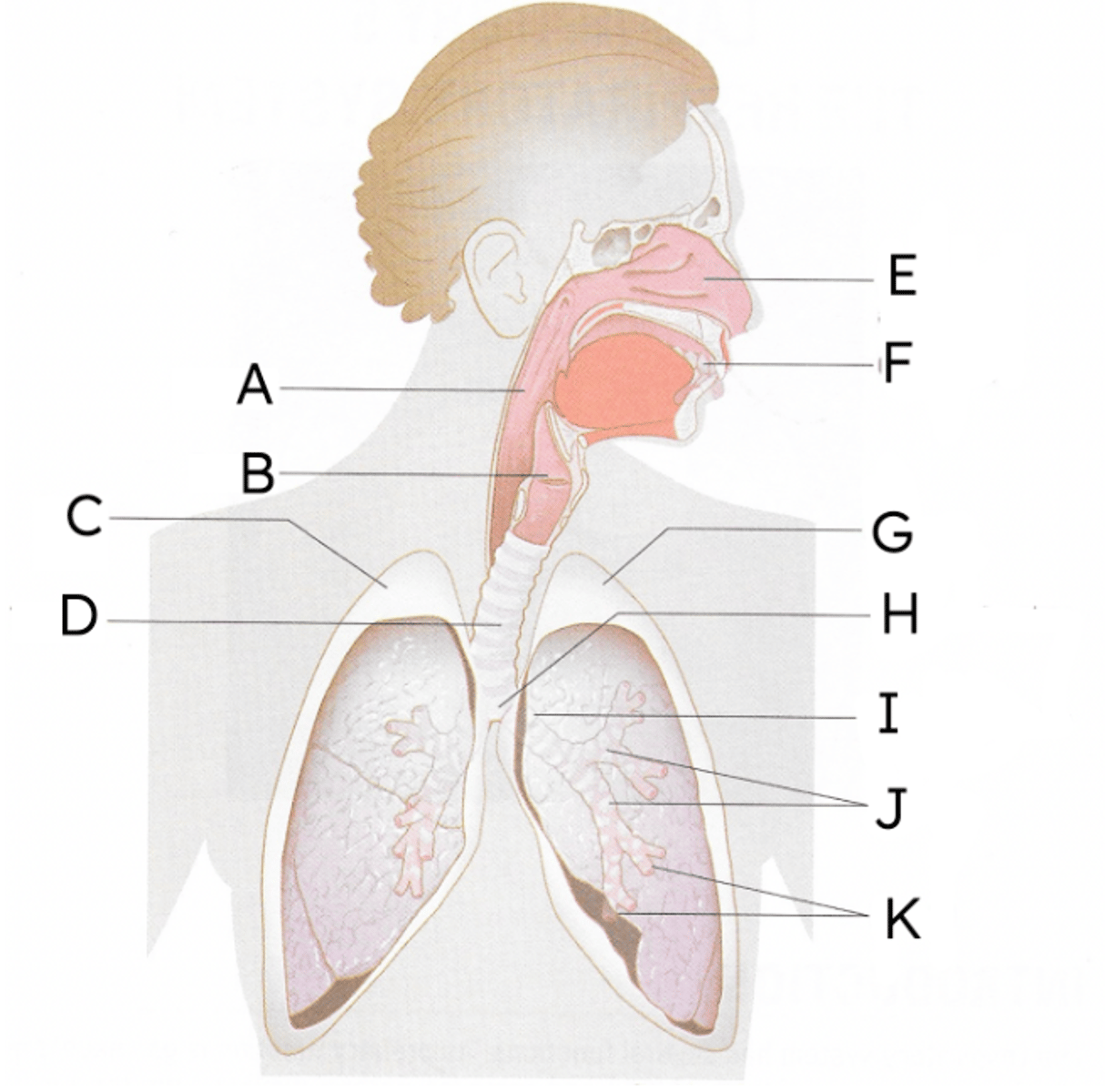
K
Alveoli
the exchange of oxygen and carbon dioxide
Respiration (definition)
aka 'breathing"; the act of inhaling / exhaling
Ventilation (definition)
inverse relationship between pressure and volume (when temp and # gas molecules are constant)
Boyle's Law
amount of air inhaled or exhaled with each breath under RESTING conditions
Tidal volume definition
Amount of air that can be forcefully exhaled after a normal tidal volume exhalation
Expiratory Reserve Volume (ERV) (definition)
maximum amount of air that can be inspired
inspiratory Capacity (IC) (definition)
volume of air that can be inspired beyond normal resting inspiration
Inspiratory Reserve Volume (IRV) (definition)
maximum volume of air that can be expired in a single breath following maximum inspiration
Vital Capacity (VC) (definition)
measurement of force applied to artery walls
Blood Pressure (definition)
Blood Pressure is measured with a
Sphygmomanometer and stethoscope
First sound heard
systolic pressure
Last sound heard
diastolic pressure
M.A.P means
Mean Arterial Pressure
Pulse Pressure equation
systolic pressure - diastolic pressure
MAP Equation
diastolic pressure + 1/3 pulse pressure
Increased MAP (>110) can lead to
increases in cardiovascular diseases and strokes
Decreased MAP (<60) can lead to
organs not receiving enough O2 to function properly
P wave (definition)
atrial depolarization and atria contract
QRS Complex (definition)
ventricular depolarization; atria (relax)
T wave (definition)
ventricular repolarization
the pacemaker
Sinus / sinoatrial (SA) node aka
Function of SA node
sets the pace of the heart
Atrioventricular node has a few millisecond pause between
P and Q wave (so ventricles/atria can fill)
Function of Purkinje Fibers
contracts ventricles
Pulse Oximetry measures
the oxygen saturation levels (%SpO2) and pulse rate
PERRLA stands for
Pupils are Equal, Round, Reactive to Light and Accommodation
Nociceptive pain (definition)
detectable pain being caused by the body being harmed
Examples of nociceptive pain
bruises, burns, fractures, etc.
Neuropathic pain (defintion)
pain caused by damage to the nervous system
Examples of neuropathic pain
diabetic neuropathy and multiple sclerosis (MS)