Alterations in Endocrine Function: Pathophysiology, Risks, and Nursing Care
 Call Kai
 Learn
Learn Practice Test
 Spaced Repetition
 Match
Match Flashcards
 Knowt Play
1/78

There's no tags or description
Looks like no tags are added yet.
Name | Mastery | Learn | Test | Matching | Spaced | Call with Kai | Chat |
|---|
No analytics yet
Send a link to your students to track their progress
79 Terms
What is the primary function of the endocrine system?
To store and secrete hormones that regulate homeostasis in the body.
Which gland coordinates the production and release of hormones?
Hypothalamus
What is the role of the pituitary gland?
It secretes hormones that regulate most of the other endocrine glands.
What are the two main functions of the pancreas?
Endocrine (secretes insulin and glucagon) and exocrine (secretes digestive enzymes).
What hormone is key for glucose absorption in cells?
Insulin

What happens to blood glucose levels after a meal?
They increase as carbohydrates are broken down into glucose.
What is the function of glucagon?
To prevent hypoglycemia by increasing blood glucose levels.
What is gluconeogenesis?
The generation of glucose from non-carbohydrate sources.
What is glycogenolysis?
The breakdown of glycogen to release glucose, primarily in the liver and muscles.
List some modifiable risk factors for hyperglycemia.
Obesity, smoking, medications, chronic stress, insomnia, sedentary lifestyle.
What are some complications associated with hyperglycemia?
Autoimmune disorders, hyperlipidemia, hypertension, and damage to blood vessels.
What are the classic symptoms of hyperglycemia?
Polyuria, polydipsia, and polyphagia.
What lab test indicates fasting hyperglycemia?
Fasting blood glucose greater than 125 mg/dL.
What is the goal for Hemoglobin A1c (HbA1c) levels?
Less than 6%.
What role does the nurse play in managing hyperglycemia?
Teaching glucose monitoring, medication administration, and collaborating with the healthcare team.
What should be monitored to assess hyperglycemia?
Blood glucose levels (random, fasting, postprandial) and manifestations of hyperglycemia.
What is the first step in the nursing process for hyperglycemia?
Recognize cues through assessment.
What is the focus of the planning phase in the nursing process for hyperglycemia?
Solutions to lower blood glucose levels, both immediately and over the long term.
What are some treatments for hyperglycemia?
Diet, exercise, oral medications, and insulin.
What triggers the sympathetic nervous system during hypoglycemia?
Blood glucose levels of 70 mg/dL or less.
What medications can increase the risk of hypoglycemia?
Insulin, sulfonylureas, beta-blockers, and certain antibiotics.
What are the signs of hypoglycemia?
Sweating, trembling, confusion, and irritability.
What is the impact of chronic stress on blood glucose levels?
It can contribute to hyperglycemia.
What is the significance of monitoring urine for ketones?
It helps assess for diabetic ketoacidosis in hyperglycemic patients.
What lifestyle changes can help manage hyperglycemia?
Dietary modifications and increased physical activity.
What is the potential outcome of untreated hyperglycemia?
Progression to a hyperglycemic crisis, coma, or death.
What are some risk factors for hypoglycemia?
Diabetes, changes in schedule, travel to different time zones, increased exercise, fasting, unpredictable access to food, and certain medications.
Name two medications that can increase the risk of hypoglycemia.
Insulin and sulfonylureas.
What is hypoglycemia unawareness?
A condition where the individual does not recognize the symptoms of hypoglycemia.
List three complications of frequent hypoglycemia.
Falls, heart attack, and seizures.
What mnemonic can help remember the clinical presentation of hypoglycemia?
HE'S TIRED: Headache, Sweating, Tachycardia, Irritability, Restlessness, Excessive Hunger, Dizziness.
What laboratory tests are used to diagnose hypoglycemia?
Blood glucose testing (random, fasting, HbA1c).
What is the role of the nurse in managing hypoglycemia?
Monitor blood glucose levels, administer medications, and provide education on prevention and treatment.
What should a nurse assess to recognize hypoglycemia?
Identify manifestations, assess level of consciousness, and determine blood glucose level.
What is the immediate treatment for hypoglycemia?
15 to 20 grams of fast-acting carbohydrate by mouth.
What are some examples of fast-acting carbohydrates?
4 ounces of non-diet fruit juice, 4 ounces of non-diet soda, or 4 glucose tablets.
What is Type 1 Diabetes Mellitus (DMT1)?
An autoimmune disease involving the destruction of beta cells in the pancreatic islets, leading to loss of insulin production.
What are some risk factors for Type 1 Diabetes?
Genetic predisposition, family history, and possible viral or environmental triggers.
List three complications associated with Type 1 Diabetes.
Stroke, diabetic neuropathy, and diabetic nephropathy.
What are common clinical presentations of Type 1 Diabetes?
Polyuria, polydipsia, polyphagia, unintentional weight loss, and visual changes.
What laboratory results indicate Type 1 Diabetes?
Non-fasting blood glucose of 200 mg/dL or fasting blood glucose of 126 mg/dL or higher.
What is the goal of nursing care for a client with Type 1 Diabetes?
To manage the disease and prevent complications.
What should a nurse educate a client with Type 1 Diabetes about?
How to monitor blood glucose levels, self-administration of insulin, and recognition of hypoglycemia and hyperglycemia.
What is diabetic ketoacidosis (DKA)?
A serious complication of diabetes characterized by high blood glucose levels, ketones in the blood, and acidosis.
What are the signs of diabetic ketoacidosis?
Blood glucose greater than 250 mg/dL, elevated blood beta-hydroxybutyrate, and positive urinalysis for glucose and ketones.
What is the importance of daily foot care for clients with diabetes?
To prevent complications such as diabetic foot ulcers and infections.
What lifestyle changes can help manage Type 1 Diabetes?
Proper nutrition, regular exercise, and routine blood glucose monitoring.
What is the significance of HbA1c monitoring in diabetes management?
It provides an average blood glucose level over the past 2-3 months, helping assess long-term control.
What is the recommended action if a client experiences hypoglycemia?
Administer oral sources of glucose or glucagon if the client is unable to swallow.
What are the potential psychological impacts of Type 1 Diabetes?
Anxiety, depression, and sleep disturbances.
How can exercise impact a diabetic client's risk for hypoglycemia?
Increased exercise can lower blood glucose levels, raising the risk of hypoglycemia.
What is the role of the nurse in evaluating outcomes for diabetes management?
To assess if the client's condition has improved, worsened, or remained unchanged.
What is the primary function of insulin in the body?
Insulin allows glucose to enter cells for energy.
What are the two main types of diabetes?
Type 1 Diabetes and Type 2 Diabetes.
What characterizes Type 1 Diabetes?
The pancreas does not produce insulin.
What characterizes Type 2 Diabetes?
The pancreas may produce some insulin, but not enough; cells become insulin resistant.
What are some risk factors for Type 2 Diabetes?
Age, genetics, obesity, sedentary lifestyle, smoking, and hypertension.
What are common complications associated with Type 2 Diabetes?
Stroke, heart attack, peripheral artery disease, diabetic retinopathy, cataracts, glaucoma, diabetic foot, diabetic nephropathy, and peripheral neuropathy.
What are the key components of diabetes management?
Stabilizing blood glucose levels, preventing disease progression, and supporting lifestyle changes.
What is the significance of HbA1c in diabetes management?
It reflects average blood glucose levels over the past 2-3 months.
What are the criteria for diagnosing diabetes?
Fasting blood glucose ≥ 126 mg/dL, 2-hour post-prandial glucose ≥ 200 mg/dL, random glucose ≥ 200 mg/dL, or HbA1c ≥ 6.5%.
What is the role of the nurse in diabetes care?
Monitor blood glucose, review lab results, educate clients, and administer medications.
What are the types of insulin based on duration?
Rapid, short, intermediate, long, ultra-long, mixed, and inhaled.
What is Metformin used for?
It is an oral hypoglycemic medication used to lower blood glucose levels.
What are common side effects of Metformin?
Indigestion, bloating, abdominal pain, constipation, headache, and metallic taste.
What is the mechanism of action of Sulfonylureas?
They stimulate the pancreas to release more insulin.
What is the mechanism of action of DPP-4 inhibitors?
They increase incretin levels, which help regulate insulin secretion.
What lifestyle modifications are recommended for managing Type 2 Diabetes?
Nutritional changes, exercise, and weight loss.
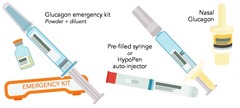
What is the purpose of using glucagon in diabetes management?
To elevate blood glucose levels in cases of severe hypoglycemia.
What are the potential adverse effects of Canagliflozin?
Genital fungal infections, urinary tract infections, and risk of lower limb amputation.
What is the importance of insulin storage?
Insulin should be stored properly to maintain its effectiveness and stability.
What are the common sites for insulin administration?
Abdomen, thigh, and upper arm.
What is the impact of diabetes on mental health?
Diabetes can lead to increased stress, fear, and depression.
What is the role of lifestyle changes in diabetes management?
They help improve glycemic control and overall health.
What is the significance of monitoring vital signs in diabetes patients?
To detect complications and manage overall health effectively.
What is the action of Amylin mimetics like Pramlintide?
They help control blood glucose levels by slowing gastric emptying and promoting satiety.
What are the symptoms of diabetic neuropathy?
Numbness, tingling, pain, and weakness in the extremities.
What is the effect of obesity on Type 2 Diabetes?
Obesity increases insulin resistance and the risk of developing Type 2 Diabetes.
How does exercise benefit individuals with diabetes?
It helps improve insulin sensitivity and lowers blood glucose levels.