American Canine Hepatozoonosis Practice Flashcards
 Call Kai
 Learn
Learn Practice Test
 Spaced Repetition
 Match
Match Flashcards
 Knowt Play
1/11

Earn XP
Description and Tags
Vocabulary flashcards covering the etiology, diagnosis, treatment, and clinical presentation of American canine hepatozoonosis based on the provided lecture notes.
Name | Mastery | Learn | Test | Matching | Spaced | Call with Kai | Chat |
|---|
No analytics yet
Send a link to your students to track their progress
12 Terms
Hepatozoon americanum
The etiology of American canine hepatozoonosis.
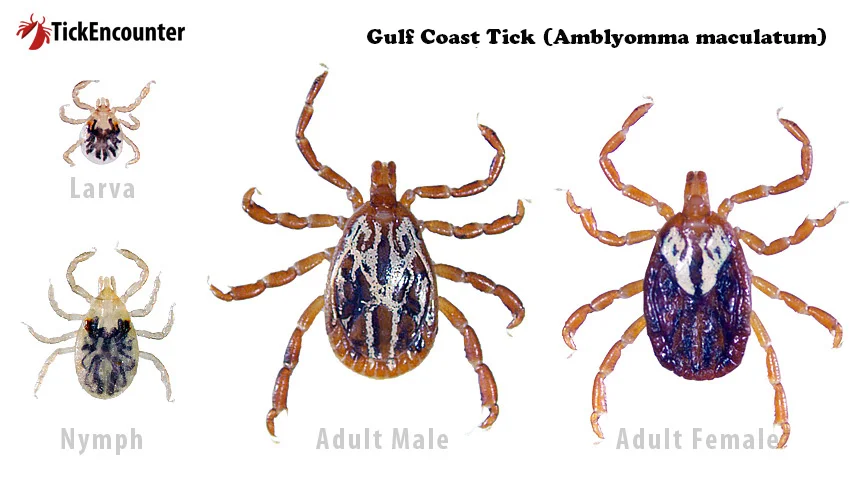
Amblyomma maculatum
The Gulf Coast tick, which serves as the host; dogs are infected after ingesting the tick or diseased mammals.
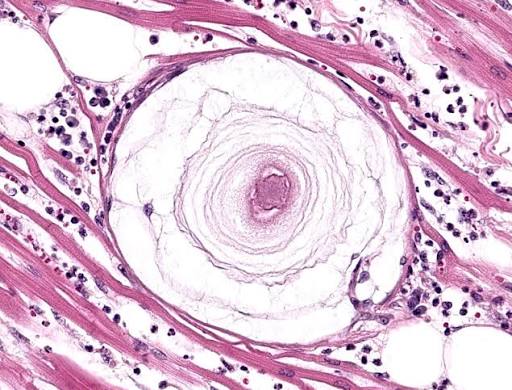
"Onion skin" protozoal cysts
Pathognomonic cysts often found in muscle biopsies of dogs infected with H. americanum.
Mature neutrophilia
A laboratory finding on CBC, often seen alongside marked leukocytosis and mild nonregenerative anemia.
Periosteal proliferation
A radiographic finding in affected dogs caused by muscle inflammation.
Skeletal muscle
The primary location where cysts form within the host's body.
Hyperesthesia
A clinical sign of American canine hepatozoonosis characterized by abnormal sensitivity to stimulation, often accompanied by a stiff gait and reluctance to rise.
Acute treatment phase
A 2-week combination therapy consisting of Trimethoprim-sulfadiazine, Clindamycin, and Pyrimethamine.
Decoquinate
The drug used for chronic treatment following acute therapy, administered for 2 years or until the patient is PCR-negative.
Gulf Coast
The region where H. americanum is considered endemic, though cases have been seen as far north as Oklahoma.
Coyotes
Wild animals often found in areas where outdoor dogs are at higher risk of contracting hepatozoonosis.
Mucopurulent ocular discharge
A common clinical finding in the classic case presentation, often paired with fever and muscle wasting.