Capillaries: the important exchange vessels
 Studied by 0 people
 Call Kai
 Learn
Learn Practice Test
 Spaced Repetition
 Match
Match Flashcards
 Knowt Play
1/18

Earn XP
Description and Tags
unit 3 week 11 lesson 3
Name | Mastery | Learn | Test | Matching | Spaced |
|---|
No study sessions yet.
19 Terms
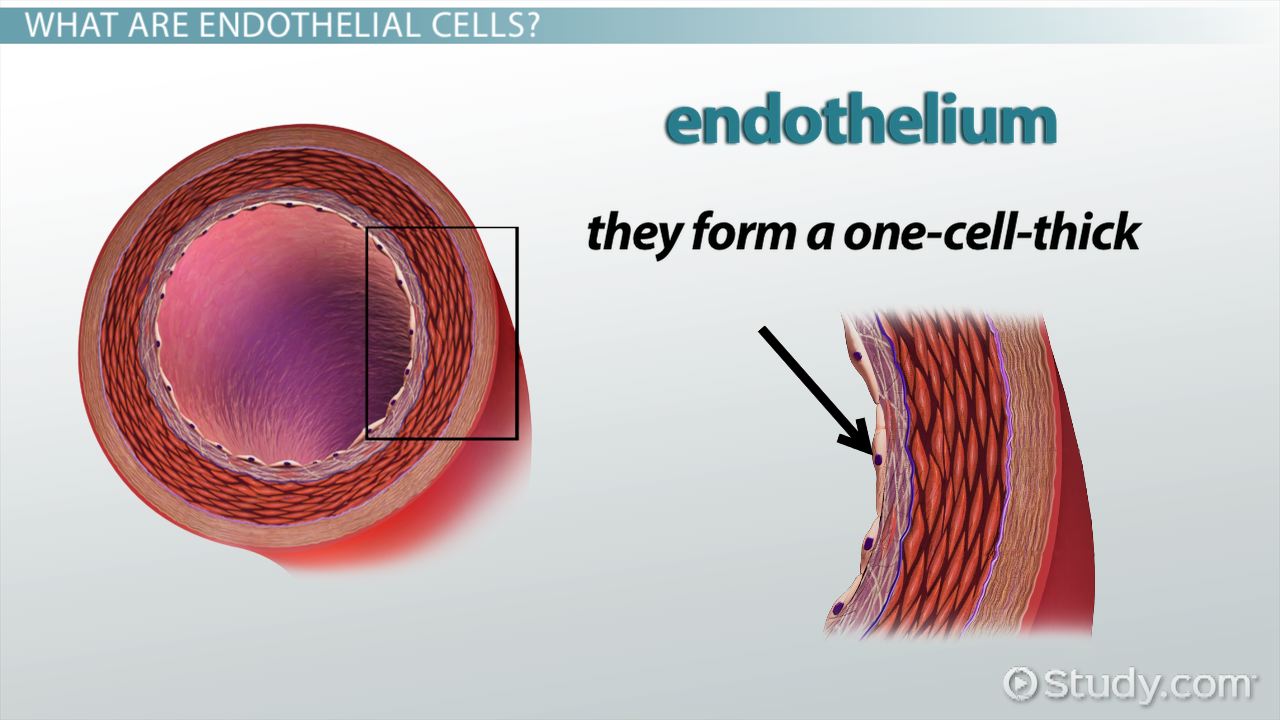
what is the capillary wall
just a single cell thick and these cells are referred to as endothelial cells
why is having a thin wall in the capillary perfectly suitable
for exchange and can use diff ways to move substances across the capillary wall. all exchanges happens in capillaries
substance movement
movement may be from the plasma within a capillary out to the interstitial fluid surrounding a capillary or from the intersitial fluid back into the plasma
what do the substances encounter during their movement
substances passing thru the endothelial cell have to encounter two plasma membranes, the one closest to the capillary lumen, called the luminal membrane and the one closest to the intersitial fluid called the basolateral membrane
how do substances move across the epithelial cell
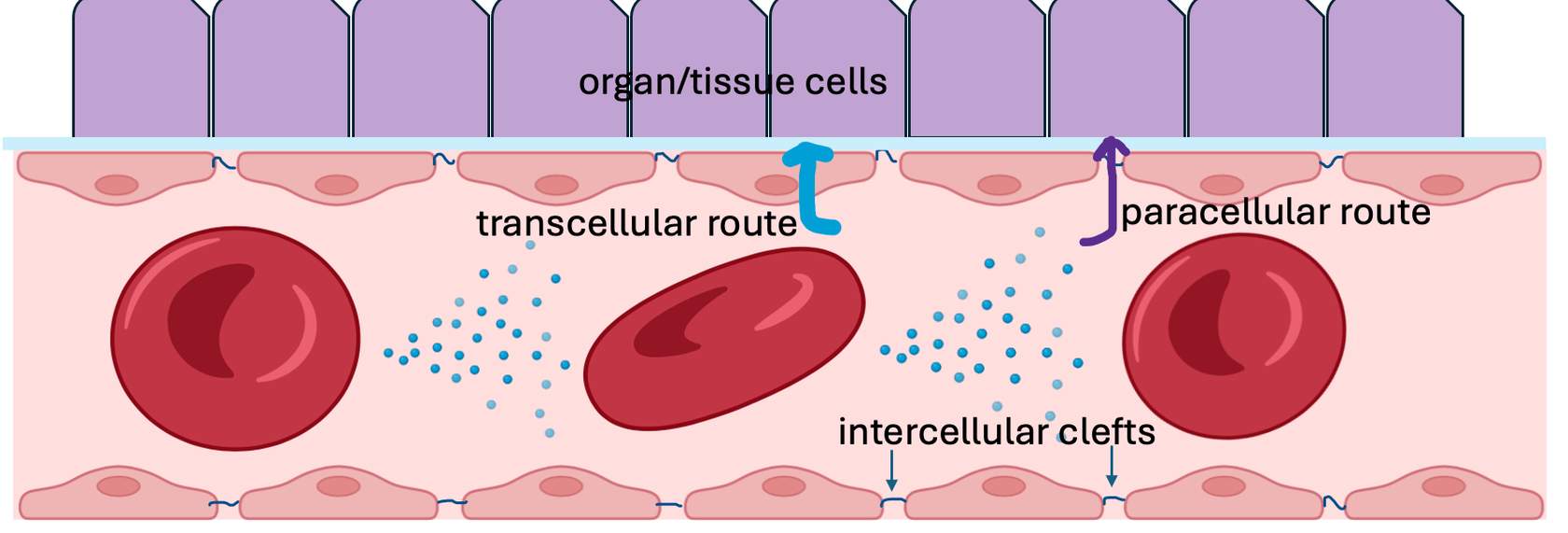
substances move across using transcellular transport, meaning the substance has to actually enter and then exit the endothelial cell
examples of transcellular transport
simple diffusion, diffusion using channels, faciliated diffusion, active transport, endocytosis and exocytosis
whats another way substances can move?
paracellular transport. substances can also move between two endothelial cells lining the capillaries thru small spaces called intercellular clefts. this type of movement is refered to as bulk flow
bulk flow
fluid and anything dissolved in it (ions, hormones, glucose, wastes, drugs) that are small enough to fit thru that intercellular cleft will flow thru it. Bulk flow isnt selective apart from size. this is one reason why ion concentrations between plasma and interstitial fluid are very similar. proteins cannot fit thru these clefts which is why interstitial fluid has diff protein concentrations than the plasma does.
what do intercellular clefts have
proteins called tight junctions in the intercellular cleft (space between the endothelial cells) and they can vary in size, therefore affect the leakiness of that cleft
capillaries in the body
we have diff types of capillaries in our body:
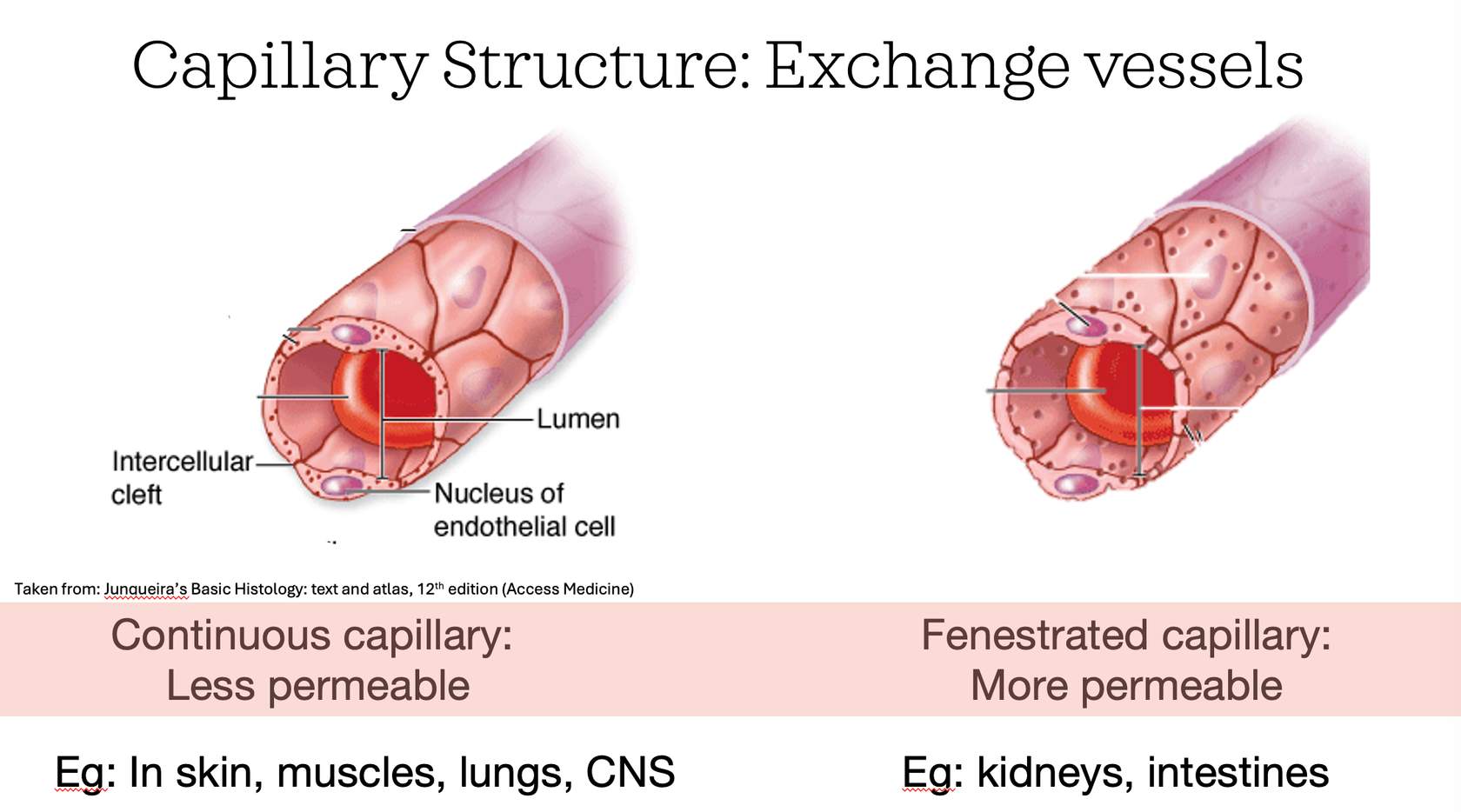
continuous capillaries (most abundant), fenestrated capillaries (found in kidneys and intestines) and sinusoidal capillaries (of liver and spleen). These diff capillaries have diff permeability or leakiness to bulk flow
continuous capillary
eg in skin, muscles, lung, cns. are much less permeable than fenestrated capillaries. these small slits are found at the border where two endothelial cells meet. they can vary in permeability or leakiness. some have wider intercellular clefts between endothelial cells while others have none at all.
ex: brain is a great example of continuous capillaries with almost no permeability through intercellular clefts. This is important because if we had a lot of fluid leak out of capillaries in our brain, this could lead to problems as it is encased in a hard bony skull and can't expand
permeability of intercellular clefts
is related to proteins responsible for linking two endothelial cells together. these proteins form tight junctions. the tighter the tight junction, the narrower the intercellular cleft like in the blood brain barrier. the size of these clefts determine what substances can pass in between cells and which cant. cells and proteins typically cannot pass thru these clefts
bulk flow: filtration
when fluid and other substances move out of a capillary thru bulk flow, its called filtration. filtration will increase the amount of interstital fluid surrounding our tissue cells.
edema
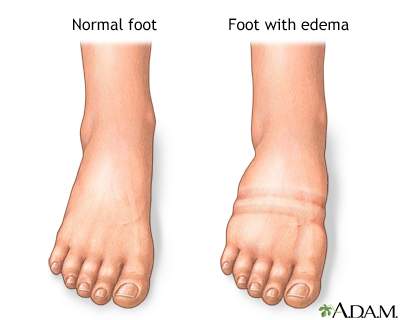
where excessive filtration was allowed to happen in a limb or organ. that limb or organ would continue to swell
how can edema occurs
blood vessels are leakier and more fluid travels outside the vessel (thru infection/inflammation)
low protein levels in the blood; proteins tend to hang onto fluid inside the blood vessels, so if u have very low protein, that fluid will leak out
too much fluid in a blood vessel, it gets overloaded
starling forces
force involved in promoting or preventing filtration. can promote the return of fluid back into the capillary, process known as reabsorption
hydrostatic force
force that causes fluid to move
where does filtration and reabsorption occur in the vessels
tend to see filtration at the arteriole end (high bp) of the capillary and reabsorption (low bp) at the venule end of the capillary
lymphatic system
its job is to return excess interstitial fluid back into circulation, back to heart and recirculate thru the body again. involves lymphatic vessels (lympathic capillary) that travels thruout the lymphatic system