BIOL 201: Body Organization and Homeostasis
 Call Kai
 Learn
Learn Practice Test
 Spaced Repetition
 Match
Match Flashcards
 Knowt Play
1/76

There's no tags or description
Looks like no tags are added yet.
Name | Mastery | Learn | Test | Matching | Spaced | Call with Kai | Chat |
|---|
No analytics yet
Send a link to your students to track their progress
77 Terms
Organization
Organism
Organ System
Organ
Tissue
Cell
Organelle
Macromolecule
Molecule
Atom
Anatomy
Study of structure
Physiology
Study of Function
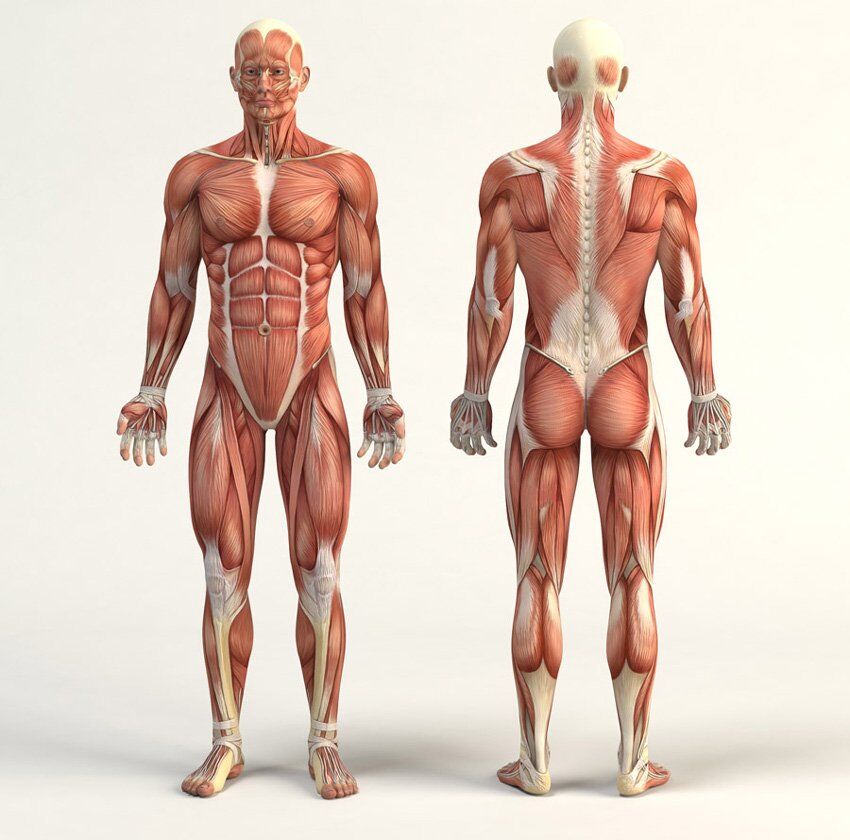
Anatomical Position
Standardized reference position
Proximal
Closeness to the body’s center or the structure’s origin

Distal
Indicates that a structure is further from the trunk of the body or the reference point

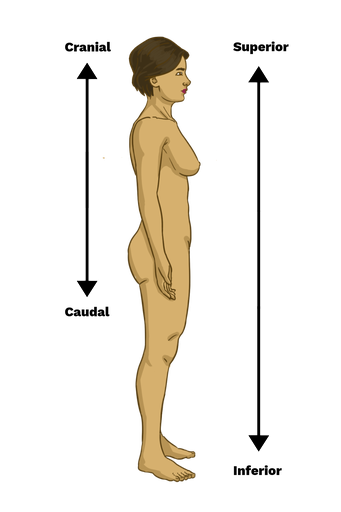
Superior
Higher or closer to the top of the head

Inferior
Lower or closer to the feet
Anterior / Ventral
Toward the front of the body
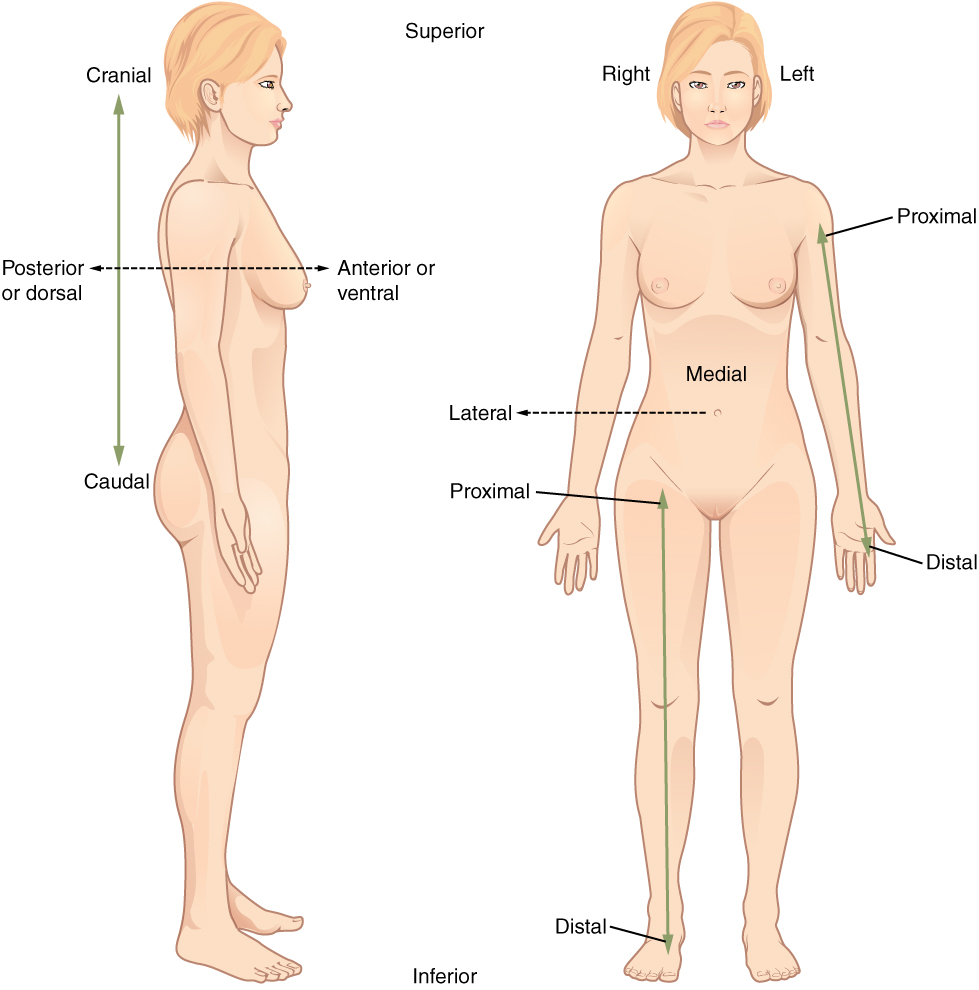
Posterior / Dorsal
Toward the back of the body

Medial
Closer to the midline
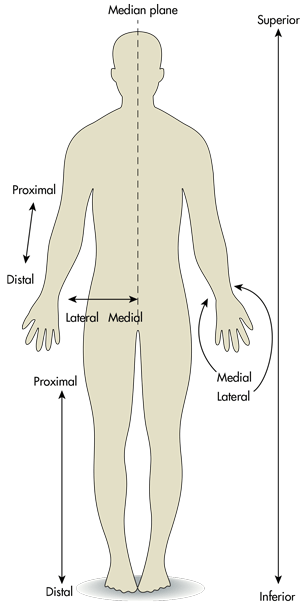
Lateral
Further from the midline
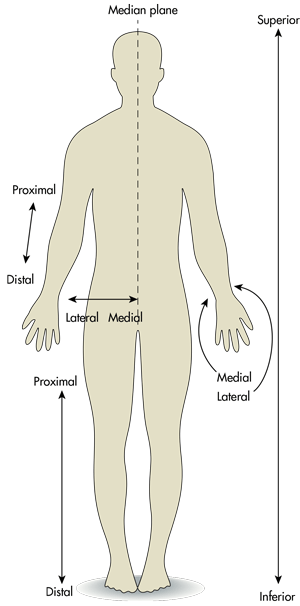
Frontal / Coronal Plane
Divides the body into front and back (anterior and posterior)
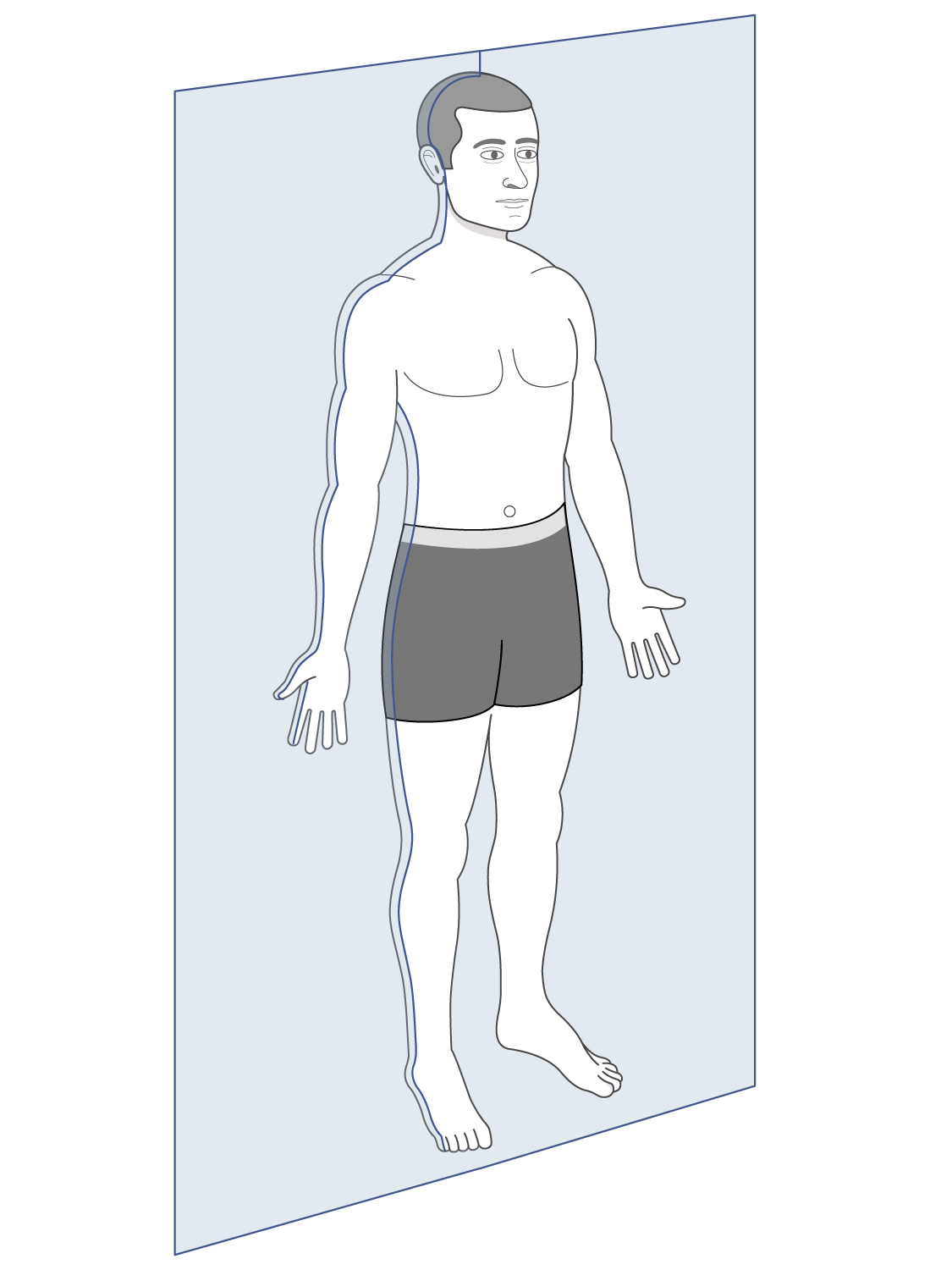
Sagittal Plane
Divides the body into left and right
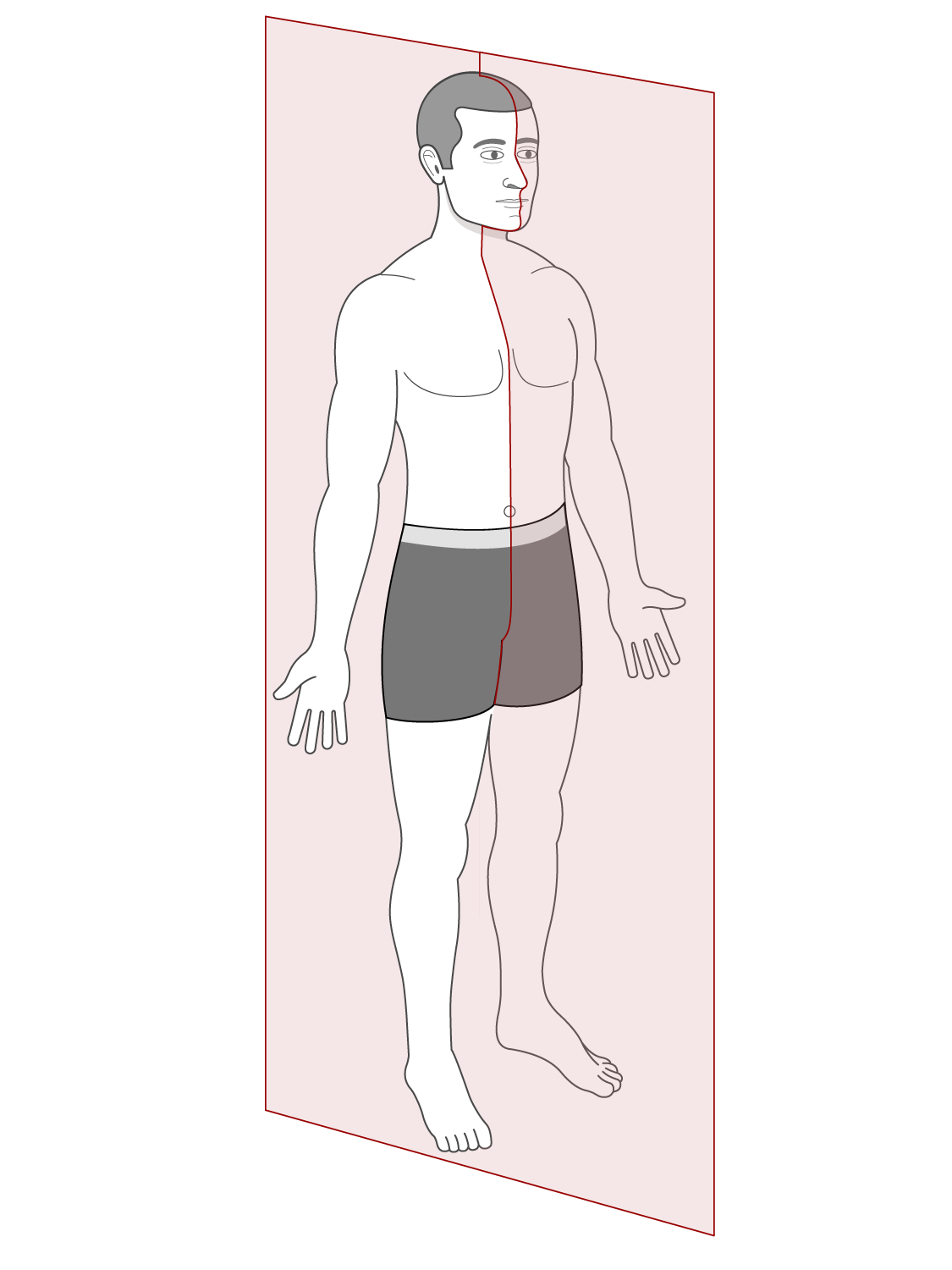
Transverse Plane
Divides the body into top and bottom (superior and inferior)
Dorsal Cavity
Contains cranial and vertebral cavities
Protects nervous system

Ventral Cavity
Contains thoracic, abdominal, and pelvic cavities
Houses internal organs

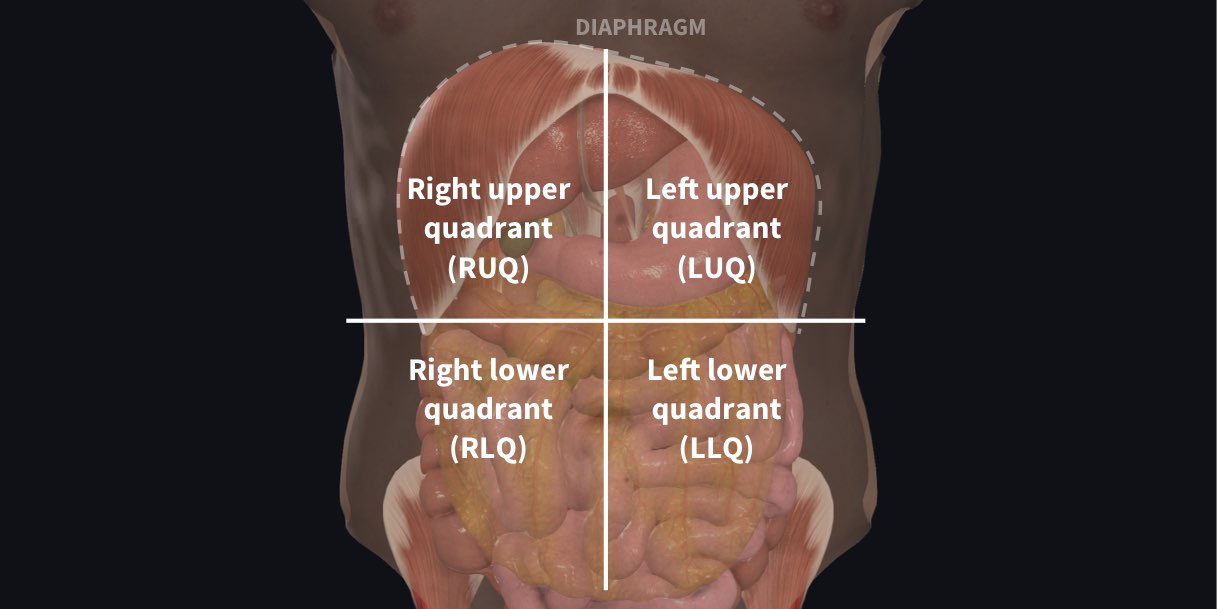
Quadrants of the Abdominopelvic Cavity:
RU, LU, RL, LL
Hypochondriac Regions

Lumbar Regions (abdominal)
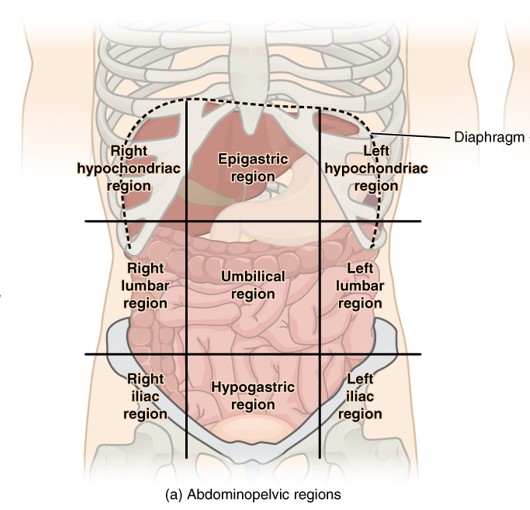
Iliac Regions
Epigastric Region

Umbilical Region

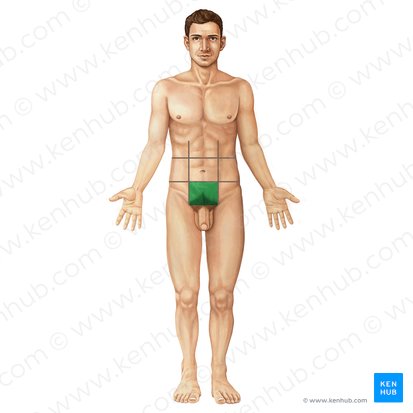
Hypogastric Region

Cephalic
Head
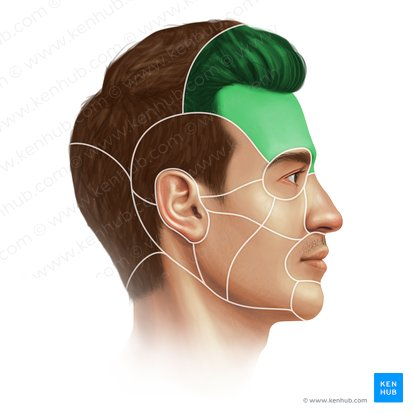
Frontal
Forehead
Orbital
Eyes

Nasal
Nose

Oral
Mouth
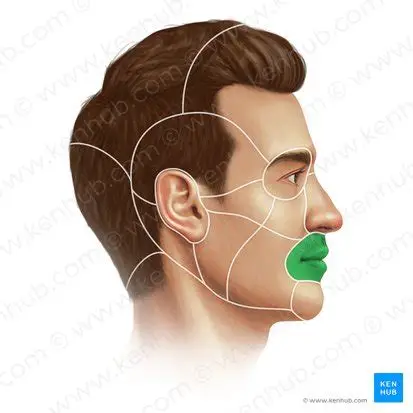
Mental
Chin

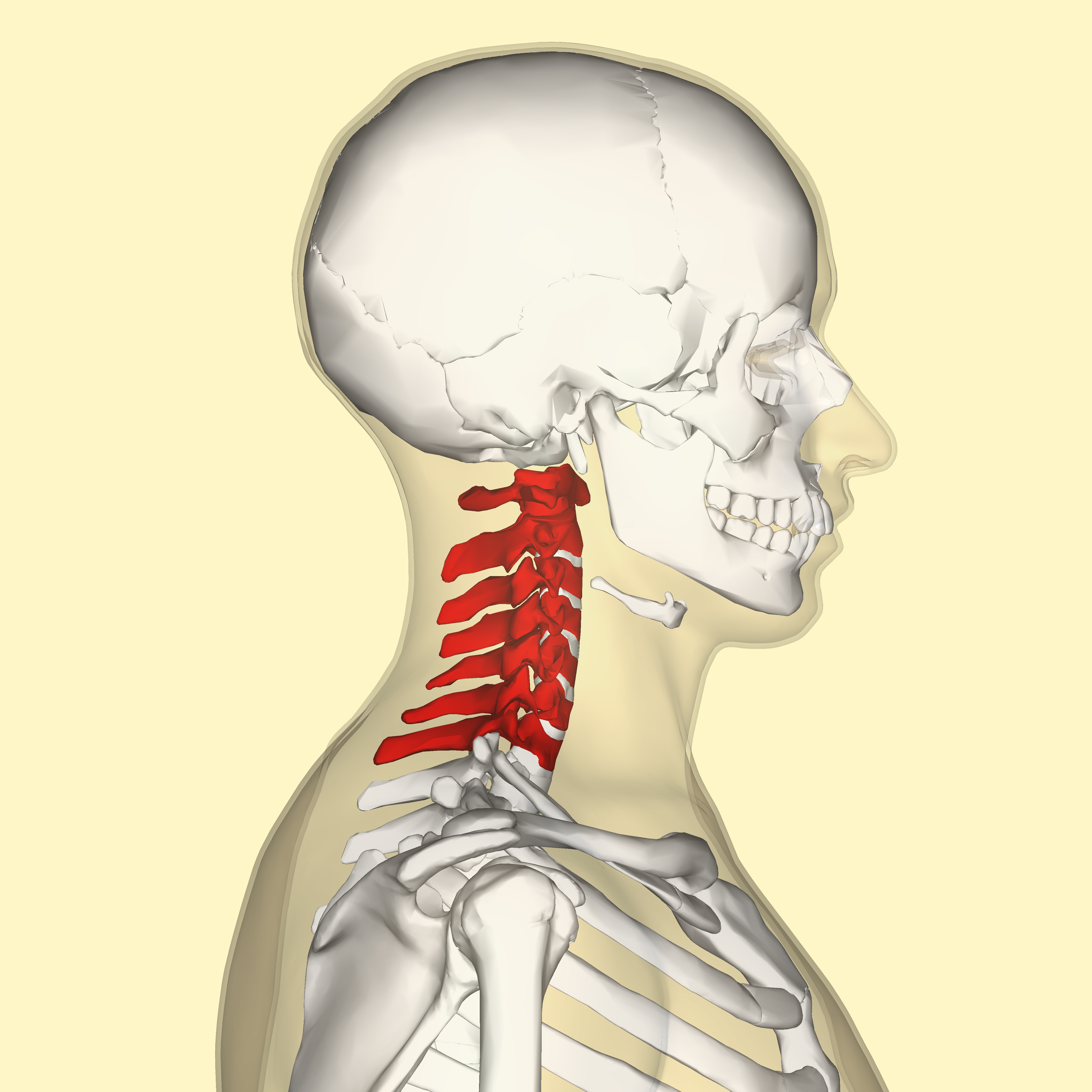
Cervical
Neck
Sternal
Sternum

Axillary
Armpits
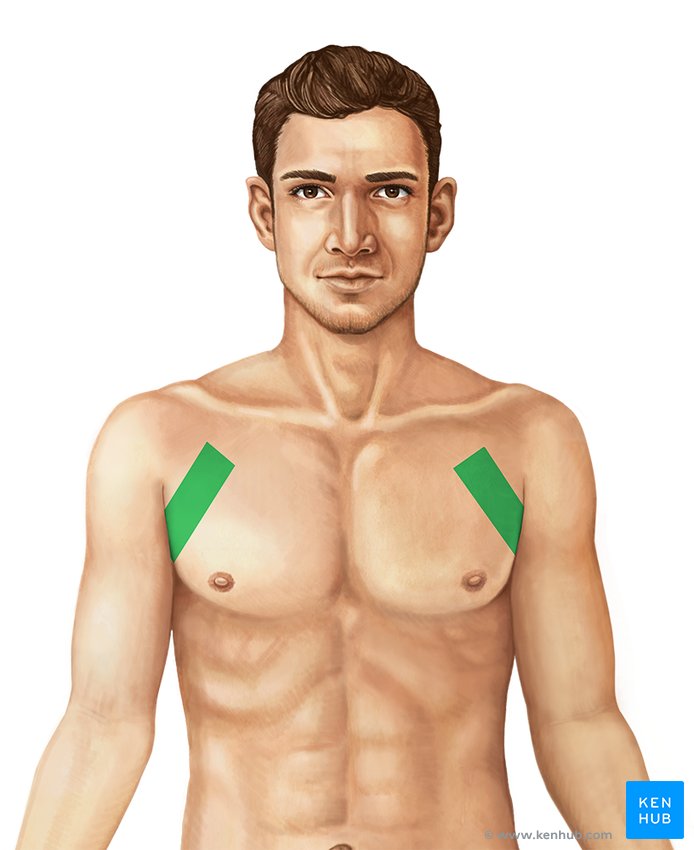
Mammary
Chest

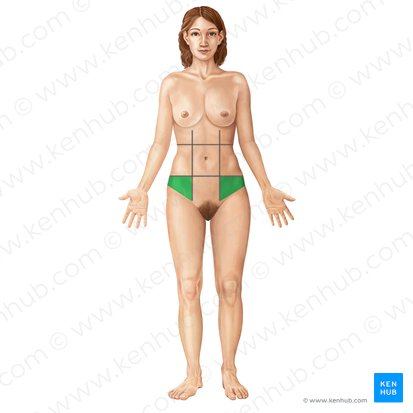
Inguinal
Groin
Pubic
Genital
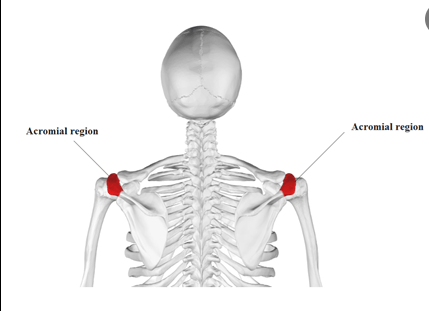
Acromial
Shoulder
Brachial
Upper arm

Antecubital
Inside of the elbow

Antebrachial
Forearm

Carpal
Wrist

Manus
Hand
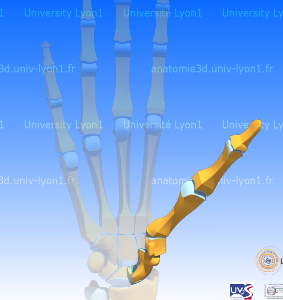
Pollex
Thumb
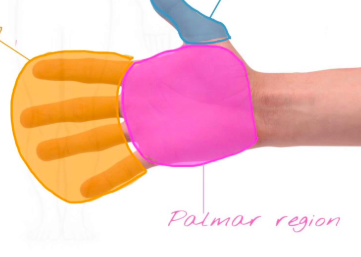
Palmar
Palm
Digital
Fingers and toes
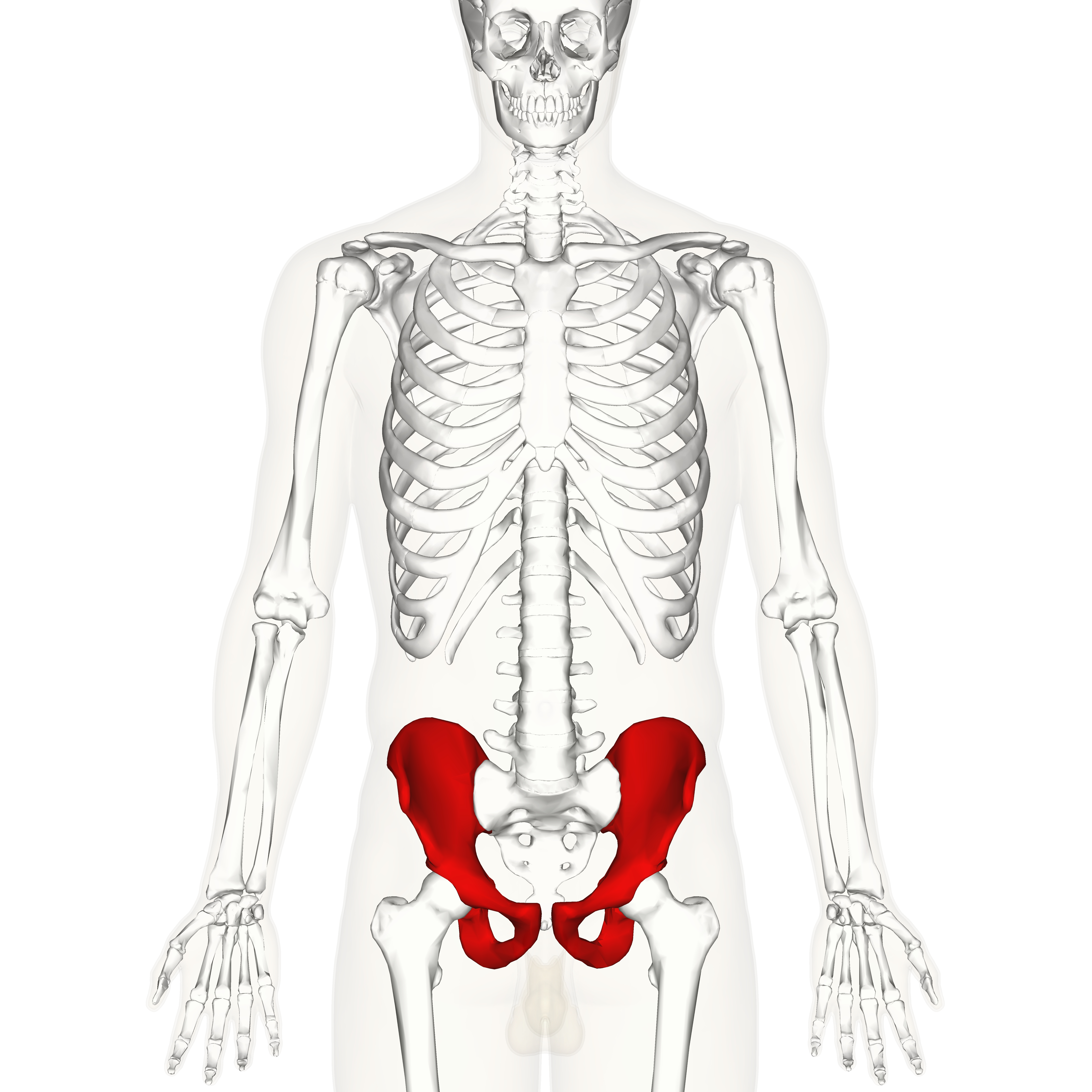
Coxal
Hips
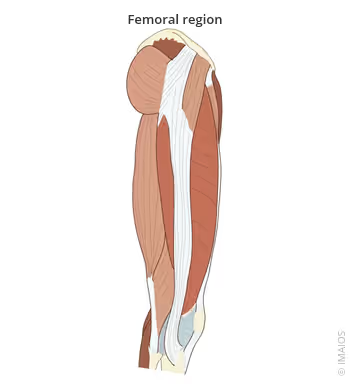
Femoral
Thigh
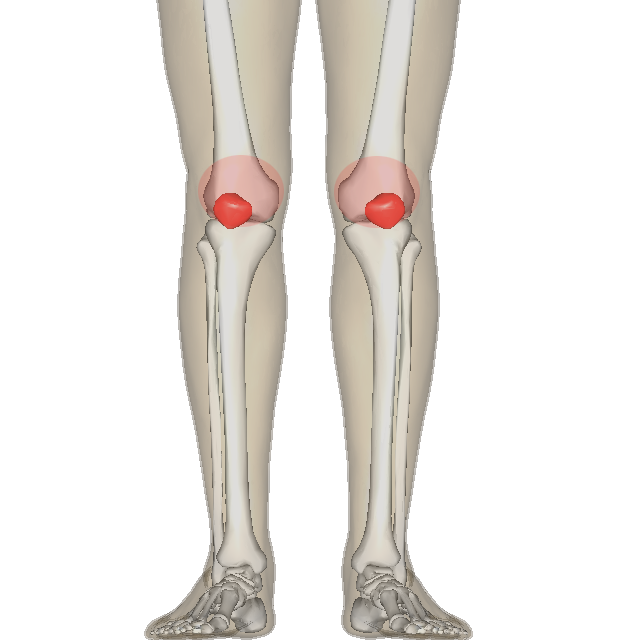
Patellar
Kneecap
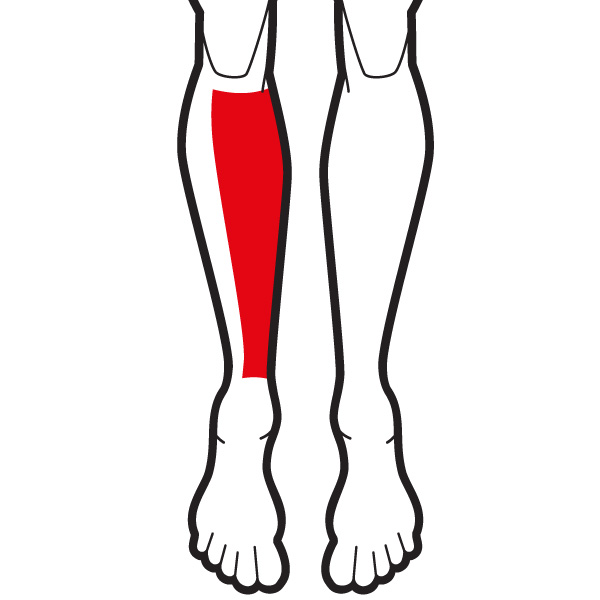
Crural
Shin
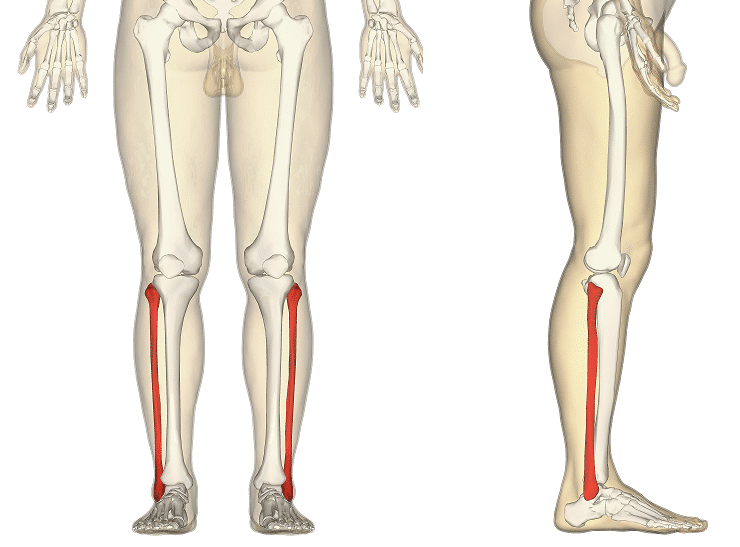
Fibular / Peroneal
Lateral side of the leg
Pedal
Foot
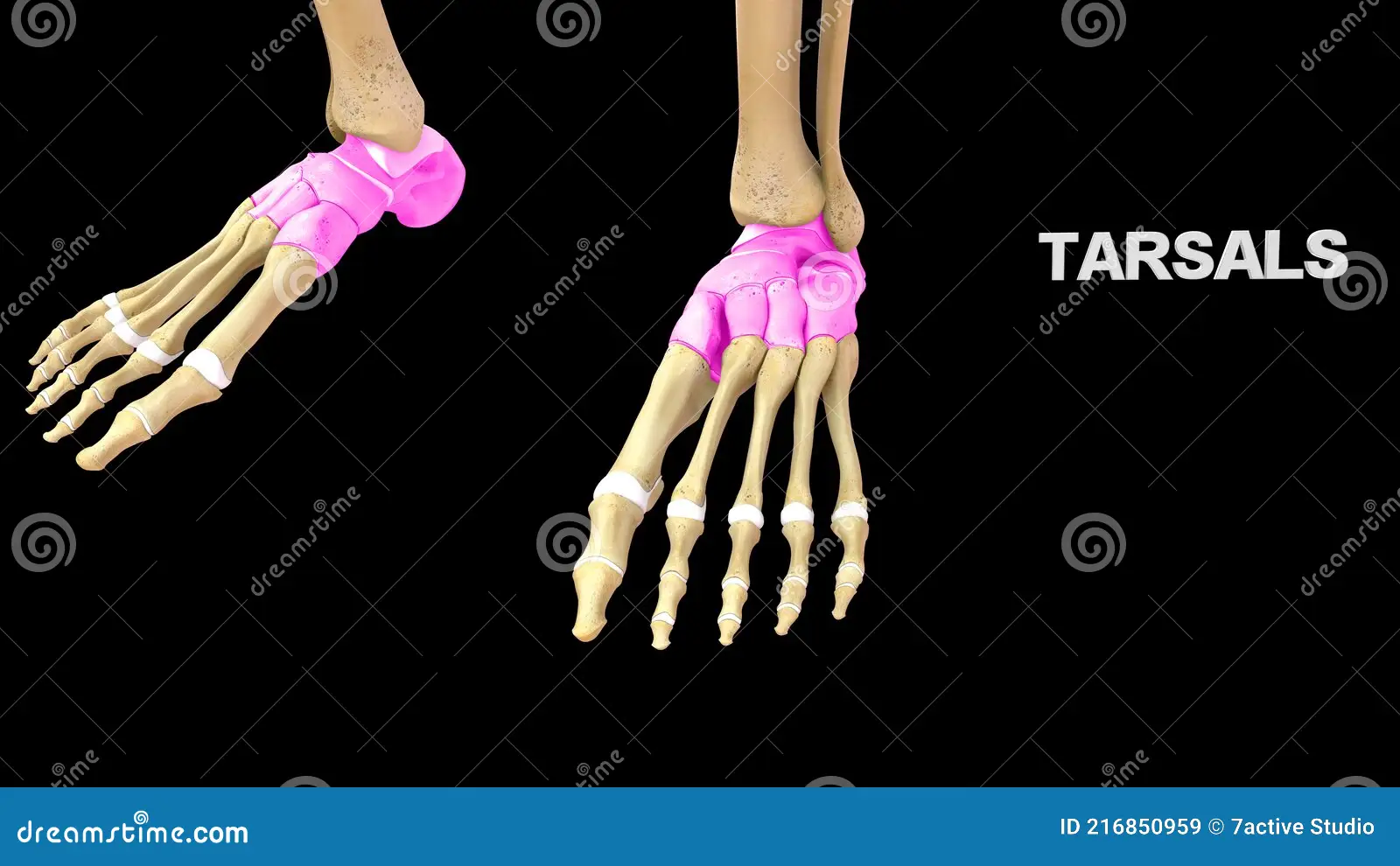
Tarsal
Ankle
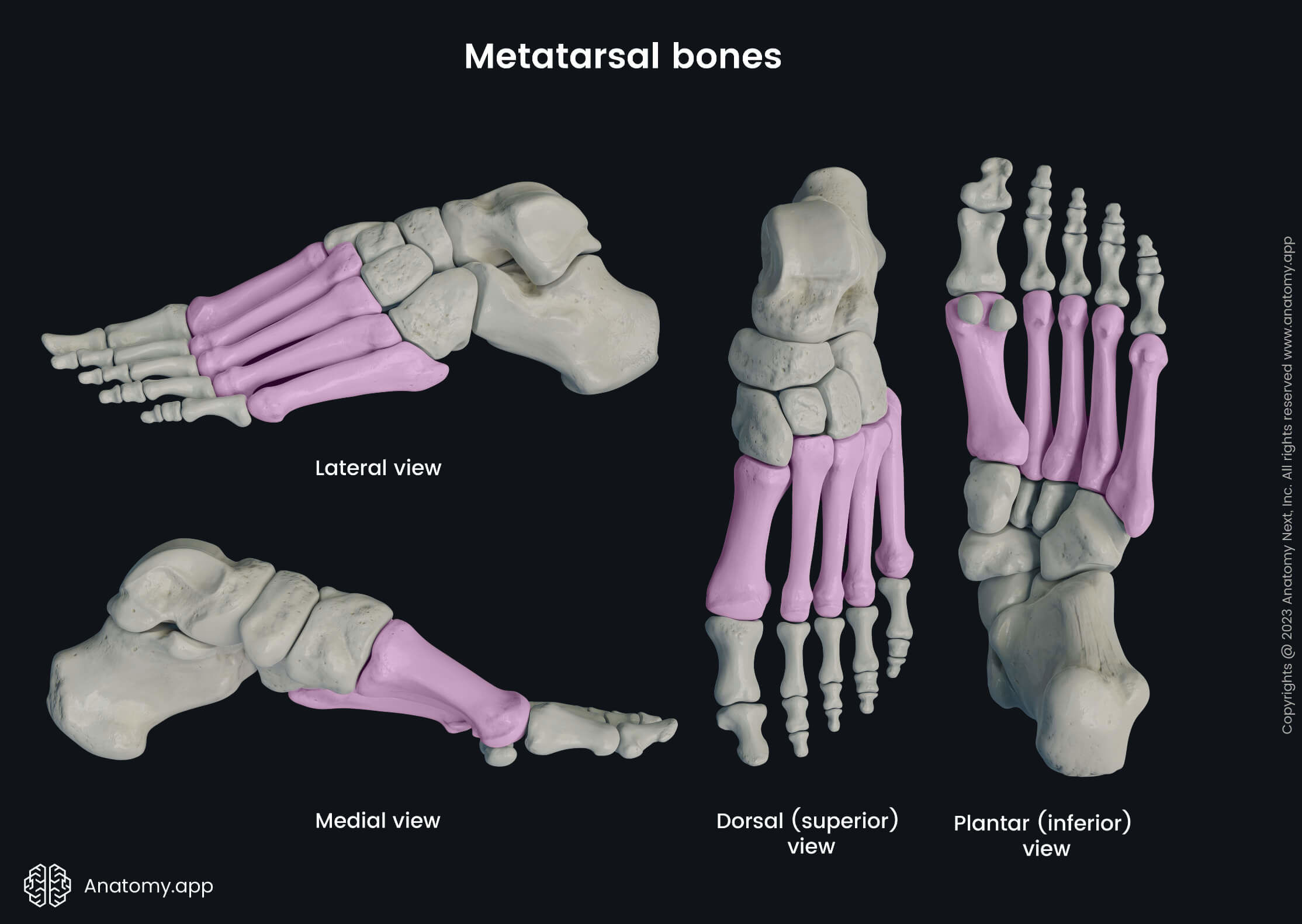
Metatarsal
Foot bones
Hallux
Big toe

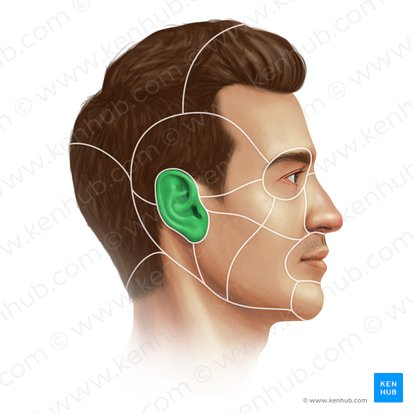
Otic
Ears
Occipital
Posterior side of the head

Scapular
Shoulder blades

Lumbar
Sides of the lower back

Vertebral
Spine

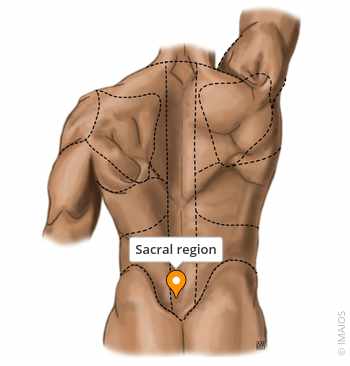
Sacral
Sacrum / Lower back
Gluteal
Buttocks

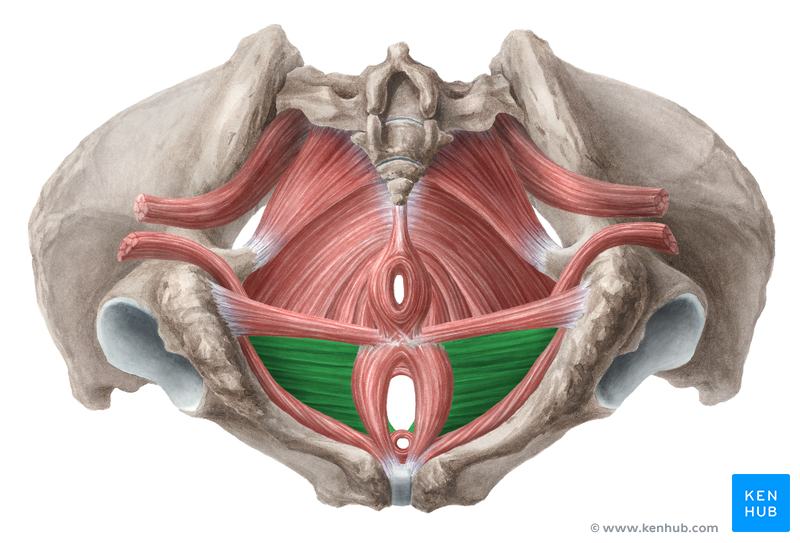
Perineal
Between anus and genitalia
Olecranal
Elbow

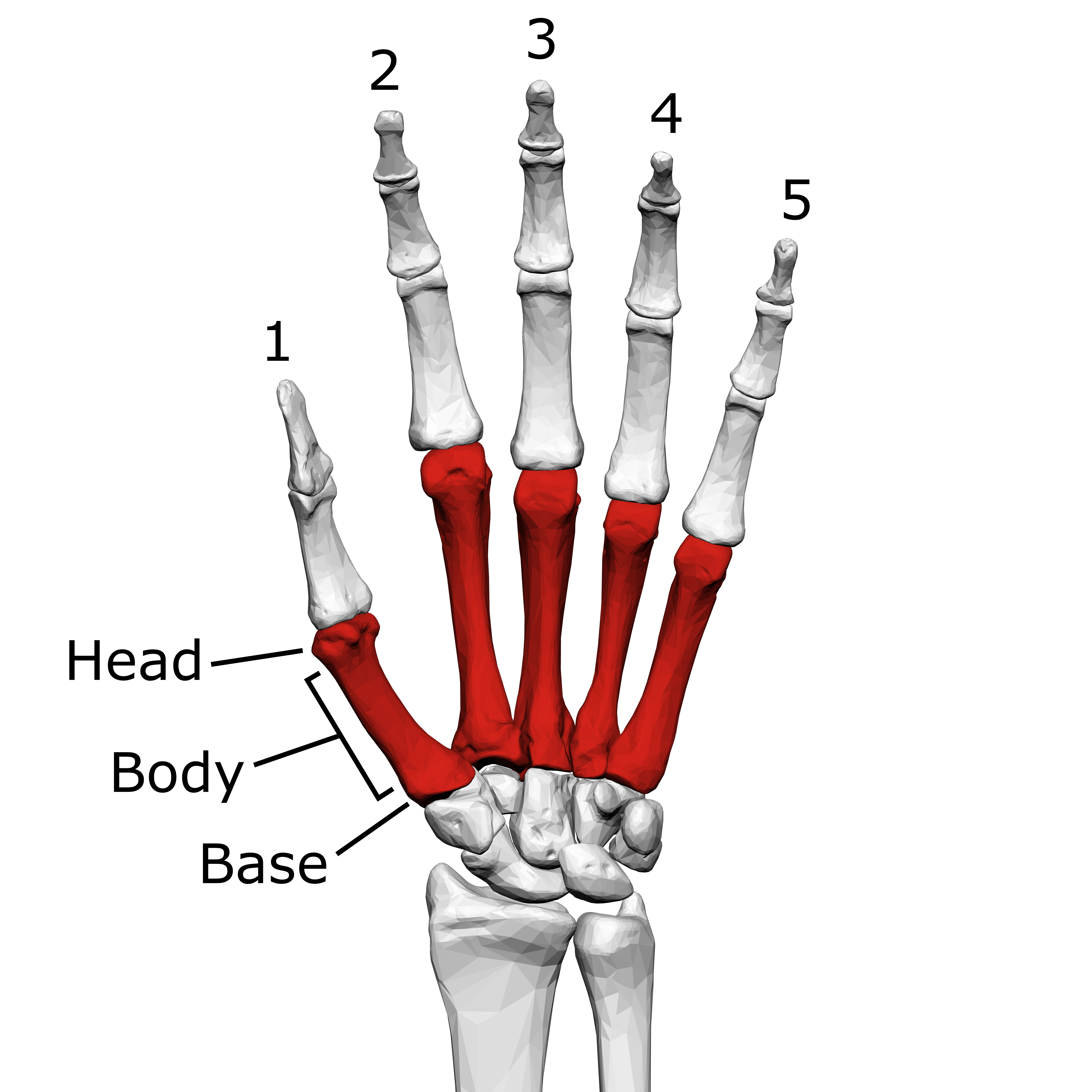
Metacarpal
Palm bones
Popliteal
Posterior side of the knee

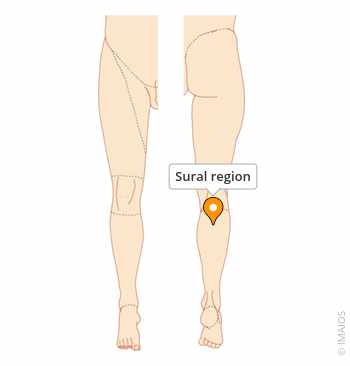
Sural
Calf
Calcaneal
Heel

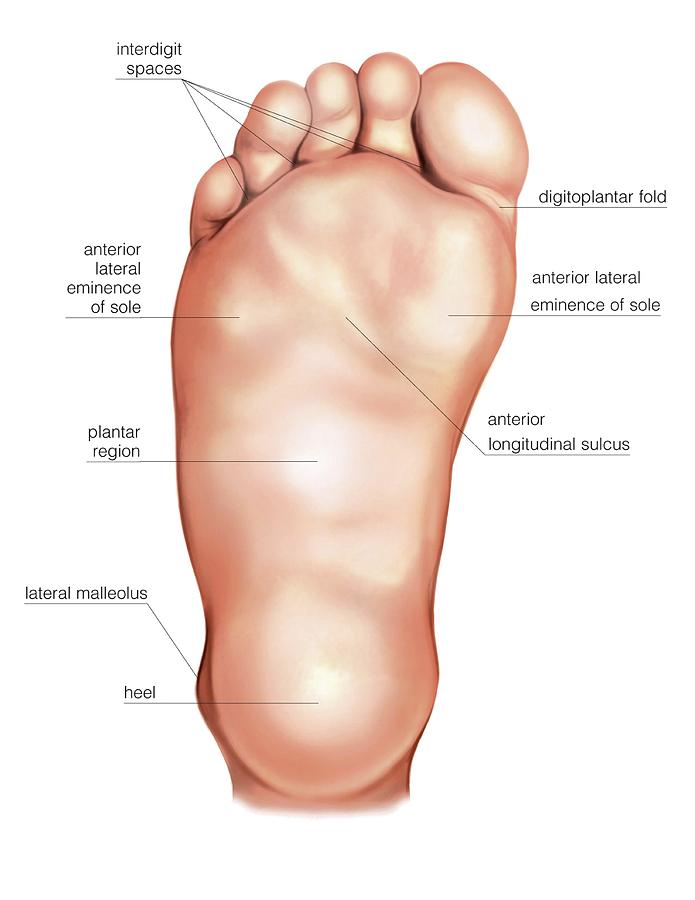
Plantar
Bottom of the foot
Homeostasis
Consistency through change
Negative Feedback
Response to a stimulus that counteracts it
Positive Feedback
Response to a stimulus that enhances it
Receptor
Sensor, monitors environment, responds to stimuli (detects when something happens)
Control Center
Receives input from receptor, determines set point or range of acceptable values for homeostasis
Effector (target)
Receives output from control center, provides response
Reduces (negative) or enhances (positive)
Components of a Control Mechanism:
Stimulus
Receptor
Input
Control Center
Output
Effector
Response
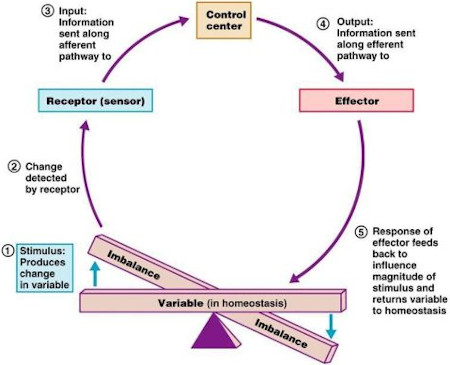
Afferent Pathway
Stimulus —> Receptor —> Output
Efferent Pathway
Output —> Response