Comprehensive Concussion and Neurologic Disorders in Sports Medicine
 Call Kai
 Learn
Learn Practice Test
 Spaced Repetition
 Match
Match Flashcards
 Knowt Play
1/52

There's no tags or description
Looks like no tags are added yet.
Name | Mastery | Learn | Test | Matching | Spaced | Call with Kai | Chat |
|---|
No analytics yet
Send a link to your students to track their progress
53 Terms
What is a common symptom of a concussion?
Headache
What are two symptoms associated with neck pain after a concussion?
Nausea or vomiting
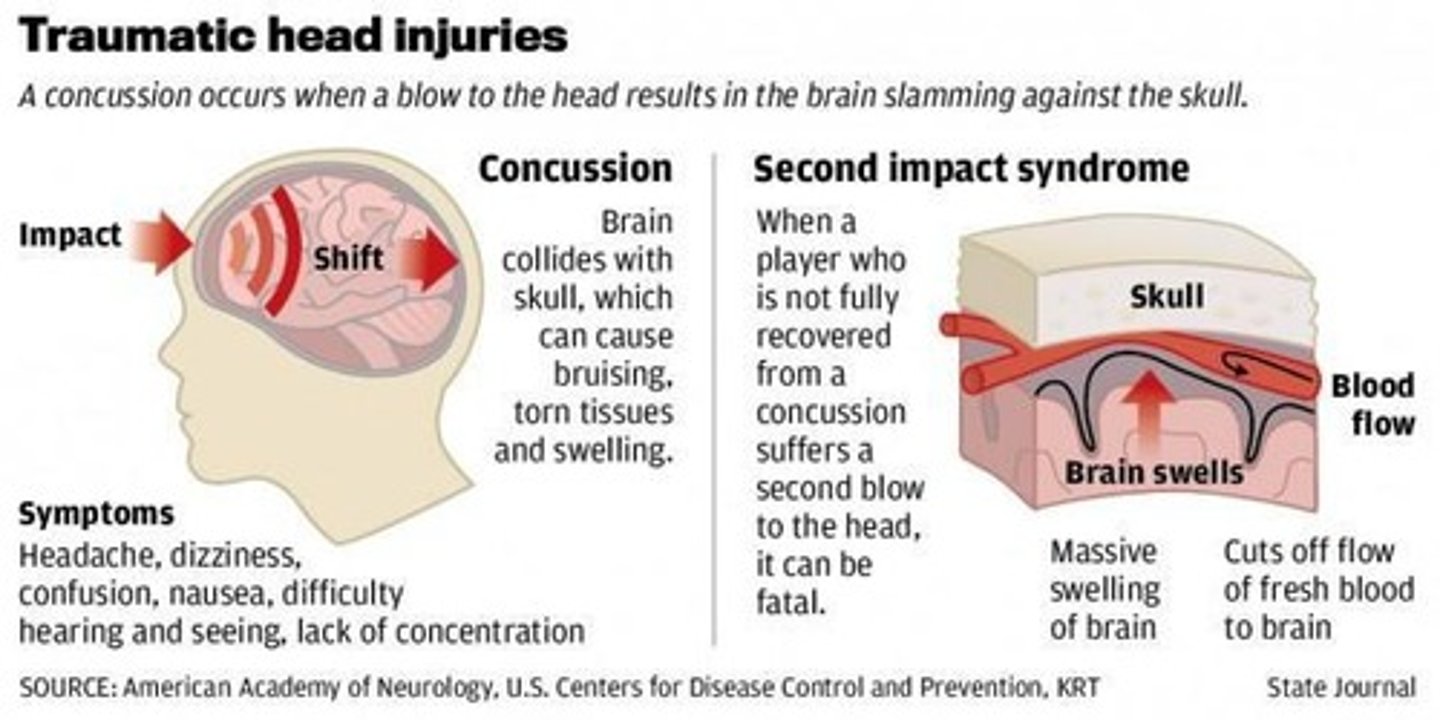
What does the term 'neurometabolic cascade' refer to in relation to concussions?
The immediate release of neurotransmitters and ions due to axonal injury.
What neurotransmitter binds to the NMDA receptor during the neurometabolic cascade?
Glutamate
What is the risk associated with Second Impact Syndrome?
It can lead to increased length of symptoms or be fatal.
What percentage of fatal head injuries reported from 1990 to 2003 were in high schoolers?
71%
What is Chronic Traumatic Encephalopathy (CTE)?
A degenerative brain disease from repetitive brain trauma.
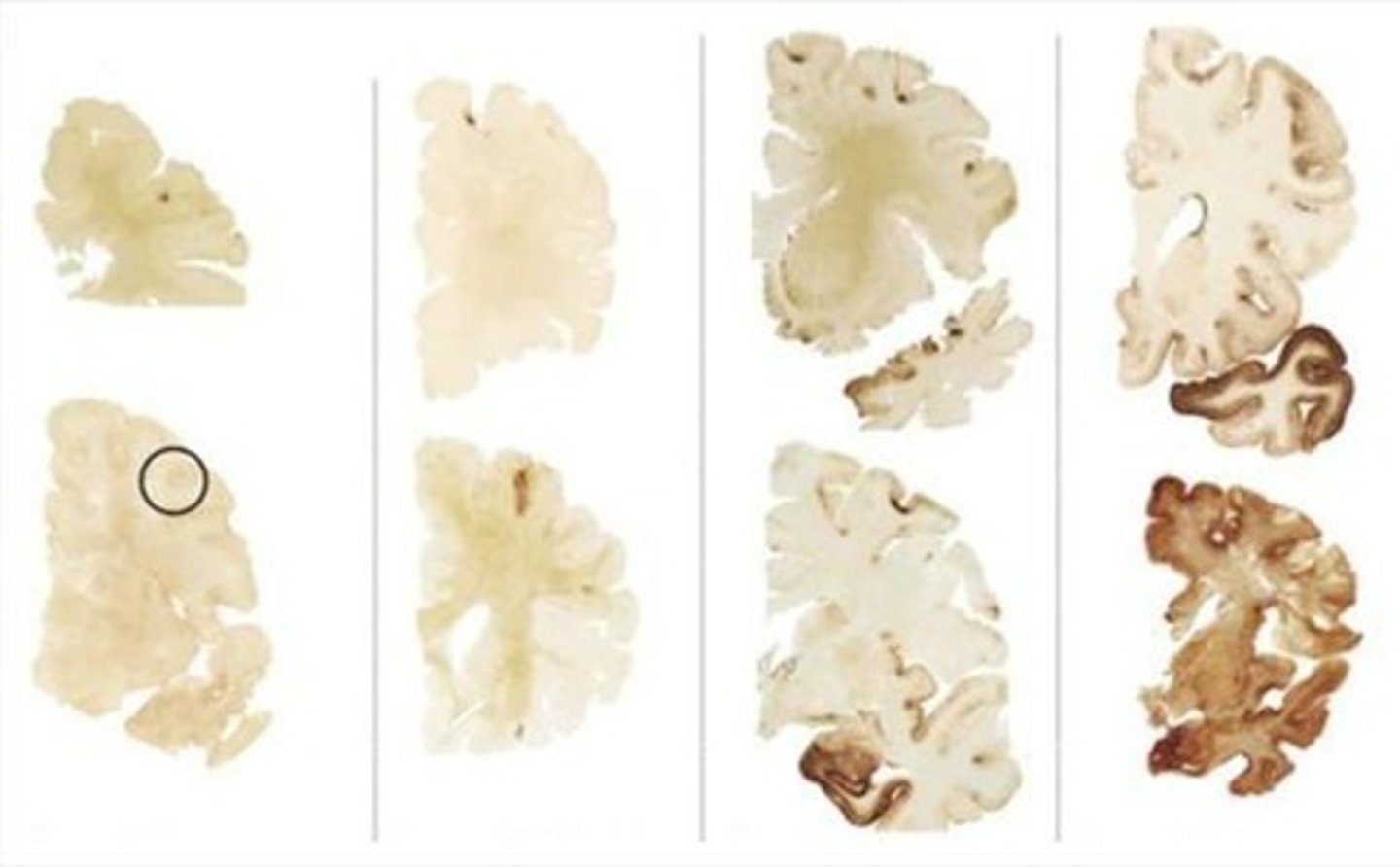
What is a common cause of CTE?
Build-up of Tau protein in the brain.
What is the recommended initial management for cognitive stimulation after a concussion?
48 hours off cognitive stimulation if needed.
What is the Buffalo Concussion Treadmill Test used for?
To assess neurophysiologic recovery post-concussion.
What type of exercise is recommended during recovery from a concussion?
Aerobic exercise, starting at 60% max heart rate.
What is the purpose of blood biomarkers in concussion management?
To help diagnose and assess the severity of concussions.
What is one of the blood biomarkers mentioned for hemorrhage?
S100B
What is the role of vision testing in concussion assessment?
To identify gait disturbances and other symptoms.
What is the significance of the Modified Balke Protocol?
It is used in the Buffalo Concussion Biking Test.
What is the recommended approach to 'Return to Learn' after a concussion?
Limit cognitive load and provide accommodations like reduced homework.
What should be avoided in school for a student recovering from a concussion?
Physical Education (PE) and testing more than once per day.
How can emotional symptoms manifest after a concussion?
Increased irritability, sadness, or anxiety.
What is a common misconception among athletes regarding concussion symptoms?
They may not be forthright about their symptoms.
What is the recommended duration for breaks during school for concussion recovery?
Allow breaks as needed.
What is the purpose of allowing students to wear sunglasses after a concussion?
To reduce sensitivity to light.
What is the role of standardized accelerometers in concussion management?
To monitor impacts and improve head protection.
What are the potential consequences of returning to play too soon after a concussion?
Increased risk of prolonged symptoms or severe injury.
What is the significance of the 'Return to Play' protocol?
It outlines safe guidelines for athletes returning to sports after a concussion.
What is one of the challenges in diagnosing concussions using imaging?
Regular CT scans are usually not helpful.
What is the importance of the C3 Concussion Software?
It aids in objective eye tracking during concussion assessments.
What special categories may require a full education plan?
ADHD, Migraine/HA history, Psychological issues, Dyslexia, Learning disabilities
Who are the key members of the team that should work together for concussion management?
Student, Parents, Care Providers, Physician, ATC, PT, Neuropsychologist, Optometrist, School Nurse, Teachers, School Psychologist, School Counselor, School Principal
What is the protocol for notifying about a concussion?
ATC notifies the Physician, School Nurse, School Counselor, and emails all teachers about the concussion.
What should be done if a student has a concussion?
No gym, pass to library as needed, and early class dismissal.
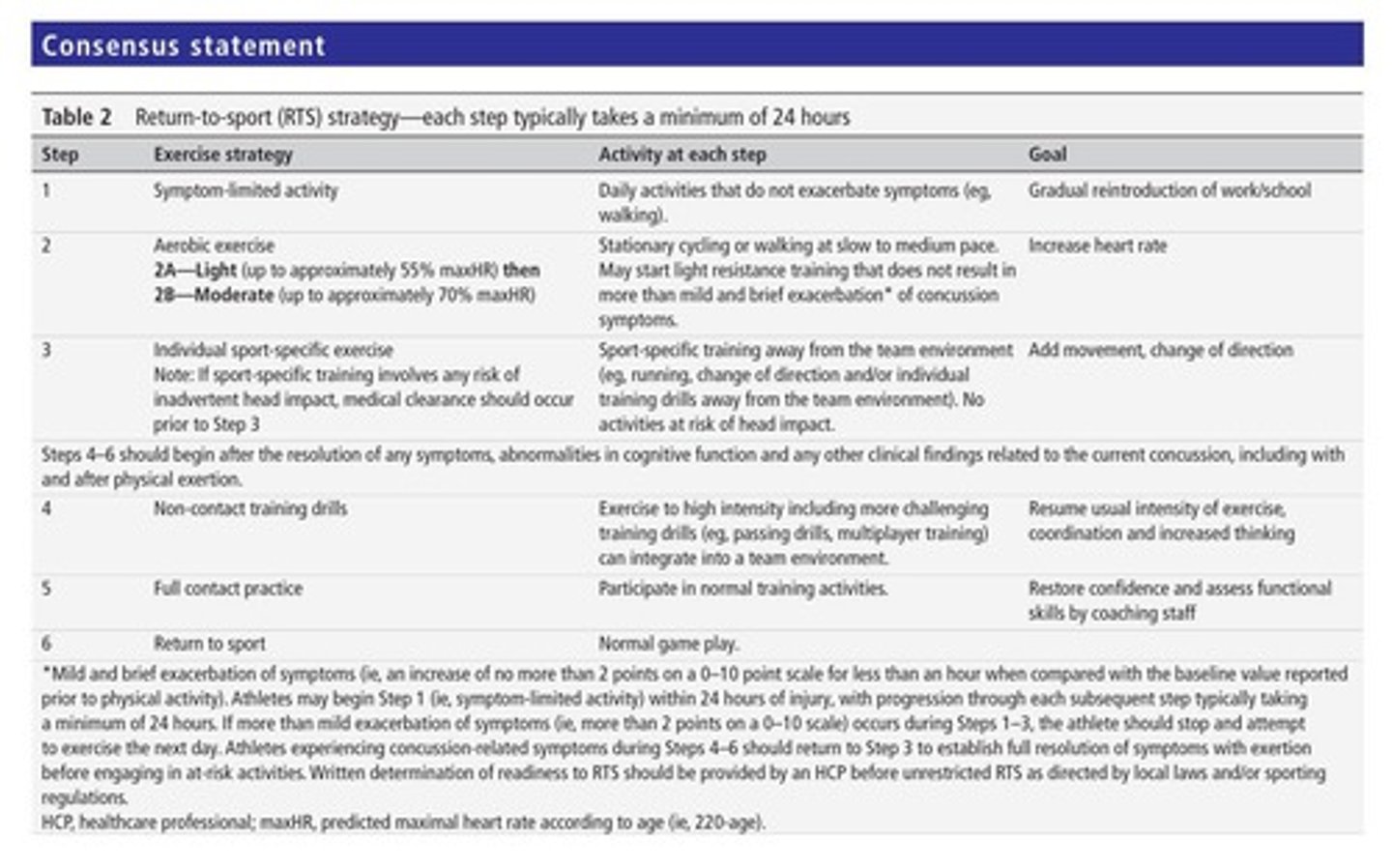
What is the initial step in the return-to-play protocol after a concussion?
Walking, starting at 48 hours post-injury.
What is the maximum heart rate for light aerobic activity in step 2A of the return-to-play protocol?
Up to 55% max HR.
What must be achieved before advancing to step 4 in the return-to-sport protocol?
The student must be symptom-free.
What are the signs that indicate a headache may need referral?
New or unusual headaches, sudden severe headache, chronic localized pain, headaches interrupting sleep, worsening headaches, and associated neurological symptoms.
What are common treatments for headaches?
Relieving stressors, biofeedback, psychotherapy, hydration, good diet, and medications like Tylenol, NSAIDs, and Triptans.
What is a Transient Ischemic Attack (TIA)?
A temporary episode that does not leave permanent damage to the brain.
What are the risk factors for stroke?
High lipids, smoking, hypertension, diabetes, obesity, family history, and lack of vitamin D.
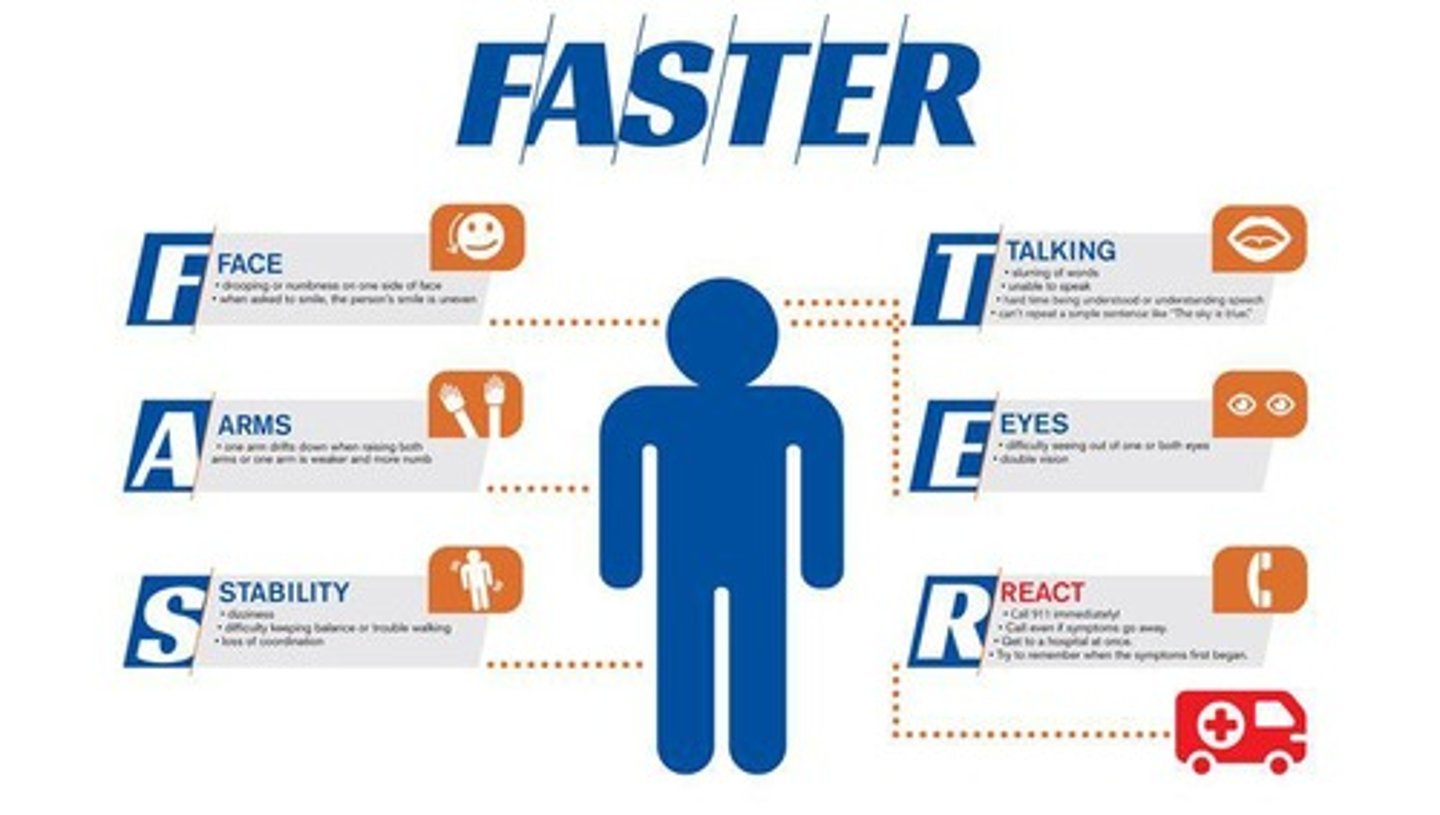
What does the acronym FAST stand for in stroke recognition?
F-Face, A-Arms, S-Speech, T-Time.
What is Guillain-Barre Syndrome?
An acute demyelinating disorder of the spinal roots and peripheral nerves.
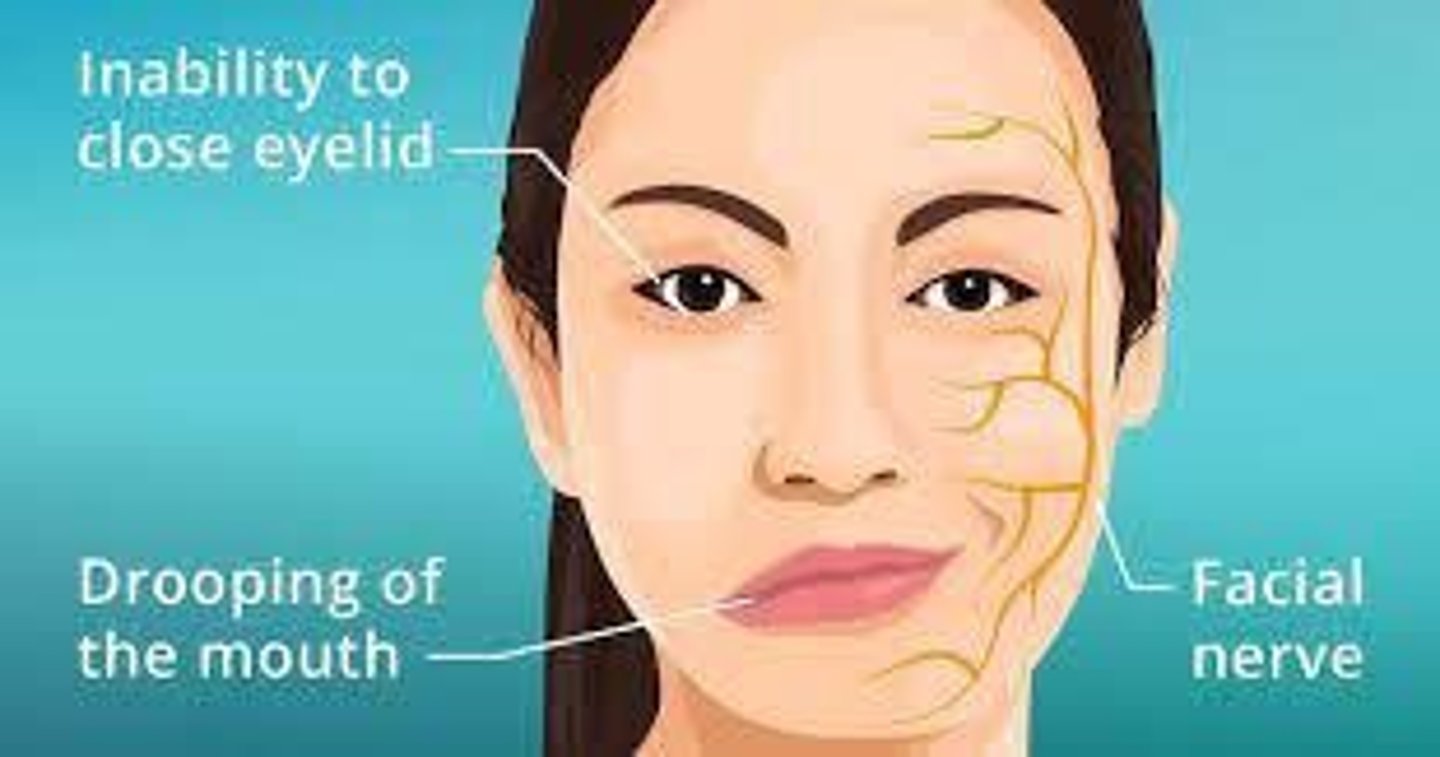
What is the most common cause of Bell's Palsy?
Herpes Simplex virus.
What is vertigo?
A sensation of instability or loss of equilibrium, often due to inner ear disturbances.
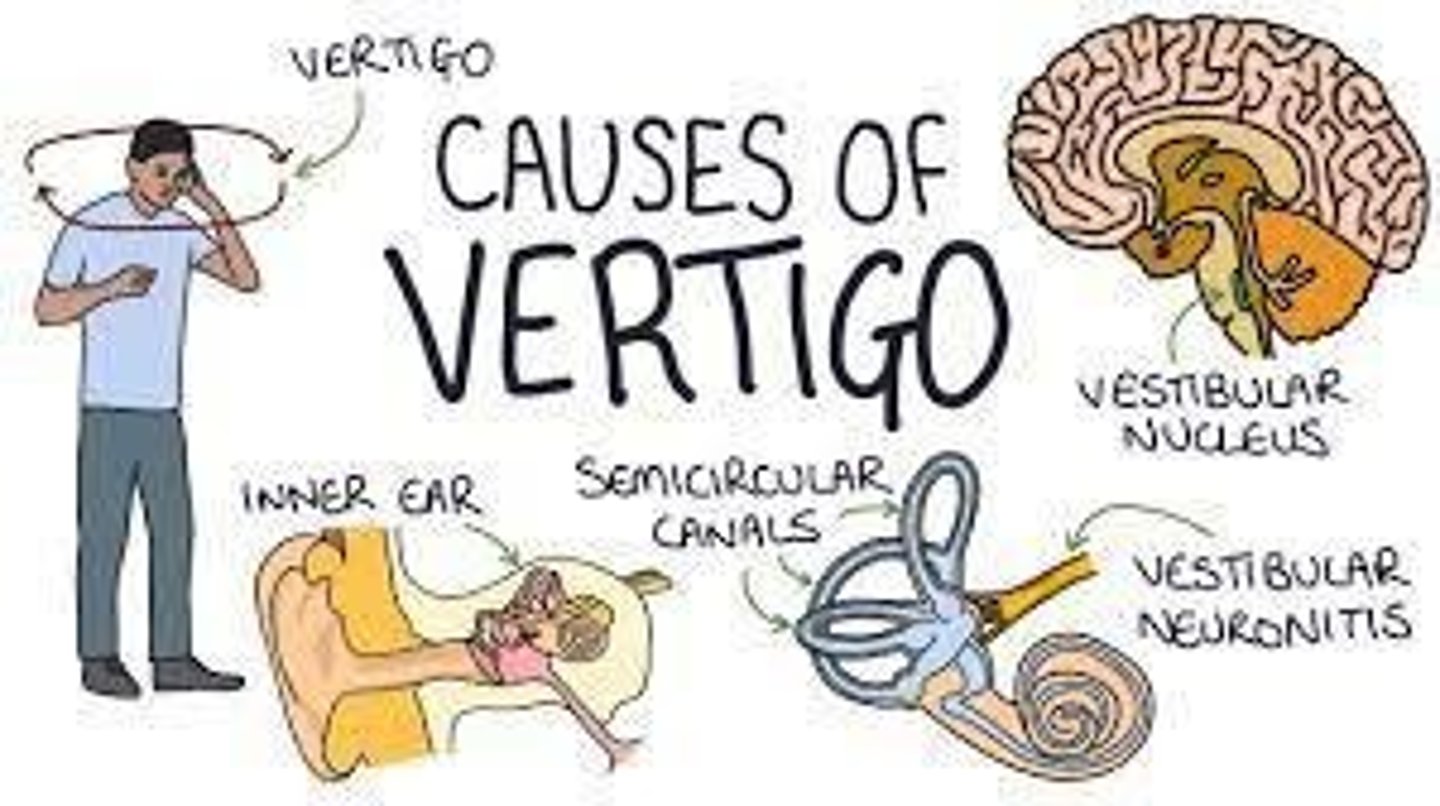
What is BPPV?
Benign Paroxysmal Positional Vertigo, characterized by spinning associated with changes in position.
What is the treatment for BPPV?
Dix/Hallpike test and vestibular therapy.
What should be done if symptoms last longer than a month after a concussion?
Referral to a specialized provider for evaluation.
What is the recommended action if a student experiences symptoms post-exertion during return-to-sport?
Do not advance to the next step if symptoms do not return to baseline within 1 hour.
What are common neurological symptoms associated with headaches?
Visual disturbances, numbness, paralysis, or weakness on one side of the face or body.
What is the incidence of strokes in individuals aged 18 to 45?
10 to 14% of strokes occur in this age group.
What is the treatment window for stroke therapy?
Treatment should be administered within 45 minutes of symptom onset.
What are the potential residual effects of Guillain-Barre Syndrome?
30% of patients may have residual weakness after 3 years.
What is the role of hydration in headache management?
Hydration is crucial for preventing and managing headaches.
What are the symptoms that may indicate a need for a concussion specialist?
Symptoms lasting longer than 4 weeks or not fully returning to sport.
What should be monitored daily after a concussion?
Daily symptoms by the ATC or nurse.
What is the significance of the 2-point jump in symptoms during return-to-sport?
It indicates that the student should not advance to the next step.