Basic Anatomical Language, Plane, Rotation, Axis
 Call Kai
 Learn
Learn Practice Test
 Spaced Repetition
 Match
Match Flashcards
 Knowt Play
1/64

There's no tags or description
Looks like no tags are added yet.
Name | Mastery | Learn | Test | Matching | Spaced | Call with Kai | Chat |
|---|
No analytics yet
Send a link to your students to track their progress
65 Terms
When describing movement what position do you always start in?
Anatomical position
Frontal (Coronal) Plane
Divides body into anterior (front) and posterior (back) parts

What is the axis for frontal (coronal) plane
anteroposterior axis or sagittal axis
Sagittal plane
Divides the body into right and left parts
Median plane
specific sagittal plane that divides the body down the center into two symmetrical halves
Parasagittal plane
Any plane parallel to the median plane

What is the axis for sagittal plane?
Mediolateral or frontal axis
Transverse Plane
Divides the body into superior (upper) and inferior (lower) parts
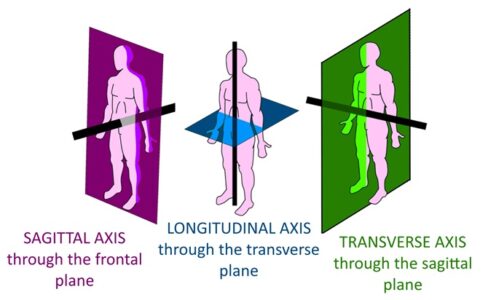
What is the axis for the transverse plane
vertical axis
Superior (Cephalic)
Toward the top/head
Inferior
Towards the bottom (feet)
Medial
Closer to the median plane/midline
Lateral
Further from the median plane/midline
Proximal
Closer to the trunk
Distal
Further from the truck
Anterior
Towards the front
Posterior
towards the back
Superficial
on or near the outside
Deep
inside the body
Circumferential
around an area
Dorsal
Towards the dorsal surface of the foot or hand (top of foot, back of hand)
Plantar
Towards the plantar surface of the foot (the side you plant on)
Palmar
Towards the plam side
Unilateral
One side
Bilateral
Both sides
Ipsilateral
On the same side
Contralateral
On opposite sides
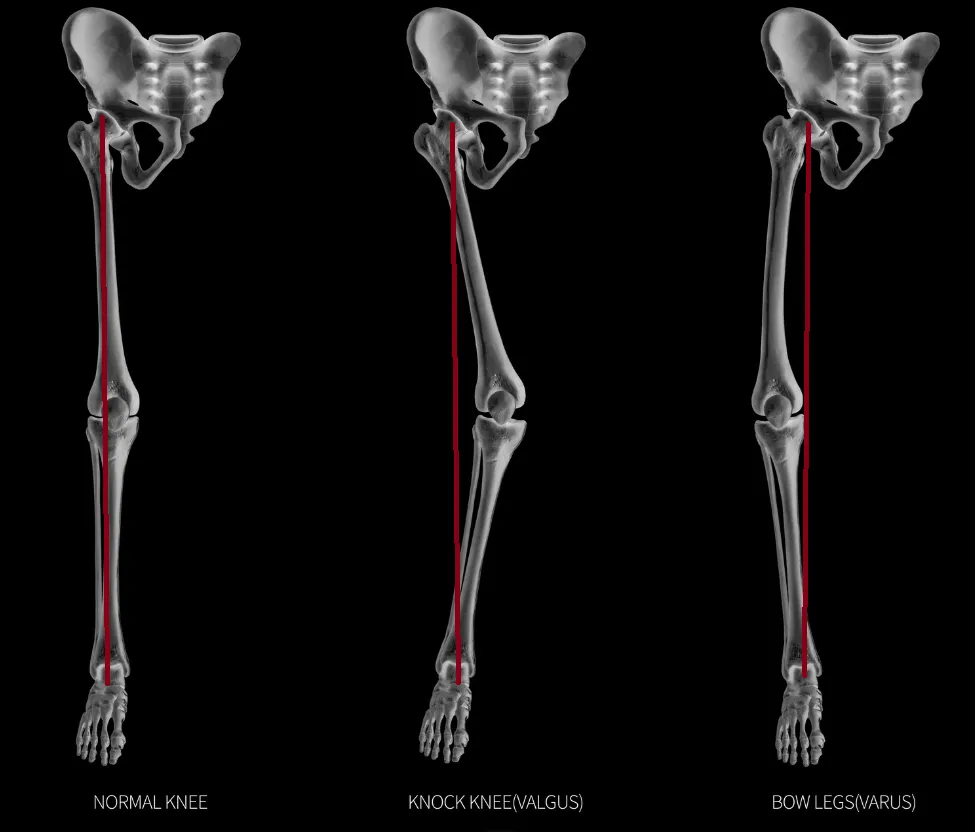
Valgus/Valgum
Distal limb displacement laterally
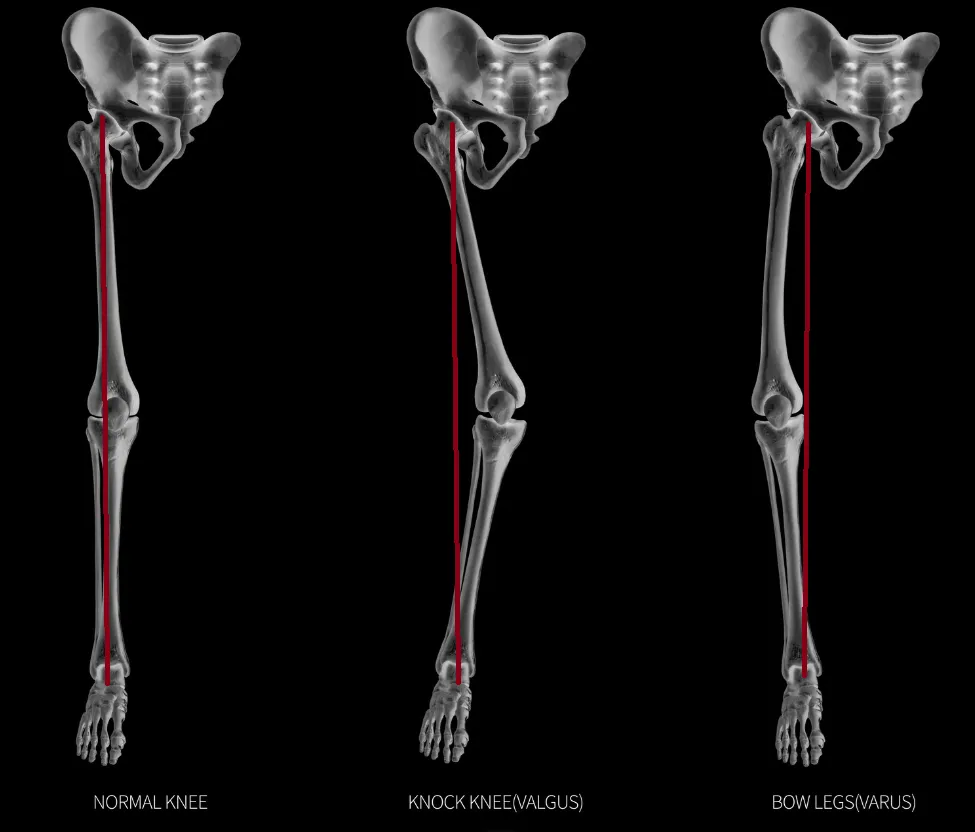
Varus/Varum
Distal limb displacement medially
Anterior/posterior pelvic tilt
Tipping the superior opening of the pelvis anteriorly or posteriorly
In Situ
In the original place (in the body)
Prone
Lying on the front (stomach down)
Supine
Lying on the back (stomach up)
Osteo: Kinematic:
Bone movement
What plane is flexson in?
sagittal
What plane is extension in?
Sagittal
Flexion
Moves body part forward from anatomical position
Extension
Moves body part posteriorly from anatomical position
What is the knee flexion exception?
Knee moves lower leg posteriorly
What is the knee extension exception?
Knee bring lower leg back to anatomical
Dorsiflexion
movement of ankle towards the dorsum (top) of the foot
Plantar flexion
Movement of the ankle towards the plantar surface (bottom) of the foot
Abduction
Movement away from midline
Adduction
Movement towards midline
Lateral flexion (sidebending)
Movement of trunk/neck in the frontal plane
Abduction/Adduction of the fingers
referenced from the middle finger (Third digit can adduct and abduct itself
Abduction/Adduction of the toes
referenced from the second toe
Radial Deviation
Movement of hand towards the radius (Thumb side)
Ulnar deviation
Movement of hand towards the ulna (pinky side)
Eversion
Movement of foot away from median plane (Plantar side moves laterally)
Inversion
Movement of the foot towards median plane (plantar side moves medially)

External (lateral) rotation
twists body segment away from the midline

Internal (medial) rotation
Moves a body part inward towards the midline of the body

left/right rotation
used for neck/trunk (eyes, nipples, ASIS pointing direction)
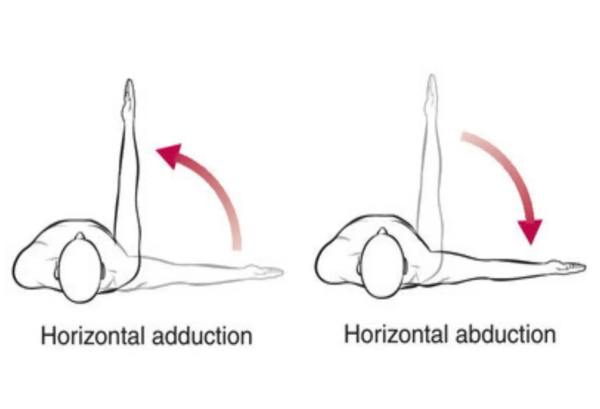
Horizontal Adduction
Moves arm/leg towards the midline in the transverse plane
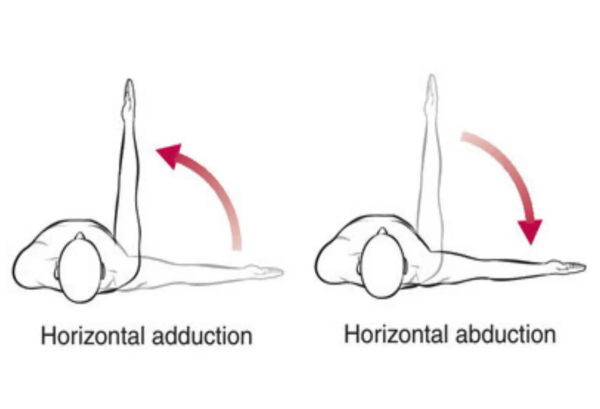
Horizontal abduction
Moving arm/leg away from midline in the transverse plane (Joint first flexed at 90 degrees, like moving along a table)
Pronation
Turning forearm so palm faces downward/backward
Supination
Turing forearm so palm faces up/forward
Translation
A linear movement
Protraction
Moving a body part anteriorly (jaw protraction)
Retraction
Moving a body part posteriorly (jaw retraction)
Opposition
Bringing thumb and fifth digit to each other
Reposition
Moving thumb and fifth digit away from each other

Circumduction
Circular movements; combination of abduction, adduction, extension, flexion; moves through at least two planes

Multiplanar Movement
Movements involving more than one plane