Cardiac Emergencies (EMT) Quizlet Import
 Call Kai
 Learn
Learn Practice Test
 Spaced Repetition
 Match
Match Flashcards
 Knowt Play
1/37

There's no tags or description
Looks like no tags are added yet.
Name | Mastery | Learn | Test | Matching | Spaced | Call with Kai | Chat |
|---|
No analytics yet
Send a link to your students to track their progress
38 Terms
Congestive Heart Failure (CHF)
The failure of the heart to pump efficiently, leading to excessive blood or fluids in the lungs, the body, or both
Dyspnea
Shortness of breath; labored or difficulty breathing
Coronary Artery Disease
Diseases that affect the arteries of the heart
Angina Pectoris
Pain in the chest, which occurs when
- the blood supply to the heart is reduced
- a portion of the heart muscles is not receiving enough oxygen
Acute Myocardial Infarction
AKA: Heart attack
- A condition in which a portion of the myocardium dies as a result of oxygen starvation
The Cardiovascular System is composed of...
heart and blood vessels
Dysrhythmia
A disturbance in the heart rate and rhythm
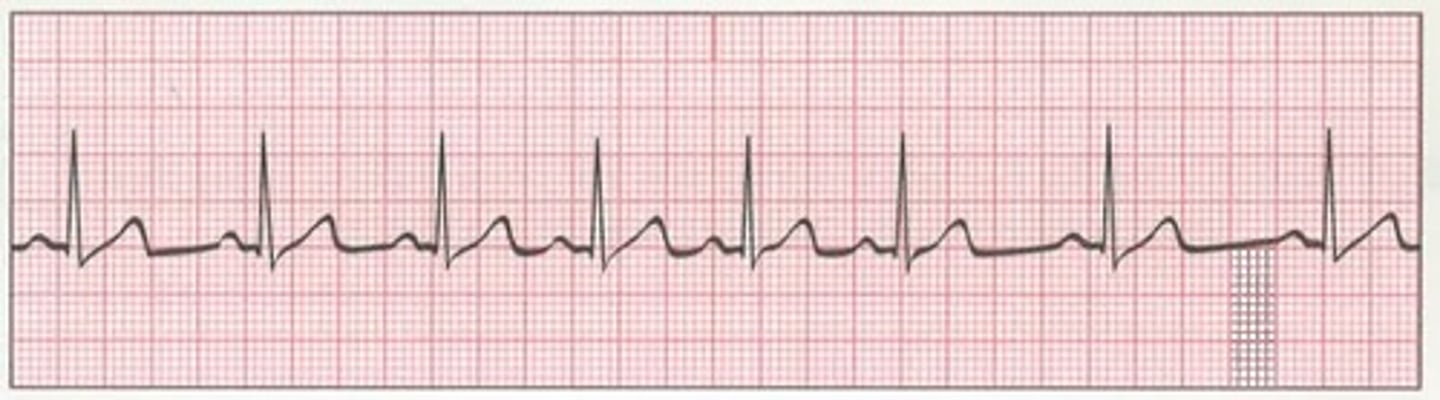
Aneurysm
The dilation, or ballooning, of a weakened section of the wall of an artery
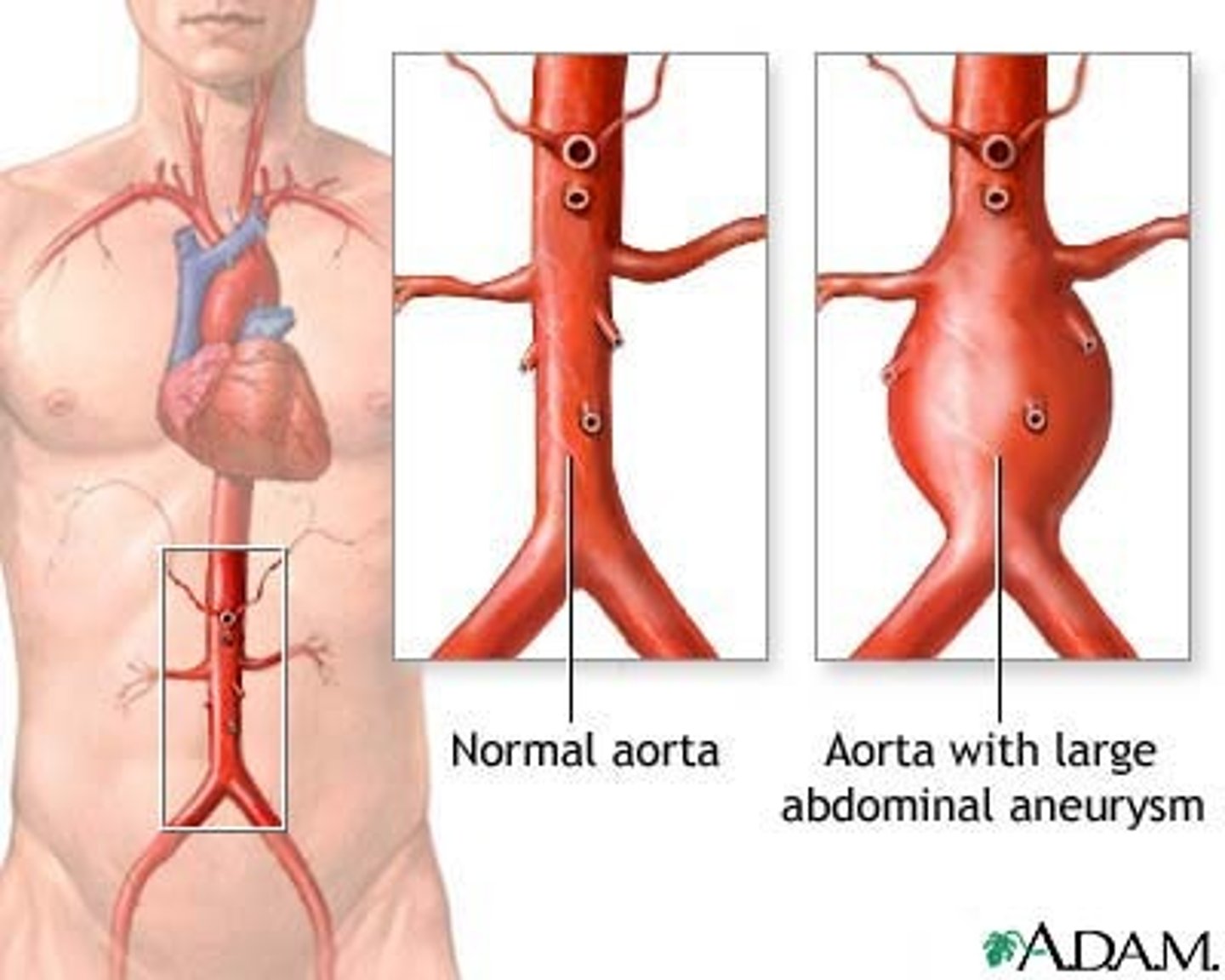
Acute coronary syndrome (ACS)
Any condition brought on by a sudden reduction or blockage of blood flow to the heart.
Ischemia
an inadequate blood supply to an organ or part of the body, especially the heart muscles.
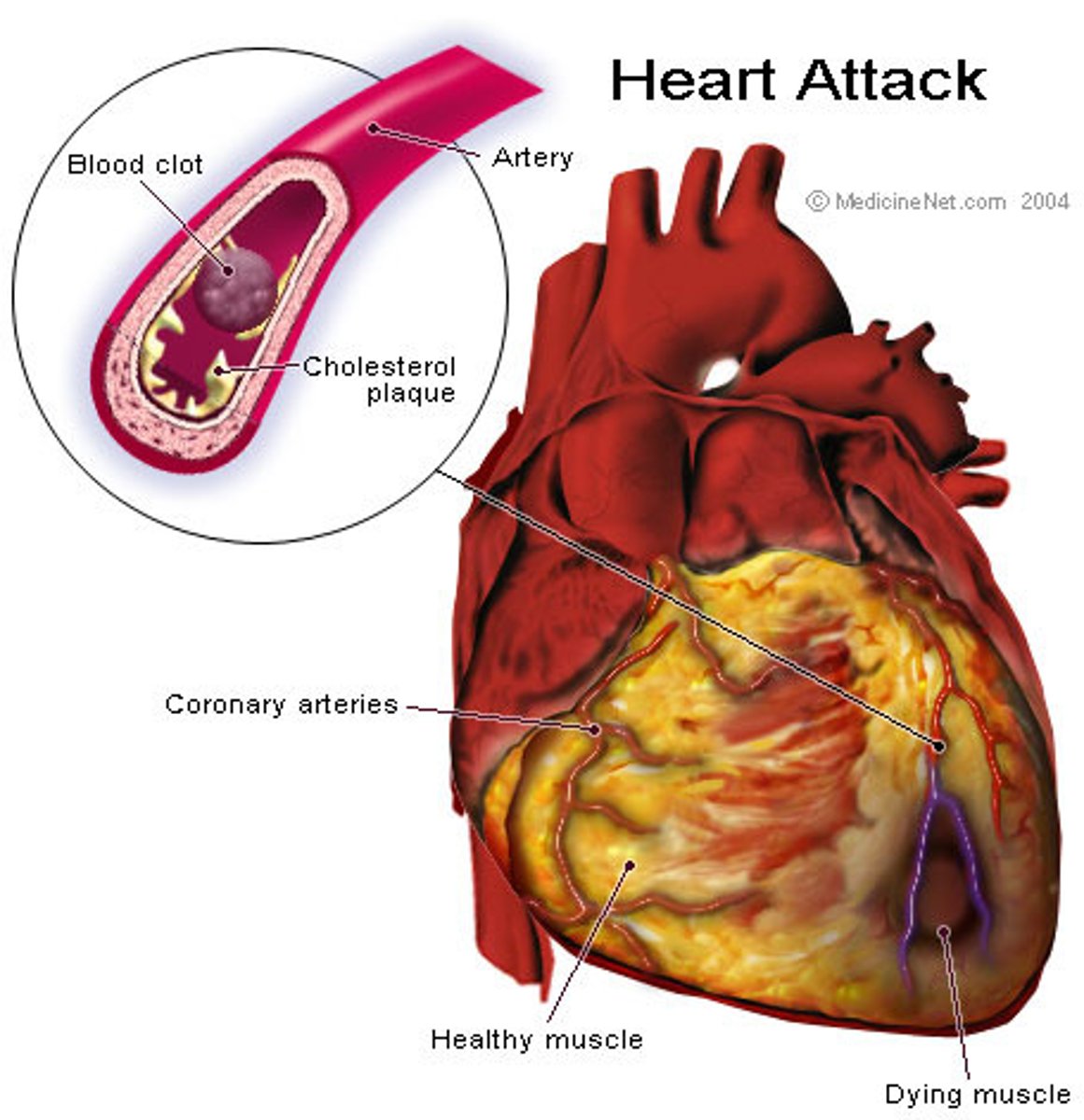
Bradycardia
When the heart rate is slow, usually below 60 beats per minute
Edema
Swelling resulting from a build-up of fluid in the tissues
Nitroglycerin
A medication that diatlates the blood vessels
Embolism
Blockage of a vessel by a clot or foreign material brought to sight by the blood current
Occlusion
Blockage, as of an artery by fatty deposits
Pulse-less Electrical Activity (PEA)
A condition in which the heart has an electrical rhythm but is not generating a pulse
Sudden Death
Cardiac Arrest that occurs within 2 hours of the onset of symptoms.
-Patient may have no prior symptoms
Thrombus
A stationary blood clot along the wall of the blood vessel
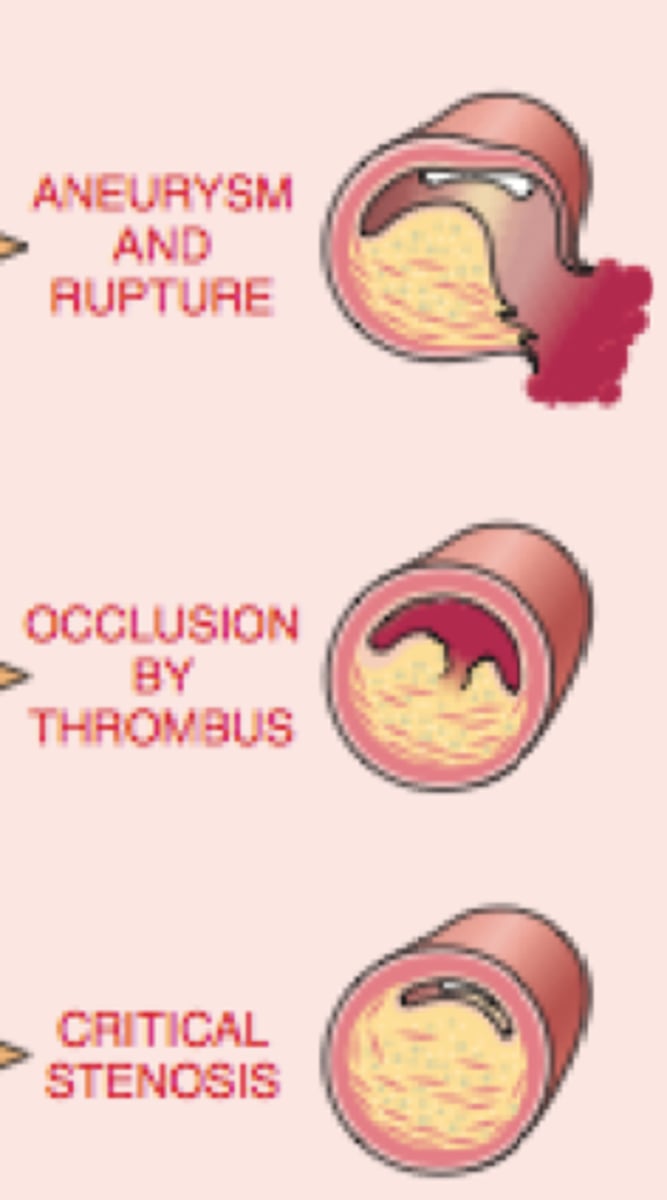
Ventricular Fibrillation (VF)
The most serious cardiac rhythm disturbance
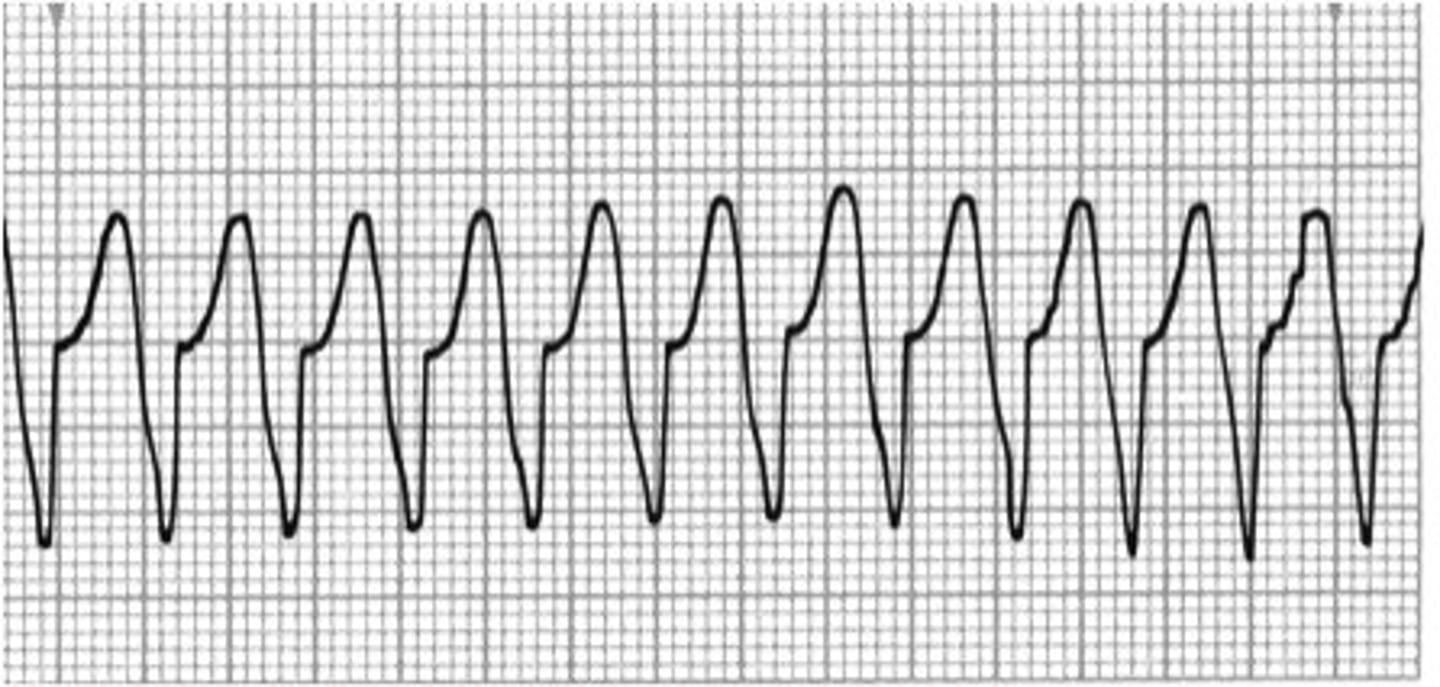
Ventricular tachycardia (V-Tach)
Rapid heartbeat
-if rapid enough it will not allow the hearts chambers to fill with enough blood between beats to produce blood flow sufficient enough to meet the body's needs
Asystole
also known as flatline, is a state of no electrical activity from the heart and therefore no blood flow. It results in cardiac arrest.
Crushing chest pain may also be described as...
dull, squeezing, heavy
Patients with a heart problems may complain of..
Difficulty breathing, mild chest discomfort, and pain in the center of the chest
Signs and symptoms of Acute Coronary Syndrome
1. Difficulty breathing
2. Sudden onset of sweating with nausea and vomiting
3. Pain in the chest or upper abdomen
Management of a patient with ACS
1. Place the patient in position of comfort (Fowler)
2. Administering high O2 via Non-reb mask
3. Assist the patient of nitro if medical direction authorizes
Nitroglycerin can be administered under the conditions that..
1. Authorization by medical direction
2. Patients physician prescribed the medication
3. Blood pressure is greater then 100 systolic
Maximum number of doses of Nitro
3 doses
Damage to the _______ Ventricle causes the backup of blood into the lungs.
Left
The 5 elements in the chain of survival
• Immediate recognition of cardiac arrest and activation of the emergency response system
• Early CPR
• Rapid defibrillation
• Effective advanced life support
• Integrated post-cardiac arrest care
Swollen ankles and coughing up pink sputum may cause you to suspect that the patient is experiencing...
Right heart failure
Who is a typical cardiac arrest victim?
A male in his 60's
Shockable rhythms
1. V-Fib
2. Pulseless ventricular tachycardia
3. Ventricular tachycardia
Non-shockable rhythms
1. Aystole
2. PEA
After 3 shocks of the AED the EMT should
begin to transport the patient with high quality CPR
If a patient with a pacemaker needs to be deliberated, the EMT should....
Place the pad several inches away from the pacemaker battery.
Left side heart failure
causes fluid backup in the lungs
typically presents with pulmonary edema and respiratory distress
Right side heart failure
causes fluid backup within the body
presents with pedal edema and JVD
Pulmonary embolism / signs and symptoms
caused by a blockage in the pulmonary artery
chest pain, pedal edema in one leg
Risk factors include long sedentary periods