Male Reproductive + STI (male/female)
 Call Kai
 Learn
Learn Practice Test
 Spaced Repetition
 Match
Match Flashcards
 Knowt Play
1/260

There's no tags or description
Looks like no tags are added yet.
Name | Mastery | Learn | Test | Matching | Spaced | Call with Kai | Chat |
|---|
No analytics yet
Send a link to your students to track their progress
261 Terms
What are the three erectile tissues of the penis?
The penis is composed of three erectile bodies:
two corpora cavernosa located dorsally and one corpus spongiosum located ventrally.
The corpus spongiosum surrounds the urethra and expands distally to form the glans penis. The corpora cavernosa fill with blood during erection to produce rigidity.
What is the function of the corpora cavernosa?
The paired corpora cavernosa are the primary erectile tissues responsible for penile rigidity. During sexual arousal they become engorged with blood while being enclosed by the tough tunica albuginea, producing an erection sufficient for intercourse.
What is the function of the corpus spongiosum?
surrounds the penile urethra, preventing compression of the urethra during erection so semen and urine can pass. It also forms the glans penis.
What is the role of the urethra in the penis?
passes through the corpus spongiosum and functions as the passageway for urine and semen to exit the body.
What is the tunica albuginea?
dense fibrous connective tissue layer surrounding the corpora cavernosa. It helps trap blood within the erectile tissue during erection, allowing maintenance of rigidity.
What is Colles' fascia?
superficial perineal fascia that provides structural support to the external genitalia and perineum.
What is phimosis?
condition in which the prepuce (foreskin) is too tight to be retracted over the glans penis.
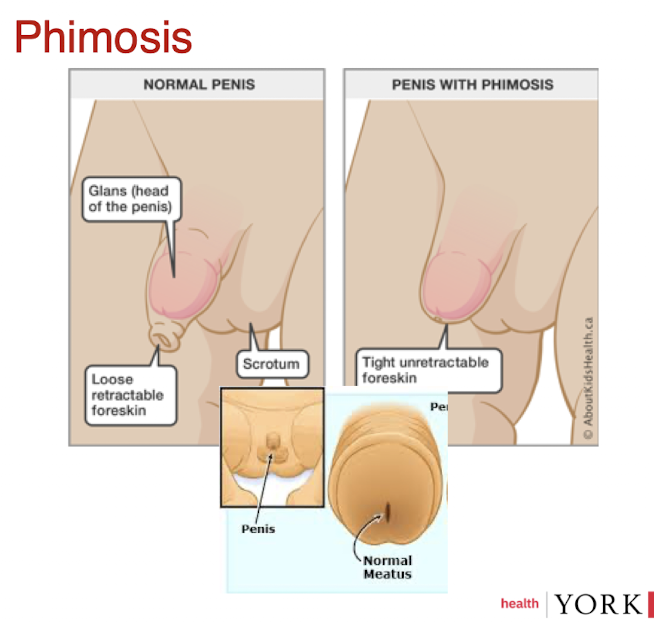
What causes phimosis?
Poor hygiene + chronic infections
young baby = tight
ages 2-3yrs pull back for cleaning
lead to inflammation and scarring of the foreskin.
What are the clinical concerns associated with phimosis?
Tight foreskin may make hygiene difficult
increase the risk of recurrent infections
cause pain during urination or sexual activity
predispose the individual to balanitis or urinary obstruction.
How is phimosis treated?
gentle manual retraction exercises
topical corticosteroids to soften and loosen the foreskin
if a pathological reason
circumcision if conservative therapy fails or symptoms are severe
What is paraphimosis?
when the foreskin has been retracted behind the glans penis and cannot be returned to its normal position
results in swelling that traps the foreskin behind the glans.
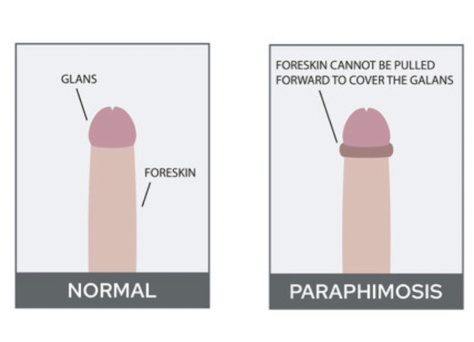
Why is paraphimosis considered an emergency?
The trapped foreskin can compress blood vessels, reducing venous return and eventually arterial blood flow.
Untreated = ischemia and tissue necrosis
What causes paraphimosis?
failure to return the foreskin after retraction during hygiene, catheterization, or examination
often iatrogenic (adverse effect caused unintentionally by medical treatment, diagnostic procedures, or a doctor's actions) + OBVIOUS
pull foreskin back for urinary cath, etc and forgot to pull it back
What are common iatrogenic causes of paraphimosis?
Healthcare providers may accidentally leave the foreskin retracted after urinary catheter insertion, physical examination, or cystoscopy, leading to paraphimosis.
How is paraphimosis treated?
antibiotics if infection is present
topical
warm soaks to reduce swelling
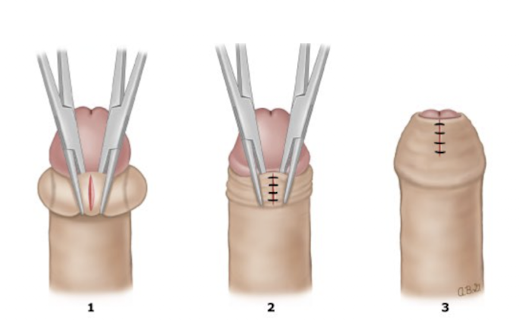
definitive management with circumcision or dorsal slitting of the prepuce when necessary.
What is Peyronie's disease?
disorder characterized by fibrous plaque formation within one of the corpora cavernosa, resulting in abnormal penile curvature during erection.
bent nails syndrome
What causes Peyronie's disease?
occur spontaneously
be associated with family history or connective tissue disorders
result from trauma causing scar tissue formation within the corpora cavernosa.
plaque formation on erectile tissues
fibrous tissue formation in erectile tissues = prevents insufficient blood flow = curvature
How does Peyronie's disease cause penile curvature?
Fibrous plaques prevent normal expansion of one side of the corpora cavernosa during erection.
unaffected side expands normally while the scarred side cannot, causing the penis to bend toward the plaque.
What are the clinical manifestations of Peyronie's disease?
penile deformity with curvature during erection
painful erections
erectile dysfunction
How is Peyronie's disease diagnosed?
history + physical examination
Doppler ultrasound = evaluate plaque formation and penile blood flow.
How is Peyronie's disease treated?
Treatment depends on severity + underlying cause
NSAIDs for pain
penile modeling
collagenase Clostridium histolyticum (Xiaflex) injections to break down plaques (reduce collagen)
extracorporeal shock wave therapy
reconstructive surgery for severe disease.
What medication is specifically used to break down plaques in Peyronie's disease?
Collagenase Clostridium histolyticum (Xiaflex) is injected into the fibrous plaque to weaken collagen and reduce penile curvature.
What is priapism? - EMERGENCY!
prolonged, painful penile erection lasting longer than 4hrs
NOT associated with sexual arousal or stimulation.
urological emergency
sickle cell disease, leukemia, damage to spinal cord, DM
increased viscosity of blood or nerve/blood vessel damage
Why is priapism considered a urological emergency?
Prolonged trapping of blood within the corpora cavernosa leads to ischemia.
Without rapid treatment, permanent erectile dysfunction and penile tissue necrosis may occur.
What causes priapism?
thrombosis of the corpus cavernosal veins
leukemia
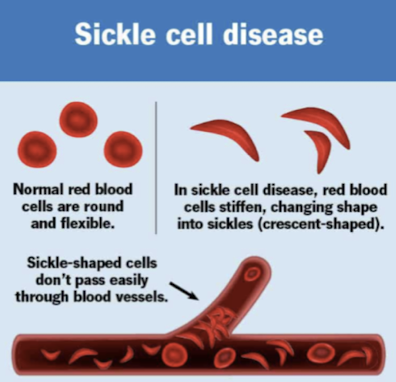
sickle cell disease
diabetes mellitus
degenerative spinal lesions
neoplasms - brain/spinal cord
Why does sickle cell disease increase the risk for priapism?
Sickled red blood cells obstruct venous drainage from the corpora cavernosa, causing blood to become trapped and resulting in prolonged painful erection.
How is priapism diagnosed?
severe PAIN
history + physical examinationcorporal blood gas analysis - aspirate blood
penile duplex Doppler ultrasound to determine whether the priapism is ischemic or non-ischemic.
can affect the urethra (urine stuck and back-up to bladder + kidney = hydronephrosis)
What does corporal blood gas analysis evaluate in priapism?
Corporal blood gas distinguishes ischemic from non-ischemic priapism by assessing oxygenation, carbon dioxide levels, and pH of blood trapped within the corpora cavernosa.
What complications can result from untreated priapism?
penile tissue necrosis
hydronephrosis
permanent erectile dysfunction
fibrosis of erectile tissue
irreversible loss of erectile function.
How is priapism treated?
hydration
analgesia
intracavernosal phenylephrine injection (high-risk med) - priority treatment
causes vasoconstriction (alpha 1 = increase HR/BP)
corporal aspiration
if clot
aspiration with irrigation
if clot
surgical interventions = shunt procedures if conservative treatment fails.
What medication is first-line for ischemic priapism?
Intracavernosal phenylephrine is the preferred first-line medication because it causes vasoconstriction, reducing blood flow into the penis and promoting venous drainage.
What is corporal aspiration?
Procedure in which blood is removed directly from the corpora cavernosa using a needle to relieve pressure and restore circulation.
What is the purpose of irrigation after corporal aspiration?
flushes stagnant blood from the corpora cavernosa, improving oxygenation and reducing tissue ischemia.
When is surgery indicated for priapism?
Surgical intervention, including shunt procedures, is considered when aspiration, irrigation, and phenylephrine injections fail to resolve the prolonged erection.
NCLEX Tip: Which penile disorders require immediate medical attention?
Paraphimosis and priapism are urological emergencies because delayed treatment can lead to ischemia, tissue necrosis, and permanent erectile dysfunction.
What is balanitis?
Inflammation of the glans penis that commonly results from the accumulation of smegma beneath the foreskin, leading to irritation, pain, swelling, and infection.
phimosis increase risk of infection
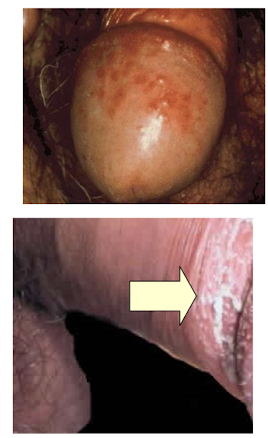
What is smegma?
normal accumulation of shed epithelial cells, skin oils, and moisture beneath the foreskin.
Poor hygiene can cause excessive buildup, increasing the risk of balanitis.
What are the common causes and risk factors for balanitis?
Poor genital hygiene and phimosis (foreskin pulled over glans/head)
trapped moisture and bacteria beneath the foreskin.
common in children
What are the clinical manifestations of balanitis?
Inflammation of the glans penis
redness
pain
tenderness
swelling
irritation
discomfort
possible infection due to smegma accumulation.
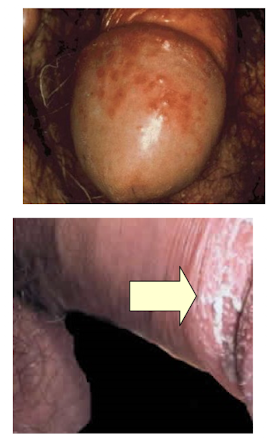
How is balanitis treated?
careful cleaning of the glans and foreskin
antifungal medications if a fungal infection is present
white-cheesy discharge = prescribe antifungal cream
antibiotics if bacterial infection is suspected.
purulent drainage
prostate cancer
most common cancer (besides skin cancer)
median age at dx = 66yrs at stage I
5yr survival rate = 99%
risk factors
increasing age
African-American race
family hx
testicular cancer
median age at dx = 33yrs at stage I
younger men
5yr survival rate = 95%
risk factors
cryptorchidism - one or both testicles fail to move down into the scrotum before birth
family hx
HIV infection
caucasian
penile cancer
more rare
median age at dx = 68yrs at stage I
5yr survival rate = 85%
risk factors
HIV/HPV infection
inflammation of the glans associated with poor hygiene
phimosis - (foreskin pulled over glans/head)
smoking
What type of cancer accounts for approximately 95% of penile cancers?
penile cancers are well-differentiated squamous cell carcinomas.
rare cancer
What are the major risk factors for penile cancer?
HPV infection
phimosis (foreskin pulled over glans/head)
lack of circumcision
poor genital hygiene
weakened immune system
Previous ultraviolet light therapy for psoriasis (long-term, noncontagious autoimmune skin disease that causes the rapid buildup of skin cells, leading to scaly, itchy patches)
Why does HPV increase the risk of penile cancer?
dysplastic cellular changes that may progress to squamous cell carcinoma.
What are the clinical manifestations of penile cancer?
Lumps, discoloration, superficial sores, lesions
abnormal penile discharge
pain or tenderness
spread = pain around groin area
difficulty retracting the foreskin
depending on size of the lump
enlarged inguinal lymph nodes
Which lymph nodes are commonly enlarged in penile cancer?
The inguinal (groin) lymph nodes commonly become enlarged because penile cancer frequently spreads through lymphatic drainage.
How is penile cancer treated?
Treatment depends on stage and may include
chemotherapy (Fluorouracil/5-FU) - topical cancer drug (don gloves, etc) - pt education on not having unprotected intercourse
early-stage management
radiation therapy
laser surgery
cryosurgery - extreme cold
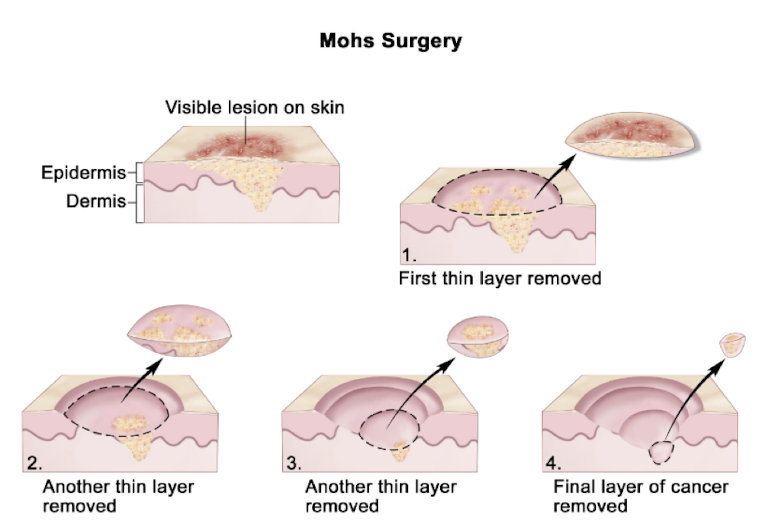
Mohs surgery
remove layers of skin until you reach the cancer
clear margins before they stop
lymphadenectomy
partial/total penectomy
What is Fluorouracil (5-FU)?
chemotherapeutic medication commonly used to treat squamous cell carcinoma of the penis.
What is lymphadenectomy?
surgical removal of lymph nodes that may contain metastatic cancer cells.
What is a penectomy?
surgical removal of part or all of the penis for advanced penile cancer.
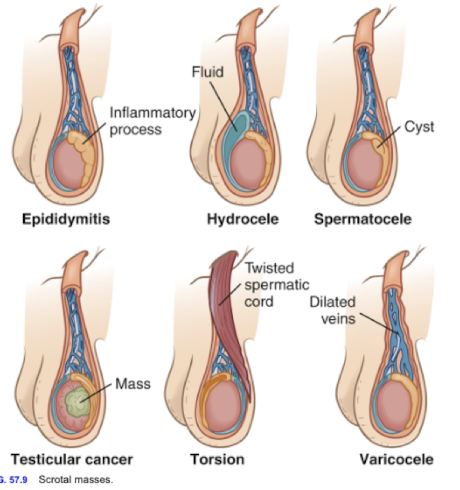
Types of scrotal masses
epididymitis = inflammation
hydrocele = fluid
spermatocele = cyst
testicular cancer = mass
torsion = twisted spermatic cord
varicocele = dilated veins
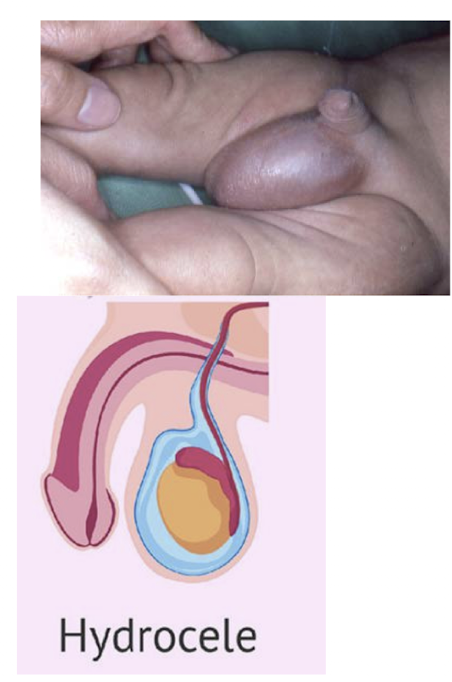
What is a hydrocele?
collection of serous fluid within the processus vaginalis surrounding the testicle.
very common
usually unilateral, sometimes bilateral
What causes a hydrocele?
result from a defect in the inguinal ring that allows fluid to accumulate around the testicle.
What is the most common cause of scrotal swelling?
hydrocele
What is transillumination?
physical examination technique in which a light is shone through the scrotum.
hydrocele transilluminates because it contains clear fluid.
mass = won’t be transilinate
Why does a hydrocele transilluminate?
The accumulated serous fluid allows light to pass through, differentiating it from solid masses such as tumors.
How are congenital hydroceles managed?
resolve spontaneously during the first year of life without intervention.
congenital, one sided, resolves on own
does not resolve on own = communicating hydrocele
When is surgery indicated for a hydrocele?
if the hydrocele persists, becomes symptomatic, enlarges significantly, or fails to resolve spontaneously.
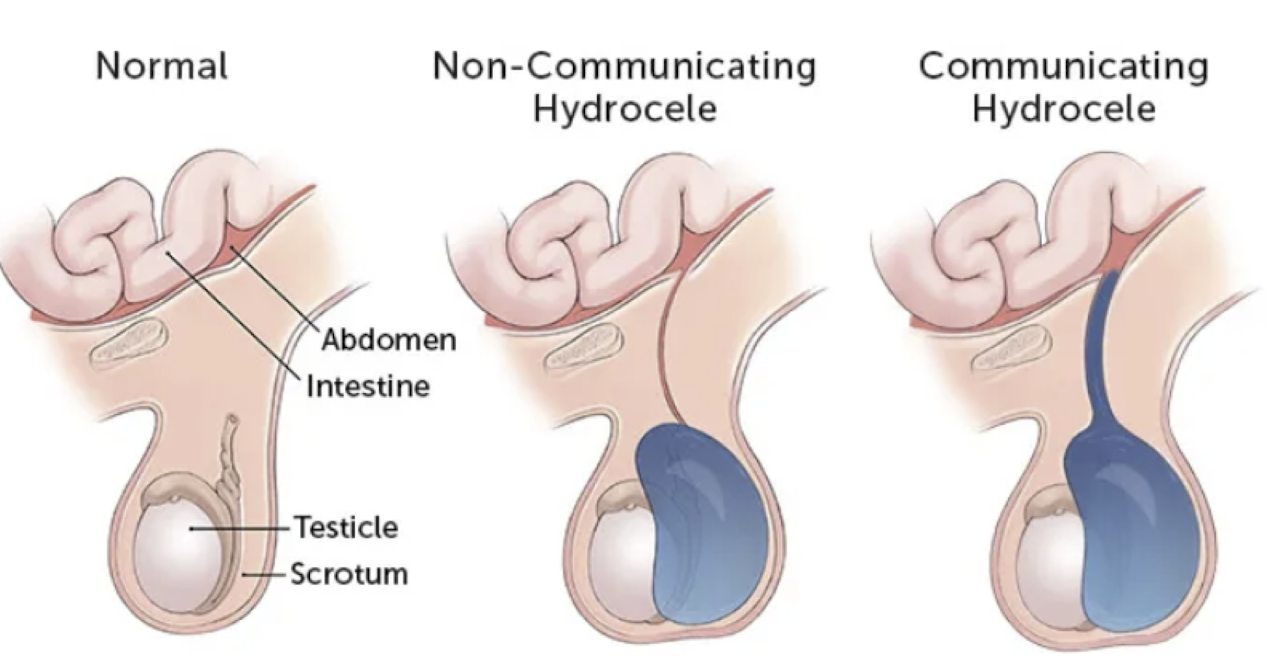
non-communicating vs communicating hydrocele
communicating = trapped inguinal passageway = swelling, pain, stuck = incarcerated hernia
surgeon pushes stuck content into abdominal cavity for temporary measure, but over time, passageway remains open; need surgery to fix
increase risk of inguinal hernia - crying can increase this
What is a varicocele?
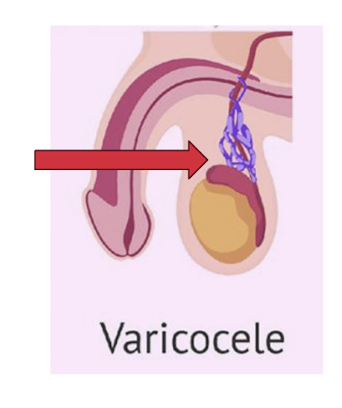
abnormal dilation of the veins within the spermatic cord caused by incompetent venous valves (venous insufficiency).
like varicose veins, but in the scrotum area
How does a varicocele feel on physical examination?
It classically feels like a "bag of worms" upon palpation.
pooling of blood
What causes a varicocele?
Failure of the venous valves allows blood to pool within the pampiniform plexus of the spermatic cord.
How does a varicocele affect fertility?
Pooling of blood raises scrotal temperature, decreases testicular blood flow, interferes with spermatogenesis, and may result in infertility.
Why does increased scrotal temperature impair fertility?
Sperm production requires temperatures slightly below body temperature. Elevated scrotal temperature reduces sperm production and quality.
How is a varicocele treated?
Treatment may not be necessary if asymptomatic
snug underwear for support (like compression stockings for varicose veins (analogy))
Surgical options include embolization or varicocelectomy.
if severe, and infertile, young persons
What is embolization for varicocele?
minimally invasive procedure that blocks abnormal veins to redirect blood flow into healthy veins.
What is a varicocelectomy?
surgical ligation of the dilated spermatic veins to improve blood flow and fertility.
What is a spermatocele?
benign retention cyst containing milky fluid and sperm that develops between the head of the epididymis and the testicle.
vary in size
little = incidental finding from ultrasound (does not cause problems)
can affect fertility since where sperm located
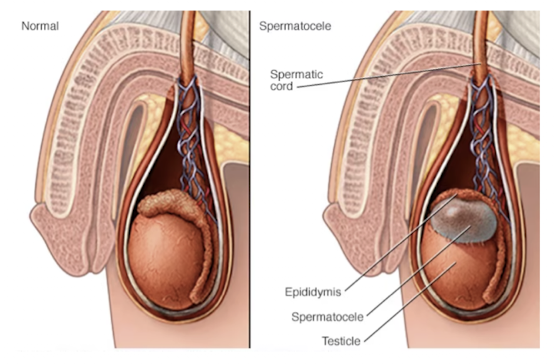
Where is a spermatocele located?
It develops between the head of the epididymis and the superior aspect of the testicle.
What is found inside a spermatocele?
Milky fluid containing sperm.
Are spermatoceles usually symptomatic?
No. Most spermatoceles are asymptomatic and discovered incidentally.
How are spermatoceles treated?
aspiration + inject med of seal off
sclerotherapy
spermatocelectomy if symptoms become significant.
What is aspiration of a spermatocele?
Aspiration removes cyst fluid using a needle but has a relatively high recurrence rate.
What is sclerotherapy?
injecting a sclerosing agent into the cyst after aspiration to reduce recurrence.
What is a spermatocelectomy?
surgical removal of a spermatocele.
disorders of the testis
cryptorchidism
testicular torsion
orchitis
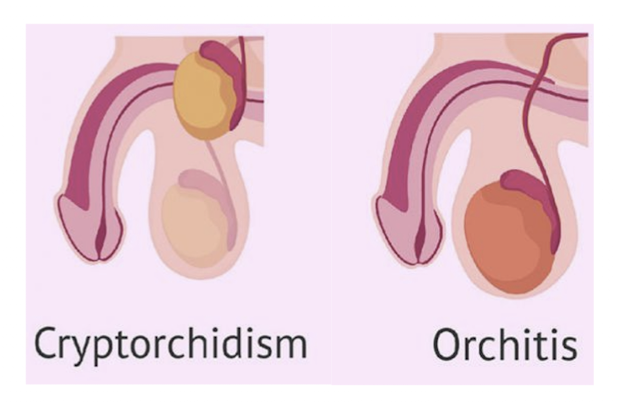
What is cryptorchidism?
failure of one or both testes to descend into the scrotum.
why do thorough head to toe assessment on newborn
premature = higher chance
can be alarming for parents but can also be normal and will descend in mths-1yr
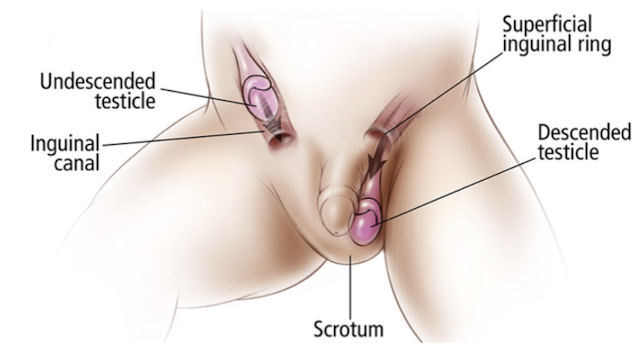
Where may undescended testes remain?
Remain within the abdomen or descend only to the penoscrotal junction instead of reaching the scrotum.
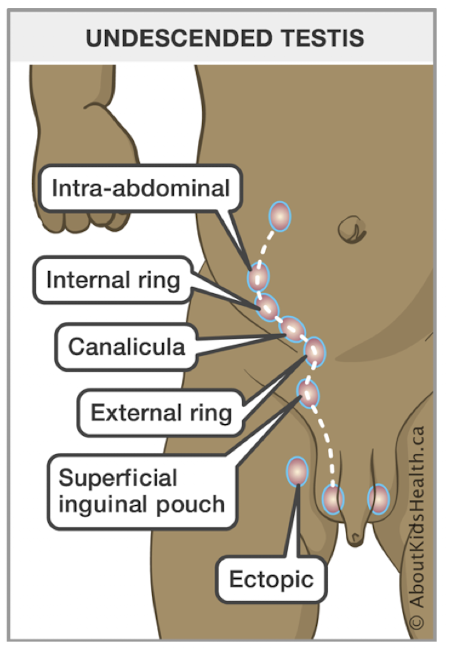
Is cryptorchidism usually congenital or acquired?
It is primarily a congenital condition.
When do most undescended testes descend spontaneously?
Most descend naturally within the first year of life.
What complications occur if cryptorchidism is left untreated?
Impaired fertility and an increased lifetime risk of testicular cancer.
why follow-up care for the child very important
Puberty and secondary sexual characteristics usually remain normal.
Does cryptorchidism prevent puberty?
No. Puberty and development of secondary sexual characteristics generally occur normally despite impaired fertility.
Why does cryptorchidism increase the risk of infertility?
The higher intra-abdominal temperature impairs spermatogenesis and damages germ cells.
Why does cryptorchidism increase the risk of testicular cancer?
Persistent undescended testes have abnormal germ cell development, significantly increasing the likelihood of malignant transformation.
How is cryptorchidism treated?
Observation is appropriate during infancy because many testes descend spontaneously.
Persistent cryptorchidism is treated surgically with orchidopexy.
What is orchidopexy?
surgical procedure used to move an undescended testicle into the scrotum and permanently secure it.
What is testicular torsion?
Twisting of the spermatic cord that interrupts blood flow to the testicle, causing ischemia and potentially necrosis.
Generally in younger populations (adolescents, feel embarrassed, delayed care, walk like duck, thorough physical exam + doppler, let dr know)
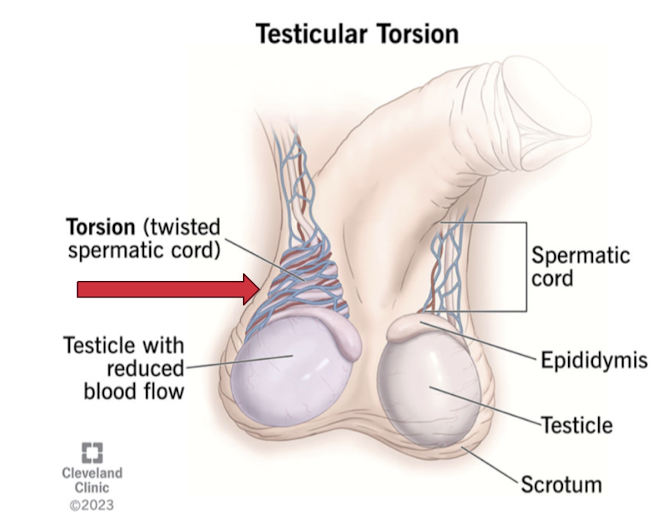
Why is testicular torsion considered a surgical emergency?
Permanent ischemic damage can occur within hours. Delayed treatment greatly increases the likelihood of losing the testicle.
fix by min 6hrs
What are the clinical manifestations of testicular torsion?
Sudden severe unilateral testicular pain + swelling
absence cremasteric reflex (negative reflex)
marked swelling
absent or abnormal cremasteric reflex
nausea, vomiting
testicular tenderness.
Is testicular torsion usually unilateral or bilateral?
It is usually unilateral.
What is the cremasteric reflex?
Normal elevation of the ipsilateral testicle after lightly stroking the inner thigh while lying on back (positive reflex) (not 100%).
It checks the health of the L1 and L2 spinal nerves and helps protect the testicles
How is the cremasteric reflex affected in testicular torsion?
The cremasteric reflex is usually absent on the affected side, making it an important clinical finding.
How is testicular torsion diagnosed?
history + physical examination
Doppler ultrasound to assess testicular blood flow.
How is testicular torsion treated?
Immediate surgical detorsion with fixation (orchiopexy) of both testes.
If ischemia is prolonged and the testicle is nonviable, orchiectomy (remove testicle) may be necessary.
What is an orchiectomy?
surgical removal of a testicle when irreversible ischemic necrosis has occurred.
NCLEX Tip: Which scrotal disorders are emergencies?
Testicular torsion is always a surgical emergency due to loss of blood supply. Paraphimosis and priapism are also urologic emergencies requiring immediate treatment.
NCLEX Tip: Which scrotal mass transilluminates?
A hydrocele transilluminates because it contains clear fluid. Solid tumors generally do not transilluminate.
NCLEX Tip: Which disorder feels like a "bag of worms"?
Varicocele classically feels like a "bag of worms" on palpation due to dilated spermatic veins.