L2 | Jaw Malocclusions
 Call Kai
 Learn
Learn Practice Test
 Spaced Repetition
 Match
Match Flashcards
 Knowt Play
1/3

There's no tags or description
Looks like no tags are added yet.
Name | Mastery | Learn | Test | Matching | Spaced | Call with Kai | Chat |
|---|
No analytics yet
Send a link to your students to track their progress
4 Terms
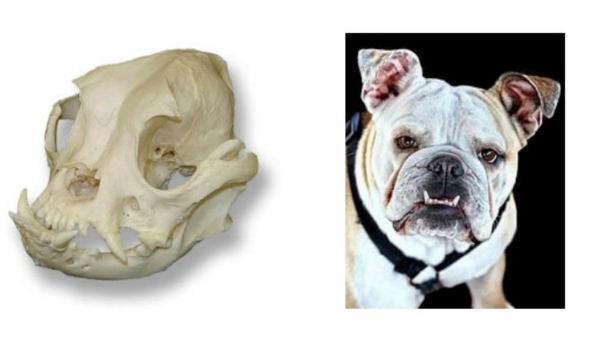
Q: In cases of ……, the mandible is longer than the maxilla, which is commonly known as an "underbite".
A. Mandibular brachygnathism
B. Mandibular prognathism
C. Maxillary prognathism
D. Palatal dysplasia
B. Mandibular prognathism
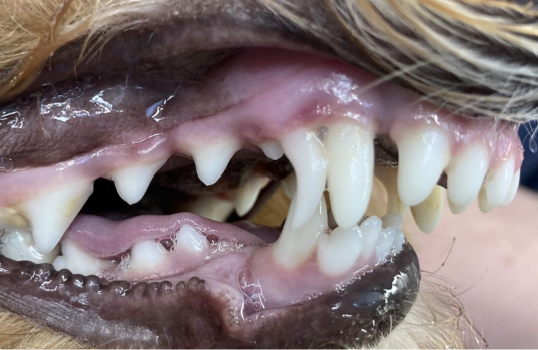
Q: In cases of ……, the mandible is shorter than normal, which is commonly known as an "overbite".
A. Mandibular prognathism
B. Mandibular brachygnathism
C. Mandibular symphysis
D. Maxillary prognathism
B. Mandibular brachygnathism
Q: …… between these jaw components can lead to significant disharmonies in facial features and dental occlusion.
A. Traumatic fractures
B. Environmental factors
C. Genetic discrepancies
D. Nutritional deficiencies
C. Genetic discrepancies
.