bio weeks 1-3
 Call Kai
 Learn
Learn Practice Test
 Spaced Repetition
 Match
Match Flashcards
 Knowt Play
1/46

There's no tags or description
Looks like no tags are added yet.
Name | Mastery | Learn | Test | Matching | Spaced | Call with Kai | Chat |
|---|
No analytics yet
Send a link to your students to track their progress
47 Terms

rotifer
corona
animal
parthenogenesis

saccharomyces
fungi yeast
asexual reproduction in red square
sordaria
fungi
rhizopus
fungi

which is gram positive and which is gram negative?
Purple:
Gram + have thick peptidoglycan layer which acts like a sponge holding the crystal violet complex. Lack lipopolysaccharide outer membrane.
Pink:
Gram – have thin peptidoglycan layer surrounded by lipopolysaccharide (fatty starch) outer membrane that disrupts crystal violet colorization process. Stains pink with Safranin.

gram positive or negative
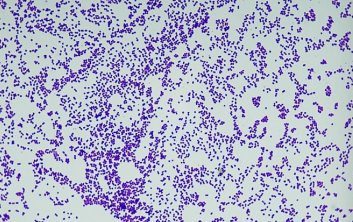
gram positive or negative
gram positive
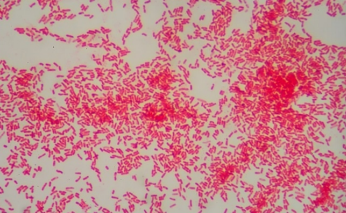
gram positive or negative
gram negative
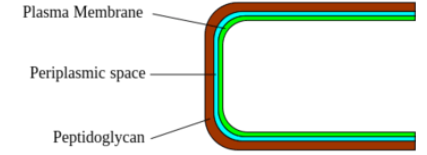
gram positive or negative
gram positive

what does clear halo mean, what does dark purple mean
Clear halo = bacteria that produce amylase
Dark purple = starch present, no amylase

nitrogen fixing bacteria lives in root nodules of plants
n2—> nh3

what shape of bacteria is this
bacillus (rod)

what shape of bacteria is this
spirrilus
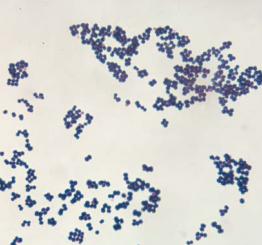
what shape of bacteria is this
cocci
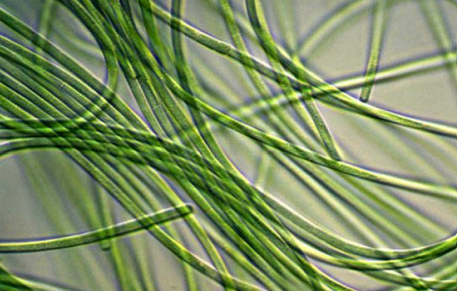
Cyanobacteria Oscillatoria sp.
cyanobacteria not true algau
prokaryote
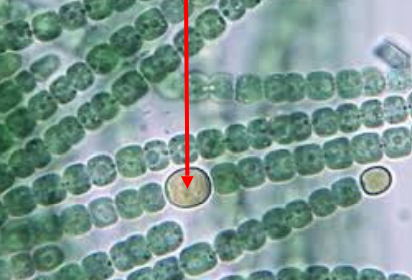
name and what is the arrow pointing at
Cyanobacteria Anabaena sp.
arrow pointing at heterocysts, fix bacteria
cyanobacteria not true algaea

what is this representing
colony morphologies
describe archaea and name types
Prokaryotic cells -
Similar to Bacteria, but differences in DNA and cell walls
Extremophiles! -
Thermophiles: Inhabit extremes of temperatures -Halophiles: Inhabit extremely salty areas -Methanogens: Thrive in methane producing places

what type of test describe
disk diffusion test
Compare various petri dishes with colonies of bacteria in them to find out which antiseptic is most useful in killing bacteria. Use metric system!
what is an antiseptic? - Substance that prevents the growth of disease-causing microorganisms - The larger the halo, the better that antiseptic is at inhibiting growth of that particular microorganism
Amoeba
Lineage Amoebozoa
Amoeba feed/move with pseudopodia
Amoeboid movement
Phagocytosis

Physarum
Lineage Amoebozoa
Slime mold (not a fungus)
Amoeboid movement
Single large cell, many nuclei


Trichonympha
Lineage Excavata
Termite symbionts in gut
How termites digest wood

Trichomonas Vaginalis
STD
Lineage Excavata

Trypanosoma brucei
Lineage Excavata
African sleeping disease
tsetse fly how it spreads
outside of blood cells
flagellar movement

Radiolarians
Lineage Rhizaria
Amoeboid movement
Elaborate mineral skeleton (usually silica)
Axopodia (pseudopodia)

forams
lineage rhizaria
amoeboid movement
pseudopodia
calcium shells (look like sea shells)
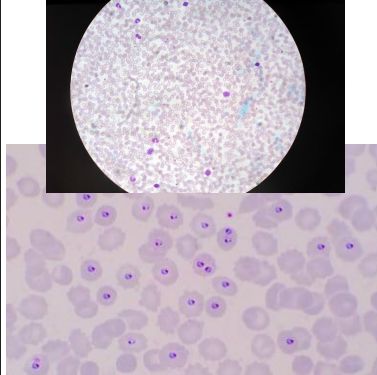
plasmodium vivax
lineage alveolata
malaria
vector: mosquitos
inside blood cells

identify body parts of paramecium
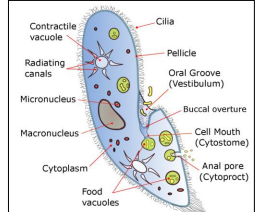

paramecium
lineage alveolata
movement feeding by cilia
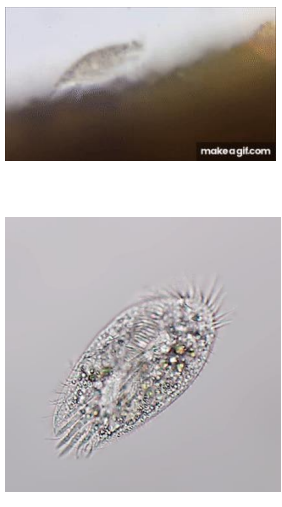
euplotes
lineage alveolata
movement by cilia
can walk on cilia called cirri

vorticella
lineage alveolata
spring like movement
cilia used for feeding
vortices
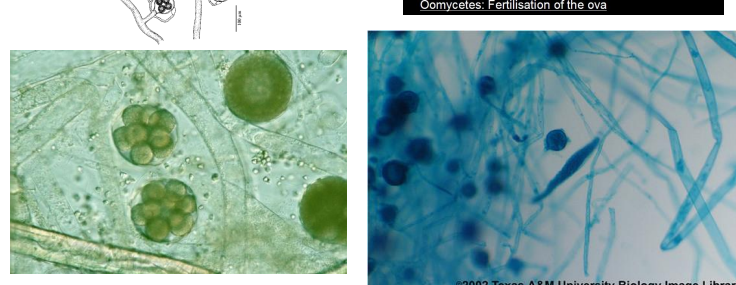
achlya
lineage stramenopila
water mold (not a fungus)
cellulose rather than chitin
multiple nuclei
oogonium is name of bulbous part holds eggs (ova)
plant and animal pathogens
lineage amoebozoa
phylum rhizopoda
Chaos (pelomyzxa)
lineage amoebozoa
phylum rhizopoda
amoeba proteus
lineage amoebozoa
phylum myxogastrida
physarum
lineage excavata
phylum parabasalida
trichonympha
lineage excavata
phylum parabasalida
trichomonas vaginalis
lineage excavata
phylum kinetoplastids
trypanosoma brucei gambiense
lineage rhizaria
phylum actinopoda
radiolaria
lineage rhizaria
phylum foraminifera
foraminifera
lineage alveolata
phylum apicomplexa
plasmodium vivax
lineage alveolata
phylum ciliata
paramecium
lineage alveolata
phylum ciliata
paramecium caudatum
lineage alveolata
phylum ciliata
euplotes and vorticela
lineage stramenopila
phylum oomycota
achlya
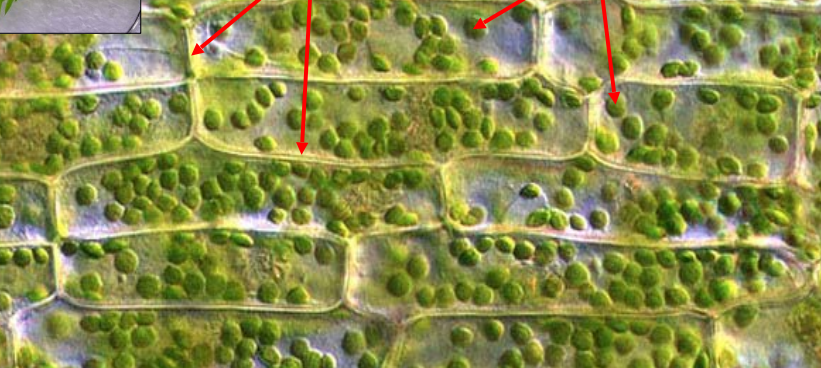
elodea cells

identify parts of rotifer
