Biology: Genetic Variation
 Call Kai
 Learn
Learn Practice Test
 Spaced Repetition
 Match
Match Flashcards
 Knowt Play
1/24

There's no tags or description
Looks like no tags are added yet.
Name | Mastery | Learn | Test | Matching | Spaced | Call with Kai | Chat |
|---|
No analytics yet
Send a link to your students to track their progress
25 Terms
Mutation
A permanent change in the DNA sequence which creates new alleles, leading to variation in traits. These alleles can be inherited if the mutation occurs in the gametes.

Migration/Gene Flow
The transfer of genetic material from one population to another due to the movement of individuals, increasing genetic variation.

Bottleneck Effect
When the population of a species experiences a sharp decrease due to either natural disaster or human interference. Often there is a loss of genetic variation meaning that the new population is not representative of the original population.

Founder Effect
Occurs when a new population is started by small group of individuals from a larger parent population. The genetic variation is decreased, and non-representative of the original population.

Genetic Drift
The change in allele frequency in a population due to random chance.
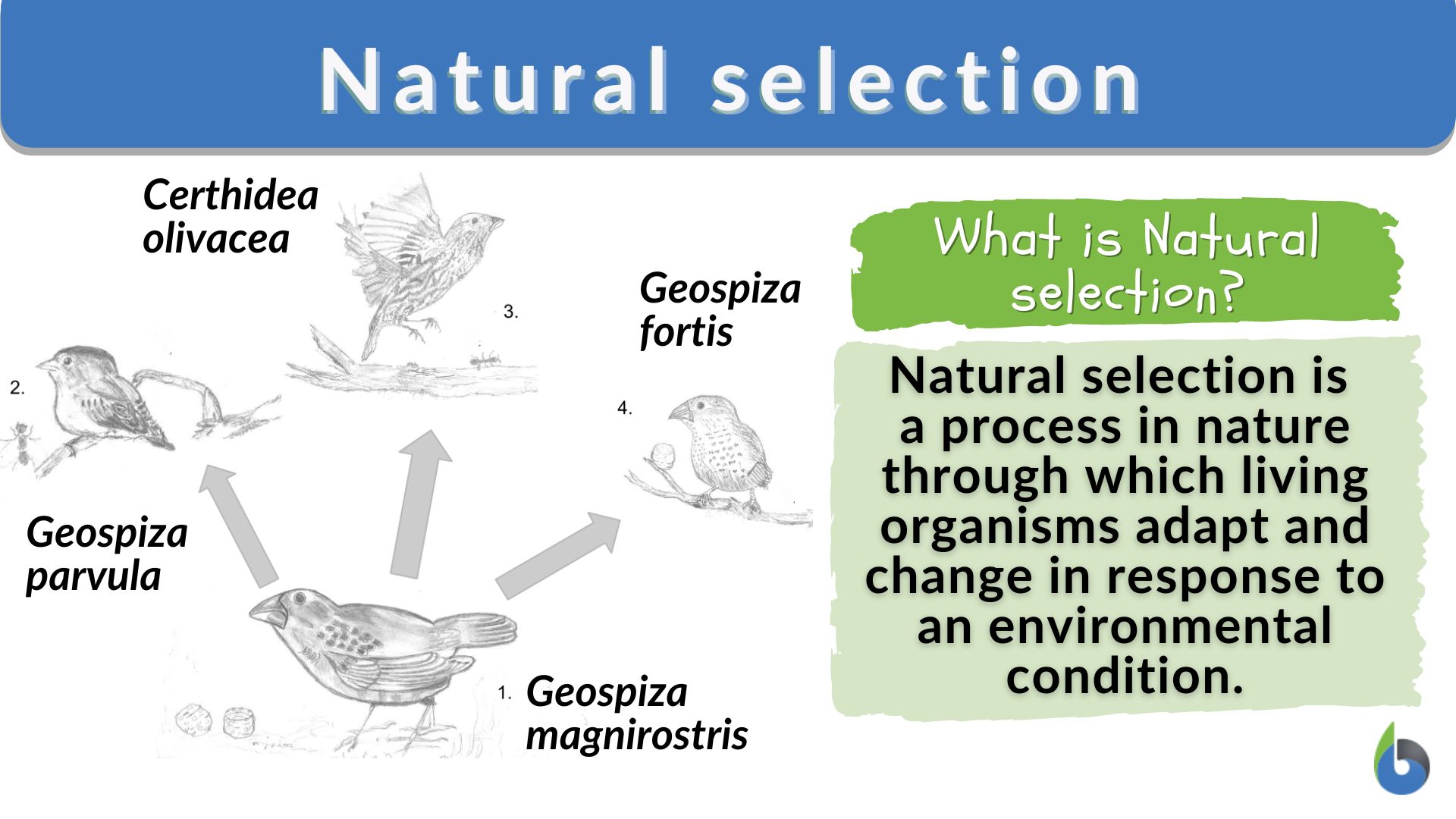
Natural Selection
The process where organisms which are best adapted to their environment survive to adulthood and reproduce - those with favorable alleles are selected for and those with unfavorable alleles are selected against.
Allele Frequency
The proportion of individuals in a population with a particular allele.

Lethal alleles
Alleles that cause the death of the organism carrying them
Gene pool
All the genes or alleles present within a population

Co-dominance
Occurs in heterozygous individuals where both alleles are fully expressed in the phenotype.
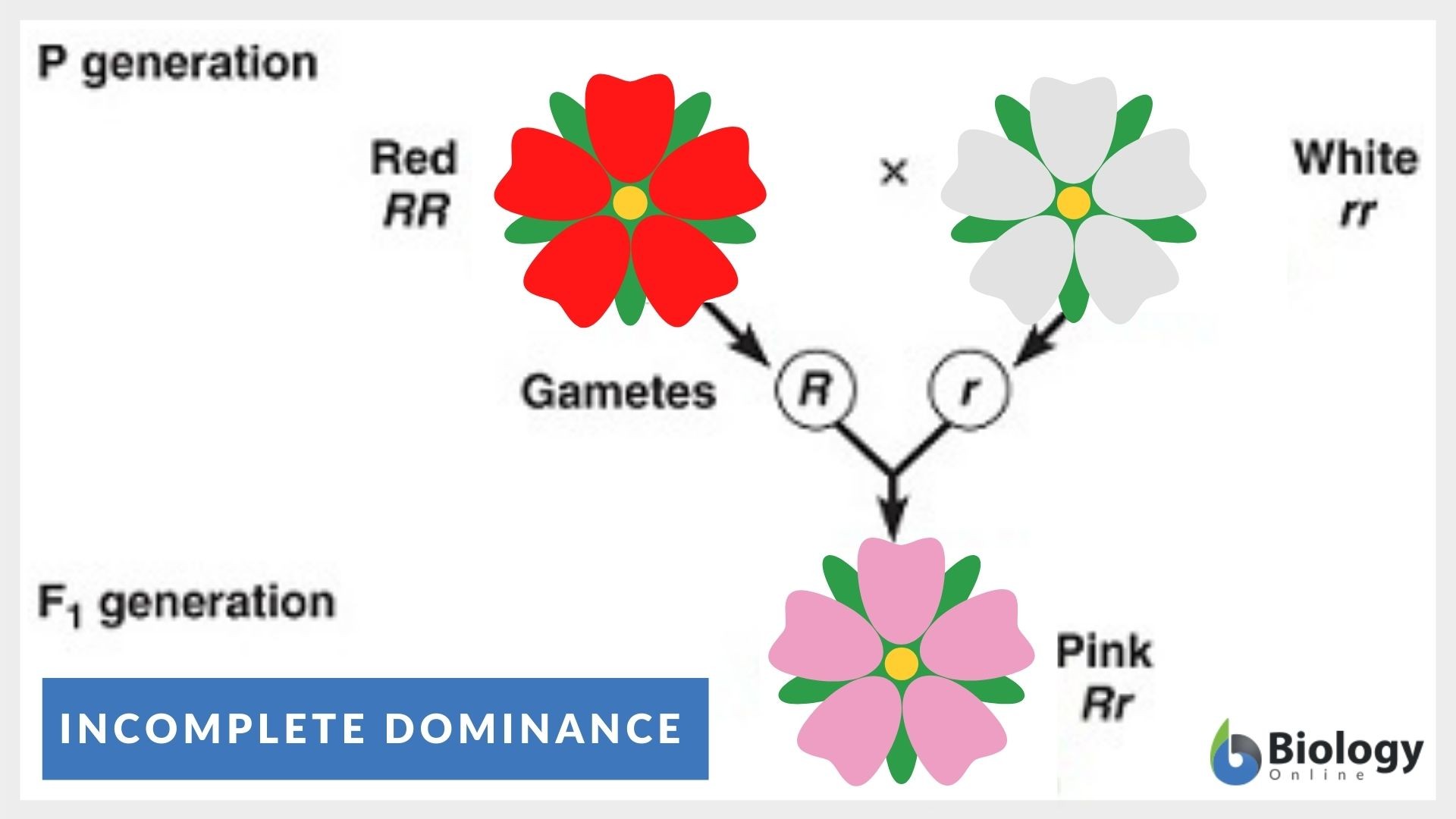
Incomplete dominance
Occurs in heterozygous individuals where neither allele is completely dominate, resulting in a intermediate phenotype that is a blend of two traits.

Complete dominance
Occurs in heterozygous individuals where the dominant allele is always expressed which masks the effect of the recessive allele.

Multiple alleles
Where there are more than two alleles for a gene within a population (eg. Blood types)

Linked Genes
Genes located closely together on the same chromosome, leading to them being inherited together as they cannot separate independently.
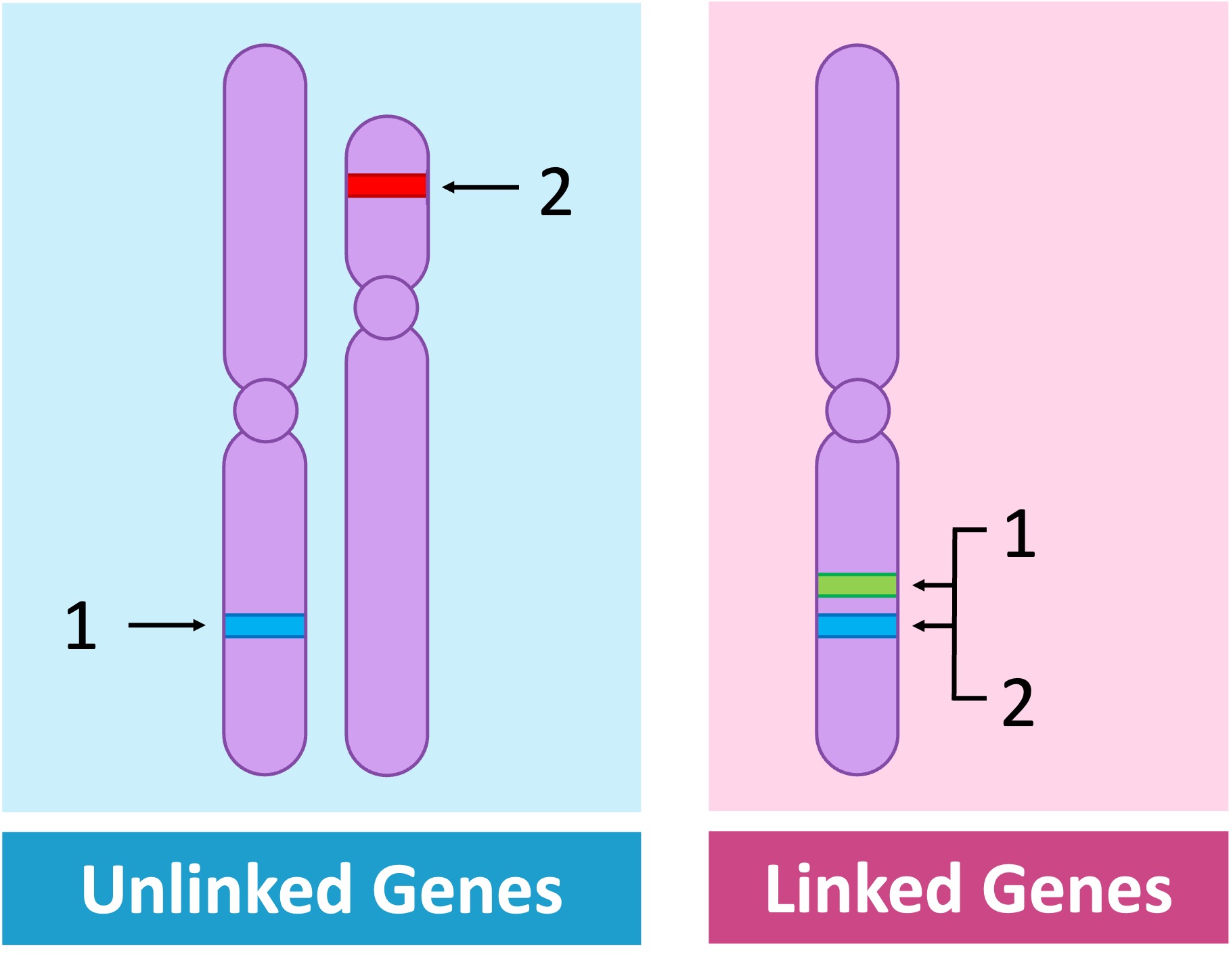
Unlinked Genes
Genes located on different chromosomes or far apart on the same chromosome.

Sex Linked Genes
Traits or characteristics influenced by genes located on the sex chromosomes.
Parental type
Offspring that have the same phenotypic traits as one of the original parents.
Recombinants
Offspring that are a combination/blend/mixture of traits from both parents due to crossing over.

Stabilising Selection
Natural selection that favors the intermediate variants by acting against extreme phenotypes.

Disruptive Selection
Natural selection that favors individuals at both extreme ends rather than intermediate traits.

Directional Selection
Natural selection that favors individuals at one extreme, shifting allele frequencies in a single direction.

Crossing over
The exchange of genetic material between non-sister chromatids of homologous chromosomes during meiosis, creating new combinations of alleles.

Segregation
The process during meiosis where allele pairs separate so that each gamete carries only one allele for each gene.

Independant assortment
The random alignment and separation of homologous pairs during meiosis, resulting in gametes with unique combinations of maternal and paternal chromosomes.

Chromatids
One of the two identical strands of a replicated chromosome that are produced during cell division. Each chromatid becomes a new chromosome in the cells produced during cell division.