final boss
 Call Kai
 Learn
Learn Practice Test
 Spaced Repetition
 Match
Match Flashcards
 Knowt Play
1/85

There's no tags or description
Looks like no tags are added yet.
Name | Mastery | Learn | Test | Matching | Spaced | Call with Kai | Chat |
|---|
No analytics yet
Send a link to your students to track their progress
86 Terms
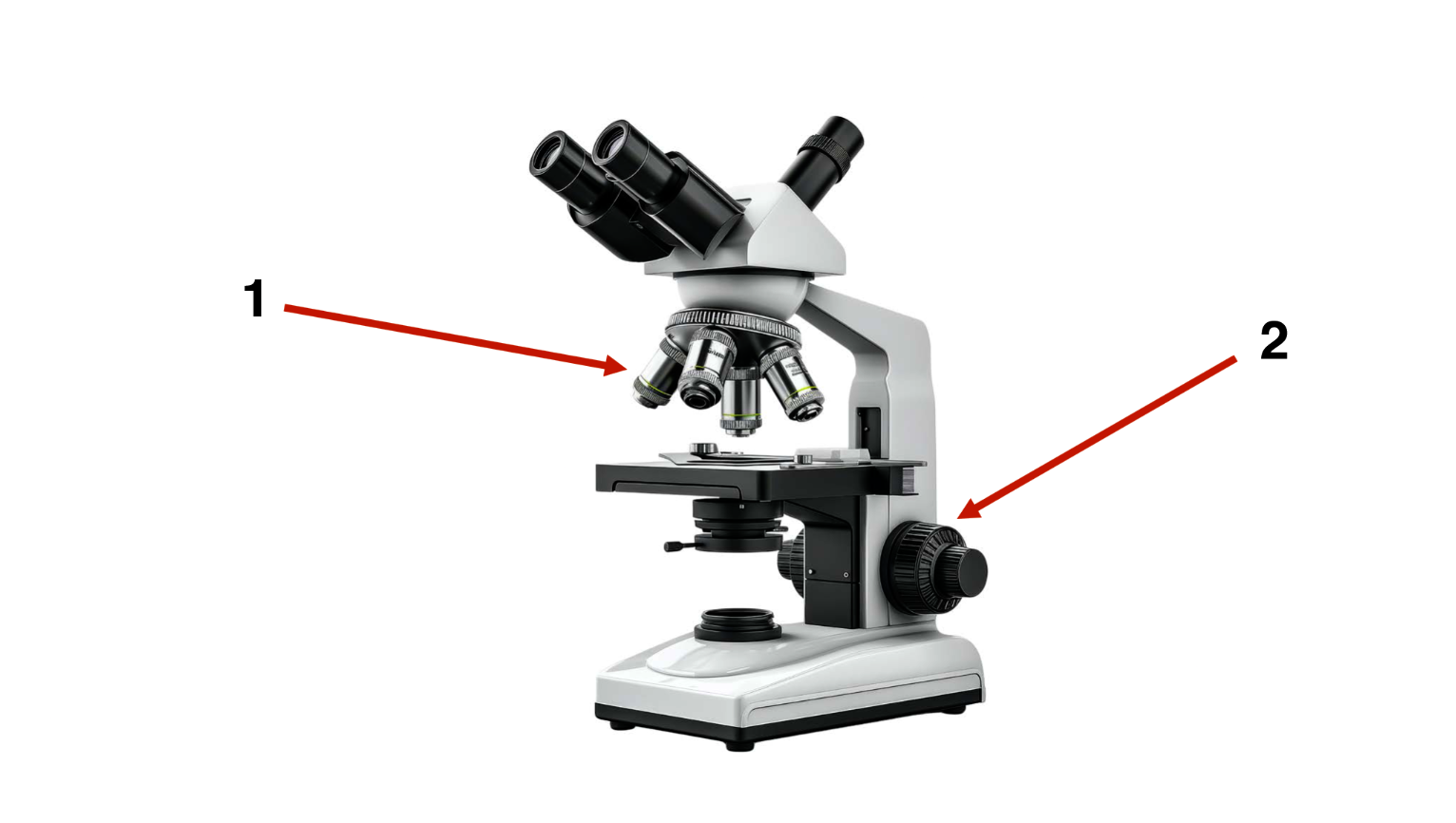
#1
Objective lens
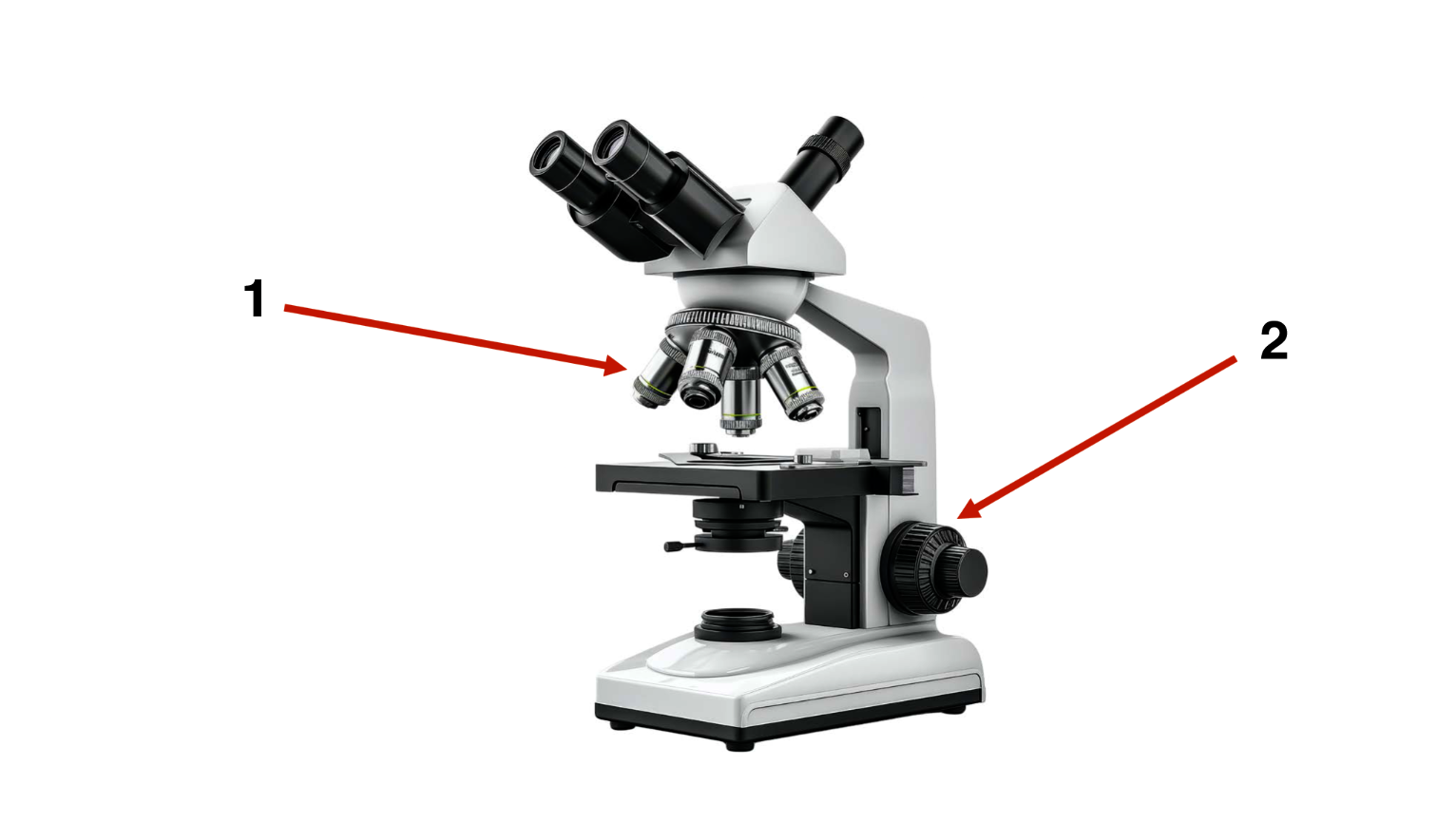
#2
Course adjustment knob
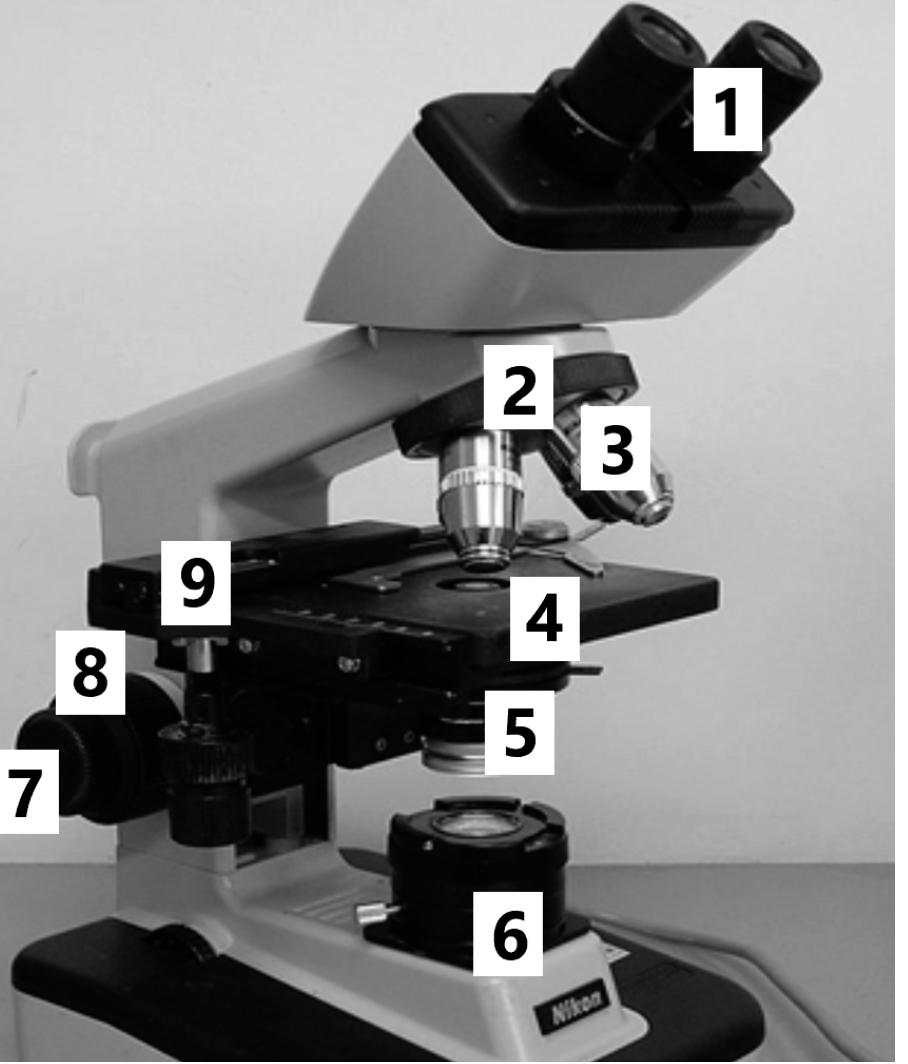
#1 and #2
Ocular lens and nose piece
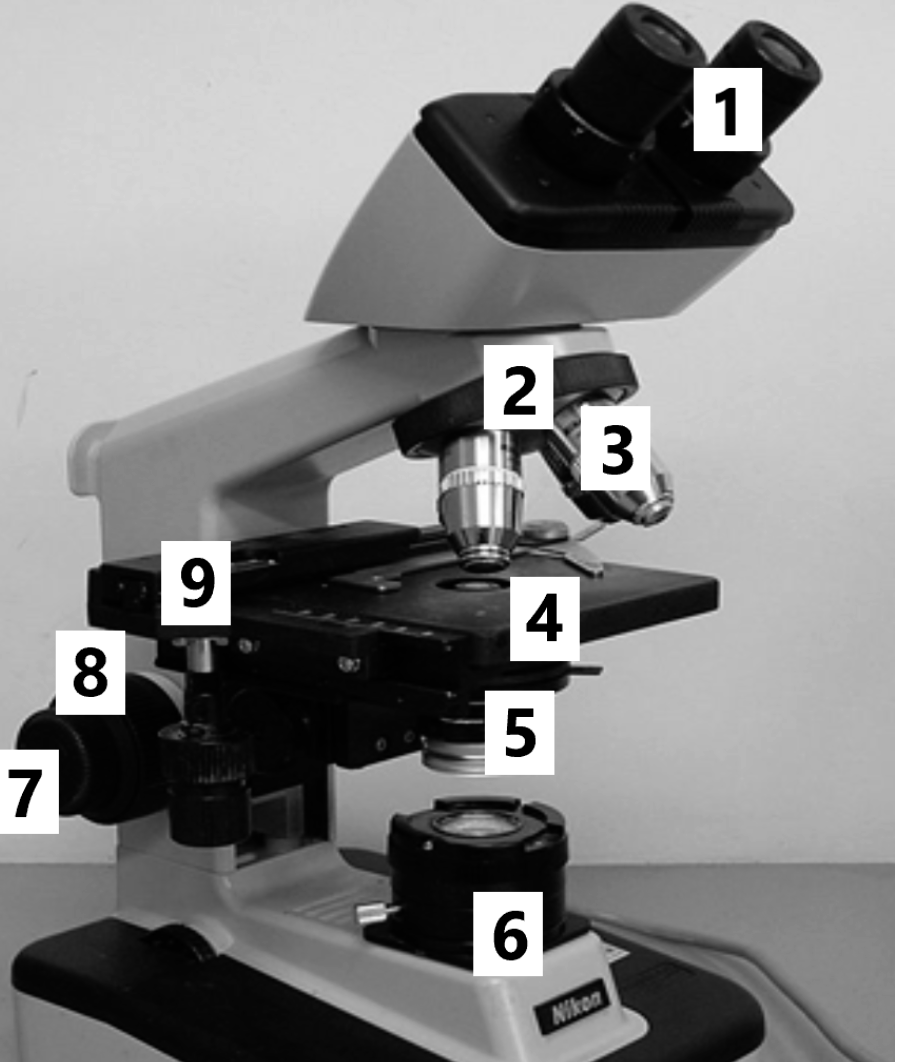
4 and 9
stage and mechanical stage
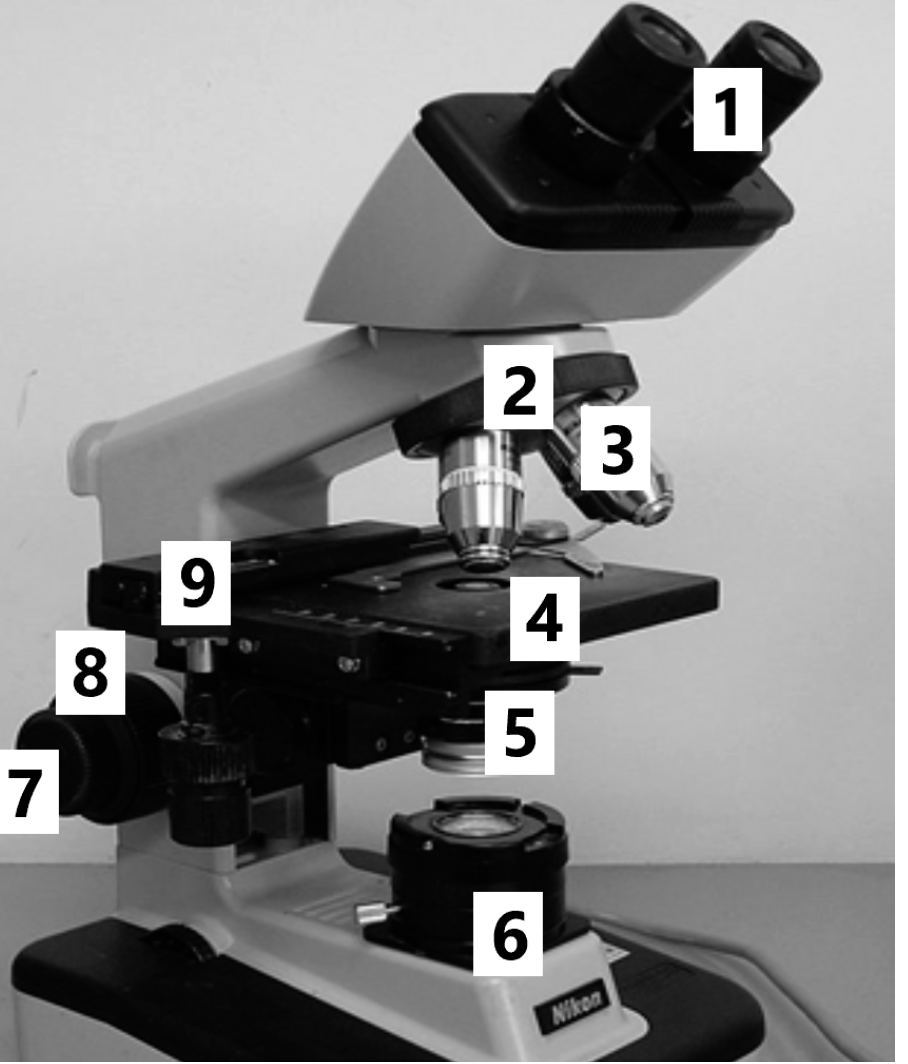
6 and 7
Illumination and fine adjustment knob
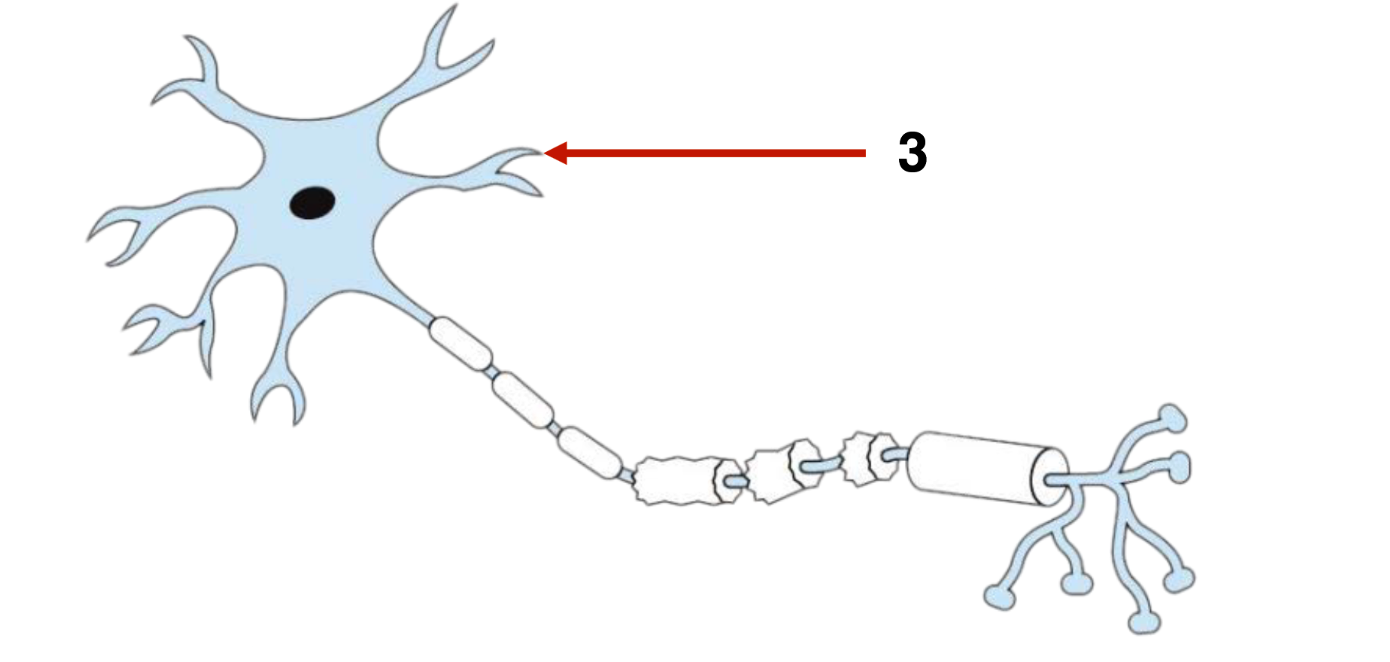
Dendrite on a nervous cell
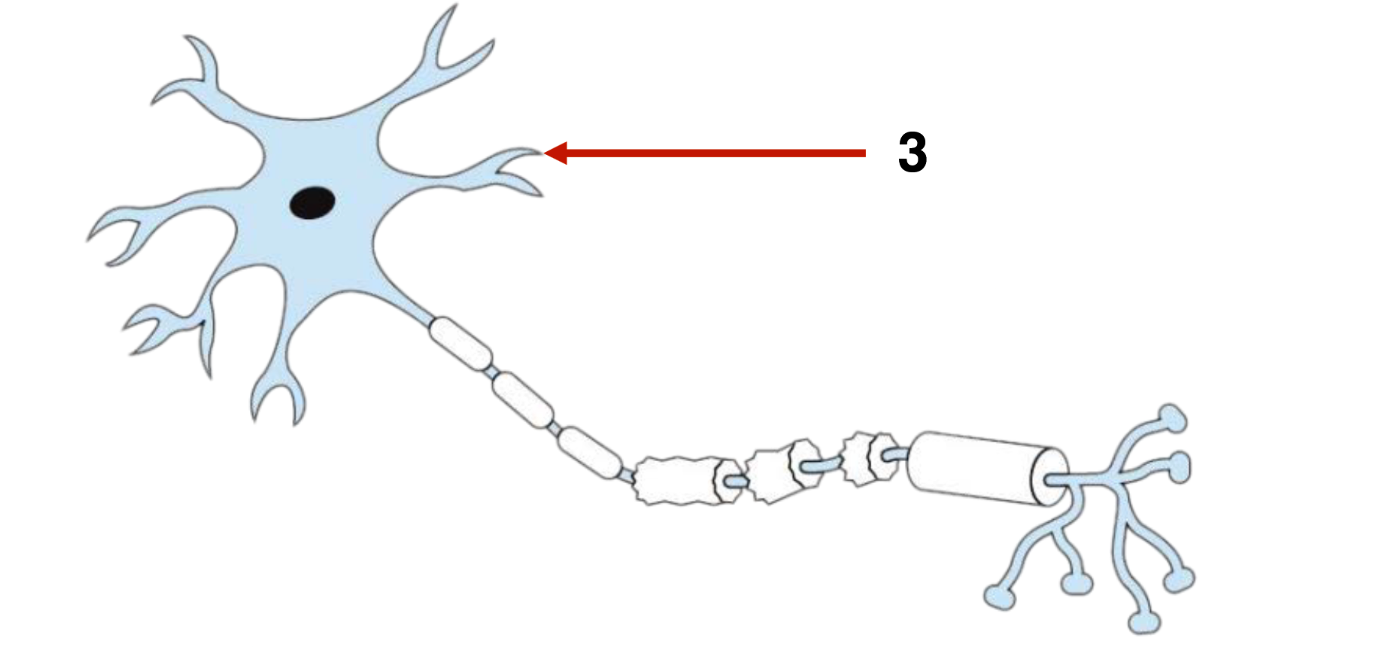
Function of the nervous tissue
Receives, processes, and transmits electrical impulses throughout the body to control and coordinate body functions.
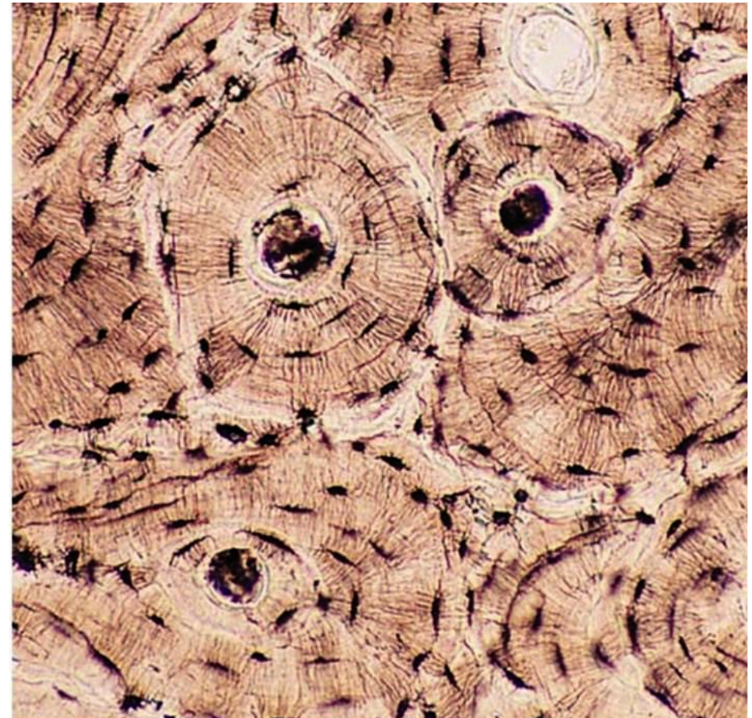
What is this
What is its function
what is the functional unit of this tissue
Bone tissue
Provides support and structure for the body.
Protects internal organs
the functional unit is Osteon
Animals: Snails, clams, squid, octopi
Function: Mantle produces the shell that protects the body; radula is used for feeding.
Phylum Mollusca
Animals: Roundworms
Function: Cuticle protects the body; molting allows the animal to grow.
Phylum Nematoda
Animals: Insects, crustaceans, spiders, centipedes
Function: Chitin exoskeleton provides protection and support; molting allows growth.
Phylum Arthropoda
Animals: Sea stars, sea urchins, sea cucumbers, sand dollars
Function: Water vascular system helps with movement, feeding, and transporting materials; tube feet allow locomotion.
Phylum Echinodermata
Animals: Mammals, birds, fish, reptiles, amphibians, lancelets, tunicates
Function: Notochord provides support; dorsal nerve cord develops into the spinal cord; pharyngeal slits help with feeding and respiration.
Phylum Chordata
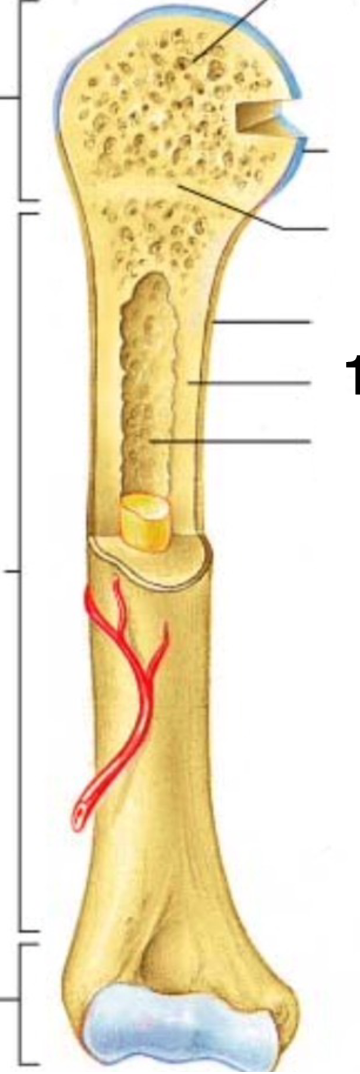
What is this and what category is it
Tibia and is apart of the appendicular skeleton
The diaphysis
the main central shaft of a long bone
medullary cavity
Hollow part of the tibia and produces bone marrow
What is in the wider ends of bones (epiphyses)
Spongy Bone
What is the axial skeleton?
Skull, vertebral column (spine), ribs, and sternum.
Supports the body and protects vital organs (brain, spinal cord, heart, lungs).
What is the appendicular skeleton?
The bones that make up the limbs and attachments to the axial skeleton.
Arms, legs, shoulders (pectoral girdle), and hips (pelvic girdle).
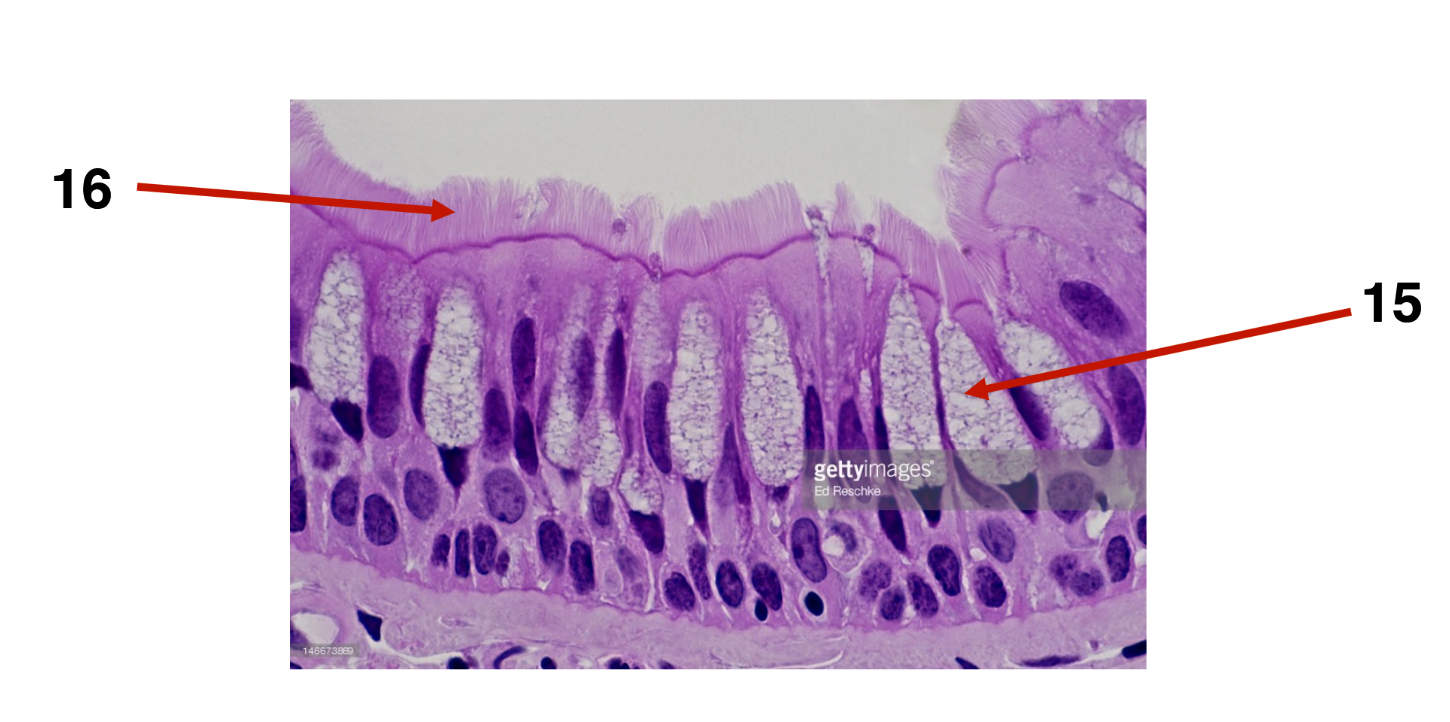
What is this
Simple Columnar Epithelium
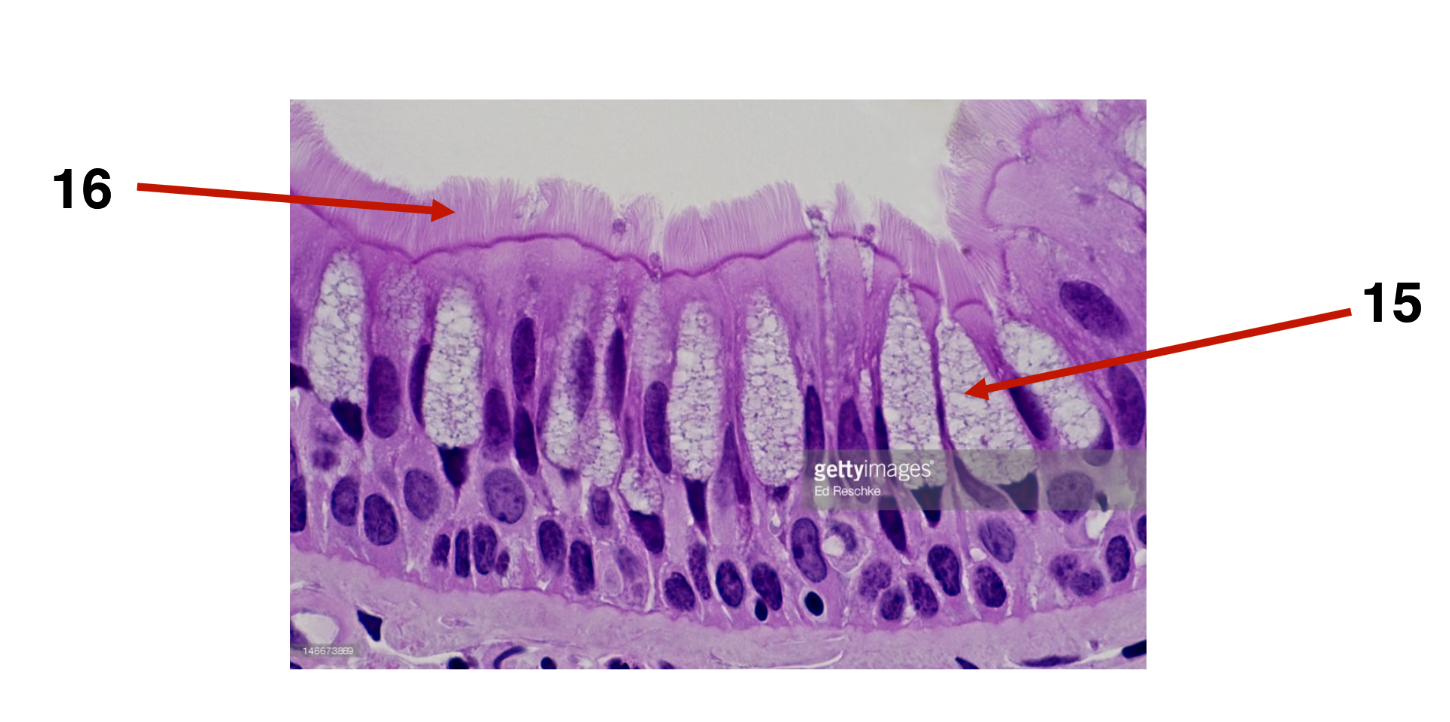
15 and 16?
Goblet and cilia
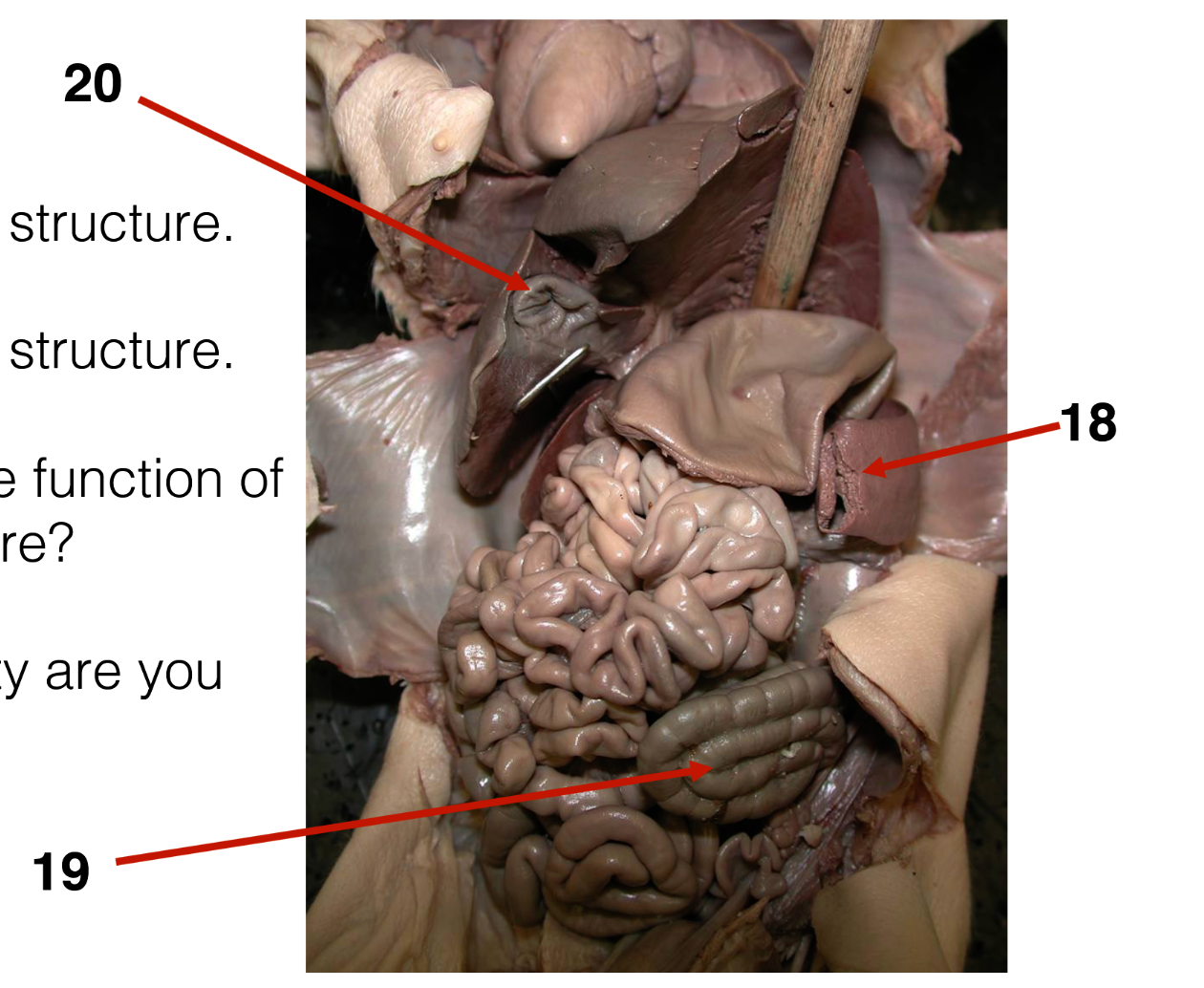
18,19,
Spleen and Large Intestine
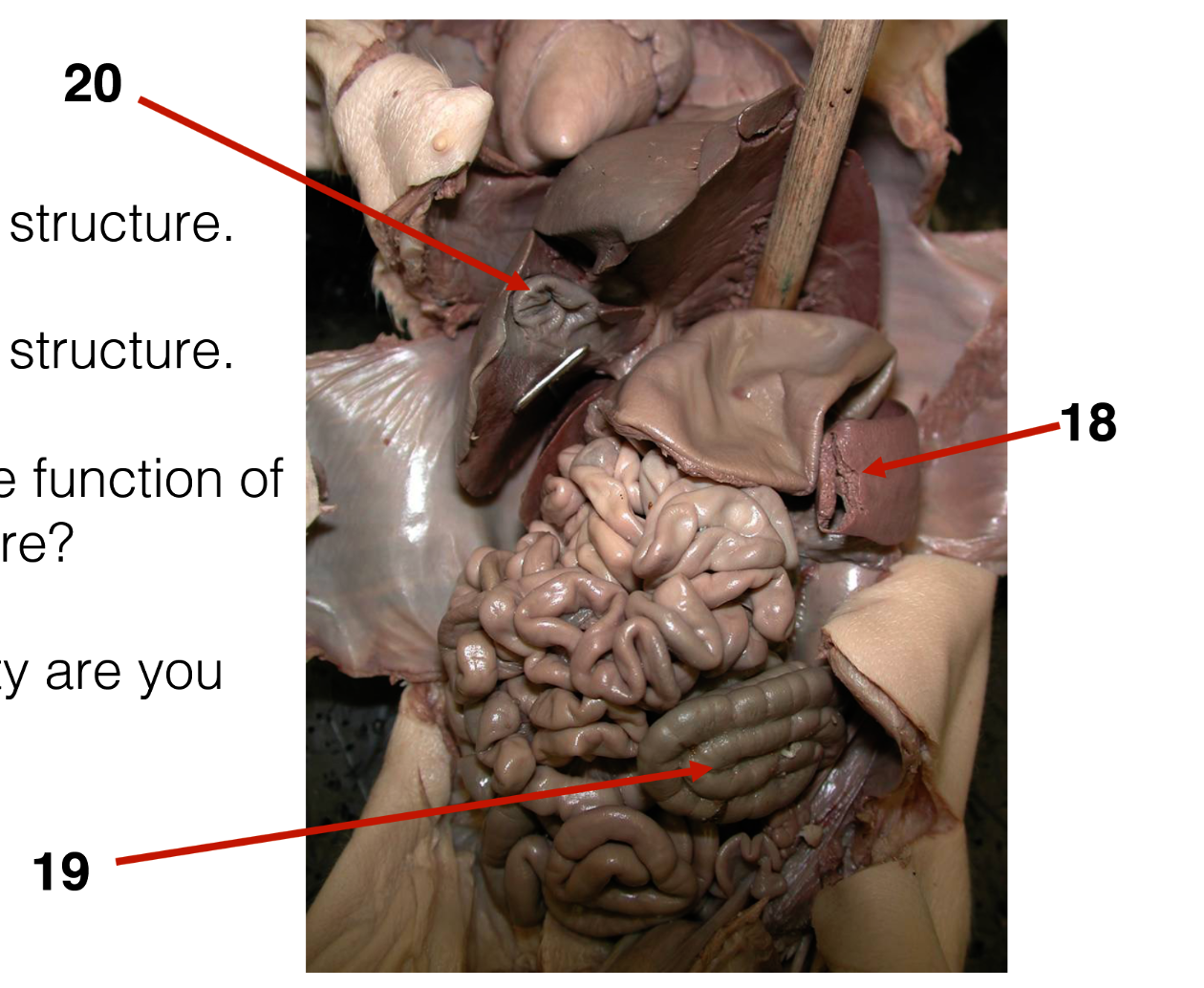
20 and its function
Gallbladder and stores bile
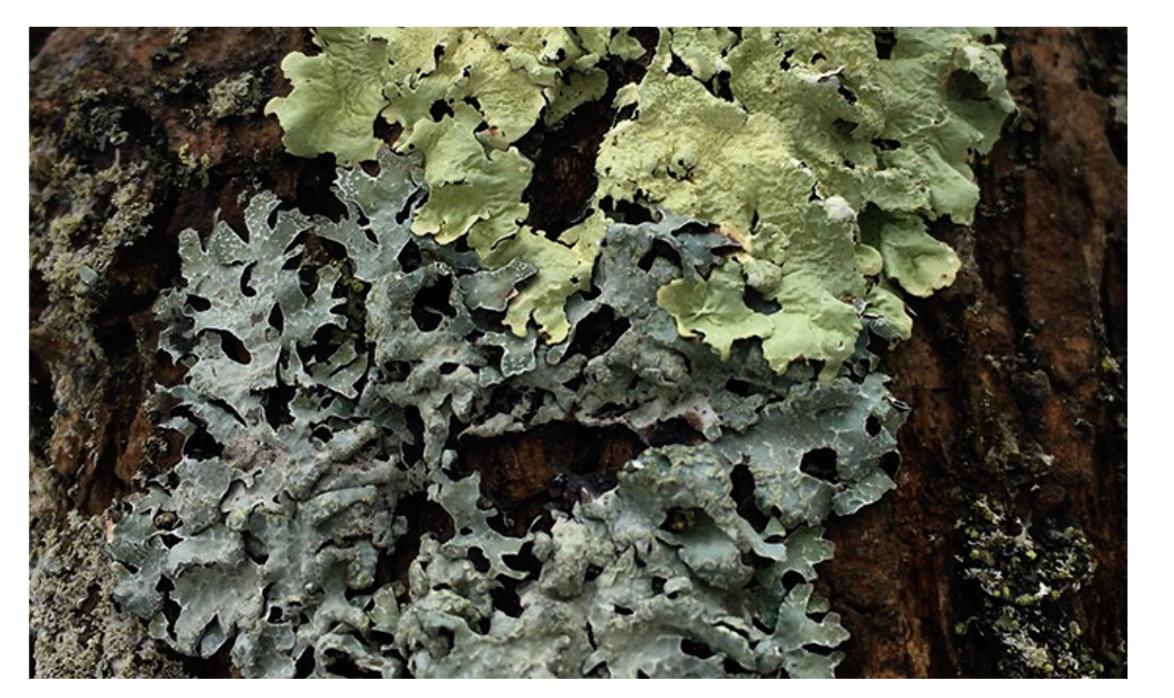
What is this and what is its form
Lichen
symbiotic organism made of two organisms living together: (Fungus + Algae)
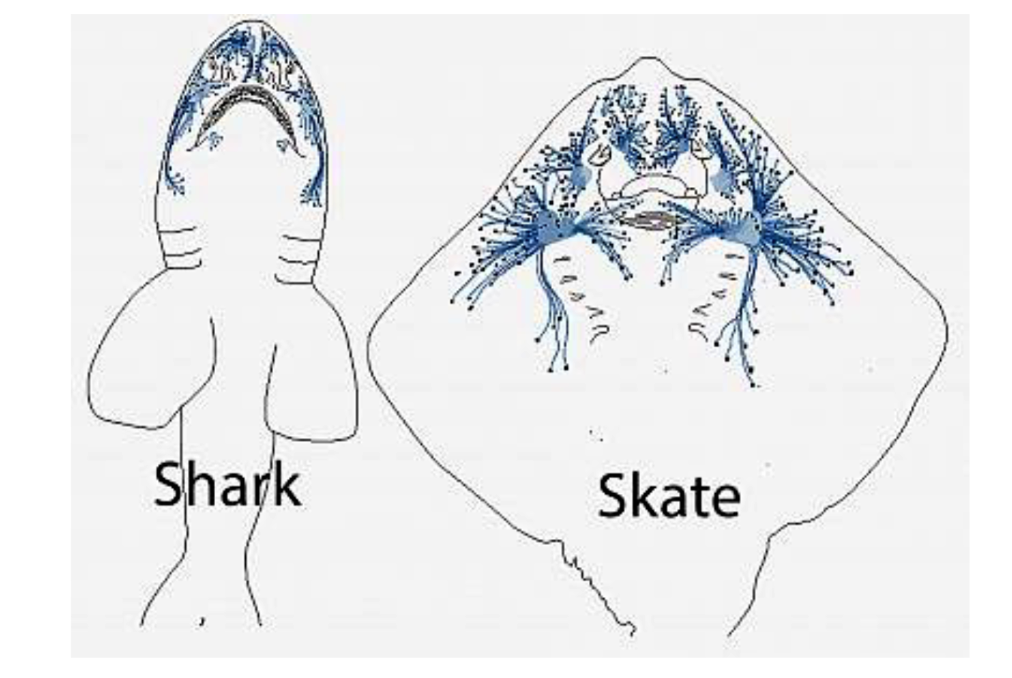
What phylum do these organism’s belong to
Phylum Chordata
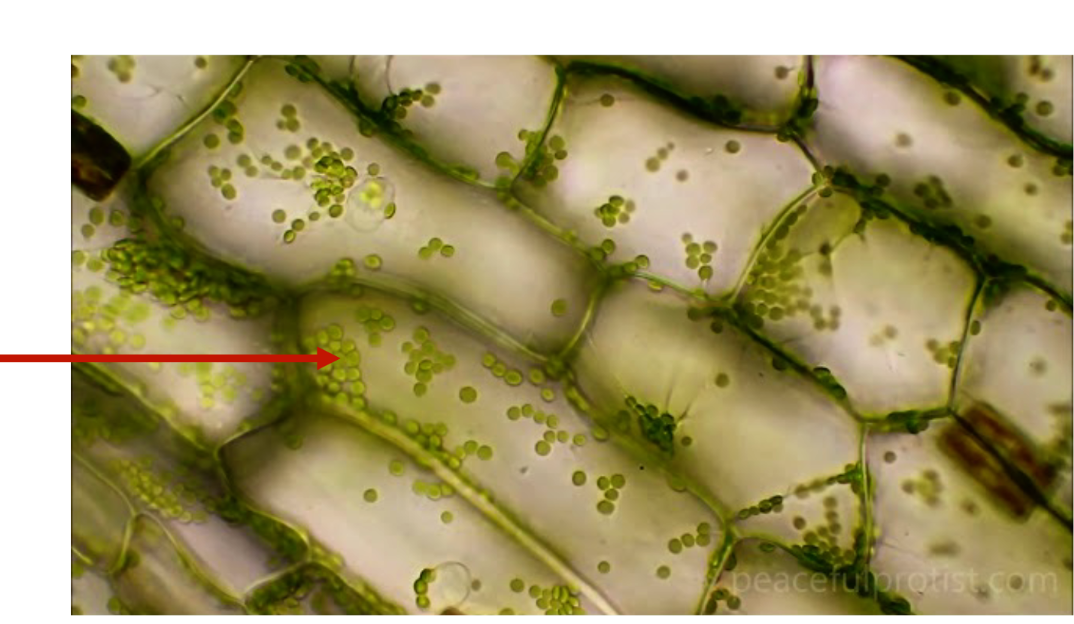
What is this
what organelle is the arrow pointing to
Euglena
Chloroplast
both autotrophic and heterotrophic
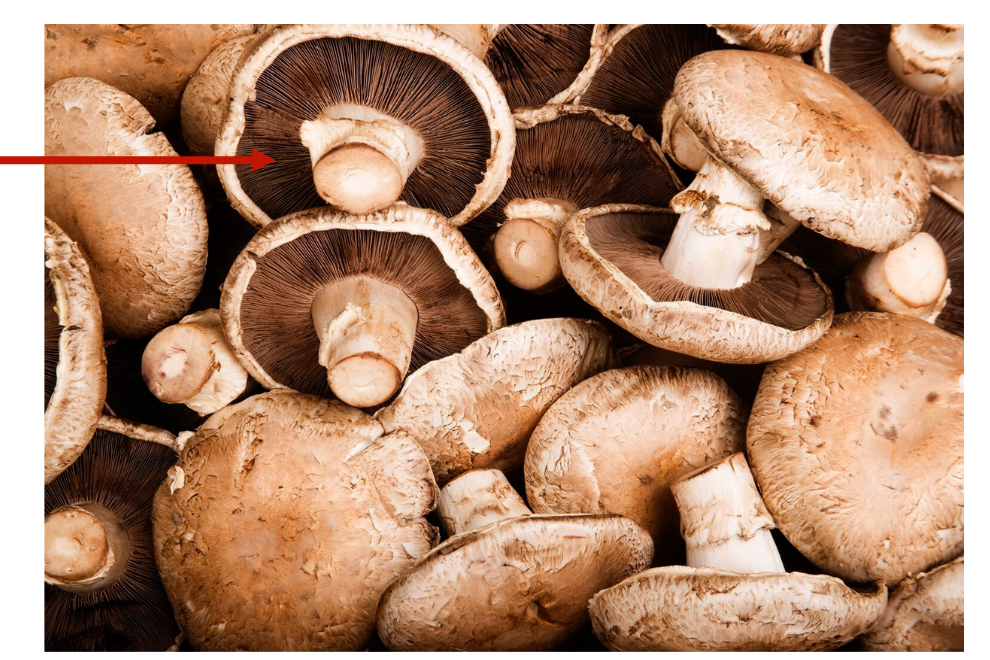
What is this
What kingdom
Through what cell does this organism reproduce
Portabello Mushroom
Fungi
Through the spores
How many millimeters (mm) are in 1 centimeter (cm)?
10 mm = 1 cm
How many centimeters (cm) are in 1 meter (m)?
100 cm = 1 m
How many millimeters (mm) are in 1 meter (m)?
1,000 mm = 1 m
How many micrometers (µm) are in 1 millimeter (mm)?
1,000 µm = 1 mm
How many nanometers (nm) are in 1 micrometer (µm)?
1,000 nm = 1 µm
How many micrometers (µm) are in 1 meter (m)?
1,000,000 µm = 1 m
What is the metric conversion order from largest to smallest?
1 kilometer (km) → 1,000 meters (m) → 100,000 centimeters (cm) → 1,000,000 millimeters (mm) → 1,000,000,000 micrometers (µm) → 1,000,000,000,000 nanometers (nm)
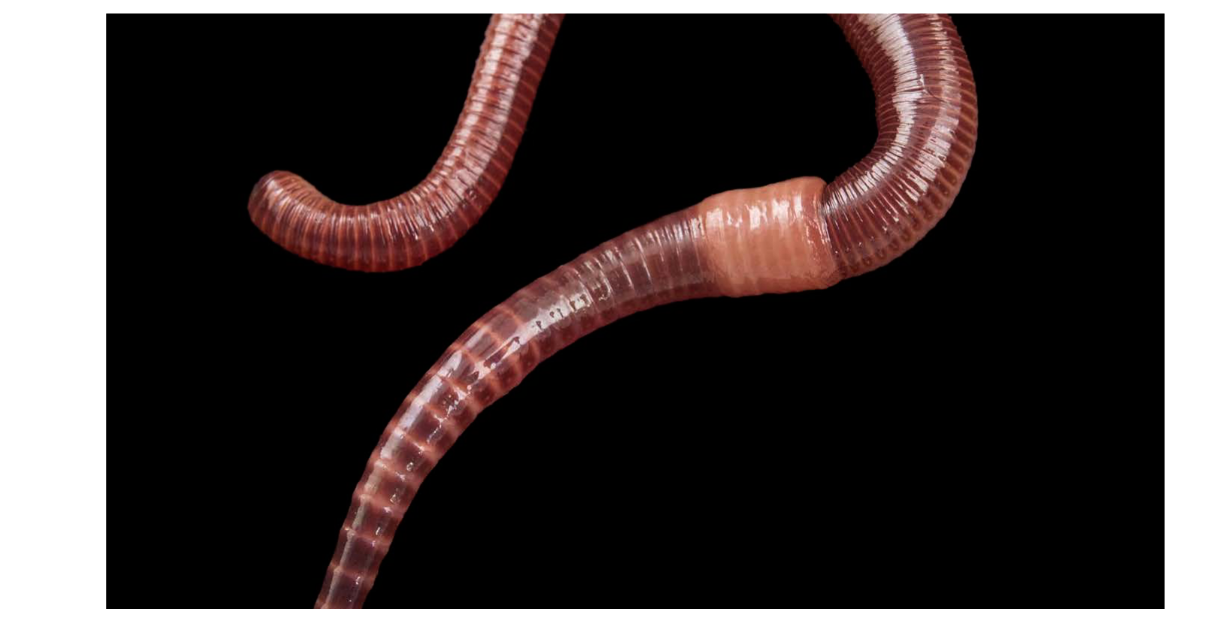
What is this
To what Phylum does this belong
What type of symmetry does this posses
Earth worm
Phylum Annelida
Bilateral symmetry (left and right sides are mirror images)
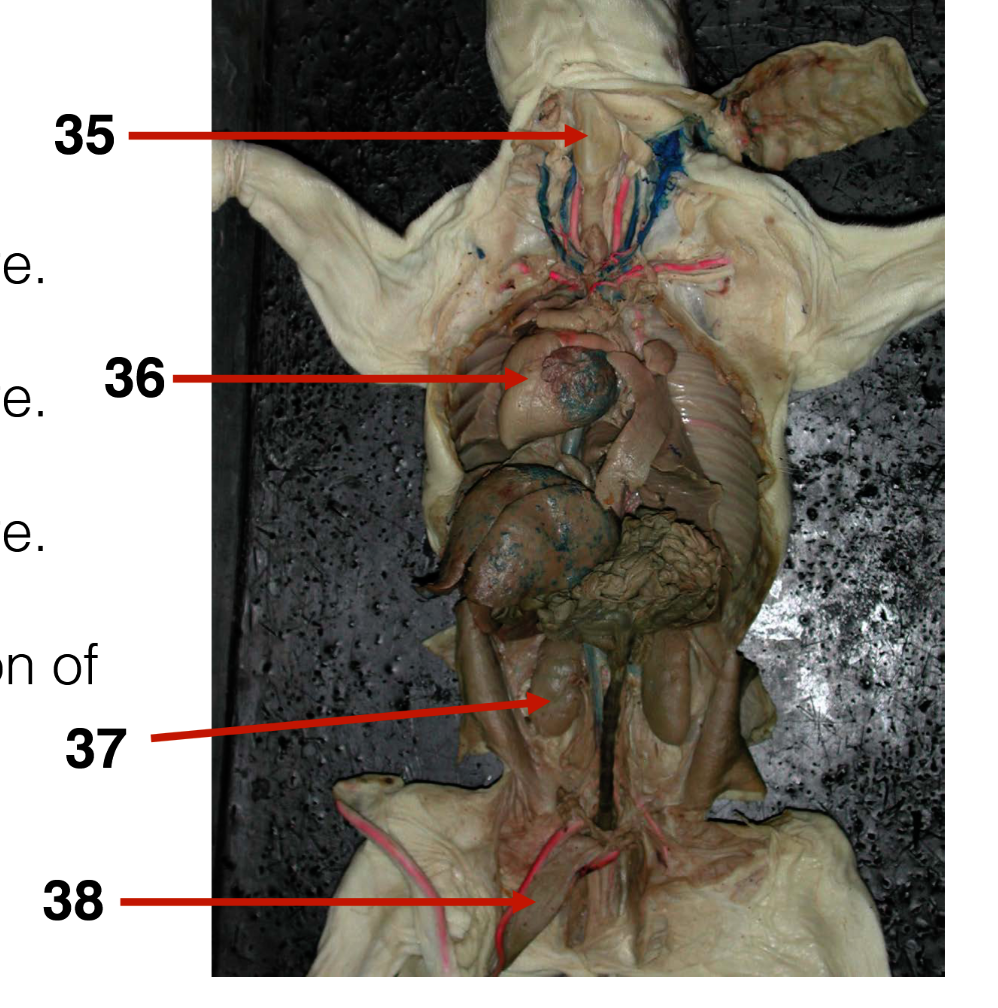
35 and 36?
Larynx
Ventricles of the heart
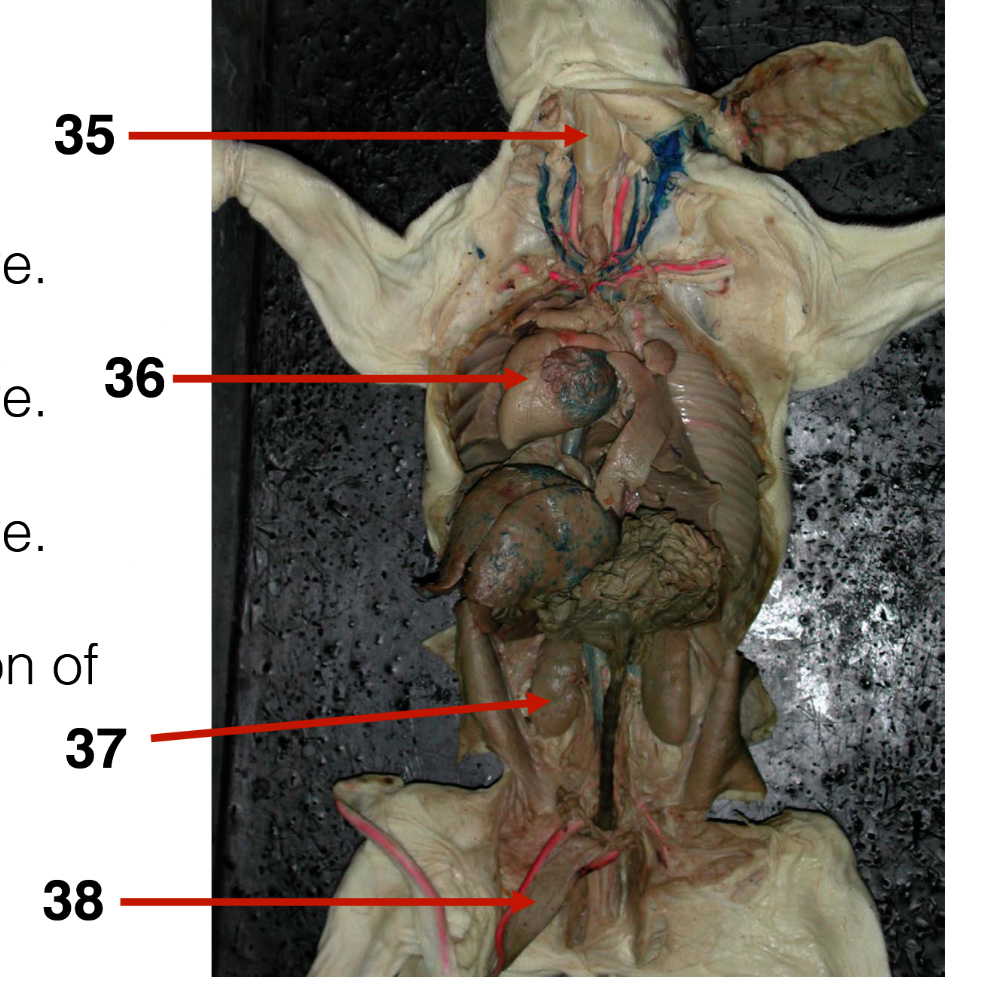
37 and 38(function)
Kidneys
Bladder(stores urine)
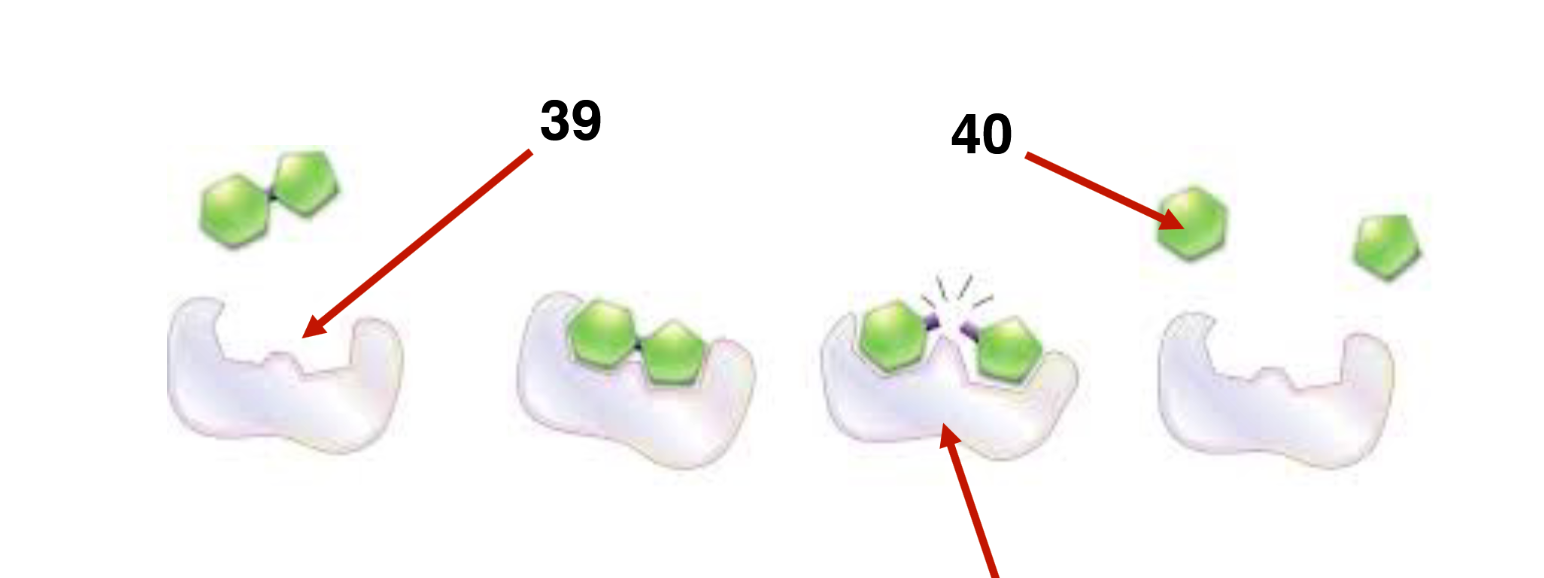
39
40
41
Substrate
Enzyme
Product
Located in the forehead region of the skull
Frontal bone
Located in the top and sides of the skull
Parietal bones
Located on the sides of the skull near the ears
Temporal bones
Located in the back and base of the skull
Occipital bone
Located in the center of the skull behind the eyes
Sphenoid bone
Located between the eyes and in the roof of the nasal cavity
Ethmoid bone
Located in the upper jaw
Maxilla
Located in the lower jaw
Mandible
Located in the cheek region and sides of the eye sockets
Zygomatic bone
Located in the bridge of the nose
Nasal bone
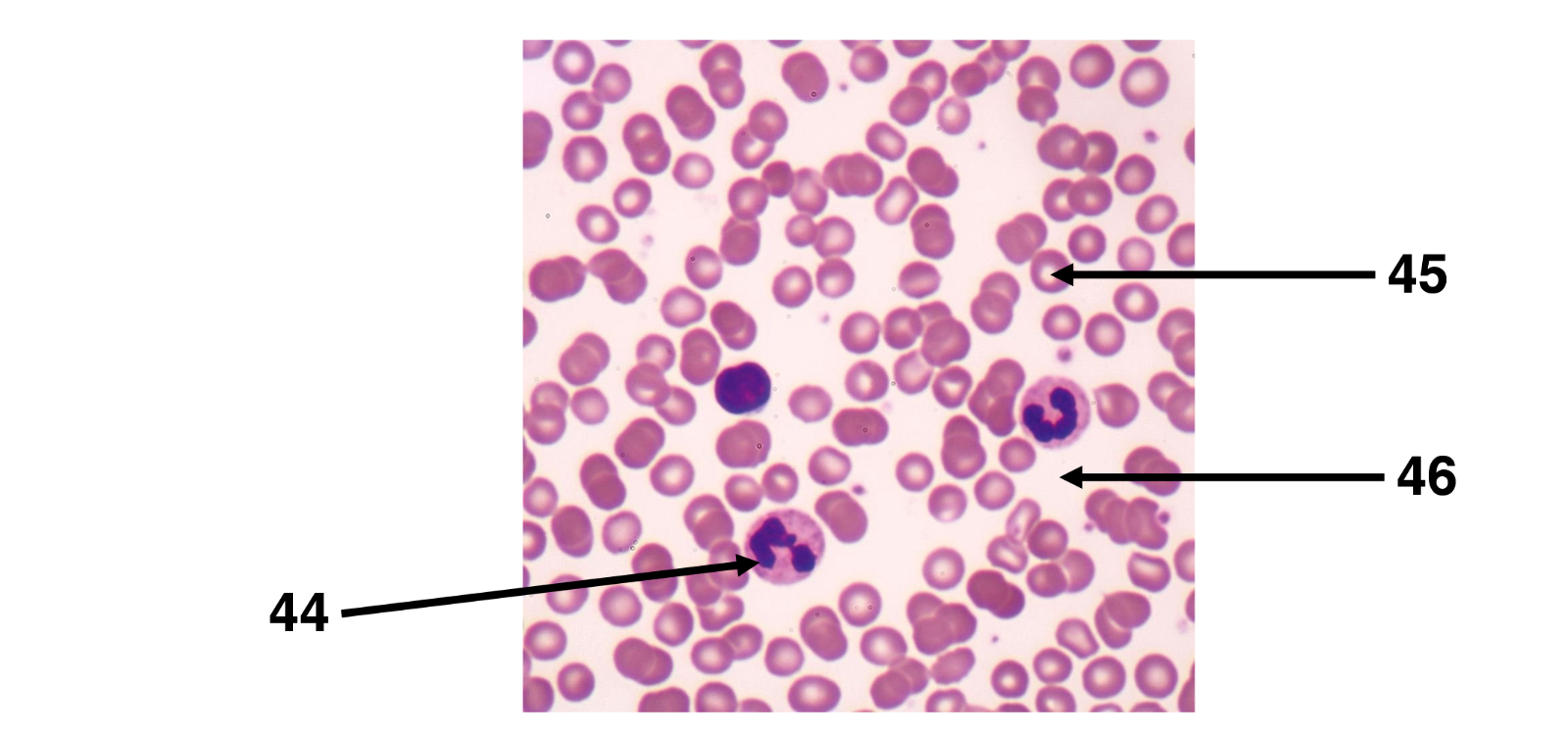
44
45
46
WBC
RBC
Plasma
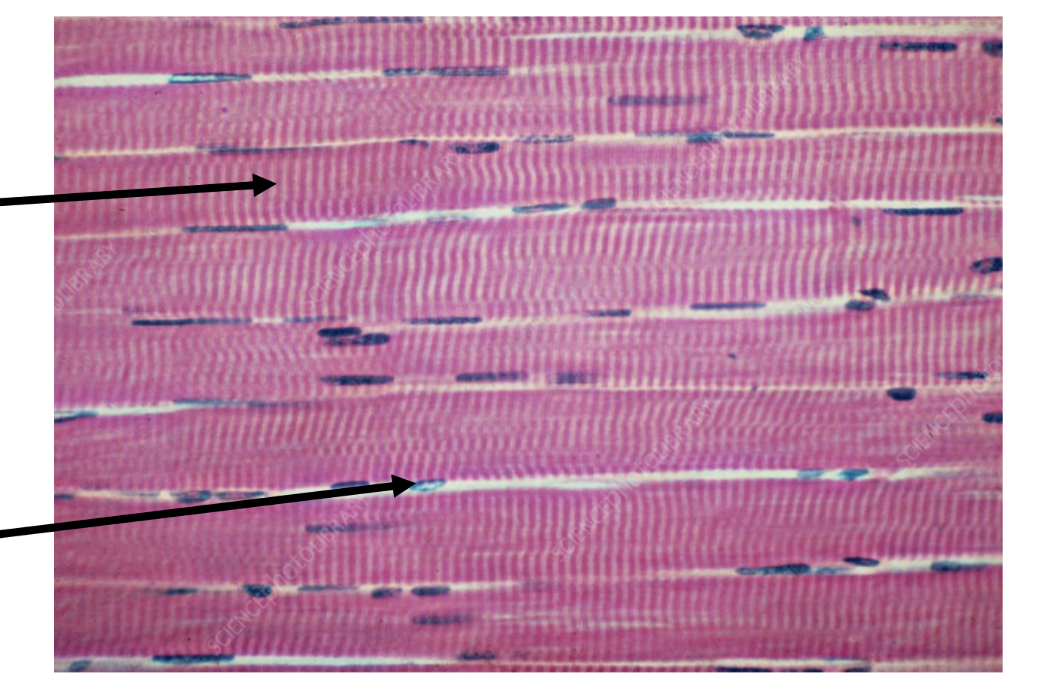
What is this
top arrow
bottom arrow
Skeletal
Striations
Nuclei
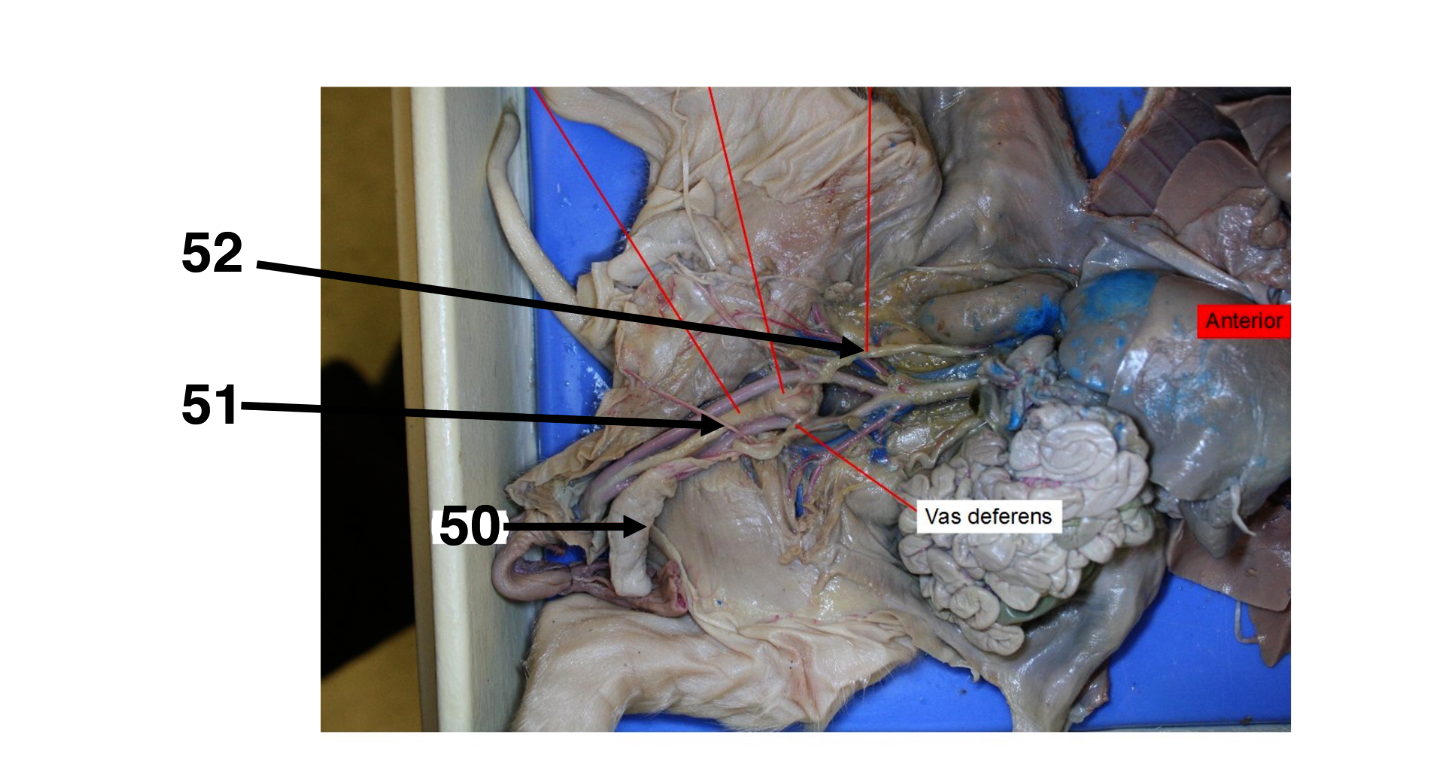
50
51
52 (function)
Testis
Urinary Bladder
Ureter(transports urine from kidneys to the bladder)
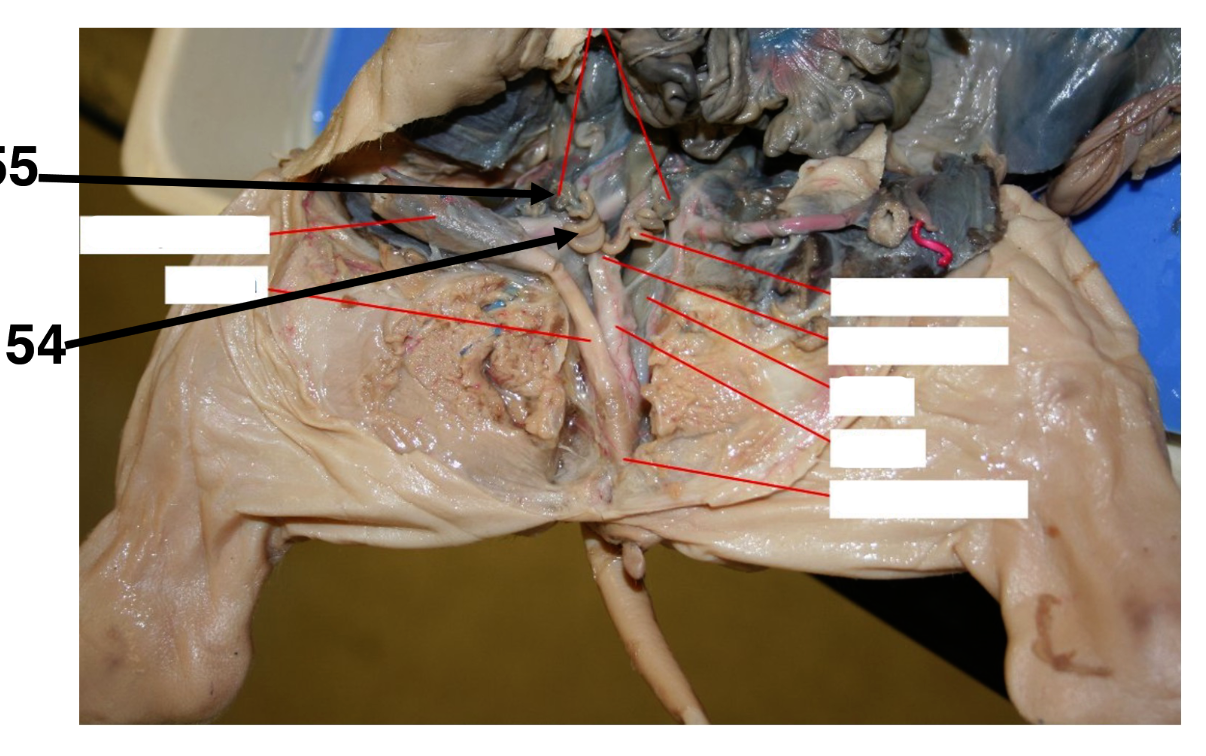
54
55
Uterus
Ovaries
What does Benedict’s solution test for?
The presence of reducing sugars (such as glucose).
What does a negative Benedict’s test look like? regarding Benedicts solution
The solution stays blue, showing no reducing sugars are present.
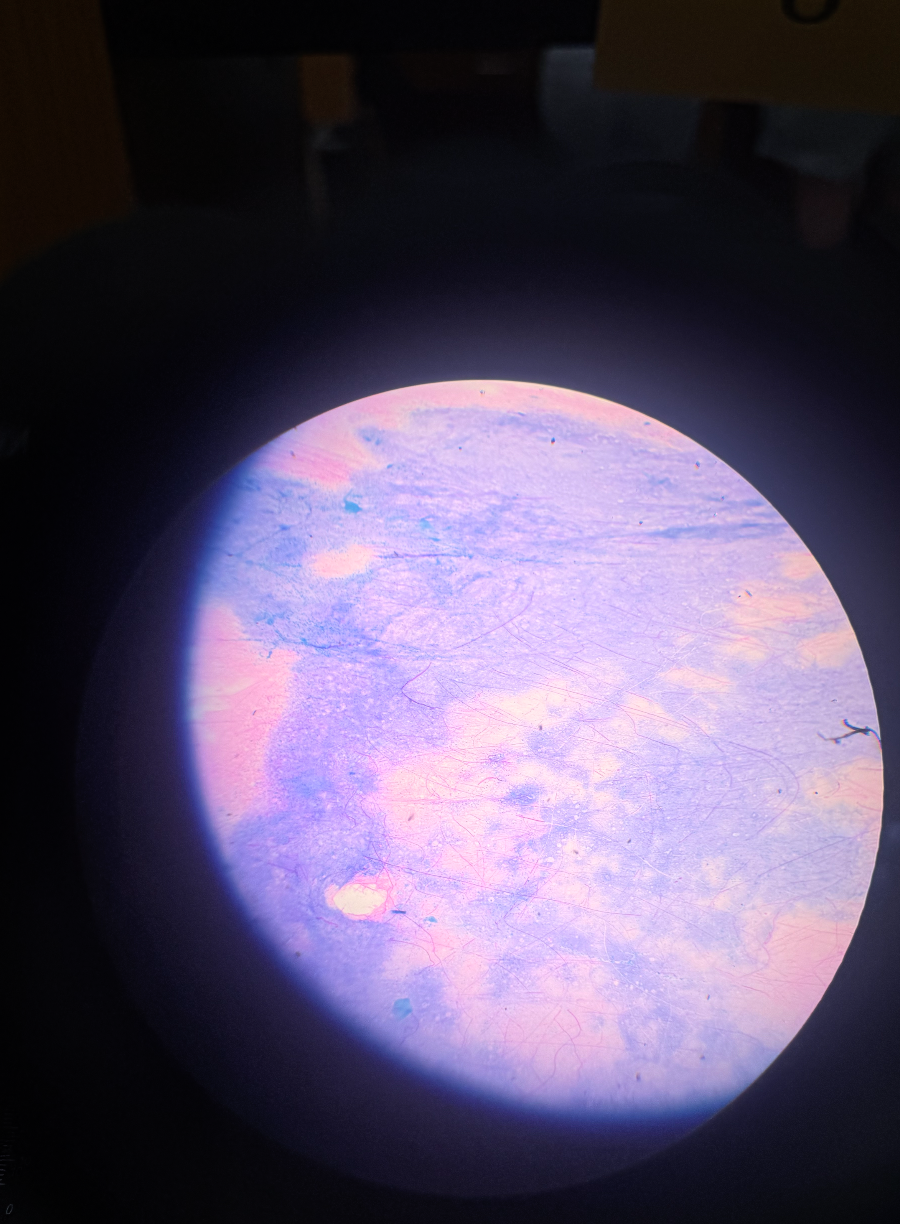
Giant Multipolar Motor Neurons
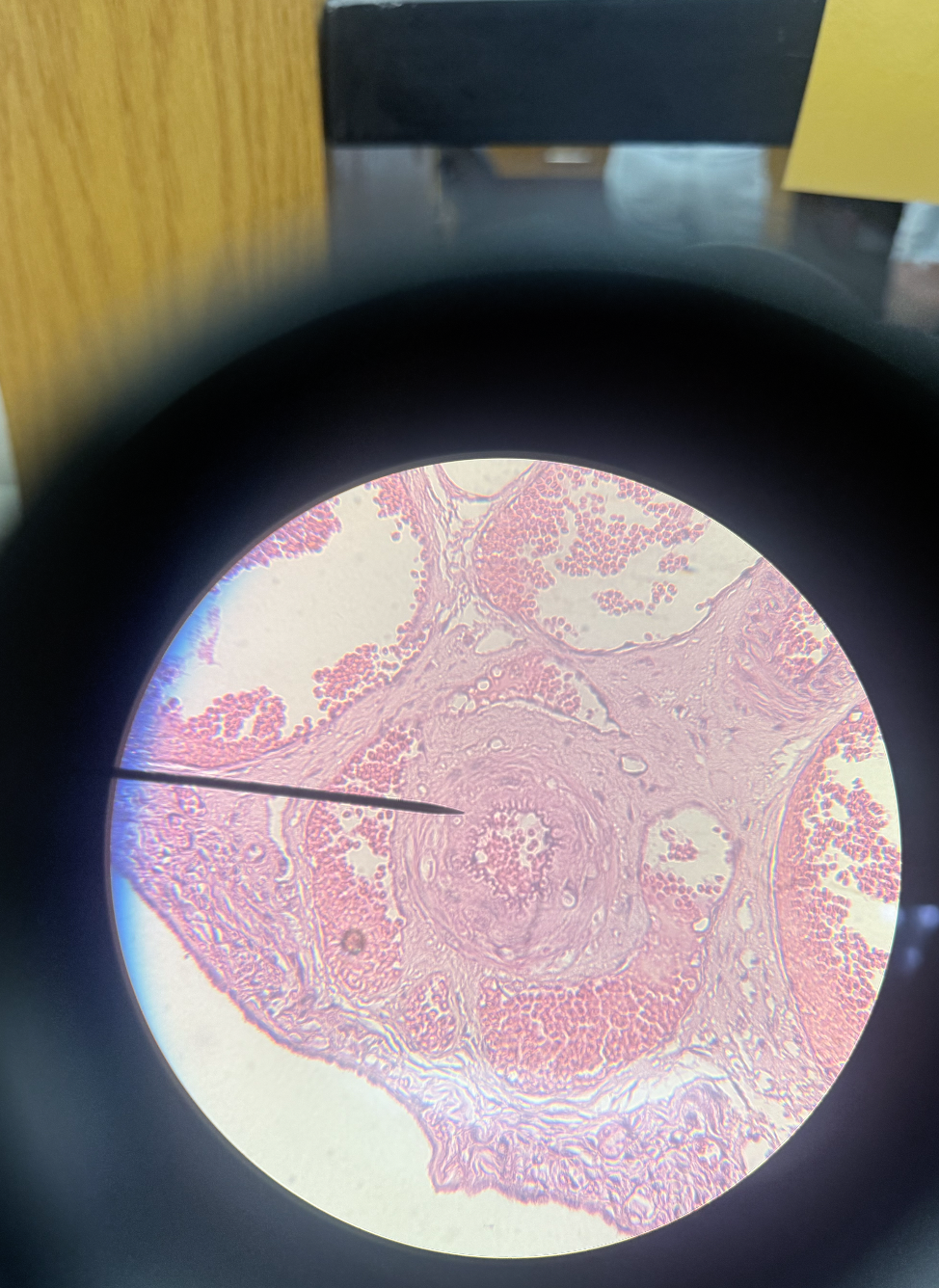
Simple Cilated Columnar Epithelium
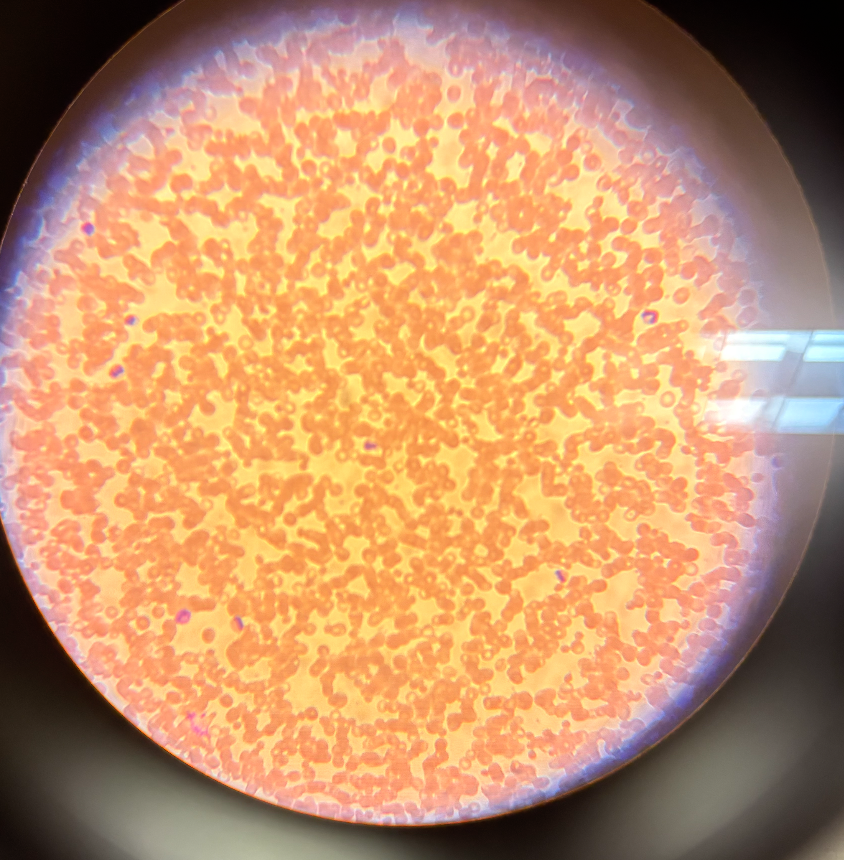
Human Blood
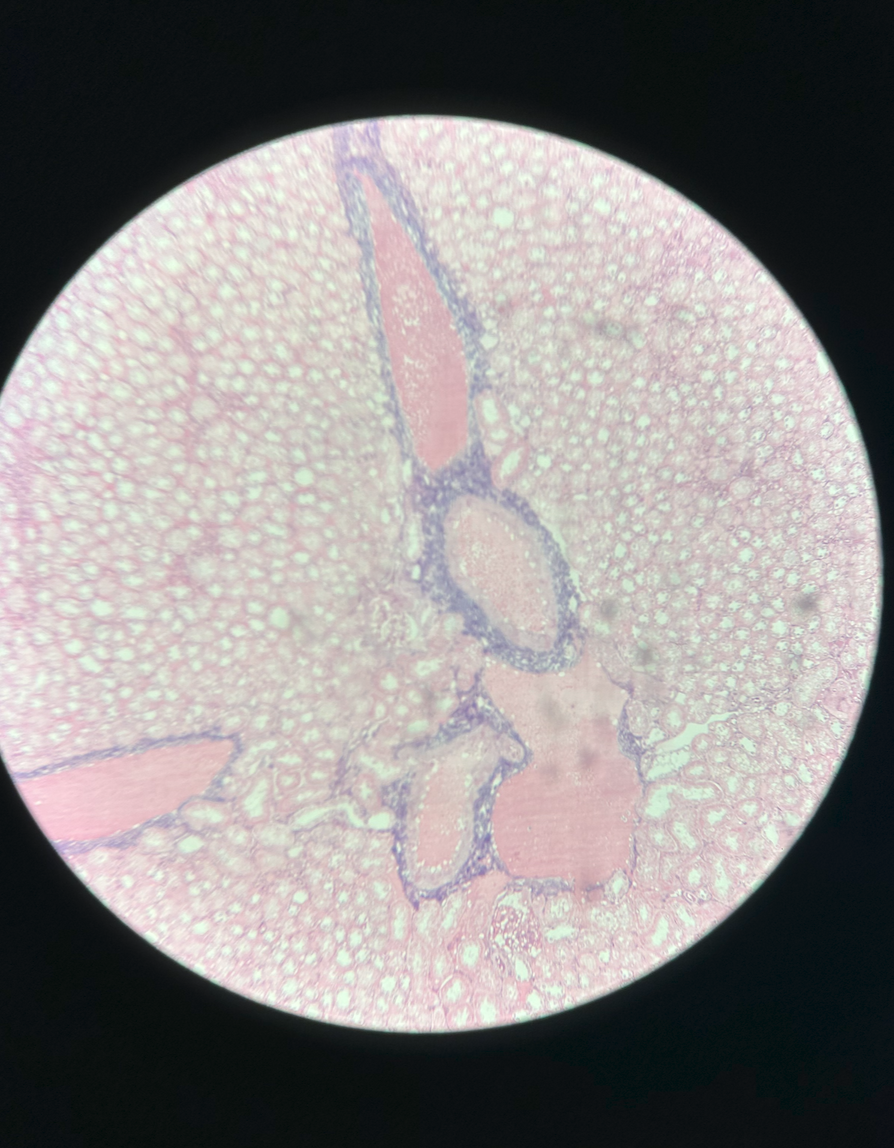
Simple Squamous Epithelium
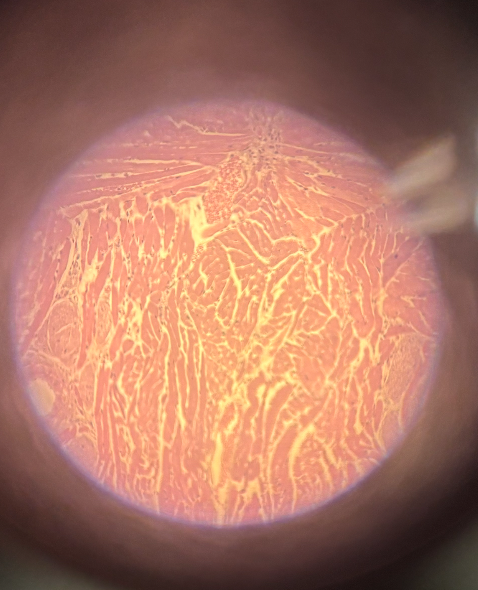
Skeletal Muscle Striations
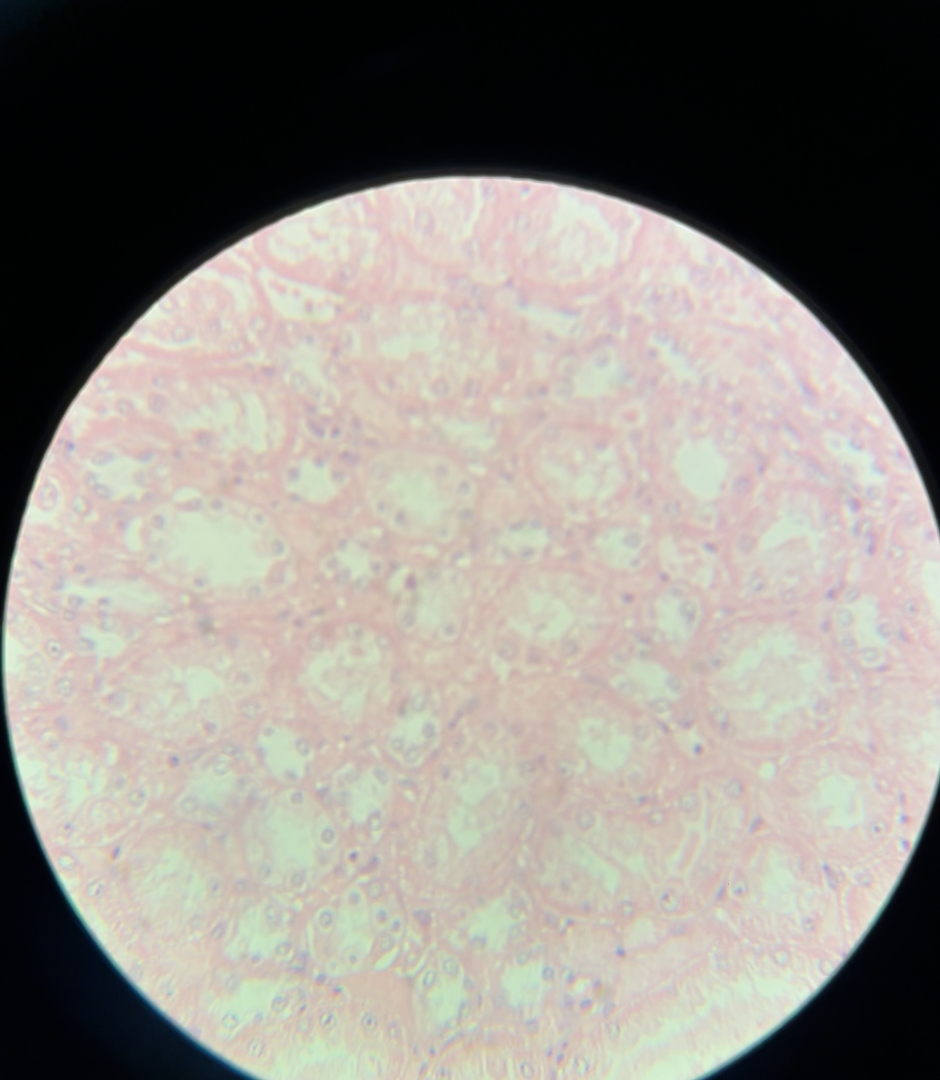
Simple Squamous
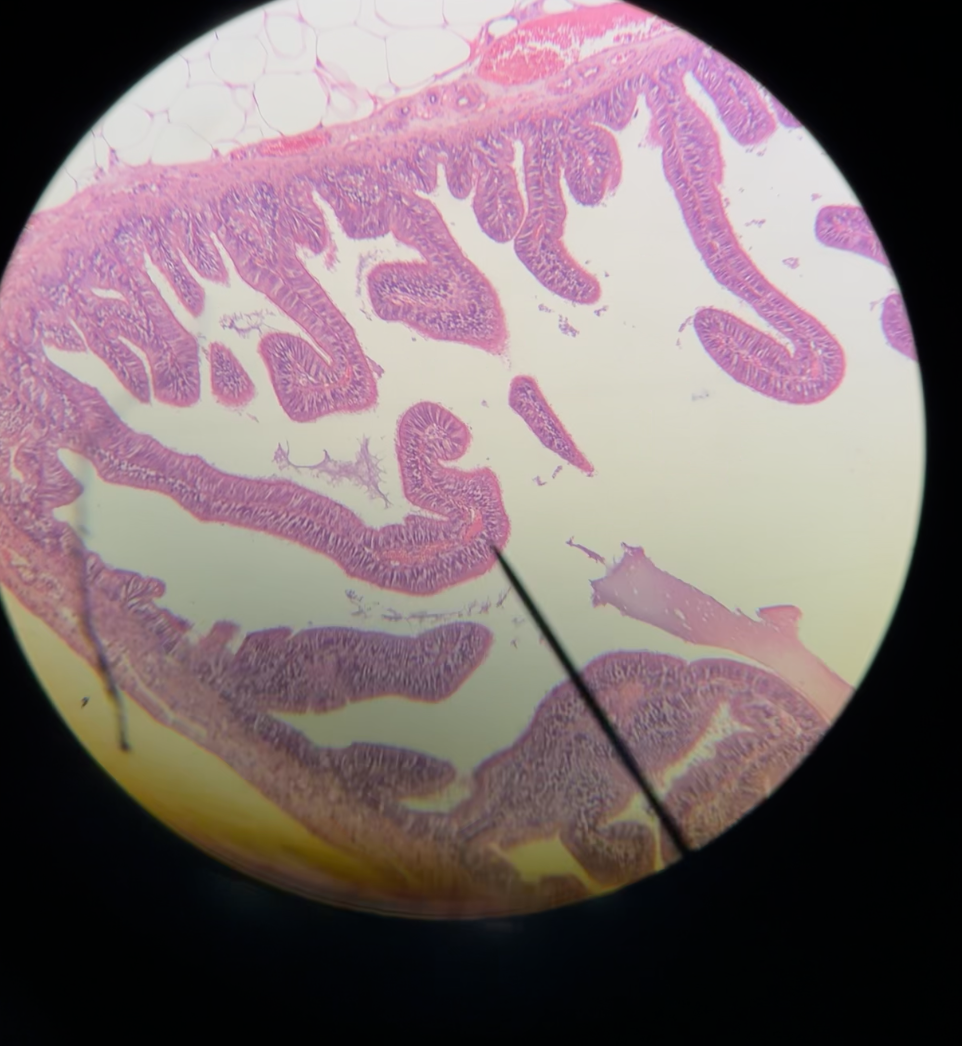
Simple Cilated Columnar
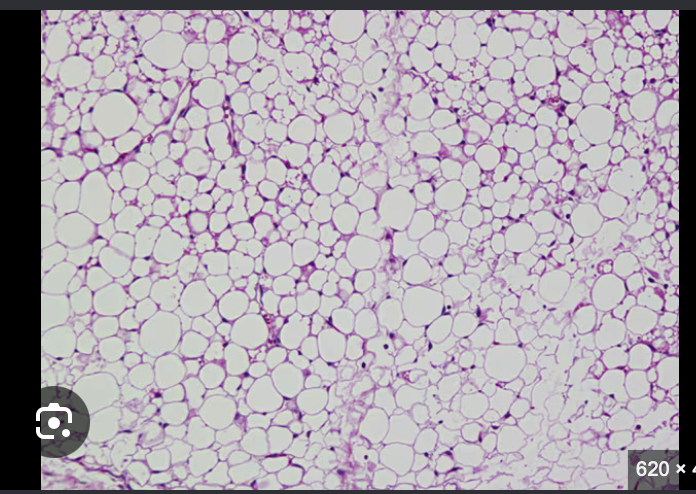
Adipose
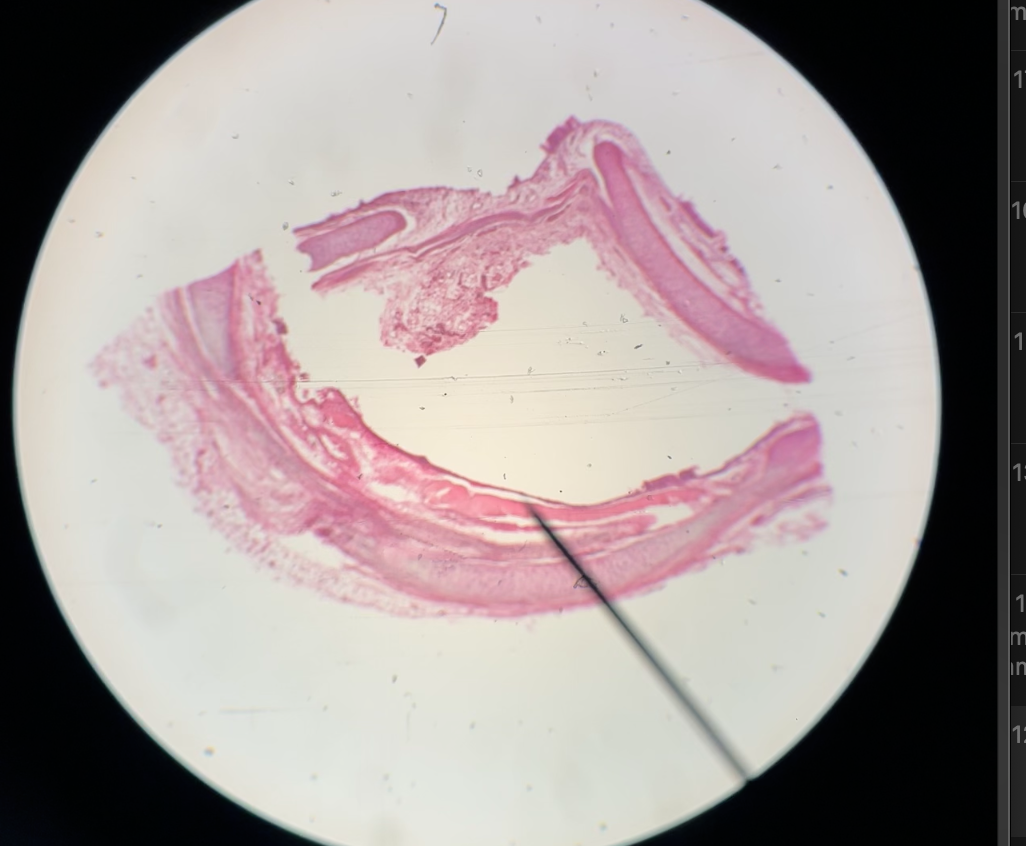
Hyaline Cartilage
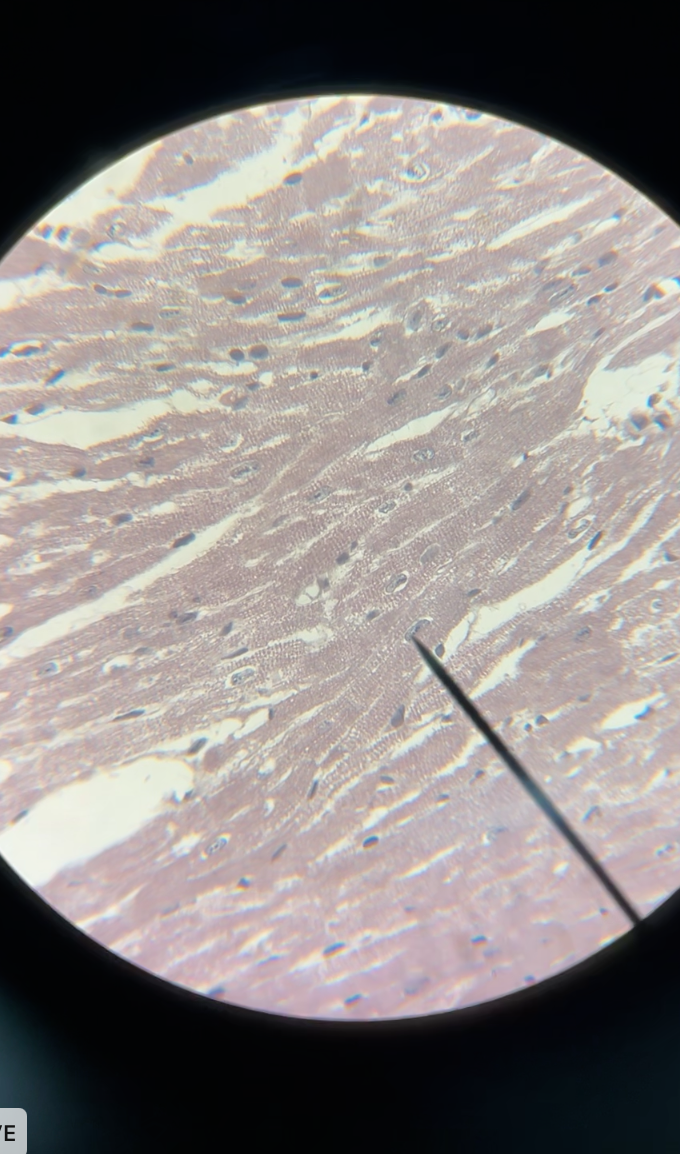
Cardiac Muscle
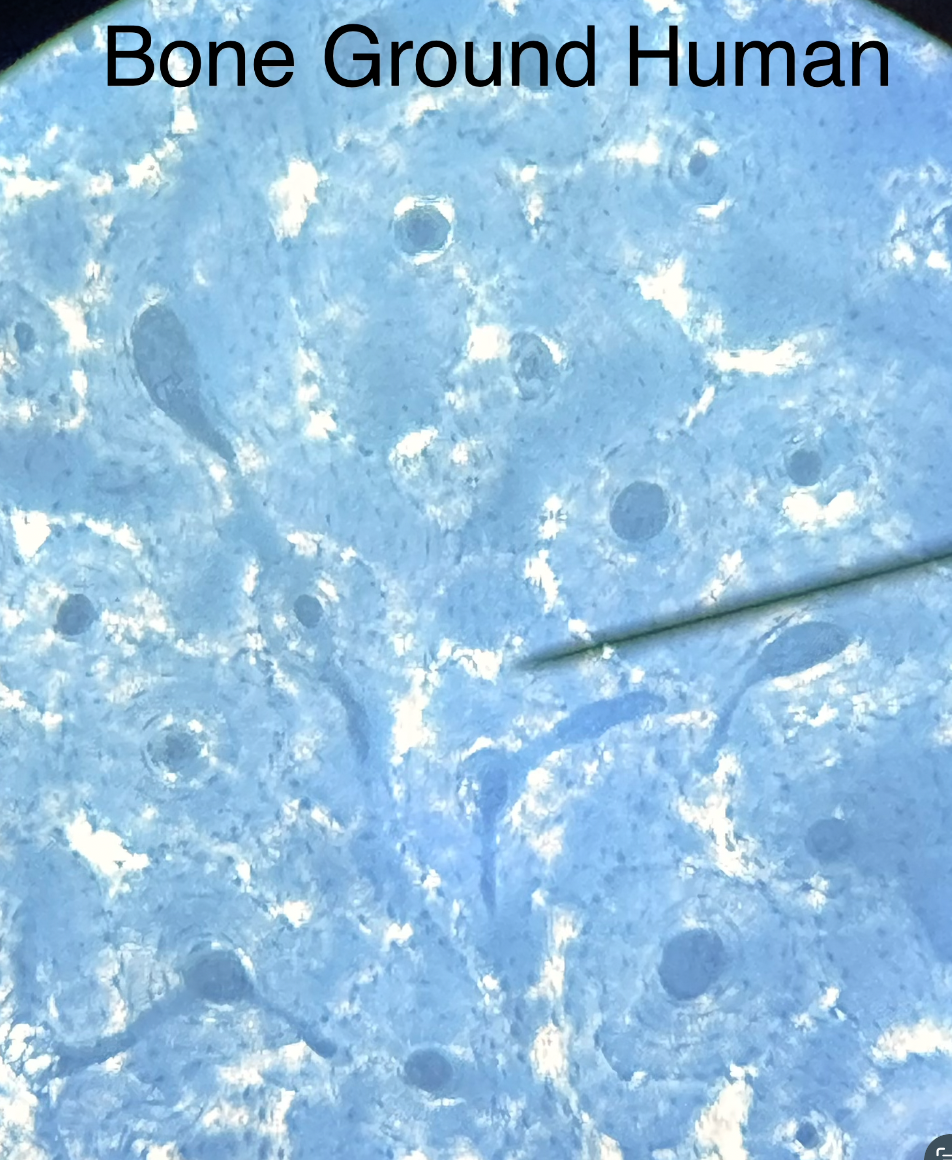
Human bone
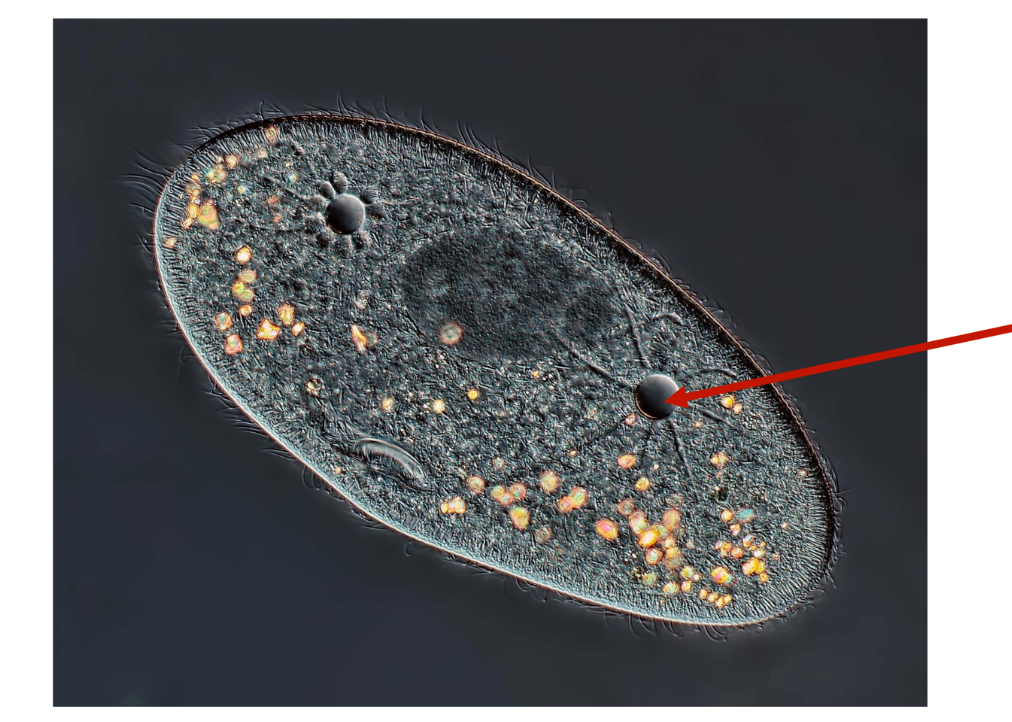
What is this
is is aquatic or terrestrial
what is the arrow pointing to
Paramecium
Aquatic
Vacuole
What is the maximum volume it can transfer (micropipette)
20 ML
How do enzymes speed up chemical reactions?
Lower the activation energy needed to convert reactants to products.
Describe two factors that can slow down an enzyme's activity?
Temp and PH
Write down the reactants and products of the chemical reaction that the enzyme catalase
catalyzes
2H20 -(catalase)= 2H2o+o2
What color is the product produced by the reaction of catecholase on catechol and
oxygen
Brown
What do yeasts turn glucose into during alcohol fermentation
alchol+Co2 (2ATP)
Cells, Body, and reproductive structure called in a portobello mushroom
cells- Hyphae
body- Mycelium
reproductive structure- gills
Which disinfectant was most effective against bacteria? How do you
know?
AMC- greatest zone of inhibition
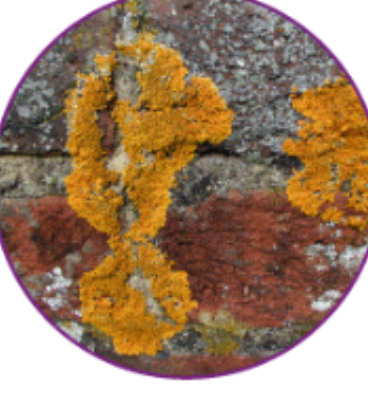
Crustose
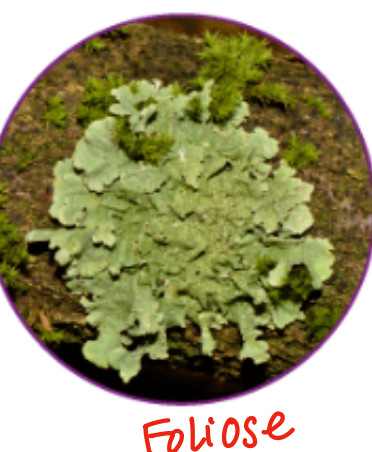
Foliose
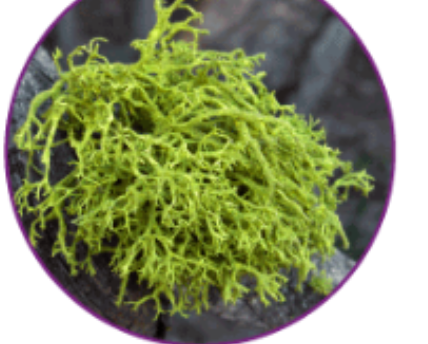
Fruticose
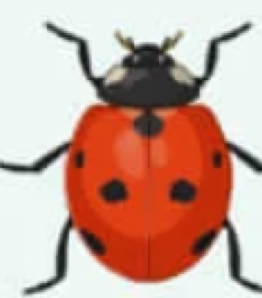
What animal phylum does the following belong to? Include the type of body symmetry and
the number of tissues layers exhibited
Anthropoda Bi-lateral (3)
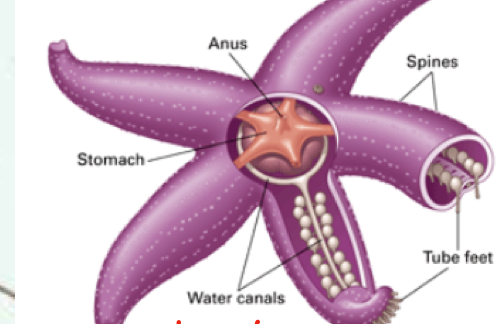
What animal phylum does the following belong to? Include the type of body symmetry and
the number of tissues layers exhibited
Echinodermeta (Bilateral) (Pentradial) (3)
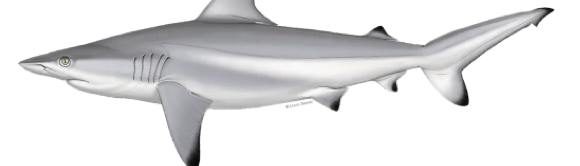
What animal phylum does the following belong to? Include the type of body symmetry and
the number of tissues layers exhibited
Chordata Bilateral (3)
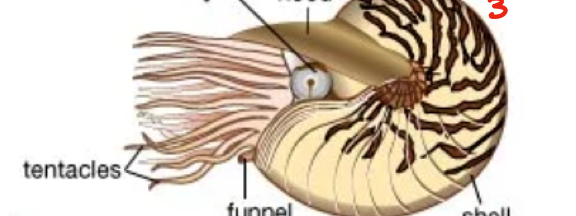
What animal phylum does the following belong to? Include the type of body symmetry and
the number of tissues layers exhibited
Mollusca (bilateral) (3)
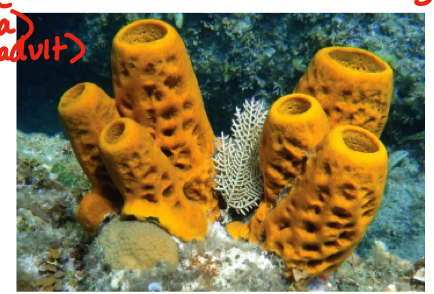
What animal phylum does the following belong to? Include the type of body symmetry and
the number of tissues layers exhibited
Profiera (sponges)
Asymmetrical
no tissue
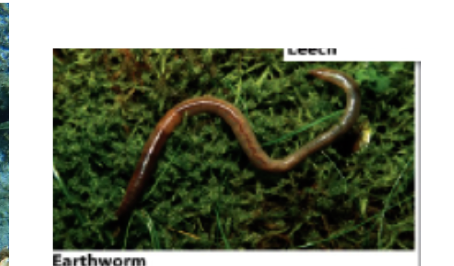
What animal phylum does the following belong to? Include the type of body symmetry and
the number of tissues layers exhibited
Annelida (bilateral)
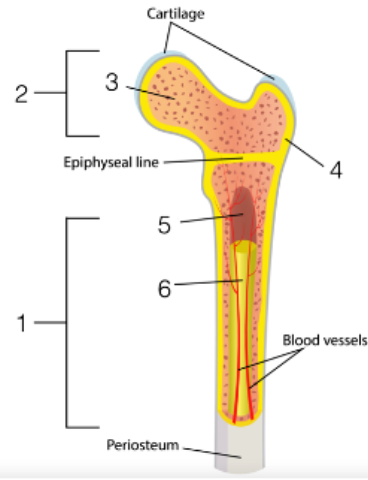
1 and 2
Diaphysis and Epiphysis
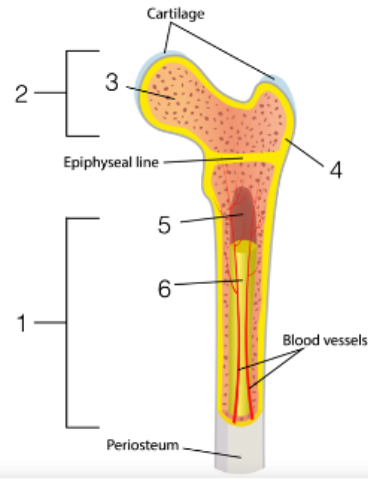
3 and 4
Spongy and compact
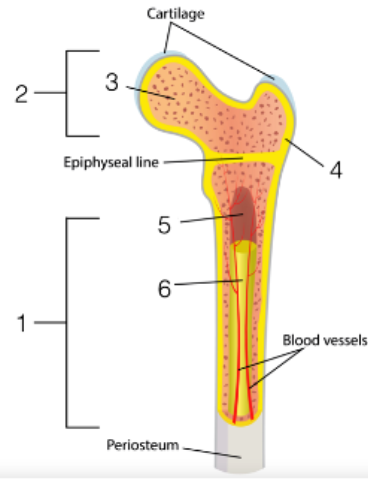
5 and 6
Medullary cavity and yellow marrow