THE 431 - Era 3 (1930-1945)
 Studied by 0 people
 Call Kai
 Learn
Learn Practice Test
 Spaced Repetition
 Match
Match Flashcards
 Knowt Play
1/39

There's no tags or description
Looks like no tags are added yet.
Name | Mastery | Learn | Test | Matching | Spaced | Call with Kai |
|---|
No analytics yet
Send a link to your students to track their progress
40 Terms
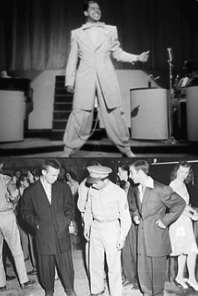
zoot suit
born in early 1930s in Harlem nightclubs; exaggerated look with oversized jacket, wide lapels and shoulders, and baggy, low-crotched trousers that dramatically narrow at the ankle; emblematic of African and Mexican American youth
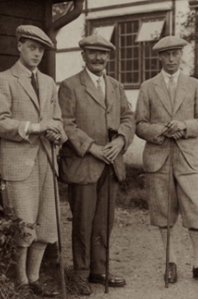
glen plaid checks/Prince of Wales checks
stylish plaid of Scottish origin; also named after frequent wearer Edward the 8th
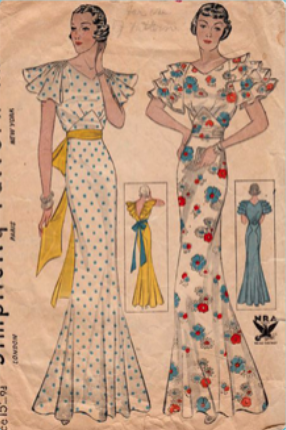
empire waist gown
popular 1930s formal gown, often featuring ties at the back, butterfly or puff sleeves, small trains, and fabric flowers at the shoulder or hip
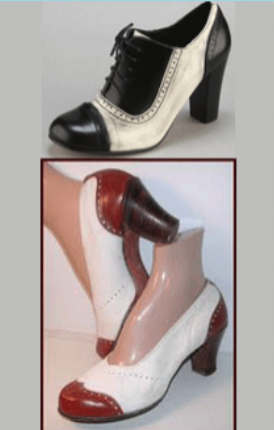
spectator shoes
two-toned shoes popular in the early 1930s
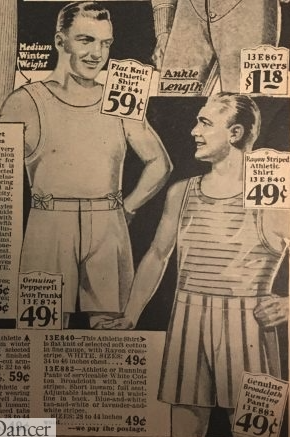
athletic shirts
knitted cotton worn in the 1930s and after adapted from the top of tank swimsuits
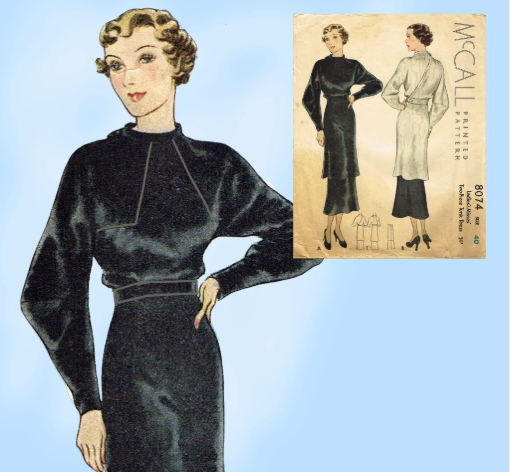
batwing/magyar sleeve
long sleeve cut with deep armhole extending almost to the waist and tight at the wrist, creating a winglike appearance; variation of dolman sleeve
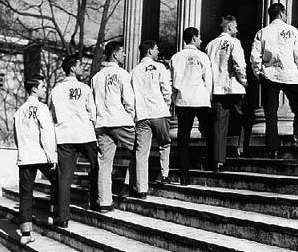
beer jackets
white painters jackets that briefly became a fad among college boys during the 1930s
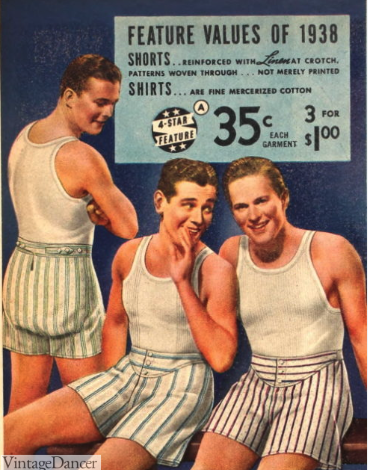
boxer shorts
underwear introduced in the 1930s; influenced by professional boxers
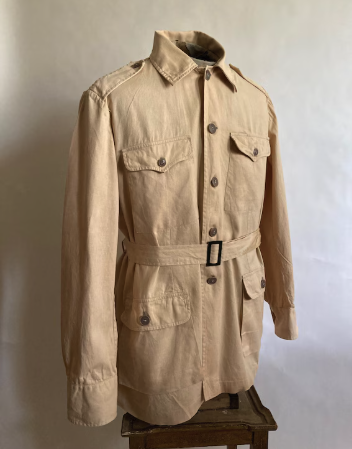
bush jacket
short-sleeved tan cotton jackets with four large flapped pockets made to imitate styles worn by hunters and explorers in Africa
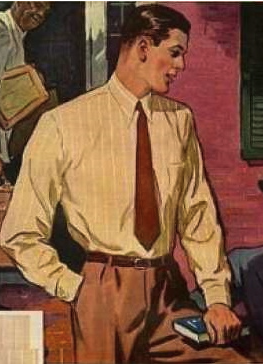
California collar
shirt collar from the 1930s that had shorter, wider points than the Barrymore collar of the 1920s
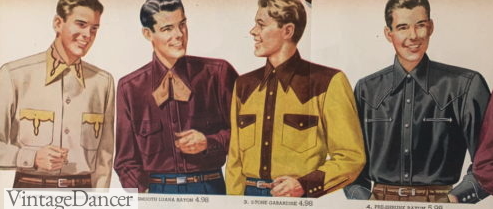
cowboy shirt
bright colored shirts with buttoned pockets; influenced by shirts worn in the American West; featured convertible collar, pockets in front, V-shaped yoke in front and back, often made from contrasting fabric and paired with neckerchief or string tie
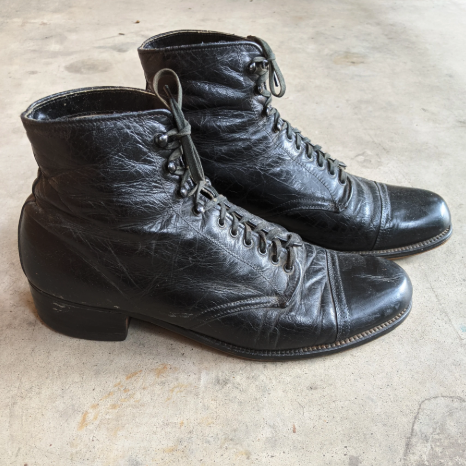
chukka boots
higher shoes for men ending at the ankle, closing with laces
Lily Dache
French designer who lived in US and designed millinery; inspired by Surrealism, often made hats asymmetrical/tilted to one side
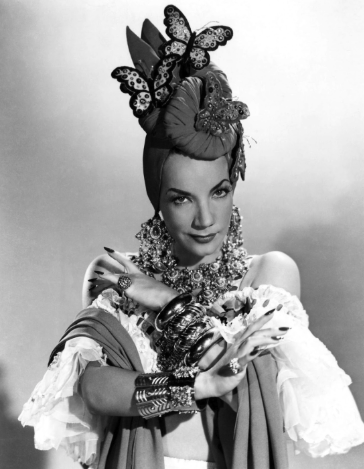
Tobe Collier Davis
founded fashion agencies and consulting businesses that delivered daily news on fashion trends; created “fashion stylist” as a career
dishrag shirt
worn in the 1930s and after; shirt made from net fabric, first seen on the Riviera
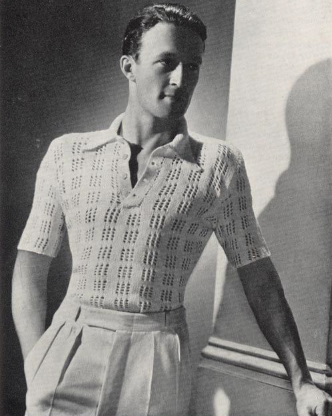
English drape/London cut suit
predominant cut for suits in the 1930s popularized by tailor Frederick Scholte; this style fell softly with a slight drape or wrinkle through the chest and shoulders
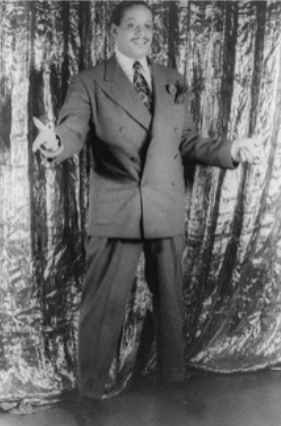
Madame Gres
designed under the name Alix in 1930s; similar to Vionnet in draping on mannequin to create dresses that were intricately wrapped, draped, and pleated to the body
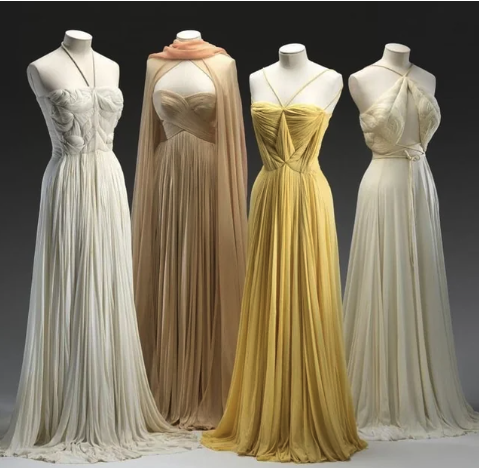
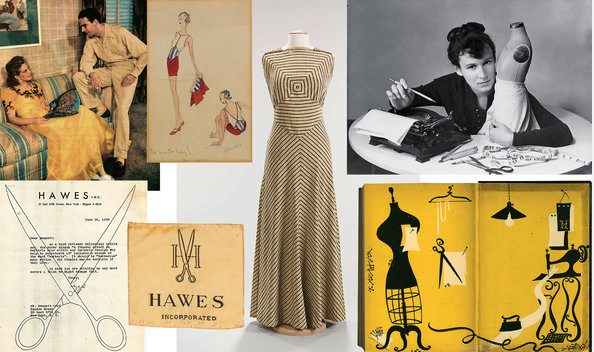
Elizabeth Hawes
one of the most vocal American designers and fashion writers of her time; advocated for American designers over French designers in her 1938 book Fashion is Spinach
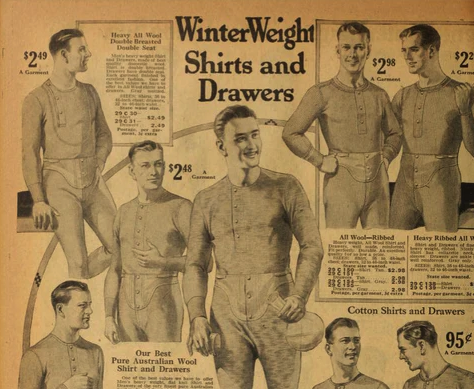
henley shirt/Wallace Beery shirt
ribbed-knit undershirt with a buttoned vent at the front of the neck; first appeared during the 1930s and made popular by actor Wallace Beery
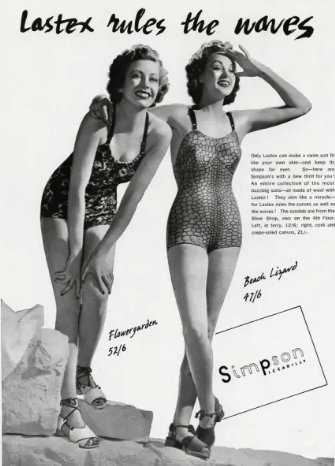
Lastex
fabric made from yarns with a rubber core covered by another fiber; results in form-fitting and wrinkle-free fabric; often used in bathing suits in 1930s
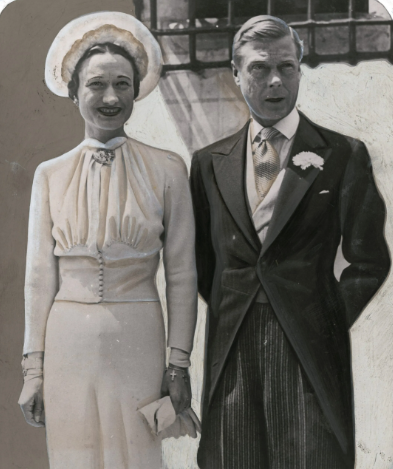
Mainbocher
American designer working in Paris in 1920s as fashion editor; returned to US during the war; designed Wallis Simpson’s wedding dress (married Duke of Windsor 1937)
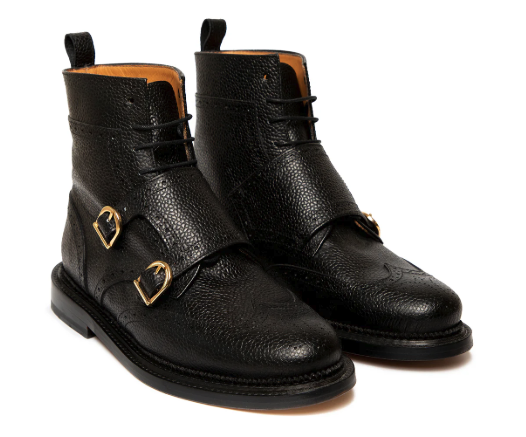
monk’s front boots
higher shoes for men ending at the ankle, closing with a strap and buckle across the ankle
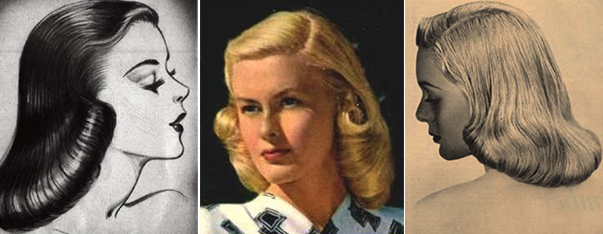
pageboy
women’s hairstyle with straight hair worn shoulder-length or shorter, with ends curled under very smoothly at the back and sides; popular in late 1930s
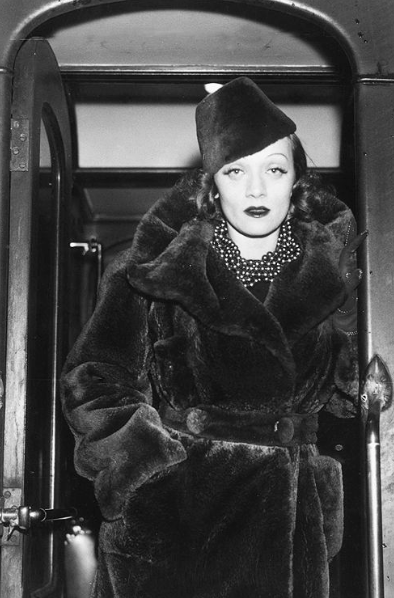
parka
loose-fitting pull-on jacket made with an attached hood that is sometimes trimmed with real or synthetic fur; worn originally by Inuit and introduced in 1930s for winter sportswear
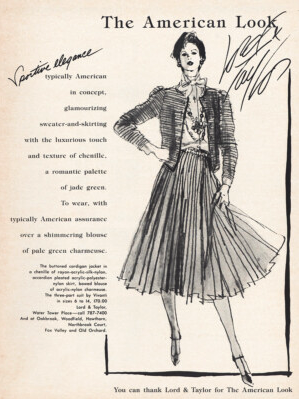
Dorothy Shaver
vice president of Lord + Taylor who created the “American Look” campaign designed to celebrate and actively promote American designers
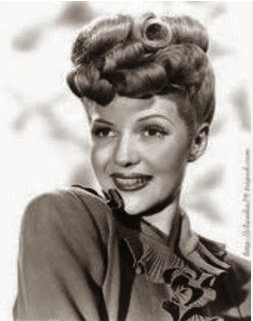
upsweep
popular 1940s hairstyle with medium-long hair brushed upward from the side and nape of the neck, then secured on top of the head in curls or a pompadour
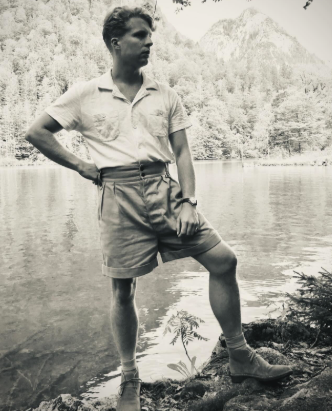
walking shorts
shorts ending just above the knee; based on military costume of British Colonial soldiers, adopted in 1930s by well-to-do for vacation wear
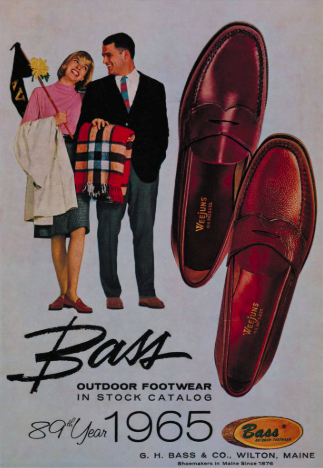
weejuns
moccasin-type shoes introduced in 1930s, adapted from shoes worn by Norwegian fisherman; now called penny loafers
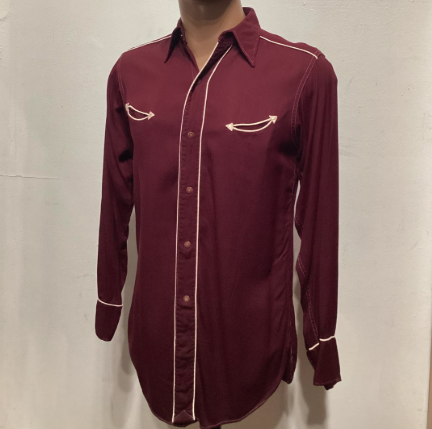
western shirt
popular style in late 1930s made of solid or plaid wool or gabardine with crescent shaped pockets in front
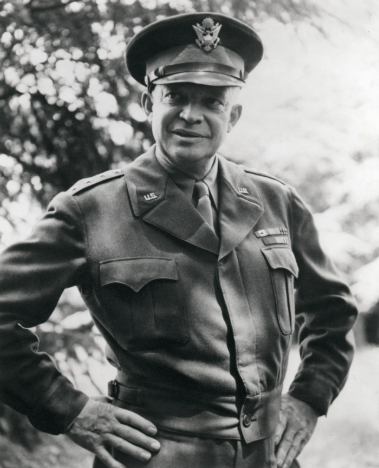
battle jacket/Eisenhower jacket
waist-length Army jacket worn in WWII with two breast pockets, fitted waistband, zippered fly closing, and turned-down collar with revers
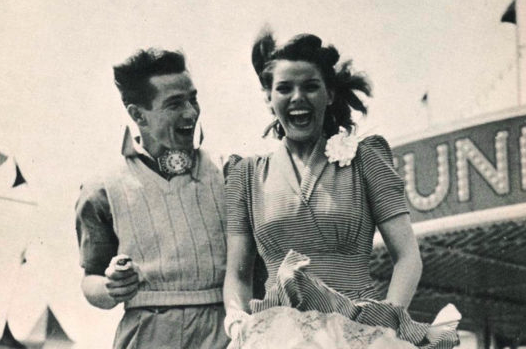
bobby-soxers
slang for teenagers of the 1940s who followed current fashion fads such as bobby socks and saddle shoes
flat top
men’s hairstyle with the tips of the hair cut into a flat surface
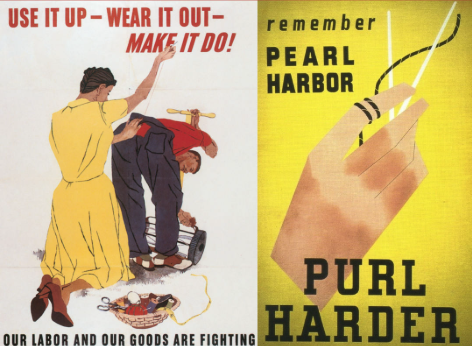
L-85 regulations
guidelines in the US during WWII restricting the quantity of cloth used in clothing; eliminated trouser cuffs, extra pockets, vests with double-breasted suits; regulated width of skirt hems and length of men’s trousers and suit jackets. wedding dresses, burial gowns, and religious garb was not subject to these restrictions
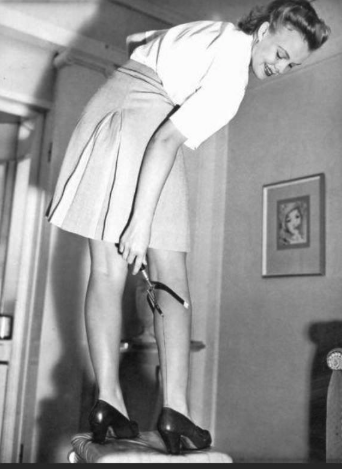
leg-makeup
women painted their legs to simulate the color of stockings, including a dark line down the back of the leg to imitate seams during fabric shortages in WWII
Norman Norell
American designer who came to prominence during the wartime period and remained influential well into the 1950s; noted for precision tailoring
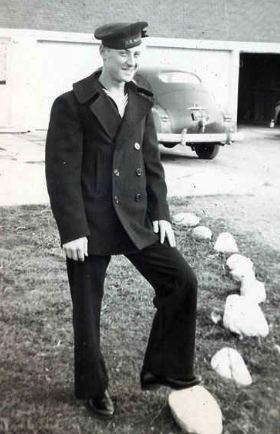
pea jacket
loose, double-breasted jacket with side vents and small collar
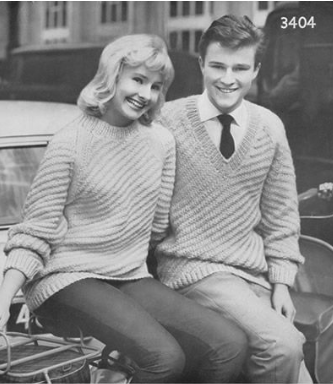
sloppy joes
large, loose pullovers worn by adolescents in the mid-1940s
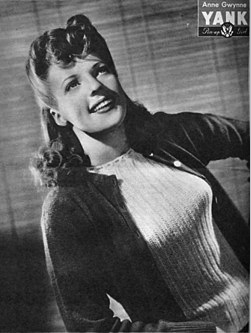
sweater girls
movie stars that were photographed in tightly-fitting sweaters for pinup posters
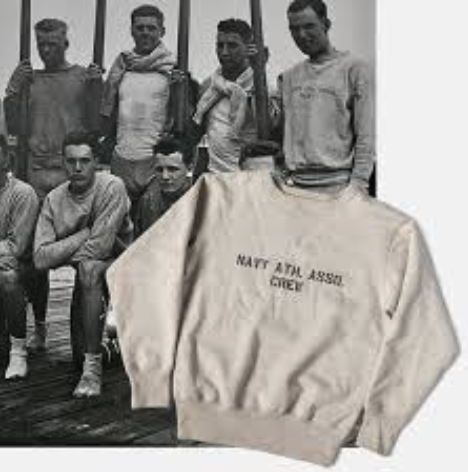
sweatshirt
long-sleeved, fleece-backed, cotton knit pullover or zipped front knit shirt made with rib-knit crew neck, rib-knit cuffs, and waistband
Theatre de la Mode
exhibit of miniature mannequins displayed on a miniature set in 1944 as part of a traveling exhibit showcasing the latest Paris haute couture; showcased work from over forty couturiers and raised funds for war relief
 Note
Note  Flashcards (276)