B16.2 Cell division
 Call Kai
 Learn
Learn Practice Test
 Spaced Repetition
 Match
Match Flashcards
 Knowt Play
1/5

There's no tags or description
Looks like no tags are added yet.
Name | Mastery | Learn | Test | Matching | Spaced | Call with Kai | Chat |
|---|
No analytics yet
Send a link to your students to track their progress
6 Terms
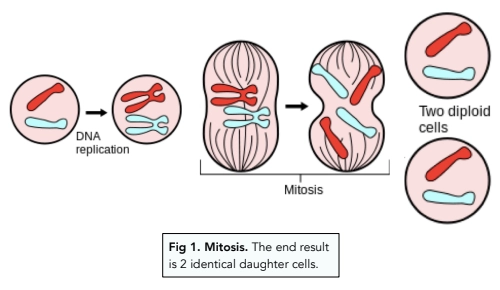
What is mitosis?
Nuclear division which gives rise to genetically identical cells
State the process of mitosis
1. Duplication & Single Division: chromosomes copy once before the cell undergoes one single cell division
2. Equal Distribution: One copy of each chromosome goes to each new cell, keeping the chromosome number exactly the same as the parent cell
3. Final Outcome: Produces two genetically identical diploid daughter cells
What is mitosis used for?
Growth
Repair of damaged tissues
Replacement of cells
Asexual reproduction
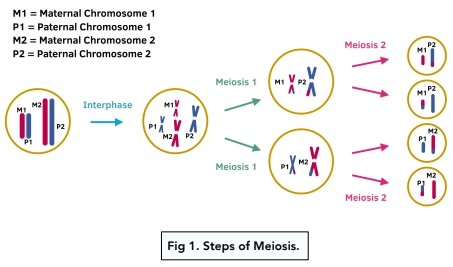
What is meiosis?
Nuclear division which gives rise to genetically different cells
State the process of meiosis
1. Duplication: chromosomes duplicate once before the cell undergoes two cell divisions
2. Two Divisions:
Division 1 (Reduction Division): Halves the chromosome count by separating pairs
Division 2: Separates the copied strands (chromatids)
3. Final Outcome: One diploid parent cell produces four genetically different haploid daughter cells
What is meiosis used for?
Production of gametes