ARTAPP Summative Review - 1
 Call Kai
 Learn
Learn Practice Test
 Spaced Repetition
 Match
Match Flashcards
 Knowt Play
1/50

There's no tags or description
Looks like no tags are added yet.
Name | Mastery | Learn | Test | Matching | Spaced | Call with Kai | Chat |
|---|
No analytics yet
Send a link to your students to track their progress
51 Terms
Art
A human expression intended to communicate ideas, emotions, experiences, or meaning through creative forms.
Leo Tolstoy
Russian writer and philosopher who believed art is a means of communicating emotion to promote mutual understanding.
Art as a Means of Communication
Art connects people by expressing emotions and ideas beyond the limits of verbal language.
Infectious Art
Art is successful when viewers genuinely experience the emotions expressed by the artist and feel united with others.
Three Essential Conditions of Art
The qualities required for effective art: individuality, clearness, and sincerity.
Individuality
The artwork expresses the artist's unique personal feelings or experiences.
Clearness
The artist's intended emotion or message is easily understood by the audience.
Sincerity
The artist truthfully expresses genuine emotions rather than pretending or imitating feelings.
Art Beyond Aesthetics
The value of art extends beyond pleasure and beauty by promoting moral understanding and benefiting everyone.
Art is Ancient and Universal
Art has existed across all human cultures throughout history and is not limited to modern societies.
Art involves an Intent
Art is created with the purpose of producing beauty, emotion, reflection, or contemplation beyond practical use.
Art is Social (Artworld)
The social institutions such as museums, critics, curators, and galleries that recognize and define what is considered art.
Bad Art
Artwork may be unsuccessful or poorly made but still remains art.
Philippine Art
Art that reflects the Philippines' diverse cultural heritage, values, history, beliefs, and experiences.
Visual Arts of Philippine Art
Art forms such as painting, sculpture, installation art, photography, and film.
Performing Arts of Philippine Art
Art forms expressed through live performance such as theater, dance, and music.
Theatrical productions
These performing arts often reflect societal concerns and historical narratives
Literature
Artistic expression through written works including poetry, novels, and essays.
Crafts
Art involving skilled handmade works such as weaving, pottery, woodworking, fashion, and graphic design.
Architecture
The art and practice of designing buildings and structures that combine function and aesthetics.
Moral Approach
An approach to art that evaluates artworks based on the moral lessons, values, and ethical insights they communicate.
Aristotle
Greek philosopher who viewed art as imitation of reality and a means of emotional purification.
Mimesis
The ability of art to imitate or represent reality.
Humans as Mimetic Beings
The idea that humans naturally imitate and create representations of reality.
Catharsis
The emotional purification or release experienced through art.
Horace
Roman poet who proposed that art should be both beautiful and useful.
Dulce et Utile
The principle that art should combine pleasure with usefulness by balancing form and function.
Form
The visual appearance, structure, or aesthetic qualities of an artwork.
Function
The practical purpose or usefulness served by an artwork or design.
General Principles of the Moral Approach
The aesthetics of art lie in its moral message (moral), educational value (knowledge), and ability to teach ethical lessons (didactic).
Aesthetics (moral approach)
Beauty in art is found primarily in the moral values and ethical reflections it conveys.
Art as a Source of Knowledge
Art communicates human experiences, cultural values, and life lessons that educate viewers.
Didactic
The quality of art that teaches, instructs, or guides moral understanding.
Bahay Kubo
A traditional Filipino house whose design demonstrates the balance of beauty, function, and adaptation to nature.
Roofing (Bahay Kubo)
The steep triangular roof quickly drains rainwater and allows warm air to escape for ventilation.

Stilts (Bahay Kubo)
Elevated supports that protect the house from floods, animals, insects, and ground moisture.
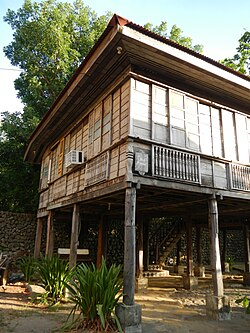
Silong (bahay kubo)
The open space beneath the bahay kubo used for storage, shelter for animals, or family burials.

Floor (bahay kubo)
The slatted floor allows air to circulate naturally through the house.

Biomimicry
The practice of using nature's forms, patterns, and functions as inspiration for creating art or design.
Aesthetic Inspiration (biomimicry)
Using the beauty and complexity of nature as inspiration for artistic creation.
Functional Art
Art that is visually appealing while also performing a useful function inspired by nature.
Materials and Processes (biomimicry)
The use of natural materials or nature-inspired techniques in creating artworks.
Conceptual Art (Biomimicry)
Art inspired by ideas about nature, ecology, human relationships, and environmental ethics.
Francisco "Bobby" Mañosa
A Filipino architect who promoted vernacular architecture rooted in indigenous Filipino traditions.
Vernacular Architecture
Architecture based on local culture, traditions, materials, and environmental conditions.
Filipino Architecture
Architecture that represents Filipino identity through local traditions while reflecting historical and cultural influences.
Salakot
A traditional Filipino hat that inspired architectural roof designs.
Vinta
A traditional Filipino boat used by Mañosa as a cultural design inspiration.
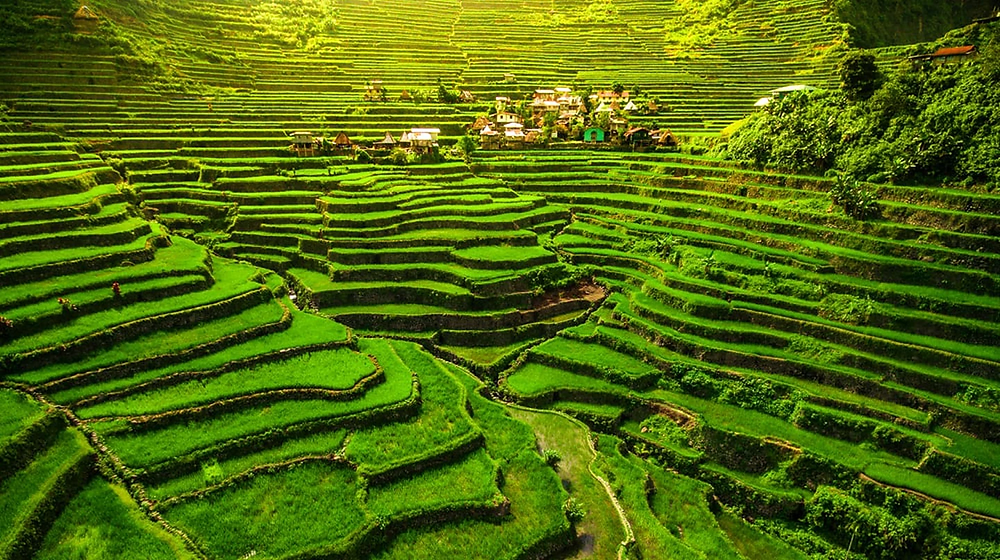
Rice Terraces of the Cordilleras
A Philippine cultural landscape that inspired Mañosa's architectural motifs.
Architectural Melting Pot
The Philippines' architectural identity shaped by indigenous, colonial, and modern influences.
Indigenous Structure
A building style rooted in native traditions and local cultural identity.