Control of Gene Expression
 Call Kai
 Learn
Learn Practice Test
 Spaced Repetition
 Match
Match Flashcards
 Knowt Play
1/29

There's no tags or description
Looks like no tags are added yet.
Name | Mastery | Learn | Test | Matching | Spaced | Call with Kai | Chat |
|---|
No analytics yet
Send a link to your students to track their progress
30 Terms
promoter
site where RNA polymerase can bind to DNA and begin transcription
operator
controls access of RNA polymerase to genes
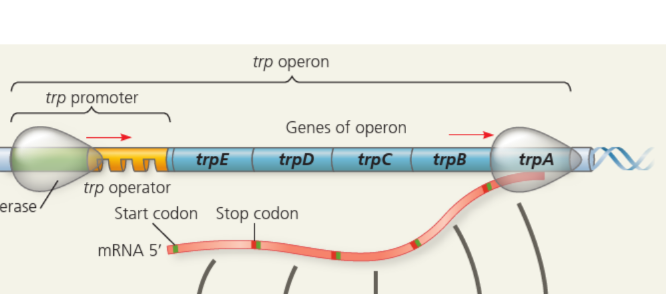
operon
promoter, operator, genes
repressor
binds to operator, prevents RNA polymerase from transcribing genes
regulatory genes
genes that encode the repressor
corepressor
cooperates with a repressor to switch an operon off
activators
Bind to DNA and stimulate transcription of a gene
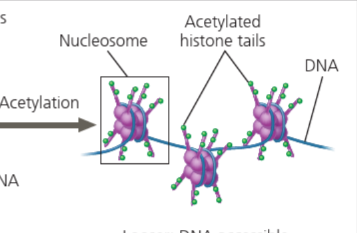
histone acetylation
acetyl group attaches to histone tail, promotes transcription by opening chromatin structure
histone methylation
methyl group attaches to histone tal, reduces transcription by condensing chromatin
DNA methylation
methylation of cytosine bases, inactive genes are more methylated
epigenetic inheritance
inheritance of traits by mechanisms that don’t involve nucleotide sequences, due to DNA methylation

control elements
segments of non coding DNA that are binding sites for transcription factors which regulate transcription
general transcription factors
essential for transcription of all protein-coding genes, bind to DNA sequences, RNA polymerase and other transcription factors
specific control factors
only bind to specific genes with matching control elements, controls volume of activators and repressors
two types of control elements
proximal and distant control elements
proximal control elements
close to the promoter, help specific transcription factors bind to the promoter
distant control elements/ enhancers
far from the promoter, associated with one gene only, bind to activator proteins
location of unexpressed genes/ heterochromatin
outer part of the nucleus
location of expressed genes/ euchromatin
inner part of the nucleus
3 types of non-coding RNAs (ncRNAs)
micro RNA, small interfering RNA, long non coding RNA
micro RNA/ miRNA
forms an miRNA-protein complex and degrades mRNA or blocks its translation
small interfering RNA/ siRNA
similar function to miRNA
long non coding RNA/lncRNA
shut down chromosomes inside the nucleus, X chromosome inactivation
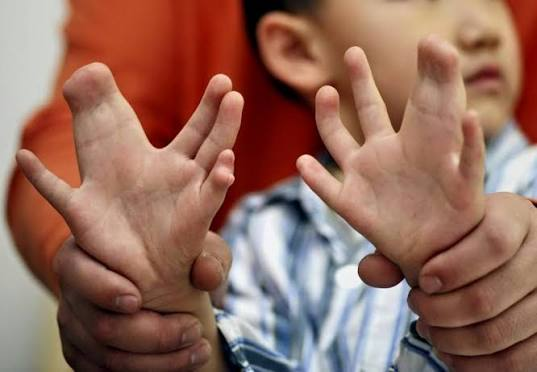
homeotic genes
regulatory genes that dictate pattern formation during late embryonic or larval development
maternal effect gene
mother's genotype dictates the offspring's phenotype regardless of its genotype
oncogenes
cancer causing genes
3 mechanisms that form oncogenes
gene amplification, translocation, point mutations
gene amplification
replication error produces excess copies of a gene
translocation
DNA segment breaks off and is transported to a hyperactive promoter
point mutation
a single letter change results in an excess amount of proteins