Technology of World War I
 Studied by 0 people
 Call Kai
 Learn
Learn Practice Test
 Spaced Repetition
 Match
Match Flashcards
 Knowt Play
1/5

Earn XP
Description and Tags
These technologies changed the face of warfare forever
Name | Mastery | Learn | Test | Matching | Spaced |
|---|
No study sessions yet.
6 Terms
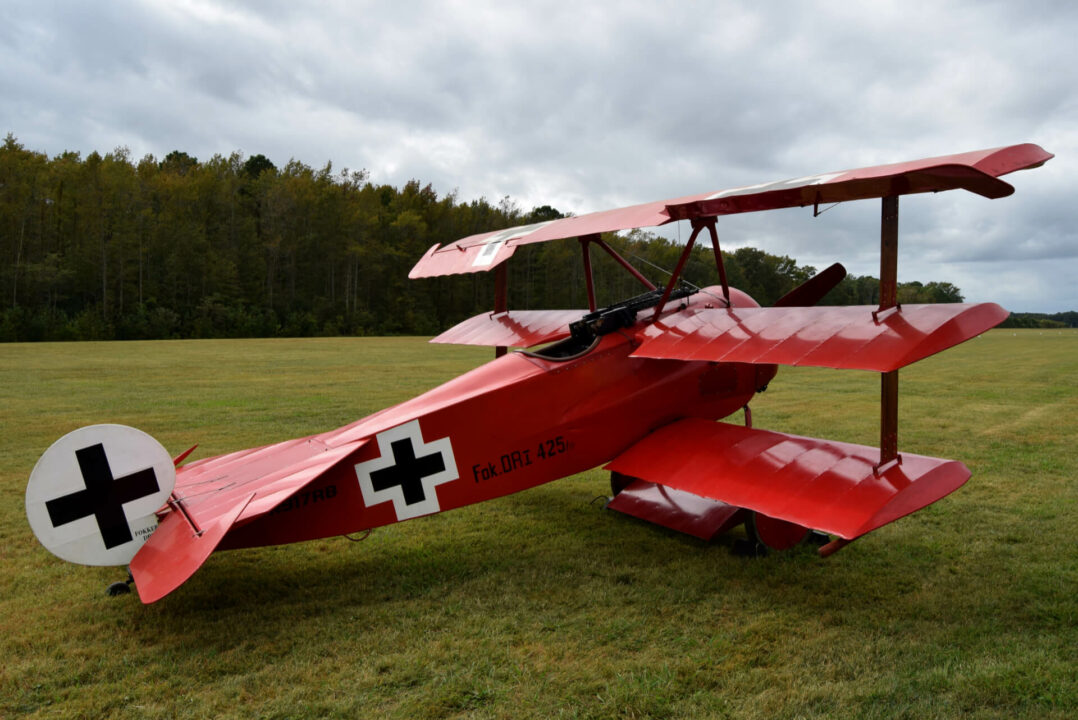
Early aircraft in WWI were used primarily for observation. They could fly over enemy forces and take pictures of troop formations and enemy equipment. As artillery got more accurate, they were also used to guide artillery fire.
As the war went on, aircraft were armed with machine guns that they could use to attack enemy aircraft, giving rise to the concept of the fighter plane. The interrupter gear allowed machine guns to be mounted behind the propeller of a plane.
Aircraft were also used to drop bombs on enemy targets, although the lack of accurate bombsights and the inability to carry heavy bombs limited their effectiveness in this role.
By the end of the war, aircraft had become versatile tools for combat, reconnaissance, and bombing missions.
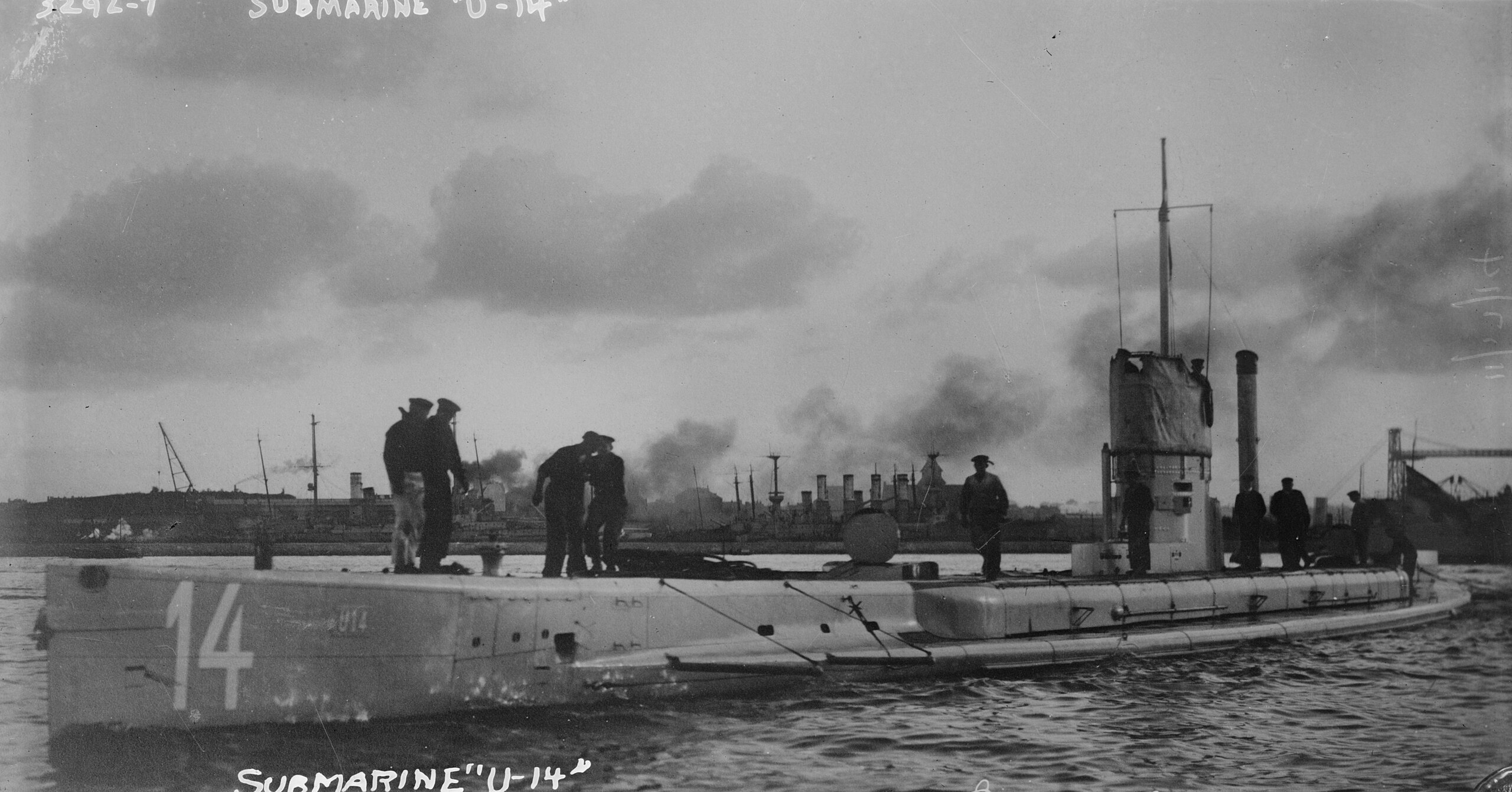
Submarines were used heavily by the Germans to attack Allied shipping. They were primarily used against the British in an attempt to cut off the supply of food and munitions coming in from British colonies and the United States.
The effectiveness of submarines saw the British develop countermeasures such as depth charges, observation aircraft, and sonar.
The German policy of unrestricted submarine warfare was one of the main causes of the US entering the war, as the Germans sank the Lusitania in 1915, killing over 100 US passengers.
The Allies also used submarines, although to a lesser extent.
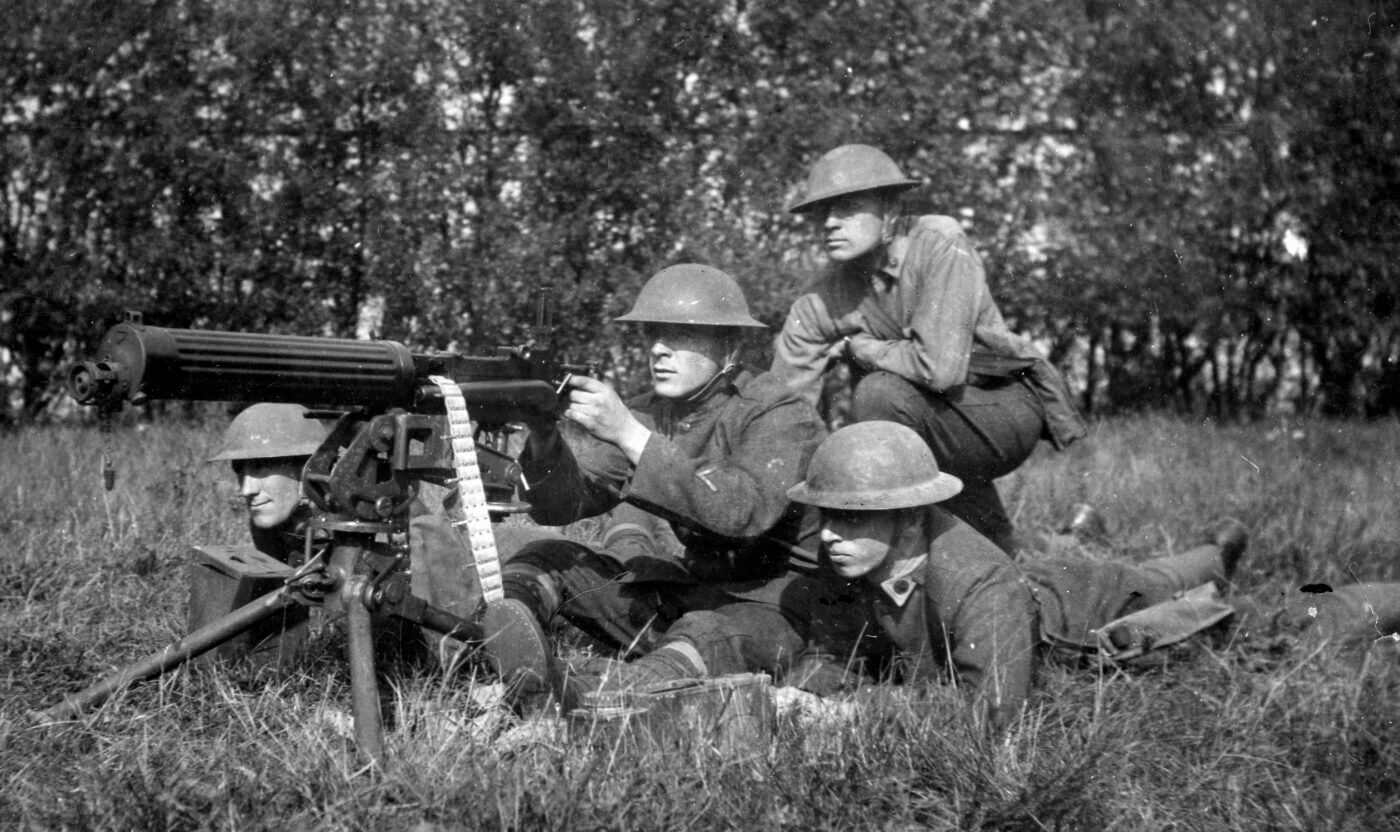
Machine guns could fire at a rate of several hundred to over 1000 rounds per minute, well over 10 times the rate of fire of a rifle. Their ability to kill large numbers of troops in an open field was one of the main things that led to the rise of trench warfare. When combined with obstacles such as barbed wire, machine guns turned the areas between trenches into a bloody “no man’s land”
Machine guns were later mounted onto aircraft, allowing for effective air-to-air combat.
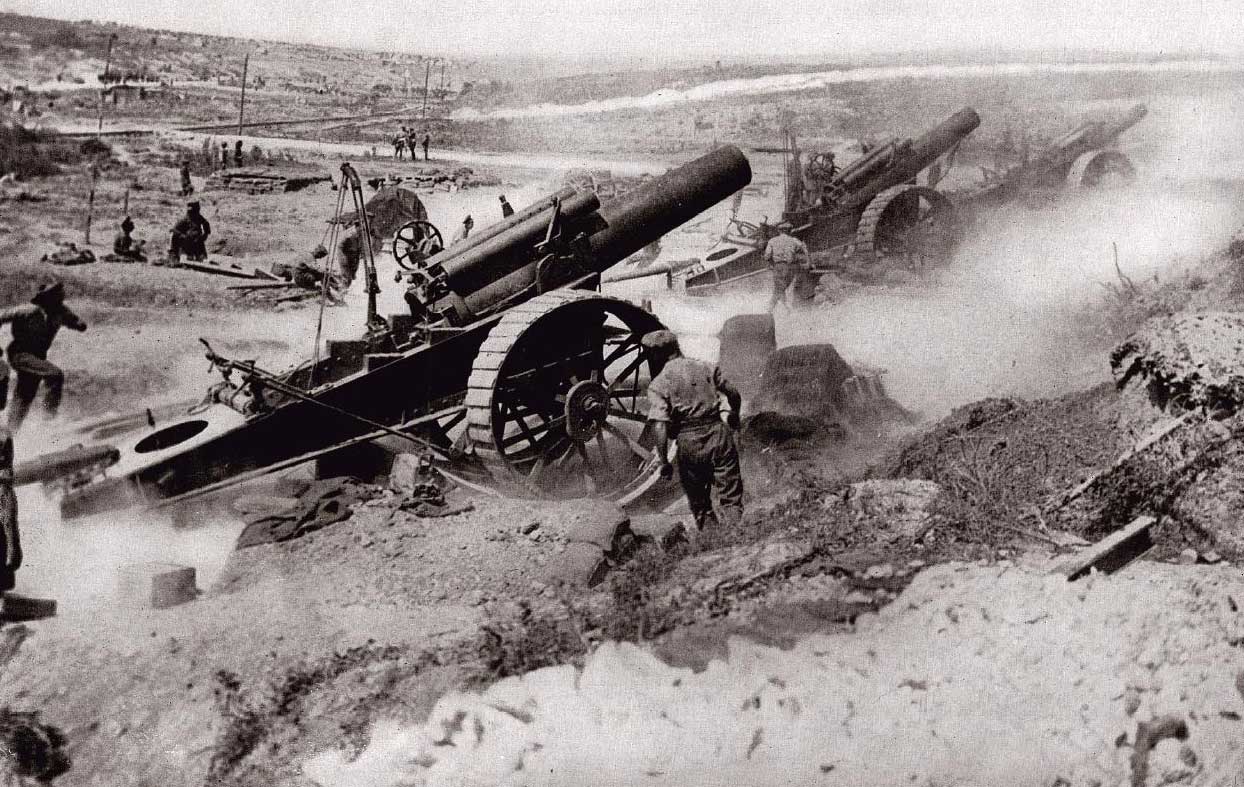
Artillery had been around for several hundred years at this point, but many advances were made to artillery technology and tactics. A wider variety of shells were developed, allowing artillery to fulfill different roles. Indirect fire (where the gunners cannot directly see their target) was used heavily during WWI, often using aircraft to spot targets and help aim fire. The development of poison gas canisters for artillery also changed the face of the war. Artillery was the single largest cause of casualties during the war.
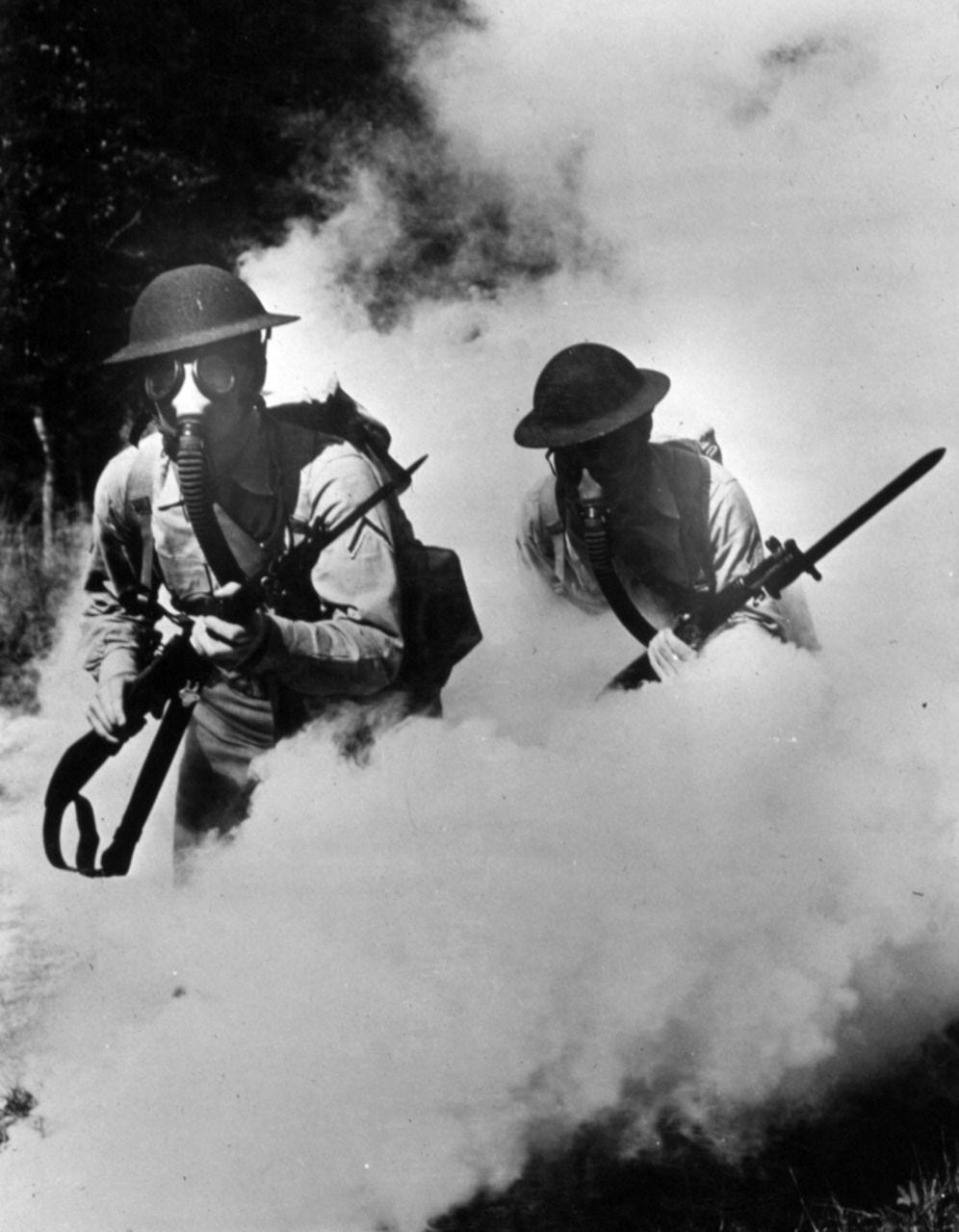
WWI saw the first large-scale use of chemical weapons in the form of various poison gasses. This included gasses such as chlorine, phosgene, and sulfur mustard (mustard gas). These gasses were heavier than air, and would thus sink into the trenches that men were hiding in. Canisters were later developed to allow poison gas to be delivered via artillery shells, which allowed for more precise deployment and avoided the possibility of wind blowing the gas away.
Although deadly, poison gas was not responsible for all that many casualties during the war, as effective countermeasures such as gas masks were quickly developed. Their primary effectiveness was as a psychological warfare weapon. The fear of choking to death or having one’s skin burned could be devastating to morale.
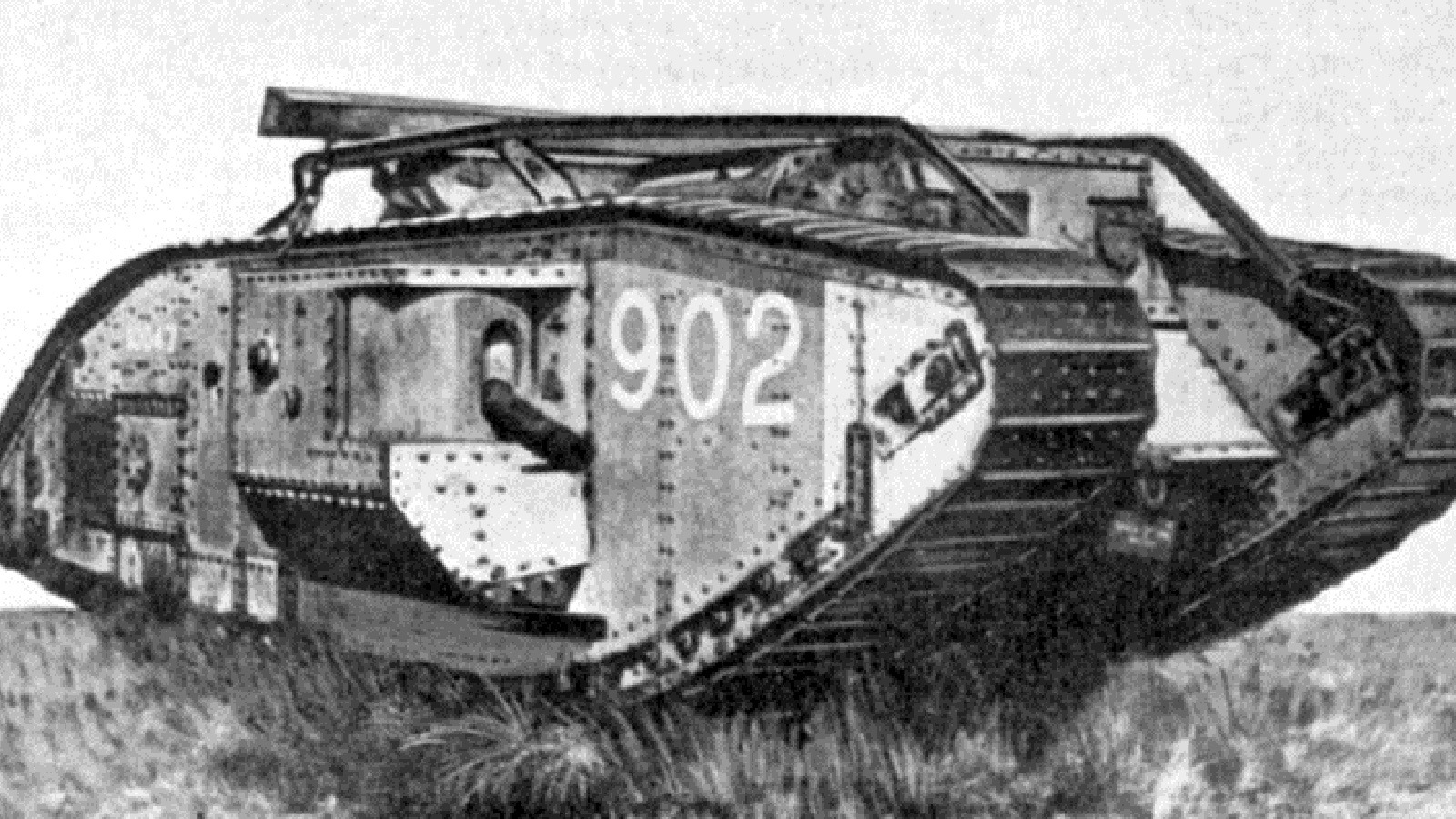
Tanks combined several technologies such as armor plating, tracked treads, the internal combustion engine, machine guns, and even light artillery into one platform. Their armor plating made them highly resistant to infantry weapons and machine guns, while their tracks allowed them to move over shell-cratered battlefields and through barbed wire with ease.
Despite this, early tanks were unreliable, prone to mechanical failure, and vulnerable to artillery. Although they never became advanced enough to single-handedly turn the tide, the increased mobility and protection they offered contributed to the eventual breaking of the trench warfare stalemate.