Functional Groups, Monomers & Polymers
 Call Kai
 Learn
Learn Practice Test
 Spaced Repetition
 Match
Match Flashcards
 Knowt Play
1/19

Earn XP
Description and Tags
Chapters 1.1-1.2 & 2.1
Name | Mastery | Learn | Test | Matching | Spaced | Call with Kai | Chat |
|---|
No analytics yet
Send a link to your students to track their progress
20 Terms

Amine


Alcohol


Thiol


Ether


Aldehyde

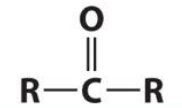
Ketone

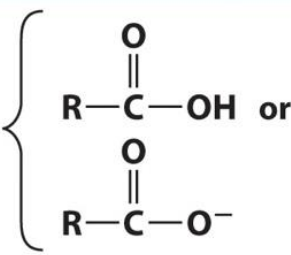
Carboxylic Acid/ Carboxylate

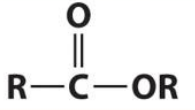
Ester


Amide

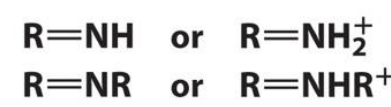
Imine


Phosphoric Acid Ester

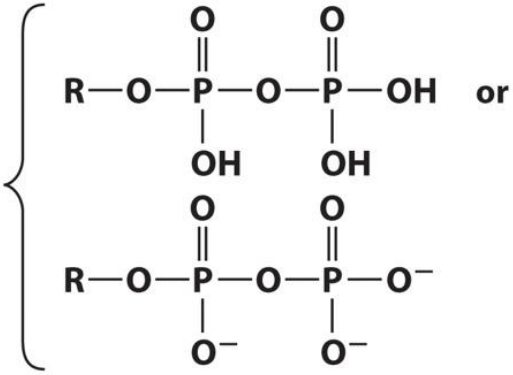
Diphosphoric Acid Ester

Amino Acids
Contains:
Central carbon (⍺ Carbon)
Amino group
Carboxylic acid group
Side chain (R group)
Hydrogen

Carbohydrates
AKA monosaccharides/ sugars
General chemical formula: (CH2O)n, where n ≥ 3
Contain multiple –OH groups

Nucleotides
Contain:
Five carbon sugar
Ribose
Deoxyribose
Nitrogenous base → determines nucleotide name
Adenine
Guanine
Cytosine
Thymine
Uracil
Phosphate group(s)
More phosphates = more energy

Lipids
Lipids (fats) have a variety of structures, but most are nonpolar (lack lot’s of activity) molecules with
hydrocarbon skeletons
One important lipid in human health is cholesterol

Amino Acids
Link to Form Polypeptides (AKA Proteins)
▪Amino acid residues are linked by peptide bonds to form polypeptides
▪Polypeptide sequences are always drawn and read from the amino end →
carboxyl end
▪ Types of side chains determine the protein’s conformation and function (form= function)
Nucleotides
Nucleotides Link to Form Polynucleotides ( AKA Nucleic Acids)
▪Nucleotide residues link via phosphodiester bonds
▪Polymers of nucleotides yield nucleic acids, which carry our genetic information
▪ Include deoxyribonucleic acid (DNA) and ribonucleic acid (RNA
Sugars
Polymers of Sugars are Polysaccharides
▪Monosaccharide residues are linked by glycosidic bonds
▪ Only a few different monosaccharides combine (many have the same function so great variation is not necessary)
Glycerol & Fatty Acids
Make Fat/ lipids
Not formed in head to tail manner due to being non polar
Not water soluble