Chapter 1 Communications
 Call Kai
 Learn
Learn Practice Test
 Spaced Repetition
 Match
Match Flashcards
 Knowt Play
1/18

There's no tags or description
Looks like no tags are added yet.
Name | Mastery | Learn | Test | Matching | Spaced | Call with Kai | Chat |
|---|
No analytics yet
Send a link to your students to track their progress
19 Terms
Why study Communication? (3 reasons)
1- improve our skills
2- help us make sense of what happens in our live
3- increase our personal impact
Define Communication
a systemic process in which people interact with and through symbols to create and interpret meanings
What are the Four features of Communication?
1- Process (ongoing)
2- Systemic (occurs in a system)
3- Symbols (anything that signifies another thing)
4- Meanings (significance)
What are the two levels of meaning?
content and relationship
What are the Four Values of Communication
1- Personal Identity and Health
2- Relationship Values
3- Professional Values
4- Cultural Values
We gain BLANK as we communicate with others.
Communication directly influences our BLANK and BLANK.
Communication Skills are essential to effective BLANK.
personal identity
physical, emotion well-being
health care
BLANK is the primary way we connect with others.
Effective communication sustains BLANK
Used to solve problems and resolve BLANK
Used for BLANK
Day-to-Day BLANK is important
Communication
relationship
conflict
self-disclosure
communication
Communication Skills are closely linked to BLANK
Poor communication increases BLANK, BLANK, and BLANK
professional success
mistakes, unnecessary repetition, and inferior productivity
To be effective citizens in a democracy, we must we able to express and evaluate BLANK
effective BLANK in social life requires good communication across diverse BLANK
ideas
participation, cultures
The Linear Model of Communication is a BLANK in which one person acts on another person.
List the five points-
1- who?
2- says what?
3- in what channel?
4- to whom?
5- with what effect?
anything that interferes with the intended communication
noise
The linear model is as follows
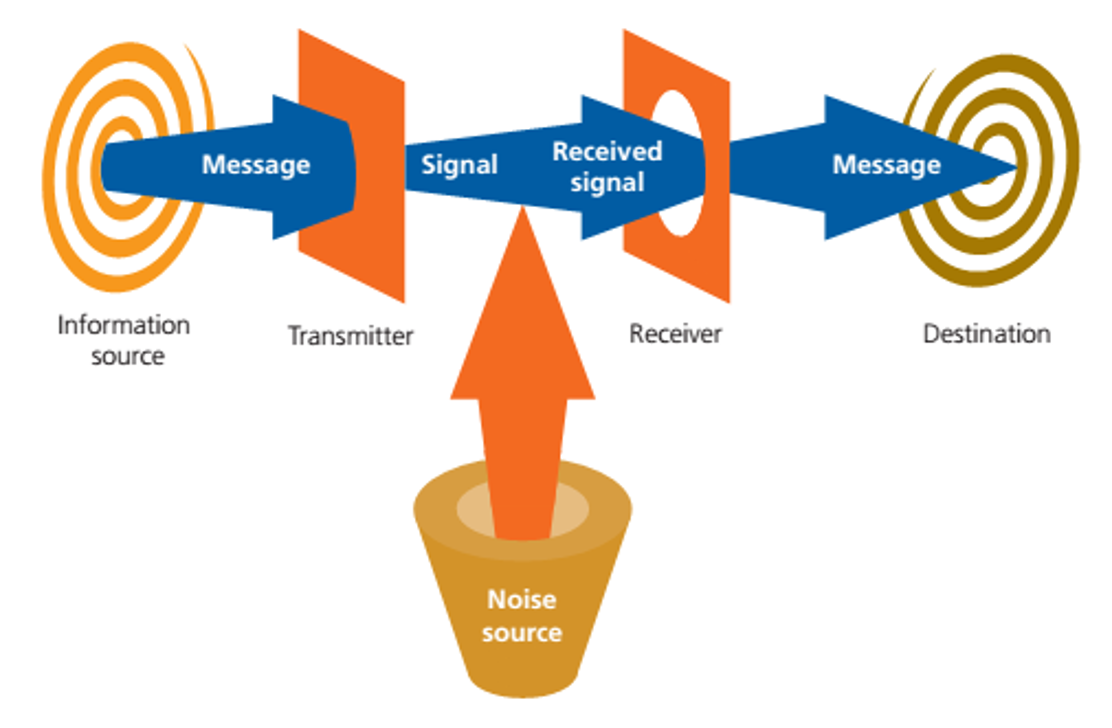
In the BLANK of Communication receivers respond to senders, senders listen to receivers
Interactive Model
What are the types of feedback?
verbal or nonverbal
intentional or unintentional
create and interpret within fields of experience
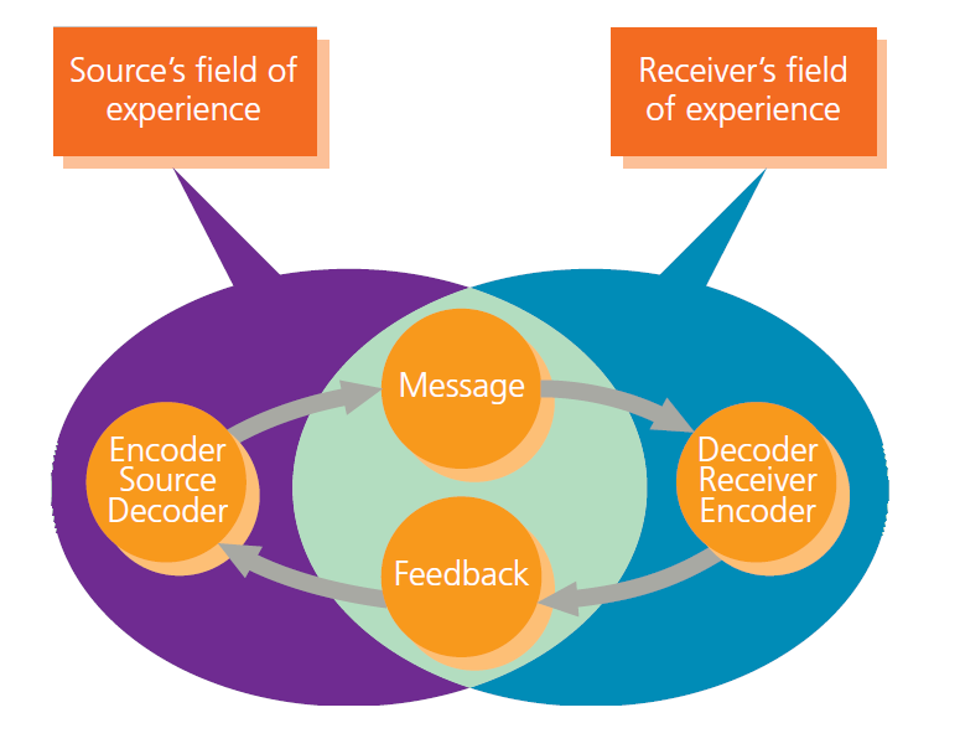
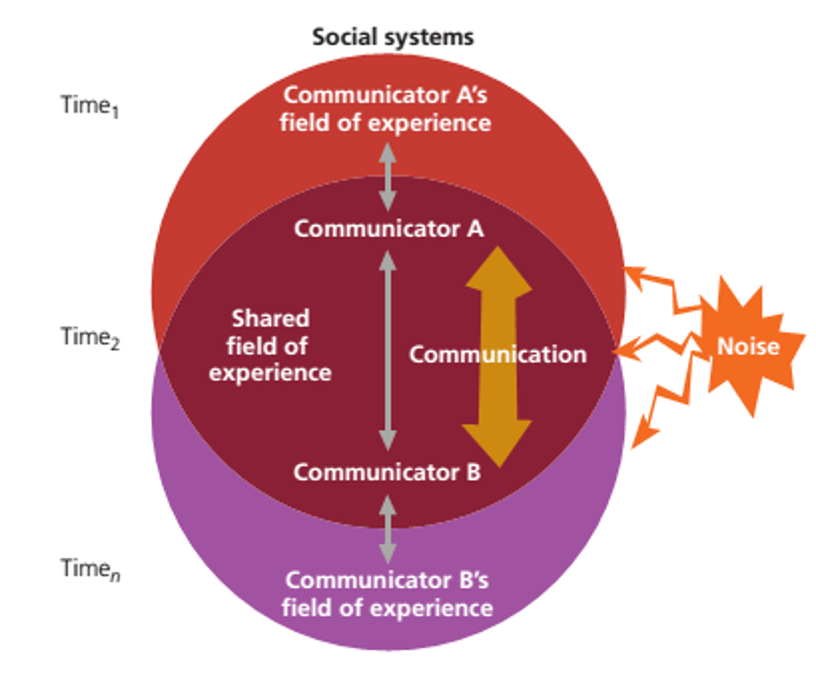
The BLANK mode of communication people often simultaneously send and receive messages
Communication BLANK over time
Communication is subject to potential BLANk from noise
Communication occurs within BLANK
Transactional
changes
interference
systems
Breadth of the Field- 7 types
intrapersonal
interpersonal
group
organizational
health
mass
public
intercultural
Unifying themes
symbols, meaning, critical thinking, ethics and communication
Careers in Communication
education, media production analysis, and criticism, training and consulting, HR, management, research
Digital Media and Comms
Value- maintain personal relationships through social media, job search, civic engagement
drawback- lack contextual clues, delayed feedback, missed meaning