Lecture 4- Exam 2
 Call Kai
 Learn
Learn Practice Test
 Spaced Repetition
 Match
Match Flashcards
 Knowt Play
1/36

There's no tags or description
Looks like no tags are added yet.
Name | Mastery | Learn | Test | Matching | Spaced | Call with Kai | Chat |
|---|
No analytics yet
Send a link to your students to track their progress
37 Terms
intercellular communication- indirect
involves extracellular signals (chemical messengers) because cells aren’t touching (text, call, write message)
signal is released outside the sending cell (extracellular) and chemical’s signals composition tells the receiving cell what to do (key), all signals are some sort of chemical
primary types of indirect communication
paracrine, neurotransmitter, endocrine (hormones)
where do paracrines come from?
almost all cells in the body

(green cells in middle are paracrines)
where do paracrines go to?
nearby cells (communication can be overheard by other people)
where do paracrines travel?
fluid between cells (interstitial fluid: watery liquid that fills the spaces around cells in the body) (water)
special case for paracrines
autocrines: cell sends message to itself (example: taking notes in class to organize thoughts and remember later)
where do neurotransmitters come from?
only neurons

where do neurotransmitters go to?
only adjoining cells (not attached, requires space/synapse connection)
example: whispering to a friend to avoid others from hearing
where do neurotransmitters travel?
fluid between cells
endocrine
hormones
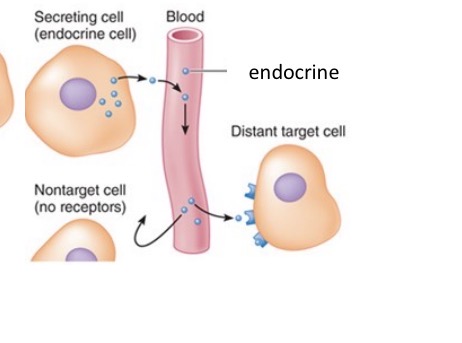
where do endocrines come from?
only gland or neuron
nervous system often releases endocrines to initiate the endocrine system to get started
where do endocrines go to?
distant cells (move into our blood) (goes through cells)
blood delivers oxygen adn substances to all cells, enabling long distance communication
example: we can hear a voice from Cincinnati or Toledo
where do endocrines travel?
blood (plasma)
special case for endocrines
neurohormone: a special name for endocrines released from a neuron (source is not a gland, its a neuron) (historically known as neuroendocrine)
how can paracrines and neurotransmitters be grouped
location being sent to (both nearby cells)
where they travel (both fluid between cells)
paracrines and neurotransmitters are both being sent to? While endocrines are being sent to?
paracrines + neurotransmitters: nearby cells
endocrines: distant cells
paracrines and neurotransmitters both travel via? While endocrines travel via?
paracrines and neurotransmitters: fluid between cells (water)
endocrines: blood
smallest component of body
cells
mitosis
process for creating new cells from a single fertilized egg cell for growth and repair (not meiosis, which creates egg/sperm)
multicellular organism (metazoin)
genome
identical DNA
proteome
different proteins in different cell types (proteins made from DNA but specialized cells have different jobs because of different proteins)
example: heart cell proteins differ from neuron proteins
lipidome
different lipids (fats) in different cell types, lipids also perform specific jobs
example: heart cell fats differ from neuron fats
DNA is blueprint but still have different components
cells use different parts of the same DNA blueprint to perform specific functions (neurons, cardiac cell)
analogy: two people writing papers from the same library, but using different sources to create different papers
primary cell types
cells are surrounded by water/fluid except epithelial cells interact with air
epithelial cells
muscle cells
neurons
connective
epithelial cells
out/in boundary, interact with air on one side
examples: skin, lining of respiratory system (lungs), digestive system, renal system
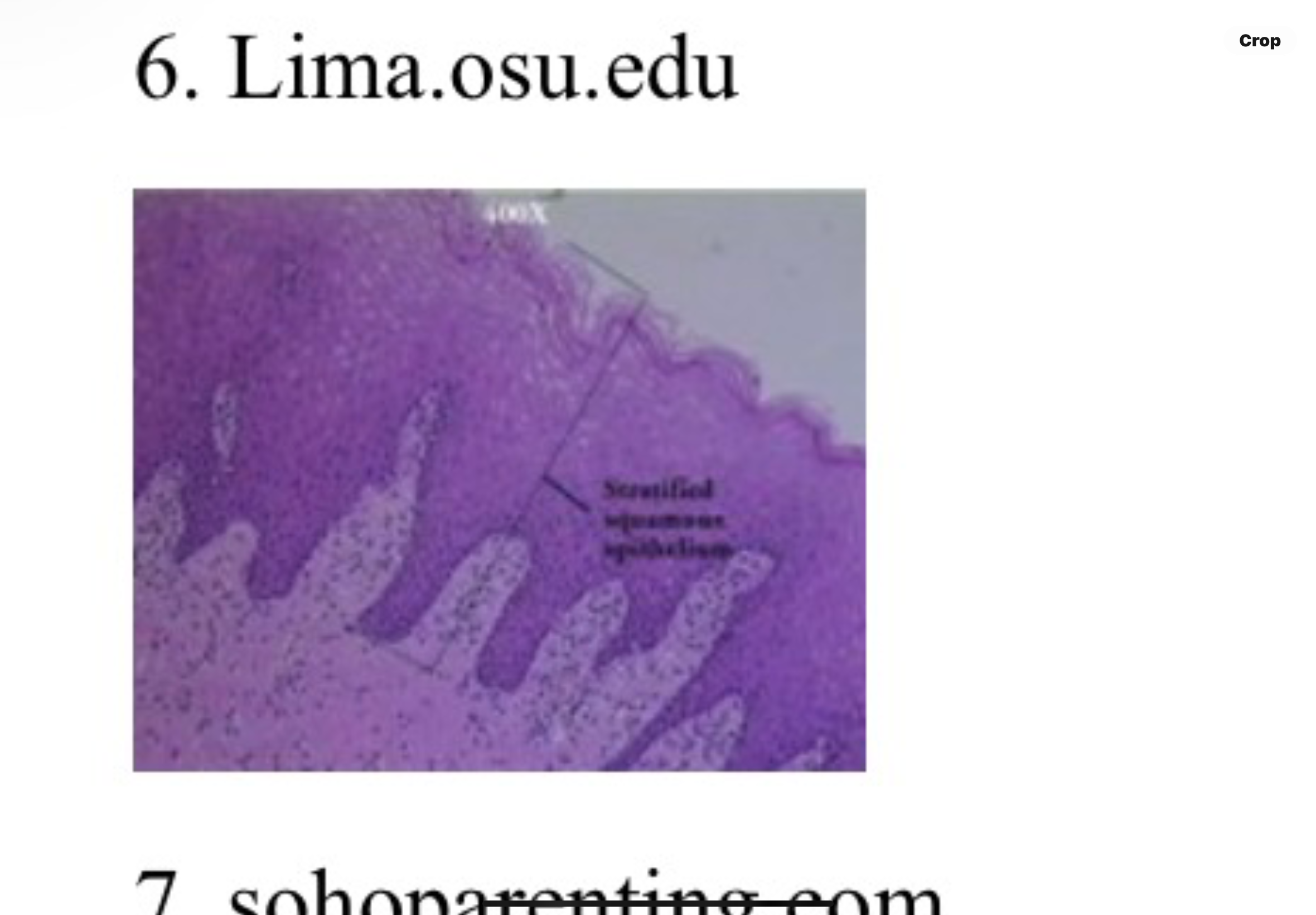
figure 6
muscle cells
mechanical movement
examples: skeletal muscle (movement), cardiac muscle (heart squeeze), smooth muscle (stomach squeezing)

figure 7
neurons
electrical communication, generate and move electrical activity over long distances (up to a meter)
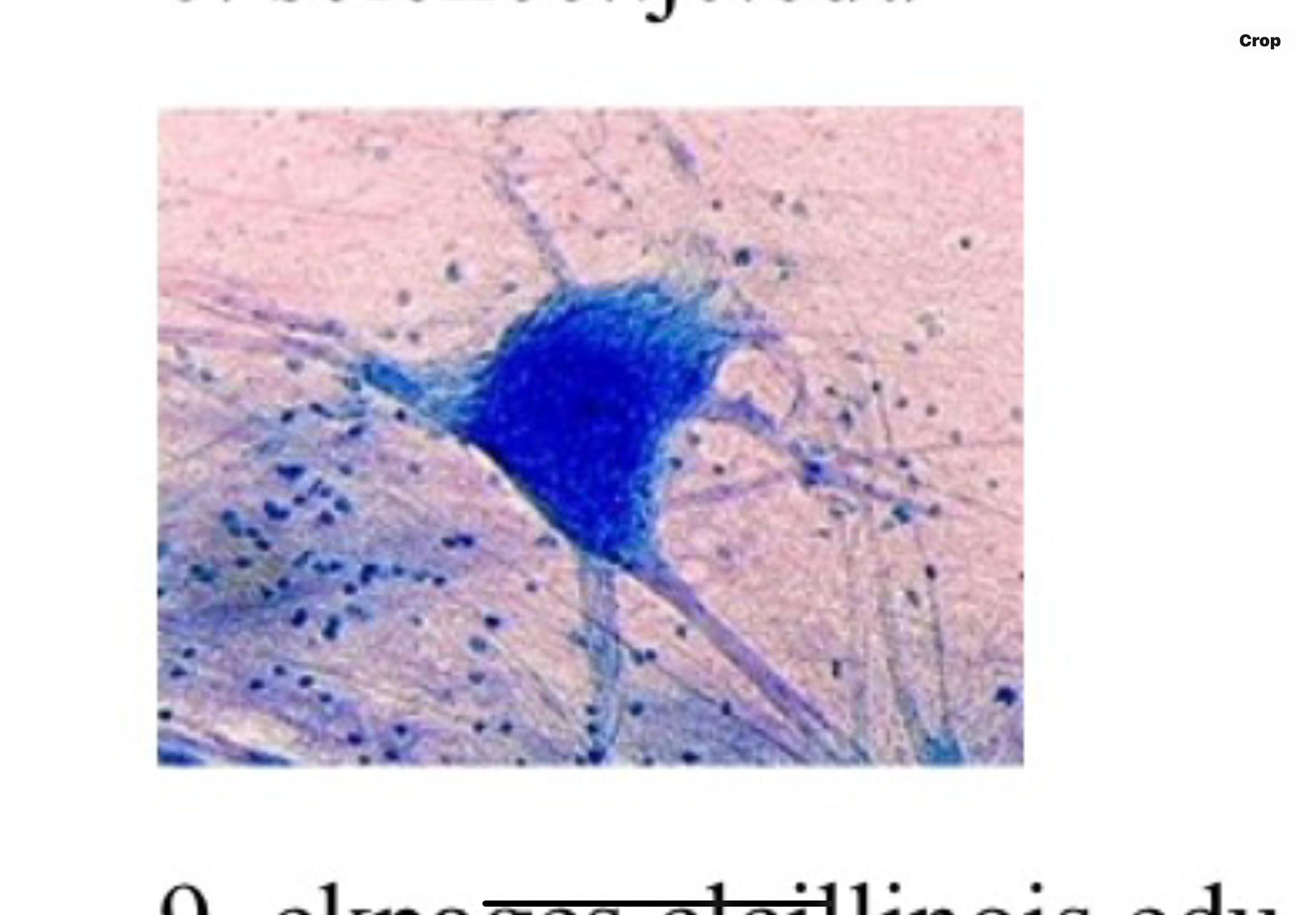
figure 8
connective cells
support one or more of the other three categories, support can be physical or metabolic
example: red blood cells do not generate electrical activity, mechanical movement, or form boundaries. They provide metabolic support by delivering oxygen to other cell types, which is essential for ATP production via equation 2

figure 9
tissues (putting cells together)
defined as groups of cells of the same primary type so 4 main types of tissues (epithelial, muscle, neurons, connective)
organs (group of cells)
combinations of tissues (vary in proportion and pattern), organs function is defined by its specific combination and arrangement of tissues
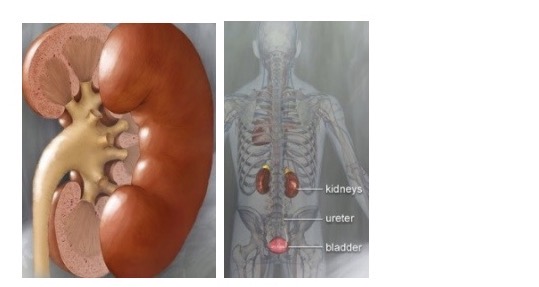
figure 10
functional unit of organs
smallest part of an organ that performs the overall job of the organ (cells and tissues don’t have functional units)
example: the nephron is the functional unit of the kidney. Understanding one nephron’s function helps understand the whole kidney’s function
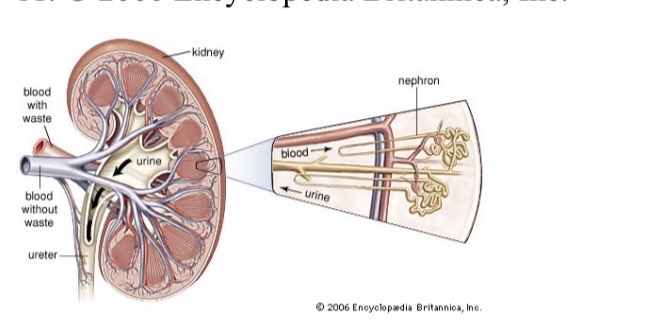
figure 11
redundancy
if some functional units fail, the organ can still function (kidneys still work wiht less than 100 percent nephrons functioning)
example: someone sick in a business but the whole office doesn’t shut down and it can still work
redundancy exception
the heart is considered only one functional unit in humans, lacking redundancy. Loss of heart function leads to disaster without quick intervention
expansion
more functional units can be added to an organ without shutting down existing operations
example: training new workers for a business expansion
organ/body systems
a collection of organs with related functions, also called body systems, maintain one or more parameters in homeostasis (steady state at a set point)
examples of organ/body systems
renal system (kidneys, ureters, bladder) for urine production and excretion, circulatory system (heart, blood vessels), immune system
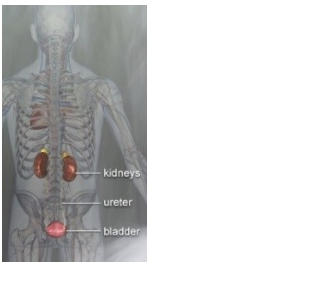
figure 10
organ systems can what?
overlap
example: the immune system heavily relies on the circulatory system to transport soldier cells (antibodies) throughout the body