Terrestrial Biomes
 Call Kai
 Learn
Learn Practice Test
 Spaced Repetition
 Match
Match Flashcards
 Knowt Play
1/34

There's no tags or description
Looks like no tags are added yet.
Name | Mastery | Learn | Test | Matching | Spaced | Call with Kai | Chat |
|---|
No analytics yet
Send a link to your students to track their progress
35 Terms
Biome
Large area with similar climate conditions that determine the plant
and animal species that can survive there
- ex. tropical rainforest
- They have ranges and are defined by their abiotic (non-living)
components- precipitation and temperature
Terrestrial Biome
A geographic region categorized by a particular combination of:
1) average annual temperature
2) annual precipitation
3) distinctive plant growth forms
4) animals on land
- What can survive is defined by temperature and precipitation, abiotic factors.
- Biomes across the globe occur in similar latitudes-due to climate patterns
Higher latitude - 60 degrees +
Tundra and Boreal latitude
mid latitudes - 30-60 degrees
Temperate latitude
closer to equator
tropical latitudes
importance of latitude in biomes
Latitude (distance from equator) determines temperature and precipitation, why biomes exist in predictable patterns
Climate diagrams
They display monthly temperature and precipitation values, which help determine the productivity of a biome

Tundra - Location/Precipitation/Temperature/Soil
Location: high-latitude regions near the North Pole and high-altitude mountain tops around the world
Precipitation = little precipitation 6-10 inches annually (cold desert)
Temp = Coldest and harshest biome, temps ranging from 54--30 degrees F
Soil - very slow decomposition and soil formation, low organic matter in soil, permafrost (permanently frozen soil)
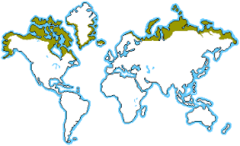
Tundra - Flora + Fauna
Flora = mosses, grasses, dwarf shrubs
Fauna = polar bear, musk, snowy owl, and arctic fox
Tundra - Human interferences
1) Climate change - burning fossil fuels warms the Arctic faster and thaws underlying permafrost, which releases stored CO2
2) Oil and Gas drilling - Cause habitat fragentation and produce localized pollution
Boreal Forest/Tiaga - Location/Precipitation/Temperature/Soil
Location - Belt across Northern Hemisphere, south of tundra
Precipitation- 12-33in annually
Temperature - cold, 23-41 F
Soil - slow decomposition, thin, acidic, nutrient poor.

Boreal Forest/Tiaga - Flora + Fauna
Flora = coniferous trees, deciduous trees, and underbrush/moss
Fauna = moose, reindeer, black bears, wood bison
Boreal Forest/Tiaga - Human Interferences
1) Logging and Deforestation - destroys biodiversity and wildlife habitats
2) Mining - Breaks continuous forest cover
Temperate Rainforest - Location/Precipitation/Temperature/Soil
Location - Mid latitude coasts and mountainous regions
Precipitation- 30-60 inches annually
Temperature - ocean currents moderate temperature fluctuations, average annual temp of 50 F
Soil- poor soils due to trees and low organic matter

Temperate Rainforest - Flora + Fauna
Flora = massive trees (redwood), evergreen huckleberry, spruce
Fauna = black bears, elk, deer, mountain lions
Temperate Rainforest - Human Interferences
1) Commercial Logging - companies clear old growth trees for timber
2) Urbanization/Infrastructure - building roads and hydroelectric dams increases habitat loss
Temperate Seasonal Forest - Location/Precipitation/Temperature/Soil
Location - mid latitude, North/East hemisphere
Precipitation- over 39in (1m) annually
Temperature-moderate temperature, freezing-90 degrees F
Soil - nutrient-rich soils, high productivity, warmer temps favor decomposition
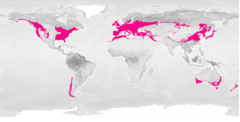
Temperate Seasonal Forest - Flora + Fauna
Flora = deciduous trees (oaks/maples), ferns, wildflowers
Fauna = white-tailed deer, red foxes, woodpeckers, and hawks
Temperate Seasonal Forest - Human Interferences
1) Agriculture - clearing out forest to create fertile crop fields
2) Logging
3) Wildfires
Temperate Grassland - Location/Precipitation/Temperature/Soil
Location - mid latitude, far from oceans
Precipitation- 20-35in annually
Temperature-freezing winters to hot summer
Soil - highly productive soils, high soil organic matter

Temperate Grassland - Flora + Fauna
Flora = grasses, sunflowers, willows
Fauna = American bison, elk, antelope, prarie dogs
Temperate Grassland - Human Interference
1) Agricultural conversion - plowing destroys plant life and reduces biodiversity
2) Overgrazing - cattle overgraze, compacts soil, destroys root systems, and accelerates erosion
Woodland/Shrubland - Location/Precipitation/Temperature/Soil
Location - west coastal regions
Precipitation- 8-40in annually
Temperature- hot, dry summer, and mild winter
Soil - shallow, nutrient-poor, mildly acidic
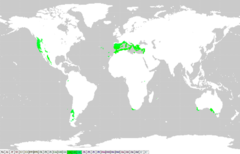
Woodland/Shrubland - Flora + Fauna
Flora = woody shrubs, small pine trees, hardy grasses
Fauna = Rabbits, deer, squirrels, coyotes, bobcats
Woodland/Shrubland - Human Interference
1) Deforestiation and Land Clearing
2) Altered Fire regimes - relies on natural fire cycle to regenerate, but humans suppress it too quickly
Tropical Rainforest - Location/Precipitation/Temperature/Soil
Location - mostly between Tropic of Cancer and Tropic of Capricorn
Temperature- warm year-round, little temperature variation
Precipitation- 80-400in annually
Soil- nutrient-poor soil due to rapid decomposition

Tropical Rainforest - Flora + Fauna
Flora = lianas (vines), orchids, tall trees
Fauna = toucans, sloths, howler monkeys, poison dart frogs
Tropical Rainforest - Human Interferences
1) Agriculture and Cattle Raiching = Clear area for crops and livestock
2) Logging
3) Mining
Tropical Seasonal Forest/Savanna - Location/Precipitation/Temperature/Soil
Location - Within 30 degrees of the equator
Temperature- warm with distinct wet and dry seasons, 68-86 degrees
Precipitation- 8-40in annually
Soil- fertile soil, nutrients stored in soil due to limited water availability

Savanna - Flora + Fauna
Flora = tall grasses, baobab trees, palms
Fauna = Zebras, elephants, giraffes, lions, cheetahs, hyenas
Savanna - Human interferences
1) Desertification - Sever overgrazing and climate stress turns fertile soil into desert
2) Climate Chang - Causes severe droughts
Desert - Location/Precipitation/Temperature/Soil
Location - between 15-35 degrees N and S of equator
Temperature- hot temperatures average 104 degrees F
Precipitation- less than 12 in annually, often evaporating before hitting the ground
Soil - dry, coarse, shallow, low in organic matter, high in minerals and salts
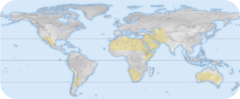
Desert - Flora + Fauna
Flora = cacti, bushes
Fauna = Camels, kangaroo rats, fennec foxes
Desert - Human interference
1) Off-road vehicles - crushes fragile soil crusts and causes long-term erosion
2) Water diversion - building dams and withdrawing grandwater dries up natural oases
Shifting Biomes
Biomes shift in location on earth as climate changes
- ex. warming climate will shift boreal forest further north as tundra permafrost soil melts and lower latitudes become too warm for aspen and spruce trees