mid sem exam week 1-4
 Call Kai
 Learn
Learn Practice Test
 Spaced Repetition
 Match
Match Flashcards
 Knowt Play
1/47

There's no tags or description
Looks like no tags are added yet.
Name | Mastery | Learn | Test | Matching | Spaced | Call with Kai | Chat |
|---|
No analytics yet
Send a link to your students to track their progress
48 Terms
what are the two effects of radiation
deterministic effect, stochastic effect
what is tthe meaning of deterministic effect
same input always produces exact same output
what is stochastic effect
random and the probability increases with dose, severity is not affected by magnitude of dose, no threshold
what is relative risk (RR)
ratio of disease incidence in exposed population vs general population
what is excess relative risk (ERR)
RR-1 (relative risk)
what is the origin of radiation for xray
decaying atom in atomic state
what is the origin of radiation for gamma
decaying atom in nuclear state
what is pair production
photon spontaneously creates an electron-positron pair
what are the types of ionising radiation
particulate and electromagnetic
what interaction is involved with ionising radiation with matter
transfer of energy from the radiation to atomic electron/nuclei
what is LET
linear energy transfer
what is LET for electrons and beta particles
primarily atomic electrons, large changes in direction, may cause ionisation
what is LET for photons (xray and gamma)
primarily photoelectric effect, compton scatter: ionisation and excitation
what is the unit for dose
gray/ sievert
what is absorbed dose
the energy imparted by the ionising radiation per unit mass of matter
what is equivalent dose
for the same absorbed dose, the biological effects of IR depend on the type and energy, of the radiation
what is effective dose
apply a tissue weighting factor to the equivalent dose, which will give us the effective dose
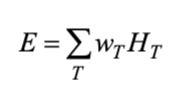
what is tissue weighting factor
it represents the relative contribution of that organ or tissue to the total detriment (cause harm) due to effects resulting from uniform irradiation of the whole body
what is the desirable uniform equivalent dose over the whole body to effective dose
same
what dose exposure measure
number of photons
what is the unit for exposure
C kg^-1
what are the classes of ionising radiation exposures
external radiation exposure, internal radiation exposure
what is external radiation exposure
stops when the source is turned off or when a person moves away from the source
what is internal radiation exposure
an intake of a radionuclide commits to the person receiving a dose for a period of time which depends on the effective half-life of the radionuclides
what is committed equivalent dose
the equivalent dose which an organ of tissue is committed to receive from the intake of radioactive materal
what is committed effective dose
the effective dose which a person is committed to receive from the intake of radioactive material
what is collective dose and the unit
the sum of all individual effective doses for a group, man-sieverts
what are the 3 principles of radiation protection
justification, optimisation, limitation
what is considered in optimisation in radiation protection
the magnitude of dose, the number of people exposed, the likelihood that potential exposures will be kept
what is the public limit for dose
1 mSv/year
what are the types of exposures
planned exposure, emergency exposure, existing exposure
what are the categories of exposures
occupational, medical, public
what is the dose limit for occupational
20 mSv/year
what does film badges include
silver halide film
what are some examples of personal dosimeters
film badges, thermoluminescent dosimeters (TLDs), optically stimulated luminescence devices, pocket electronic dosimeters
how do TLDs work
radiation traps electrons in crystal defects. heating releases electrons → light emitted → dose proportional
what is in TLDs
LiF or CaSO₄:Dy
what are the 3-4 chips in TLD badges estimate
shallow dose, eye dose, deep dose
what is the minimum measurable dose for TLD
~10–20 µSv (diagnostic energies)
~70 µSv (megavoltage therapy)
how are TLD reused
annealed at 400°C
what are the 3 key principles for protection from external radiation
time, distance, shielding
what is the dose rate from gamma sources
T = k‑factor (µSv/h at 1 m per MBq)
A = activity (MBq)
d = distance (m)
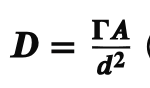
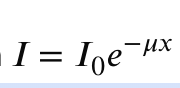
what is the shielding calculation for Narrow beam
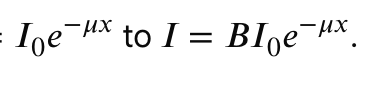
what is the shielding calculations for broad beam
B: build up factor
what does structural shielding protect against
primary beam, scattered radiation, leakage radiation
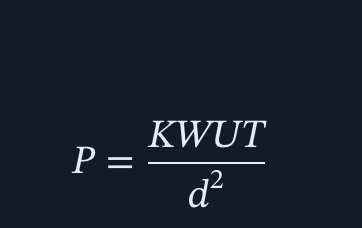
what is the weekly dose equation
Workload (W) — mA·min/week
Use factor (U) — fraction of time beam points at barrier
Occupancy factor (T) — fraction of time area is occupied
Distance (d) — from tube to barrier
Transmission factor (K) — from lead attenuation graphs
Design dose limits used
what is the key differences between therapists and radiographers in shielding calculations
therapists uses Monitor units (MU), annual dose used instead of weekly dose
what is the thickness of lead equivalence for personal protection
0.25-1mm