Amino Acids
 Call Kai
 Learn
Learn Practice Test
 Spaced Repetition
 Match
Match Flashcards
 Knowt Play
1/24

There's no tags or description
Looks like no tags are added yet.
Name | Mastery | Learn | Test | Matching | Spaced | Call with Kai | Chat |
|---|
No analytics yet
Send a link to your students to track their progress
25 Terms
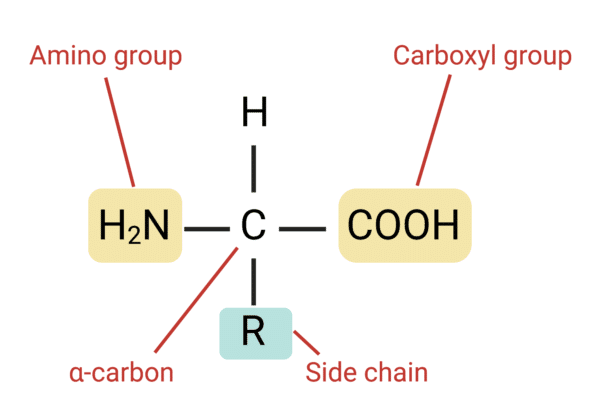
What are the main features of an Amino Acid
Amino Group, Alpha Carbon, Carboxyl Group, Side Group, and Alpha Hydrogen
Describe Glycine
Gly, G
Only achiral
Nonpolar

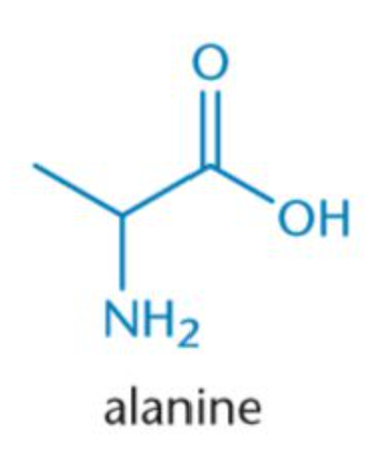
Describe Alanine
Ala, A
non-polar
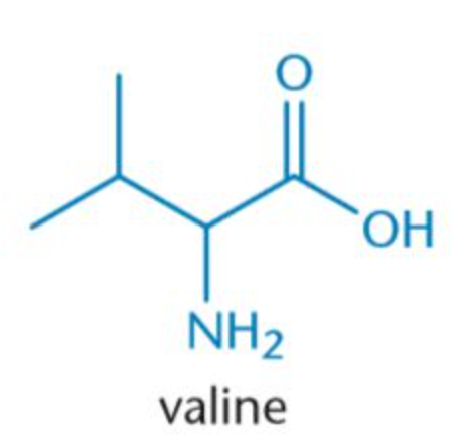
Describe Valine
Val, V
Nonpolar
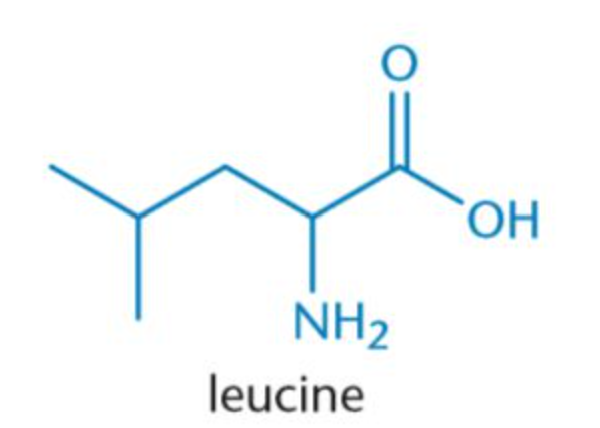
Describe Leucine
Leu, L
Non-Polar
Describe Isoleucine
ile, I
Non-Polar

Describe Proline
Pro, P

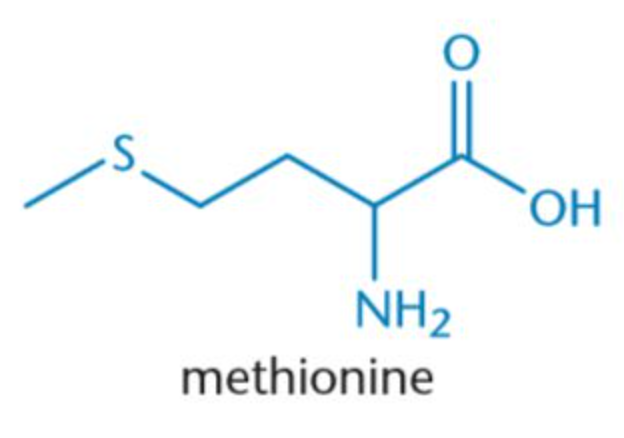
Describe Methionine
Met, M
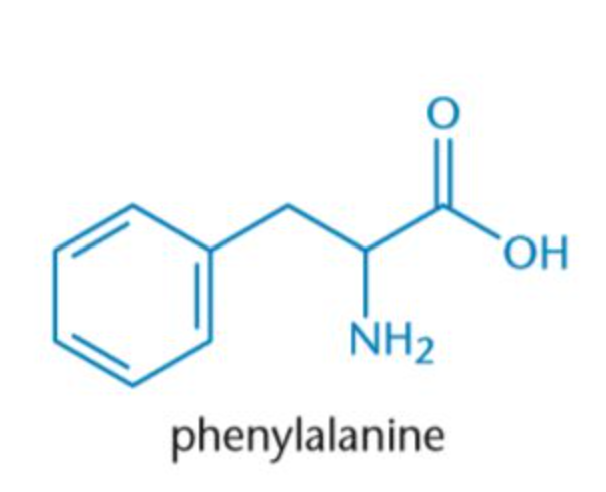
Describe Phenylalanine
Phe, F
Aromatic
Nonpolar
Describe Tyrosine
Tyr, Y
Aromatic
Slightly Polar

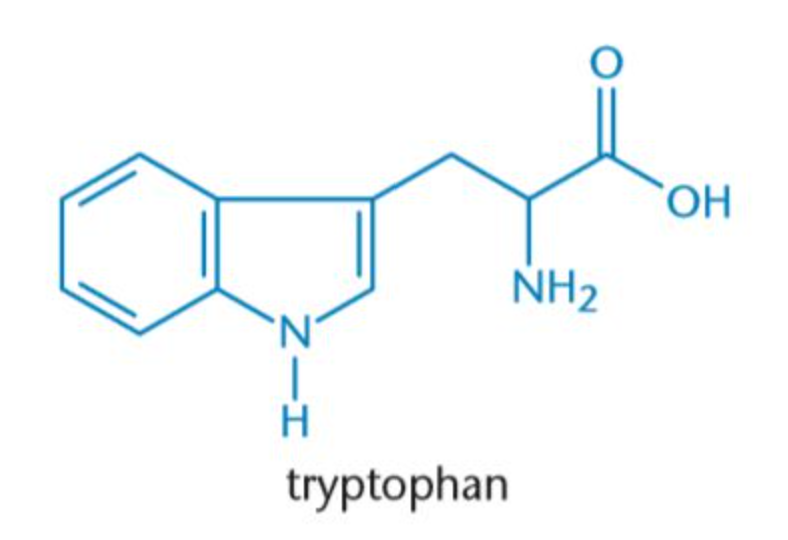
Describe Tryptophan
Trp, W
Nonpolar
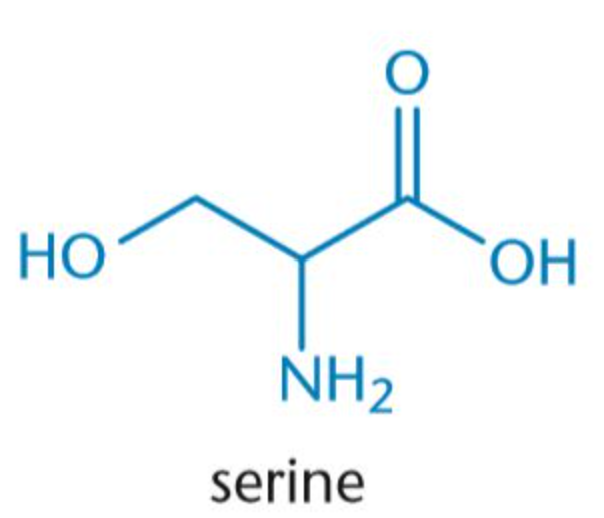
Describe Serine
Ser, S
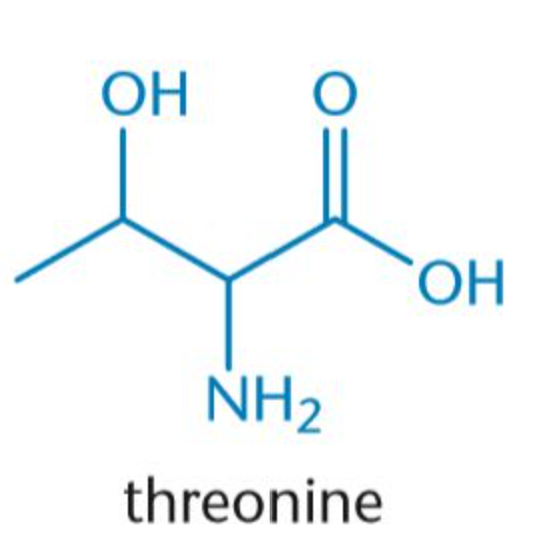
Describe Theronine
The, T
Polar
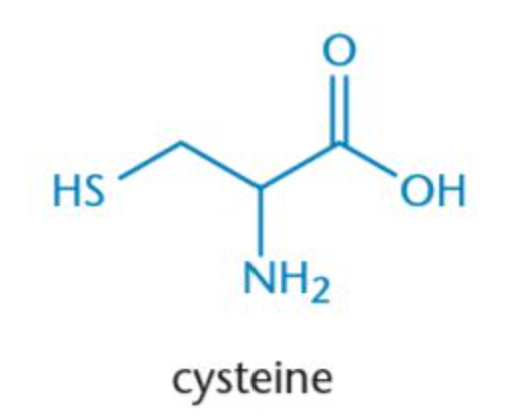
Describe Cysteine
Cys, C
Polar
Only R Configuration AA
Describe Asparagine
Asn, N
Polar

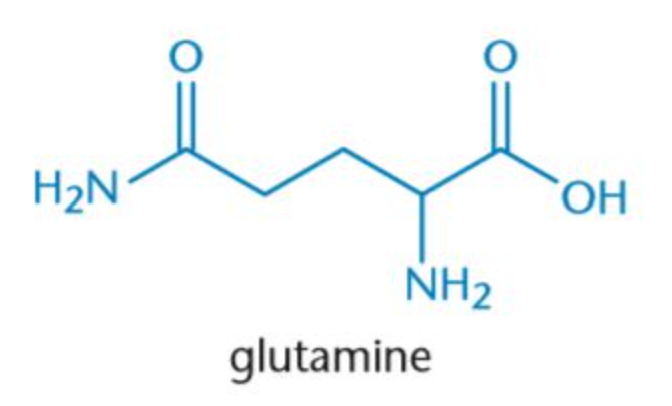
Describe Glutamine
Gln, Q
Describe Aspartate/Aspartic Acid
Asp, D
Acid
Polar
Negativly charged(unprotonated) & neutral(protonated)
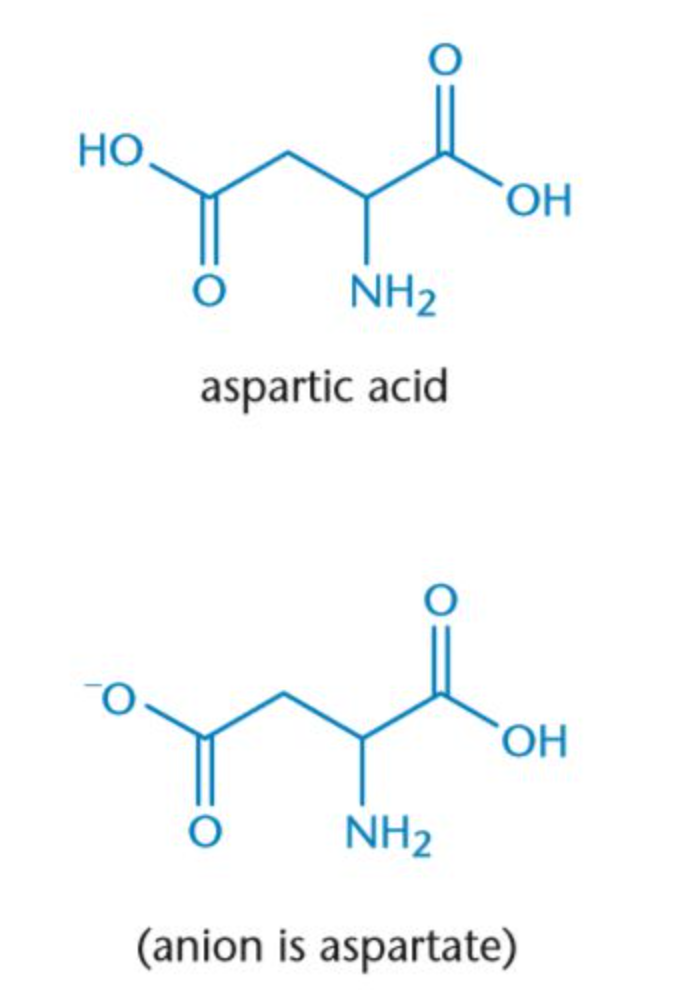
Describe Glutamate/Glutamic Acid
Glu, E
Negatively charged(unprotonated) & neutral(protonated)

Describe Lysine(3 letter, 1 letter,
Lys, K
Basic
Polar
Positively charged(protonated) & neutral(unprotonated)

Describe Arginine
Arg, R
Positive Charged(protonated) & neutral(unprotonaated)
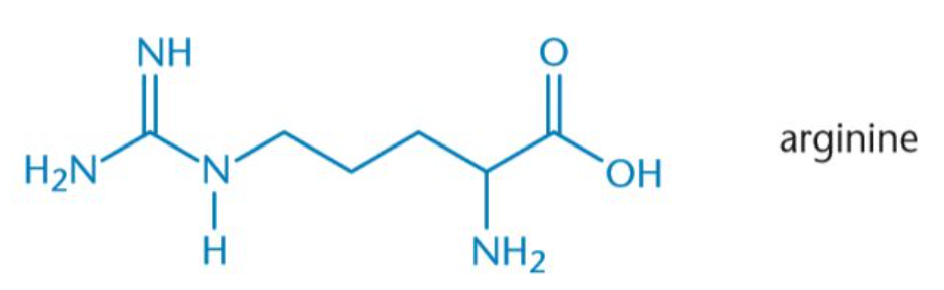
Describe Histidine
His, H
Positive Charged(protonated) & neutral(unprotonaated)
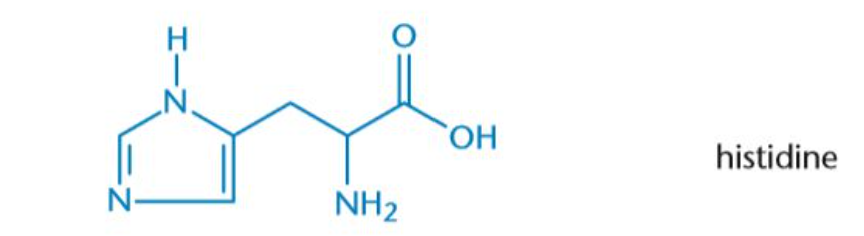
if pH < pKa what happens
protonated
if pH < pKa what happens
deprotonated/unprotonated
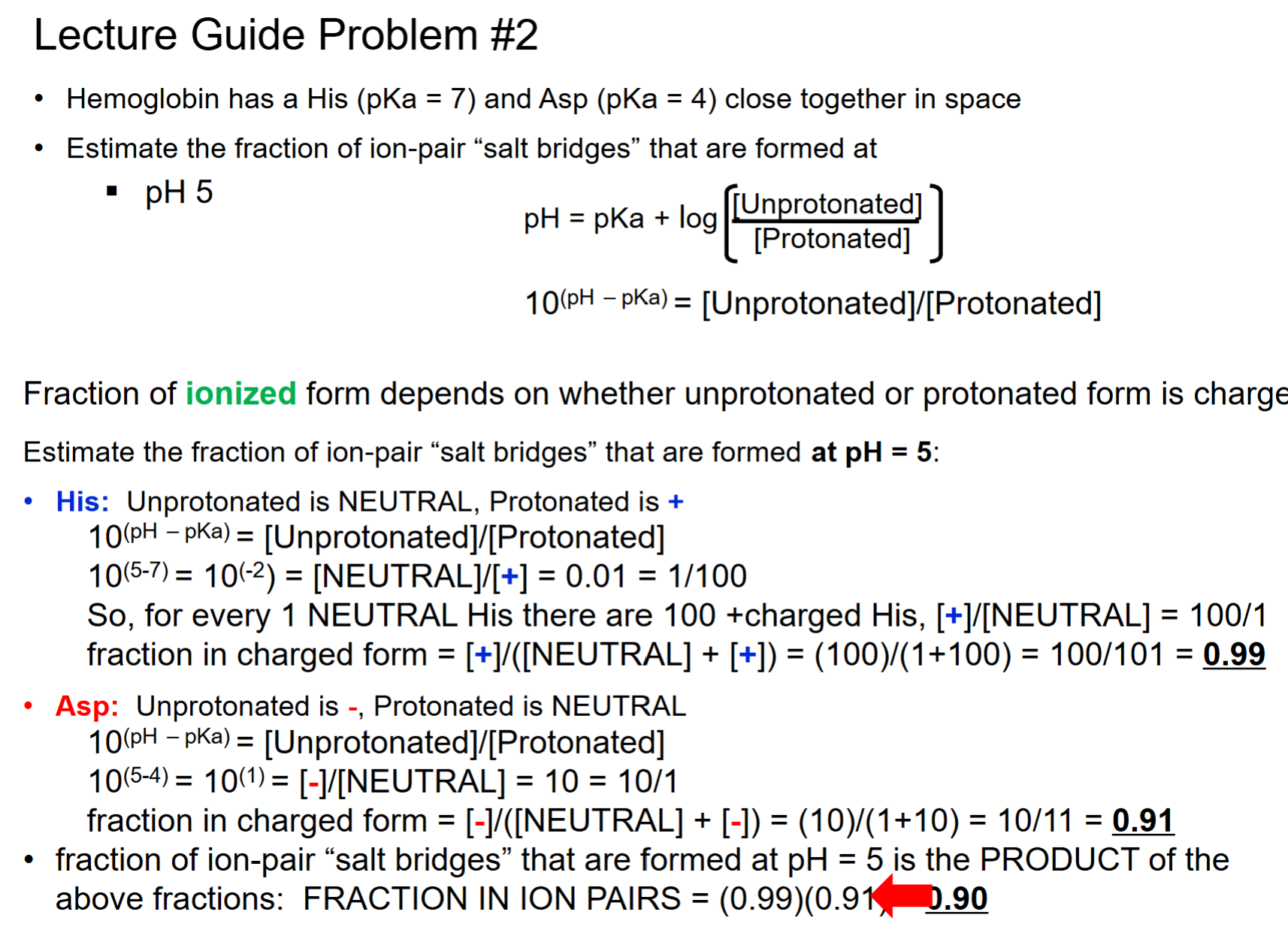
Use of Henderson-Hasselbalch formula
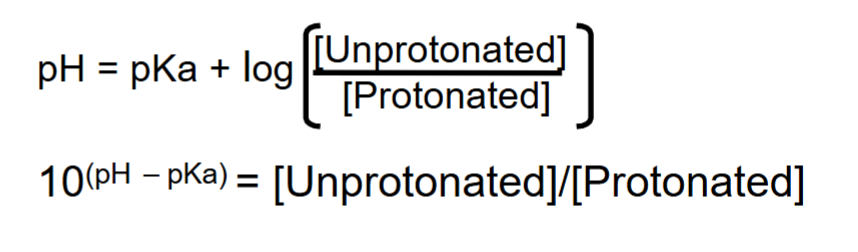
How do you calculate the ion pairs/salt bridges